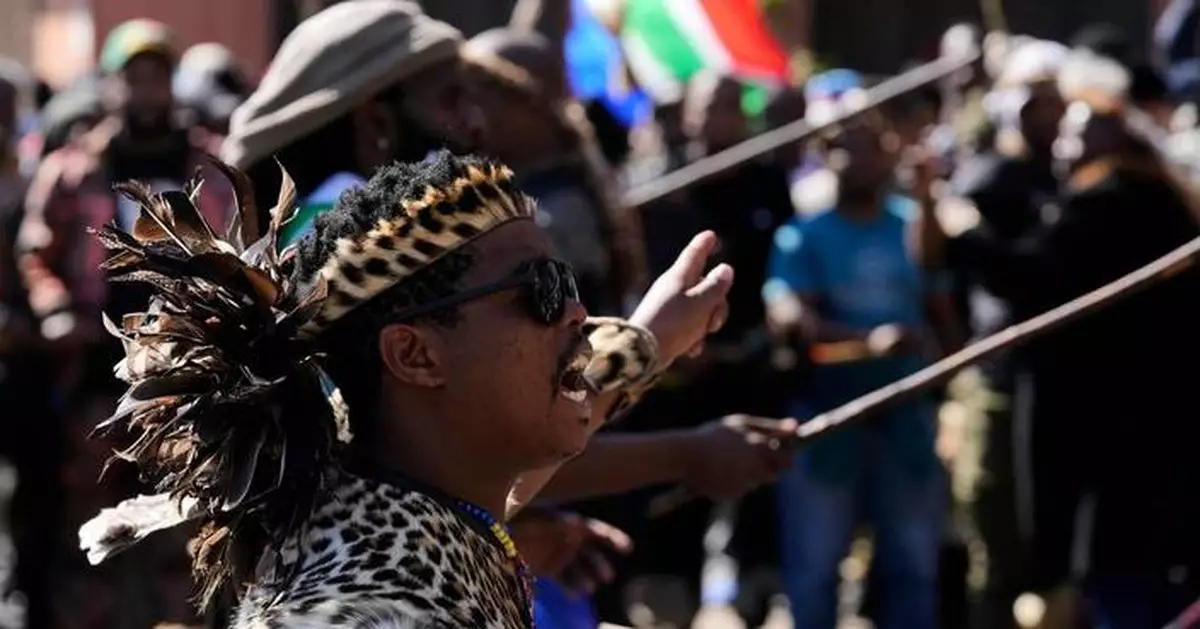
Skip to Content Facebook Feature Image

South Africa deploys police for widespread protests by groups opposing illegal immigration

News

South Africa deploys police for widespread protests by groups opposing illegal immigration
News

News

South Africa deploys police for widespread protests by groups opposing illegal immigration

2026-06-30 21:54 Last Updated At:22:00

JOHANNESBURG (AP) — Thousands of demonstrators gathered in parts of South Africa to rally against illegal immigration on Tuesday in the biggest migration-related protests since anti-migrant violence broke out in the country in 2008.

The demonstrations come after some protest groups set what they called a June 30 deadline for the departure of all migrants who are in the country illegally. The activists blame those migrants for causing unemployment among South Africans by accepting low wages, and for other problems including high crime.

More Images
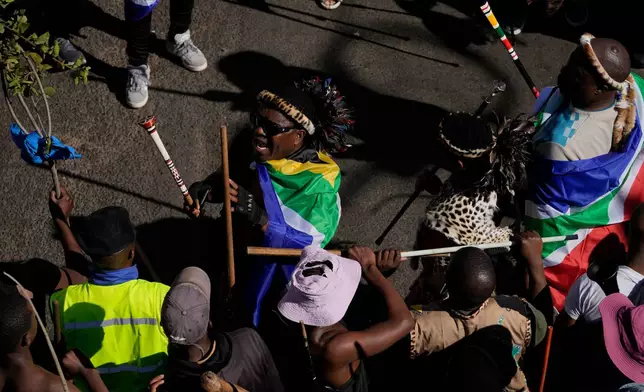
People attend a protest against illegal immigration, in Johannesburg, South Africa, Tuesday, June 30, 2026. (AP Photo/Themba Hadebe)
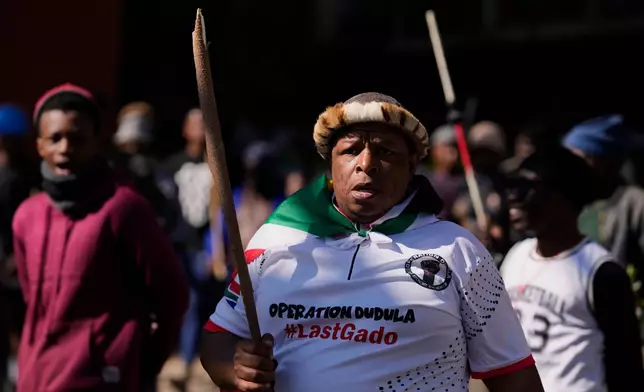
People attend a protest against illegal immigration, in Johannesburg, South Africa, Tuesday, June 30, 2026. (AP Photo/Themba Hadebe)
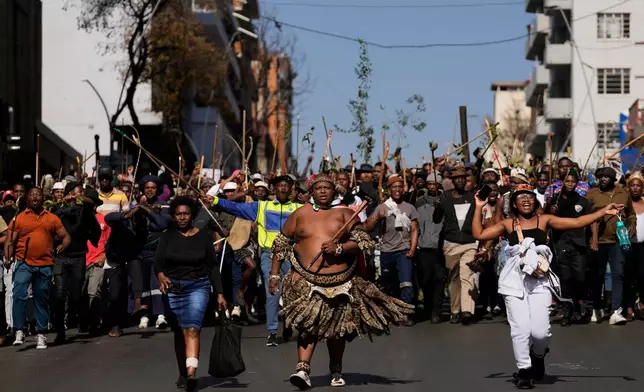
Protesters march against illegal immigration, in Johannesburg, South Africa, Tuesday, June 30, 2026. (AP Photo/Themba Hadebe)
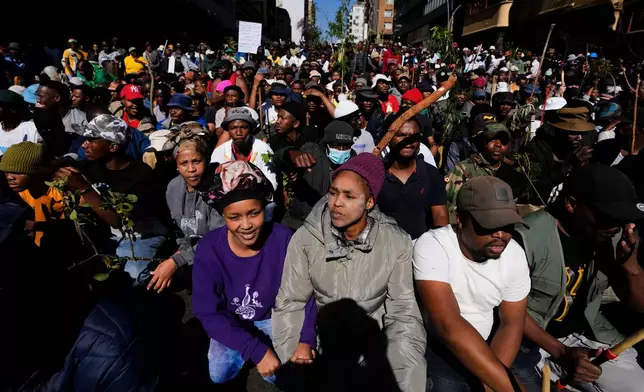
Protesters march against illegal immigration, in Johannesburg, South Africa, Tuesday, June 30, 2026. (AP Photo/Themba Hadebe)
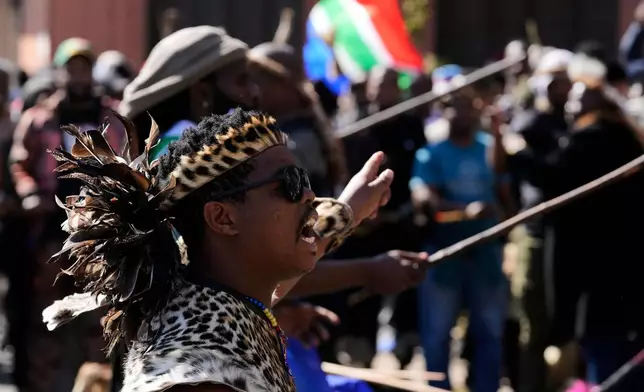
Protesters march against illegal immigration, in Johannesburg, South Africa, Tuesday, June 30, 2026. (AP Photo/Themba Hadebe)

Protesters march against illegal immigration, in Johannesburg, South Africa, Tuesday, June 30, 2026. (AP Photo/Themba Hadebe)

Protesters march against illegal immigration, in Johannesburg, South Africa, Tuesday, June 30, 2026. (AP Photo/Themba Hadebe)

Protesters march against illegal immigration, in Johannesburg, South Africa, Tuesday, June 30, 2026. (AP Photo/Themba Hadebe)

Protesters march against illegal immigration, in Johannesburg, South Africa, Tuesday, June 30, 2026. (AP Photo/Themba Hadebe)

Protesters march against illegal immigration, in Johannesburg, South Africa, Tuesday, June 30, 2026. (AP Photo/Themba Hadebe)

South Africa's government has rejected the deadline, saying only authorities can enforce immigration laws.

The most prominent groups opposing illegal immigration include March and March, Operation Dudula and Progressive Forces. President Cyril Ramaphosa met Monday night with leaders of some of the groups and asked them to conduct peaceful demonstrations.

Ngizwe Mchunu, one of the protest leaders, told The Associated Press that he blamed illegal migration for a proliferation of illicit drugs in South Africa. He also complained about the high percentage of informal neighborhood shops run by immigrants from other African countries, saying they should all be owned by South Africans.

“It's a very sad story that we have been telling our government since the dawn of democracy that illegal immigration here is out of hand,” Mchunu said. “It is time for our government to put South Africa first.”

The South African police deployed hundreds of officers in cities including Johannesburg in Gauteng province and Durban in KwaZulu-Natal province to prepare for potential violence.

Previous marches against illegal immigration have resulted in attacks on migrants and vandalism of foreign-owned businesses. In Johannesburg, some shops owned by foreign nationals were closed before the arrival of protesters on Tuesday. In some parts of the country, private security firms were protecting businesses.

Protesters marching through Johannesburg’s city center Tuesday included young men carrying traditional fighting sticks and women of all ages. Some wore the South African flag and sang liberation songs.

They carried posters with slogans including “SA withdraw from the UN refugee convention,” “The future of our kids” and “80% of children born in Limpopo province are born to foreign nationals.”

“Today is the last day,” protester Nkele Thebe said at the start of the Johannesburg demonstration. “After today, we’ll be dealing with our president and our nation. We don’t want an outsider to come interfere.”

Another protester, Bongani Cindi, said groups opposing illegal immigration were being unfairly labeled as xenophobic for raising legitimate issues.

“Our country has got a lot of problems. We have influx of illegal immigrants who are committing crimes that we can’t even take anymore. So we need them to leave us in peace, so we can sort our house. We are not fighting anyone,” he said.

Demonstrators also gathered Tuesday in parts of Durban with reports of more protesters in parts of the North West and Free State provinces.

Thousands of migrants, primarily from neighboring Zimbabwe and Malawi, gathered at their embassies and consulates to request transport back to their countries.

There has been increased traffic over the past few days at the Beitbridge checkpoint along the Zimbabwe border as buses carrying migrants left South Africa. Thousands of Malawian nationals also have returned to their country from a temporary repatriation center in Durban.

Three groups of Nigerian migrants returned to their country this month in response to the rising anti-immigrant tensions, including a group of 271 people who arrived in the Nigerian city of Lagos on Tuesday.

According to Nigerian officials, a total of 632 Nigerians have been repatriated out of the more than a thousand Nigerians who have registered for the voluntary repatriation and more flights are expected in coming days.

Emmanuella Akagbosun, a 44-year-old who moved to South Africa in 2017, said she left because she feared she would be killed. She said the shop that she shared with her sister was ransacked by the anti-migrant protesters and their wares looted.

“We are not safe, so we had to leave,” Akagbosun said in Lagos.

Fintan Opara, another Nigerian national repatriated after being in South Africa for 18 years, said most Nigerians not longer feel welcome in the country,

Associated Press writer Ope Adetayo in Lagos, Nigeria, contributed to this report.
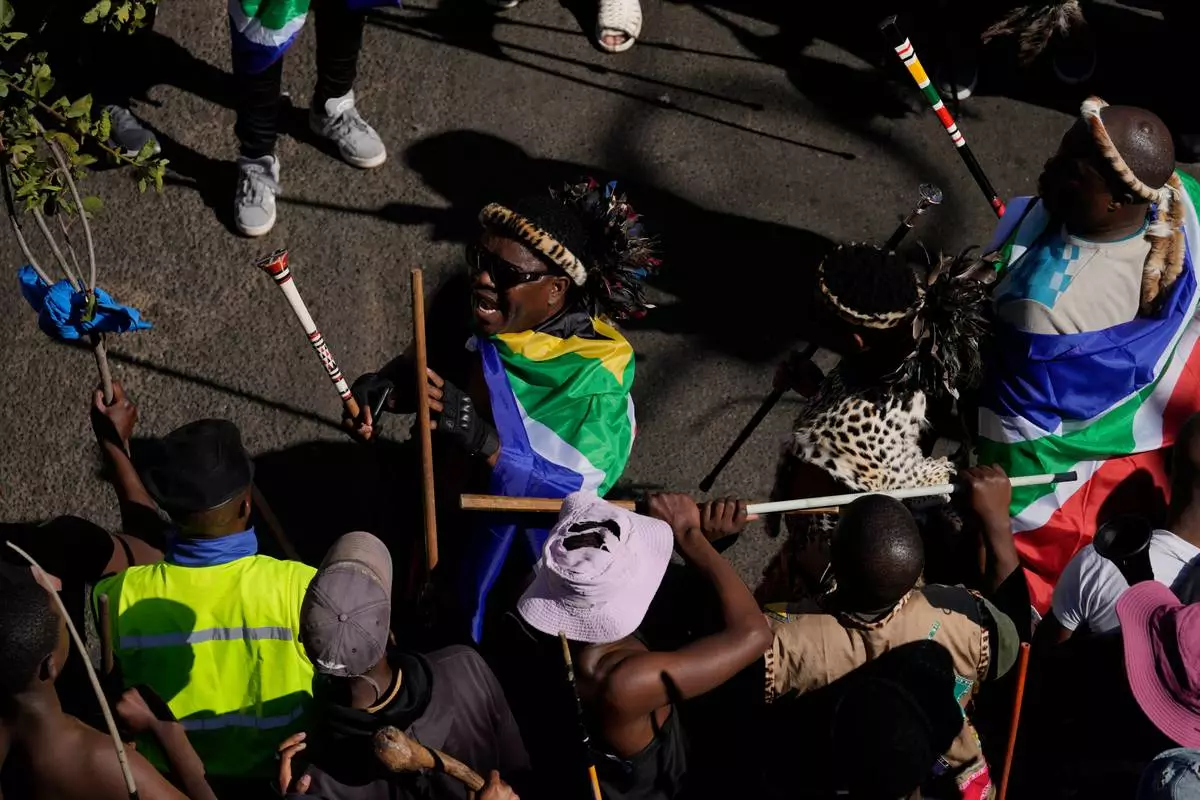
People attend a protest against illegal immigration, in Johannesburg, South Africa, Tuesday, June 30, 2026. (AP Photo/Themba Hadebe)
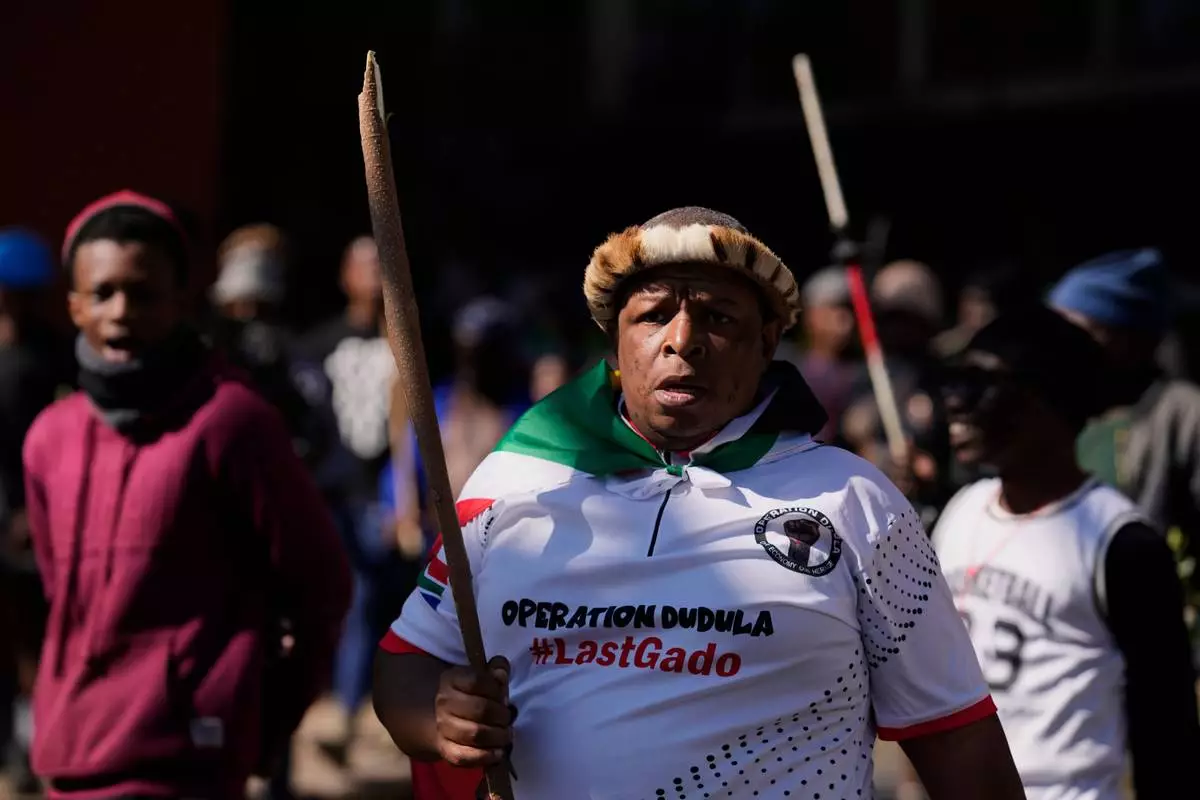
People attend a protest against illegal immigration, in Johannesburg, South Africa, Tuesday, June 30, 2026. (AP Photo/Themba Hadebe)
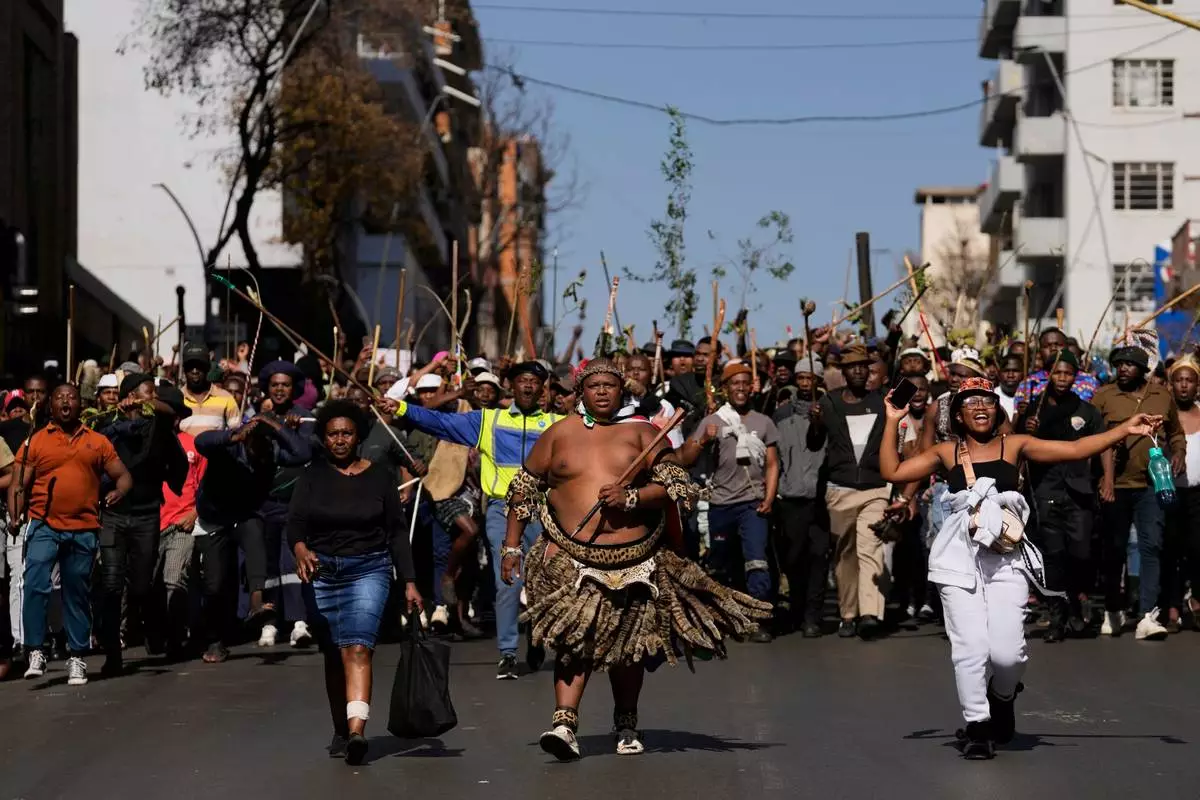
Protesters march against illegal immigration, in Johannesburg, South Africa, Tuesday, June 30, 2026. (AP Photo/Themba Hadebe)
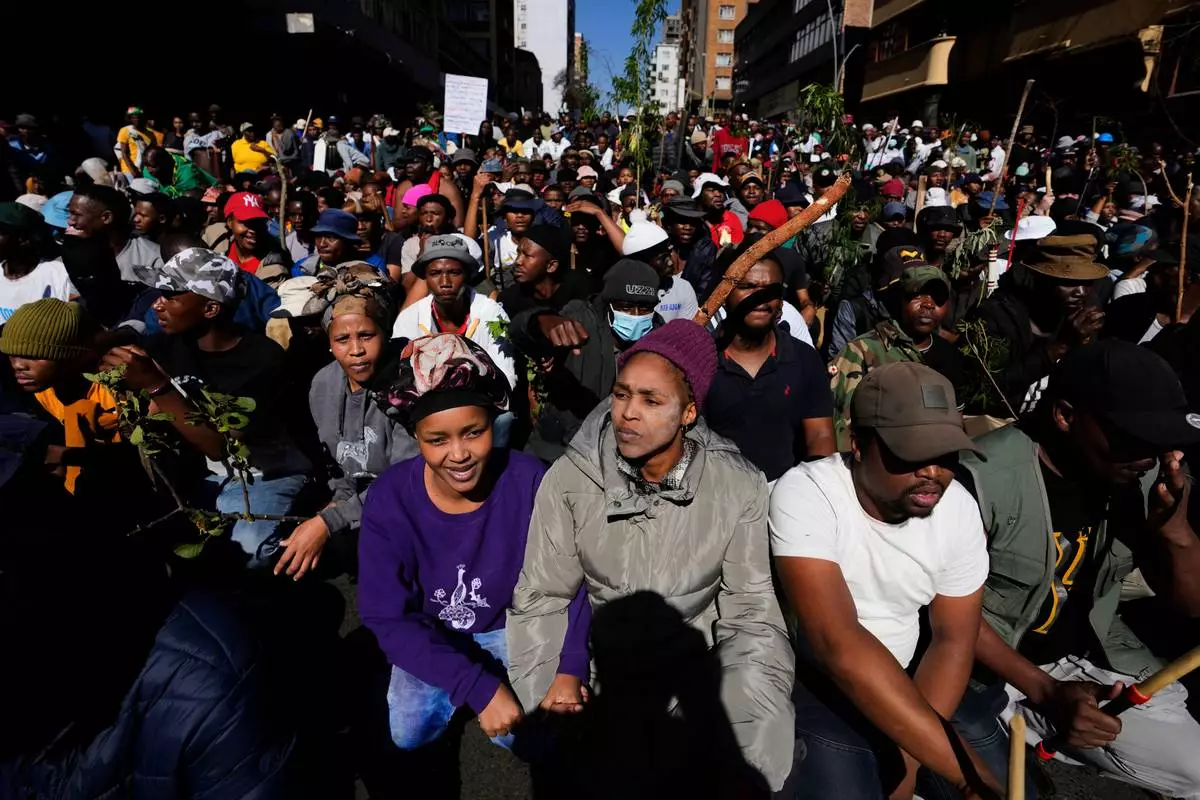
Protesters march against illegal immigration, in Johannesburg, South Africa, Tuesday, June 30, 2026. (AP Photo/Themba Hadebe)
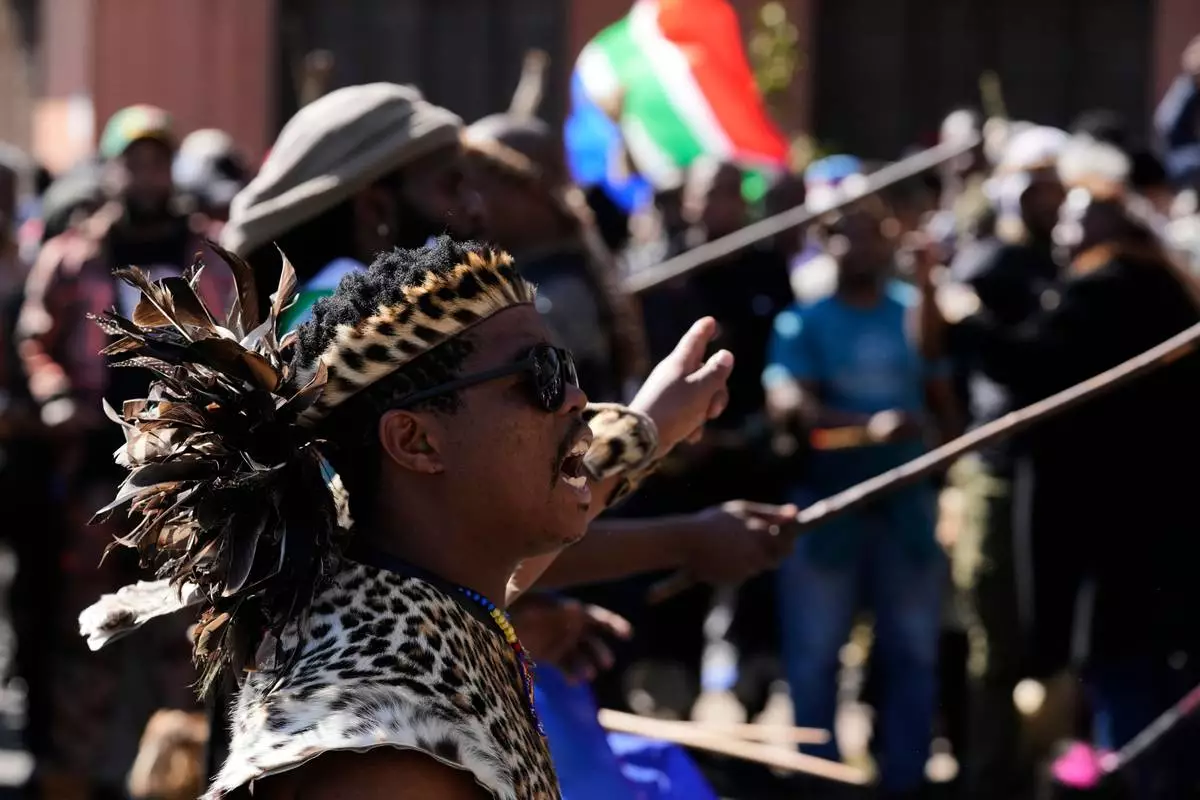
Protesters march against illegal immigration, in Johannesburg, South Africa, Tuesday, June 30, 2026. (AP Photo/Themba Hadebe)

Protesters march against illegal immigration, in Johannesburg, South Africa, Tuesday, June 30, 2026. (AP Photo/Themba Hadebe)
Protesters march against illegal immigration, in Johannesburg, South Africa, Tuesday, June 30, 2026. (AP Photo/Themba Hadebe)
Protesters march against illegal immigration, in Johannesburg, South Africa, Tuesday, June 30, 2026. (AP Photo/Themba Hadebe)
Protesters march against illegal immigration, in Johannesburg, South Africa, Tuesday, June 30, 2026. (AP Photo/Themba Hadebe)
Protesters march against illegal immigration, in Johannesburg, South Africa, Tuesday, June 30, 2026. (AP Photo/Themba Hadebe)
NAIROBI, Kenya (AP) — At Kenya ’s largest mental health referral hospital, male patients encounter a different kind of therapy: a personal grooming session provided by two visiting barbers.

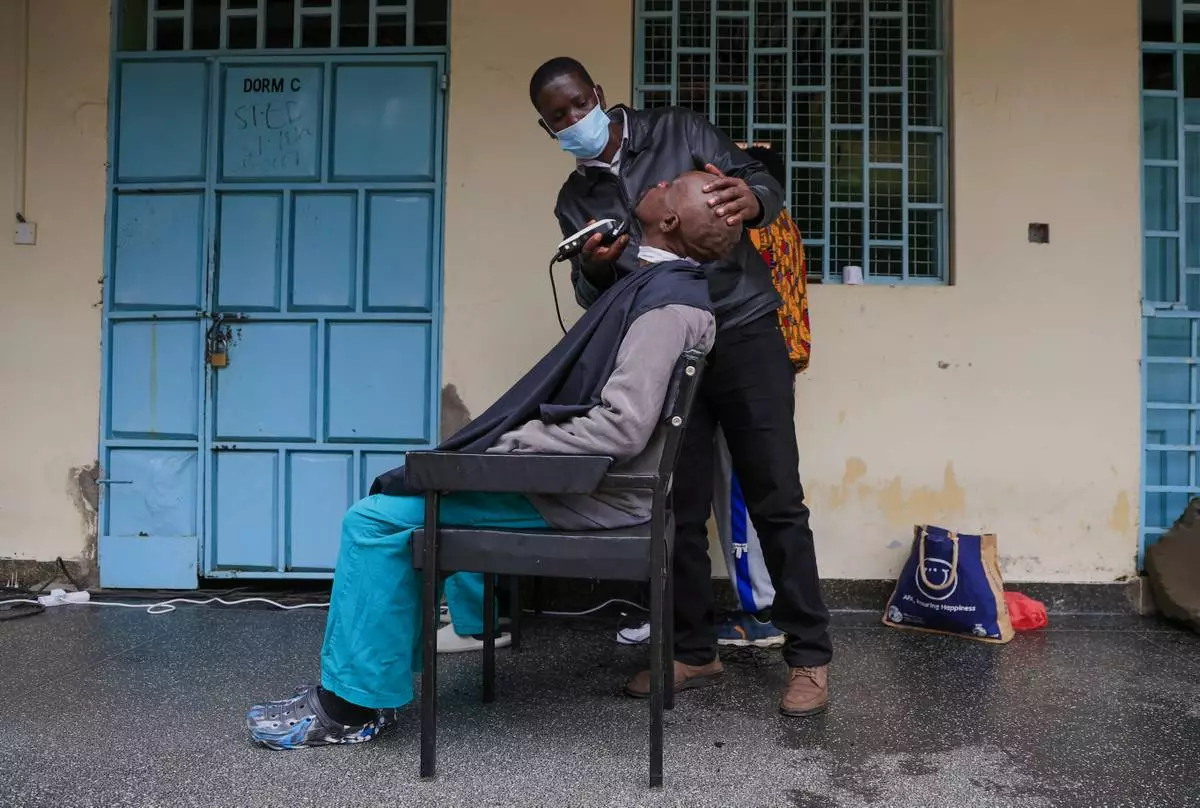
As their equipment is unpacked, excitement spreads. Patients eagerly take turns sitting in the barber’s chair, looking forward to a haircut.

Healthcare workers say personal grooming is an important aspect of recovery, as one sign of mental illness can be a loss of interest in personal hygiene and self-care.

Kenya has limited data on the prevalence of mental illness. According to the government’s 2015 Mental Health Policy, an estimated 25% of outpatients and 40% of inpatients in all health facilities experience mental health conditions.

Mental health experts say depression and anxiety are among the most common conditions, while substance use disorders remain a major challenge, particularly among men.

June is observed as Men’s Mental Health Awareness Month. Francis Kabugua, a nursing officer at Mathari National Teaching and Referral Hospital in Nairobi, is encouraging men to speak openly about their struggles instead of turning to alcohol and other substances in an attempt to cope.

“Among the things that you may see a person with depressive disorders is segregating themselves or separating themselves from the members of the family. They start also not providing for the family,” he said.

Sheila Lugaliki founded Uniquely Gifted, a community-based organization that offers the free grooming services. She said her own experience as a patient in a psychiatric ward inspired her to establish the monthly initiative.

She said she hopes the act of providing haircuts restores dignity, boosts confidence and reminds patients that they are valued as opposed to them feeling “neglected."

“You find someone has been admitted for six months and yet no one has groomed their hair. How they look really does not reflect how they are feeling,” she said.

Psychiatric nurse Titus Enko agreed, saying that personal grooming enhances patients’ self-esteem and contributes to their overall recovery and well-being.

“More often we only think about medication, psychotherapy, and we tend to overlook the other part, which is the personal grooming. Many times, someone neglects themselves and they start not taking a shower or they don’t dress well. And personal grooming is an indication that someone is either doing good or they’re not doing okay,” he said.

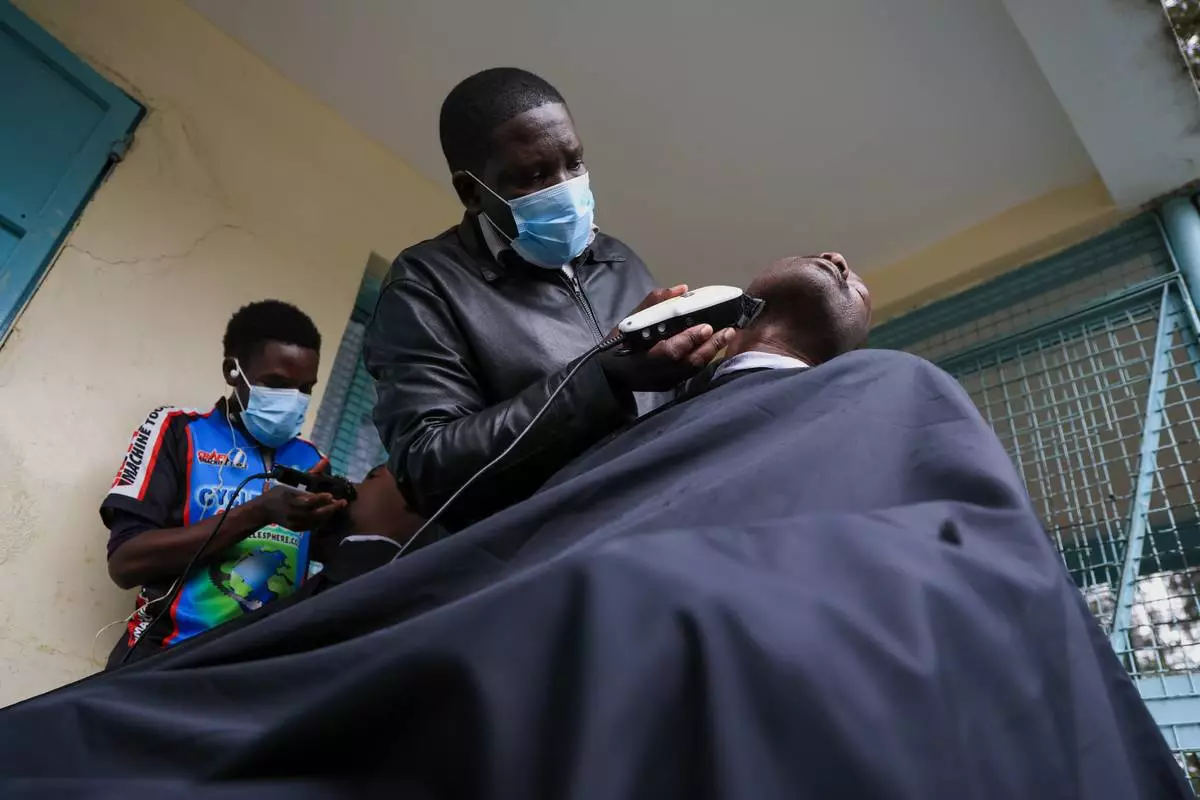
As the barbers trimmed patients’ beards, one man summed up the experience in a single word. He said he felt “alive."

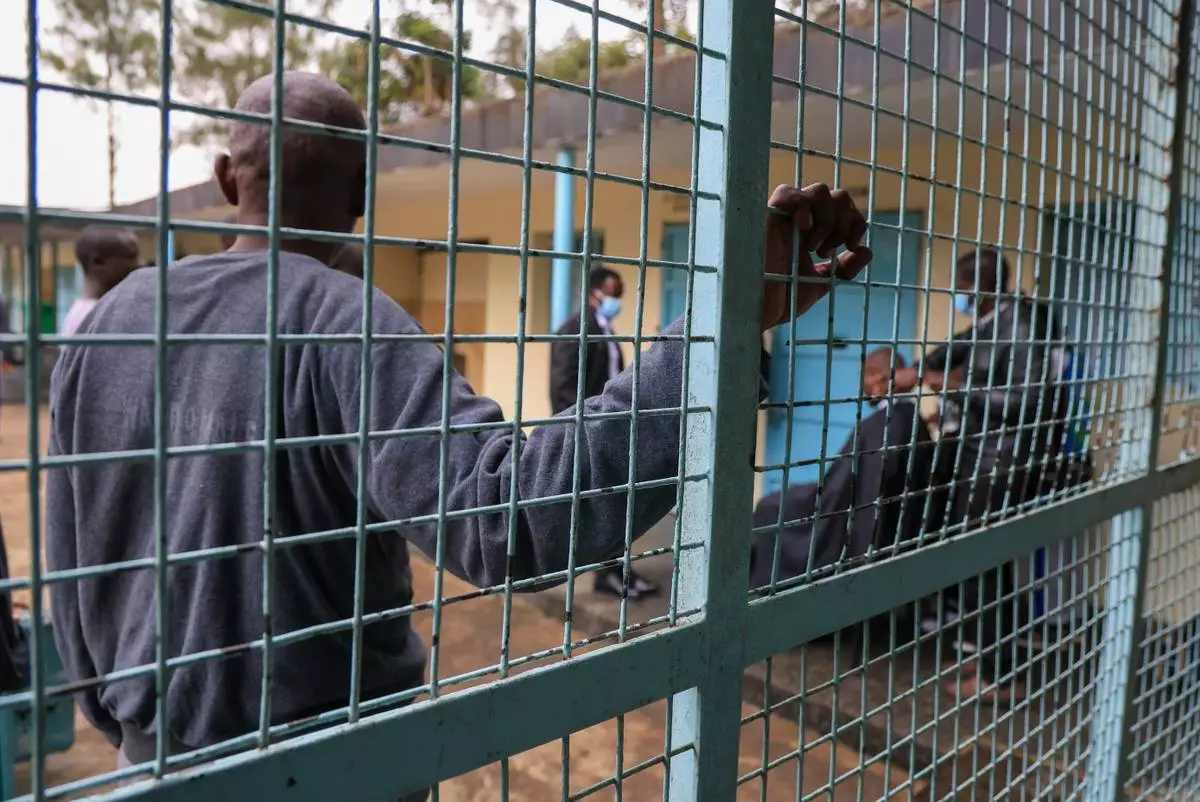
A patient looks on during a grooming session at the largest mental health referral hospital, Mathari in Nairobi, Kenya, Tuesday, June 30, 2026. (AP Photo/Andrew Kasuku)

A patient looks on during a grooming session at the largest mental health referral hospital, Mathari in Nairobi, Kenya, Tuesday, June 30, 2026. (AP Photo/Andrew Kasuku)

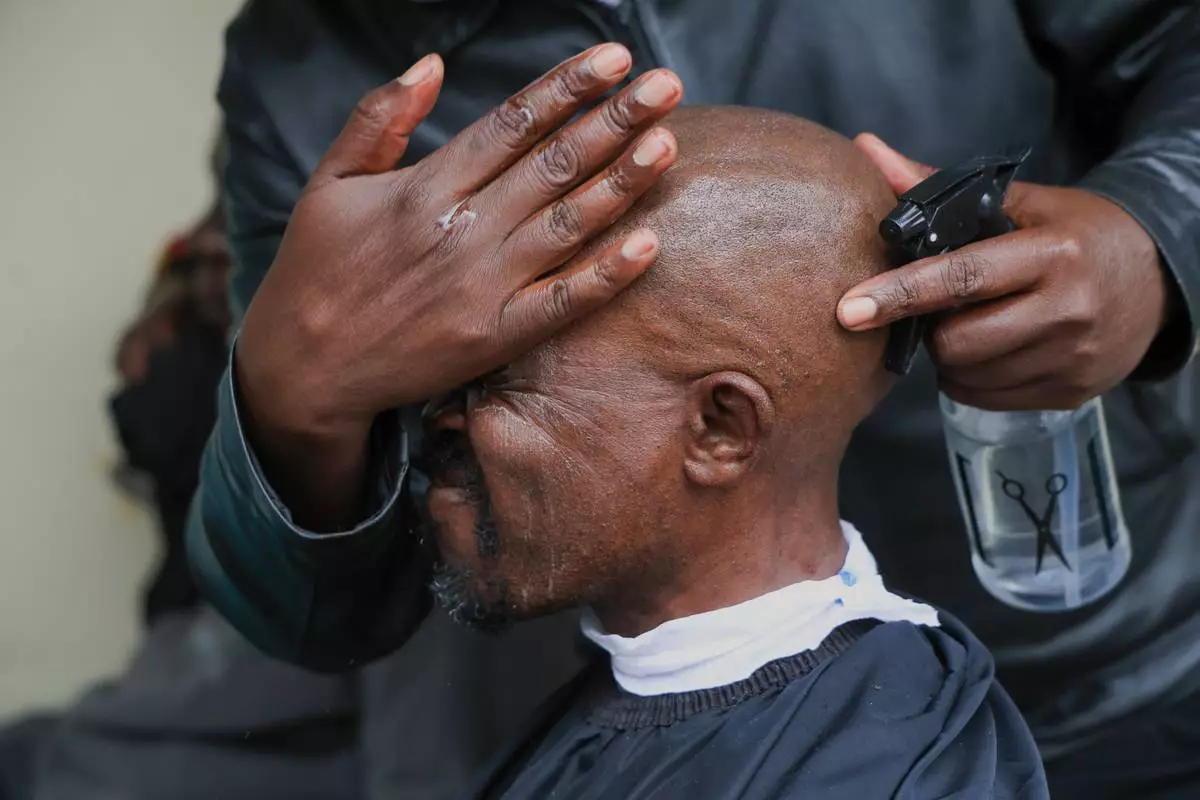
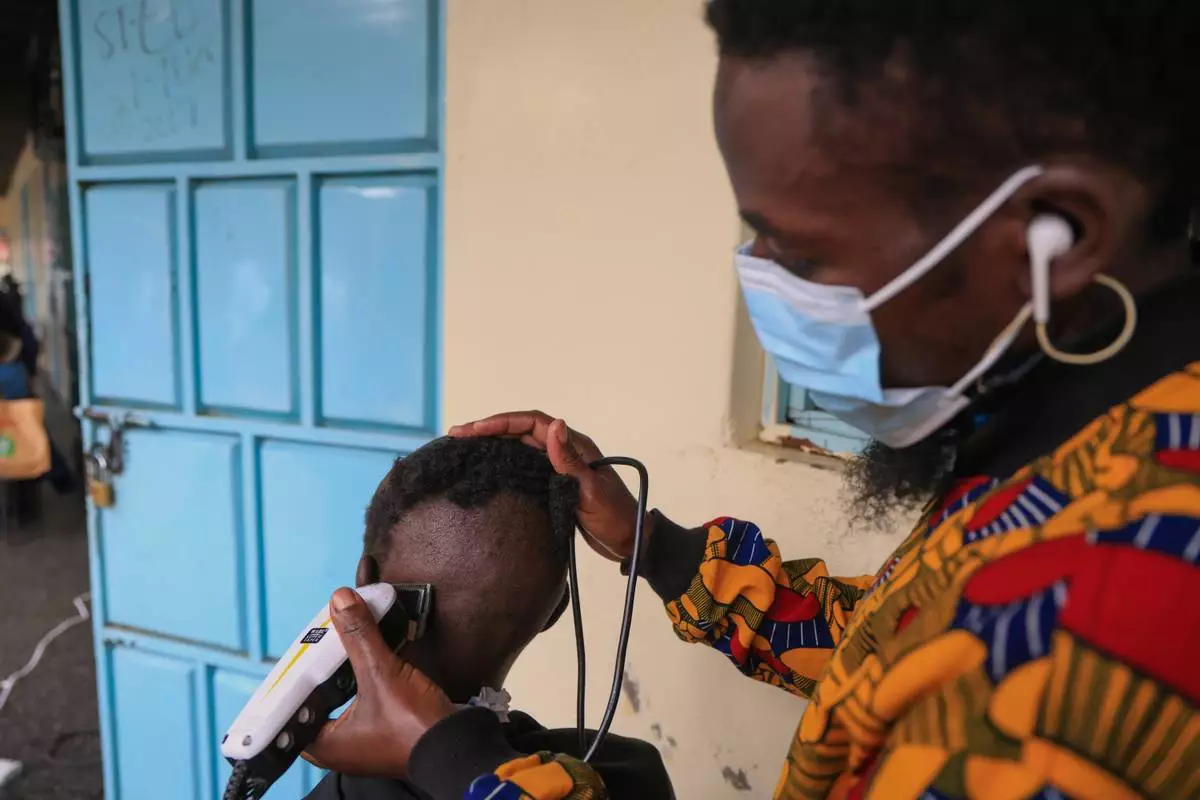
Barbers shave patients hair during a grooming session at the largest mental health referral hospital, Mathari in Nairobi, Kenya, Tuesday, June 30, 2026. (AP Photo/Andrew Kasuku)

Barbers shave patients hair during a grooming session at the largest mental health referral hospital, Mathari in Nairobi, Kenya, Tuesday, June 30, 2026. (AP Photo/Andrew Kasuku)

A barber shaves a patients hair during a grooming session at the largest mental health referral hospital, Mathari in Nairobi, Kenya, Tuesday, June 30, 2026. (AP Photo/Andrew Kasuku)

A barber shaves a patients hair during a grooming session at the largest mental health referral hospital, Mathari in Nairobi, Kenya, Tuesday, June 30, 2026. (AP Photo/Andrew Kasuku)

A barber shaves a patients hair during a grooming session at the largest mental health referral hospital, Mathari in Nairobi, Kenya, Tuesday, June 30, 2026. (AP Photo/Andrew Kasuku)

A barber shaves a patients hair during a grooming session at the largest mental health referral hospital, Mathari in Nairobi, Kenya, Tuesday, June 30, 2026. (AP Photo/Andrew Kasuku)

A barber shave a patients hair during a grooming session at the largest mental health referral hospital, Mathari in Nairobi, Kenya, Tuesday, June 30, 2026. (AP Photo/Andrew Kasuku)

A barber shave a patients hair during a grooming session at the largest mental health referral hospital, Mathari in Nairobi, Kenya, Tuesday, June 30, 2026. (AP Photo/Andrew Kasuku)

Recommended Articles