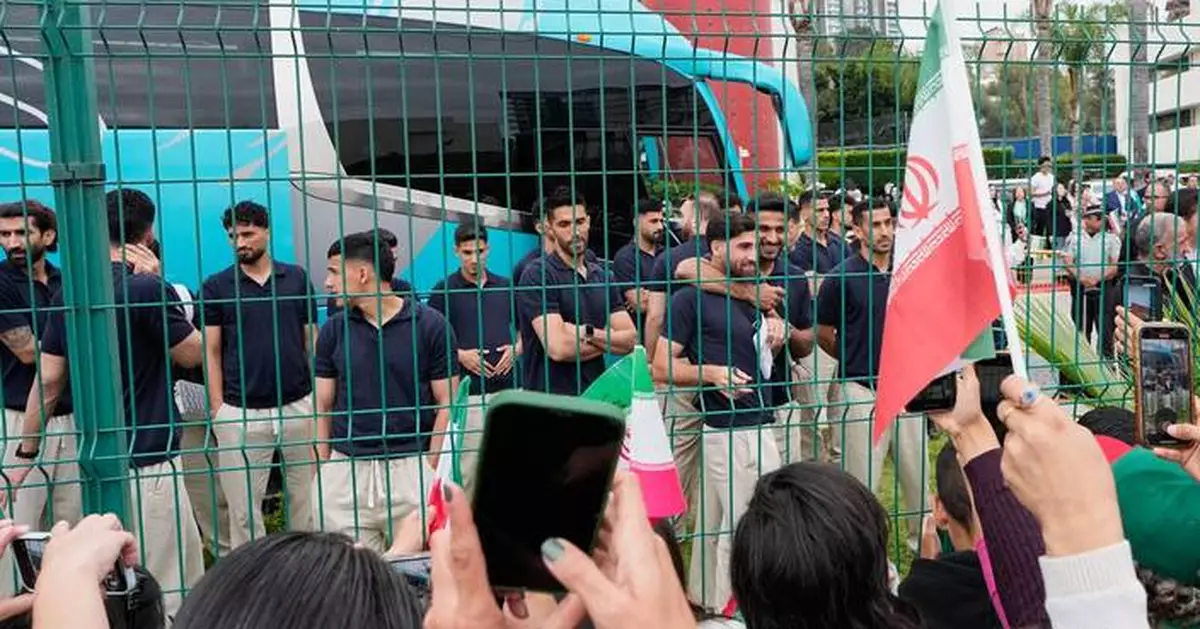
TIJUANA, Mexico (AP) — The Iranian national team left North America on Tuesday, departing from its World Cup home in Mexico following a tournament marked by repeated disagreements with U.S. officials, flashes of athletic brilliance and, ultimately, disappointment over barely missing out on advancing beyond the group stage.
The players return to a homeland still in the grips of an unresolved conflict with Israel and the United States. But their fans say they should be proud.
Click to Gallery
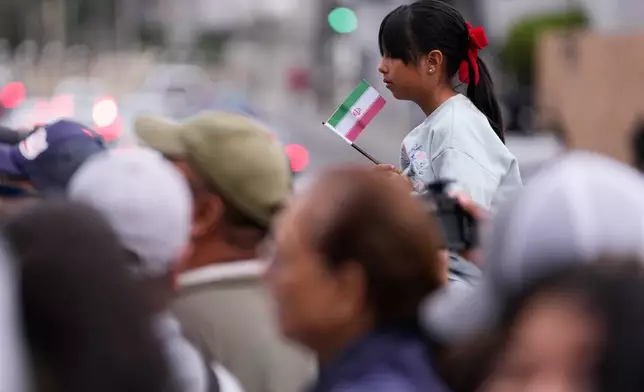
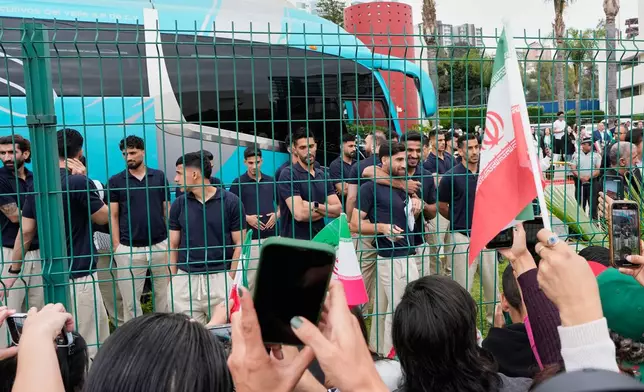
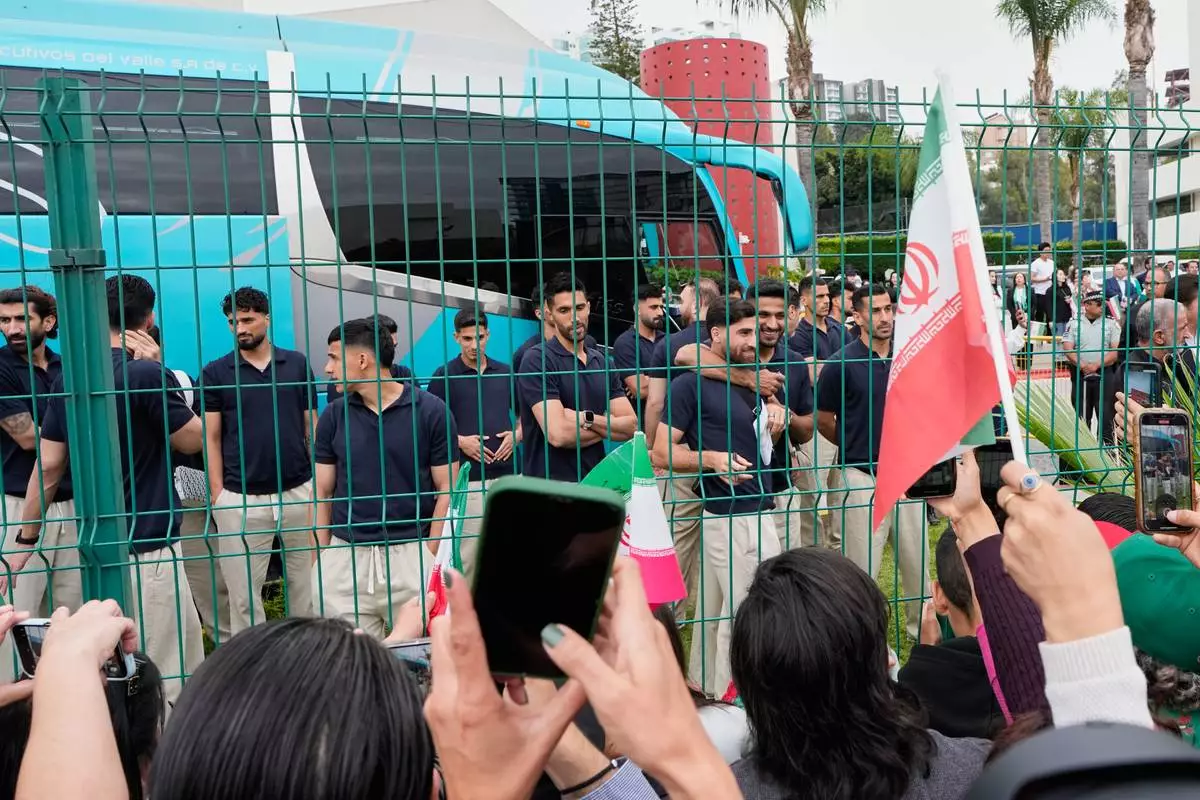
Fans wait to greet members of the Iran World Cup soccer team as they leave their hotel for the airport Tuesday, June 30, 2026, in Tijuana, Mexico. (AP Photo/Gregory Bull)
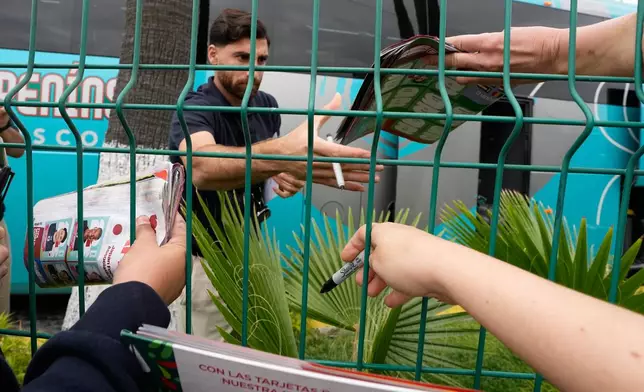
Iran's Alireza Jahanbakhsh greets fans and signs autographs as the Iran World Cup soccer team leaves their hotel for the airport Tuesday, June 30, 2026, in Tijuana, Mexico. (AP Photo/Gregory Bull)
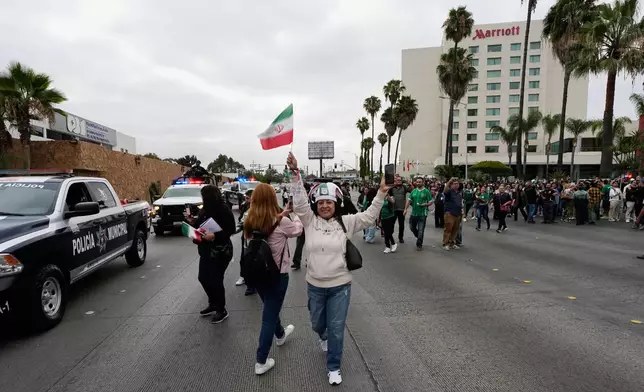
Fans wave flags as the Iran World Cup soccer team leaves their hotel for the airport Tuesday, June 30, 2026, in Tijuana, Mexico. (AP Photo/Gregory Bull)
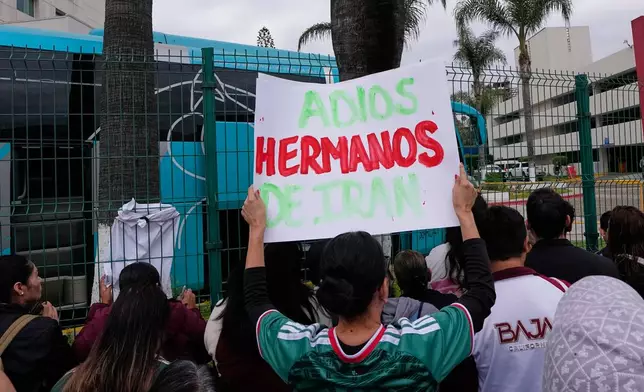
Fans greet members of the Iran World Cup soccer team as they leave their hotel for the airport Tuesday, June 30, 2026, in Tijuana, Mexico. (AP Photo/Gregory Bull)
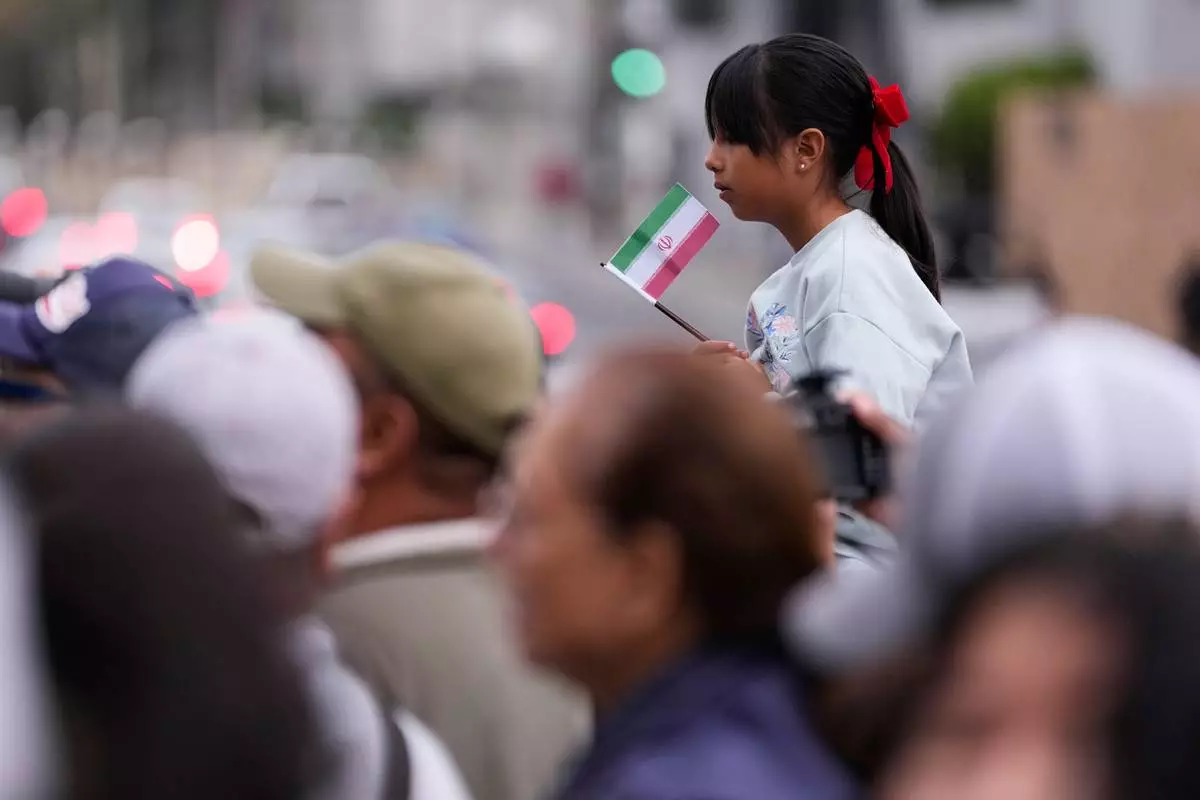
“I think even though they lost, it gave people a sense of hope,” said Mohammad Modarres, 38, who traveled from San Diego to bid the team farewell.
After its three group stage matches ended in draws, Iran's World Cup future depended on either Algeria or Austria winning their match on Saturday.
Watching from the lobby of their Tijuana hotel, the team erupted in celebration when Algeria took the lead in stoppage time.
“I've never seen a room explode like that,” said Kimia Ranjbar, 25, a lifelong fan of Team Melli who had driven down from the Los Angeles area. But minutes later, Austria tied the game again, leaving the lobby in dismayed silence.
It was the last of many disappointments throughout the tournament, including when a late goal by Shoja Khalilzadeh gave Iran the lead in its last match, against Egypt, before being ruled offside.
Distractions abounded off the pitch before and during the tournament, beginning with questions over whether Team Melli would even be allowed to play in light of Iran's war with the U.S. and Israel. What followed was Iran's denied request to move its matches to Mexico, a relocation of its base camp from Arizona, and the U.S.'s refusal to grant visas to key members of the Iranian team's staff. The U.S. also rejected Iran's request to travel to the U.S. two days before its Los Angeles matches, though it relaxed some restrictions for Iran's last match.
During a World Cup security briefing Monday, Homeland Security Secretary Markwayne Mullin told reporters that the U.S. had made several accommodations for Iran's travel and repeated assertions that many of the people Iran originally requested to travel with the team to the U.S. were associated with Iran's Revolutionary Guard.
“I'm just glad they're done and they're not coming back," Mullin said, adding that he “might have sung a song or two or maybe even danced a happy dance.”
FIFA did not respond to request for comment.
In a statement to The Associated Press on Monday, the Iranian team said Mullin's remarks showed a lack of commitment to international law and the basic standards expected to host a global tournament.
“The fact that he openly celebrates Iran’s elimination says far more about him than it does about our team. It reflects a level of pettiness that cannot even tolerate the presence of a football team competing on the world’s biggest stage,” said the team, which declined requests to interview players and staff.
Before decamping Tuesday, the team thanked Mexico and Tijuana for their “kindness” but questioned its treatment at the tournament by the U.S.
“What we experienced was a series of decisions, logistical arrangements, and circumstances that undermined the sense of fairness — an impression only reinforced by the events of the final matchday of our group,” the team said in a statement.
Members of the Iranian diaspora were also divided about whether supporting the team showed tacit backing for Iran's theocratic government, which many of them oppose. Some wanted to keep politics and sports separate.
“You don't see someone screaming at (U.S. soccer star) Christian Pulisic for something Trump does,” Modarres said.
Though the team spoke out against its travel restrictions, it avoided commenting directly on the war. But it didn't shy away from spotlighting the victims of a deadly missile strike on an elementary school at the start of the conflict.
Players wore pins with the number “168” when they first landed in Mexico, referencing the number of people, mostly children, killed in the attack, which was likely launched by the U.S. They left a note in the locker room at Los Angeles Stadium, calling for peace “among all nations” and with the hashtags #168 and #minab, the city where the school was located.
Sherry Ghaemi, an Iranian living in Los Angeles, called their stand for the young victims “honorable.”
Amid the strife, players tried to focus on the sport. There were high notes, like when goalkeeper Alireza Beiranvand made seven saves to hold Belgium to a scoreless draw, and when Ramin Rezaeian scored off the outside of his boot to equalize against New Zealand.
“They’re going home not as losers, they’re going home as winners," said Ghaemi. “We’re proud of them.”
Meeting some of the players was a thrill for Siavash Khosrowshahi, a 32-year-old Iranian American who drove from Los Angeles to Tijuana on Sunday, the day after the team was eliminated.
“It’s been really tough and stressful,” Khosrowshahi said of the months since the U.S. and Israel started the war. There were times during the conflict when he couldn't reach his parents in Tehran — but not Sunday, when he called his mother from the hotel and surprised her by putting Beiranvand on the phone.
“It’s a source of happiness for her,” he said.
Iranians and Mexicans also deepened a bond, as Tijuana embraced the team throughout its visit.
“Irán, hermano, ya eres Mexicano!" fans chanted in Spanish whenever they saw Team Melli: “Iran, brother, now you are Mexican!”
“Iran is taking home the best of our country, and this city, which is the way in which outsiders are received,” said Arely Ramírez, a Tijuana resident who turned up at the team's hotel Sunday hoping to meet some of the players.
The feeling was mutual.
“We’re leaving Tijuana today, but our heart and soul stay here,” head coach Amir Ghalenoei said Tuesday through an interpreter before the Iranian team left for the airport.
On Monday, many players still looked solemn as they passed their last hours in Mexico. A few signed final autographs and stood for photos with fans, their smiles more muted than the week before.
Despite the disappointment, some supporters were already looking ahead. “This whole year has been bad events, bad luck after bad luck” for Iranians, said Ranjbar. But the AFC Asian Cup is six months away, a new chance for Team Melli, she said. “I'll be watching them play for that.”
This story was first published on June 30, 2026. It was updated on July 2, 2026 to correct that the missile strike on an elementary school happened in the city of Minab, but that is not the name of the school. The school is Shajareh Tayyebeh.
Associated Press reporter Graham Dunbar in Geneva contributed.
Fans wait to greet members of the Iran World Cup soccer team as they leave their hotel for the airport Tuesday, June 30, 2026, in Tijuana, Mexico. (AP Photo/Gregory Bull)
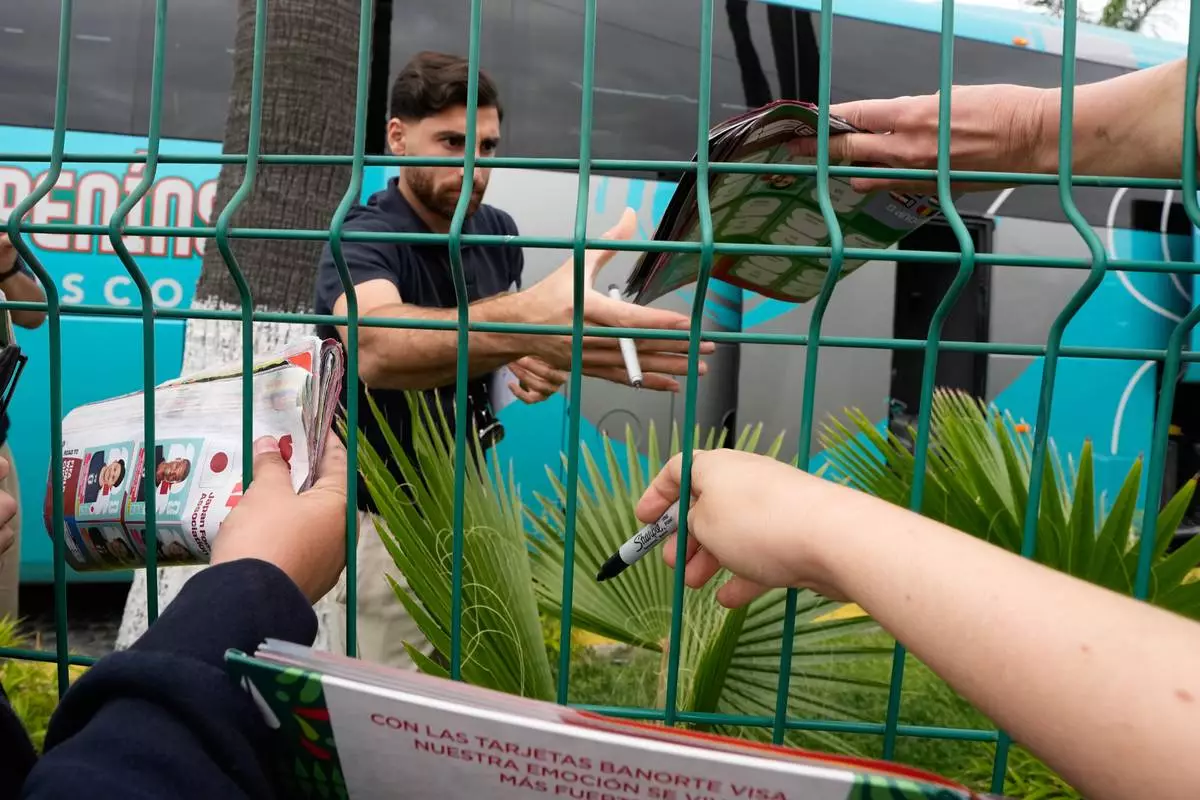
Iran's Alireza Jahanbakhsh greets fans and signs autographs as the Iran World Cup soccer team leaves their hotel for the airport Tuesday, June 30, 2026, in Tijuana, Mexico. (AP Photo/Gregory Bull)
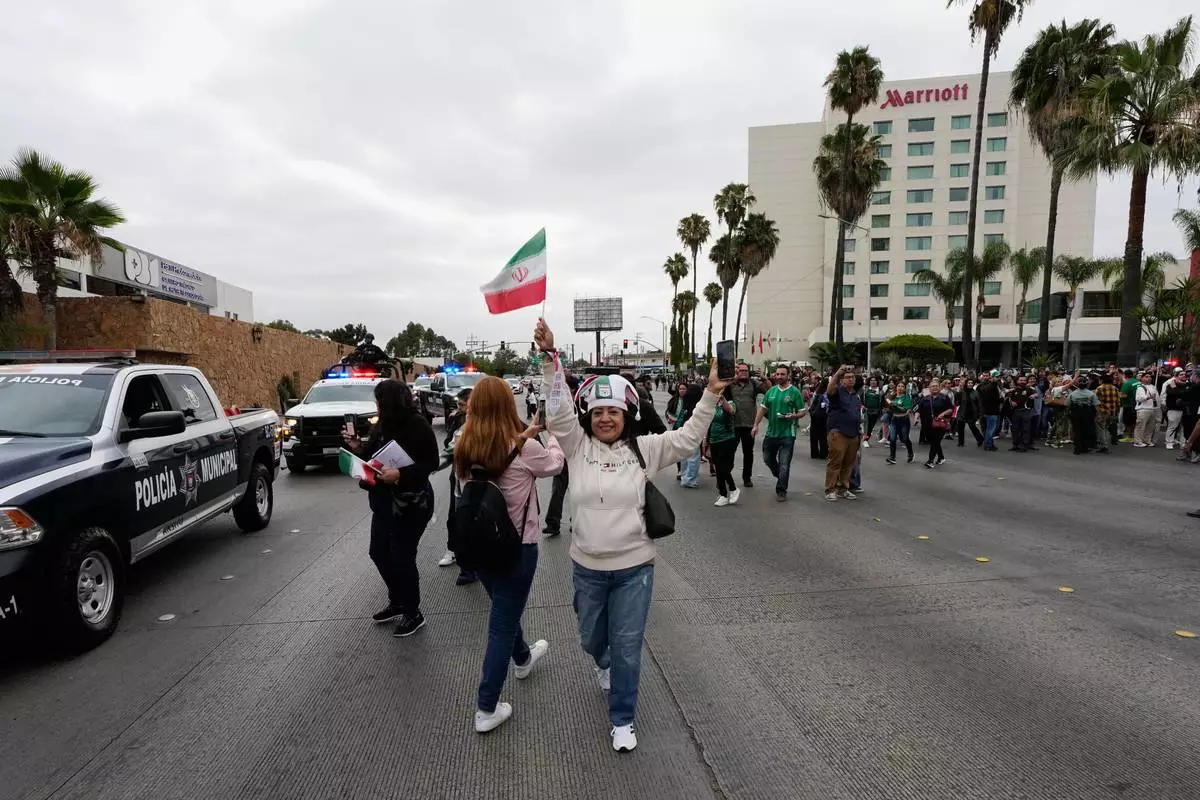
Fans wave flags as the Iran World Cup soccer team leaves their hotel for the airport Tuesday, June 30, 2026, in Tijuana, Mexico. (AP Photo/Gregory Bull)
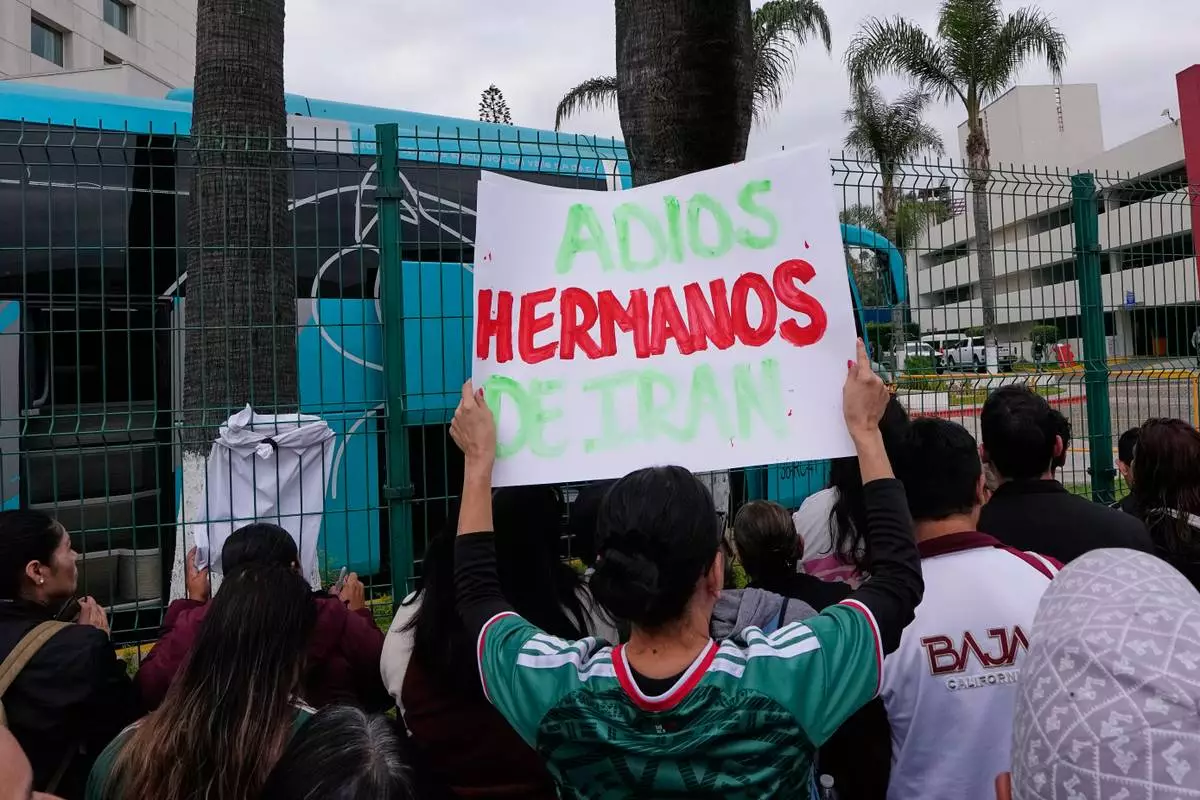
Fans greet members of the Iran World Cup soccer team as they leave their hotel for the airport Tuesday, June 30, 2026, in Tijuana, Mexico. (AP Photo/Gregory Bull)

GRAND CANYON NATIONAL PARK, Ariz. (AP) — The bodies of a Texas chiropractor and at least one other person have been found after a major flash flood swept through the Grand Canyon, and officials said Monday that one person remains unaccounted for after about 80 others were rescued over the weekend.
Saturday’s flash flood severely damaged the only water pipeline into the canyon. Officials barred tourists from staying at lodges and hotels inside Grand Canyon National Park and issued emergency water restrictions for year-round residents. Waves of torrential rain had hit the Bright Angel Creek area of the tourist destination that hosts 4.4 million visitors a year.
Grand Canyon Deputy Superintendent Brian Drapeaux said officials anticipate “miles of the pipeline being destroyed,” but a full accounting of the devastation won't be completed until Tuesday at the earliest.
Incident Cmdr. Dave Black said searchers used night vision and other equipment to find people who needed rescuing during the deluge. By sunset on Saturday, 45 people were rescued, and 37 more were evacuated on Sunday.
Rangers referred to the the park’s permit system and checked vehicle license plates to track the number of missing people.
“As of right now, they have no reason to believe, from the tips we’ve been through so far, that there’s anybody besides the one” missing person, Black said during a news conference Monday evening.
The flood happened deep in the canyon near where the Colorado River flows, around popular lodges and camping areas where people hiking from one rim of the Grand Canyon to the other stop for the night.
Scores of visitors had to be evacuated from the area by helicopter. They talked of a massive deluge and rangers warning of rockslides, and saw huge pools of logs and debris rolling down the river as they stood nearby awaiting rescue.
Hiker Daniel Evans said it rained several times before the worst 30-minute downpour Saturday afternoon. He had been planning to rest through the hot day and spend the night near the hard-hit Bright Angel campground area.
Earlier, rangers told him it looked to be safe. Then, as the rain poured, they told him it was time to go. He thought of Nepal and the massive floods and landslides that poured down mountain valleys last week.
“The entire time it was raining — the entire time I’m going through all this and packing — I’m just keeping my eyes upstream, just praying that a wall of water isn’t coming toward us,” Evans said.
The family of John Giusti, 53, said the Texas chiropractor set out Thursday on a trip he dreamed of with two buddies — Texas martial arts studio owner Brent Rosenkranz, 42, and Wyoming pilot Timothy Smith, 53. They planned to spend two nights at the bottom of the canyon fishing and hiking.
They spoke to their families Thursday and found their campsite Friday. They have not been heard from since, the three families said in a joint statement released Monday.
All three men had ties to Granbury, Texas. Their families said they planned “several days of hiking, camping, fishing and exploring together.”
Park officials said they recovered the body of a 46-year-old man Sunday evening near Crystal Rapids along the Colorado River and were trying to recover a second body. Their email provided no other details.
Late Monday morning, more rain fell as the state Department of Emergency and Military Affairs was coordinating with the park service and county emergency management officials in search and recovery efforts.
Visiting the Grand Canyon can be particularly dangerous in the summer because of the risk of flash flooding that accompanies the monsoon, or rainy season. Clear days can quickly give way to thunderstorms and downpours. Forecasters warned more flooding could happen Monday or just about any time storms pop up.
Rain also fell on part of the Dragon Bravo fire scar, a burn area left by a lightning-caused wildfire in July 2025. It burned for days before exploding into a fast-moving conflagration that forced evacuations and consumed the historic Grand Canyon Lodge, some cabins and other structures.
Without vegetation, a barren burn scar allows runoff to flow more quickly.
The steep, rocky nature of the canyon itself funnels water rapidly. What might be a normal summer downpour somewhere else can become a charging wall of water in the canyon.
This year's heavy monsoon rains are especially intense because there is a higher amount of water vapor in the atmosphere, mostly because of a strong El Nino, said A. Park Williams, a hydroclimatologist at the University of California, Los Angeles.
The natural warming of parts of the Pacific Ocean can warp weather globally. That extra water vapor in the southwest U.S. gets wrung out in the storm in the form of rainfall, he said.
The link to human-caused climate change and the heavy Arizona rain is pretty strong, said climate scientist Daniel Swain of the California Institute for Water Resources.
A few months ago, Swain and colleagues published a study in the journal Weather and Climate Extremes finding that during the summer, short-term intense downpours in the West — akin to the one that hit the Grand Canyon — have become 10% stronger since 2000.
The flood was a major blow to an enduring effort to modernize the water pipeline that serves visitors and the roughly 1,600 residents of Grand Canyon Village.
A $208 million rehabilitation of the pipeline and upgrades to the associated water delivery system started in 2023, with the park service calling it a crucial investment to ensure the park can meet the needs of residents and visitors. The project was expected to be completed next year.
While the Grand Canyon has large storage tanks for potable water on the South Rim, they won’t be refilled while the pipeline is out of service.
Stengle reported from Dallas. Hannah Schoenbaum in Salt Lake City, Utah; Seth Borenstein in Kensington, Maryland; Julie Walker in New York City, Jeffrey Collins in Columbia, South Carolina; Kathy McCormack in Concord, New Hampshire; and Christopher Weber in Los Angeles contributed.
Bright Angel Canyon, damaged by flash floods, runs into the Colorado River in the Grand Canyon, Monday, Aug. 31, 2026, at Grand Canyon National Park, Ariz. (AP Photo/John Locher)
Tourists check out of the El Tovar Hotel as lodging along the rim of the canyon was shut down due to flooding, Monday, Aug. 31, 2026 at Grand Canyon National Park, Ariz. (AP Photo/Josh Biggs)
Buildings are seen in a flood damaged Bright Angel Canyon the Grand Canyon, Monday, Aug. 31, 2026, in Grand Canyon National Park, Ariz. (AP Photo/John Locher)
Tourists look down into the Grand Canyon off of the south rim, Monday, Aug. 31, 2026 at Grand Canyon National Park, Ariz. (AP Photo/Josh Biggs)
Tourists check out of the El Tovar Hotel as lodging along the rim of the canyon was shut down due to flooding, Monday, Aug. 31, 2026 at Grand Canyon National Park, Ariz. (AP Photo/Josh Biggs)
Bright Angel Canyon, bottom left, the scene of flash floods, merges into the Colorado River in the Grand Canyon, Monday, Aug. 31, 2026, at Grand Canyon National Park, Ariz. (AP Photo/John Locher)
Bright Angel Canyon, the scene of flash floods, runs into the Colorado River in the Grand Canyon, Monday, Aug. 31, 2026, at Grand Canyon National Park, Ariz. (AP Photo/John Locher)
Bright Angel Canyon, the scene of flash floods, center right, merges with the Colorado River in the Grand Canyon, Monday, Aug. 31, 2026, at Grand Canyon National Park, Ariz. (AP Photo/John Locher)
Bright Angel Canyon, middle left, the scene of flash floods, meets with the Colorado River in the Grand Canyon, Monday, Aug. 31, 2026, at Grand Canyon National Park, Ariz. (AP Photo/John Locher)
People stand at the rim of the Grand Canyon, Monday, Aug. 31, 2026, in Grand Canyon National Park, Ariz. (AP Photo/John Locher)
This photo shows Grand Canyon National Park in northern Arizona on Sunday, Aug. 30, 2026, after it was hit by heavy flooding a day earlier. (Craig Sanderson via AP)
Bright Angel Creek near the Phantom Ranger Station in the Grand Canyon, Arizona, is seen after flash flooding from storms, Saturday, Aug. 29, 2026. (Parth Desai via AP)