Skip to Content Facebook Feature Image

Trump administration seeks to stomp out all fires quickly, reviving policy that has been discredited

News

Trump administration seeks to stomp out all fires quickly, reviving policy that has been discredited
News

News

Trump administration seeks to stomp out all fires quickly, reviving policy that has been discredited

2026-07-01 04:43 Last Updated At:04:50

The deaths of three U.S. government firefighters in a Colorado wildfire are casting a spotlight on the Trump administration’s creation of a new federal fire service and its revival of a previously discredited policy to stomp out all wildfires quickly.

One of the killed firefighters worked for the U.S. Wildland Fire Service, created this year without customary congressional approval by drawing personnel from four agencies within the Interior Department. The victims were part of an elite, helicopter-based crew that got trapped Saturday in a fast-growing wildfire near the Utah border as they attacked the blaze on the ground.

More Images
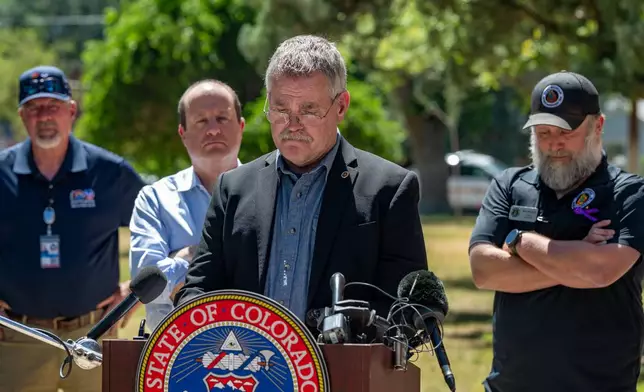
U.S. Wildland Fire Service Chief Brian Fennessy speaks at a news conference about Colorado wildfires, Monday, June 29, 2026, in Fruita, Colorado. (Aaron Acker/The Grand Junction Daily Sentinel via AP)
U.S. Wildland Fire Service Chief Brian Fennessy speaks at a news conference about Colorado wildfires, Monday, June 29, 2026, in Fruita, Colorado. (Aaron Acker/The Grand Junction Daily Sentinel via AP)

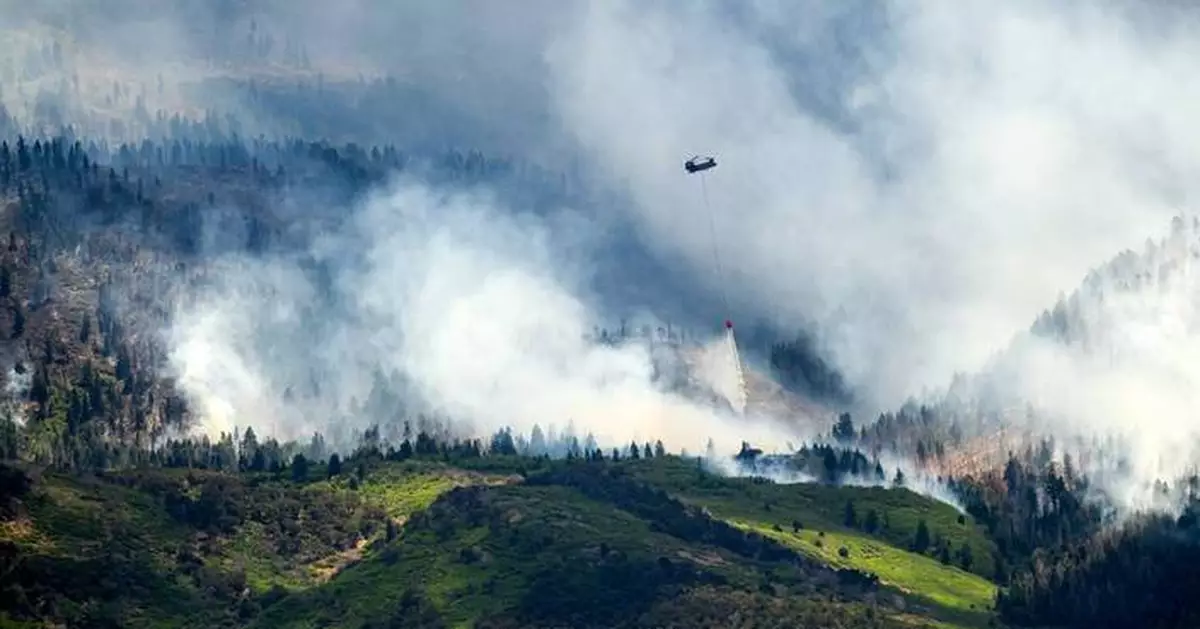
A helicopter provides bucket drops to assist firefighters battling the Gold Mountain Fire on the town line of Ouray and Ridgeway, Colo., Sunday, June 28, 2026. (Michael G. Seamans/The Gazette via AP)
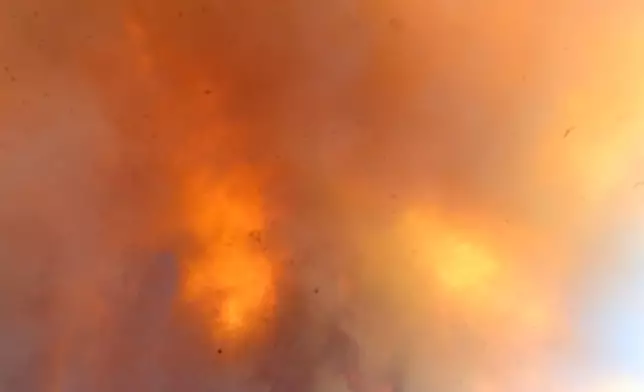
A helicopter provides bucket drops to assist firefighters battling the Gold Mountain Fire on the town line of Ouray and Ridgeway, Colo., Sunday, June 28, 2026. (Michael G. Seamans/The Gazette via AP)

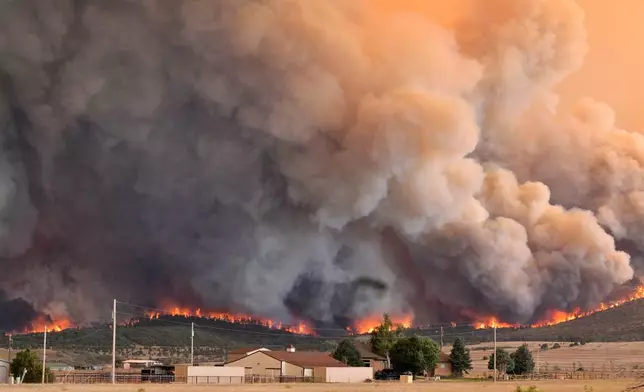
The Aspen Acres fire engulfs a hillside near Beulah, Colo., on Monday, June 29, 2026. (Jerilee Bennett/The Gazette via AP)
The Aspen Acres fire engulfs a hillside near Beulah, Colo., on Monday, June 29, 2026. (Jerilee Bennett/The Gazette via AP)

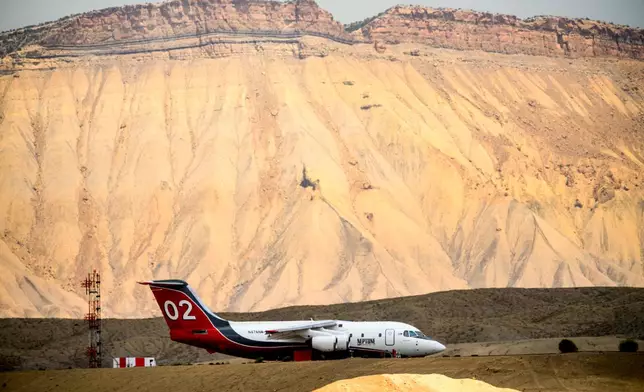
A firefighting aircraft rests on the tarmac at Grand Junction Regional Airport in Grand Junction, Colo., as the Snyder Fire burns nearby on Sunday, June 28, 2026. (AP Photo/Noah Berger)
A firefighting aircraft rests on the tarmac at Grand Junction Regional Airport in Grand Junction, Colo., as the Snyder Fire burns nearby on Sunday, June 28, 2026. (AP Photo/Noah Berger)

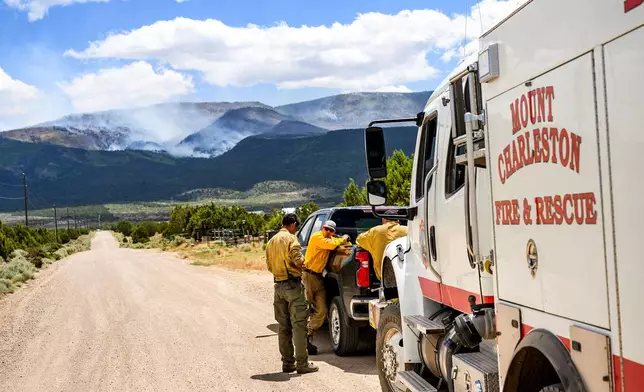
Firefighters gather as the Cottonwood Fire burns near Beaver, Utah, on Saturday, June 27, 2026. (AP Photo/Noah Berger)
Firefighters gather as the Cottonwood Fire burns near Beaver, Utah, on Saturday, June 27, 2026. (AP Photo/Noah Berger)

The Aspen Acres fire engulfs a hillside near Beulah, Colo., on Monday, June 29, 2026. (Jerilee Bennett/The Gazette via AP)
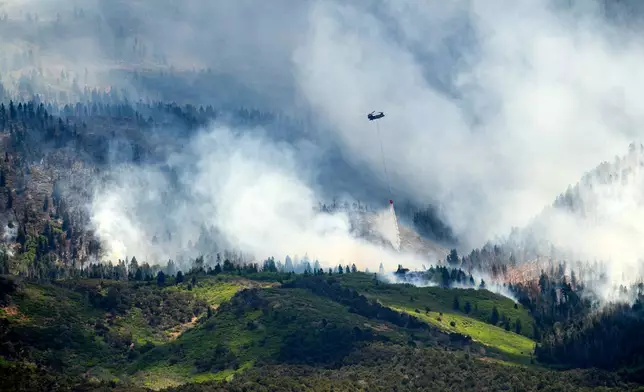
The Aspen Acres fire engulfs a hillside near Beulah, Colo., on Monday, June 29, 2026. (Jerilee Bennett/The Gazette via AP)

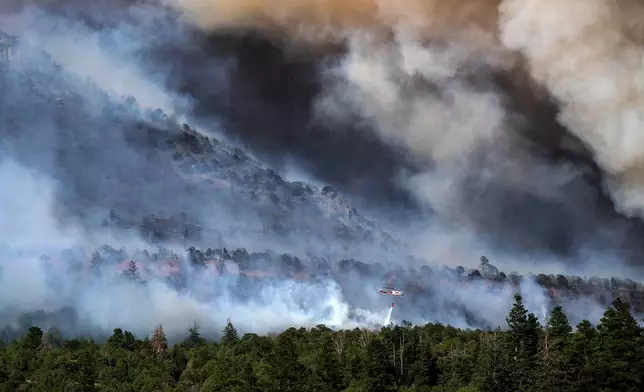
A helicopter drops water on the Cottonwood Fire burning near Beaver, Utah, on Saturday, June 27, 2026. (AP Photo/Noah Berger)

A helicopter drops water on the Cottonwood Fire burning near Beaver, Utah, on Saturday, June 27, 2026. (AP Photo/Noah Berger)

Authorities say they were among five firefighters who tried to shield themselves by deploying tentlike emergency shelters as flames overran their position. Two survivors were hospitalized with burn injuries.

The consolidation of thousands of personnel into the fire service has sown confusion among some firefighters about who their bosses are and what their responsibilities should be, according to former government officials.

And the administration’s focus on “full suppression” of new fires marks a sharp reversal from a decades-long trend toward embracing flames as a tool — to burn off old vegetation and growth that acts like fuel and lessen the risk of catastrophic blazes being stoked by a warming planet.

The changes benefit private fire aviation companies that are key to hitting blazes fast.

Federal officials have not released details on the circumstances preceding the weekend deaths, including the firefighters’ objective at the site where they were overrun.

“The question is, why were they attacking that fire in the first place?” asked Timothy Ingalsbee, a former federal firefighter and cofounder of the advocacy group Firefighters United For Safety, Ethics and Ecology. “What was actually at risk? If it was a bunch of shrubs on remote mountaintops, what was the real risk that justified putting those firefighters at risk?”

Wildfires ignited over the past week all across the West following months of dry weather and a record lack of snow in some places.

Acting under an order from Interior Secretary Doug Burgum, the Wildland Fire Service will use full suppression “for every wildfire under its management,” federal officials said in a statement to The Associated Press.

“Any wildfire that represents a threat to life, property, infrastructure or the environment should be extinguished as quickly as possible,” the statement said. “Our experienced fire managers retain the authority to select the safest and most effective tactics based on conditions on the ground.”

But critics say the administration is trying to fix something that isn’t broken: The four agencies the firefighters were drawn from — the Bureau of Land Management, Fish and Wildlife Service, Bureau of Indian Affairs and National Park Service — have a record of extinguishing 98% of the fires they handle.

The new agency and policy won’t eliminate catastrophic wildfires that occur due to dense forests where people are increasingly moving and extreme weather caused by climate change, said Steve Ellis, who retired as a Bureau of Land Management deputy director. Land managers must be a part of the solution, he said.

“Severing forest management and forest managers from fire suppression will make firefighting less safe and put communities at greater risk,” Ellis said.

The two other wildland firefighters killed in Colorado worked for the Department of Agriculture’s Forest Service, which handles most U.S. wildfires and is also operating under a full suppression policy. Trump had wanted the new agency to include Forest Service firefighters, but Congress blocked that part of the plan.

Under Trump, federal officials have been bringing in aircraft more quickly once fires ignite, said Austin Moeller, senior aerospace analyst for Canaccord Genuity group, an investment firm.

“Anyone that has an air tanker benefits from this more aggressive contracting activity,” Moeller said.

A chief beneficiary is Bridger Aerospace, a Montana-based company founded by U.S. Sen. Tim Sheehy. Before his 2024 election, Sheehy hired lobbyists in a failed attempt to persuade the Montana Legislature to create a statewide fire service analogous to the one just created at the federal level. Within a month of taking federal office, he sponsored a bill to codify the consolidation of federal firefighters into one agency.

Sheehy stepped away from his company during the 2024 campaign and put his Bridger assets into a blind trust, said Sheehy spokesman Tate Mitchell.

Mitchell said Trump was behind the idea to create a new fire agency, but Sheehy supports it.

“One of Senator Sheehy’s top priorities in the Senate is using his experience to stop the catastrophic fires destroying American communities and he won’t apologize for it,” Mitchell said.

Bridger describes itself as one of the nation's leading aerial firefighting companies. CEO Sam Davis has said the company's fleet of Super Scooper aircraft, its surveillance aircraft and its fire observation technology make it “uniquely positioned” to respond to the renewed emphasis on attacking fires to put them out.

The aircraft will help the administration's new full suppression policy, which harkens back to a 1935 policy known as the 10 a.m. rule because it required agencies to put out new fires by 10 a.m. the following day.

Michael Dudley, a retired director of fire, aviation and air management at the Forest Service, said that old policy is why forests today are overgrown.

Wildfires serve a purpose — they clear out the small and dead material. But officials became so good at putting out fires that the forests kept growing and more fuels built up, so when a fire hits now, it's easy for it to get out of control, he said.

Scientists who study wildfires say trying to stop all fires is unrealistic since some of the most destructive blazes in recent years have evaded efforts to put them out. Some fires simply grow too fast, are too remote, or result from multiple ignitions that makes them impossible to stop.

“The narrative that if we just try harder, we’re gonna make these fires go away isn’t true,” said former Forest Service wildfire researcher David Calkin. “The fire paradox is not beatable: The more you make fire go away, the more fuel accumulates. The more fuel accumulates, the harder it is to make fires go away.”

Firefighters in the consolidated agency are working under newly appointed Wildland Fire Service Chief Brian Fennessy, who had served as chief of California's Orange County Fire Authority since 2018.

“There’s a level of confusion as everyone’s trying to sort out responsibilities and who’s in charge and who do you report to,” Dudley said.

An Interior spokesperson said Fennessy was highly respected with decades of experience, including managing some of the nation's most complex fire challenges in densely-populated southern California.

Luke Mayfield, a founder of the group Grassroots Wildland Firefighters, said he believes the consolidation will better serve firefighters, but significant work remains to get the new agency fully running.

“Everyone was aware of the potential fuel and fire conditions we face this fire season,” Mayfield said. “Those conditions are surfacing and have resulted in firefighter fatalities with weather conditions that won’t let up in the near future.”
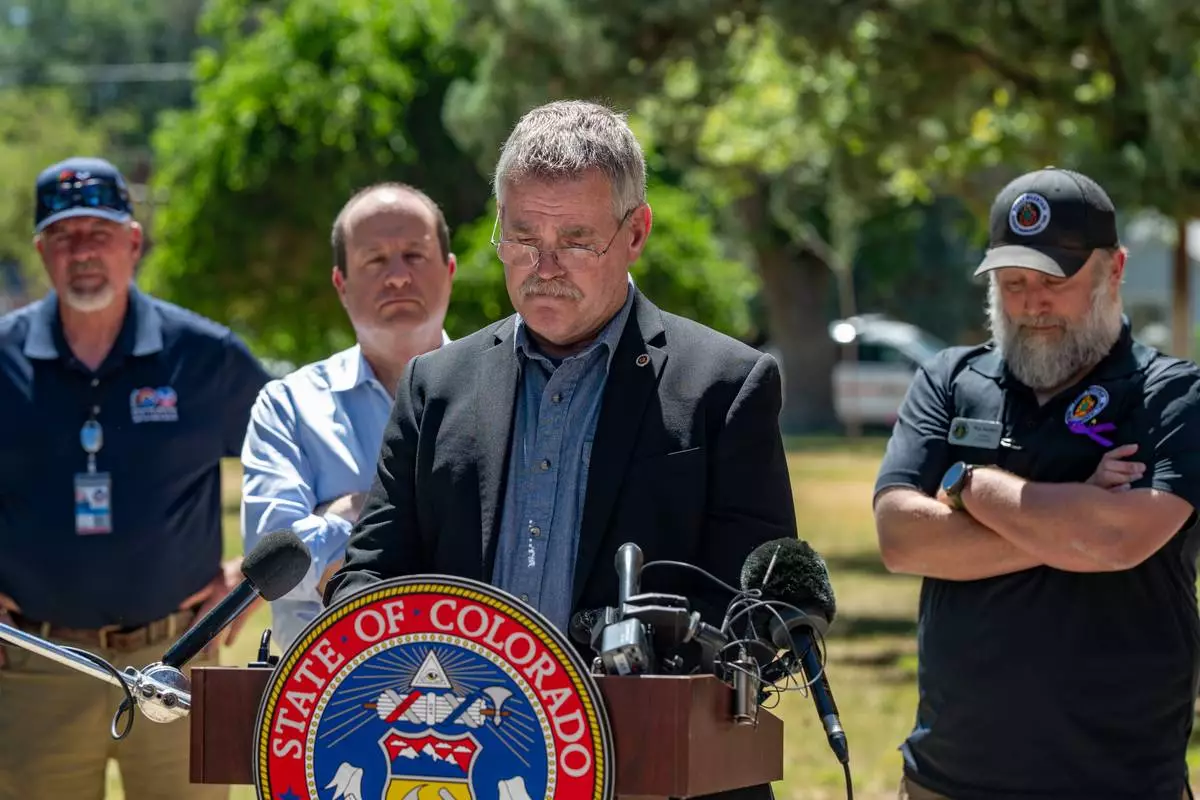
U.S. Wildland Fire Service Chief Brian Fennessy speaks at a news conference about Colorado wildfires, Monday, June 29, 2026, in Fruita, Colorado. (Aaron Acker/The Grand Junction Daily Sentinel via AP)
U.S. Wildland Fire Service Chief Brian Fennessy speaks at a news conference about Colorado wildfires, Monday, June 29, 2026, in Fruita, Colorado. (Aaron Acker/The Grand Junction Daily Sentinel via AP)

A helicopter provides bucket drops to assist firefighters battling the Gold Mountain Fire on the town line of Ouray and Ridgeway, Colo., Sunday, June 28, 2026. (Michael G. Seamans/The Gazette via AP)
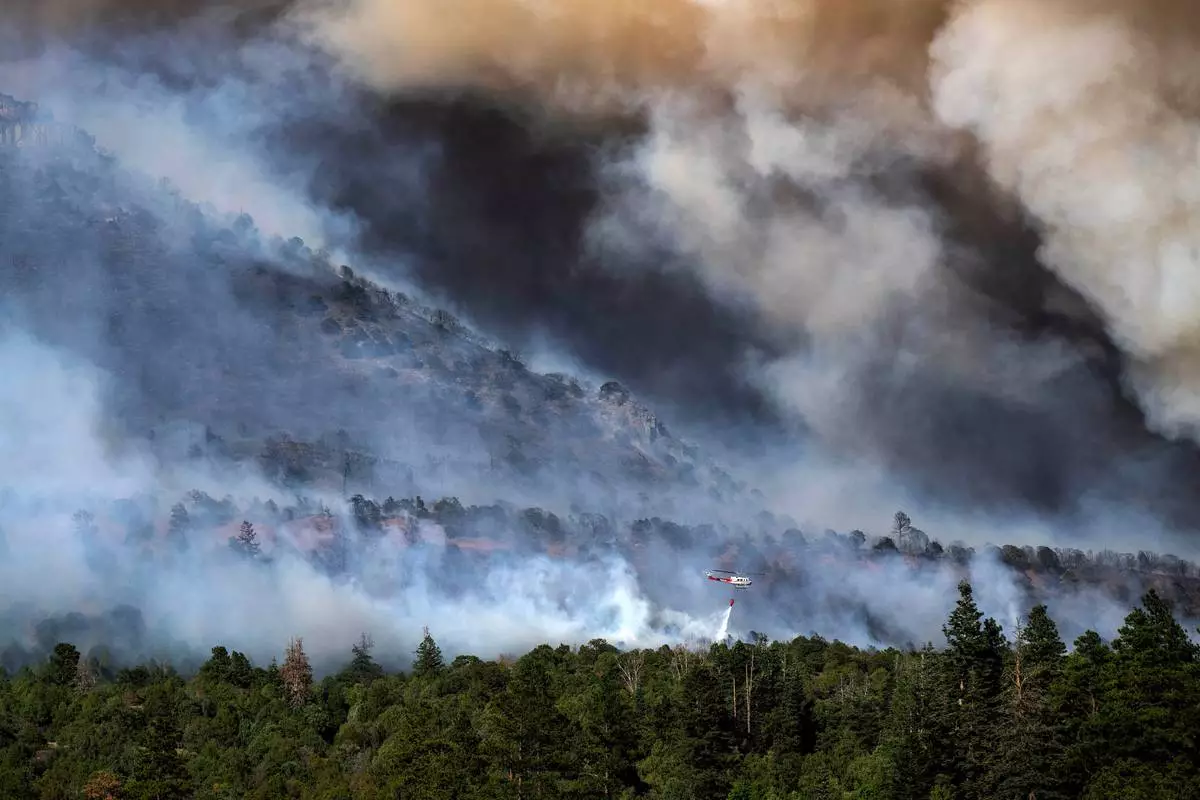
A helicopter provides bucket drops to assist firefighters battling the Gold Mountain Fire on the town line of Ouray and Ridgeway, Colo., Sunday, June 28, 2026. (Michael G. Seamans/The Gazette via AP)

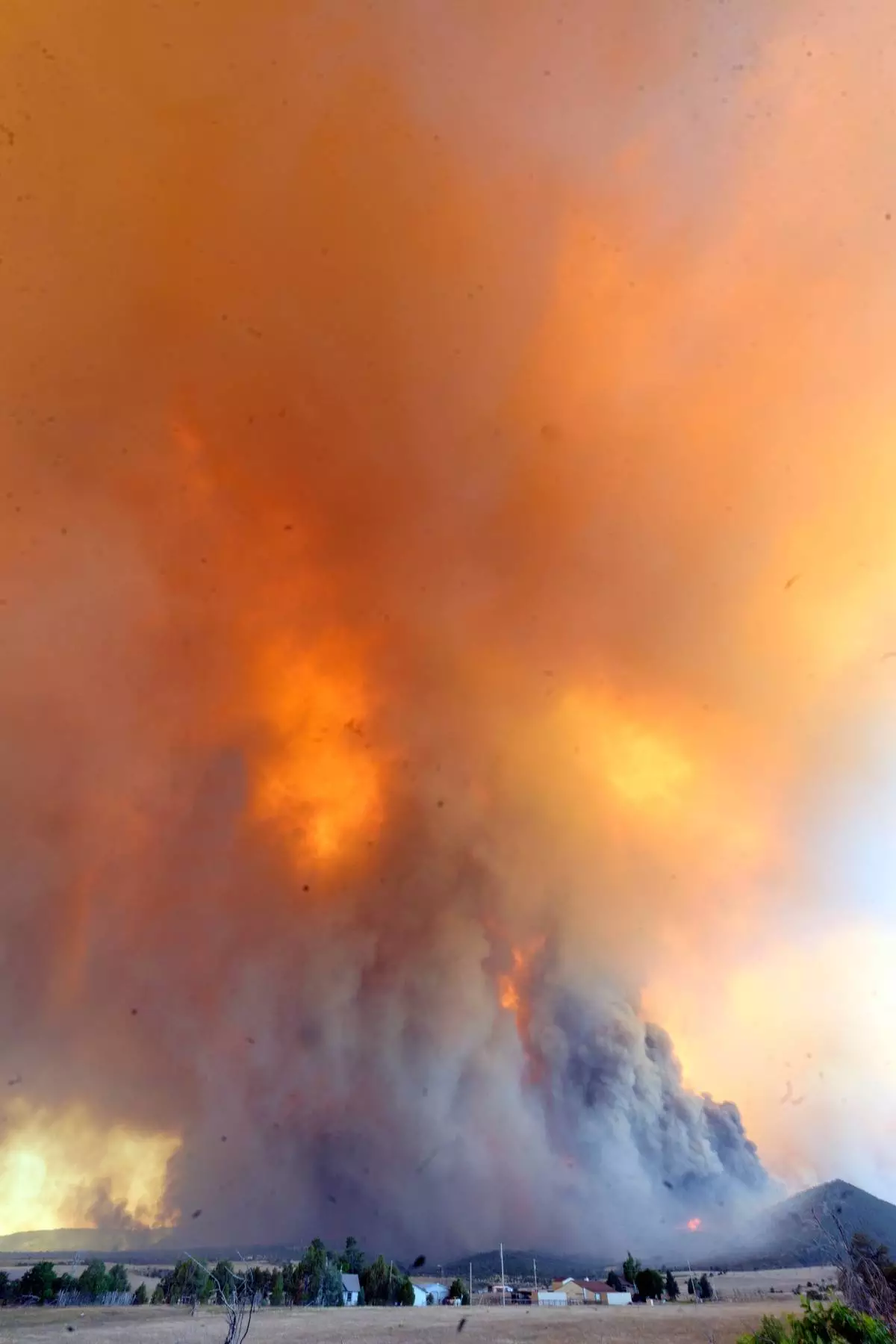
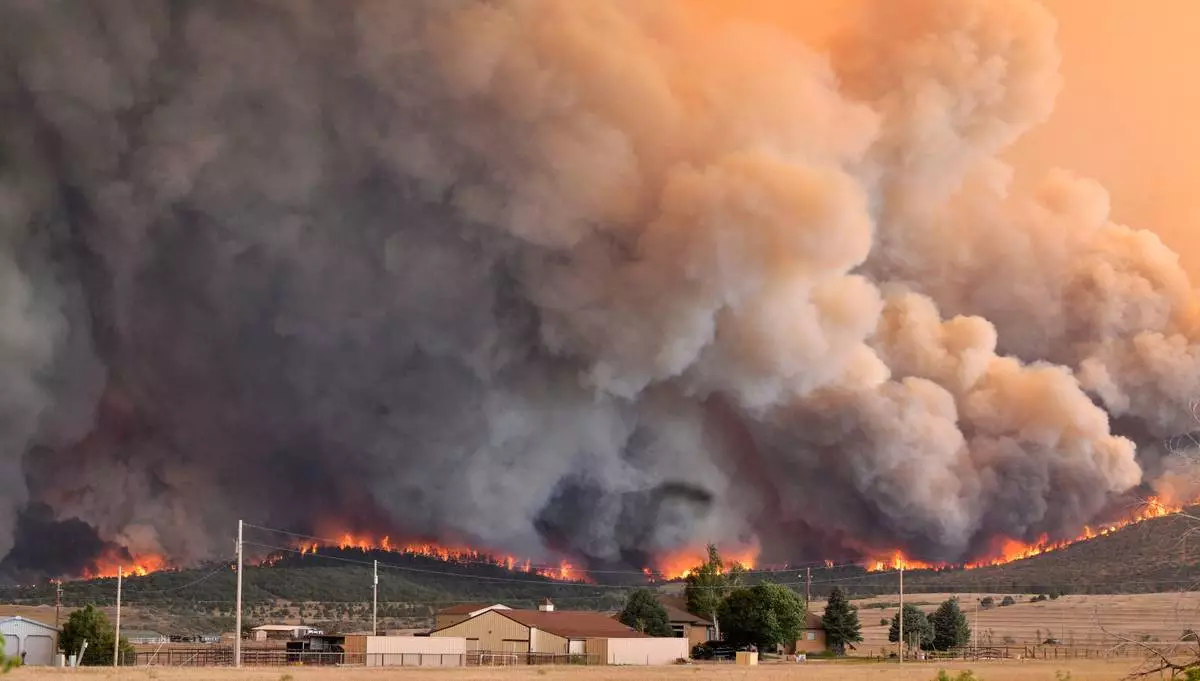
The Aspen Acres fire engulfs a hillside near Beulah, Colo., on Monday, June 29, 2026. (Jerilee Bennett/The Gazette via AP)
The Aspen Acres fire engulfs a hillside near Beulah, Colo., on Monday, June 29, 2026. (Jerilee Bennett/The Gazette via AP)

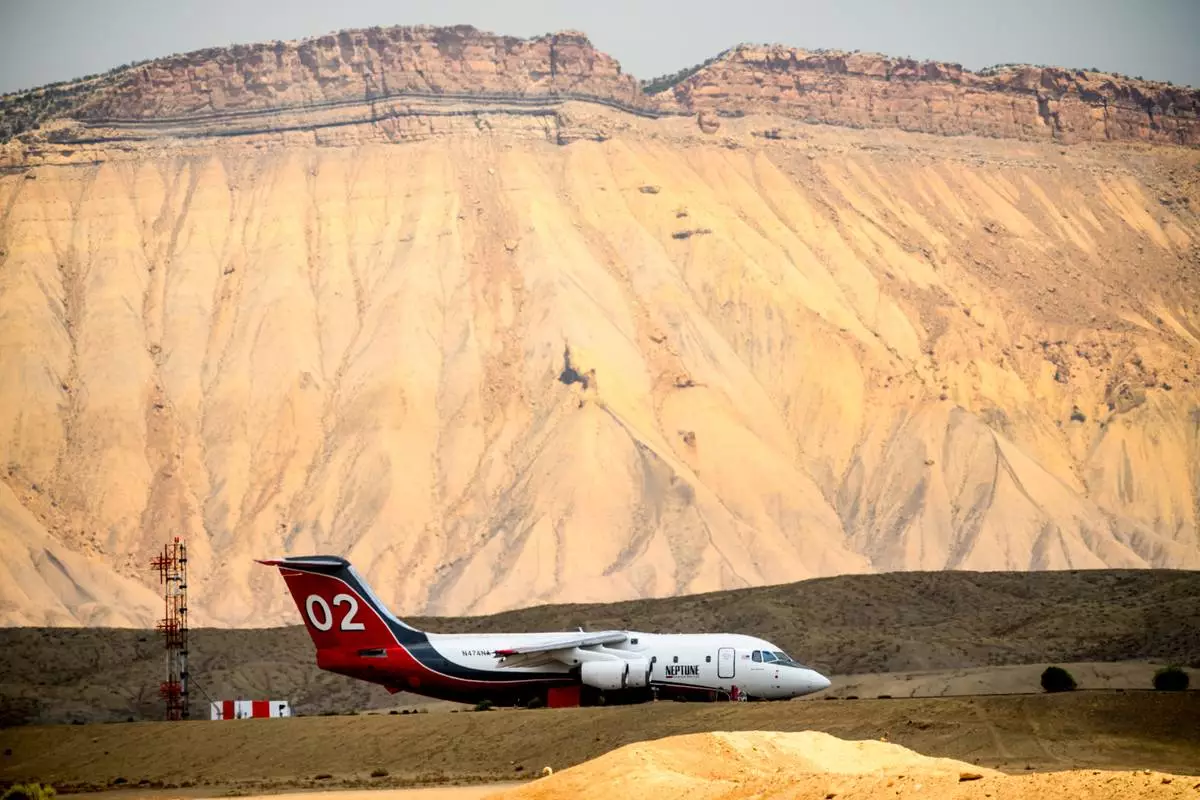
A firefighting aircraft rests on the tarmac at Grand Junction Regional Airport in Grand Junction, Colo., as the Snyder Fire burns nearby on Sunday, June 28, 2026. (AP Photo/Noah Berger)
A firefighting aircraft rests on the tarmac at Grand Junction Regional Airport in Grand Junction, Colo., as the Snyder Fire burns nearby on Sunday, June 28, 2026. (AP Photo/Noah Berger)

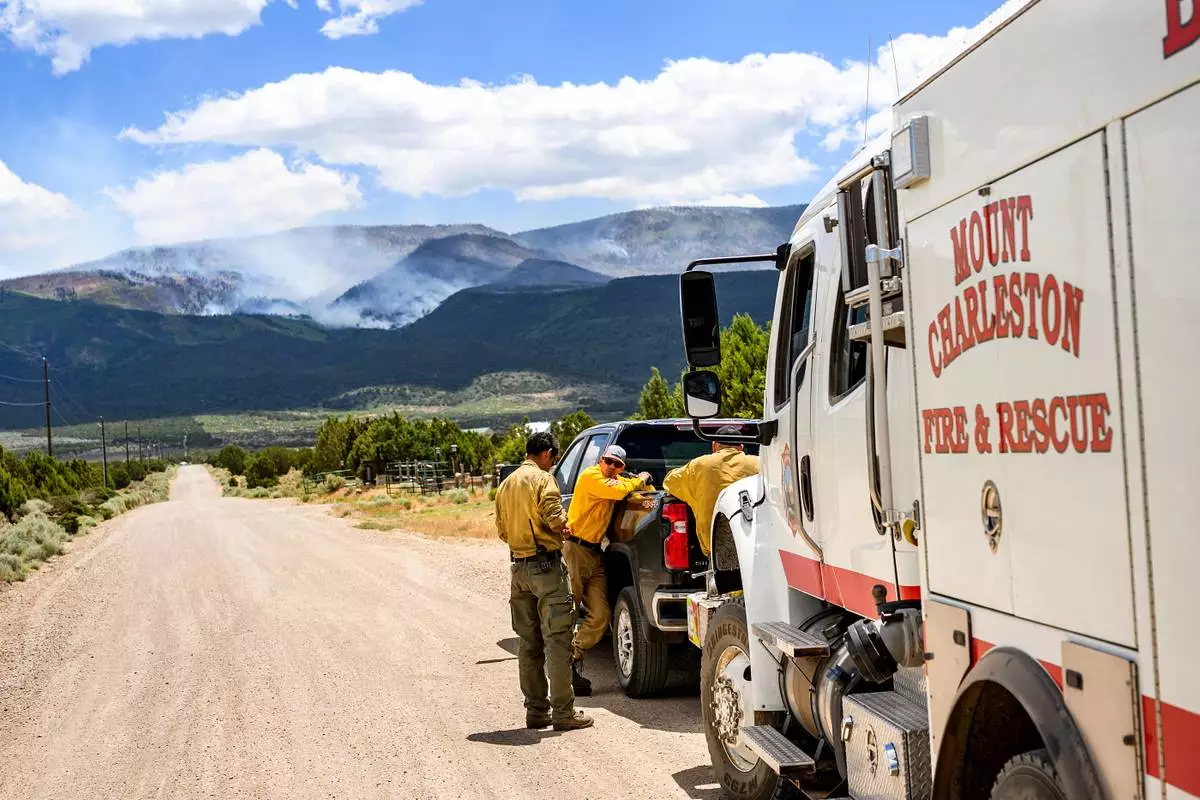
Firefighters gather as the Cottonwood Fire burns near Beaver, Utah, on Saturday, June 27, 2026. (AP Photo/Noah Berger)
Firefighters gather as the Cottonwood Fire burns near Beaver, Utah, on Saturday, June 27, 2026. (AP Photo/Noah Berger)

The Aspen Acres fire engulfs a hillside near Beulah, Colo., on Monday, June 29, 2026. (Jerilee Bennett/The Gazette via AP)
The Aspen Acres fire engulfs a hillside near Beulah, Colo., on Monday, June 29, 2026. (Jerilee Bennett/The Gazette via AP)

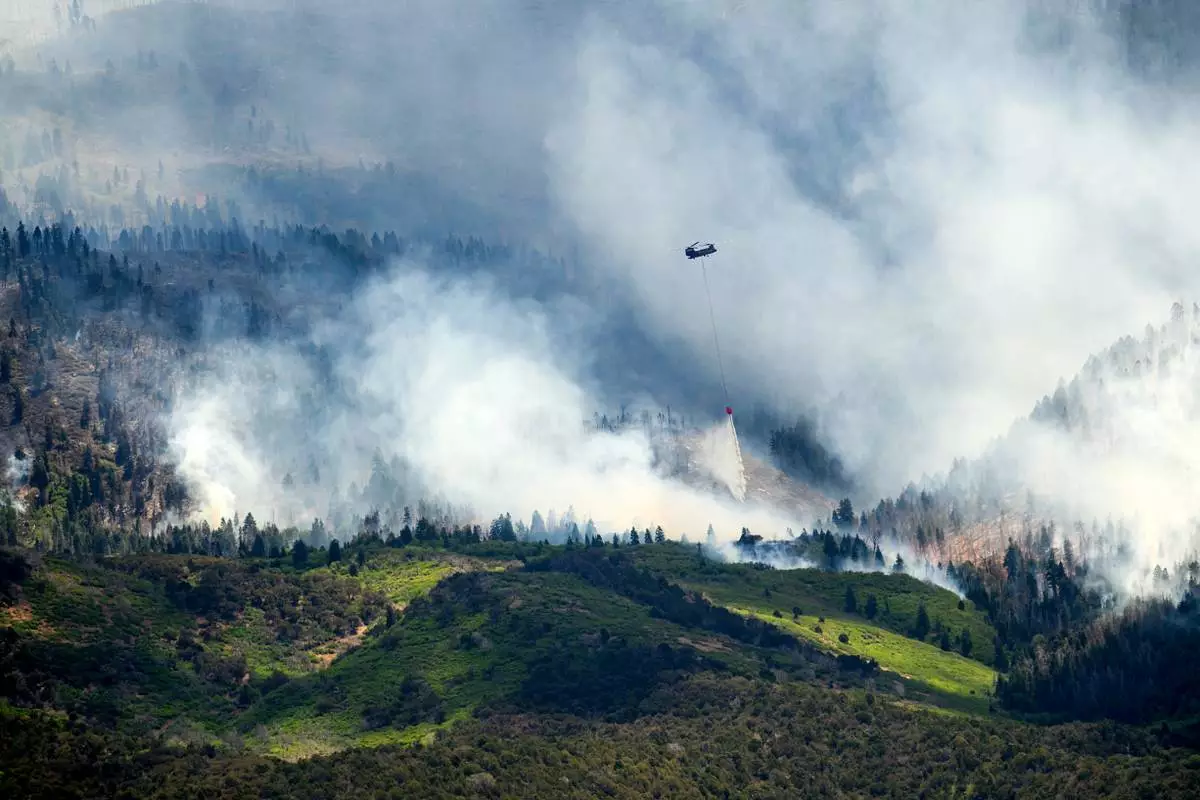
A helicopter drops water on the Cottonwood Fire burning near Beaver, Utah, on Saturday, June 27, 2026. (AP Photo/Noah Berger)

A helicopter drops water on the Cottonwood Fire burning near Beaver, Utah, on Saturday, June 27, 2026. (AP Photo/Noah Berger)
LA GUAIRA, Venezuela (AP) — Aid groups warned Tuesday that Venezuela's fragile healthcare system is being pushed to its limits nearly a week after two powerful earthquakes, with damaged and understaffed hospitals getting overwhelmed by the injured and infectious diseases flaring in the disaster zone.

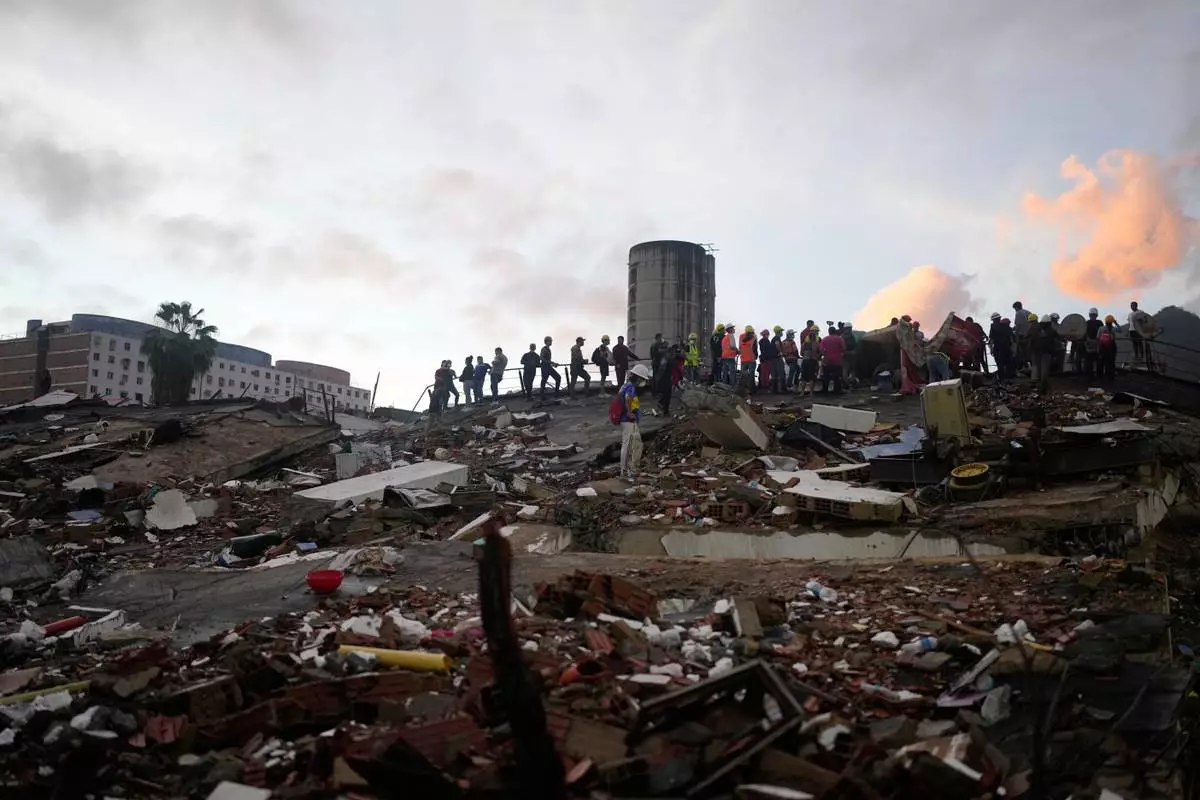
Meanwhile, the number of official rescues has dropped dramatically in the last three days, the government said, from 5,380 people saved in the first two days after the quakes to just four people found alive Monday by authorities. The prime window for finding earthquake survivors is typically 48 to 72 hours, but it is possible to survive longer depending on factors such as temperature and access to water or food.

The sole survivor rescued by Tuesday afternoon was a toddler who had been trapped for six days under a collapsed building, said Jorge Rodríguez, the president of the National Assembly.

Those numbers do not include the many rescues carried out across the country by volunteer groups that, frustrated with the government's sluggish response, scrambled to save their trapped loved ones days before the arrival of expert international teams.

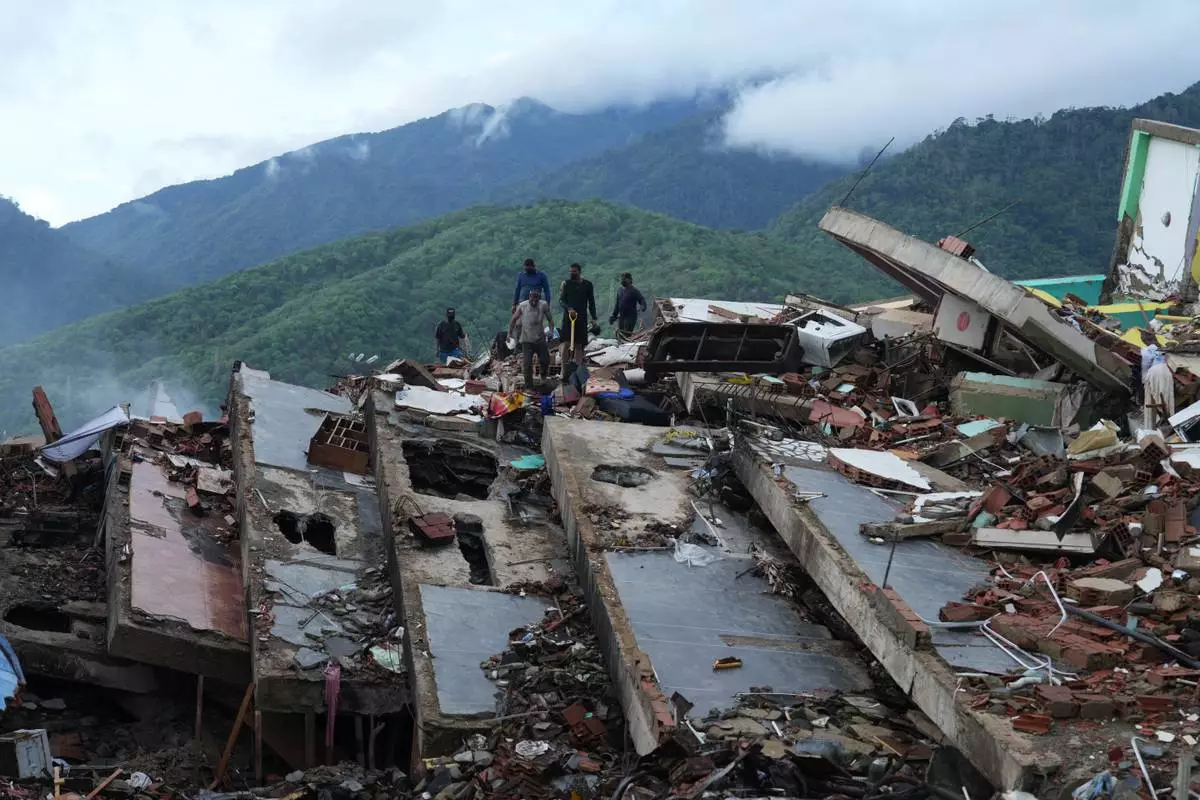
The government puts the death toll at over 1,900. Experts say that is a significant undercount as more bodies are hauled from the rubble every day and morgues struggle to handle the influx.

Among the living, a humanitarian crisis is unfolding. United Nations agencies expressed concern about the health effects of thousands of displaced people sleeping for days in the open or in crowded, unsanitary shelters.

The Venezuelan healthcare system, strained by decades of underinvestment and years of economic crisis is “under extreme pressure now, with facilities operating beyond the capacity of the surge of the trauma cases,” said World Health Organization spokesperson Christian Lindmeier at a media briefing in Geneva.

Venezuelan officials say that more than 15,800 people have been affected by the earthquakes — a figure that reflects the official number of displaced people, U.N. refugee agency spokesperson Carlotta Wolf said Tuesday. Newly homeless Venezuelans are sleeping in cars, parks and elsewhere.

Wolf said that number would continue to rise. Many of those displaced in the hardest-hit state of La Guaira, just outside the capital of Caracas along the coast, are suffering from widespread food shortages, she said.

Without access to toilets, showers or soap, displaced Venezuelans have also become increasingly vulnerable to the outbreak of preventable diseases like measles, given the population’s low vaccination rates, Lindmeier said, adding that conditions are ripe for waterborne infections such as dengue, yellow fever and malaria to spread.

According to the government, last week's earthquakes damaged or otherwise compromised 38 hospitals nationwide. WHO said it so far has evaluated 21 of those facilities, three of which are no longer operating. Another six have sustained damage and the rest are now buckling under the influx of injuries.

Many specialist doctors are missing in the ruins, including officials in charge of maternity care in La Guaira, WHO said, compounding the challenges to health care in a country that 8 million people, including many doctors and nurses, have fled in recent years.

“Findings reveal chaotic service delivery and patient flow, marked by overcrowding, growing surgical backlogs ... and a breakdown in biosafety measures,” Lindmeier said.

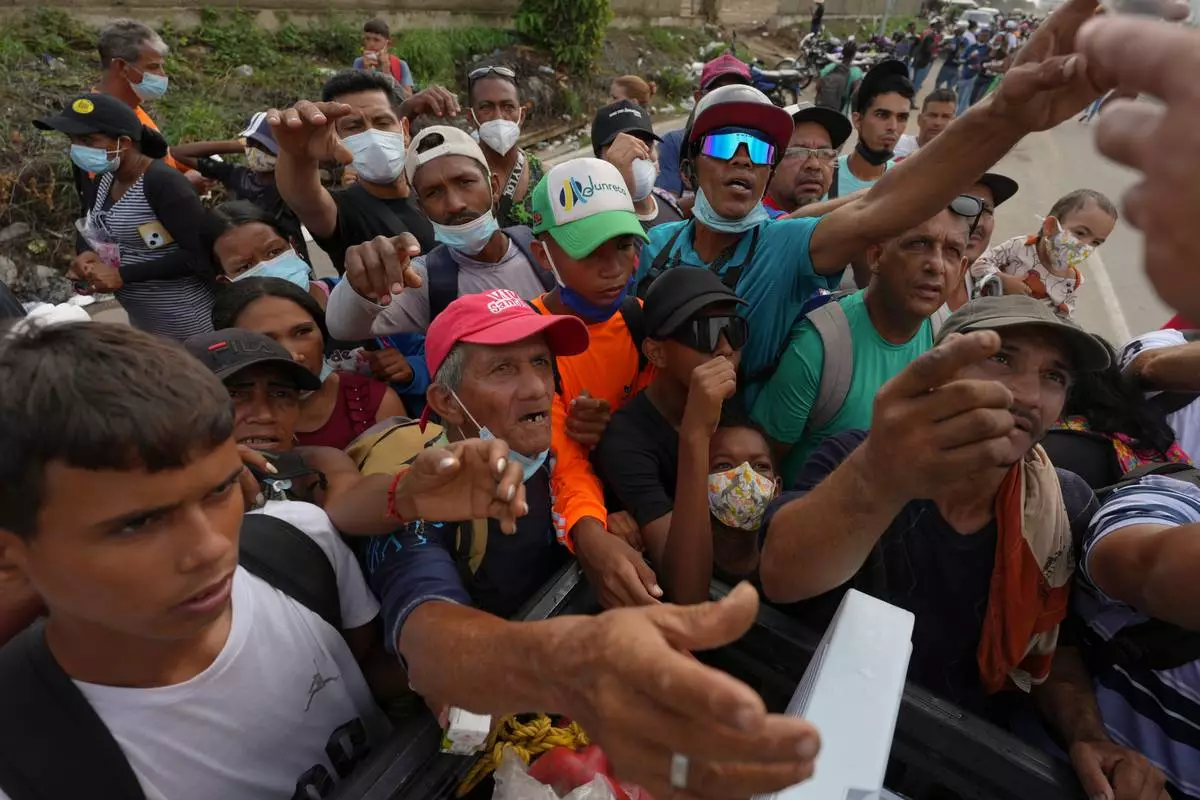
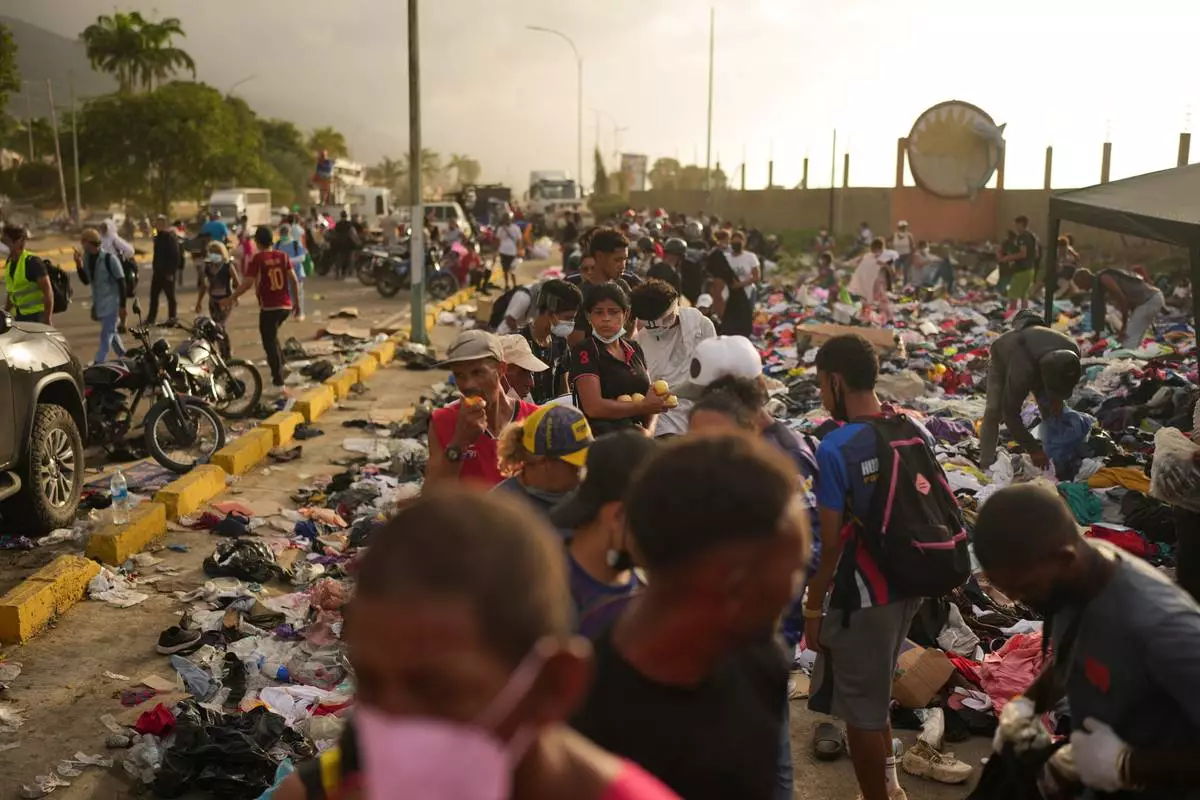
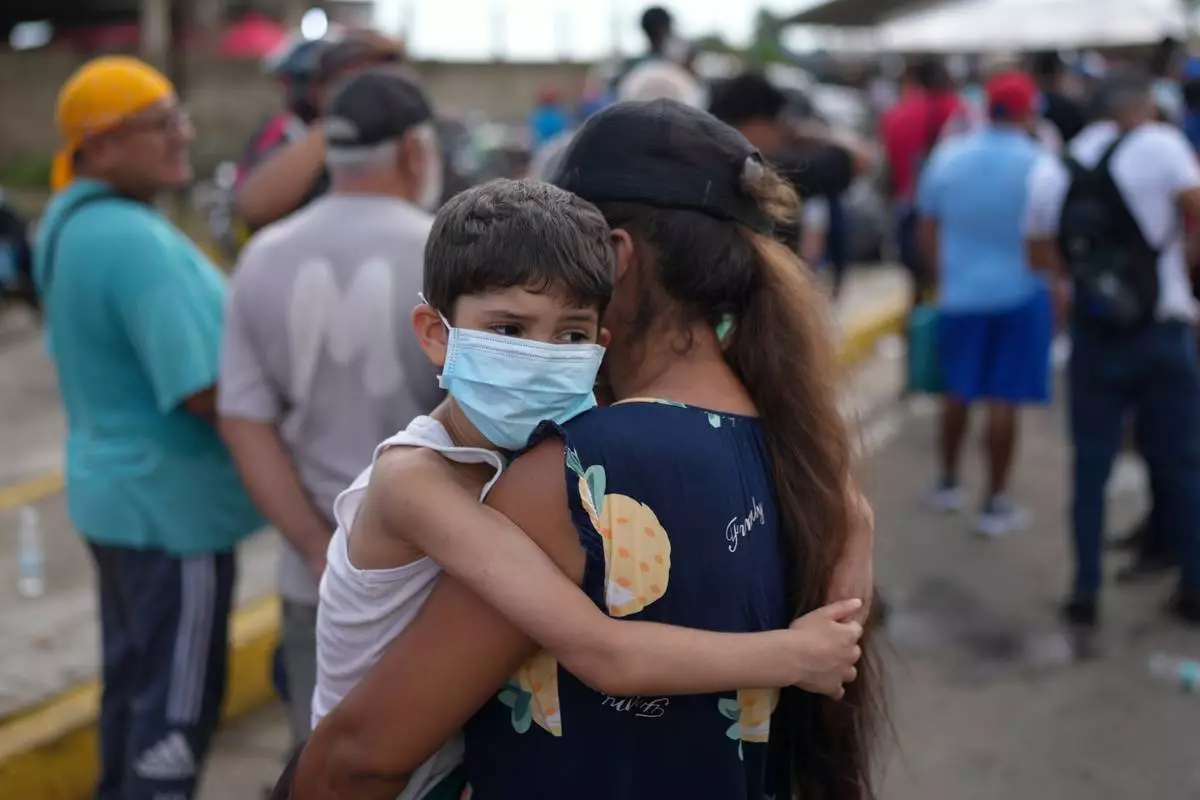
An increased presence of nongovernmental organizations was noticeable Tuesday in La Guaira and adjacent communities, with tents from the Red Cross, the World Food Program and other organizations set up on sidewalks, waterfront esplanades and athletic facilities. People lined up throughout the day under the blistering sun to receive free toiletries, food, medications and face masks.

With the government tight-lipped about victims and survivors and offering no official count of missing people, ordinary Venezuelans are struggling to find relatives. Many have turned to WhatsApp groups and nongovernmental digital databases to report their loved ones as missing. One such registry listed at least 43,220 people as missing.

In his daily televised casualty update, Jorge Rodríguez, brother of interim President Delcy Rodríguez, said that the official toll stood at 1,943 people killed and 10,571 injured as of Tuesday, urging the public to share only government information.

But his numbers left thousands of Venezuelans unaccounted for. He said the government estimated there were around 30,000 people in the hardest-hit parts of La Guaira state at the time of the earthquake, and that around 20,000 of them managed to escape the area or were later rescued.

NASA estimates that nearly 59,000 buildings have been damaged or destroyed by the earthquakes, which would put the number of people affected by the quakes in the hundreds of thousands. The U.N. children’s agency, UNICEF, on Tuesday said 680,000 children are in need of humanitarian assistance nationwide.

DeBre reported from Buenos Aires, Argentina. Associated Press writers Regina Garcia Cano and Jorge Rueda in Caracas, Venezuela, and Dánica Coto in San Juan, Puerto Rico, contributed to this report.

Follow AP’s coverage of Latin America and the Caribbean at https://apnews.com/hub/latin-america

People affected by the earthquake line up for food in La Guaira, Venezuela, Saturday, June 27, 2026.(AP Photo/Matias Delacroix)

People affected by the earthquake line up for food in La Guaira, Venezuela, Saturday, June 27, 2026.(AP Photo/Matias Delacroix)

Ogleisys Cisneros holds her son, Santiago Medina, while waiting in line for government humanitarian aid, days after an earthquake struck in La Guaira, Venezuela, Tuesday, June 30, 2026. (AP Photo/Matias Delacroix)

Ogleisys Cisneros holds her son, Santiago Medina, while waiting in line for government humanitarian aid, days after an earthquake struck in La Guaira, Venezuela, Tuesday, June 30, 2026. (AP Photo/Matias Delacroix)

People reach out to receive supplies from volunteers, days after an earthquake struck La Guaira, Venezuela, Tuesday, June 30, 2026. (AP Photo/Matias Delacroix)

People reach out to receive supplies from volunteers, days after an earthquake struck La Guaira, Venezuela, Tuesday, June 30, 2026. (AP Photo/Matias Delacroix)

Rescuers search through the rubble of buildings that collapsed in the earthquakes in La Guaira, Venezuela, Tuesday, June 30, 2026. (AP Photo/Ariana Cubillos)

Rescuers search through the rubble of buildings that collapsed in the earthquakes in La Guaira, Venezuela, Tuesday, June 30, 2026. (AP Photo/Ariana Cubillos)

Residents search through the rubble of a building that collapsed in the earthquakes in La Guaira, Venezuela, Tuesday, June 30, 2026. (AP Photo/Ariana Cubillos)

Residents search through the rubble of a building that collapsed in the earthquakes in La Guaira, Venezuela, Tuesday, June 30, 2026. (AP Photo/Ariana Cubillos)

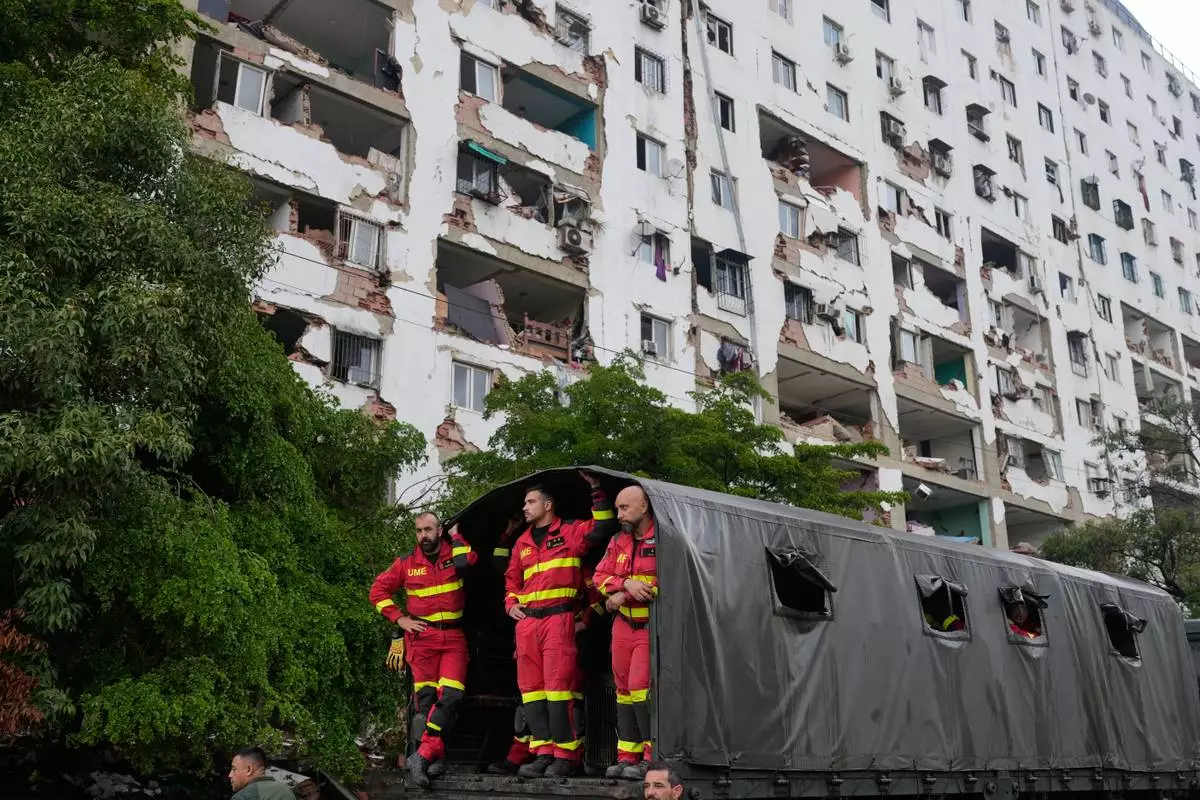
Rscuers from Spain mobilized though the area affected in the earthquakes in La Guaira, Venezuela, Tuesday, June 30, 2026. (AP Photo/Ariana Cubillos)

Rscuers from Spain mobilized though the area affected in the earthquakes in La Guaira, Venezuela, Tuesday, June 30, 2026. (AP Photo/Ariana Cubillos)

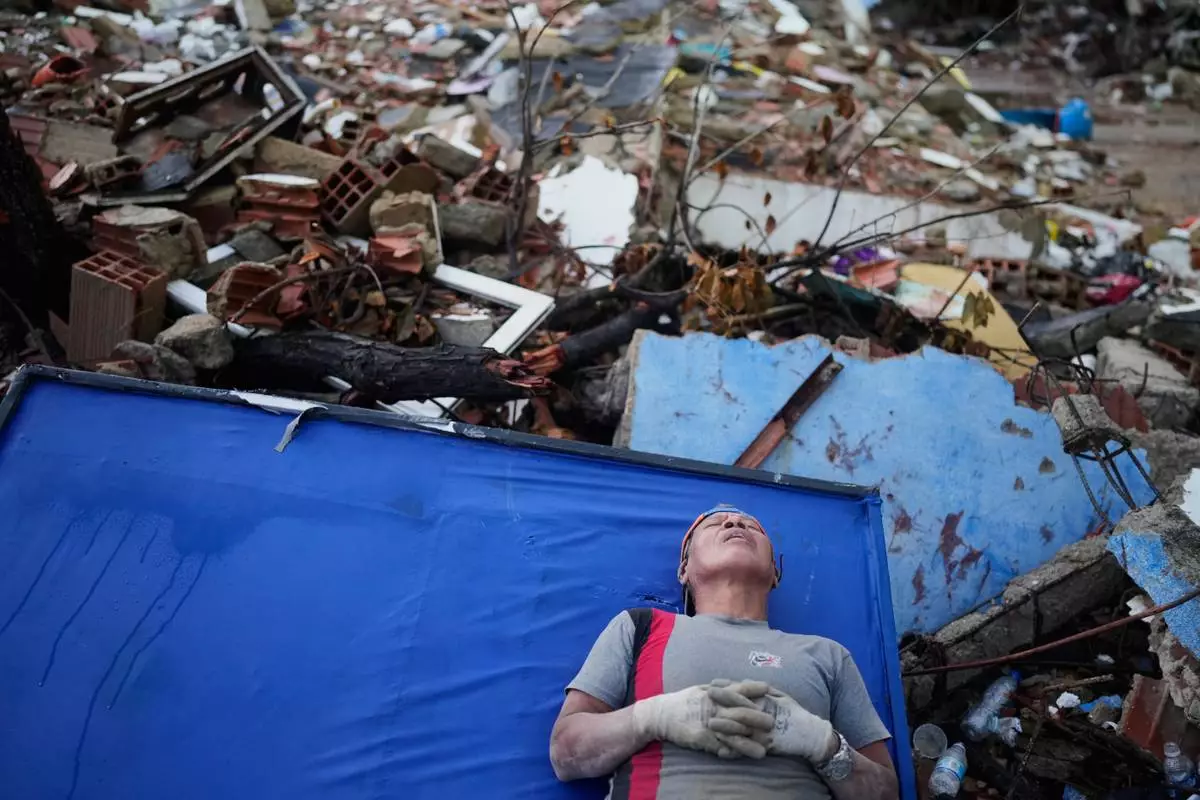
Resident Kerli Faria takes a break amid the rubble while searching for her nephews at a building that collapsed during the earthquakes that struck La Guaira, Venezuela, Tuesday, June 30, 2026. (AP Photo/Ariana Cubillos)

Resident Kerli Faria takes a break amid the rubble while searching for her nephews at a building that collapsed during the earthquakes that struck La Guaira, Venezuela, Tuesday, June 30, 2026. (AP Photo/Ariana Cubillos)

Recommended Articles