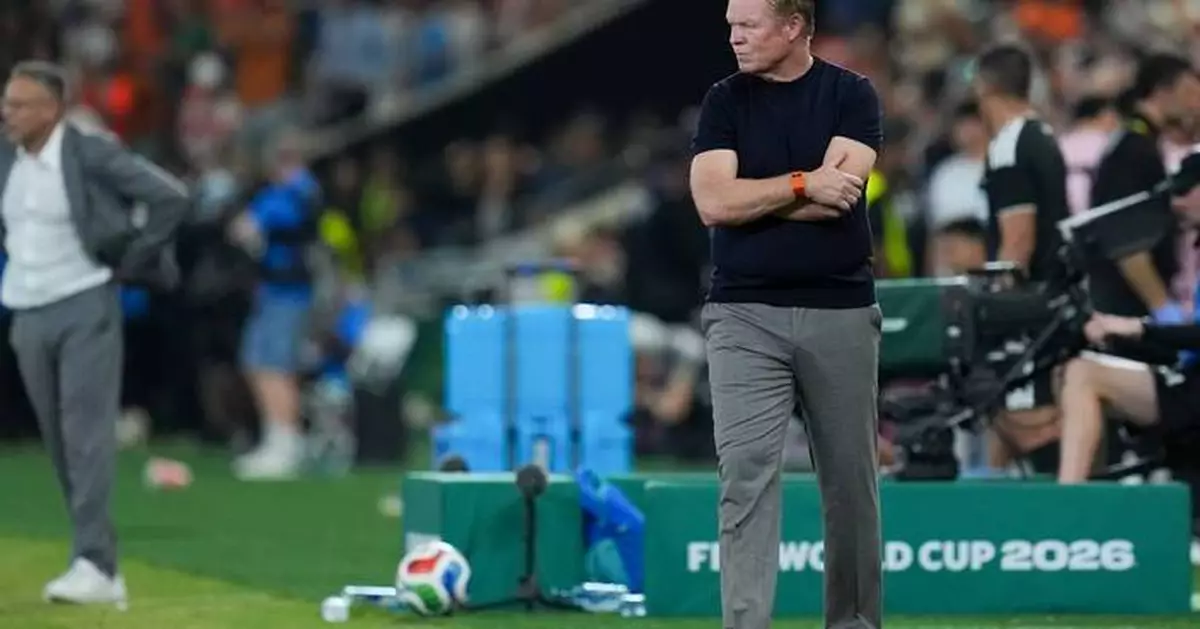
Netherlands coach Ronald Koeman resigned Tuesday after his team was knocked out of the World Cup with a Round of 32 loss to Morocco in a penalty shootout, the earliest exit ever from the tournament for the Dutch team.
The 63-year-old Koeman, who had been leading the Dutch national team for the second time after reaching the semifinals of the 2024 European championship, announced his decision in a social media post.
The Netherlands had reached at least the round of 16 in 11 previous World Cups, including a quarterfinal appearance four years ago in Qatar. This year's tournament expanded to 48 teams, sending 32 to an enlarged first round of the knockout stage.
In his announcement, Koeman said he shared a dream of a World Cup that would “make history” and no one was more disappointed than he is that it didn't happen. The Netherlands has reached the World Cup final three times but never won it.
The loss to Morocco was the third consecutive time the Netherlands has been eliminated from the World Cup in a shootout. The Dutch had scored a tournament-high 10 goals in the group stage, but scored just one goal from the field against Morocco in a match that was 1-1 before it went to the penalty shootout.
The early departure from the World Cup resulted in some pointed criticism online toward Dutch players, and the Royals Netherlands Football Association said in a statement that some players had been “treated in a racist and discriminatory manner.”
“We thank the players, staff and all those involved for their commitment during this World Cup," the Royals Netherlands Football Association said. "We also express our appreciation for the supporters, in the stadium, at home and everywhere where Oranje was followed and supported. Football connects people, regardless of origin or background.
"We see online reactions in which players are treated in a racist and discriminatory manner after the elimination. We draw a clear line there. Racism and discrimination have no place anywhere: not in football, not online and not in our society.”
The Dutch team returned from the match in Mexico to its base camp in Kansas City, Missouri, on Tuesday. It plans to depart for the Netherlands on Wednesday, though some players will leave directly to join their club teams elsewhere.
AP Sports Writer Dave Skretta in Kansas City, Missouri, contributed.
See more of AP’s World Cup coverage here
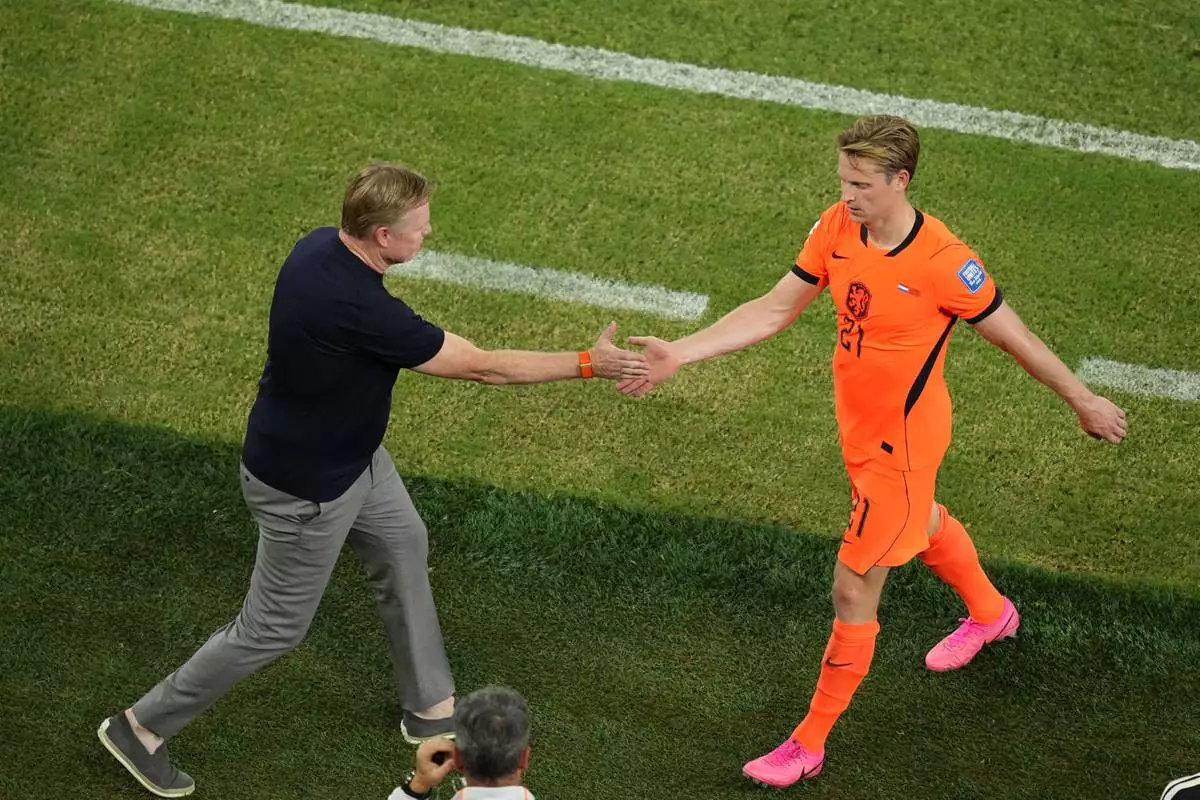
Netherlands' Frenkie de Jong (21) shakes hands with head coach Ronald Koeman after being substituted during the World Cup round of 32 soccer match between the Netherlands and Morocco in Guadalupe, near Monterrey, Mexico, Monday, June 29, 2026. (AP Photo/Moises Castillo)
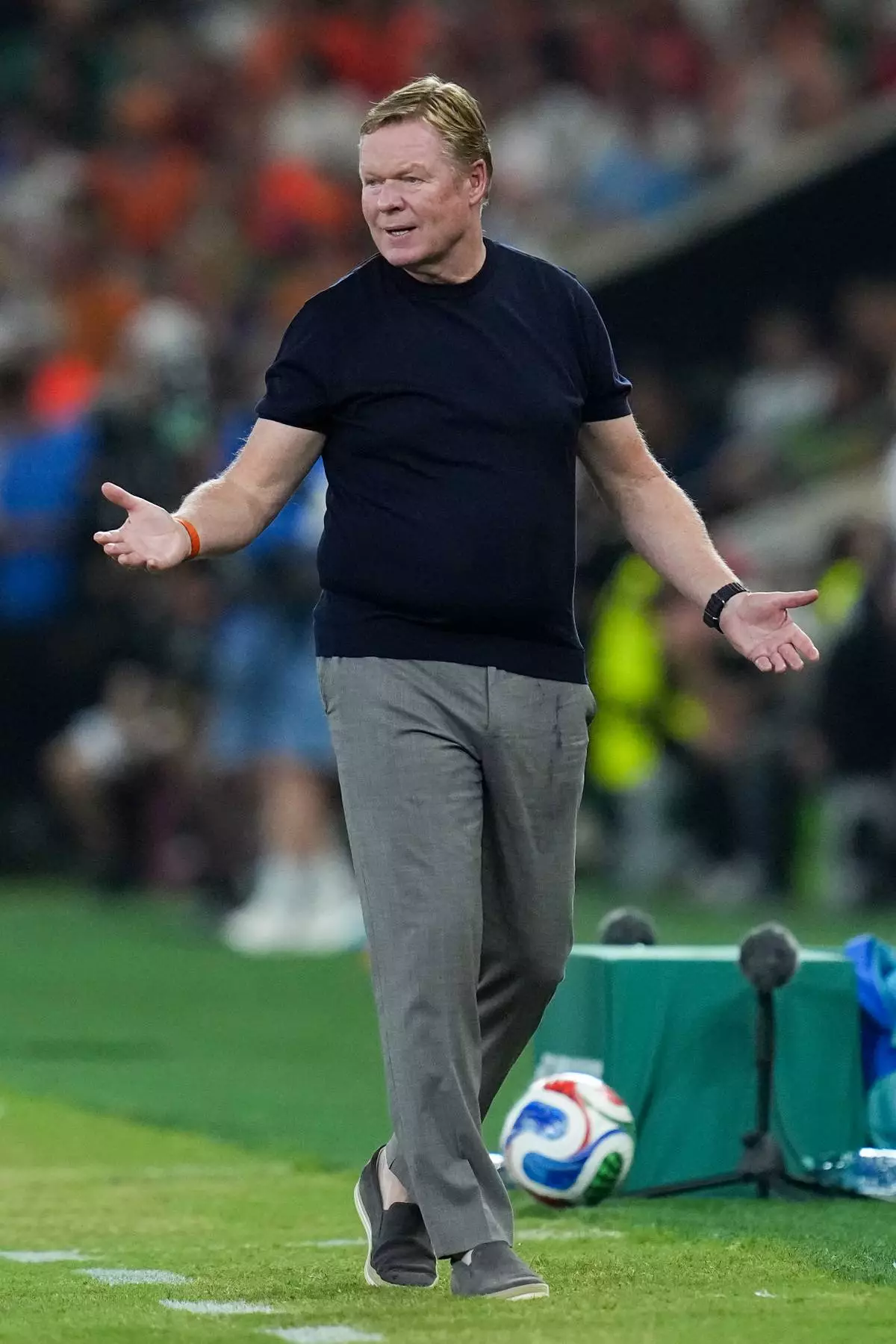
Netherlands head coach Ronald Koeman reacts during the World Cup round of 32 soccer match between the Netherlands and Morocco in Guadalupe, near Monterrey, Mexico, Monday, June 29, 2026. (AP Photo/Dolores Ochoa)
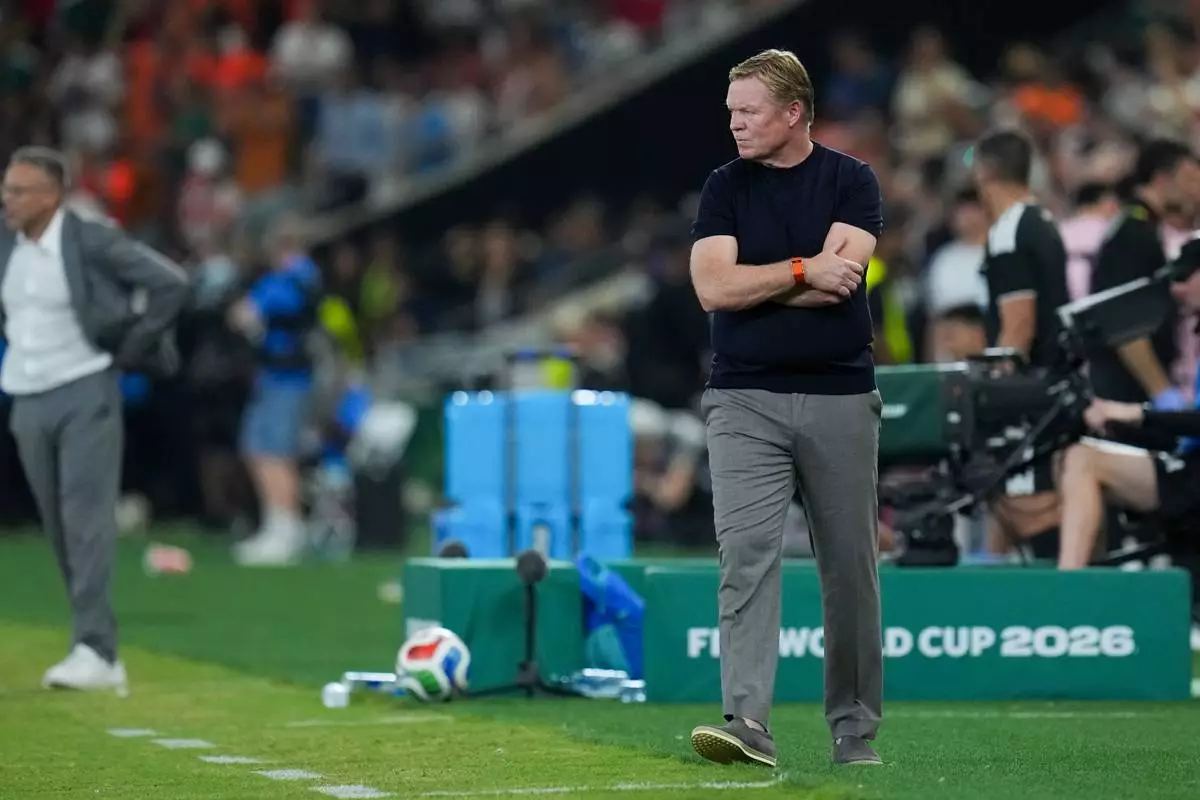
Netherlands head coach Ronald Koeman reacts during the World Cup round of 32 soccer match between the Netherlands and Morocco in Guadalupe, near Monterrey, Mexico, Monday, June 29, 2026. (AP Photo/Dolores Ochoa)
The World Cup is in the lose-and-go-home stage of the tournament and the pressure keeps rising with every minute of every match.
The biggest pressure cooker of them all: the penalty kick shootout. Exhausted players and goalkeepers face off in a tense one-on-one confrontation that carries the hopes and dreams of entire nations.
Two of the first four matches in the round of 32 were settled by shootouts: Morocco beat the Netherlands and Paraguay bested Germany.
A miss can mean humiliation. A goalkeeper's save or the final bulge of the ball in the back of the net can bring tears of joy to millions.
That kind of pressure can reach “inhumane” levels, almost all of it focused on the penalty takers, said Geir Jordet, a professor at the Norwegian School of Sport Sciences and author of the book, “Pressure: Lessons from the Psychology of the Penalty Shootout.”
“In our research, the only emotion everyone agrees is present is anxiety,” Jordet said.
Expect more shootouts, more pressure, more anxiety.
A record five games at the 2022 World Cup in Qatar were settled by penalty kicks, including the final when Argentina beat France.
“As you go into knockout football it’s something that becomes more prominent in the games,” England winger Noni Madueke said. "So like every part of our game we want to be at the highest level when it comes to that.”
This tense battle of wills is fought over a 12-yard (11-meter) distance between the penalty spot and the goal line. The shootout was added to the game in 1970 and has settled several of the world's biggest tournaments.
The first World Cup final to be settled by penalty kicks was Brazil’s 1994 victory over Italy. That shootout also produced one of the most infamous misses in soccer history when Italy great Roberto Baggio sent the final kick over the crossbar.
Techniques vary.
Some take the kick quickly. Others pause, taking deep, calming breaths before they approach. Some run and strike it hard. A popular variation is the stutter-step, waiting for the goalkeeper to commit to which way he's going.
The penalty taker faces the most pressure in the moment because he's expected to score, Jordet told The Associated Press by email.
Research shows that the players who start toward the ball almost immediately after the referee's whistle more often miss than those who wait between two and five seconds, he said.
“We suspect this is because those who (wait) extremely short sometimes do so because they, understandably, just want to get this stressful situation done and over with,” Jordet said.
It takes guts to be in that moment, United States forward Christian Pulisic said.
“For the people that go up and shoot, it takes a lot of courage. It’s not easy,” Pulisic said. “Goalkeepers get better and better every single year."
Standing between the posts, goalkeepers have three basic choices. Dive left, dive right or stay in the middle in a guessing game of anticipation.
Morocco keeper Yassine Bounou did something critically different. On the decisive save against the Netherlands, he moved to his right while standing up.
By staying upright, Bounou used his left hand to easily swat away the kick from Crysencio Summerville, who was shooting for the upper corner. Had Bounou dived, the ball would have easily found the net.
The best goalkeepers are “creative, deliberate and volatile” in their attempts to disrupt the shooter, Jordet said.
Tactics can include throwing the ball away, verbal insults and physical confrontation at the penalty spot. The mind games can get so hostile they can result in a yellow card for the goalkeeper.
He noted Bounou's well-timed body twitches and hand fakes to disrupt shooters' timing. The “master” of the mind games, Jordet said, is Argentina keeper Emiliano Martinez, who has won his last six penalty shootouts, including the 2022 World Cup final.
“I would say everyone’s different, every keeper’s different, everyone’s got their own routines," said England goalkeeper Jordan Pickford. “You see last night with Bounou. With his saves, it’s a different save and they put them off and that happens.”
Selecting the lineup for a shootout has its own rhythms and risks for a coach and a team. It is a delicate balance between analytics, experience and gut feeling.
Some players will be automatic choices. Imagine France in a shootout without Kylian Mbappé or Argentina without Lionel Messi with the World Cup on the line.
“The guys who feel the most confident to go up and shoot will want to go shoot. I think that’s normal," Pulisic said. “We haven’t been in many shootouts with these guys, but like I feel it’s a pretty brave, courageous team.”
A shootout lineup should be decided and discussed well beforehand, and not a call for volunteers in the moment, Jordet said.
After Germany and Paraguay were still even after five penalty attempts each, Germany captain Joshua Kimmich asked his teammates who wanted to take the sixth. Jonathan Tah stepped up for the first penalty attempt of his career and launched the ball over the bar.
Players should rehearse the critical moment months ahead of time, Jordet said.
“Make sure that when you are called to take a kick, you have a strong and robust penalty technique, and you have a rehearsed and stable pre-shot routine that can help you lock your attention,” Jordet said. “With that type of focus, you have done what you can, and the outcome will be what it will be.”
AP Sports Writers Josh Dubow, Steve Douglas and James Robson contributed to this report.
See more of AP’s World Cup coverage here
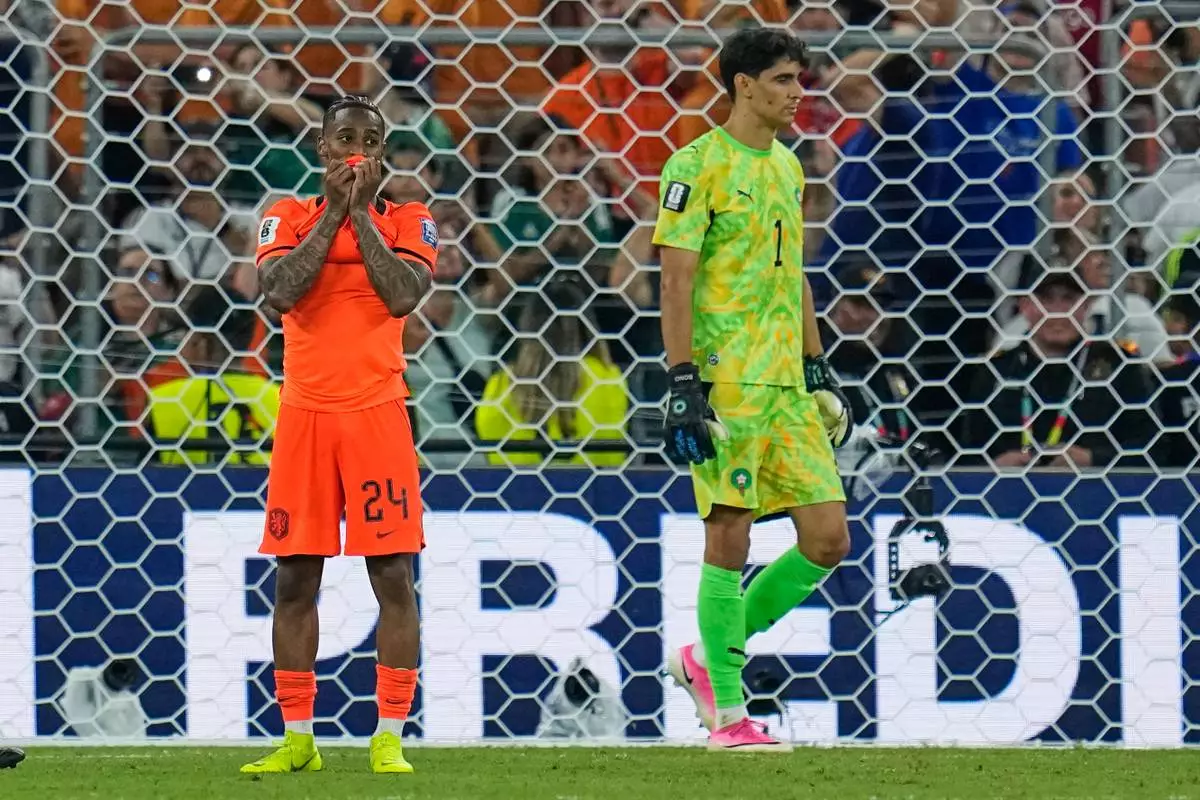
Netherlands' Crysencio Summerville (24) reacts after missing a penalty as Morocco goalkeeper Yassine Bounou (1) walks past during the World Cup round of 32 soccer match between the Netherlands and Morocco in Guadalupe, near Monterrey, Mexico, Monday, June 29, 2026. (AP Photo/Ricardo Mazalan)
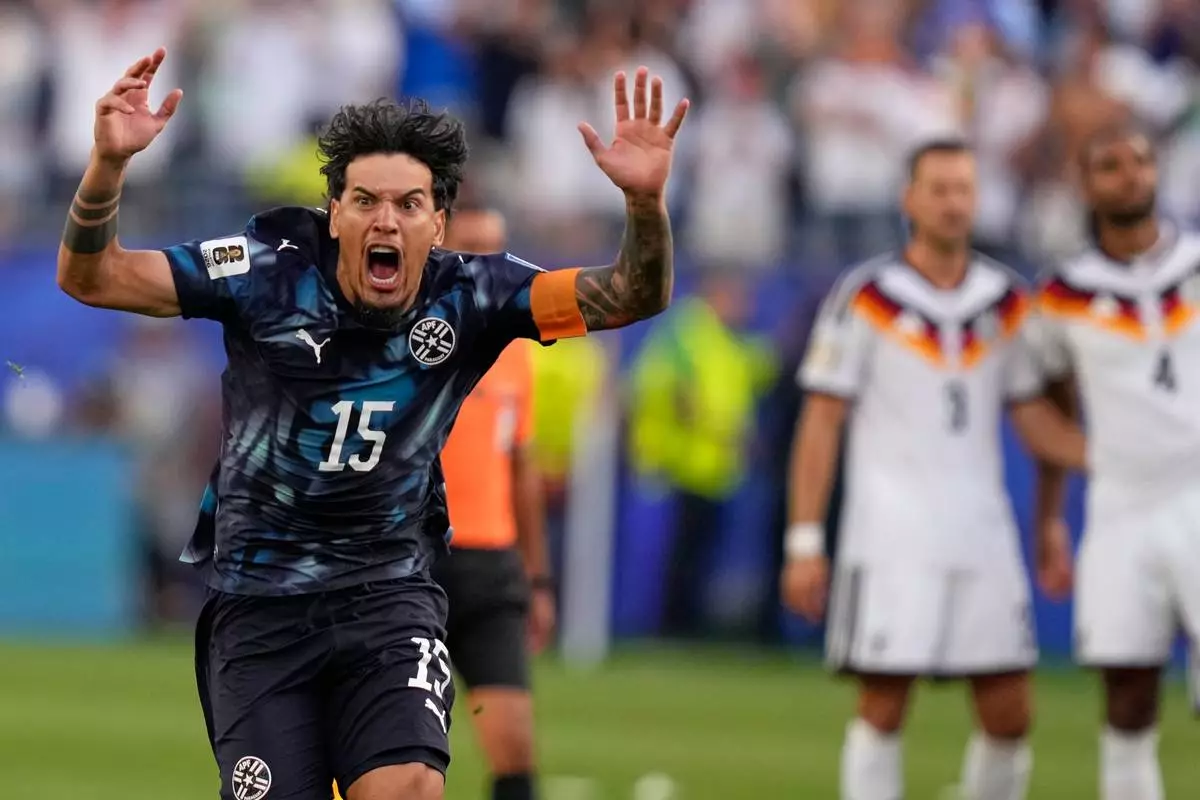
Paraguay's Gustavo Gomez celebrates after winning the World Cup round of 32 soccer match between Germany and Paraguay in Foxborough, Mass., near Boston, Monday, June 29, 2026. (AP Photo/Charles Krupa)
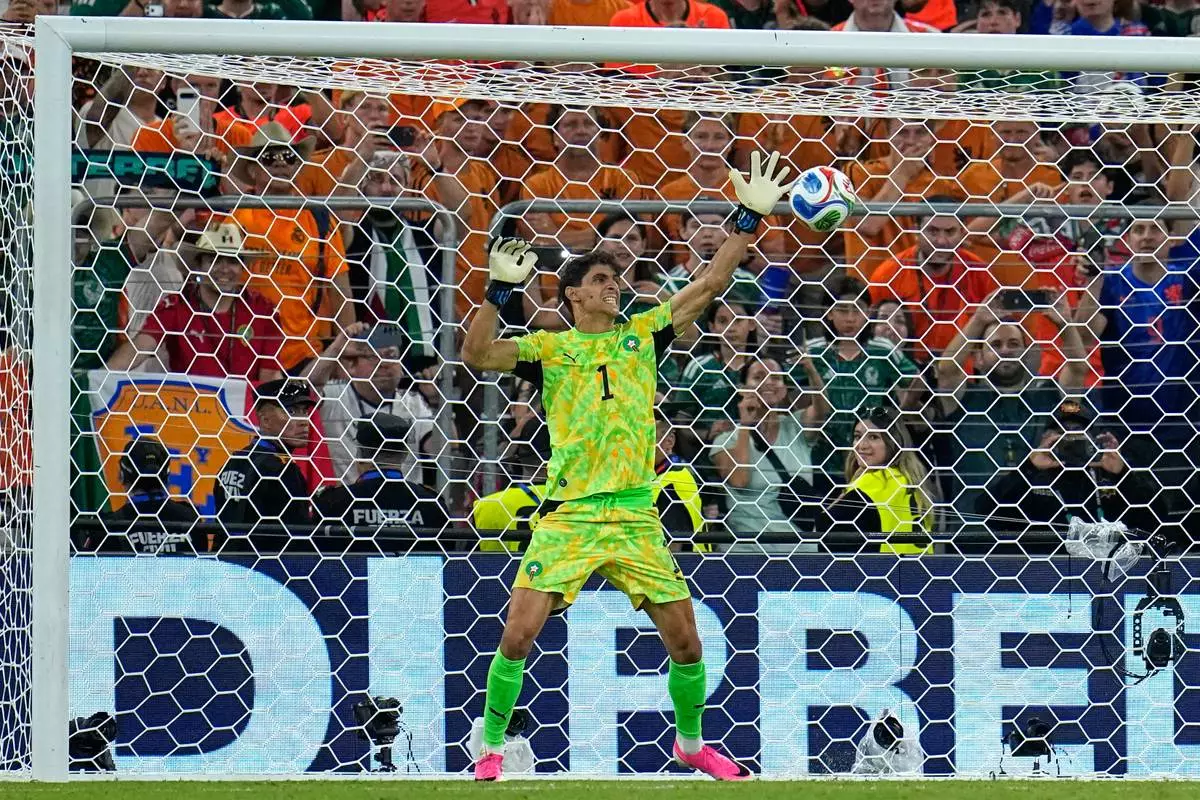
Morocco goalkeeper Yassine Bounou (1) saves a penalty from Netherlands' Crysencio Summerville (24) during the World Cup round of 32 soccer match between the Netherlands and Morocco in Guadalupe, near Monterrey, Mexico, Monday, June 29, 2026. (AP Photo/Ricardo Mazalan)
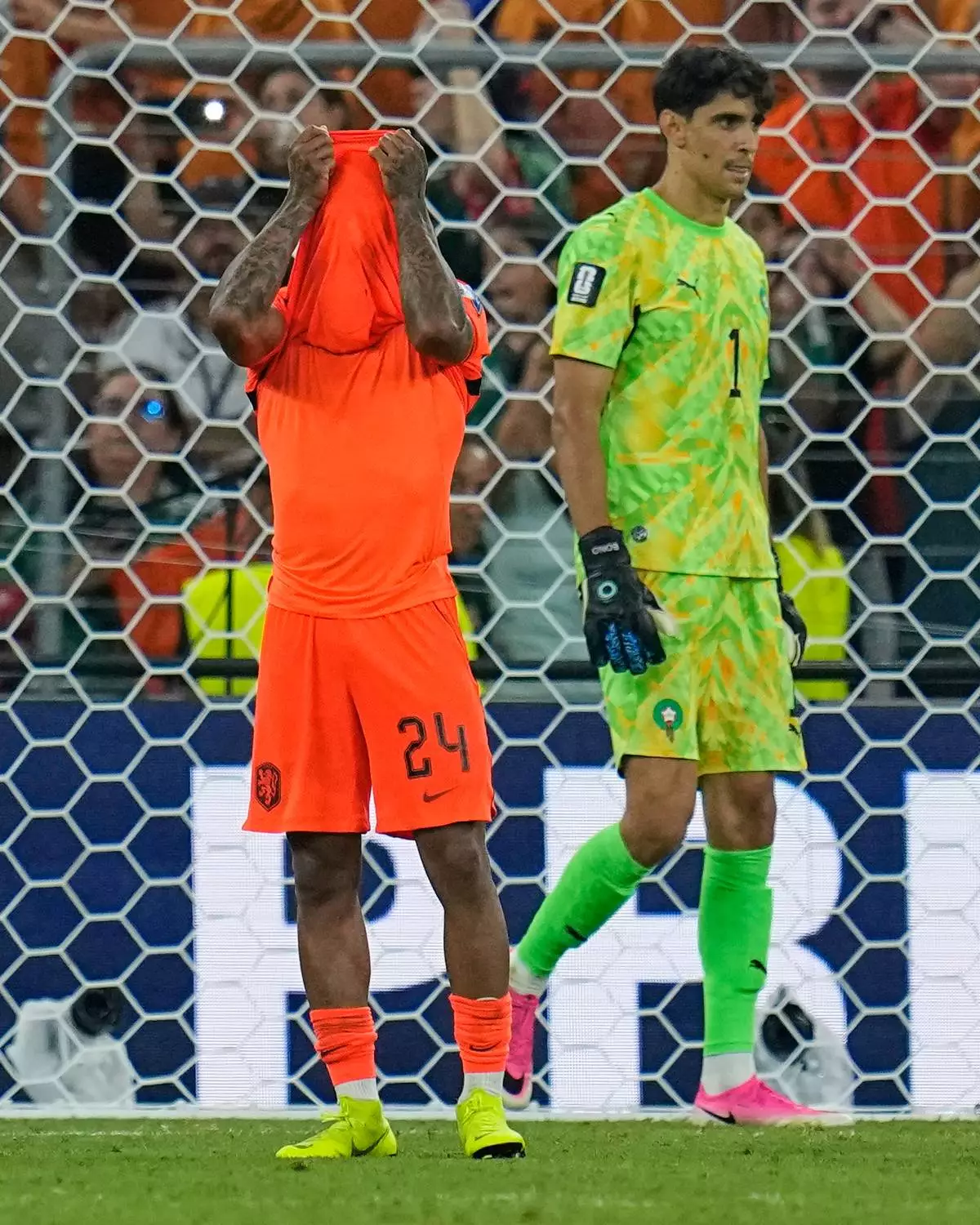
Netherlands' Crysencio Summerville (24) reacts after missing a penalty as Morocco goalkeeper Yassine Bounou (1) walks past during the World Cup round of 32 soccer match between the Netherlands and Morocco in Guadalupe, near Monterrey, Mexico, Monday, June 29, 2026. (AP Photo/Ricardo Mazalan)