GREENBRAE, Calif.--(BUSINESS WIRE)--Jun 30, 2026--
MarinHealth today announced the official launch of the Haynes Heart & Vascular Institute, recognizing the transformational generosity and enduring legacy of the late Bill Haynes and Reta Haynes, whose vision and philanthropy helped shape one of the North Bay's premier cardiovascular programs.
This press release features multimedia. View the full release here: https://www.businesswire.com/news/home/20260630297176/en/
The naming of the Institute celebrates the Haynes family's longstanding commitment to advancing heart care and reflects MarinHealth's continued investment in innovation, clinical excellence, and expanding access to world-class cardiovascular care throughout the North Bay.
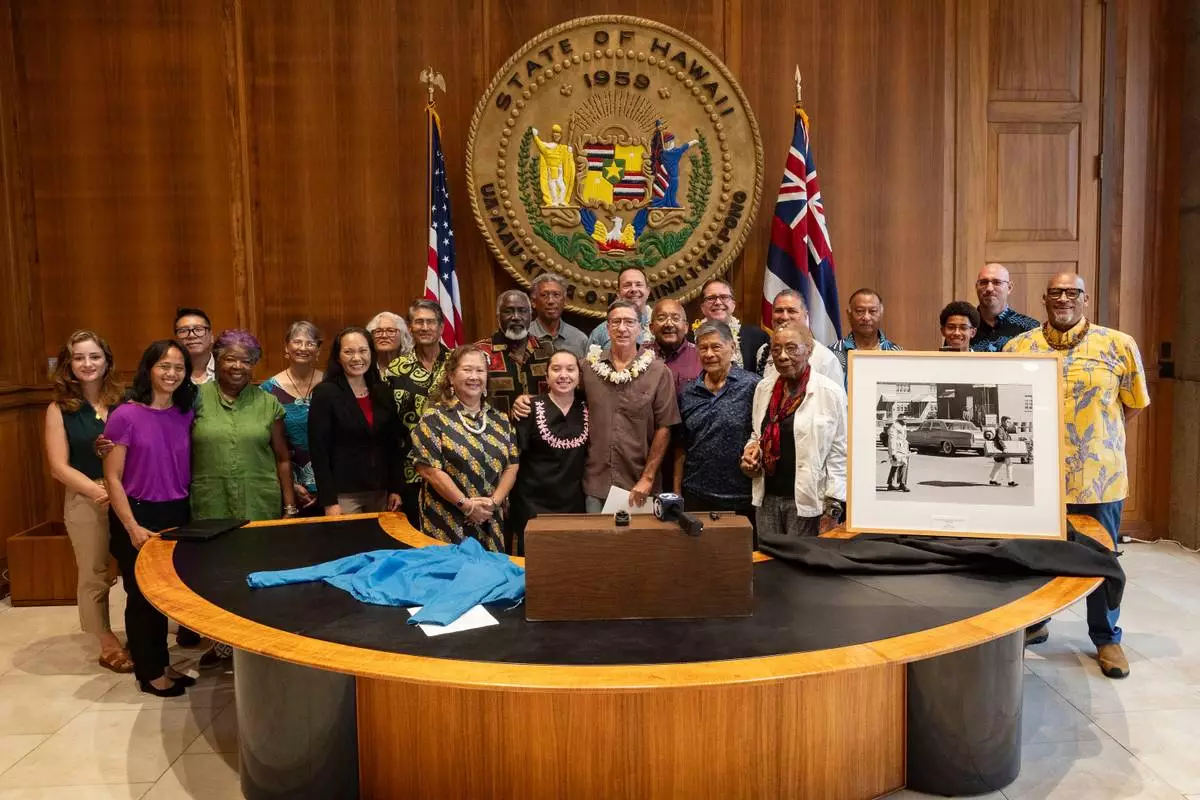
The announcement follows a special reception held June 29 at MarinHealth Medical Center, where physicians, caregivers, staff, community leaders, members of the Board of Directors, and the Haynes family gathered to celebrate the Institute's history, recognize the Haynes family’s enduring legacy, and look toward the future of cardiovascular care.
Today, the Haynes Heart & Vascular Institute stands among the region's leading cardiovascular programs, providing patients throughout Marin, Sonoma, Napa and neighboring communities with access to nationally recognized physicians, advanced technology, innovative treatments and coordinated, multidisciplinary care—close to home.
"World-class healthcare is built through visionary leadership, extraordinary caregivers, and a community that believes in investing in its future," said David G. Klein, MD, MBA, CEO of MarinHealth. "Bill and Reta Haynes shared that vision. Their generosity helped lay the foundation for the remarkable program we have today, and their legacy will continue to inspire our physicians and caregivers as we advance cardiac care for generations to come."
Over the past four decades, MarinHealth has steadily expanded its cardiovascular capabilities, evolving into one of the North Bay's premier heart and vascular institutes.
The program traces its roots to the 1980s with the opening of the hospital's first cardiac catheterization laboratory and cardiac surgery program. In 1993, MarinHealth established its Atherosclerosis Management Program, demonstrating an early commitment to preventive cardiovascular care. The Institute continued its evolution with the opening of the electrophysiology laboratory in the early 2000s.
A defining milestone came in 2009, when Bill and Reta Haynes established the Haynes Cardiovascular Institute in honor of renowned cardiologist Dr. David Sperling. Their philanthropic investment accelerated the growth of cardiovascular services and helped position MarinHealth as a destination for advanced heart care in the North Bay.
Since then, MarinHealth has continued to invest in transformative cardiovascular programs and technologies, including the construction of the modern Oak Pavilion, the recruitment of dedicated heart failure specialists, the launch of its Structural Heart Program, the opening of a state-of-the-art Hybrid Operating Room, and the creation of a specialized Women's Heart Health Program.
Today, the Haynes Heart & Vascular Institute offers comprehensive cardiovascular services across virtually every aspect of heart and vascular care, including:
Later this year, the Institute will further expand its commitment to lifelong heart health with the launch of an enhanced Cardiac Rehabilitation Program featuring the internationally recognized Pritikin Intensive Cardiac Rehabilitation curriculum. The program will combine medically supervised exercise, heart-healthy nutrition education and stress management counseling to help patients reduce future cardiovascular risk, improve recovery, and adopt lifelong healthy habits.
"Our commitment extends far beyond treating heart disease," Dr. Klein said. "We are equally committed to preventing it, helping patients recover, and supporting them throughout every stage of their heart health journey. The Haynes Heart & Vascular Institute reflects that comprehensive vision."
Throughout its history, MarinHealth's cardiovascular program has been defined not only by advanced technology but by collaboration among physicians, nurses, advanced practice providers, rehabilitation specialists, technologists and caregivers working together to deliver exceptional outcomes for patients.
The Haynes Heart & Vascular Institute builds upon that tradition while positioning MarinHealth for continued growth in cardiovascular innovation, physician recruitment, research, education and patient care.
"As we celebrate this milestone, we are also looking ahead," Dr. Klein added. "The naming of the Haynes Heart & Vascular Institute is more than recognition of an extraordinary family. It is a statement about our future. Together with our physicians, caregivers, staff and community partners, we will continue advancing innovation, expanding access, and ensuring patients throughout the North Bay can receive world-class cardiovascular care close to home."
About the Haynes Heart & Vascular Institute
The Haynes Heart & Vascular Institute at MarinHealth provides comprehensive cardiovascular care through a multidisciplinary team of nationally recognized physicians and specialists. Services include preventive cardiology, women's heart health, heart rhythm care, structural heart interventions, cardiothoracic surgery, vascular surgery, sports cardiology, advanced cardiac imaging, heart failure management and cardiac rehabilitation. The Institute combines innovative technology, evidence-based medicine and personalized care to deliver exceptional outcomes while keeping patients close to the people and communities they love.
About MarinHealth
MarinHealth is an integrated healthcare enterprise with deep roots in the North Bay. With a world-class physician and clinical team, an ever-expanding network of clinics, a new state-of-the-art hospital, and an amazing team, the MarinHealth team stops at nothing to help patients achieve their best health. MarinHealth is comprised of MarinHealth Medical Center, a 327-bed hospital located in the heart of Marin since 1952, the MarinHealth Medical Network with 65+ primary care and specialty clinics located in Marin, Sonoma, and Napa counties, and the MarinHealth Foundation. A long-time partnership with UCSF Health expands MarinHealth’s world-class capabilities and its portfolio of services to serve more of our North Bay community in new and better ways. For more information, visit MyMarinHealth.org.
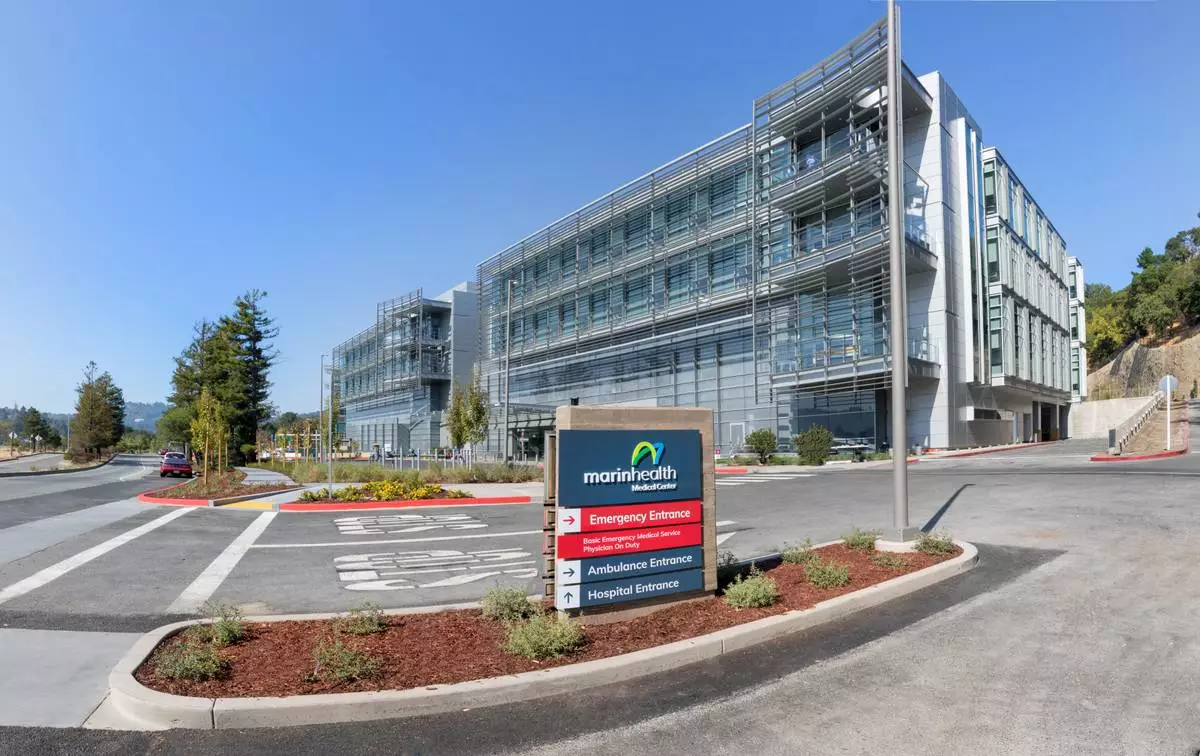
MarinHealth Medical Center in Greenbrae, California.