ECONE, Switzerland (AP) — The ultratraditionalist Society of St. Pius X is defying Pope Leo XIV by consecrating four bishops without his consent at its seminary in Econe, Switzerland. The move incurs an automatic excommunication for the bishops involved, and amounts to a “schismatic act” — or a willful rupture of unity in the Catholic Church.
The ancient Latin Mass and ceremony, being celebrated Wednesday before thousands of faithful, marks the first major crisis for Leo. The American pope has prioritized church unity and healing tensions with traditionalists that worsened during the Pope Francis pontificate.
Click to Gallery
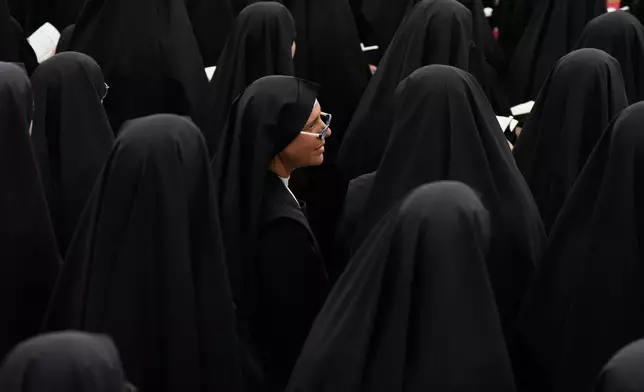
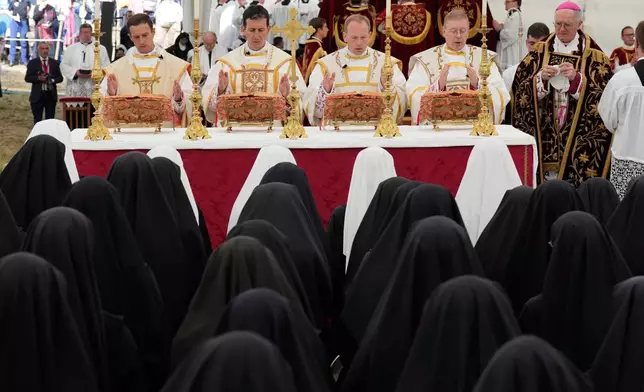
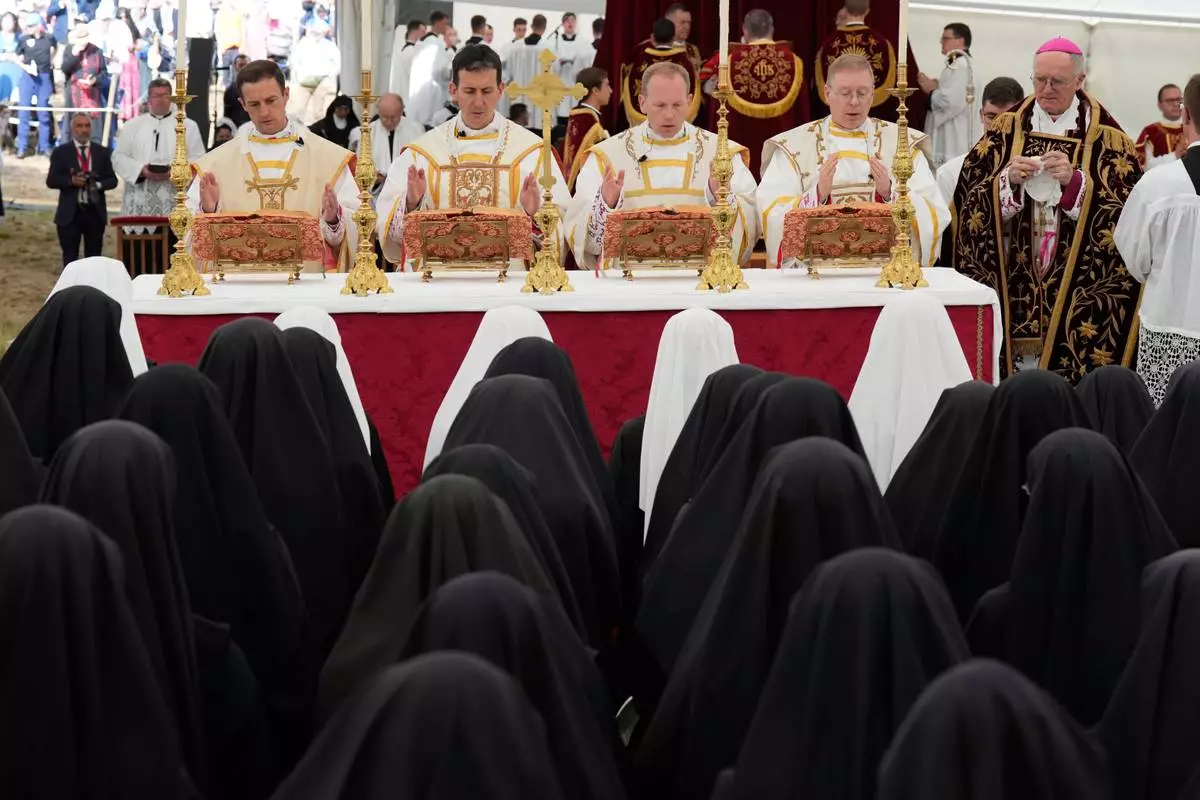
Nuns attend a consecration ceremony for four new bishops in a tent set up outside the Society of St. Pius X seminary, in Econe, Switzerland, Wednesday, July 1, 2026. (AP Photo/Baz Ratner)
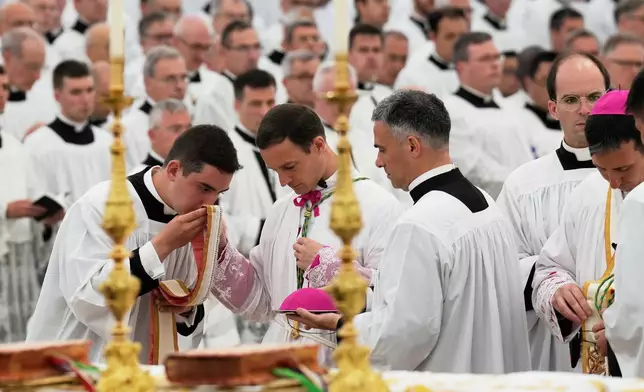
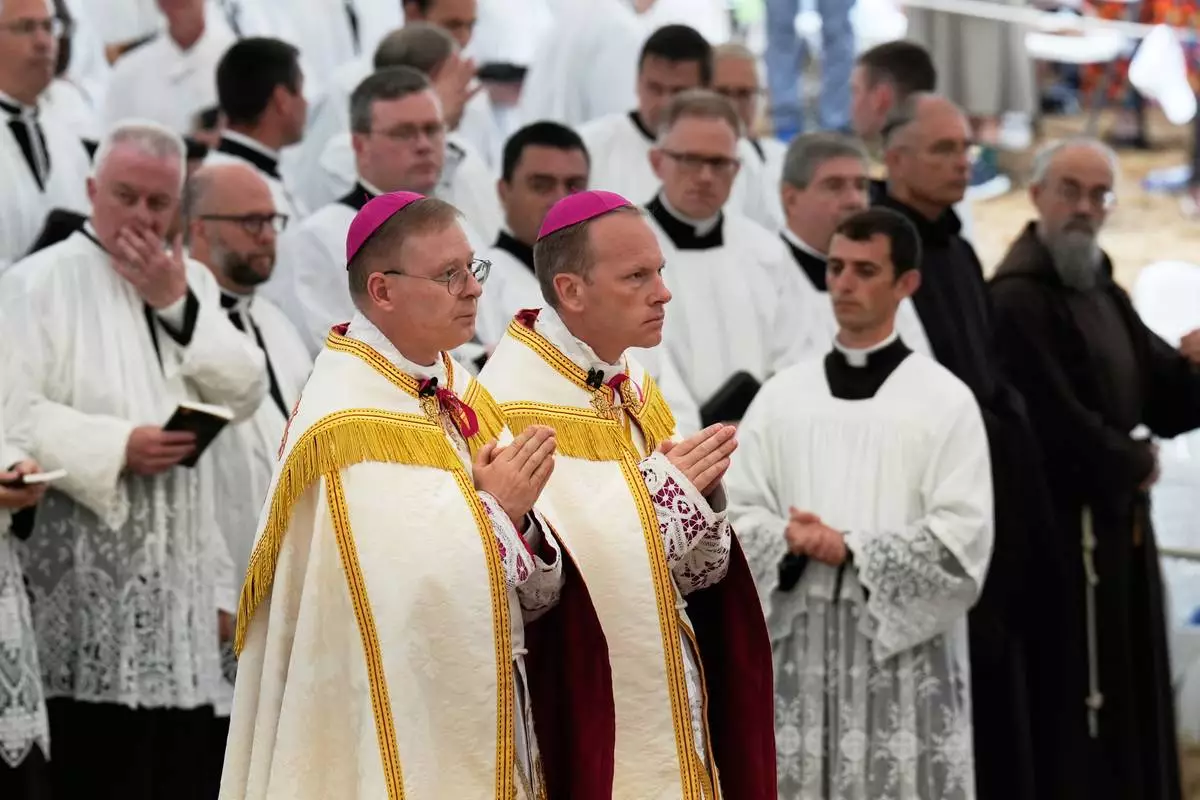
From left Marc Hanappier, Michel Poinsinet de Sivry, Michael Goldade and Pascal Schreiber pray during their consecration ceremony as bishops in a tent set up outside the Society of St. Pius X seminary, in Econe, Switzerland, Wednesday, July 1, 2026. (AP Photo/Baz Ratner)
Father Marc Hanappier, center, attends his consecration ceremony as bishop in a tent set up outside the Society of St. Pius X seminary, in Econe, Switzerland, Wednesday, July 1, 2026. (AP Photo/Baz Ratner)
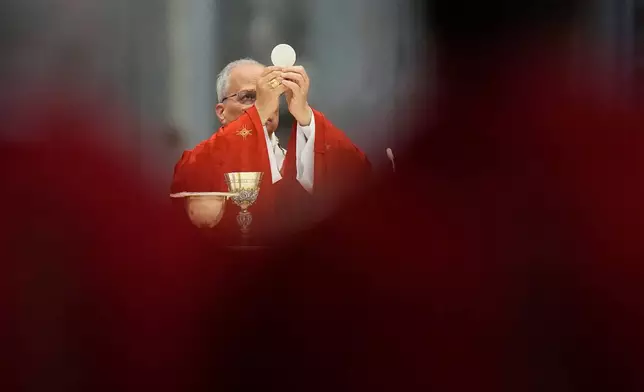
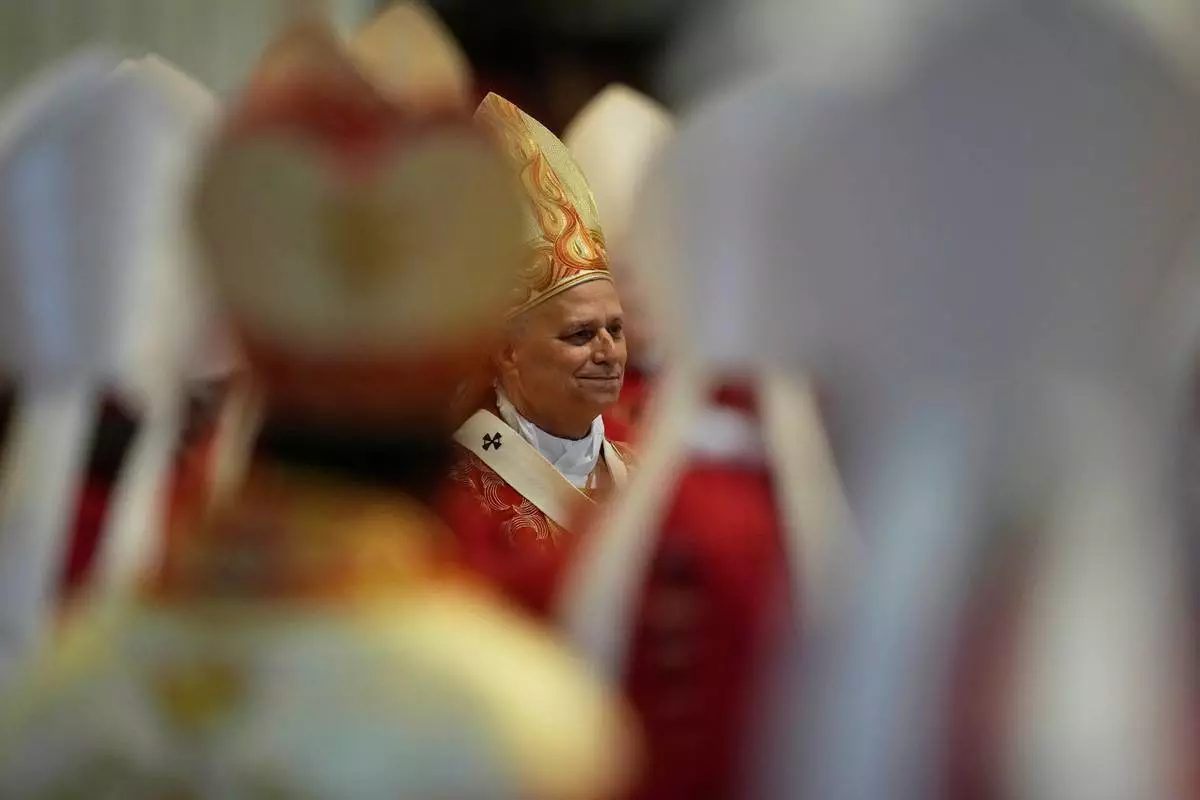
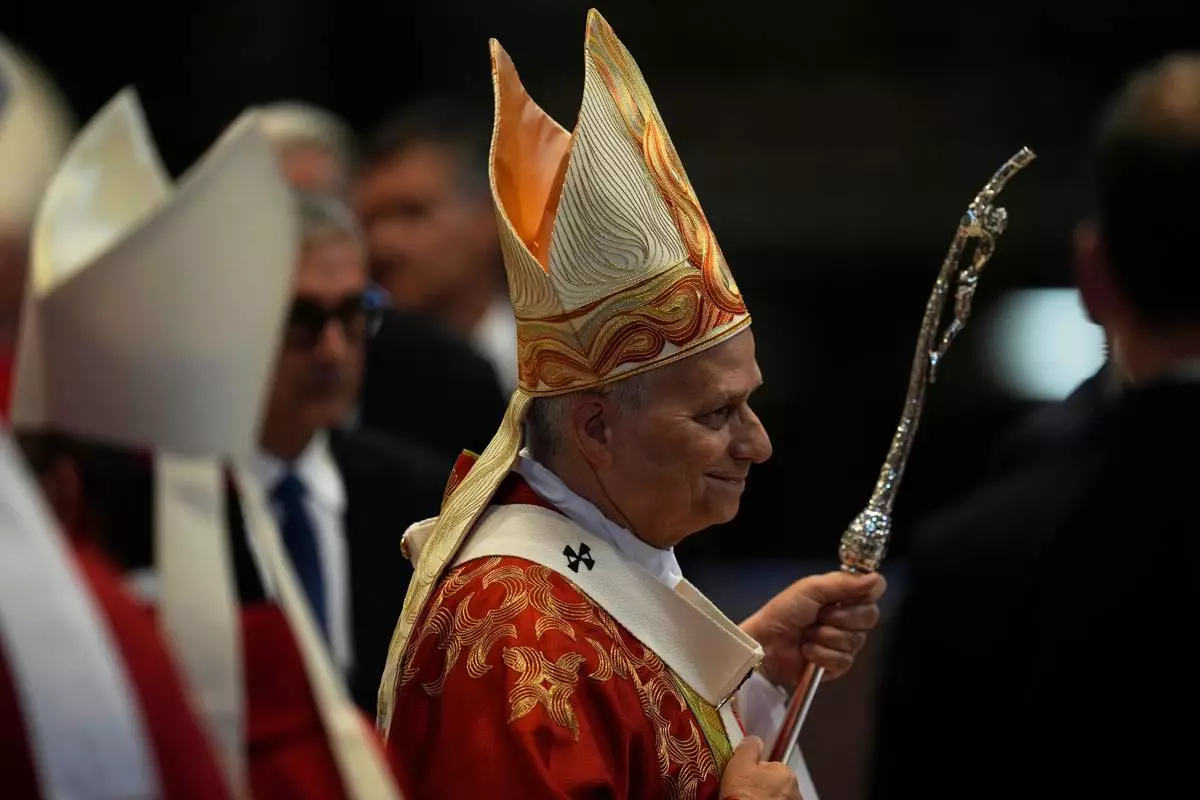
Pope Leo XIV celebrates a Mass in St. Peter's Basilica at the Vatican, Monday, June 29, 2026, where he conferred the pallium on newly appointed metropolitan archbishops. (AP Photo/Alessandra Tarantino)
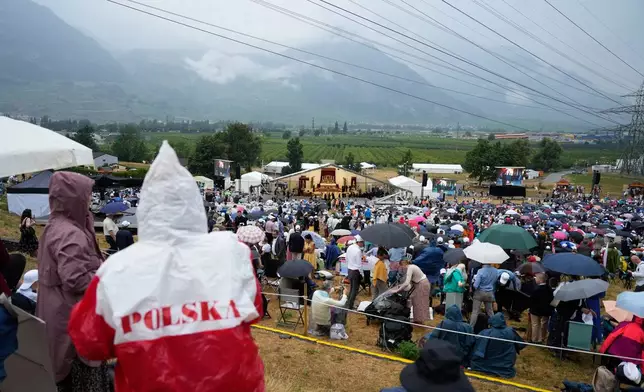
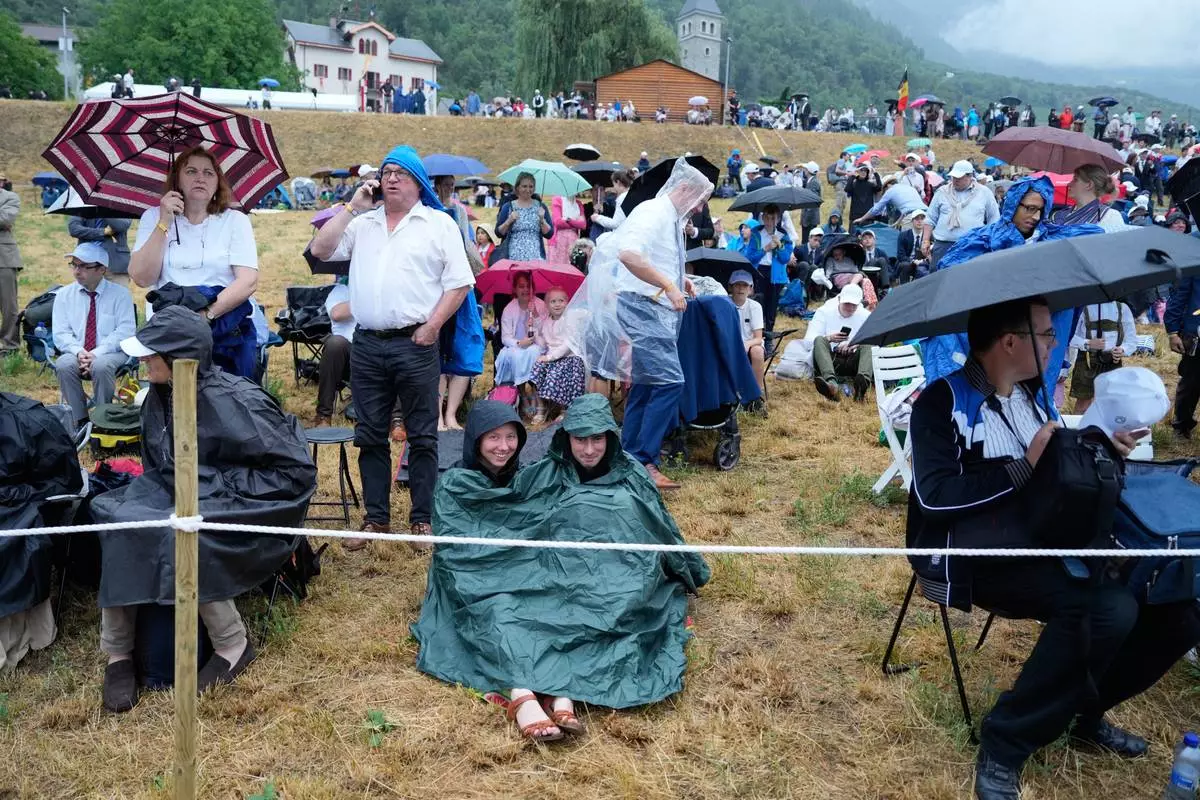
Faithful wait for the start of a consecration ceremony for four new bishops, outside a tent set up outside the Society of St. Pius X seminary, in Econe, Switzerland, Wednesday, July 1, 2026. (AP Photo/Baz Ratner)
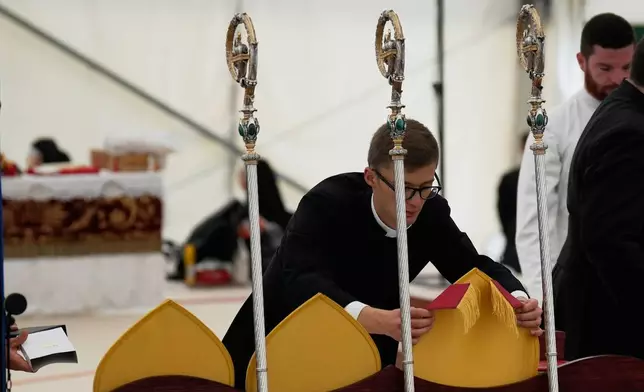
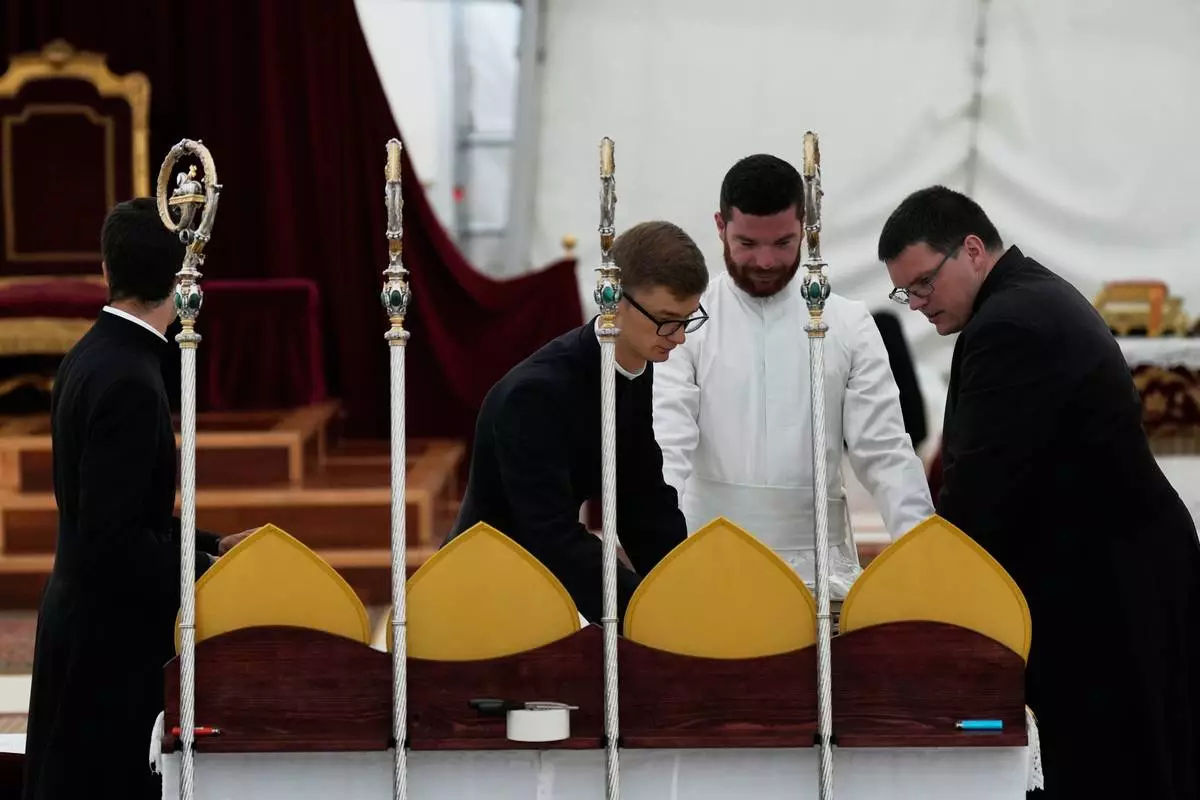
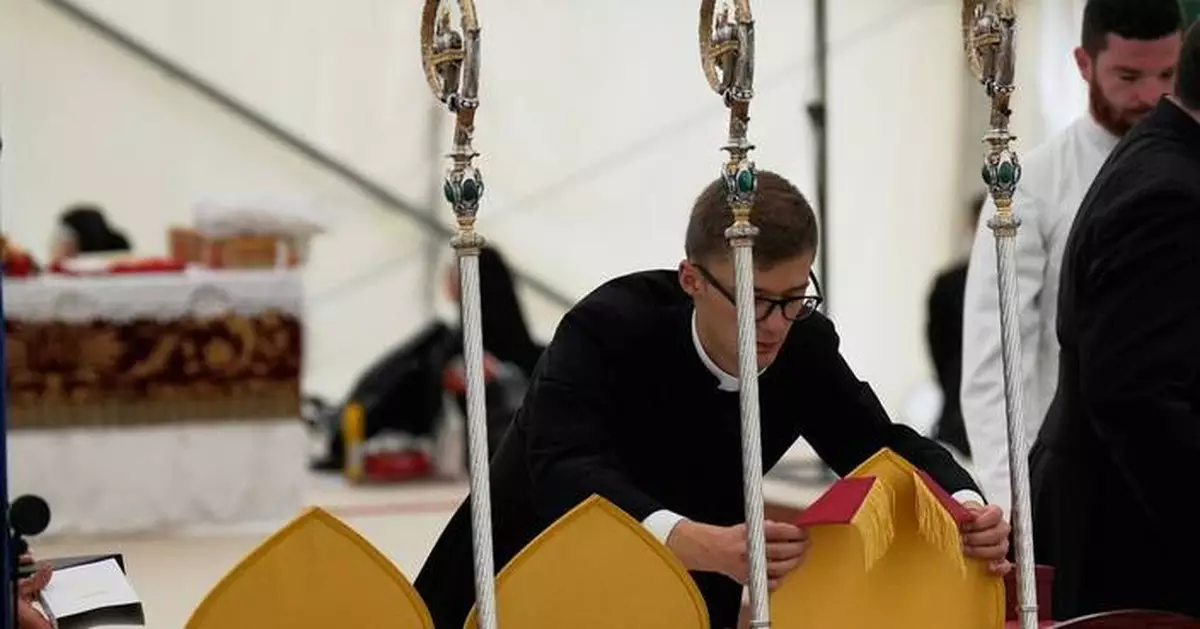
A priest prepares miters and pastoral staffs before the start of a consecration ceremony for four new bishops, in a tent set up outside the Society of St. Pius X seminary, in Econe, Switzerland, Wednesday, July 1, 2026. (AP Photo/Baz Ratner)
The society, known by its acronym SSPX, was founded in opposition to the modernizing reforms of the Second Vatican Council. Among other things, the 1960s church meetings revolutionized the Catholic Church’s relations with other Christians, Jews and people of other faiths, and allowed Mass to be celebrated in the vernacular rather than Latin.
In 1975, the SSPX founder, Archbishop Marcel Lefebvre, was suspended and the society was suppressed by the Vatican.
In 1988, Lefebvre consecrated four bishops without papal consent. The Vatican promptly excommunicated Lefebvre and the four other bishops, and the group today still has no legal status in the church.
Despite that original schismatic act, the group has continued to grow and today poses a threat to the Holy See since it represents a parallel, ultra-Catholic, pre-Vatican II church. The SSPX counts two bishops, 751 priests, 264 seminarians training in five seminaries, 145 religious brothers, 88 oblates and 250 religious sisters representing 50 nationalities, according to SSPX statistics.
Under the church’s in-house canon law, consecrating a bishop without papal consent incurs an automatic excommunication for both the people administering the consecration and the bishops receiving it.
The Vatican doesn’t have to declare the excommunications or issue a decree: It happens automatically. But some experts believe the Holy See will want to respond publicly in some form since the SSPX is making such a public show of the consecrations.
Excommunication is the harshest penalty under canon law. It is considered “medicinal” in nature, meant to teach those who incur it that “what you did was wrong and you must repent for what you have done,” said the Rev. Robert Gahl of the Catholic University of America.
“The medicine may be bitter tasting, meaning that there’s a harsh feature of it because it’s a penalty, but it’s meant to bring about a change in the one who receives it,” he said.
The excommunication, however, doesn’t affect the validity of the consecration itself: SSPX bishops, like their priests, are validly but illicitly ordained.
Leo could extend the excommunications to others attending the event, including rank and file Catholics, but few expect he will.
Despite his general distrust of traditionalists and a broader crackdown on the old Latin Mass, Pope Francis actually went out of his way to offer concessions to the SSPX.
In 2015, he decreed that Catholics could validly go to confession with SSPX priests, essentially recognizing as legitimate the absolutions granted to Catholics who confessed their sins to SSPX priests.
Francis had made the concession as a one-year gesture during his Jubilee of Mercy, but he then extended it indefinitely. He also made a provision to allow SSPX priests to celebrate marriages legitimately.
Experts say Leo could revoke some of the concessions that Francis granted the SSPX as part of the Holy See's response to the new consecrations.
First as cardinal and then as pontiff, Pope Benedict XVI worked to heal the SSPX schism and bring the group back under Rome’s wing.
He made two major concessions as part of his outreach. In 2007, he relaxed restrictions on celebrating the traditional Latin Mass throughout the Catholic Church. And in 2009, he removed the excommunications of the four SSPX bishops.
The gesture, however, became an acute embarrassment for him and sparked a crisis with Jewish leaders because one of the four, Bishop Richard Williamson, was a known Holocaust-denier.
And in a television interview that aired on Swiss television just before the pope’s decree was made public, Williamson said he didn’t believe Jews were killed in gas chambers during World War II.
Benedict later acknowledged a simple internet search would have turned up Williamson’s views.
Williamson later ran afoul of the SSPX, which expelled him in 2012 for insubordination. He had ignored a deadline to “declare his submission” to its authority and had called for the society’s superior to resign, the group said at the time.
Williamson, who was ordained a priest by Lefebvre in 1976 and had taught in the society’s seminaries in Europe, the U.S. and Argentina, died in 2025.
Despite his concessions to the SSPX, Francis enraged many Catholic traditionalists by reversing Benedict's relaxation on celebrating the old Latin Mass for the broader Catholic Church. Francis cracked down on its spread, arguing it had become a source of division in the church.
While the SSPX is one fringe group out of communion with Rome, plenty of other traditionalists are in full communion with the Holy See.
Leo, as part of his effort at promoting unity, allowed a prominent American cardinal to celebrate an old Latin Mass in St. Peter's Basilica last year.
Associated Press religion coverage receives support through the AP’s collaboration with The Conversation US, with funding from Lilly Endowment Inc. The AP is solely responsible for this content.
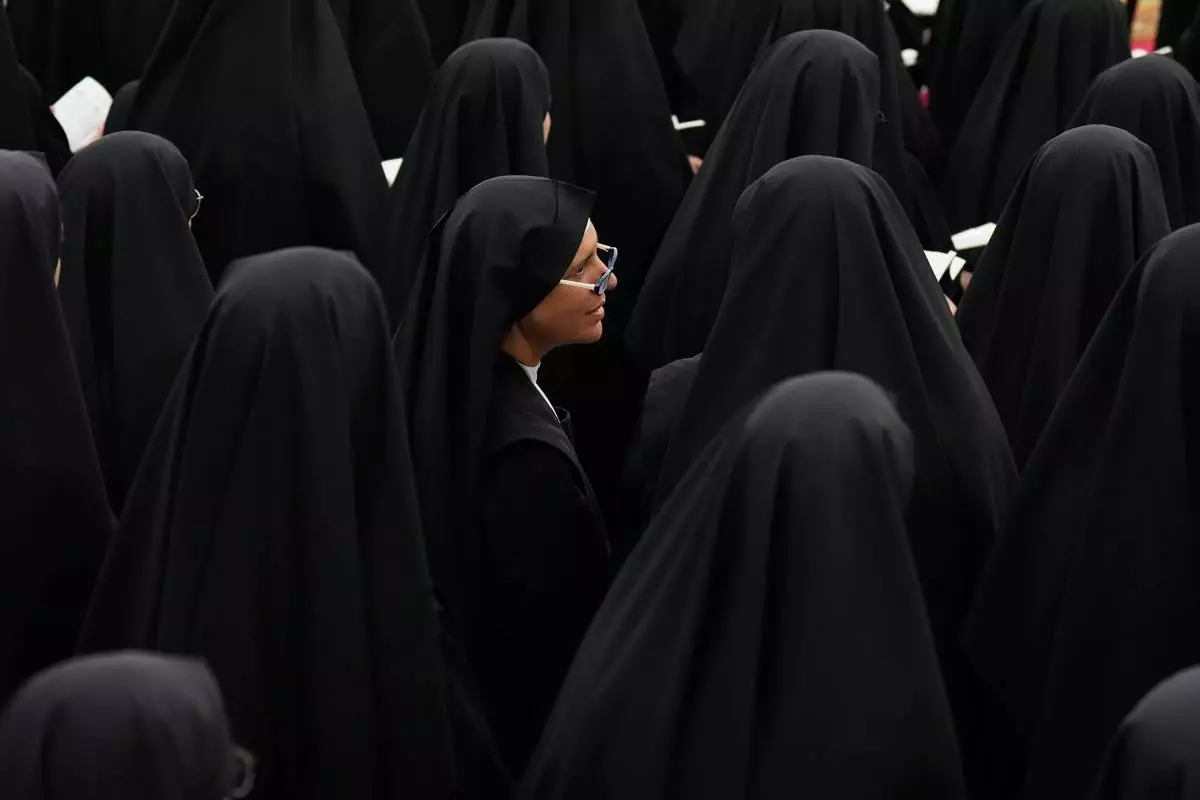
Nuns attend a consecration ceremony for four new bishops in a tent set up outside the Society of St. Pius X seminary, in Econe, Switzerland, Wednesday, July 1, 2026. (AP Photo/Baz Ratner)
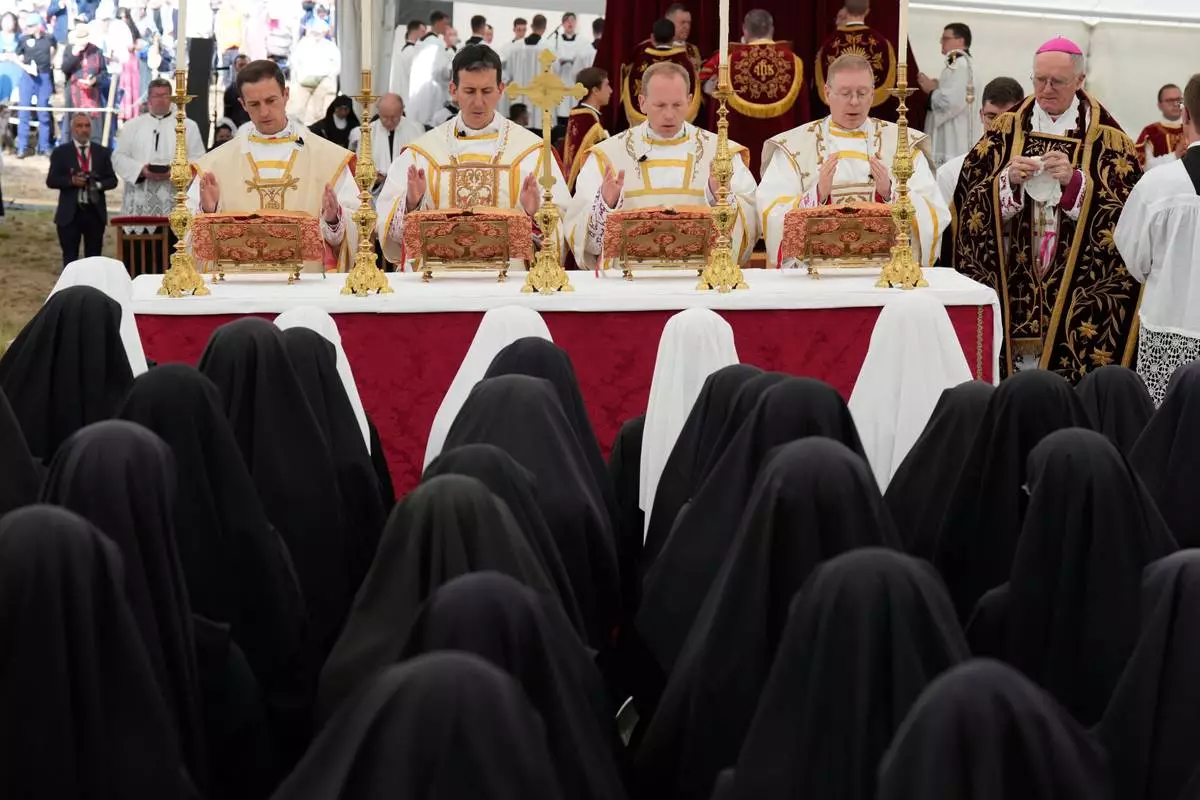
From left Marc Hanappier, Michel Poinsinet de Sivry, Michael Goldade and Pascal Schreiber pray during their consecration ceremony as bishops in a tent set up outside the Society of St. Pius X seminary, in Econe, Switzerland, Wednesday, July 1, 2026. (AP Photo/Baz Ratner)
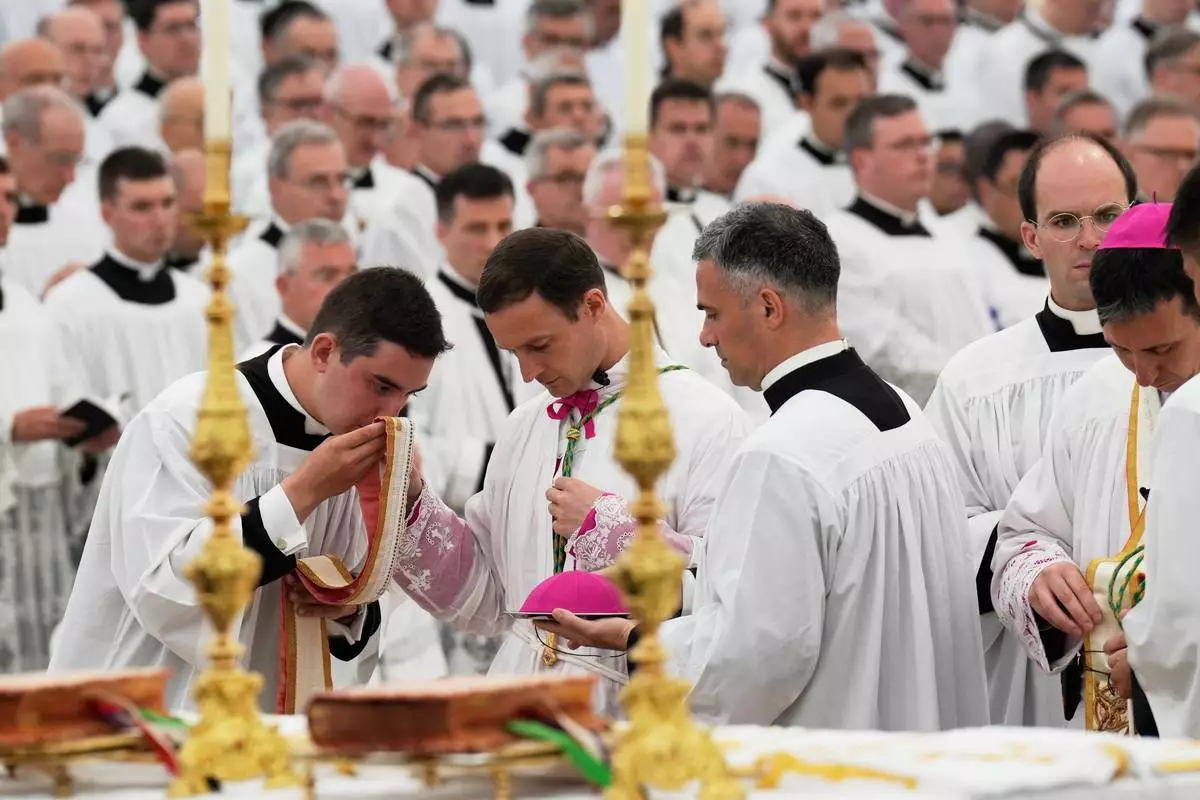
Father Marc Hanappier, center, attends his consecration ceremony as bishop in a tent set up outside the Society of St. Pius X seminary, in Econe, Switzerland, Wednesday, July 1, 2026. (AP Photo/Baz Ratner)
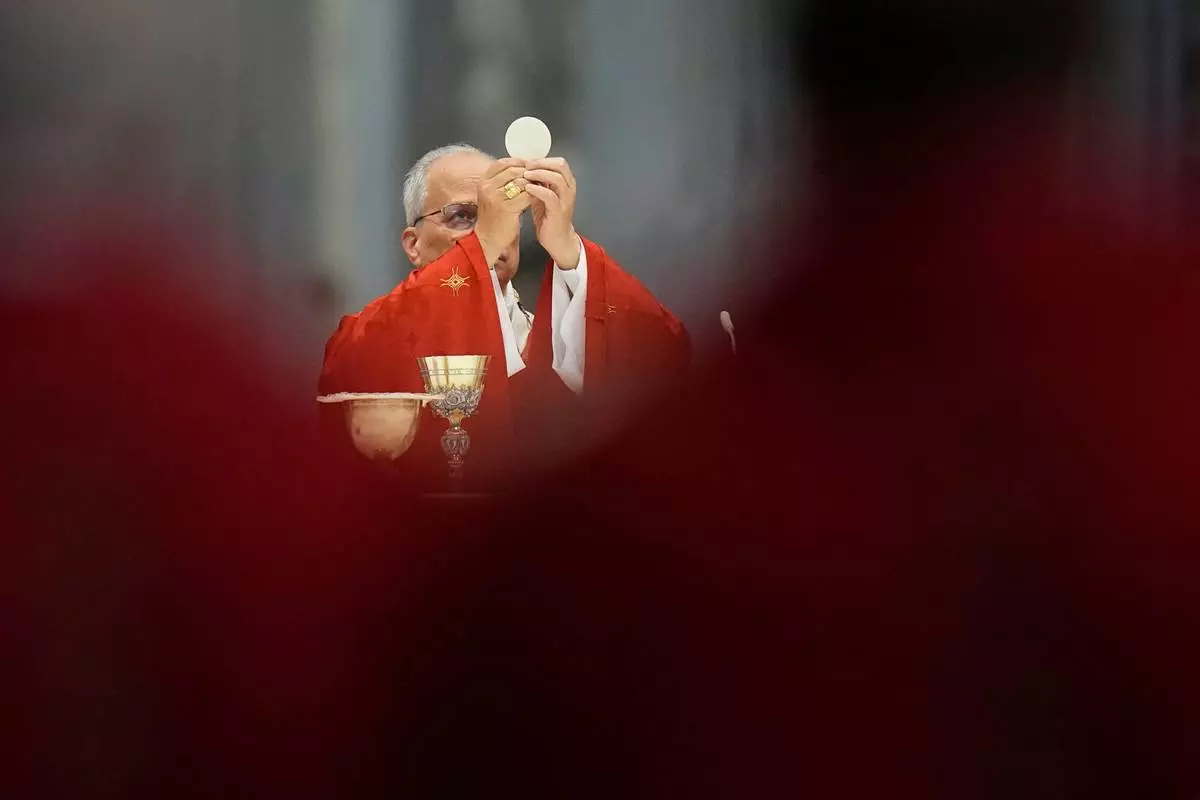
Pope Leo XIV celebrates a Mass in St. Peter's Basilica at the Vatican, Monday, June 29, 2026, where he conferred the pallium on newly appointed metropolitan archbishops. (AP Photo/Alessandra Tarantino)
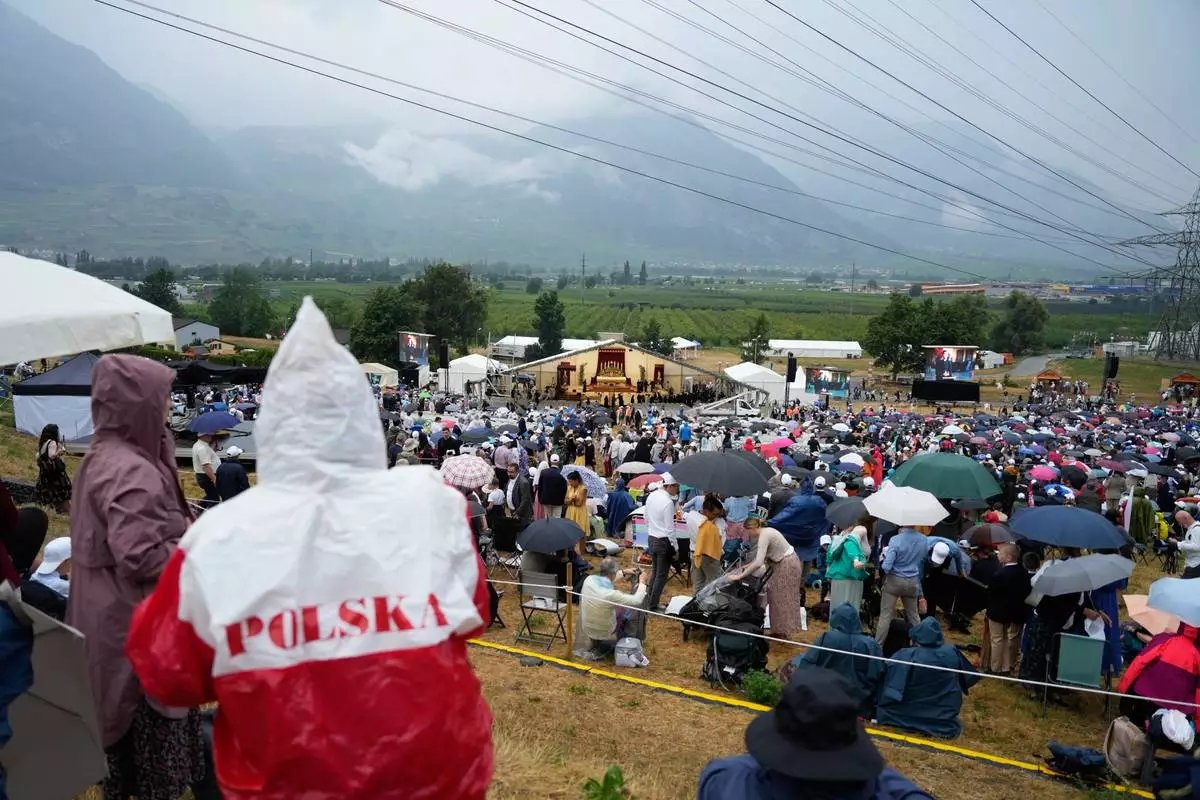
Faithful wait for the start of a consecration ceremony for four new bishops, outside a tent set up outside the Society of St. Pius X seminary, in Econe, Switzerland, Wednesday, July 1, 2026. (AP Photo/Baz Ratner)
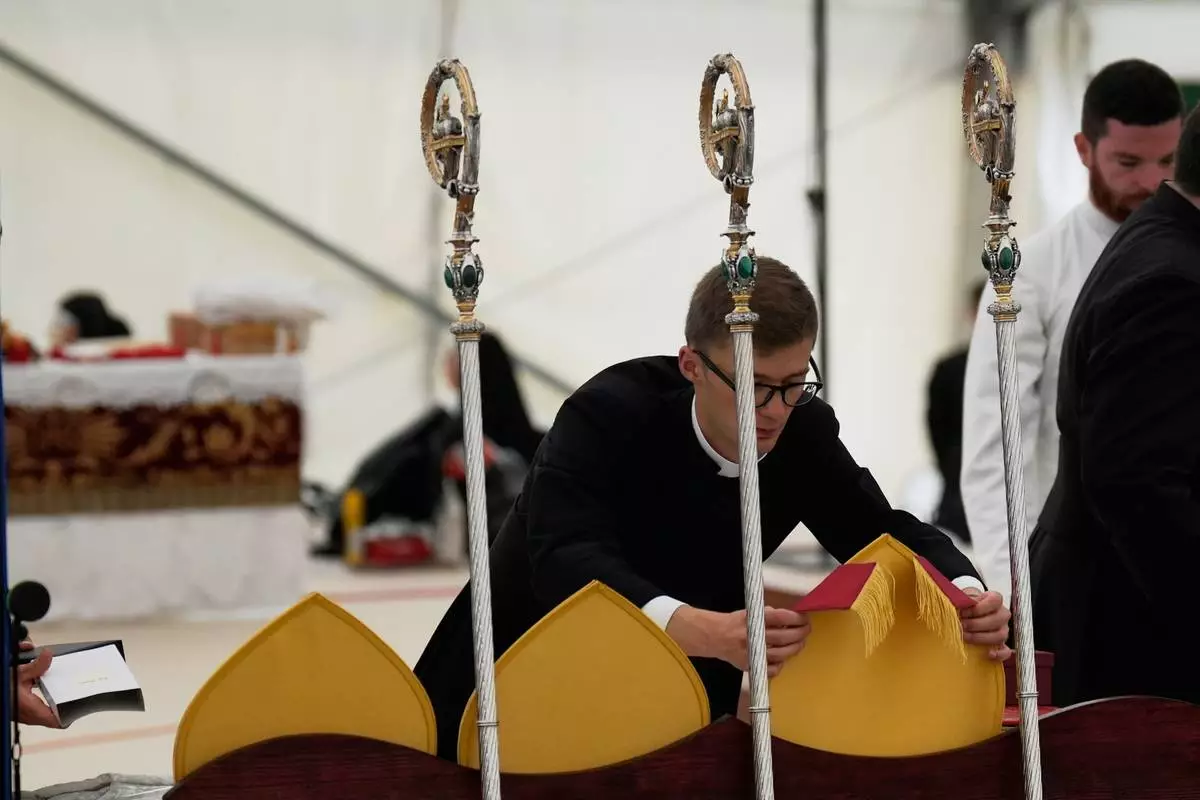
A priest prepares miters and pastoral staffs before the start of a consecration ceremony for four new bishops, in a tent set up outside the Society of St. Pius X seminary, in Econe, Switzerland, Wednesday, July 1, 2026. (AP Photo/Baz Ratner)

ECONE, Switzerland (AP) — A breakaway group of traditionalist Catholics on Wednesday directly defied Pope Leo XIV by celebrating an ancient Latin Mass to consecrate four bishops without his consent, dismissing the threat of schism and excommunication and justifying their actions as a “sacred duty” to defend the Catholic faith.
Bells tolled through the mountain valley of Econe, Switzerland, as the Society of St. Pius X began the solemn ceremony at its seminary. Thousands of people, faithful Catholics who prefer the traditional Latin Mass over modern liturgies, filled the field under cloudy skies as the incense-led procession of hundreds of priests approached the altar under a tent.
The orderly, solemn ceremony, accompanied by organ music and livestreamed on the society's YouTube channel, went ahead despite a last-ditch appeal by Leo to call it off. In a letter published Tuesday, the American pope warned that consecrating bishops without his approval amounts to a “sin of extreme gravity” that will actually harm their faithful.
And yet at the start of the Mass, a priest read aloud a statement justifying the consecrations as a necessary defense of the faith and criticizing how the Catholic Church today had deviated from tradition.
“Therefore before God we consider it a sacred duty towards Holy Church and towards souls to proceed with the consecration of bishops who are entirely faithful to her holy tradition and to her constant magisterium,” the priest said. “We consider every punishment and censure brought to bear against this step will have no validity.”
According to church law, the mere act of consecrating a bishop without a papal mandate incurs the harshest penalty in the Catholic Church: automatic excommunication for the four new bishops and the bishop administering the rite. It also amounts to a schismatic act, or an intentional rupture of the unity of the Catholic Church.
And yet everything about Wednesday’s ceremony had the air of a joyous celebration. The website for its consecration has had a countdown clock running for days. Video clips show seminarians joyfully unloading boxes. Participants received a baseball cap with the “Econe2026” seal on it.
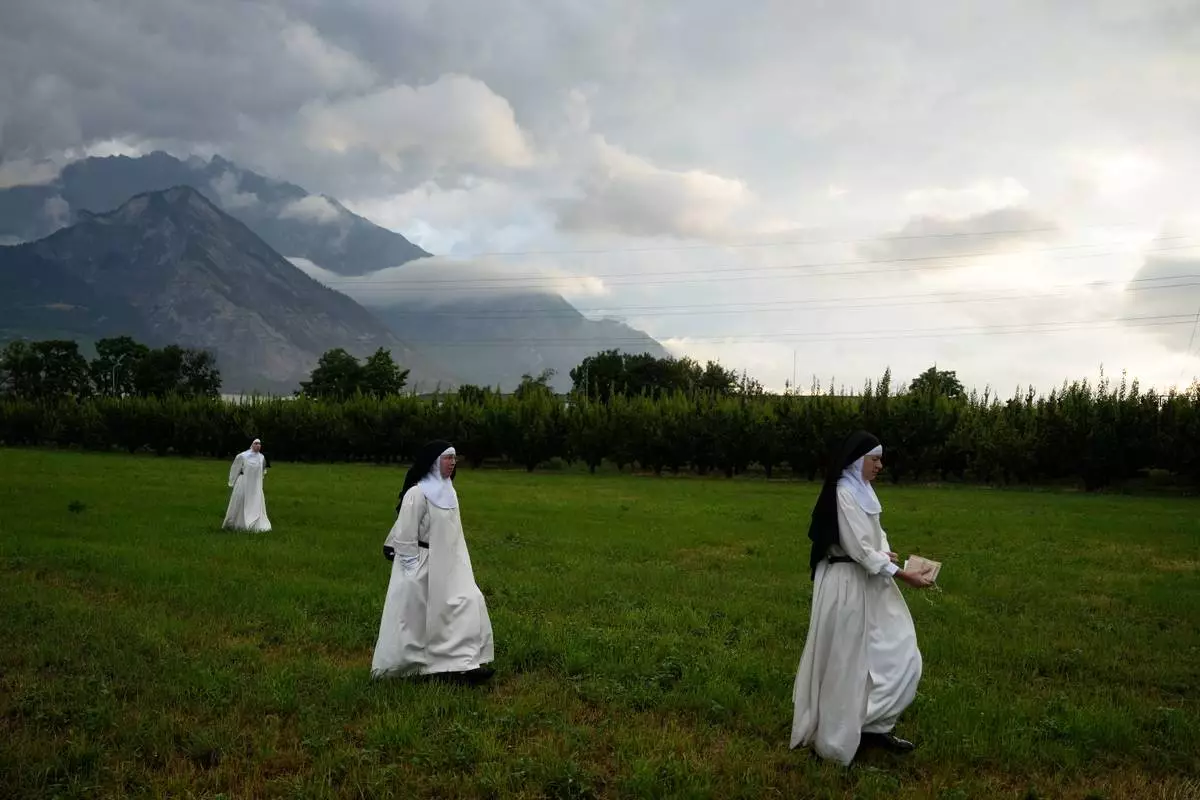
The field, located under giant power lines, was awash in smiling nuns, priests posing for photos, girl scouts handing out water bottles, black-clad security guards with earpieces and orange-vested volunteer escorts keeping journalists on a short leash. Morning mist coated the nearby Rhone River that snakes through the Alpine valley as worshippers flocked in.
And in perhaps the most obvious sign of a celebration, registered participants were able to purchase a souvenir set of wine to commemorate the “historic” event. The 75 Swiss franc ($92.50) “Cuvee des Sacres” gift box features pinot noir, Syrah, Petit Arvine and Fendant, each bottle with a bishop-themed label: an image of a bishop’s pointed miter hat, his ring, cross or crozier staff.
For the society, known by its acronym SSPX, neither the threat of a declared schism nor an excommunication matters. The SSPX believes it alone is upholding church tradition and the Catholic faith.
“We don’t fear it. It pains us immensely, but we believe that the good we seek is greater than the pain that will be inflicted upon us,” said Marc-André Mabillard, media manager for the society.
In a late response to Leo's letter, the SSPX superior, the Rev. Davide Pagliarani, urged Leo to wait before declaring any penalty.
The ceremony took place 38 years to the day after the Vatican declared the last consecrations of SSPX bishops a “schismatic act” that incurred automatic excommunication for the bishops.
The French Archbishop Marcel Lefebvre had founded the ultratraditionalist SSPX in opposition to the modernizing reforms of the Second Vatican Council. Among other things, the 1960s church meetings revolutionized the Catholic Church’s relations with other Christians, Jews and people of other faiths, and allowed Mass to be celebrated in the vernacular rather than Latin.
Today, the SSPX celebrates the ancient Latin Mass and has accused the modern church of being rife with heresies and errors, including modernism, liberalism and ecumenism. The society insists that only the SSPX is upholding the true faith of Christ and has justified the consecrations, citing a “state of necessity” to minister to its faithful.
But many Catholics, including conservative and traditional ones, are opposed to the consecrations, viewing them as an act of severe disobedience to the pope that hurts the church.
“You can’t serve tradition while disobeying the church and her authority,” said the Rev. Robert Gahl, an ethics expert at the Catholic University of America.
The St. John Paul II biographer, George Weigel, has written that the SSPX-Vatican divide is about far more than just whether Mass is celebrated in Latin or English.
It’s about “a rejection of the Second Vatican Council’s teaching on the church, salvation, religious freedom, church–state relations, and the church’s relationship to other religions,” Weigel wrote recently in First Things magazine.
Weigel recalled that Lefebvre was a supporter of the “collaborationist" Vichy regime in France during World War II. One of its original SSPX bishops denied the Holocaust.
The SSPX has justified the consecrations by invoking a “state of necessity.” The group says that with only two of the original four bishops surviving, it simply needs more bishops to tend to the needs of a faith community that counts 800 places of worship in 77 countries.
The group denies that the consecration is a rejection of Leo’s authority or a challenge to his power. Rather, it says the creation of four new bishops is solely to be able to ordain new priests and preside over confirmation ceremonies according to the ancient rite.
The SSPX has identified the new bishops as Pascal Schreiber of Switzerland, Michael Goldade of the United States, Michel Poinsinet de Sivry of France and Marc Hanappier, also of France.
In response to the pope’s letter, Mabillard, media manager for the society, expressed “great sadness to not be understood by our leader,” and added: “We are changing absolutely nothing in our plans.”
Winfield contributed from Rome.
Associated Press religion coverage receives support through the AP’s collaboration with The Conversation US, with funding from Lilly Endowment Inc. The AP is solely responsible for this content.
Bishop Bernard Fellay prays during the consecration ceremony for four new bishops in a tent set up outside the Society of St. Pius X seminary, in Econe, Switzerland, Wednesday, July 1, 2026. (AP Photo/Baz Ratner)
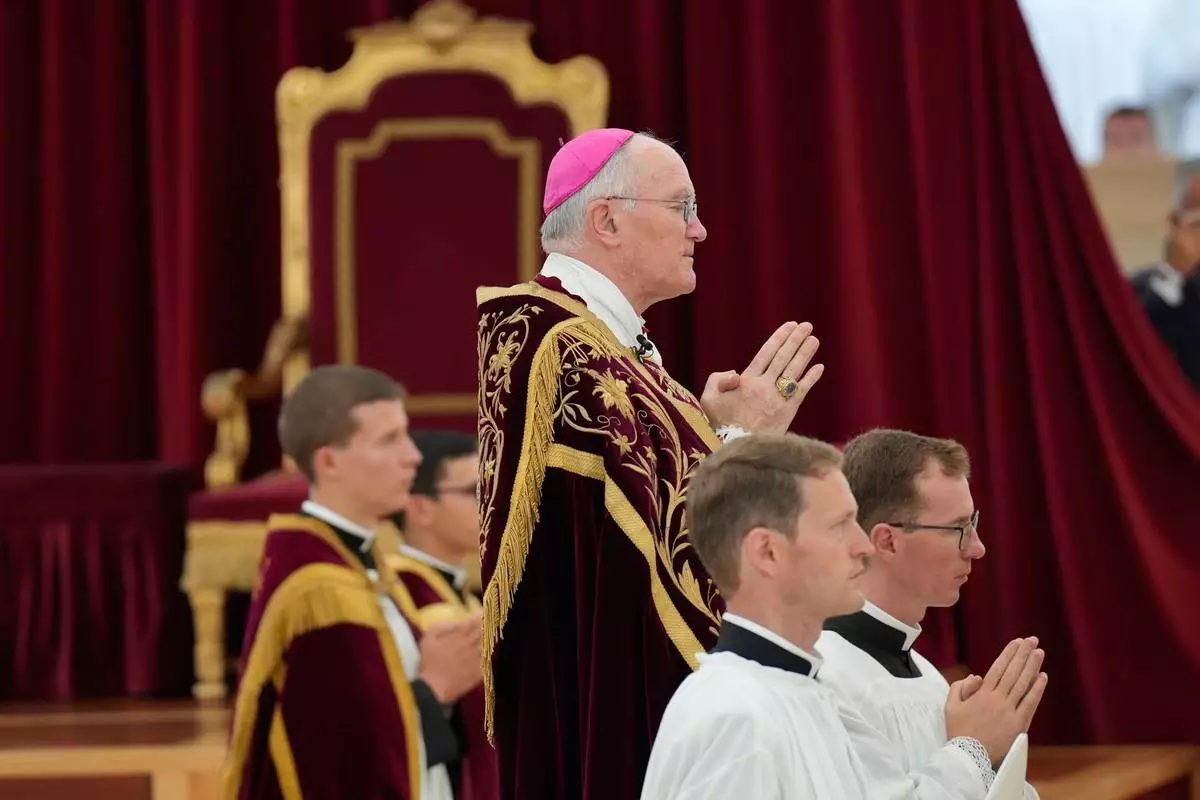
From left Marc Hanappier, Michel Poinsinet de Sivry, Michael Goldade and Pascal Schreiber pray during their consecration ceremony as bishops in a tent set up outside the Society of St. Pius X seminary, in Econe, Switzerland, Wednesday, July 1, 2026. (AP Photo/Baz Ratner)
Nuns make their way to a tent set up outside the Society of St. Pius X seminary to attend a consecration ceremony for four new bishops in Econe, Switzerland, Wednesday, July 1, 2026. (AP Photo/Baz Ratner)
Father Pascal Schreiber, left, and father Michael Goldade arrive for their consecration ceremony as bishops in a tent set up outside the Society of St. Pius X seminary, in Econe, Switzerland, Wednesday, July 1, 2026. (AP Photo/Baz Ratner)
Faithful wait for the start of a consecration ceremony for four new bishops, outside a tent set up outside the Society of St. Pius X seminary, in Econe, Switzerland, Wednesday, July 1, 2026. (AP Photo/Baz Ratner)
Priests prepare miters and pastoral staffs before the start of a consecration ceremony for four new bishops, in a tent set up outside the Society of St. Pius X seminary, in Econe, Switzerland, Wednesday, July 1, 2026. (AP Photo/Baz Ratner)
Pope Leo XIV leaves after a Mass where he conferred the pallium on newly appointed metropolitan archbishops, in St. Peter's Basilica, at the Vatican, Monday, June 29, 2026. (AP Photo/Alessandra Tarantino)
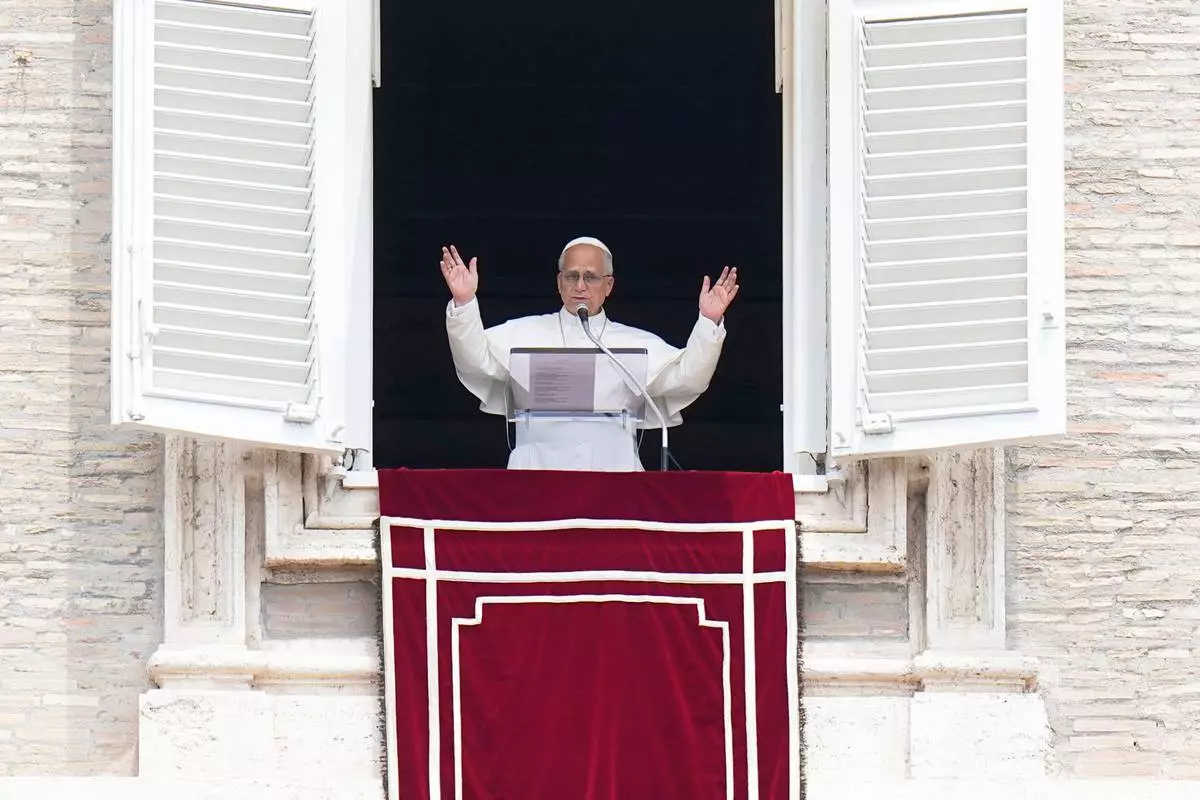
Pope Leo XIV waves during the Angelus noon prayer from the window of his studio overlooking St.Peter's Square, at the Vatican, Monday, June 29, 2026. (AP Photo/Alessandra Tarantino)
Pope Leo XIV leaves after a Mass where he conferred the pallium on newly appointed metropolitan archbishops, in St. Peter's Basilica, at the Vatican, Monday, June 29, 2026. (AP Photo/Alessandra Tarantino)