NAIROBI, Kenya (AP) — Three senior commanders of Sudan’s paramilitary forces were named in a new report from rights group Amnesty International accusing them of overseeing war crimes during the siege and capture of el-Fasher in North Darfur in October.
Speaking on Wednesday during the launch of the report in Nairobi, the capital of neighboring Kenya, Amnesty International Secretary General Agnès Callamard said the Rapid Support Forces, or RSF, committed crimes against humanity and acts of ethnic cleansing during the assault on the city. She called for an immediate ceasefire and the deployment of a United Nations protection force to safeguard civilians.
More than 6,000 people were killed in three days in October 2025 when the RSF seized el-Fasher in an attack that U.N. experts said bore the “hallmarks of genocide.”
Amnesty International analyzed nine videos that showed one RSF commander executing civilians, another torturing detainees, and a third ordering the torture of prisoners.
Callamard said the RSF committed murder, forcible transfer, imprisonment, torture, rape, sexual slavery, other forms of sexual violence, enslavement, extermination and persecution. She urged the international community to intervene and stop the attacks on civilians that continue “unhindered”.
“It also requires strengthening accountability by ensuring sufficient support for all existing accountability mechanisms for Sudan, including the International Criminal Court, and U.N. and African Union-backed fact-finding missions. Commanders identified in this report should be investigated and, where there is sufficient admissible evidence, prosecuted,” Callamard said.
The RSF has not commented on the Amnesty report. Amnesty International said it shared the report with the paramilitary group’s leader, Gen. Mohamed Hamdan Dagalo, last month but had not received a response.
The war in Sudan erupted in April 2023, after long-simmering tensions between the army and paramilitary Rapid Support Forces, or RSF. The conflict has killed at least 59,000 people, displaced some 13 million, and pushed many parts of the country into famine. More than 30 million people are in need of humanitarian assistance.
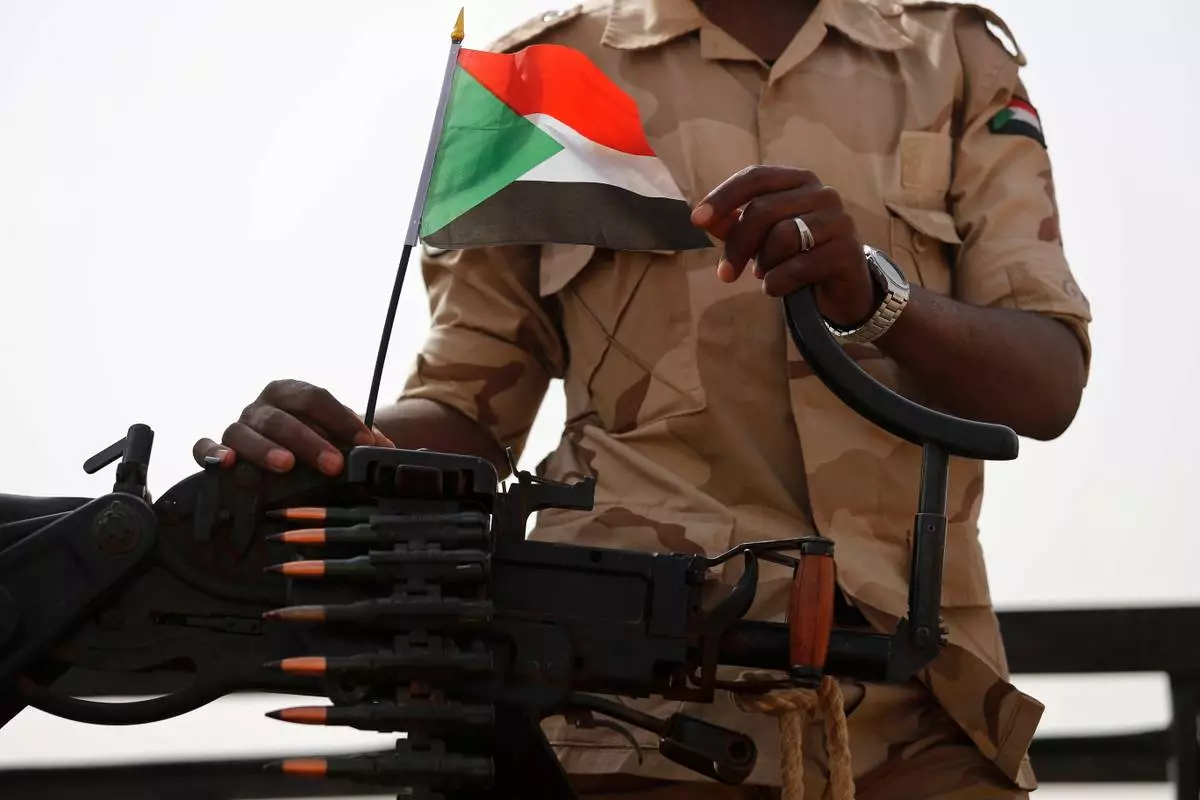
FILE - A Sudanese soldier from the Rapid Support Forces or RSF stands on his vehicle in the East Nile province, Sudan, on June 22, 2019. (AP Photo/Hussein Malla, File)
ECONE, Switzerland (AP) — A breakaway group of traditionalist Catholics directly defied Pope Leo XIV by consecrating four bishops without his consent Wednesday, dismissing the resulting excommunications and schism by declaring it was a “sacred duty” to defend the Catholic faith.
The Society of St. Pius X, which opposes modernizing reforms in the Catholic Church, went ahead with a ritual-filled ceremony at its seminary in Econe, Switzerland, despite a last-ditch appeal by Leo to call it off. The American pope warned in a letter Tuesday that consecrating bishops without his approval amounted to a “sin of extreme gravity” that will actually harm their faithful.
And yet bells tolled through the misty Alpine mountain valley as hundreds of priests processed two-by-two to the altar under a tent at the start of the service, which was attended by thousands of faithful Catholics who prefer the traditional Latin Mass over modern liturgies.
The Mass, rich in velvet and gold-trimmed vestments, chant and incense, was livestreamed on the society's YouTube channel, with simultaneous translation in several languages. The highly organized religious extravaganza underscored the society's international reach, despite its schismatic outsider status, and appeal to conservative, traditionalist Catholics wary of the modern, secular world.
The consecrations amount to a major crisis for Leo, who has prioritized church unity and healing tensions with traditionalists that worsened during the Pope Francis pontificate.
The SSPX, as the society is known, is a threat to the Holy See since it represents a parallel, ultra-Catholic, pre-Vatican II church. It now has six bishops, 751 priests, 264 seminarians training in five seminaries, 145 religious brothers, 88 oblates and 250 religious sisters representing 50 nationalities, according to SSPX statistics.
At the start of the Mass, a priest read aloud a statement justifying the consecrations as a necessary “sacred duty” and dismissing the resulting penalties. “We consider every punishment and censure brought to bear against this step will have no validity,” he said.
Midway through, Bishop Alfonso de Galarreta, who himself was consecrated without papal consent in 1988, placed his hands on the head of the four new bishops. The ritual laying of the hands confers the Holy Spirit from one bishop to another and recalls Christ’s gesture to his apostles.
According to church law, the mere act of consecrating a bishop without a papal mandate incurs the harshest penalty in the Catholic Church: automatic excommunication for the four new bishops and the bishop administering the rite. It also amounts to a schismatic act, or an intentional rupture of the unity of the Catholic Church.
The French Archbishop Marcel Lefebvre had founded the SSPX in opposition to the modernizing reforms of the Second Vatican Council. Among other things, the 1960s church meetings revolutionized the Catholic Church’s relations with other Christians, Jews and people of other faiths, and allowed Mass to be celebrated in the vernacular rather than Latin.
In 1988, exactly 38 years ago Wednesday, Lefebvre consecrated four bishops without papal consent. The Vatican promptly excommunicated Lefebvre and the four bishops and declared the consecrations a “schismatic act.” Pope Benedict XVI in 2009 lifted the excommunications, but the SSPX today has no legal standing in the church.
The SSPX has accused the modern church of being rife with heresies and errors, including modernism, liberalism and ecumenism. The society insists that only the SSPX is upholding the true faith of Christ and has justified the consecrations, citing a “state of necessity” to minister to its faithful.
It identified the new bishops as Pascal Schreiber of Switzerland, Michael Goldade of the United States, Michel Poinsinet de Sivry of France and Marc Hanappier, also of France.
In his homily, SSPX superior the Rev. Davide Pagliarani defended the consecrations as necessary for the salvation of souls but also insisted they served Leo and the church.
“We are accused of not respecting the pope," Pagliarani said. "But it is precisely because we love the pope as the vicar of Christ, as the head of the church, that we don't want to see the pope humiliated anymore, on the side of false shepherds representing false religions.”
The Vatican didn't immediately comment.
And yet everything about Wednesday’s ceremony had the air of a joyous celebration, even though a downpour eventually doused the faithful in the field outside the tent. The website for its consecration has had a countdown clock running for days. Participants received a baseball cap with the “Econe2026” seal on it.
And in perhaps the most obvious sign of a celebration, registered participants were able to purchase a souvenir set of wine to commemorate the “historic” event. The 75 Swiss franc ($92.50) “Cuvee des Sacres” gift box features pinot noir, Syrah, Petit Arvine and Fendant, each bottle with a bishop-themed label: an image of a bishop’s pointed miter hat, his ring, cross or crozier staff.
The field, located under giant power lines, was awash in smiling nuns, priests posing for photos, Girl Scouts handing out water bottles, black-clad security guards with earpieces and orange-vested volunteer escorts keeping journalists on a short leash, occasionally cutting short interviews with faithful. Morning mist coated the nearby Rhone River that snakes through the Alpine valley as worshippers flocked in.
Arlina Onglao, a 71-year-old travel agent who trekked from her home in Manila, the Philippines, said she wanted to come to Econe for the “historic event” and didn't care about the prospect of excommunications.
“For me, because the Vatican has lost -- well, should I say this? -- has lost credibility, I don’t think it’s going to scare any of us. Me, I’m not scared,” she said. “I feel like I’m on a safer road to heaven.”
Medical researcher Wulfran Lindzondzo, 42, a native of Gabon who today lives in France, said he wanted to “re-discover tradition” through the society, noting its presence in the African country.
“The Holy Father doesn’t really agree with it, but I hand over – I will pray to the Good Lord that the authorities in Rome can one day accept coming back to the church’s traditions,” he said before the Mass began.
For the society itself, neither the threat of a declared schism nor an excommunication matters. “We don’t fear it. It pains us immensely, but we believe that the good we seek is greater than the pain that will be inflicted upon us,” said Marc-André Mabillard, SSPX media manager.
In a late response to Leo's letter, the SSPX urged Leo to wait before declaring any penalty.
But many Catholics, including conservative and traditional ones, opposed the consecrations as an act of severe disobedience to the pope that hurts the church.
“You can’t serve tradition while disobeying the church and her authority,” said the Rev. Robert Gahl, an ethics expert at the Catholic University of America.
Winfield contributed from Rome.
Associated Press religion coverage receives support through the AP’s collaboration with The Conversation US, with funding from Lilly Endowment Inc. The AP is solely responsible for this content.
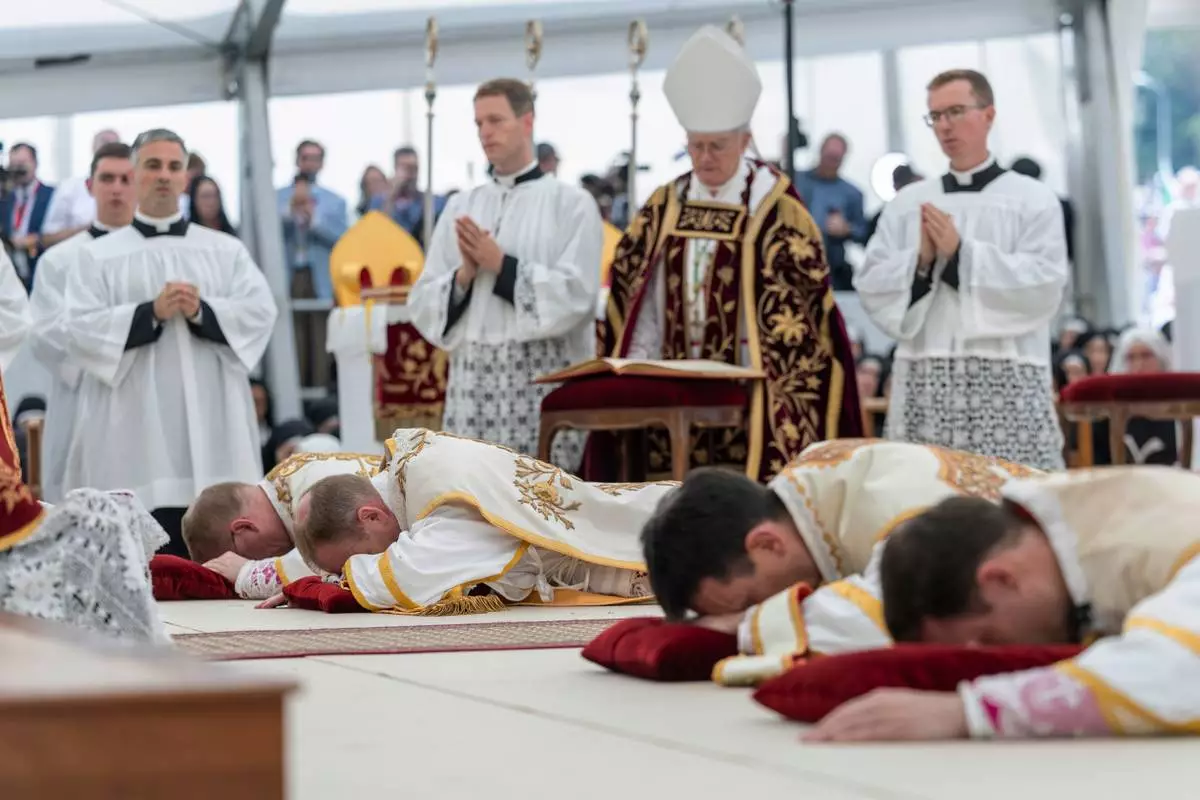
Four bishops lie on the floor as they are given episcopal consecration during a Mass in a tent set up outside the Society of St. Pius X seminary, in Econe, Switzerland, Wednesday, July 1, 2026. (Cyril Zingaro/Keystone via AP)
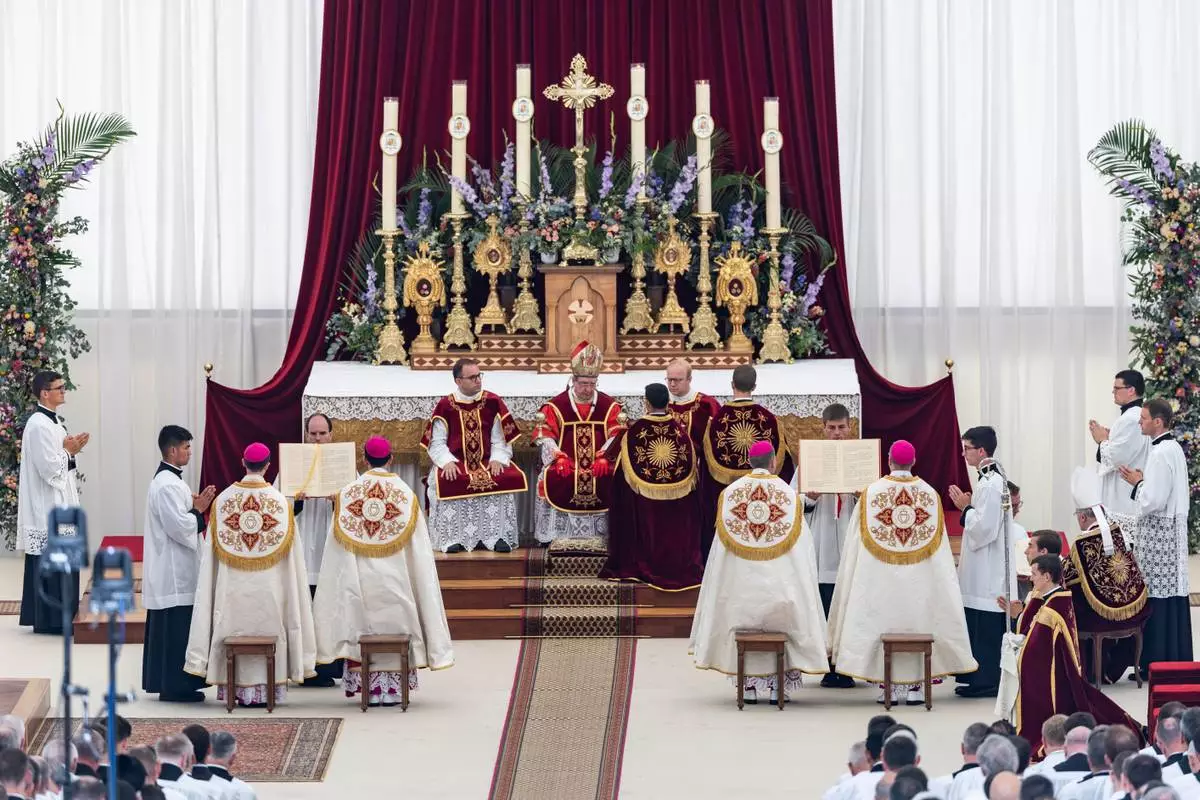
Alfonso de Galarreta from Spain, Bishop of the Society of Saint Pius X, center, gives episcopal consecration four new bishops, back to camera, during a Mass in a tent set up outside the Society of St. Pius X seminary, in Econe, Switzerland, Wednesday, July 1, 2026. (Cyril Zingaro/Keystone via AP)
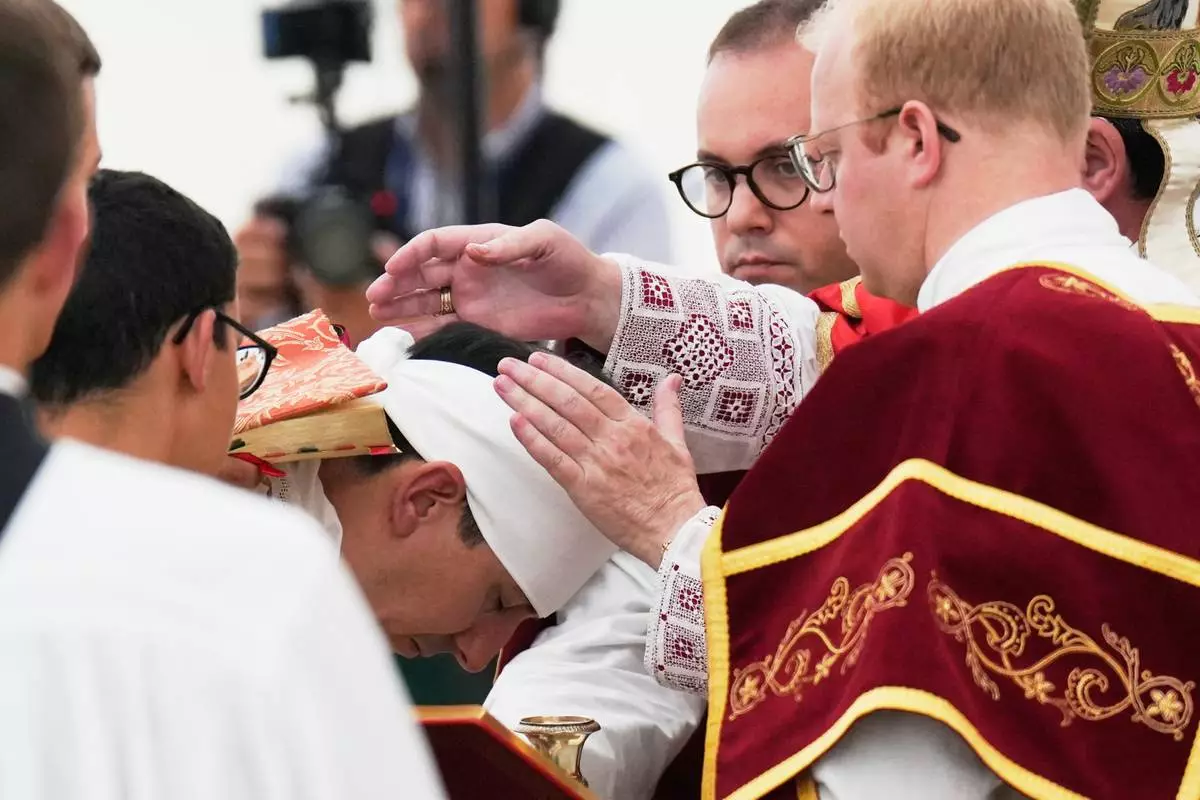
Michel Poinsinet de Sivry is consecrated as bishop during a ceremony in a tent set up outside the Society of St. Pius X seminary in Econe, Switzerland, Wednesday, July 1, 2026. (AP Photo/Baz Ratner)
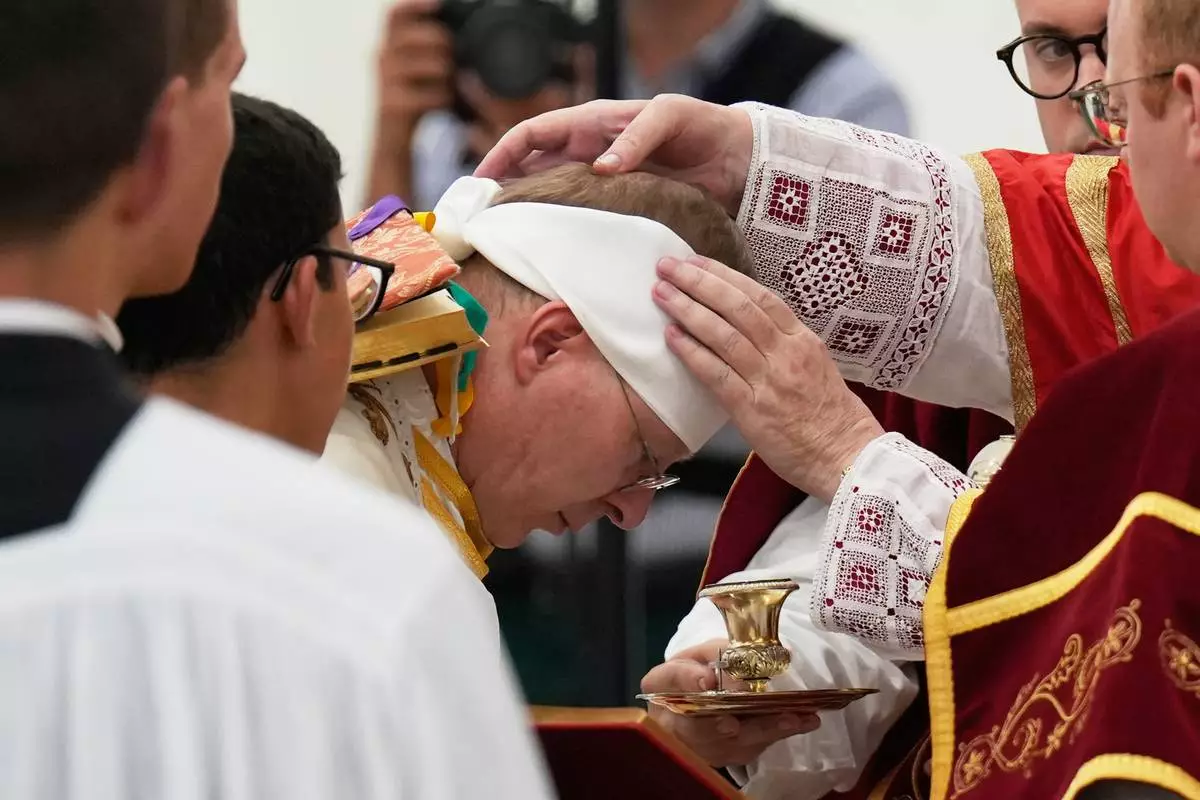
Father Pascal Schreiber is consecrated as bishop during a ceremony in a tent set up outside the Society of St. Pius X seminary in Econe, Switzerland, Wednesday, July 1, 2026. (AP Photo/Baz Ratner)
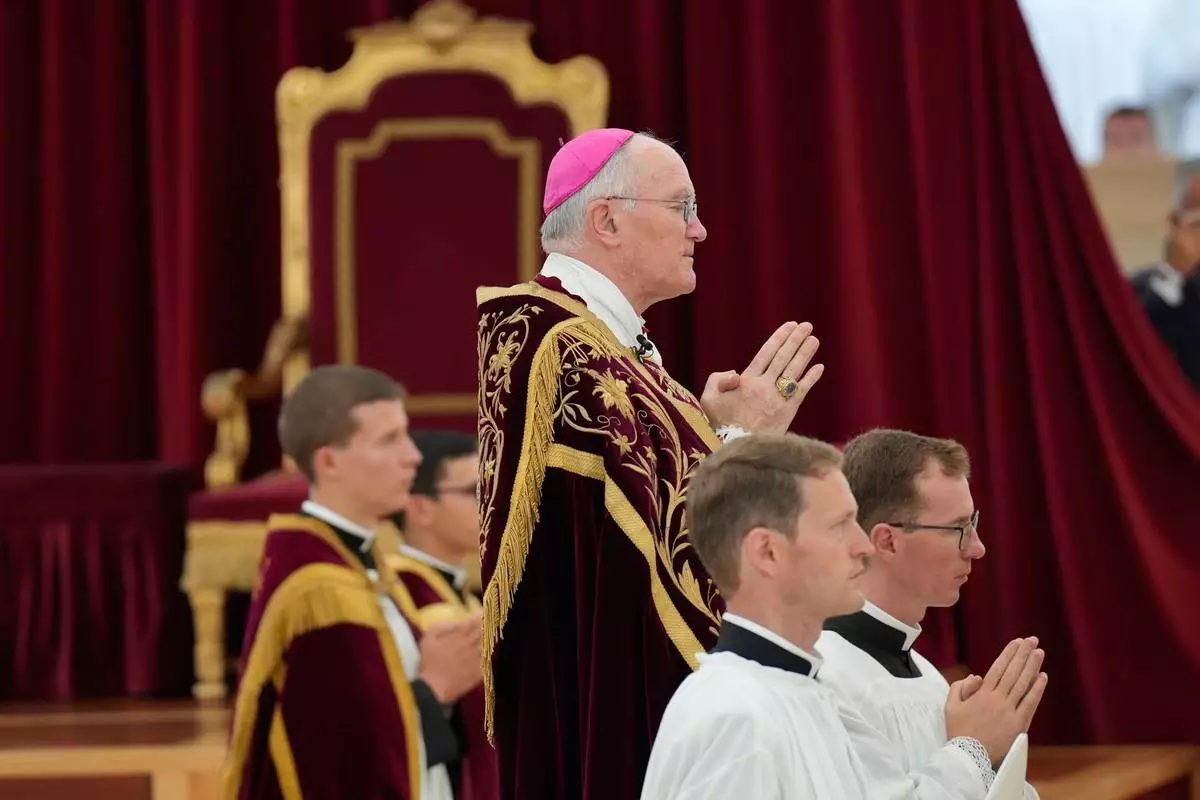
Bishop Bernard Fellay prays during the consecration ceremony for four new bishops in a tent set up outside the Society of St. Pius X seminary, in Econe, Switzerland, Wednesday, July 1, 2026. (AP Photo/Baz Ratner)
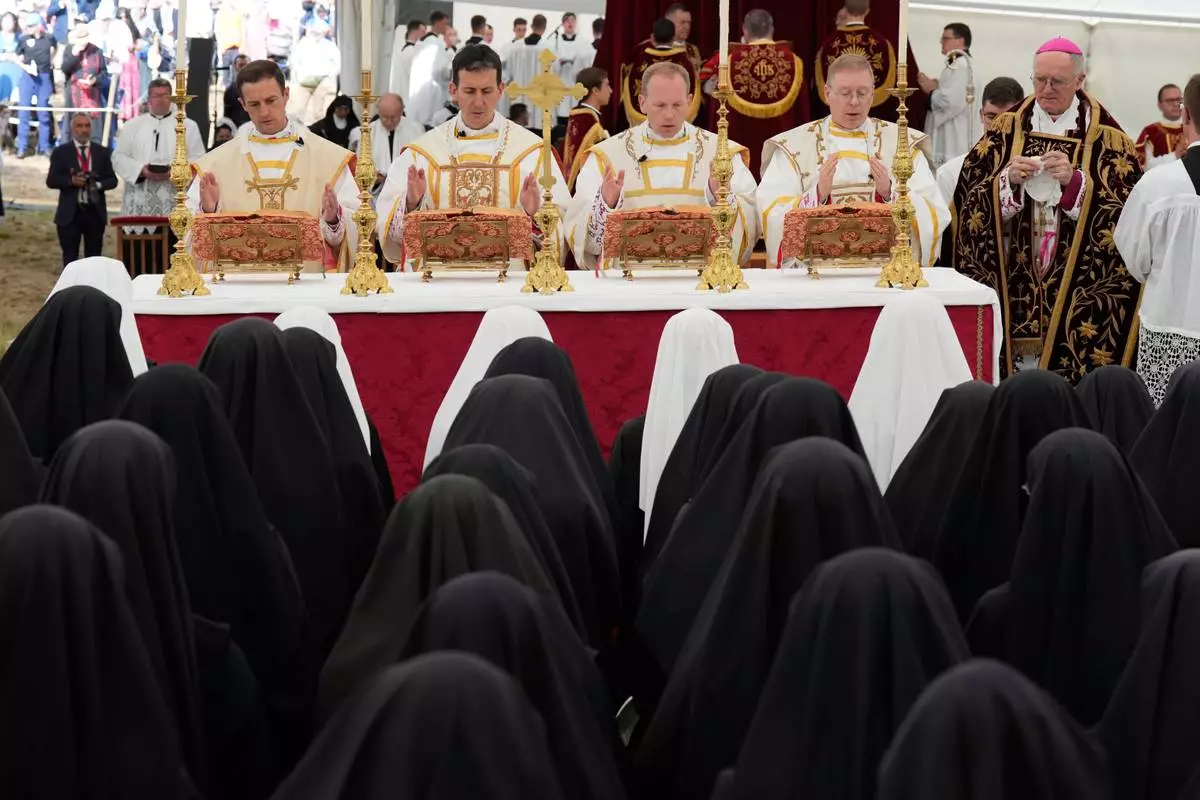
From left Marc Hanappier, Michel Poinsinet de Sivry, Michael Goldade and Pascal Schreiber pray during their consecration ceremony as bishops in a tent set up outside the Society of St. Pius X seminary, in Econe, Switzerland, Wednesday, July 1, 2026. (AP Photo/Baz Ratner)
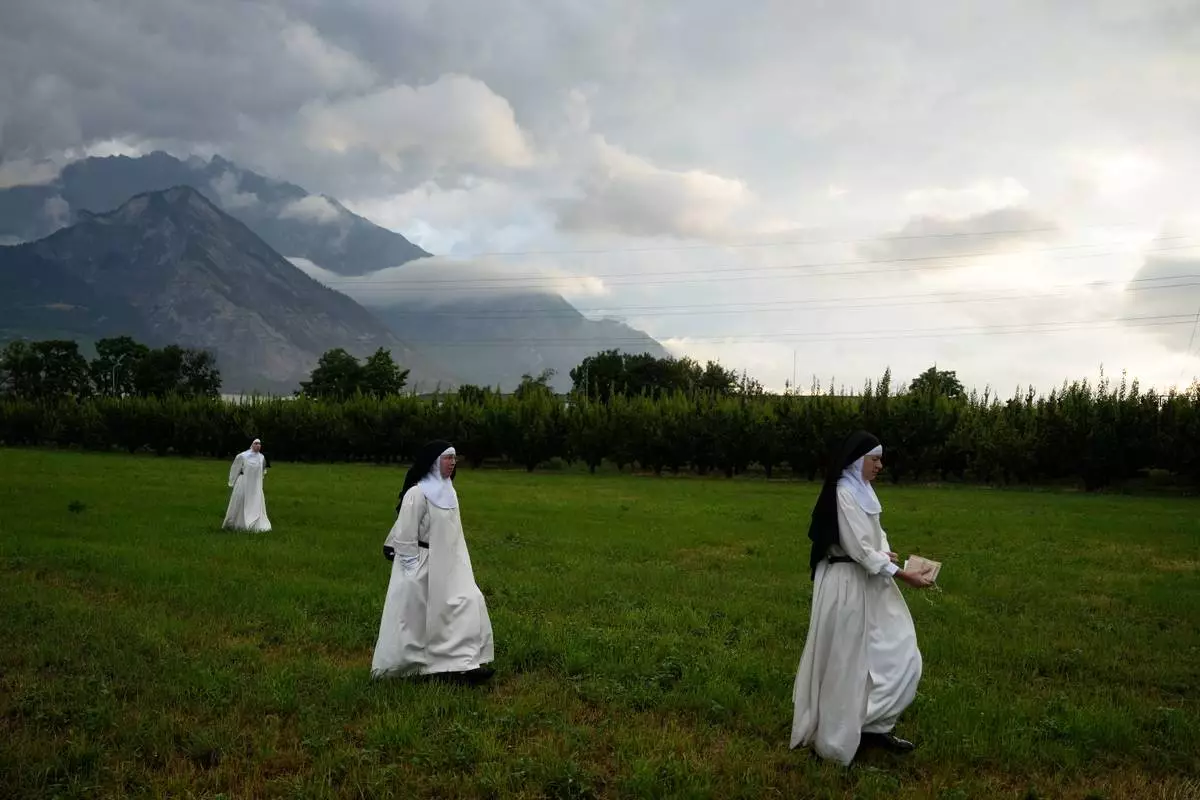
Nuns make their way to a tent set up outside the Society of St. Pius X seminary to attend a consecration ceremony for four new bishops in Econe, Switzerland, Wednesday, July 1, 2026. (AP Photo/Baz Ratner)
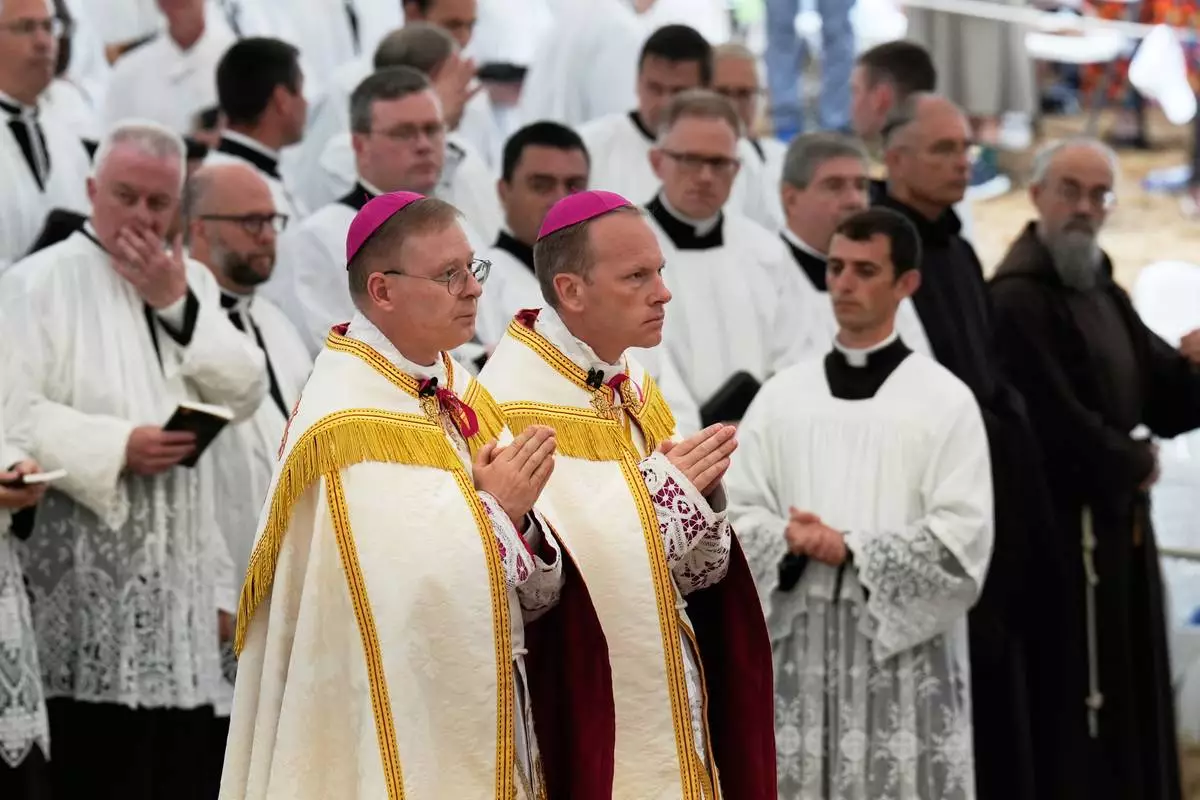
Father Pascal Schreiber, left, and father Michael Goldade arrive for their consecration ceremony as bishops in a tent set up outside the Society of St. Pius X seminary, in Econe, Switzerland, Wednesday, July 1, 2026. (AP Photo/Baz Ratner)
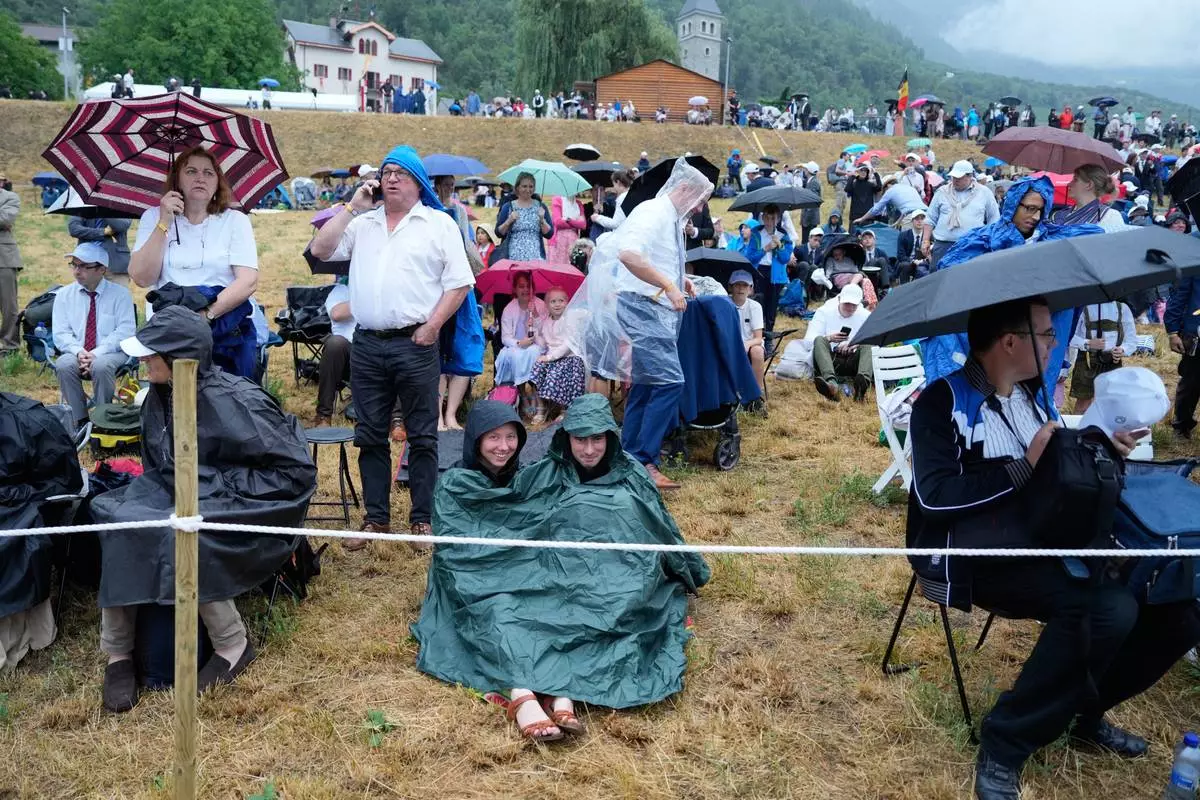
Faithful wait for the start of a consecration ceremony for four new bishops, outside a tent set up outside the Society of St. Pius X seminary, in Econe, Switzerland, Wednesday, July 1, 2026. (AP Photo/Baz Ratner)
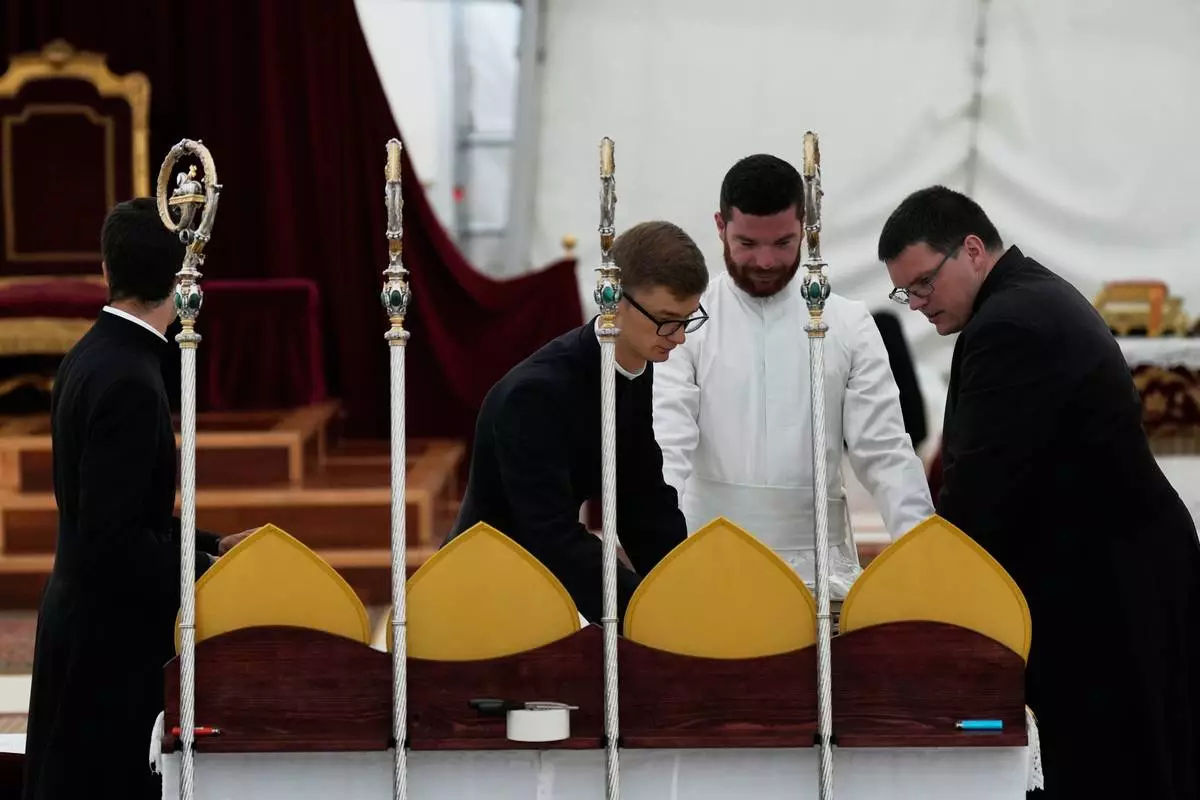
Priests prepare miters and pastoral staffs before the start of a consecration ceremony for four new bishops, in a tent set up outside the Society of St. Pius X seminary, in Econe, Switzerland, Wednesday, July 1, 2026. (AP Photo/Baz Ratner)
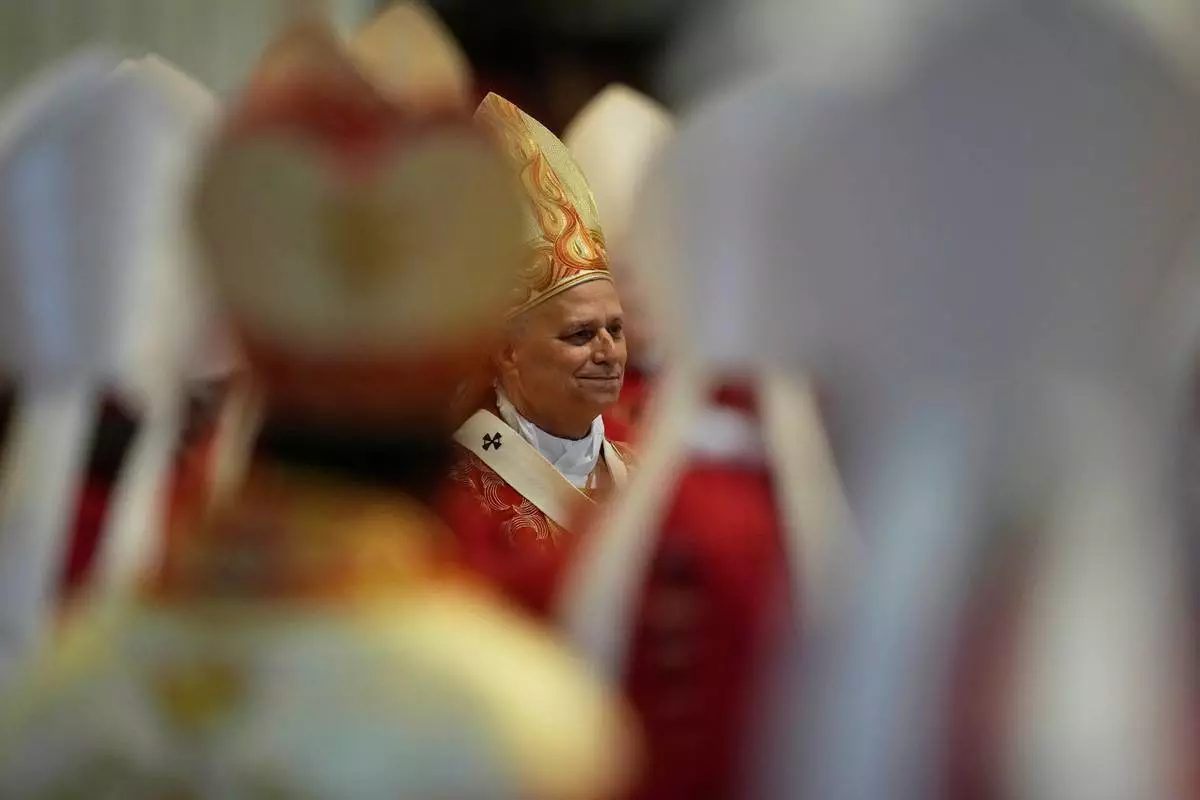
Pope Leo XIV leaves after a Mass where he conferred the pallium on newly appointed metropolitan archbishops, in St. Peter's Basilica, at the Vatican, Monday, June 29, 2026. (AP Photo/Alessandra Tarantino)
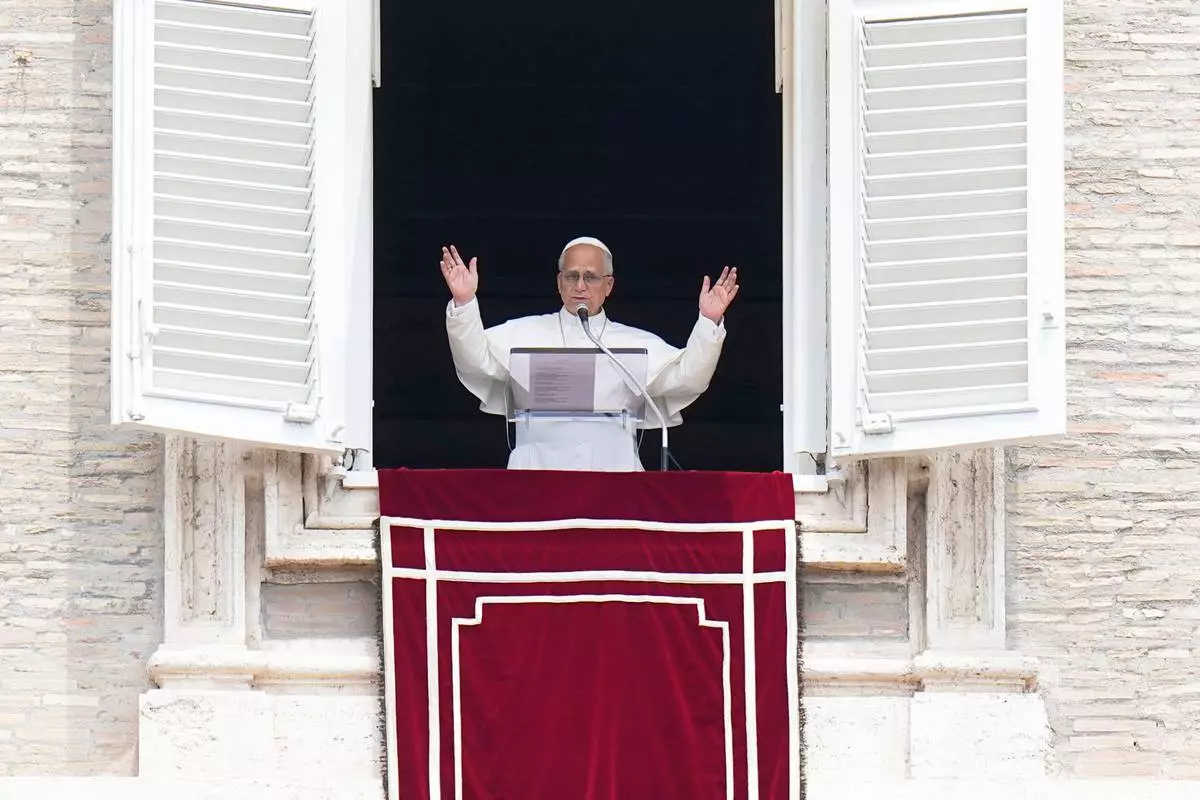
Pope Leo XIV waves during the Angelus noon prayer from the window of his studio overlooking St.Peter's Square, at the Vatican, Monday, June 29, 2026. (AP Photo/Alessandra Tarantino)
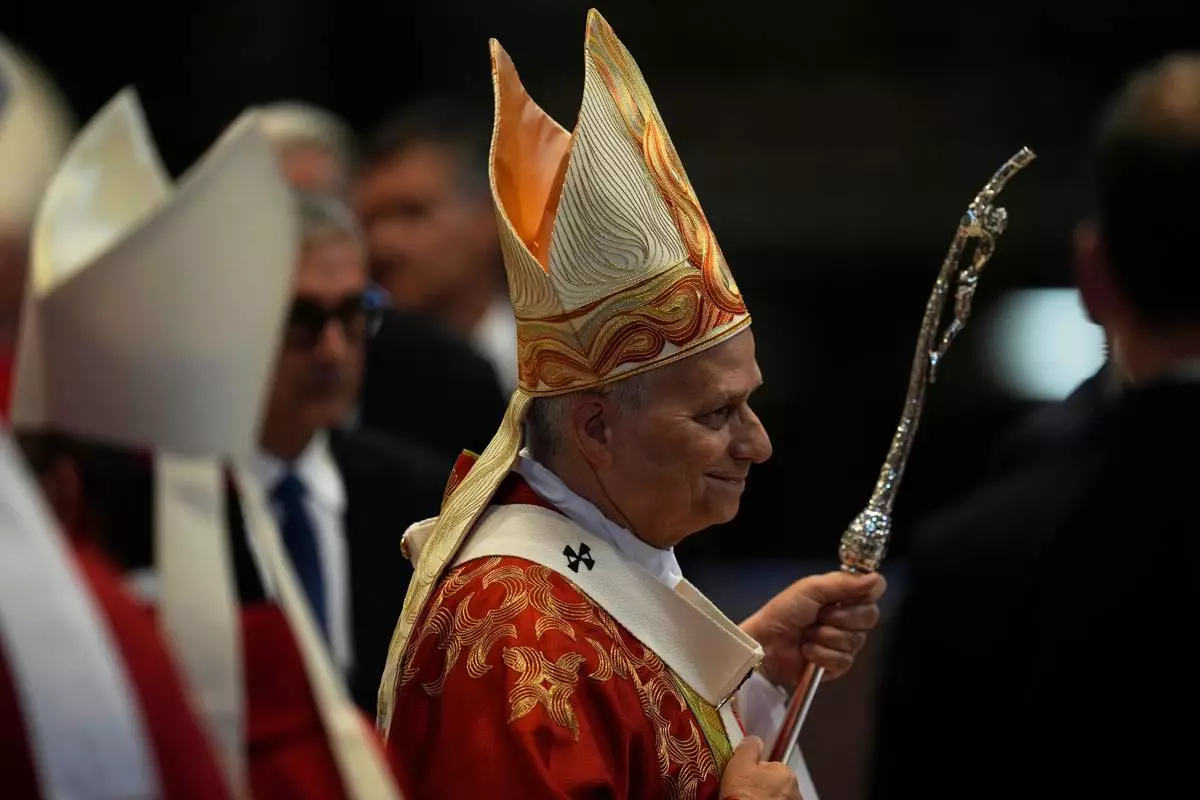
Pope Leo XIV leaves after a Mass where he conferred the pallium on newly appointed metropolitan archbishops, in St. Peter's Basilica, at the Vatican, Monday, June 29, 2026. (AP Photo/Alessandra Tarantino)