DAKAR, Senegal (AP) — All parties in eastern Congo's worsening conflict are violating peace terms and committing abuses, U.N. experts said in a report seen by The Associated Press Thursday.
The Congolese army and the M23 rebel group, along with its Rwandan backers, have failed to implement a December peace agreement initiated by the Trump administration that aimed to end the decades-long conflict, the experts said.
They said that the Congolese army continued to cooperate with a Hutu rebel group, known by its acronym FDLR, which includes fighters who participated in the 1994 genocide in Rwanda and escaped to Congo. The government in Kinshasa had promised to cease cooperation as part of the December agreement.
Rwanda has repeatedly sent troops and backed armed groups in eastern Congo, saying it was acting to neutralize Hutu fighters and protect its security. Congo and the U.S. government have accused Rwanda of using the rebels as a pretext to gain access to the region’s mineral wealth.
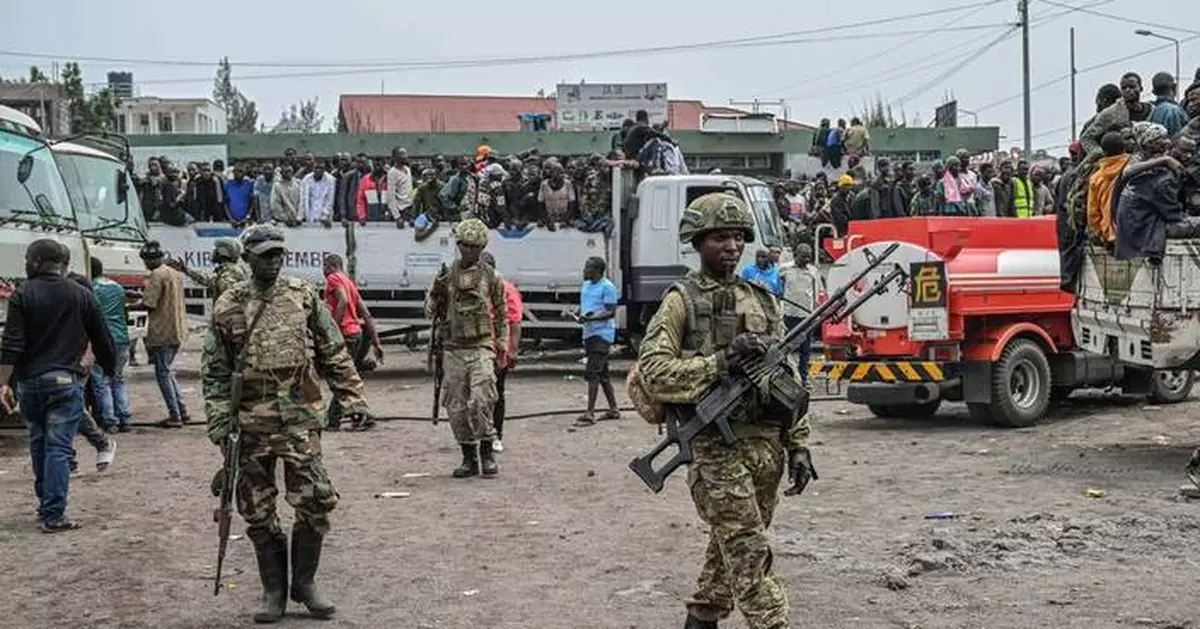
The report said that the Rwandan-backed M23 group, which seized Goma and other eastern cities in a lightning offensive early last year, had not withdrawn as promised but instead has tactically positioned and still maintains its goals to topple the government in Kinshasa.
It said M23 now controls significant swaths of territory in eastern Congo and is the leading perpetrator of conflict-related sexual violence.
Rwanda exercises significant control over M23, and in late 2025, Rwandan troops in Congo were “conservatively estimated at 8,000 to 10,000 elements in South Kivu and 6,000 to 8,000 in North Kivu, with no evidence of significant withdrawals thereafter," in violation of the peace agreement, according to the panel of experts.
The U.N. has called the conflict in eastern Congo “one of the most protracted, complex, serious humanitarian crises on Earth.”
Last week, Congo said it filed a case against Rwanda at the International Court of Justice, accusing its neighbor of bearing legal responsibility for the violence that has devastated eastern Congo.
The U.N. experts said that minerals from Rubaya and other mining sites in the Masisi region of eastern Congo continued to be smuggled to Rwanda by M23, which is building a parallel economy in areas it controls. This new economy is dominated by Rwandan-linked companies exporting minerals mined in Congo, it said.
The U.S. last week imposed sanctions on a Rwanda -based gold refinery, describing it as being part of “a network working in coordination” with M23 in eastern Congo. It said the sanctions against Gasabo Gold Refinery were in support of the U.S. and Qatari peace efforts.
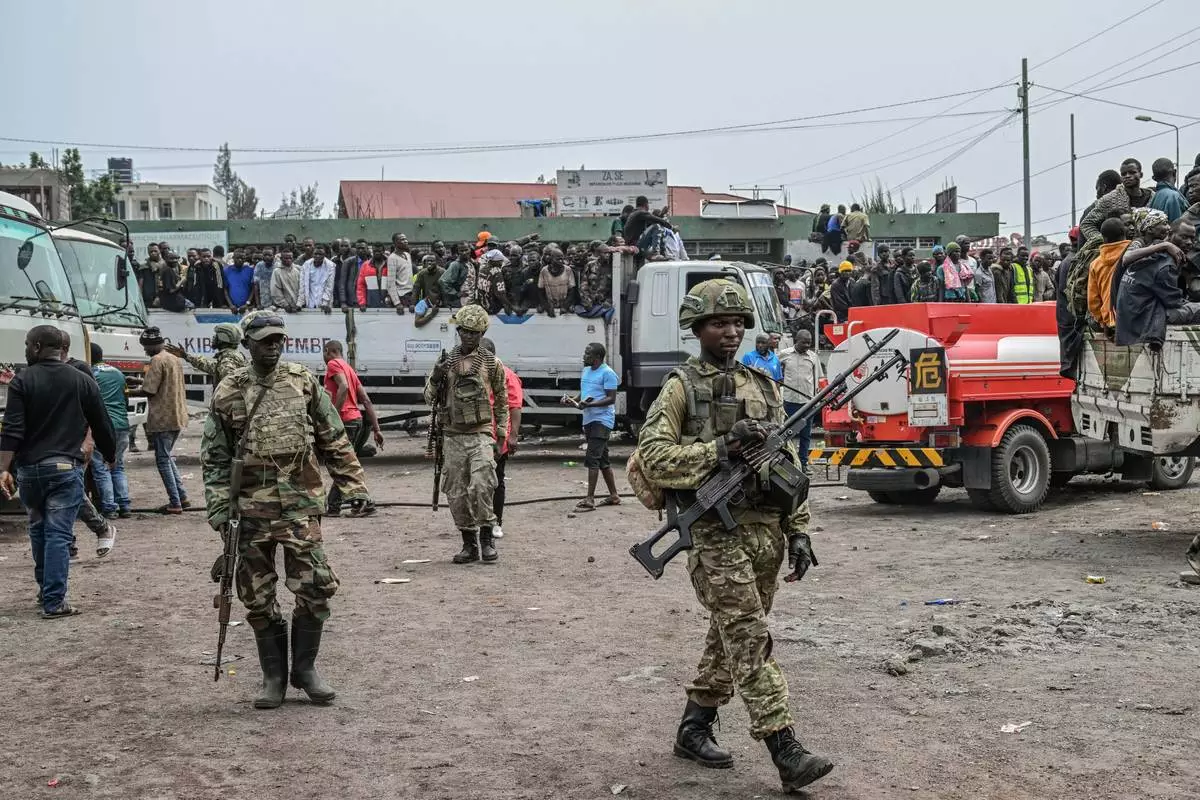
FILE - M23 rebels escort government soldiers and police who surrendered to an undisclosed location in Goma, Democratic republic of the Congo, Jan. 30, 2025. (AP Photo/Moses Sawasawa, File)
CATIA LA MAR, Venezuela (AP) — Black smoke from fires in flattened buildings and the smell of decomposing bodies spread across ruins Thursday, eight days after Venezuela’s devastating earthquakes, while rescue teams pulled on a thread of hope that they might still find survivors trapped beneath the rubble.
As officials carried body bags and stacked caskets in the port city of Catia La Mar, joy briefly broke through the pervading misery that has blanketed Venezuela's northern La Guaira on Thursday morning when rescue teams pulled a 43-year-old man out of the rubble he was buried under for nearly eight days.
Rescuers from across the Americas had worked for about 100 hours to pull Hernán Alberto Gil Flores from the collapsed shopping mall under which he was buried. Trapped in an air pocket, he'd survived on the water and sustenance rescuers passed him through the rubble. He was pulled out of the ruins on a stretcher and was carried to an ambulance as throngs of people cheered in a rare moment of victory.
Thousands more did not make it that far.
Venezuela's government said as of Wednesday that at least 2,295 were killed and more than 11,000 were wounded. Thousands more were sleeping in crowded shelters or outside, or remained missing as family members searched the rubble. The aftermath has left medics worried that the fallout could pave the way for a widening medical crisis of untreated injuries and infectious diseases in a healthcare system already on the brink.
Acting President Delcy Rodríguez continued to face mounting criticisms by Venezuelans over the government's inadequate handling of the earthquakes — civilian and international rescue efforts have far overshadowed the Venezuelan government response.
The criticism came just a day before the extension of Rodríguez’s 180-day mandate as acting leader was set to expire. Rodríguez served as deputy to former President Nicolás Maduro until he was ousted by the United States in January and she became interim leader with the backing of the Trump administration.
With little transparency by Venezuelan officials, it was unclear what would happen once the deadline passes on Friday.
Under Venezuela’s constitution, temporary absences are to be filled by the vice president — which was Rodríguez’s former role — for up to 90 days. These interim appointments can be extended by the national assembly for an additional 90 days.
The Venezuelan leader has strong support from lawmakers and the Trump administration. The National Assembly, controlled by Rodríguez’s party, can trigger a snap election if lawmakers declare the post permanently vacant.
The U.S. continued to throw support behind her government Wednesday in the face of criticism, and officials said there were 900 military personnel currently on the ground to support relief and rescue operations.
John M. Barrett, the U.S. chargé d’affaires to Venezuela, pushed back against accusations that Rodríguez was politicizing response efforts.
During a call with reporters, Barrett said the U.S. response “does require a high level of coordination with local authorities to be successful.”
“And what I can say with confidence is that the local authorities have fully complied with our requests and have accelerated this massive humanitarian response,” Barrett said.
Gen. Francis Donovan, head of U.S. Southern Command, added during the call that “decades of poor investment in the people of Venezuela” had “made this even more challenging for the current government.”
“It is a big problem for any leader to deal with a challenge of this magnitude,” Donovan said.
Janetsky reported from Mexico City. Associated Press journalist Ben Finley contributed to this report from Washington D.C.
Corrects that the deadline for the acting president expires on Friday, not Thursday.
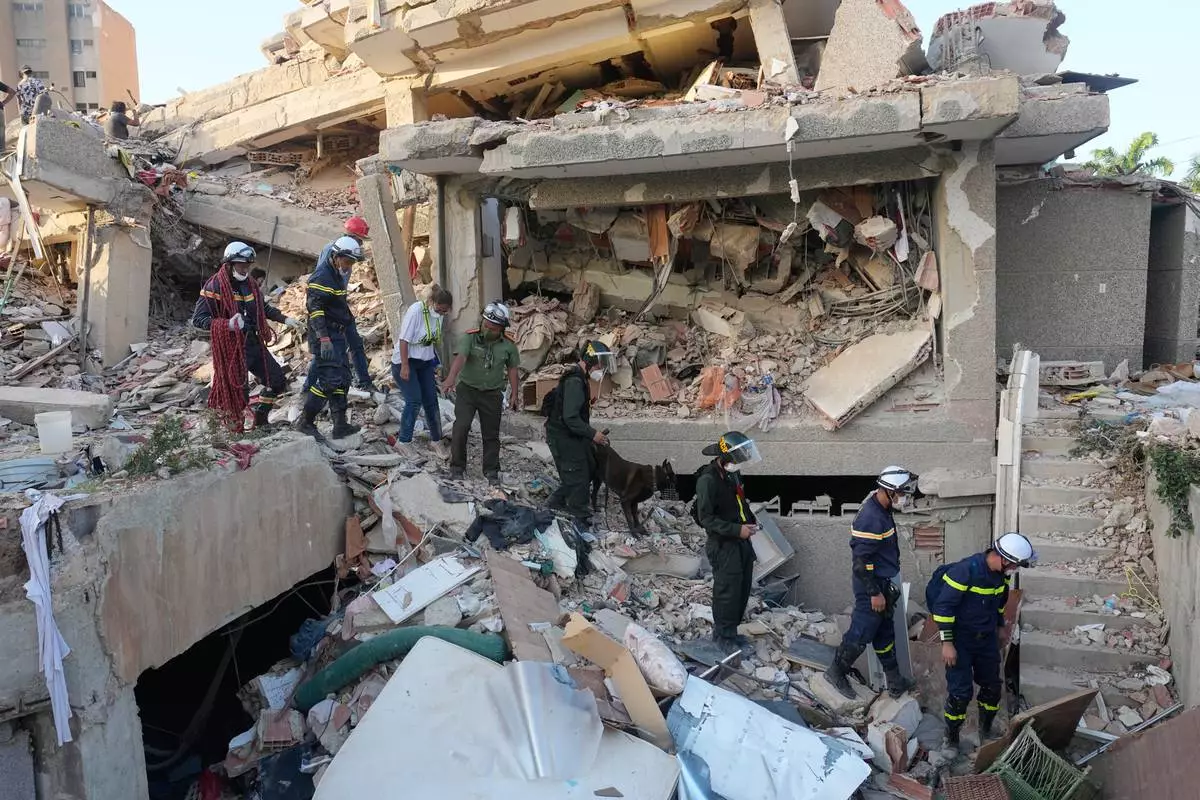
Vietnamese rescuers searches a building that collapsed during back-to-back earthquakes in Catia La Mar, Venezuela, Wednesday, July 1, 2026. (AP Photo/Fernando Vergara)
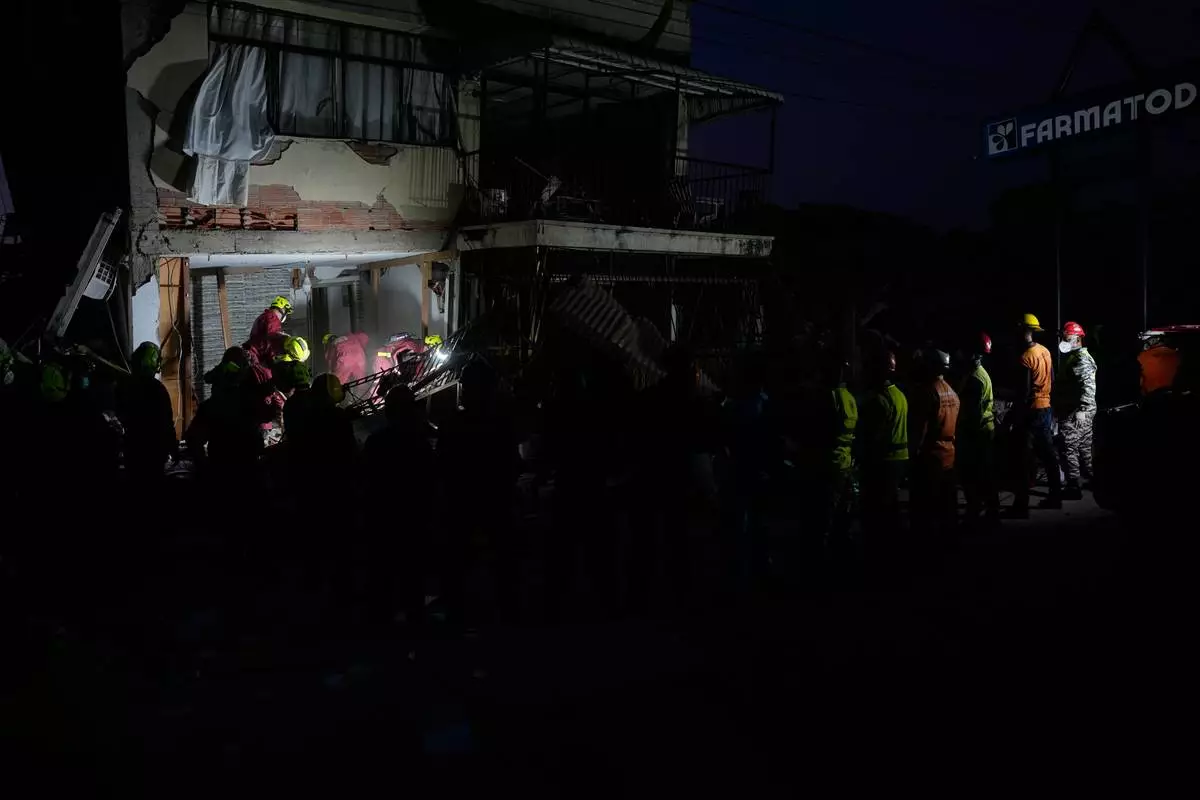
Rescuers from Argentina search a building damaged by back-to-back earthquakes after residents reported hearing noises from beneath the rubble in Catia La Mar, Venezuela, Wednesday, July 1, 2026. (AP Photo/Fernando Vergara)
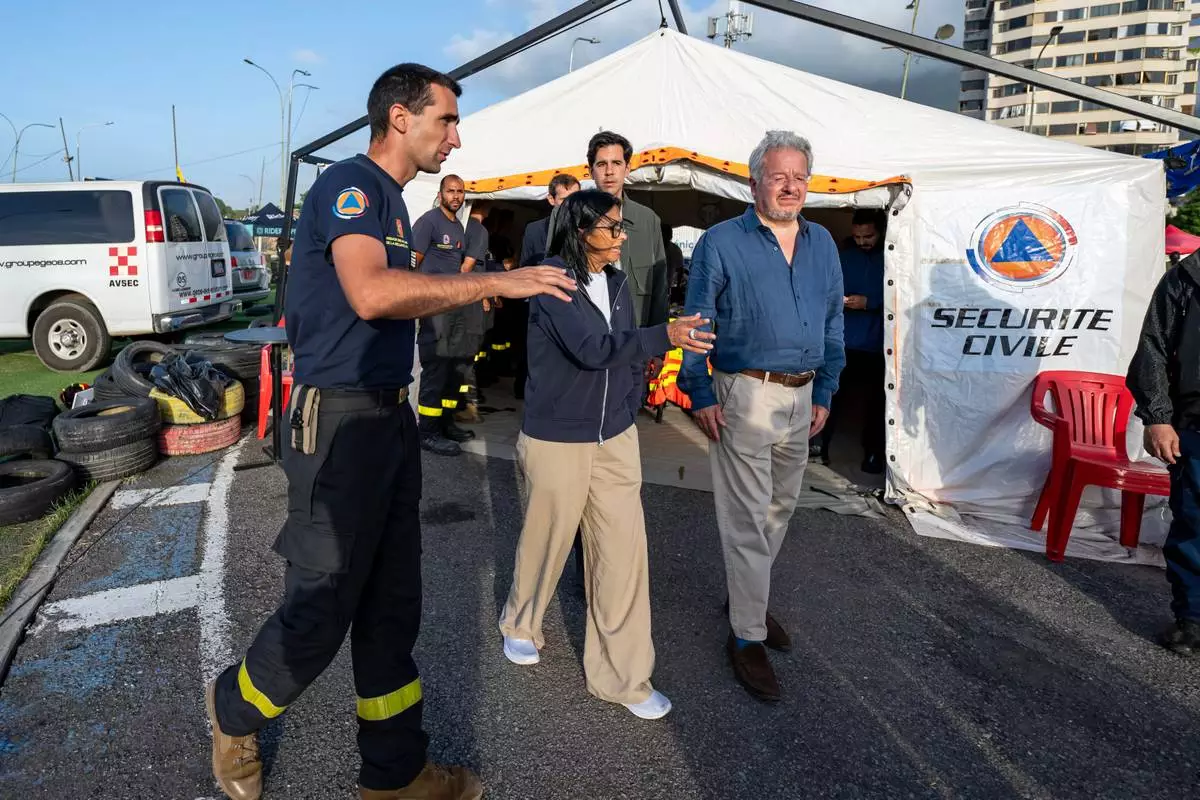
Lieutenant-Colonel Vianney Labbe, left, head of the detachment of the French 7th Civil Security Training and Intervention Regiment (RIISC 7), Venezuela's interim President Delcy Rodriguez, center, Oliver Blanco, Venezuela's Vice Minister for Europe and North America, and French ambassador to Venezuela Emmanuel Pineda, right, visit a temporary camp of the French Civil Security in La Guaira, Wednesday, July 1, 2026, following the June 24 earthquakes. (Miguel Medina/Pool Photo via AP)
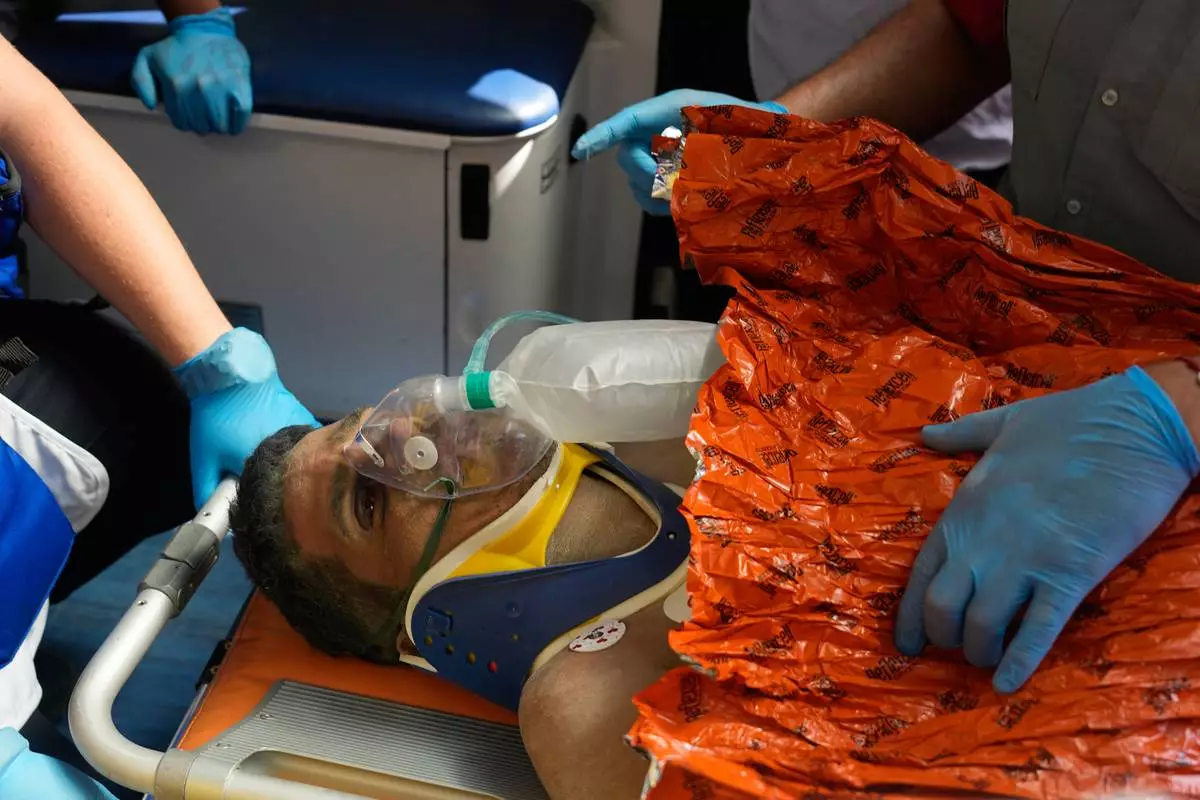
Rescue workers attend to Hernán Alberto Gil Flores after he was pulled from the rubble eight days after he was trapped by twin earthquakes that struck Catia La Mar, Venezuela, Thursday, July 2, 2026. (AP Photo/Fernando Vergara)
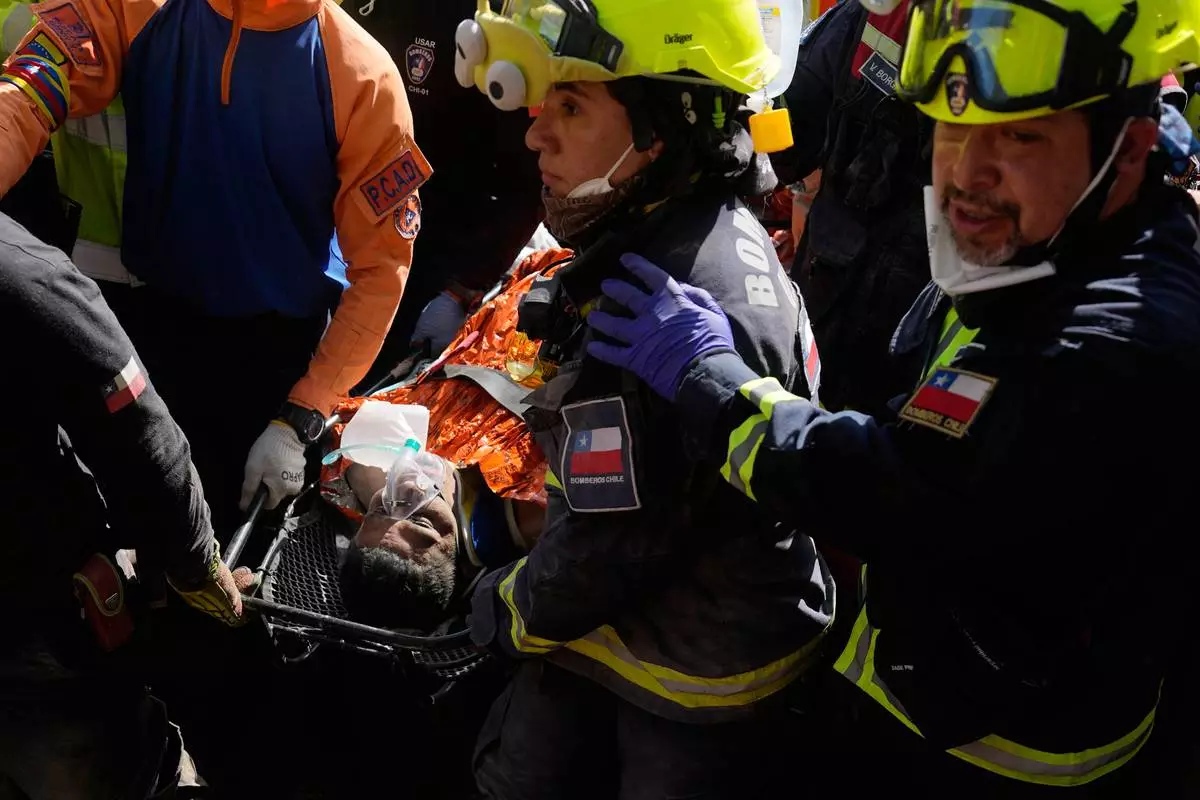
Chilean rescue workers carry Hernán Alberto Gil Flores after he was pulled from the rubble eight days after he was trapped by twin earthquakes that struck Catia La Mar, Venezuela, Thursday, July 2, 2026. (AP Photo/Fernando Vergara)