Skip to Content Facebook Feature Image

Putin shrugs off fuel shortages in Russia as he ramps up attacks on Ukraine

News

Putin shrugs off fuel shortages in Russia as he ramps up attacks on Ukraine
News

News

Putin shrugs off fuel shortages in Russia as he ramps up attacks on Ukraine

2026-07-03 15:28 Last Updated At:15:35

Despite severe fuel shortages across Russia, President Vladimir Putin appears unbothered by Ukraine’s increasing attacks on his country’s oil refineries.

He has shrugged off the setback for one of the world’s leading oil-producing nations as “not critical,” dismissed ceasefire proposals and insisted the war will continue until his goals are met.

More Images
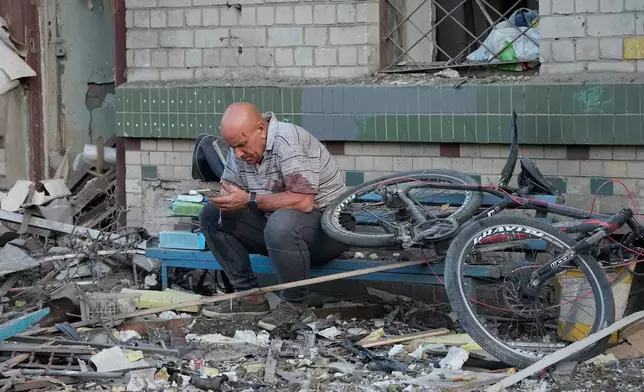
A man reacts at the site of a Russian missile strike that hit a residential building in Kyiv, Ukraine, Thursday, July 2, 2026. (AP Photo/Efrem Lukatsky)
A man reacts at the site of a Russian missile strike that hit a residential building in Kyiv, Ukraine, Thursday, July 2, 2026. (AP Photo/Efrem Lukatsky)

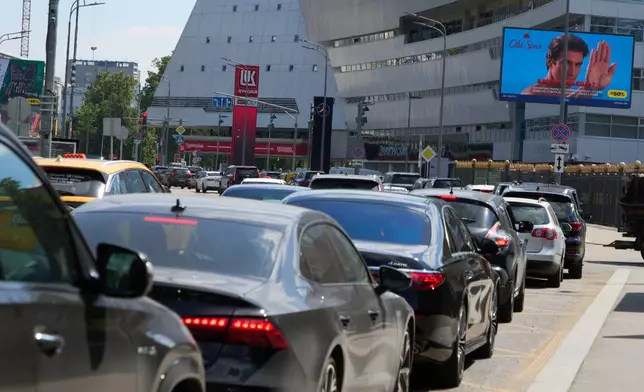
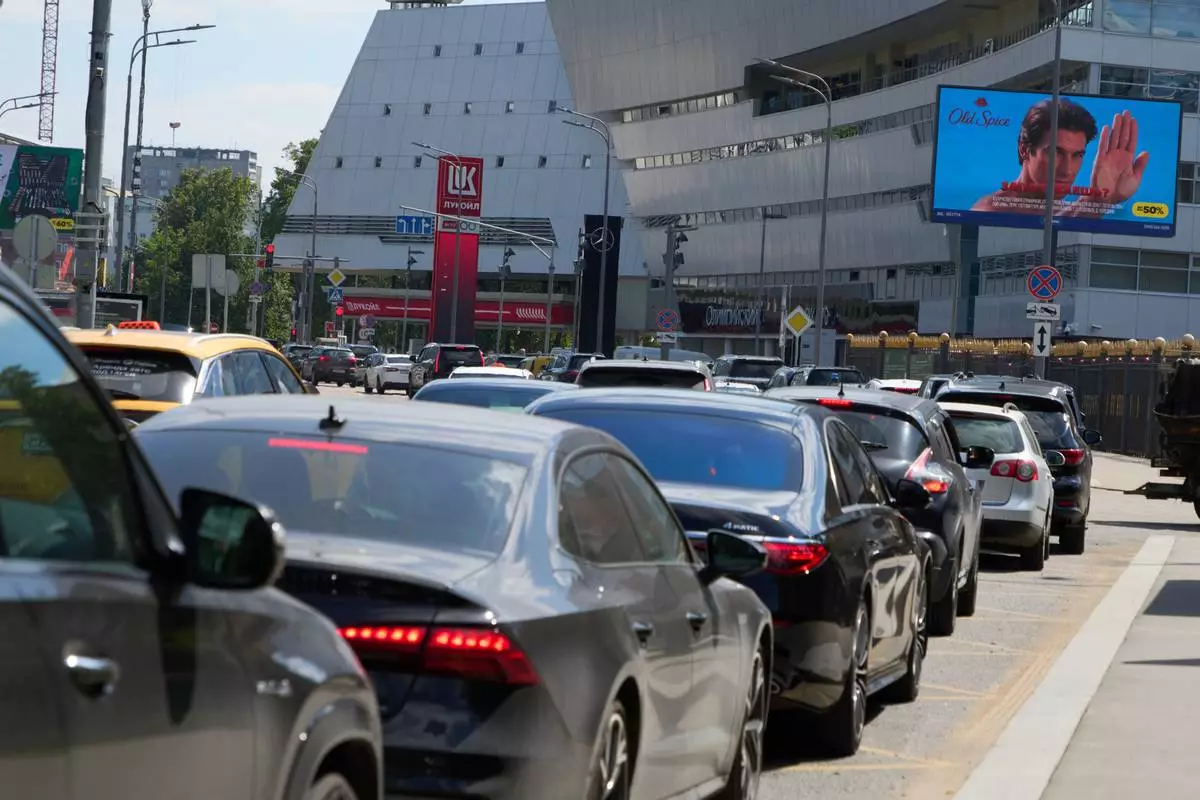
Cars line up at a Lukoil gas station in Moscow, Russia, Tuesday, June 30, 2026. (AP Photo/Alexander Zemlianichenko)
Cars line up at a Lukoil gas station in Moscow, Russia, Tuesday, June 30, 2026. (AP Photo/Alexander Zemlianichenko)

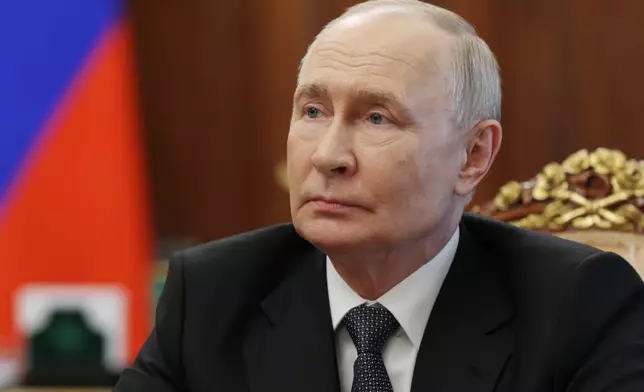
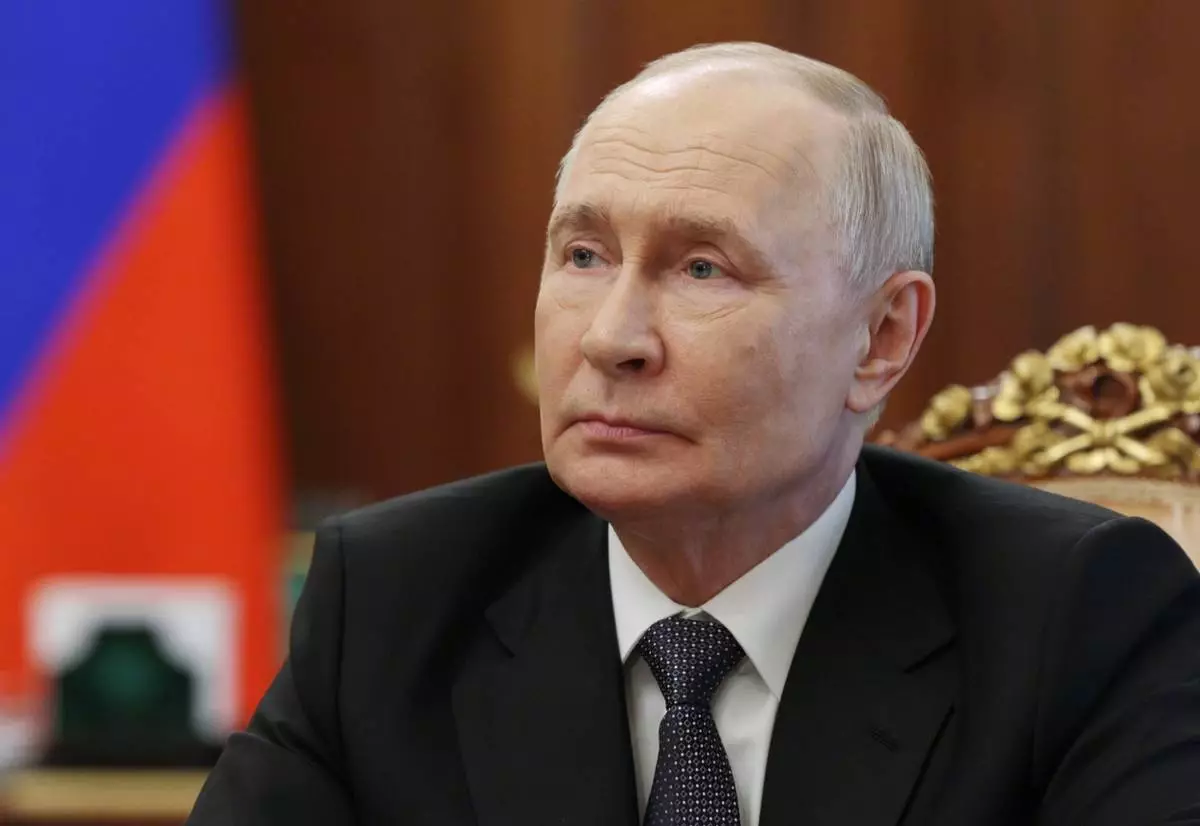
Russian President Vladimir Putin attends a meeting with Kaliningrad Region Governor Alexey Besprozvannykh in Moscow, Thursday, July 2, 2026. (Gavriil Grigorov, Sputnik, Kremlin Pool Photo via AP)
Russian President Vladimir Putin attends a meeting with Kaliningrad Region Governor Alexey Besprozvannykh in Moscow, Thursday, July 2, 2026. (Gavriil Grigorov, Sputnik, Kremlin Pool Photo via AP)

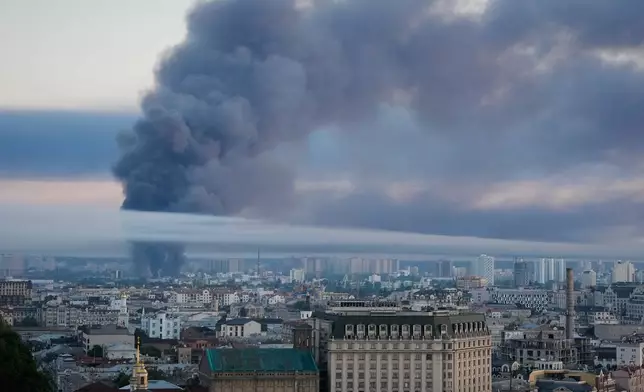
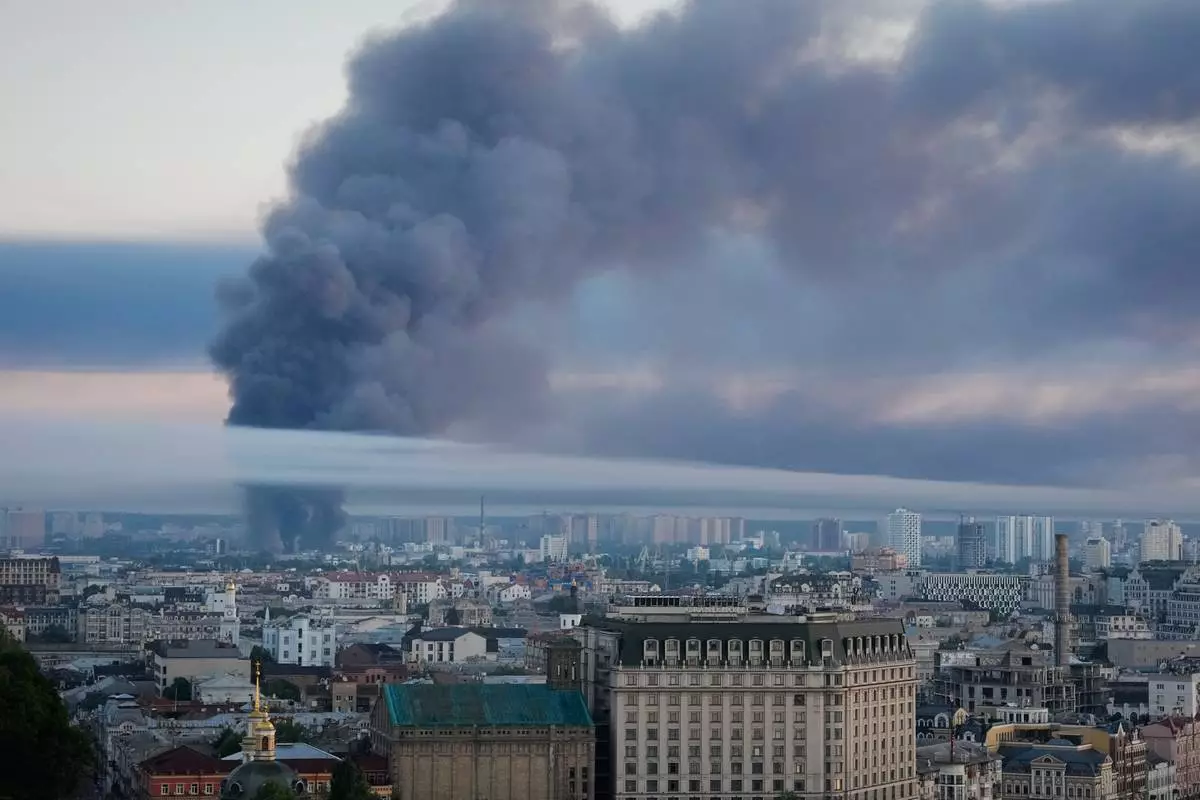
Smoke rises over the city center after a Russian attack on Kyiv, Ukraine, Thursday, July 2, 2026. (AP Photo/Efrem Lukatsky)
Smoke rises over the city center after a Russian attack on Kyiv, Ukraine, Thursday, July 2, 2026. (AP Photo/Efrem Lukatsky)

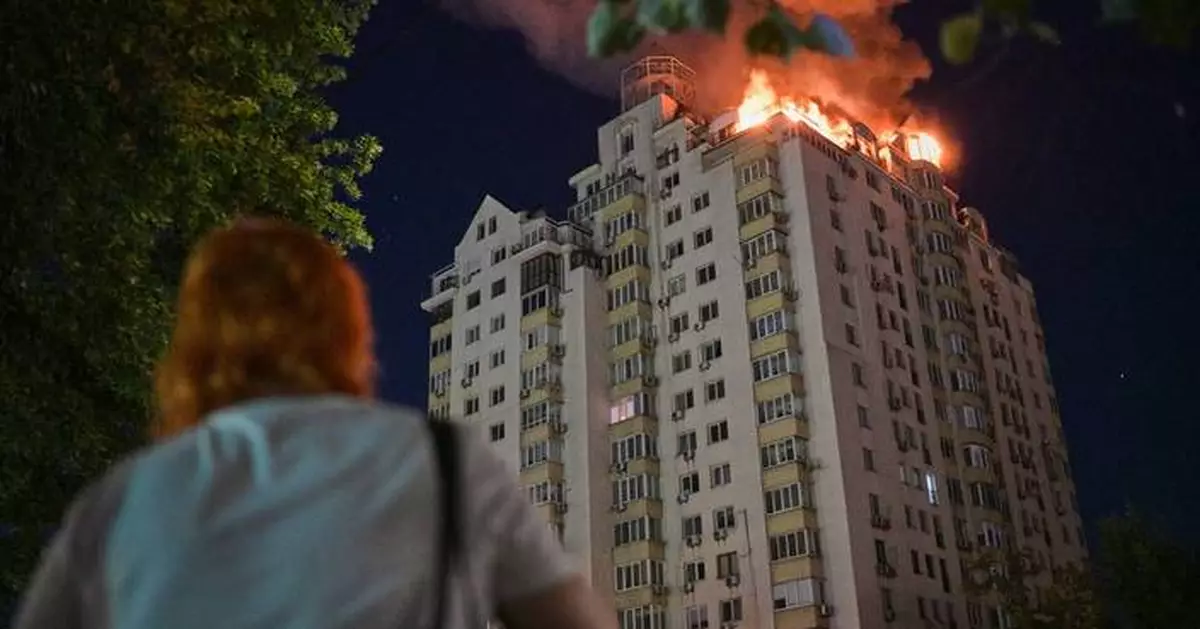
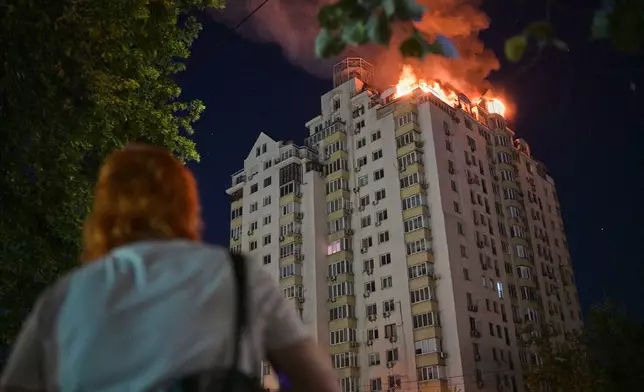
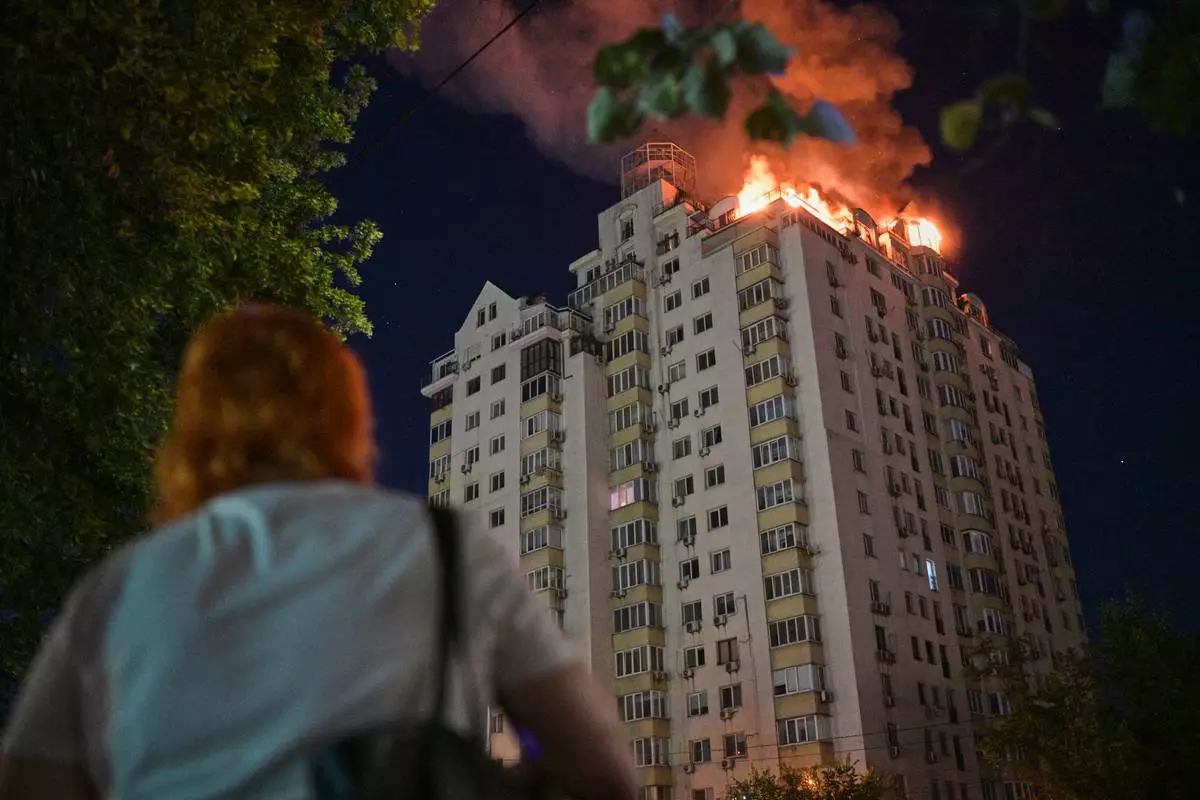
A woman looks at an apartment building burning after a Russian missile attack in Kyiv, Ukraine, Thursday, July 2, 2026. (AP Photo/Danylo Antoniuk)

A woman looks at an apartment building burning after a Russian missile attack in Kyiv, Ukraine, Thursday, July 2, 2026. (AP Photo/Danylo Antoniuk)

Putin has described the attacks on Russian energy as an effort by Ukraine to distract attention from its losses on the battlefield, although analysts say the advance of Russian forces has been stymied in recent months. The Russian leader appears to believe his government can keep the fuel crisis from eroding his authority and support for the war he launched more than four years ago.

The Russian military unleashed a massive 11-hour barrage on the Ukrainian capital overnight into Thursday morning that killed at least 30 people. It was one of the deadliest attacks on Kyiv since the start of Russia's full-scale invasion.

Here's a deeper look at the latest exchange of strikes and Putin’s refusal to halt the fighting:

There have been more than 50 reported Ukrainian attacks on oil refineries and other energy facilities in Russia and occupied Crimea since March — a barrage Ukrainian leaders have said is intended to pressure Moscow to end the war.

At the very least, the attacks have brought the war home even more poignantly for millions of Russians, shattering Putin’s narrative of the conflict as something that doesn’t affect the lives of ordinary people in his country.

An estimated one-third of Russia’s refining capacity has been cut off, according to Chris Weafer, CEO of the consultancy Macro-Advisory. The attacks have inflicted lasting damage that will be costly to fix.

Despite significant air defenses protecting Russia's capital, a top refinery in Moscow has been hit twice. The second strike on June 18 set it ablaze, damaging key equipment that will reportedly take until the end of the year to repair.

With gasoline production in Russia reduced by roughly 17% to 850,000 barrels a day, according to government statistics, rationing has been introduced in many regions, and motorists have had to wait in line for hours to refuel.

Crimea, which Russia illegally annexed from Ukraine in 2014, has faced the worst fuel shortages. Gasoline sales to individuals have been periodically halted there altogether.

Putin chaired a meeting of government officials last weekend to discuss the fuel shortages.

In televised statements, he acknowledged the country was going through a “difficult period.” He pledged to accelerate repairs of energy facilities and said Russia would consider importing gasoline to help make up for what he described as “temporary” shortages. He also said Russia's arms industry will boost production of air defense systems to fend off future Ukrainian attacks.

Putin portrayed the Ukrainian strikes as an attempt to divide Russian society, halt Moscow's offensive and try to force the Kremlin into negotiations on “terms advantageous to our adversary.”

“We will not give them that chance,” he said.

While Putin said Ukraine's long-range strikes on Russian oil facilities “have absolutely no effect on the situation at the front,” Western military analysts say mid-range strikes on the Russian army in recent months have hampered military logistics and slowed the tempo of its advance, leaving the battlefield in a stalemate.

Putin claims Russian forces are still advancing across the roughly 1,000 kilometer-long (620 mile-long) front line. In an interview last weekend with state TV, Putin mentioned the names of small villages and even streets in Ukraine.

The Russian president has responded to Ukrainian President Volodymyr Zelenskyy's offer to meet by challenging him to come to Moscow, a non-starter to Ukraine.

Putin has rejected a truce that Kyiv and its Western allies have proposed. He says it would only give Ukrainian forces time to rest and regroup.

He has made any ceasefire conditional on Ukraine's withdrawal from the part of the Donetsk region it still controls, a demand rejected by Ukraine. Putin has said that a final peace deal must oblige Ukraine to abandon its bid to join NATO, reduce its military and protect Russian language and culture.

In last Sunday's interview, Putin claimed that Ukraine had offered to limit the fighting to the four regions that Russia annexed but never fully captured: Donetsk, Luhansk, Kherson and Zaporizhzhia. He said he rejected the proposal because it would free up Ukrainian forces from other areas where Russian troops have made inroads and let them focus on fending off the Russian attacks in the four southeastern regions.

“Faced with a catastrophic shortage of personnel, the armed forces of Ukraine apparently believe this could be their salvation,” Putin said. “Saving the Kyiv regime is not part of our plans.”

The Kremlin said the offer was made via confidential channels; Ukrainian officials have not publicly discussed any such proposal.

Putin also dismissed a Ukrainian proposal to mutually halt strikes deep into each other's territory. Russian attacks deep into Ukraine are “much more powerful, sensitive and, frankly speaking, destructive,” he said.

In Thursday's deadly barrage on Kyiv, Russia once again hit residential areas even as it claimed to be targeting military sites. By contrast, the vast majority of Ukrainian strikes in Russia have hit oil facilities, weapons factories and other military targets.

A United Nations tally says more than 16,000 Ukrainian civilians have died in the war.
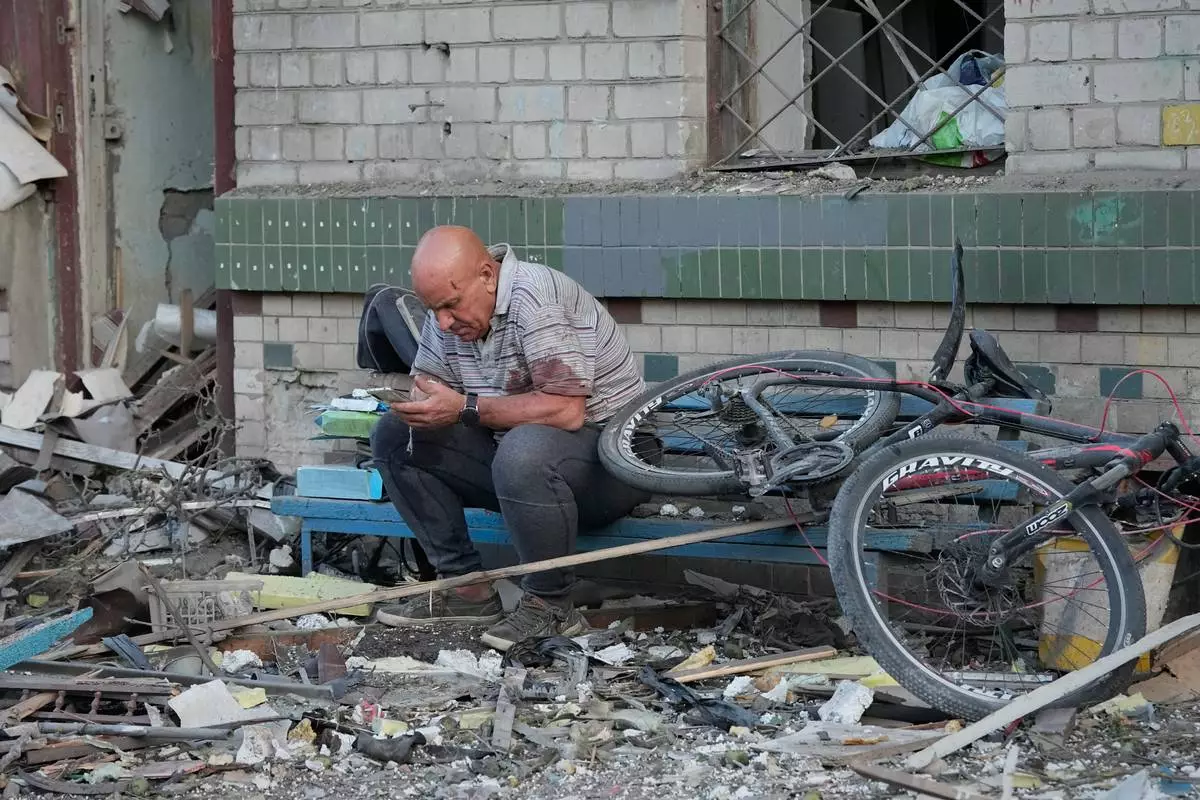
A man reacts at the site of a Russian missile strike that hit a residential building in Kyiv, Ukraine, Thursday, July 2, 2026. (AP Photo/Efrem Lukatsky)
A man reacts at the site of a Russian missile strike that hit a residential building in Kyiv, Ukraine, Thursday, July 2, 2026. (AP Photo/Efrem Lukatsky)

Cars line up at a Lukoil gas station in Moscow, Russia, Tuesday, June 30, 2026. (AP Photo/Alexander Zemlianichenko)
Cars line up at a Lukoil gas station in Moscow, Russia, Tuesday, June 30, 2026. (AP Photo/Alexander Zemlianichenko)

Russian President Vladimir Putin attends a meeting with Kaliningrad Region Governor Alexey Besprozvannykh in Moscow, Thursday, July 2, 2026. (Gavriil Grigorov, Sputnik, Kremlin Pool Photo via AP)
Russian President Vladimir Putin attends a meeting with Kaliningrad Region Governor Alexey Besprozvannykh in Moscow, Thursday, July 2, 2026. (Gavriil Grigorov, Sputnik, Kremlin Pool Photo via AP)

Smoke rises over the city center after a Russian attack on Kyiv, Ukraine, Thursday, July 2, 2026. (AP Photo/Efrem Lukatsky)
Smoke rises over the city center after a Russian attack on Kyiv, Ukraine, Thursday, July 2, 2026. (AP Photo/Efrem Lukatsky)

A woman looks at an apartment building burning after a Russian missile attack in Kyiv, Ukraine, Thursday, July 2, 2026. (AP Photo/Danylo Antoniuk)

A woman looks at an apartment building burning after a Russian missile attack in Kyiv, Ukraine, Thursday, July 2, 2026. (AP Photo/Danylo Antoniuk)
TEHRAN, Iran (AP) — A powerful general who leads Iran's paramilitary Revolutionary Guard emerged publicly for the first time in months as Tehran prepared Friday for the dayslong funeral for the late Supreme Leader Ayatollah Ali Khamenei.

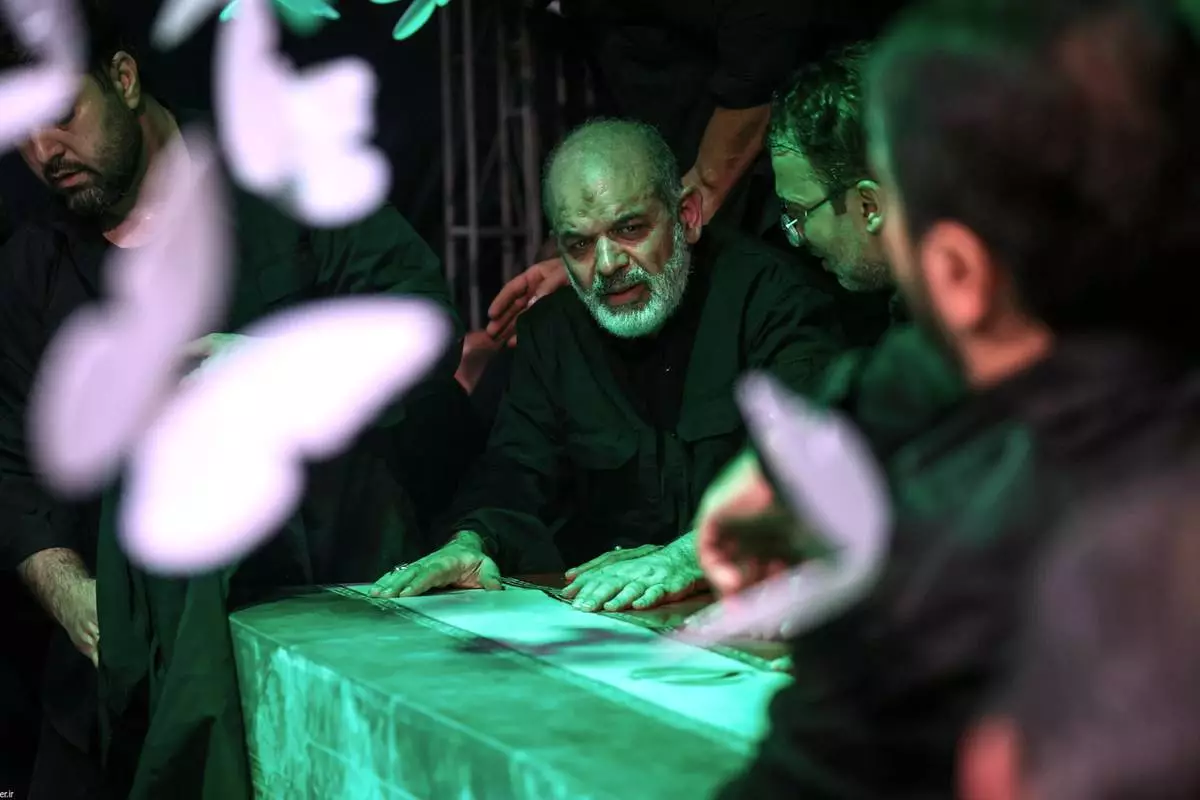
Photos published online by Iranian state media showed Gen. Ahmad Vahidi attending a meeting about the funeral of Khamenei, 86, then sitting alongside his casket as Iran's theocracy held a smaller service for him Thursday night near the supreme leader's former home in downtown Tehran.

Vahidi has become a major player in formulating Iran’s tough stance in negotiating a possible permanent end to the war with the United States, experts say. He is believed to be part of a small clique in direct contact with Iran’s new Supreme Leader Ayatollah Mojtaba Khamenei, who remains in hiding after being reportedly wounded in the Feb. 28 Israeli strikes that killed his father, the elder Khamenei.

Vahidi himself hasn’t been seen publicly since Feb. 8, weeks before the Iran war began. Israel killed top leaders in Iran's military and government during the war — and has threatened the life of Ayatollah Mojtaba Khamenei as well.

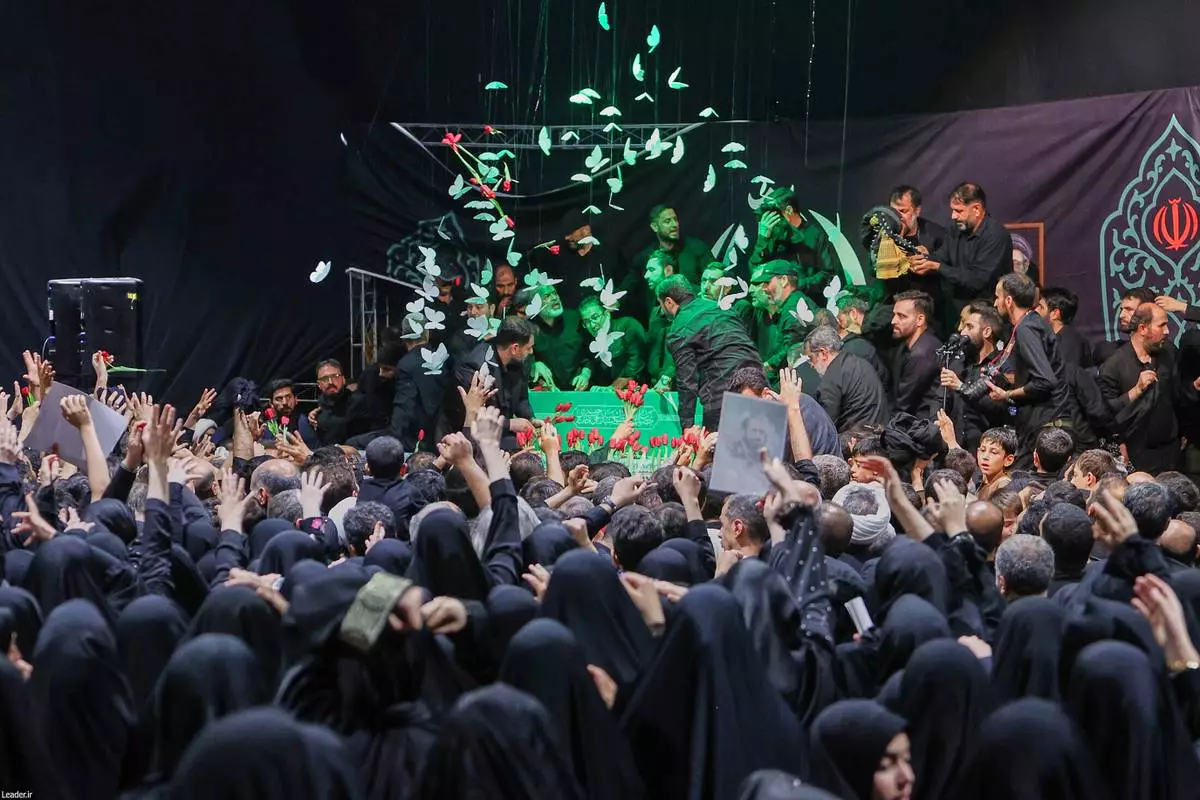
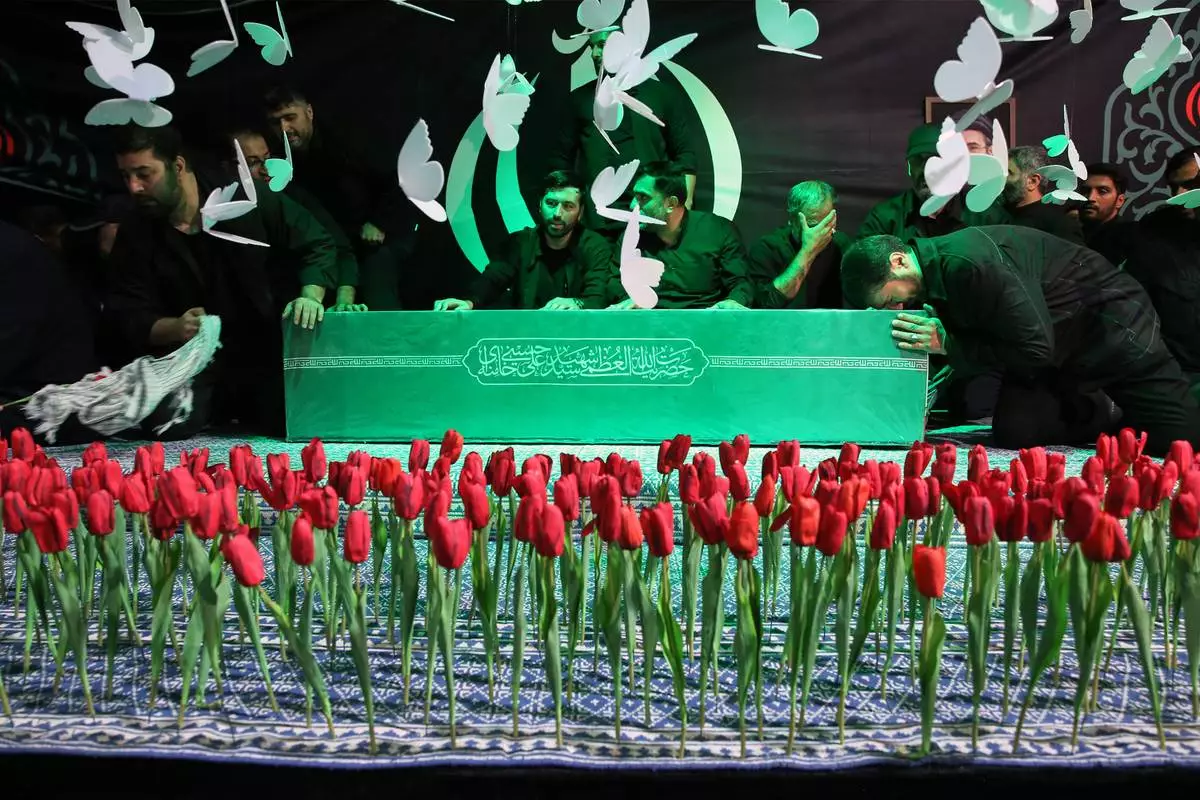
Video published by Iranian state media showed the mourning ceremony for Khamenei near the husseiniyah at his compound in Tehran. An Israeli airstrike in the war's first moments killed Khamenei and some of his family members. State media said Khamenei's body sat within a coffin on a stage, with red tulips lined up in front of it. What appeared to be paper butterflies hung from the ceiling in front of it.

The black-clad mourners, whom state media identified as coming from families of those who lost loved ones in the 12-day war in 2025 and the recent Iran war, threw scarves and other items for attendants to brush against the coffin, a common practice in Iran.

Later, state media showed images of Khamenei's casket draped by a red flag with white calligraphy reading "Ya Hussein,” a Shiite expression in remembrance of the 7th-century martyrdom of the Prophet Muhammad’s grandson. It had been flying over the Imam Hussein golden-domed shrine in Karbala, Iraq. The flag also traditionally symbolizes both the spilled blood of someone unjustly killed and a call for vengeance.

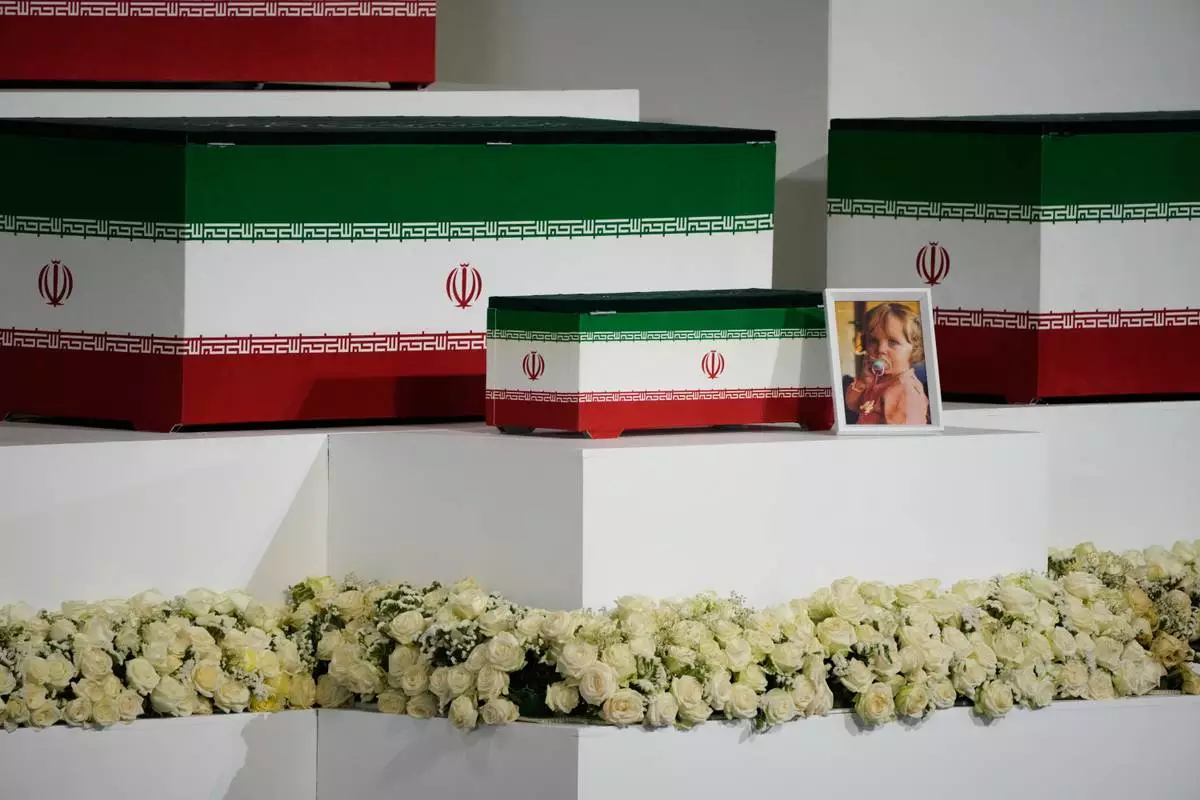
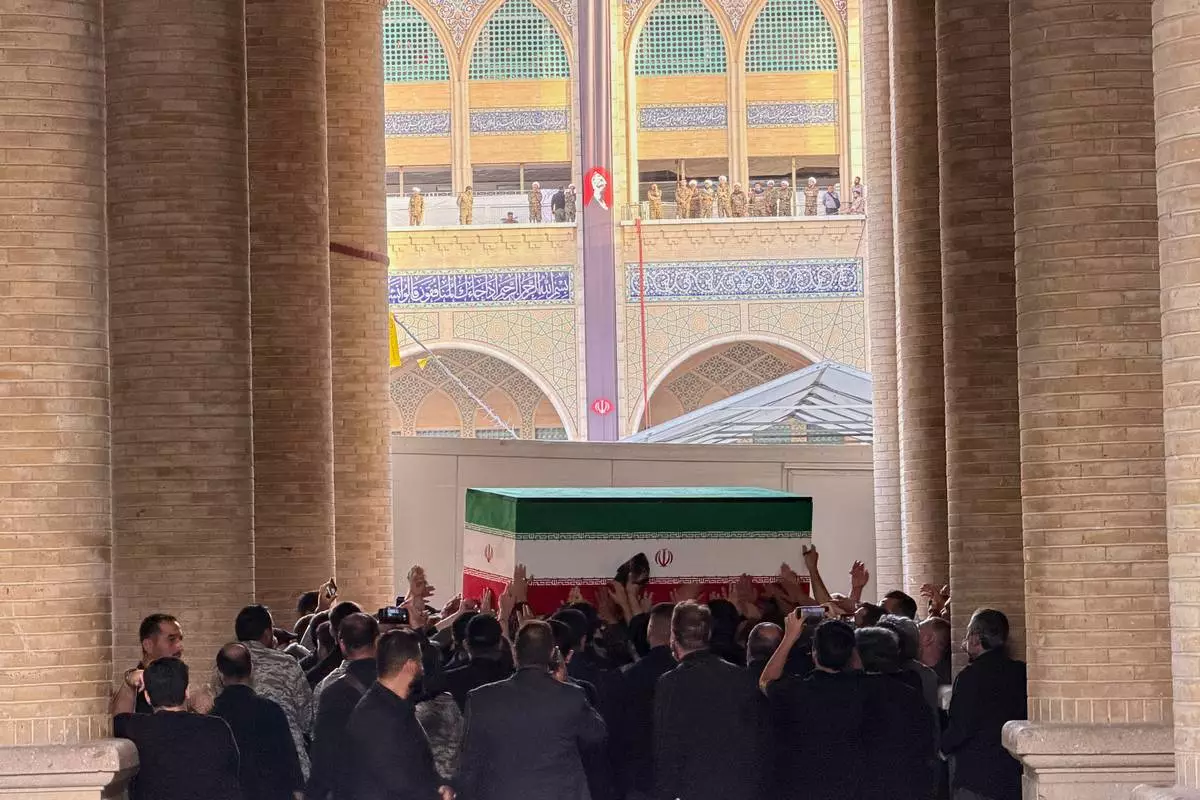
On Friday morning, security forces carried Khamenei's coffin, now draped in the Iranian flag, overhead by hand as it arrived at the Grand Mosalla in Tehran. Religious leaders, officials and foreign dignitaries walked past Khamenei's coffin, as well as others of his slain family, including his 14-month-old granddaughter, Zahra Mohammadi Golpayegani.

Beginning Saturday, Iran will hold a dayslong funeral for Khamenei, and his body will be transported to cities in both Iran and neighboring Iraq. Authorities plan to shut down streets, airspace and daily life in Tehran as mourners commemorate the life of Khamenei, who led Iran for decades with an iron fist while confronting the West.

Gambrell reported from Dubai, United Arab Emirates.

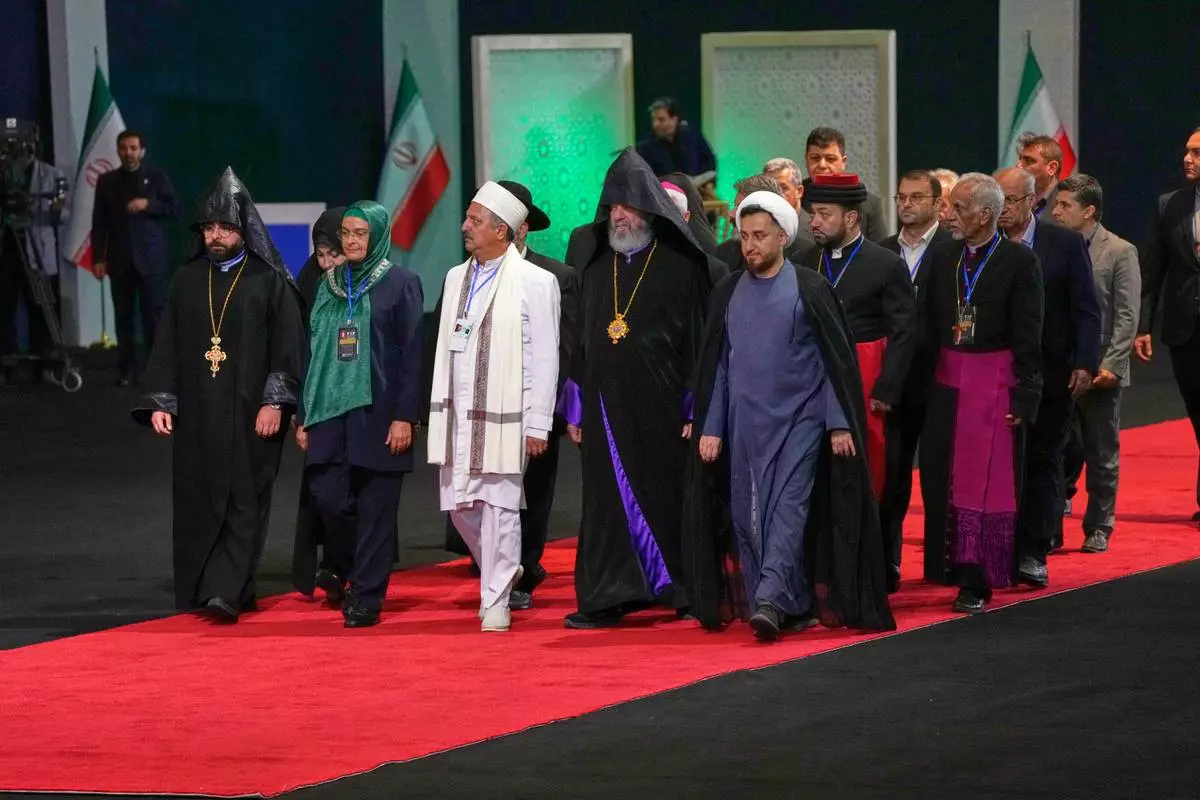
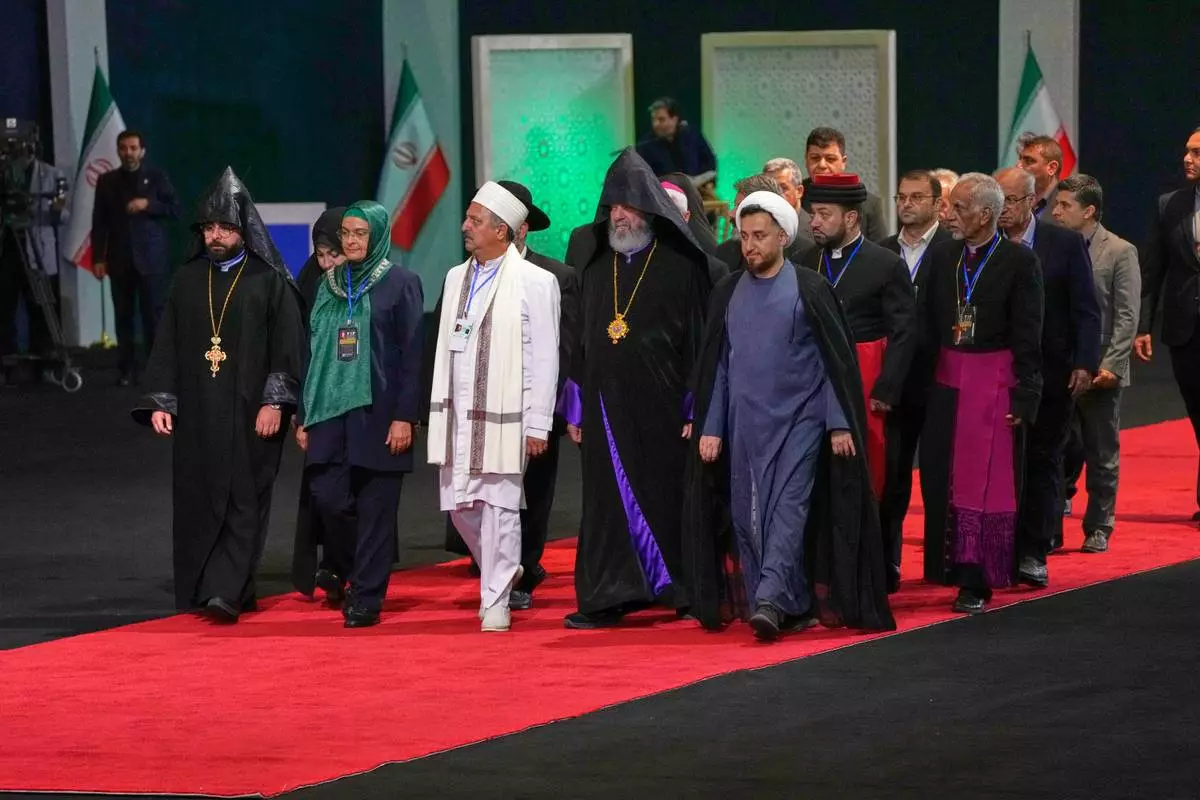
Iranian religious leaders and other mourners walk past the coffins of slain Iranian Supreme Leader Ayatollah Ali Khamenei and members of his family during a viewing ceremony ahead of the dayslong funeral ceremonies at the Imam Khomeini Mosalla Grand Mosque in Tehran, Iran, Friday, July 3, 2026. (AP Photo/Vahid Salemi) CORRECTION : The religious leaders are Iranian, not foreigners

Iranian religious leaders and other mourners walk past the coffins of slain Iranian Supreme Leader Ayatollah Ali Khamenei and members of his family during a viewing ceremony ahead of the dayslong funeral ceremonies at the Imam Khomeini Mosalla Grand Mosque in Tehran, Iran, Friday, July 3, 2026. (AP Photo/Vahid Salemi) CORRECTION : The religious leaders are Iranian, not foreigners

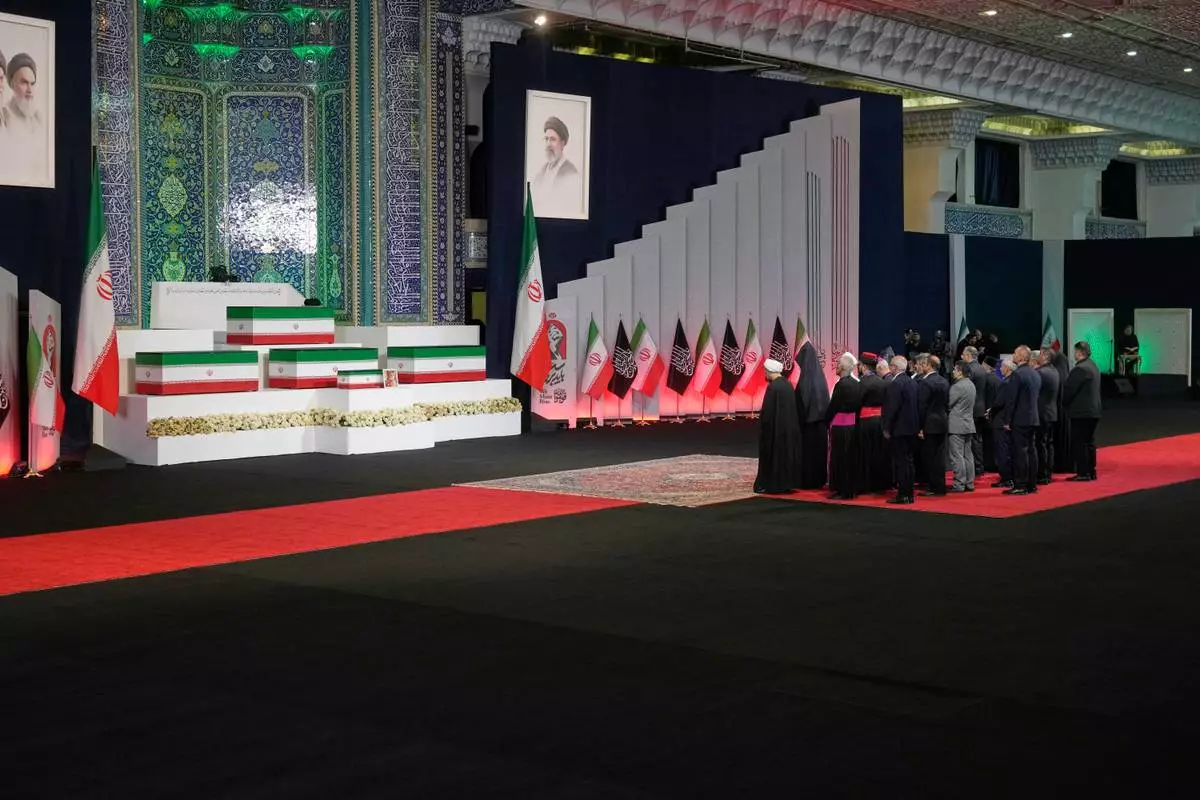
Iranian religious leaders and other mourners pay their respects before the coffins of slain Iranian Supreme Leader Ayatollah Ali Khamenei and members of his family during a viewing ceremony ahead of the dayslong funeral ceremonies at the Imam Khomeini Mosalla Grand Mosque in Tehran, Iran, Friday, July 3, 2026. (AP Photo/Vahid Salemi)

Iranian religious leaders and other mourners pay their respects before the coffins of slain Iranian Supreme Leader Ayatollah Ali Khamenei and members of his family during a viewing ceremony ahead of the dayslong funeral ceremonies at the Imam Khomeini Mosalla Grand Mosque in Tehran, Iran, Friday, July 3, 2026. (AP Photo/Vahid Salemi)

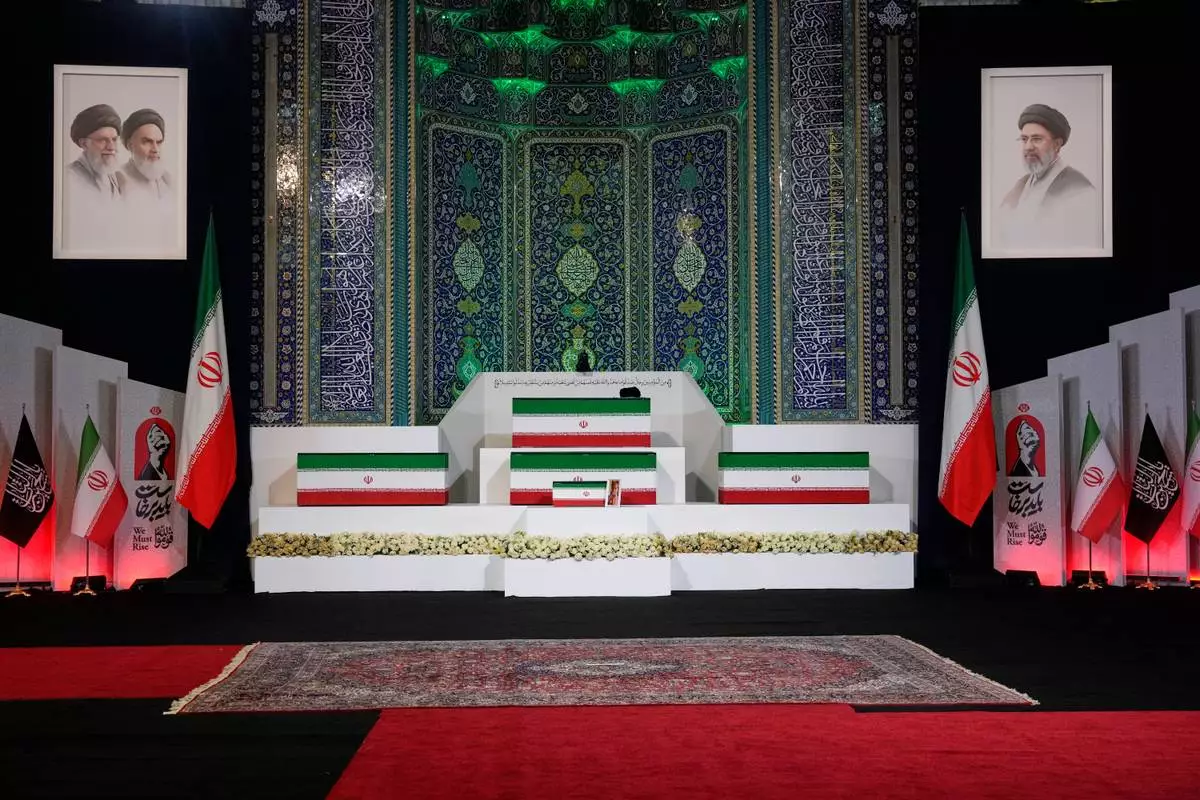
The coffins of slain Iranian Supreme Leader Ayatollah Ali Khamenei, center on top, and members of his family are displayed ahead of the dayslong funeral ceremonies at the Imam Khomeini Mosalla Grand Mosque in Tehran, Iran, Friday, July 3, 2026. (AP Photo/Vahid Salemi)

The coffins of slain Iranian Supreme Leader Ayatollah Ali Khamenei, center on top, and members of his family are displayed ahead of the dayslong funeral ceremonies at the Imam Khomeini Mosalla Grand Mosque in Tehran, Iran, Friday, July 3, 2026. (AP Photo/Vahid Salemi)

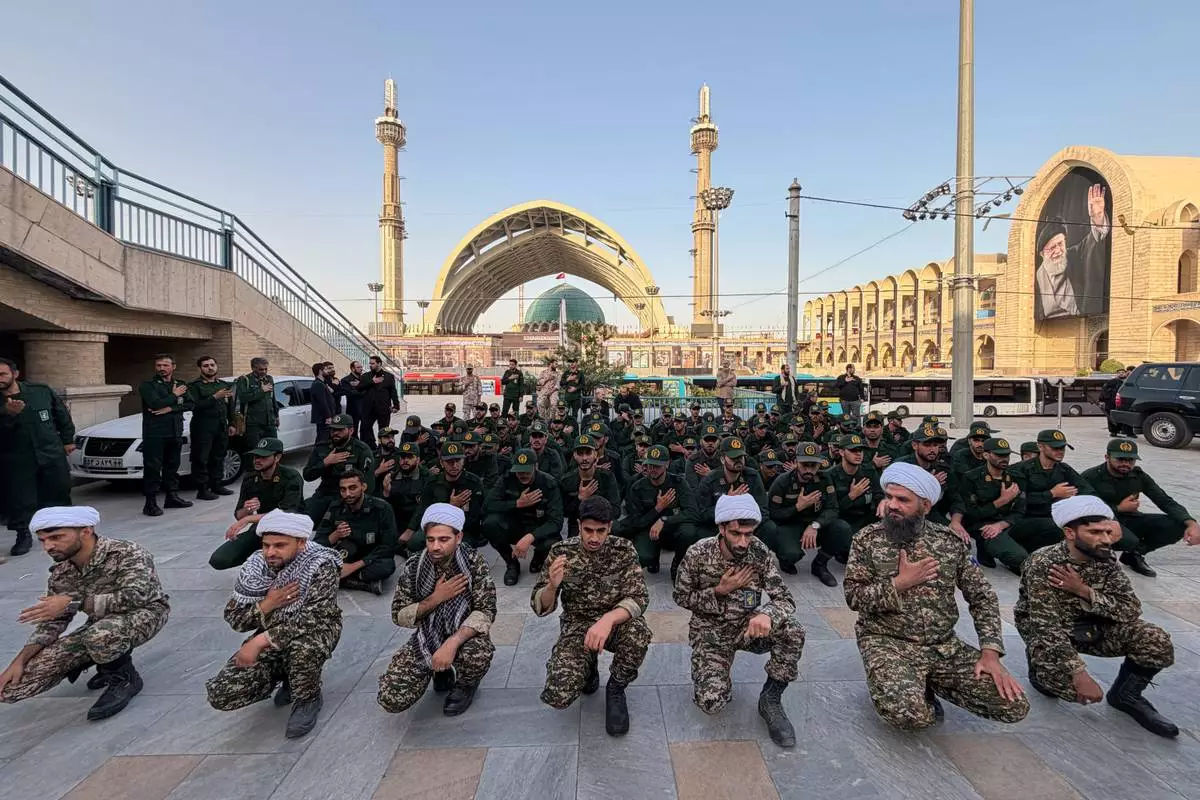
Revolutionary Guard members and clerics mourn on the esplanade of the Imam Khomeini Mosalla Grand Mosque as preparations are underway ahead of the dayslong funeral ceremonies for slain Iranian Supreme Leader Ayatollah Ali Khamenei in Tehran, Iran, Friday, July 3, 2026. (AP Photo/Vahid Salemi)

Revolutionary Guard members and clerics mourn on the esplanade of the Imam Khomeini Mosalla Grand Mosque as preparations are underway ahead of the dayslong funeral ceremonies for slain Iranian Supreme Leader Ayatollah Ali Khamenei in Tehran, Iran, Friday, July 3, 2026. (AP Photo/Vahid Salemi)

Foreign religious leaders and other mourners walk past the coffins of slain Iranian Supreme Leader Ayatollah Ali Khamenei and members of his family during a viewing ceremony ahead of the dayslong funeral ceremonies at the Imam Khomeini Mosalla Grand Mosque in Tehran, Iran, Friday, July 3, 2026. (AP Photo/Vahid Salemi)

Foreign religious leaders and other mourners walk past the coffins of slain Iranian Supreme Leader Ayatollah Ali Khamenei and members of his family during a viewing ceremony ahead of the dayslong funeral ceremonies at the Imam Khomeini Mosalla Grand Mosque in Tehran, Iran, Friday, July 3, 2026. (AP Photo/Vahid Salemi)

The casket of slain Iranian Supreme Leader Ayatollah Ali Khamenei's granddaughter, Zahra Mohammadi Golpayegani, is displayed alongside the caskets of Khamenei and other members of his family during a viewing ceremony ahead of the dayslong funeral ceremonies at the Imam Khomeini Mosalla Grand Mosque in Tehran, Iran, Friday, July 3, 2026. (AP Photo/Vahid Salemi)

The casket of slain Iranian Supreme Leader Ayatollah Ali Khamenei's granddaughter, Zahra Mohammadi Golpayegani, is displayed alongside the caskets of Khamenei and other members of his family during a viewing ceremony ahead of the dayslong funeral ceremonies at the Imam Khomeini Mosalla Grand Mosque in Tehran, Iran, Friday, July 3, 2026. (AP Photo/Vahid Salemi)

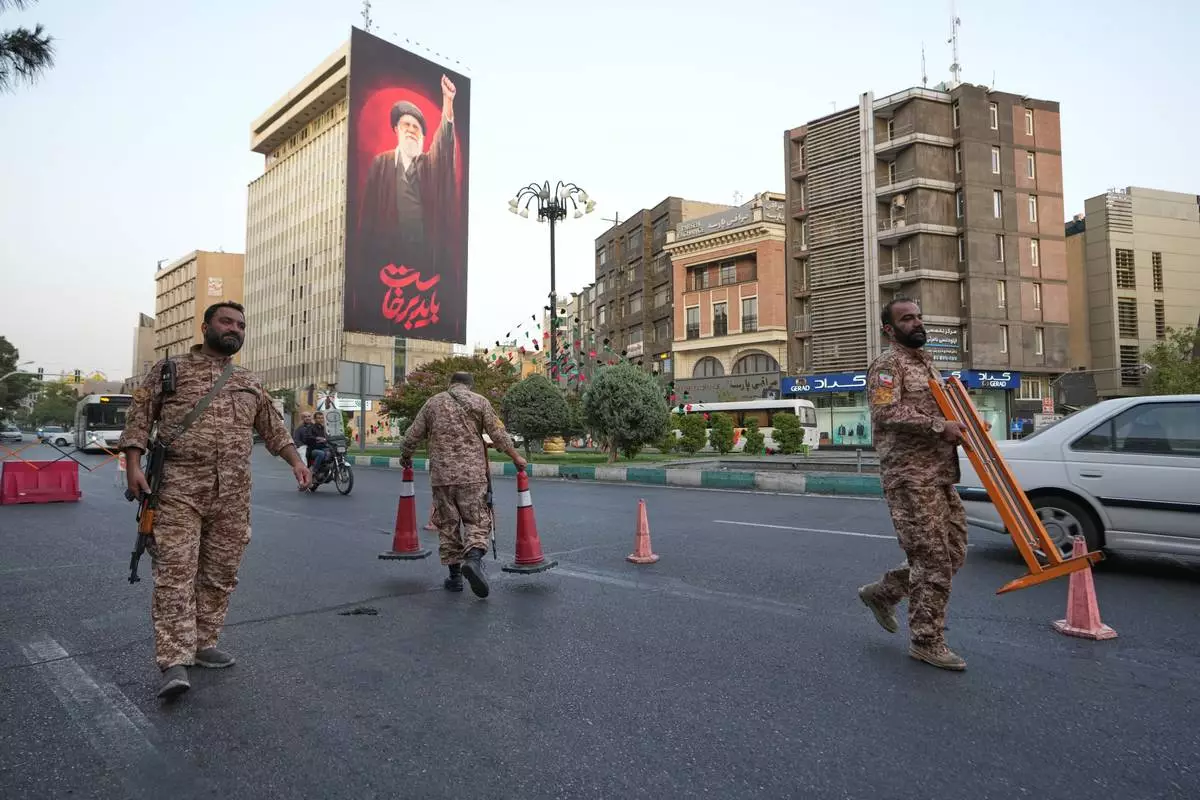
Iran's Basij paramilitary forces set up a checkpoint at a square ahead of the funeral ceremonies of slain Supreme Leader Ayatollah Ali Khamenei, shown at the billboard at rear, in Tehran, Iran, Thursday, July 2, 2026. (AP Photo/Vahid Salemi)

Iran's Basij paramilitary forces set up a checkpoint at a square ahead of the funeral ceremonies of slain Supreme Leader Ayatollah Ali Khamenei, shown at the billboard at rear, in Tehran, Iran, Thursday, July 2, 2026. (AP Photo/Vahid Salemi)

The coffin of slain Iranian Supreme Leader Ayatollah Ali Khamenei is carried into the Mosalla Grand Mosque ahead of his funeral ceremonies in Tehran, Iran, Friday, July 3, 2026. (AP Photo/Vahid Salemi)

The coffin of slain Iranian Supreme Leader Ayatollah Ali Khamenei is carried into the Mosalla Grand Mosque ahead of his funeral ceremonies in Tehran, Iran, Friday, July 3, 2026. (AP Photo/Vahid Salemi)

In this photo released by Iran's Supreme Leader's office, Iran's paramilitary Revolutionary Guard Gen. Ahmad Vahidi sits alongside Iran's Supreme Leader Ayatollah Ali Khamenei casket as it lies in a mourning hall adjacent to the Imam Khomeini Hussainiya within the Supreme Leader's compound before his funeral in Tehran, Iran, late Thursday, July 2, 2026. (Office of the Iranian Supreme Leader via AP)

In this photo released by Iran's Supreme Leader's office, Iran's paramilitary Revolutionary Guard Gen. Ahmad Vahidi sits alongside Iran's Supreme Leader Ayatollah Ali Khamenei casket as it lies in a mourning hall adjacent to the Imam Khomeini Hussainiya within the Supreme Leader's compound before his funeral in Tehran, Iran, late Thursday, July 2, 2026. (Office of the Iranian Supreme Leader via AP)

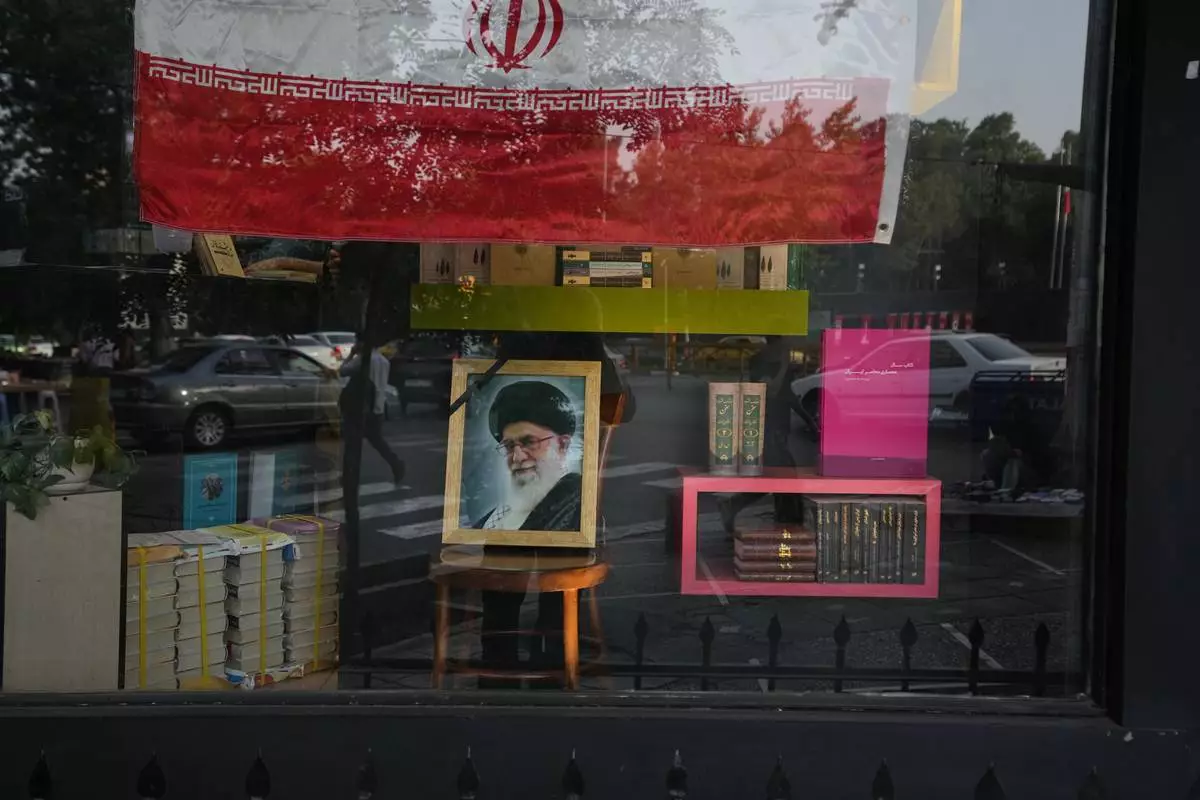
A portrait of slain Iranian Supreme Leader Ayatollah Ali Khamenei and an Iranian flag are displayed in the window of a book store ahead of Khamenei's funeral ceremonies, in Tehran, Iran, Thursday, July 2, 2026. (AP Photo/Vahid Salemi)

A portrait of slain Iranian Supreme Leader Ayatollah Ali Khamenei and an Iranian flag are displayed in the window of a book store ahead of Khamenei's funeral ceremonies, in Tehran, Iran, Thursday, July 2, 2026. (AP Photo/Vahid Salemi)

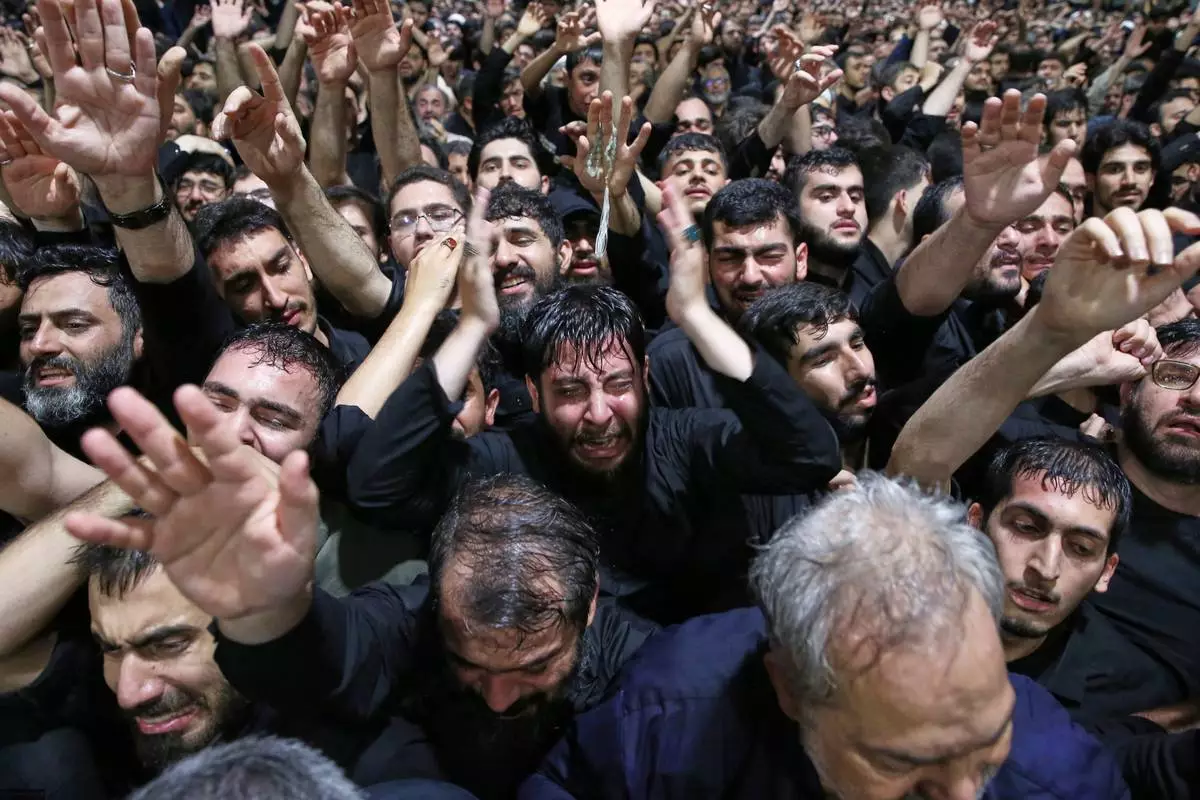
In this photo released by Iran's Supreme Leader's office, mourners react as they gather around the coffin of Iran's Supreme Leader Ayatollah Ali Khamenei as it lies in a mourning hall adjacent to the Imam Khomeini Hussainiya within the Supreme Leader's compound before his funeral in Tehran, Iran, late Thursday, July 2, 2026. (Office of the Iranian Supreme Leader via AP)

In this photo released by Iran's Supreme Leader's office, mourners react as they gather around the coffin of Iran's Supreme Leader Ayatollah Ali Khamenei as it lies in a mourning hall adjacent to the Imam Khomeini Hussainiya within the Supreme Leader's compound before his funeral in Tehran, Iran, late Thursday, July 2, 2026. (Office of the Iranian Supreme Leader via AP)

In this photo released by Iran's Supreme Leader's office, mourners gather around the coffin of Iran's Supreme Leader Ayatollah Ali Khamenei as it lies in a mourning hall adjacent to the Imam Khomeini Hussainiya within the Supreme Leader's compound before his funeral in Tehran, Iran, late Thursday, July 2, 2026. (Office of the Iranian Supreme Leader via AP)

In this photo released by Iran's Supreme Leader's office, mourners gather around the coffin of Iran's Supreme Leader Ayatollah Ali Khamenei as it lies in a mourning hall adjacent to the Imam Khomeini Hussainiya within the Supreme Leader's compound before his funeral in Tehran, Iran, late Thursday, July 2, 2026. (Office of the Iranian Supreme Leader via AP)

In this photo released by Iran's Supreme Leader's office, mourners gather around the coffin of Iran's Supreme Leader Ayatollah Ali Khamenei as it lies in a mourning hall adjacent to the Imam Khomeini Hussainiya within the Supreme Leader's compound before his funeral in Tehran, Iran, late Thursday, July 2, 2026. (Office of the Iranian Supreme Leader via AP)

In this photo released by Iran's Supreme Leader's office, mourners gather around the coffin of Iran's Supreme Leader Ayatollah Ali Khamenei as it lies in a mourning hall adjacent to the Imam Khomeini Hussainiya within the Supreme Leader's compound before his funeral in Tehran, Iran, late Thursday, July 2, 2026. (Office of the Iranian Supreme Leader via AP)

Recommended Articles