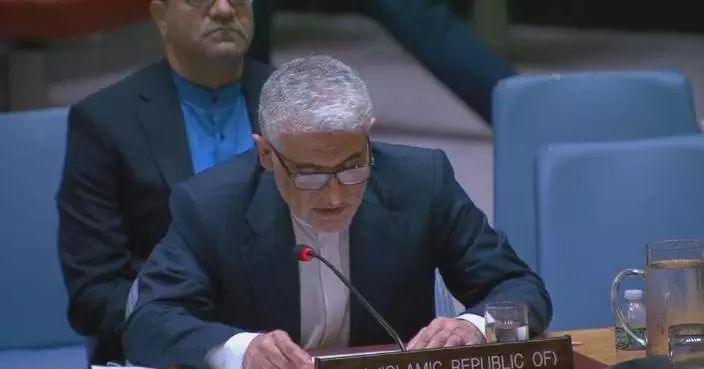
China called on all sides to avoid provocative words and military actions that could fuel further escalation, as the UN Security Council held an emergency meeting on Thursday amid renewed U.S.-Iran tensions.
Fu Cong, China's permanent representative to the United Nations, noted that a new round of tit‑for‑tat strikes between the United States and Iran had recently spilled over into targets in Bahrain and Kuwait.
He reiterated that China has always called on all parties to abide by the purposes and principles of the UN Charter, and rejects the use or threat of force in international relations.
Fu urged all parties to remain calm and exercise restraint, avoid threatening rhetoric and military adventurism, and refrain from any actions that could further escalate tensions.
He also stressed that the sovereignty, security, and territorial integrity of all countries in the Middle East should be respected, and that civilians and non‑military targets must be protected.
"China welcomes the launch of follow-up consultations on the memorandum of understanding between the United States and Iran, facilitated by Pakistan and Qatar, and the consensus reached on the next-phase negotiating mechanism. Facts have shown time and again that force and power politics cannot resolve issues — dialogue and negotiation are the only right path. With joint efforts from all sides, the conflict has finally turned toward dialogue. But the ceasefire remains fragile, and whether genuine peace can be achieved will depend on the continued efforts of all parties," said Fu.
Looking ahead, China has put forward three proposals.
First, consolidate the full ceasefire. The U.S. and Iran should show maximum sincerity, faithfully implement the memorandum of understanding, maintain the momentum of negotiations, and work toward an early comprehensive agreement acceptable to both sides, countries in the region, and the international community.
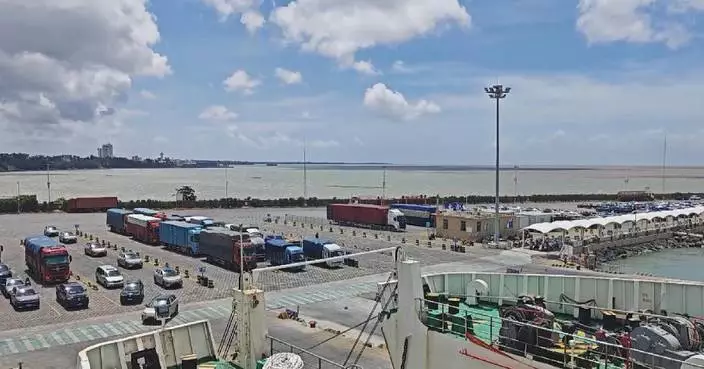
Second, restore normal navigation through the Strait of Hormuz as soon as possible. Safe and free passage is vital for global supply chain stability and serves the common interests of the region and beyond.
Third, improve relations among countries in the region. The Middle East, including the Gulf, should no longer be an arena for great power rivalry or a victim of geopolitical maneuvering.
China will continue to work with the international community to play a constructive role in advancing political solutions to regional flashpoints and upholding peace and stability in the Middle East, Fu said.
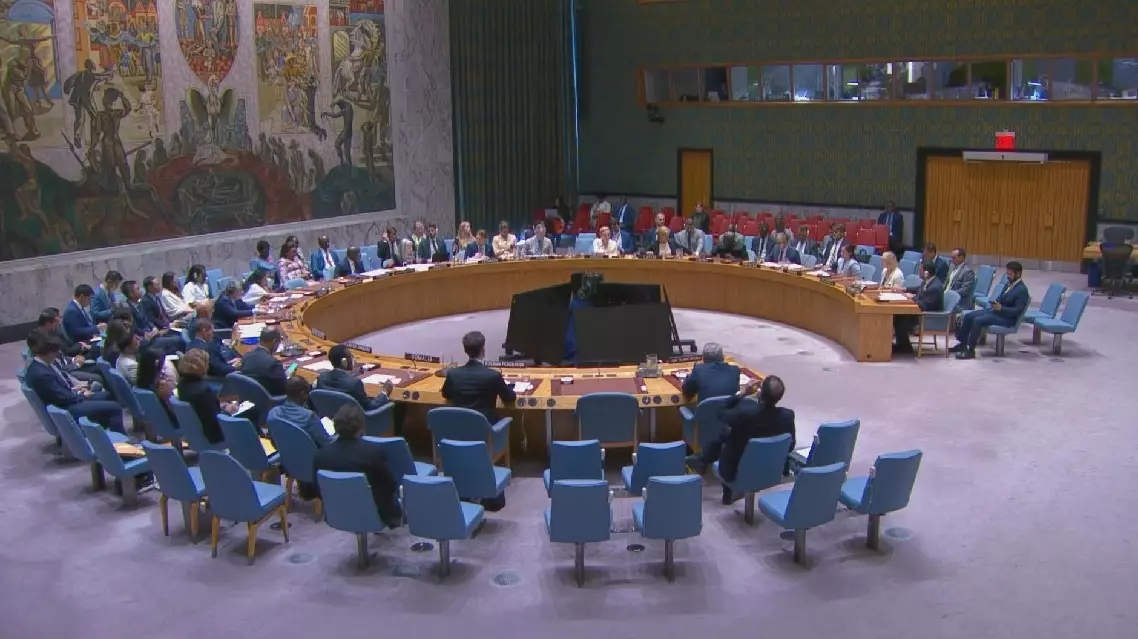
China calls on all parties to avoid escalating tensions in Middle East