QUETTA, Pakistan (AP) — A speeding, overcrowded passenger bus plunged from a highway into a rocky ravine in southwestern Pakistan early Friday, killing 40 people and injuring eight others in one of the deadliest road accidents in recent years, officials said.
The bus went out of control and fell into the ravine in Dana Sar, a remote area near the border of Balochistan and Khyber Pakhtunkhwa provinces, Shahid Rind, a spokesperson for the Balochistan government, said.
Click to Gallery
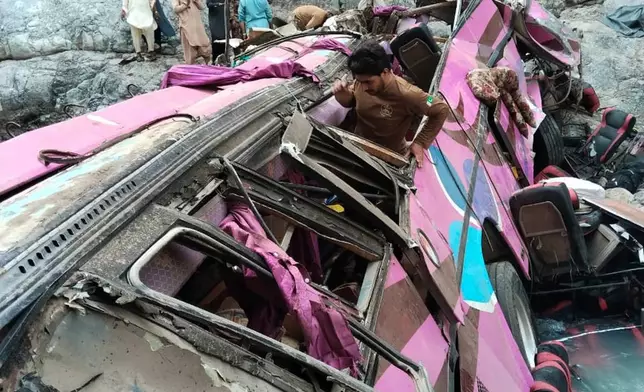
In this photo released by Balochistan Emergency Services Department, soldiers and volunteers take part in a rescue work at the site of an overcrowded passenger bus plunged from a highway into a rocky ravine, in Dana Sar, a remote area near the border of Balochistan and Khyber Pakhtunkhwa provinces, in southwestern Pakistan, Friday, July 3, 2026. (Balochistan Emergency Services Department via AP)
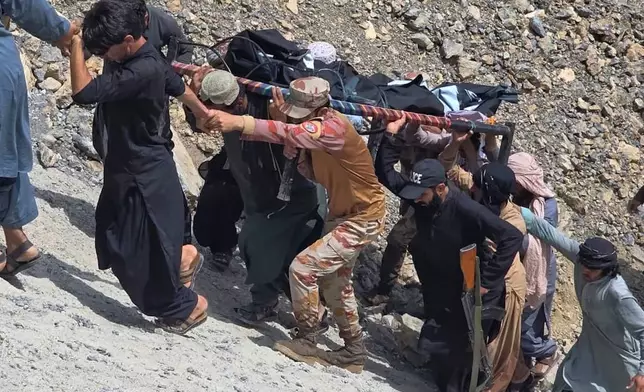
Soldiers and volunteers transport a body after recovering him as an overcrowded passenger bus plunged from a highway into a rocky ravine, in Dana Sar, a remote area near the border of Balochistan and Khyber Pakhtunkhwa provinces, in southwestern Pakistan, Friday, July 3, 2026. (AP Photo/Zain Ullah)
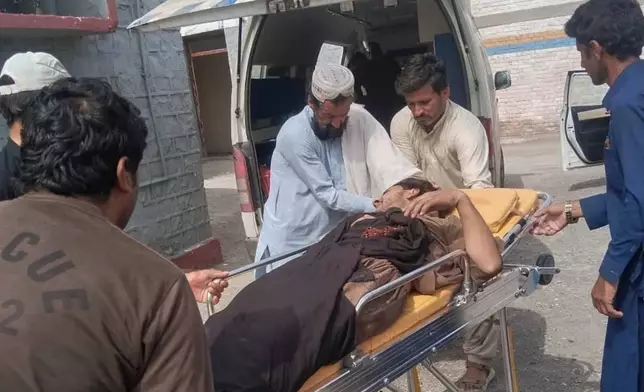
Rescue workers and volunteers transport an inured victim at a hospital after an overcrowded passenger bus plunged from a highway into a rocky ravine, in Dana Sar, a remote area near the border of Balochistan and Khyber Pakhtunkhwa provinces, in southwestern Pakistan, Friday, July 3, 2026. (AP Photo/Zain Ullah)
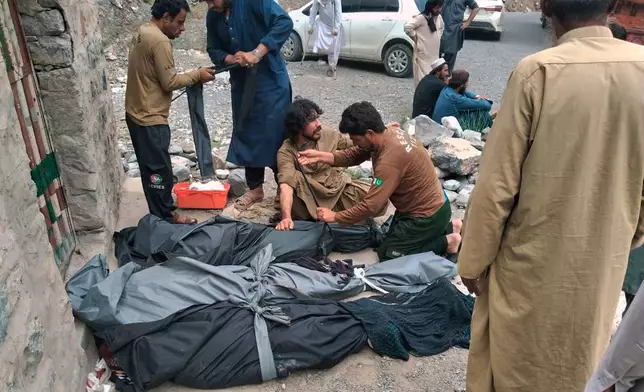
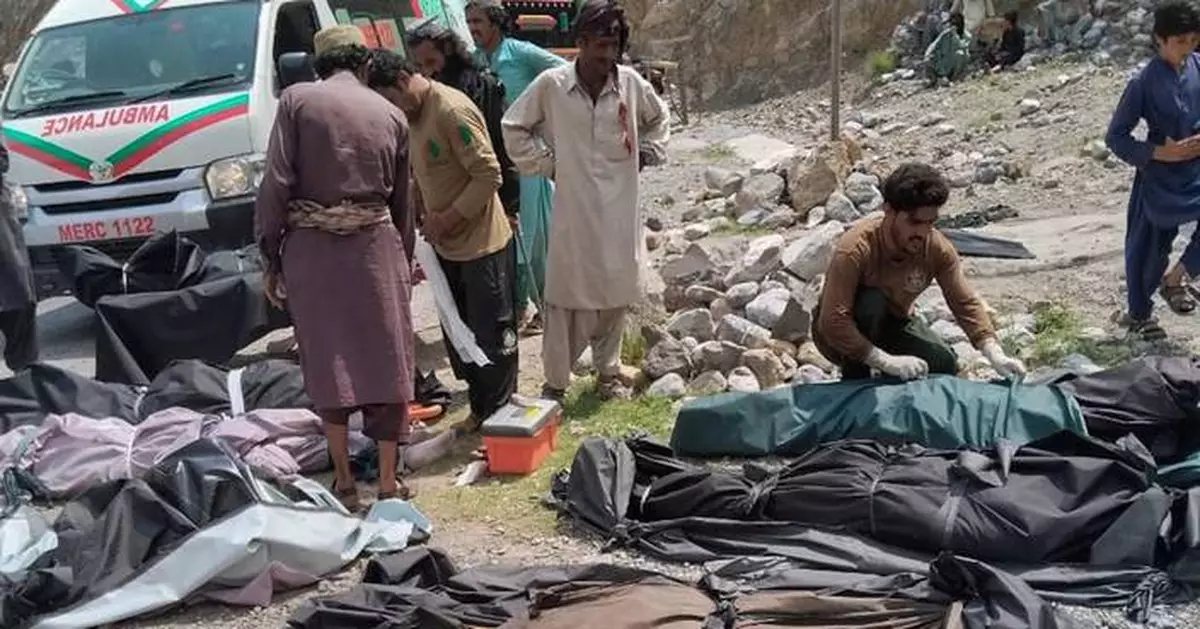
Rescue workers and volunteers cover bodies after recovering them after an overcrowded passenger bus plunged from a highway into a rocky ravine, in Dana Sar, a remote area near the border of Balochistan and Khyber Pakhtunkhwa provinces, in southwestern Pakistan, Friday, July 3, 2026. (AP Photo/Zain Ullah)
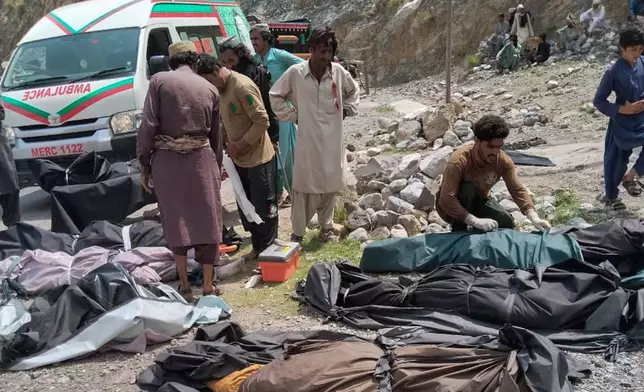
Rescue workers and volunteers cover bodies after recovering them after an overcrowded passenger bus plunged from a highway into a rocky ravine, in Dana Sar, a remote area near the border of Balochistan and Khyber Pakhtunkhwa provinces, in southwestern Pakistan, Friday, July 3, 2026. (AP Photo/Zain Ullah)
He said the bus was carrying not only its own passengers but also those from another bus that had broken down, leaving the vehicle overcrowded. Rind said rescuers were working to identify those killed in the crash.
One of the injured survivors told local media from his hospital bed that some passengers protested after the driver stopped to pick up people from the other bus. He said an argument followed, during which one passenger allegedly grabbed the driver by the neck. Moments later, the driver lost control of the bus, which fell into the ravine.
The account could not be independently verified and police said they were investigating.
News of the crash triggered a wave of grief across Pakistan as relatives frantically called emergency services, hospitals and local police seeking information about their loved ones.
Reaching the wreckage proved difficult as emergency workers, backed by paramilitary forces, climbed down a steep mountainside to the ravine up to 25 meters (80 feet) deep. Several hours later, rescuers carried the injured on stretchers and recovered the dead in makeshift carts, painstakingly hauling them back up the rugged slope, official Noor Zaman said.
In the northwestern city of Peshawar, Nasir Khan said his brother last night had called from Quetta to say he was on his way home on the bus that crashed early Friday. When he failed to arrive as expected, the family feared the worst. Khan said he had been desperately trying to reach authorities for information about his brother’s fate.
A regional government administrator, Hazrat Wali Kakar, said rescuers transported the injured and dead to nearby hospitals. Most of the casualties were identified through documents but three bodies remained unidentified. he said.
Rescue officials said the bus was carrying 48 passengers when it crashed.
President Asif Ali Zardari expressed sorrow over the crash and offered condolences to the victims' families.
Road accidents are common in Pakistan because of poor road conditions, inadequate enforcement of traffic laws and unsafe driving practices, particularly in mountainous areas. In May, a minibus rammed into a bus parked along a motorway in northwest Pakistan, killing 17 people and injuring five others.
Khan reported from Peshawar. Associated Press writer Rasool Dawar in Peshawar, Pakistan, contributed to this report.
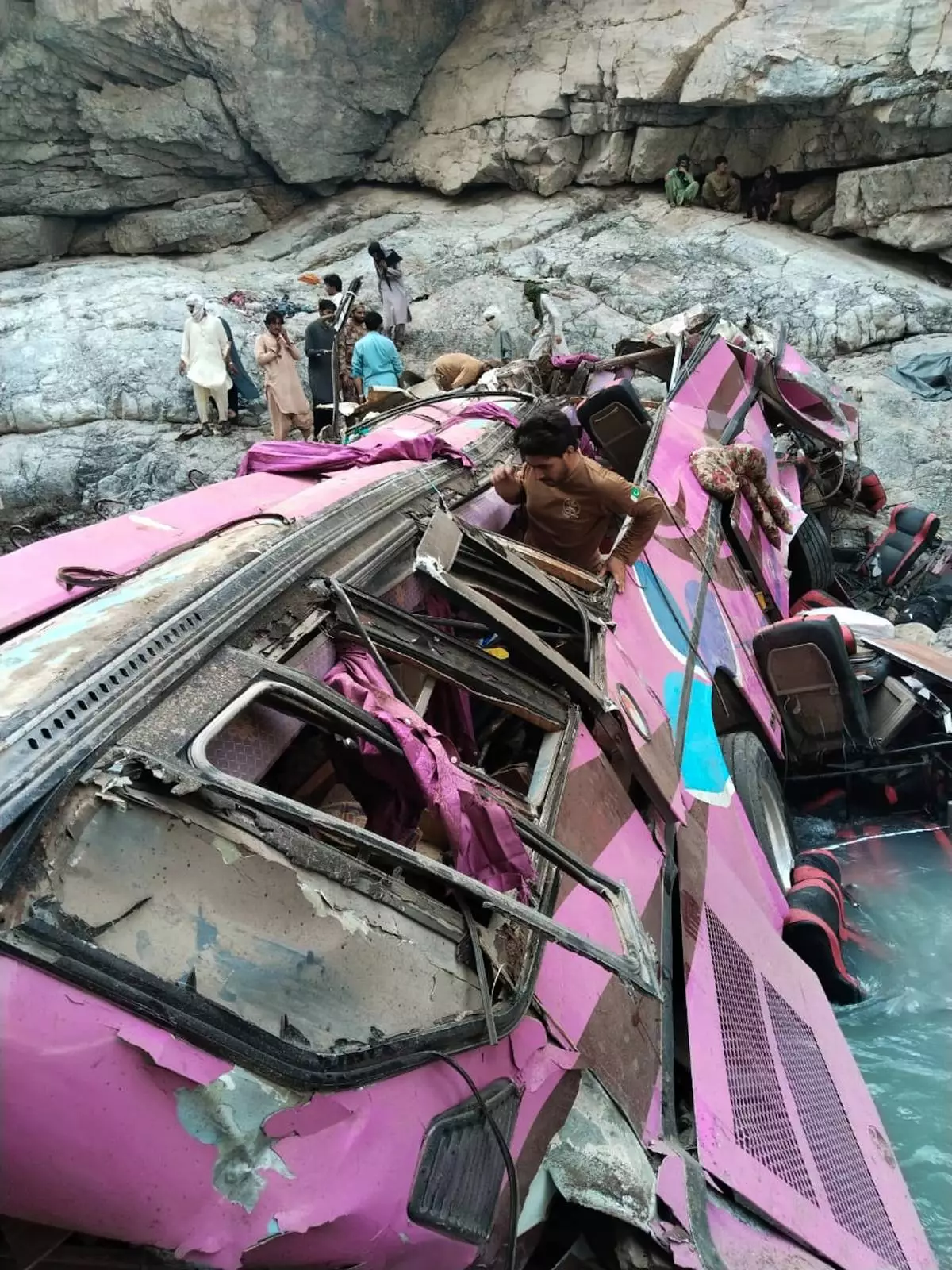
In this photo released by Balochistan Emergency Services Department, soldiers and volunteers take part in a rescue work at the site of an overcrowded passenger bus plunged from a highway into a rocky ravine, in Dana Sar, a remote area near the border of Balochistan and Khyber Pakhtunkhwa provinces, in southwestern Pakistan, Friday, July 3, 2026. (Balochistan Emergency Services Department via AP)
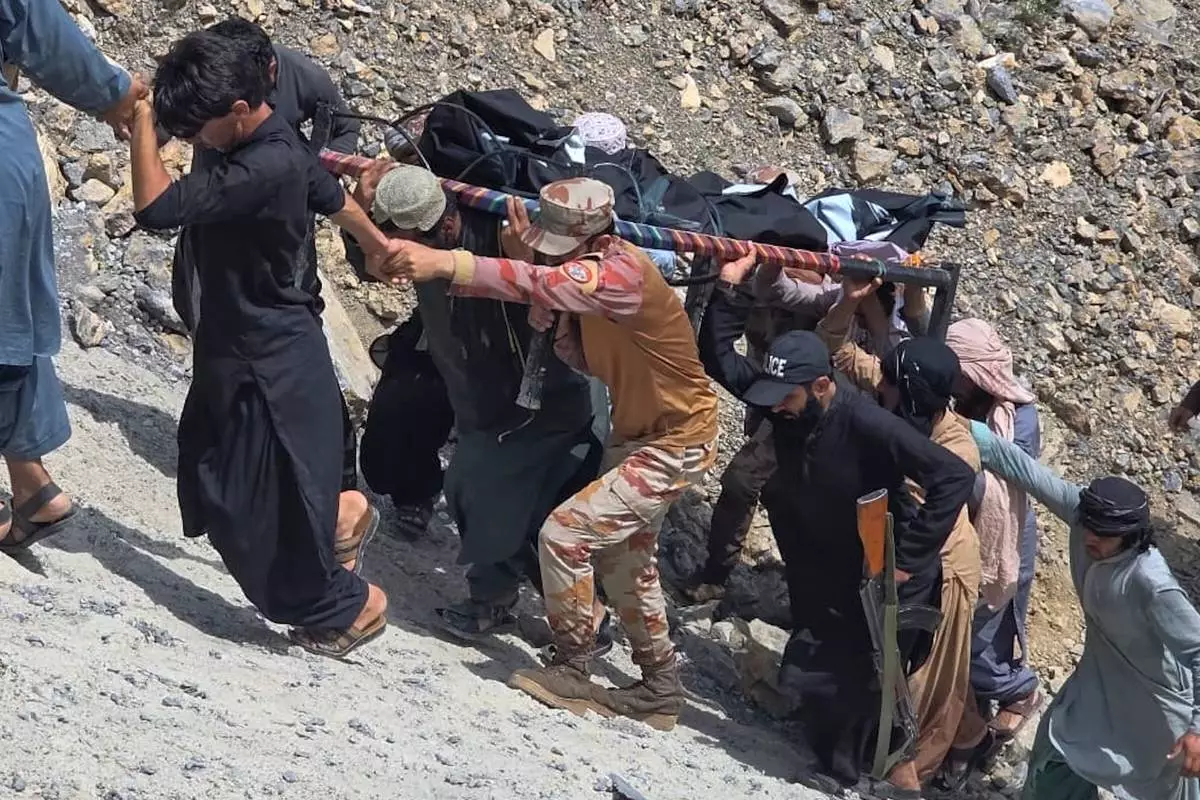
Soldiers and volunteers transport a body after recovering him as an overcrowded passenger bus plunged from a highway into a rocky ravine, in Dana Sar, a remote area near the border of Balochistan and Khyber Pakhtunkhwa provinces, in southwestern Pakistan, Friday, July 3, 2026. (AP Photo/Zain Ullah)
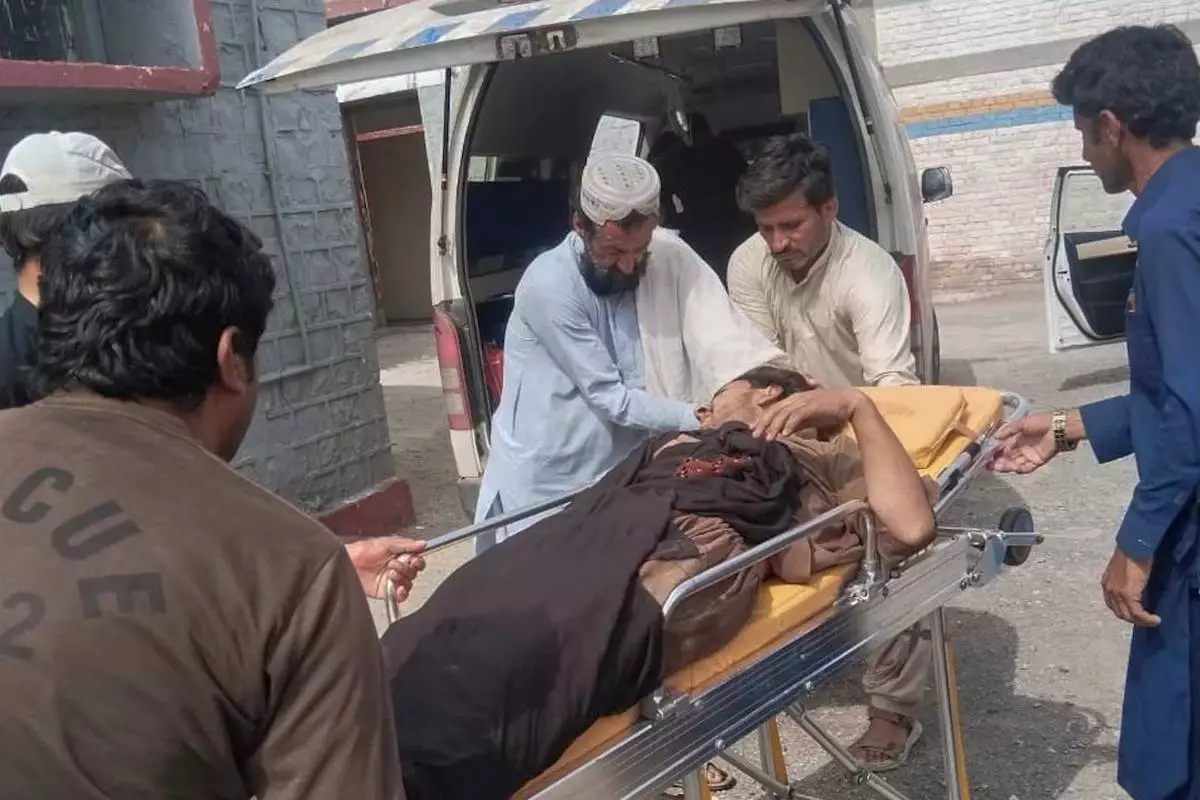
Rescue workers and volunteers transport an inured victim at a hospital after an overcrowded passenger bus plunged from a highway into a rocky ravine, in Dana Sar, a remote area near the border of Balochistan and Khyber Pakhtunkhwa provinces, in southwestern Pakistan, Friday, July 3, 2026. (AP Photo/Zain Ullah)
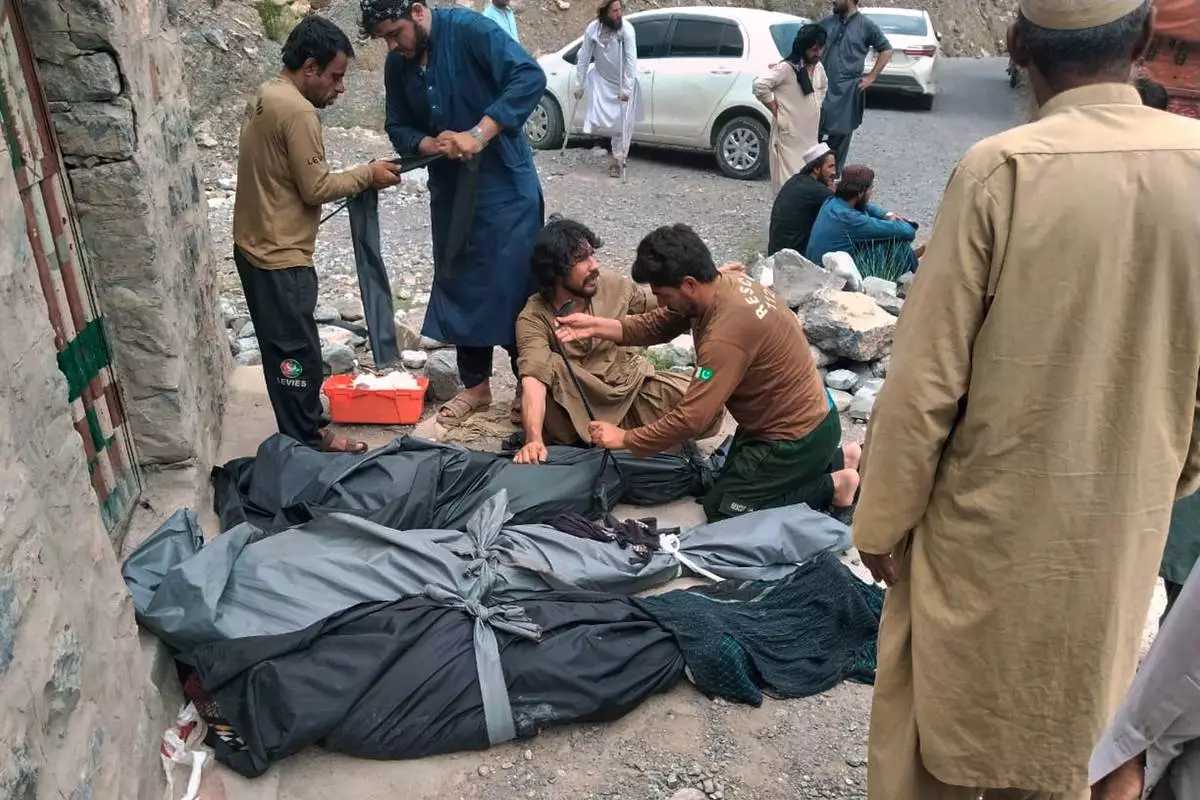
Rescue workers and volunteers cover bodies after recovering them after an overcrowded passenger bus plunged from a highway into a rocky ravine, in Dana Sar, a remote area near the border of Balochistan and Khyber Pakhtunkhwa provinces, in southwestern Pakistan, Friday, July 3, 2026. (AP Photo/Zain Ullah)
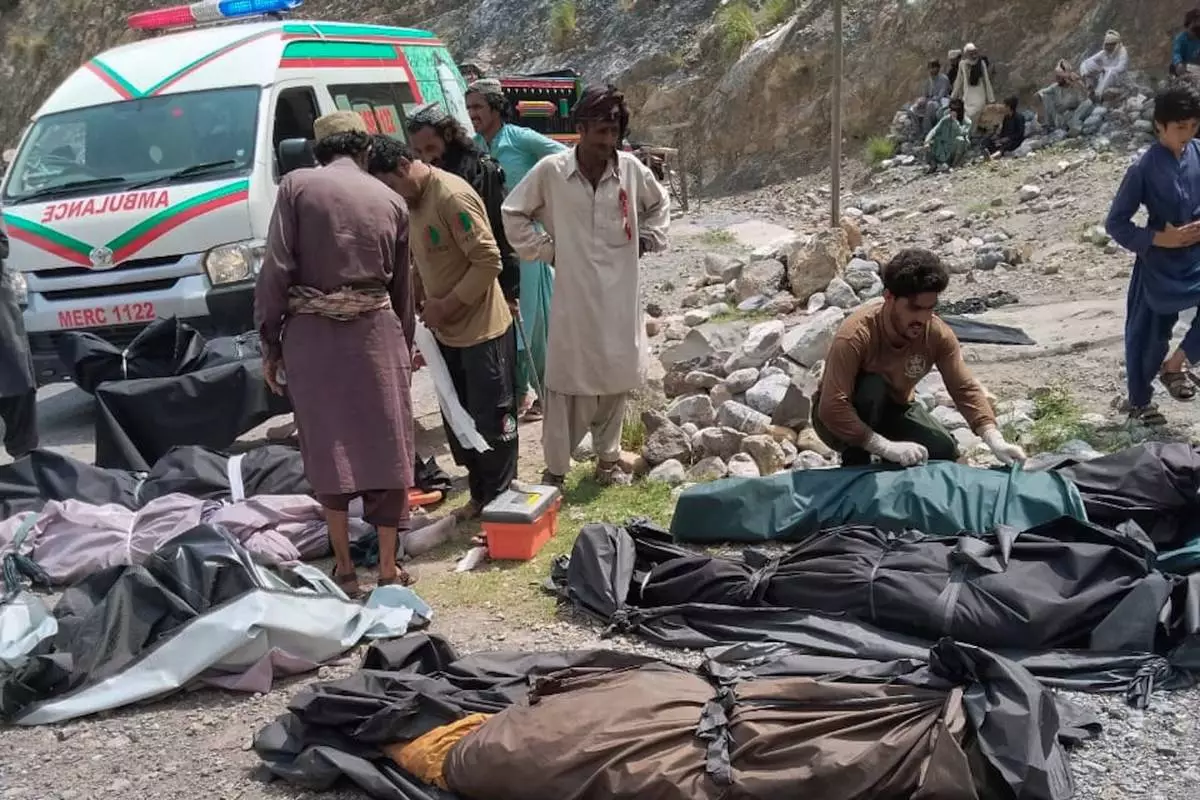
Rescue workers and volunteers cover bodies after recovering them after an overcrowded passenger bus plunged from a highway into a rocky ravine, in Dana Sar, a remote area near the border of Balochistan and Khyber Pakhtunkhwa provinces, in southwestern Pakistan, Friday, July 3, 2026. (AP Photo/Zain Ullah)