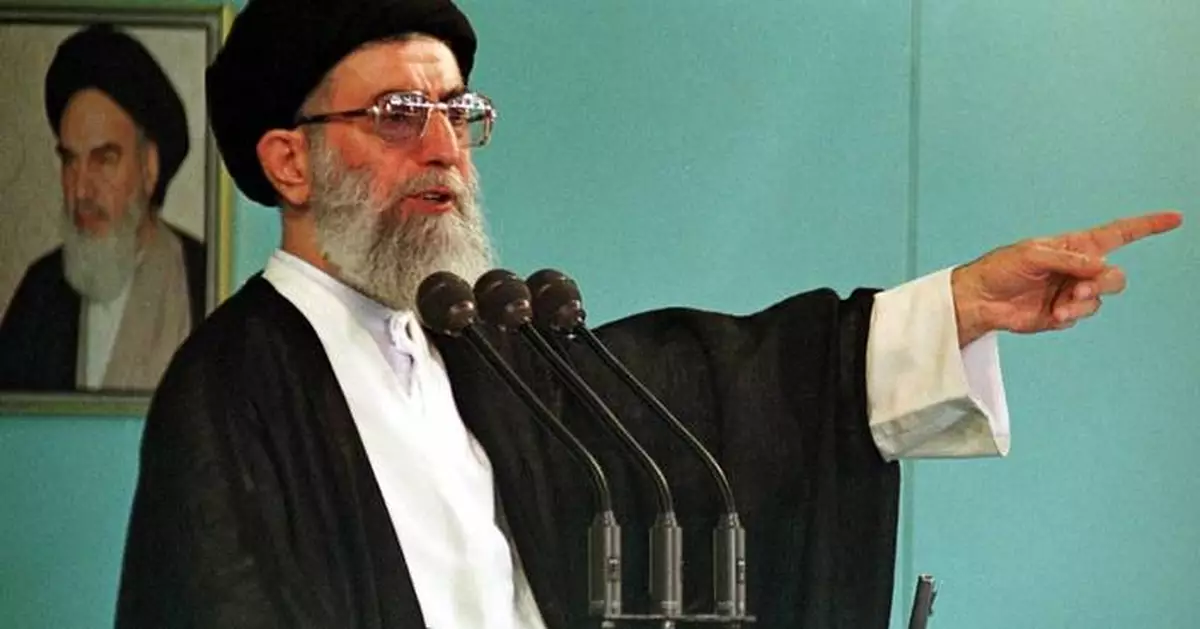
DUBAI, United Arab Emirates (AP) — Ayatollah Ali Khamenei dramatically remolded Iran during more than three decades as supreme leader, turning it into a regional powerhouse and bringing it increasingly into confrontation with Israel and the United States.
His dayslong funeral begins Saturday, months after being killed at the start of the U.S.-Israeli war in Iran.
Khamenei took the reins after the death in 1989 of Ayatollah Ruhollah Khomeini, the fiery ideologue who led the overthrow of the shah and installed rule by Shiite Muslim clerics. It fell to Khamenei, a stodgier figure with weaker religious credentials, to turn that revolutionary vision into a state establishment.
He supported myriad armed groups in the Middle East, pushed ahead with Iran’s nuclear program, and faced down several protest movements with crackdowns. While his clashes with the U.S. and Israel were a source of support at home, they ultimately led to his demise.
After the 1980s war with Iraq, Khamenei turned the paramilitary Revolutionary Guard into the most important body underpinning his rule. The Guard became a military and business behemoth, the country’s most elite force, with hands across Iran’s economic sectors.
Under Khamenei’s reign, Iran also shifted fully from conventional warfare to support for proxies, building the “Axis of Resistance.”
That included backing the Lebanese militant group Hezbollah, which drove Israel from southern Lebanon in 2000 and has battled Israeli forces repeatedly since.
Iran has also supported Yemen’s Houthi rebels, who in 2014 seized the country’s capital and held on for over a decade in a stalemated war, and the Palestinian militant group Hamas, which has fought Israel in the Gaza Strip. Iranian-backed militias also waged an insurgency against U.S. forces in Iraq.
The Mideast wars sparked by Hamas’ Oct. 7, 2023, attack on Israel, however, set in motion the collapse of that “Axis of Resistance," and left Hamas and Hezbollah weaker.
For decades, Khamenei shrugged off U.N. sanctions and pushed ahead with Iran’s nuclear program, which the U.S. and its allies say hid a secret project to build a nuclear weapon up until 2003.
Khamenei issued a verbal fatwa, or religious ruling, that nuclear weapons are un-Islamic, but vowed the country would never give up its right to develop what he called a peaceful nuclear energy program.
Under a 2015 nuclear deal, Iran agreed to drastically reduce its stockpile and enrichment of uranium in exchange for the lifting of sanctions. But since U.S. President Donald Trump withdrew Washington from the accord in 2018, a move welcomed by Israel, Iran has accumulated a stockpile of uranium enriched to nearly weapons-grade levels. Israel and some U.S. officials have expressed concern that Tehran could us that to pursue nuclear arms if it chose.
Both the U.S.-Israeli bombing in 2025 and the current war have targeted Iran's nuclear program.
Political repression and Iran's faltering economy have fueled successively bigger waves of protests.
In 2009, protests broke out when the reformist opposition claimed the reelection victory of hard-line President Mahmoud Ahmadinejad was rigged. Dozens were killed and hundreds arrested in a crackdown.
Economic protests broke out in 2017 and demonstrations escalated in 2019 over a rise in government-set gasoline prices. A crackdown killed over 300 people, according to activists.
Protests erupted again in 2022 over the death of Mahsa Amini, a young woman detained for not wearing her headscarf properly. More than 500 people were killed and tens of thousands arrested when security forces crushed the demonstrations.
In late 2025, economic protests erupted and grew into what appeared to be the biggest protest movement ever. Hundreds of thousands across the country took to the streets, demanding an end to the Islamic Republic. The ferocity of the crackdown — activists say at least 7,000 have been killed — stunned Iranians.
Khamenei’s death raises questions about the future of the Islamic Republic. Khamenei’s son, Ayatollah Mojtaba Khamenei, was chosen as the next supreme leader. But he was believed to have been wounded in the strikes that killed his father and has not been seen publicly.
As Trump launched the current war, he called on Iranians to “take over your government. ” There has been no sign yet of any such uprising, however, as hard-liners have rallied nightly in the streets of Tehran.
What happens after the burial of the elder Khamenei may depend greatly on bodies like the Revolutionary Guard, which has repeatedly shown its willingness to use overwhelming force to maintain power.
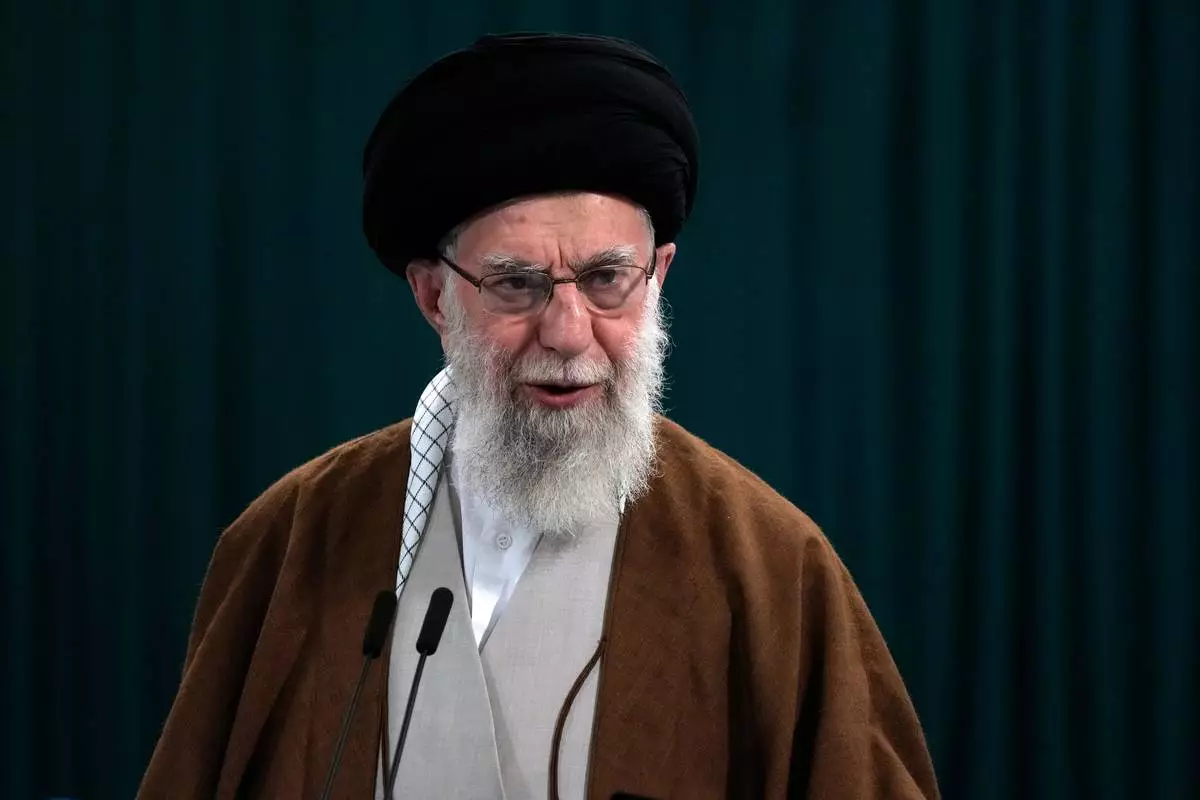
FILE - Ayatollah Ali Khamenei, then Iran's supreme leader, speaks with the media after he voted in parliamentary runoff elections in Tehran, Iran, May 10, 2024. (AP Photo/Vahid Salemi, File)
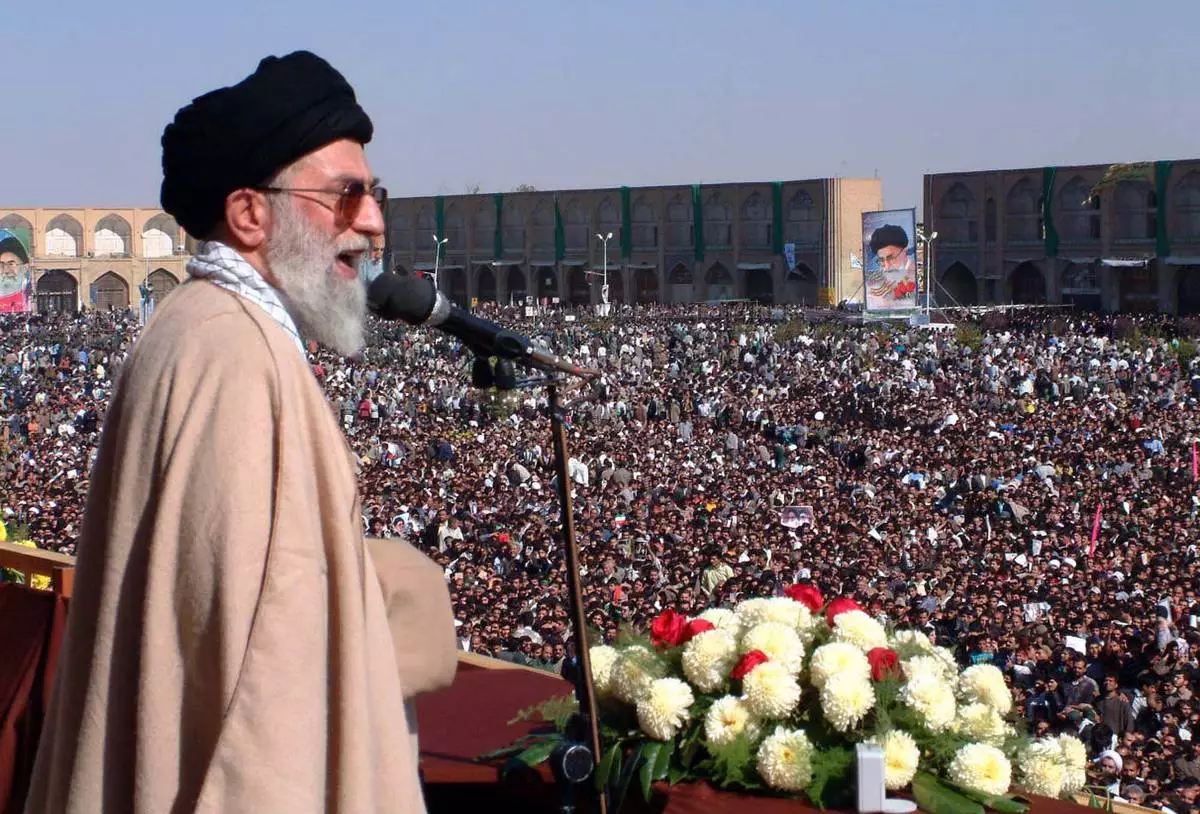
FILE - Ayatollah Ali Khamenei, then Iran's supreme leader, addresses thousands gathered at Imam Square in Isfahan, Iran, Oct. 30, 2001. (AP Photo, File)
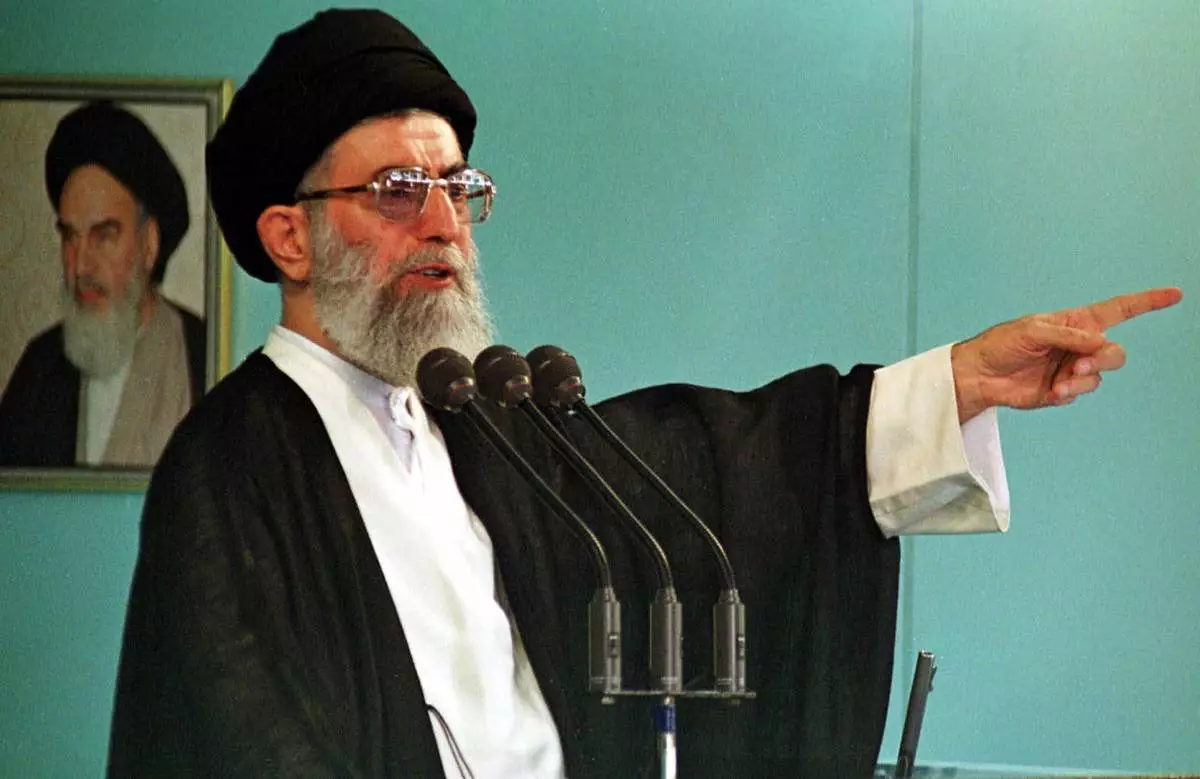
FILE - Ayatollah Ali Khamenei, then Iran's supreme leader, speaks during Friday prayers at Tehran University, July 30, 1999. (AP Photo/Kamran Jebreili)
NEW YORK (AP) — The U.S. Justice Department and 17 states reached settlement agreements with three major egg producers this week to resolve allegations that the companies illegally colluded for years to raise prices, including when the cost soared to record highs last year.
The states and federal government accused Cal-Maine Foods, Versova and Hickman’s Egg Ranch of a behind-the-scenes arrangement to “artificially inflate the daily price quotations for eggs" between June 2022 and March 2025. In particular, their investigation found that the companies coordinated on what bids they would submit to Urner Barry Publications, a company that runs an index key to determining how much grocery stores, restaurants and others pay for billions of eggs each year.
In turn, that meant “higher prices for eggs sold to consumers,” alleged the complaint, which was filed in Iowa on Monday, the day the settlement terms were announced.
“When powerful corporations collude behind the scenes to raise prices, working families suffer the costs,” New York Attorney General Letitia James, who helped lead the investigation, said in a statement. “These egg producers manipulated the market to squeeze even more profit out of consumers and businesses."
None of the companies admitted wrongdoing under the settlements. But to settle the states' claims, Cal-Maine, Versova and Hickman's will collectively be on the hook for $3.3 million and 53 million eggs, James and others said. Those eggs would be donated by the companies and make their ways to food banks and nonprofits. The money will be distributed to the states.
The Justice Department and the states also outlined actions the companies will need to take, including adopting antitrust compliance programs and banning communicating with competitors on pricing and bidding strategies.
The settlements would still need court approval. The Justice Department's Omeed A. Assefi said Tuesday that the proposed settlements “resolve years of conduct that dragged on Americans’ finances and their everyday lives.”
Average U.S. egg prices soared to a record high of about $6.23 per dozen in March 2025, amid a bird flu epidemic that forced farmers to slaughter millions of egg-laying chickens. Egg producers blamed price spike on the outbreak, but critics accused big companies of taking advantage of their market dominance and the government began its investigation.
Monday’s complaint notes that price quotations “dropped significantly” after Cal-Maine, Versova and Hickman’s learned of the Justice Department’s investigation and were instructed to preserve documents in March 2025. Consumer egg prices also later tumbled — to under $2.20 per dozen as of May 2026 — as replenished flocks caught up despite the ongoing outbreak.
Cal-Maine maintained Monday that allegations of price manipulation were “baseless” and that it believes its conduct has been legal. It also noted that while it was part of a cooperative with the other egg producers, it left the group in May 2024.
Still, Cal-Maine CEO Sherman Miller said the company's settlement agreement “enables us to move forward so we can devote our full attention to what matters most: delivering affordable, high-quality eggs and egg-based prepared foods to consumers nationwide.”
Miller added the period the Justice Department reviewed “was a particularly challenging time” — noting that, beyond avian flu, the COVID-19 pandemic, weather and other market conditions have contributed to temporary supply shocks and high prices in recent years. He said Cal-Maine “took numerous steps to protect and grow its hen flock” in that time.
Versova echoed a similar sentiment, particularly pointing to the toll the bird flu has had on its farmers, who it noted “don’t set the wholesale price of eggs.” Instead, Versova said the price of most of its eggs depends on cost fluctuations of grain used in hen feeds.
Meanwhile, Hickman's owner Mantiqueira USA, which acquired the egg producer in November, said the “conduct referenced in the complaint predates our acquisition," noting that it is committed to complying with the law.
Some advocacy groups say the proposed settlements aren't enough.
“Consumers paid record prices while dominant egg producers reported extraordinary profits, yet the result is another settlement that corporations can treat as the cost of doing business rather than meaningful accountability,” said Angela Huffman, president of Farm Action.
Cal-Maine — the only of the three companies that is public and reports quarterly financials — reported a profit of $1.22 billion for the 2025 fiscal year. Under its settlement agreement with the states, the company would pay $1.5 million and donate 30 million eggs.
Meanwhile, per court documents, Versova would provide 20 million eggs and $800,000, and Hickman's would be on the hook for 3.25 million eggs and $1 million.
In addition to New York, these states were party to the settlement agreements: Arizona, California, Colorado, Connecticut, Florida, Hawaii, Iowa, Maryland, Minnesota, North Carolina, Ohio, Pennsylvania, Texas, Utah, Vermont, and Wisconsin.
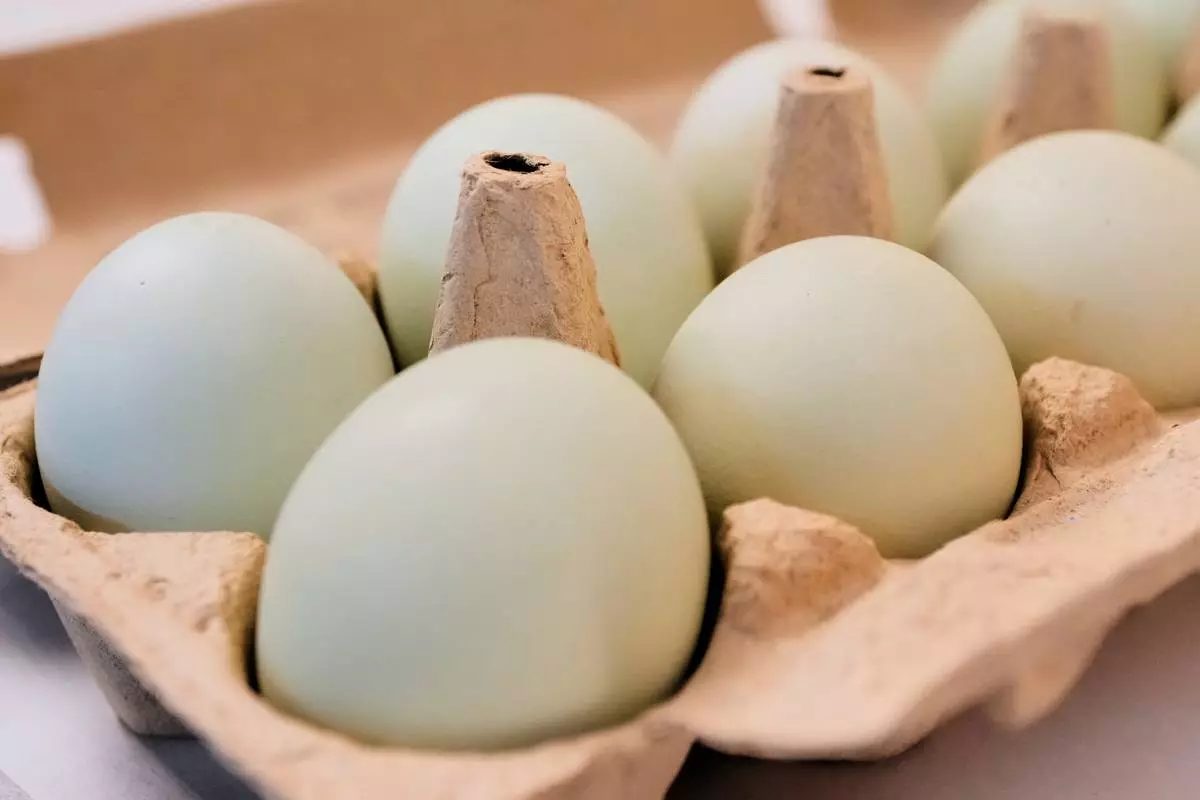
FILE - A carton of eggs is pictured in Farmers Branch, Texas, on Oct. 21, 2025. (AP Photo/Tony Gutierrez, File)
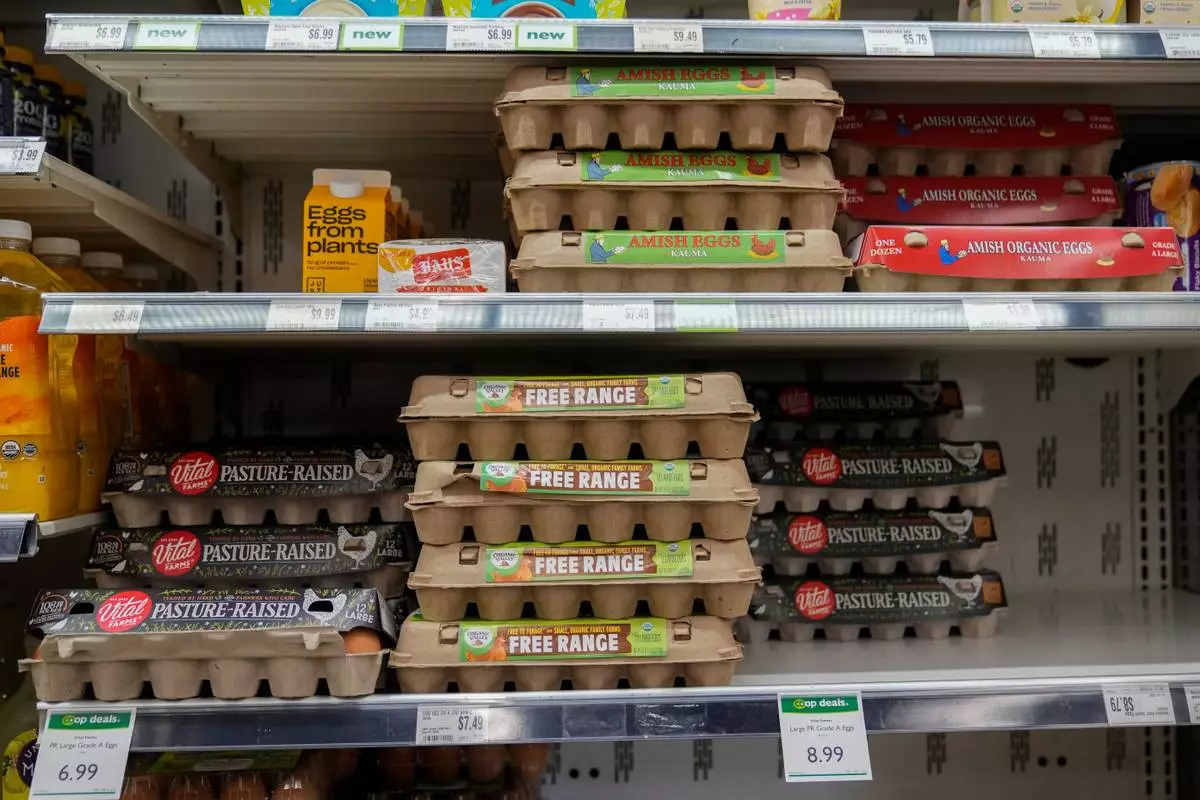
FILE - Eggs are for sale at a grocery store Tuesday, Feb. 10, 2026, in Chicago. (AP Photo/Erin Hooley,File)