CHICAGO (AP) — The Chicago Cubs selected left-hander Drew Pomeranz from Triple-A Iowa before Friday's game against the St. Louis Cardinals and optioned lefty Jordan Wicks to the farm club.
The 37-year-old Pomeranz returns to the Cubs after going 2-2 with one save and a 2.17 ERA in 57 regular-season appearances covering 49 2/3 innings in 2025. He went on to pitch in six postseason games, allowing one run in six innings, as Chicago advanced to the NLDS and fell to Milwaukee in five games.
Pomeranz first joined the Cubs last season after they purchased his contract from Seattle in late April. He became a reliable regular in Chicago’s bullpen.
“He was such a big part of last year,” said Jed Hoyer, Cubs president of baseball operations. “He came in here and did massive innings the whole year.”
Pomeranz signed as a free agent with the Los Angeles Angels in December. He was released by Los Angeles on June 18 after going 0-3 with a 5.01 ERA in 23 1/3 innings over 25 appearances.
“Obviously, he struggled a bit with the Angels, but our hope is that we can get him back on track,” Hoyer said. “No expectations, just believe in the competitor, believe in the person.”
Pomeranz appeared in two games with Iowa, allowing no runs, one hit and one walk in two innings.
Over his 13-year major league career, Pomeranz is 50-64 with a 3.85 ERA in 371 games with eight teams. He was an All-Star in 2016 with San Diego.
The Cubs had recalled Wicks from Iowa on June 28 for a second stint this season. He appeared in two games, working four innings and allowing a run on five hits while picking up two saves.
Wicks had been hit hard in two games with the Cubs in May and is 0-2 with 10.45 ERA this season.
AP MLB: https://apnews.com/hub/mlb

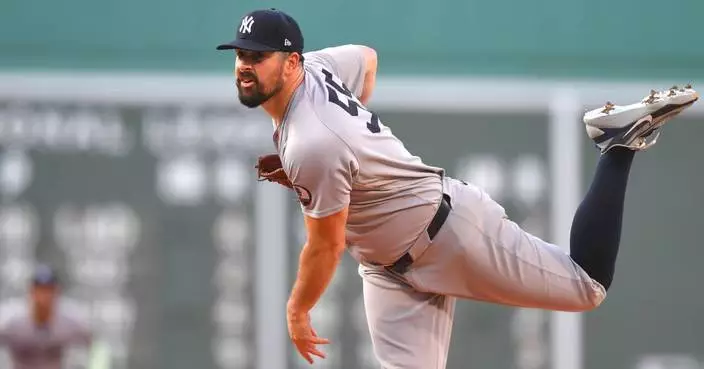
Chicago Cubs pitcher Jordan Wicks throws during the 10th inning of a baseball game against the Milwaukee Brewers, Sunday, June 28, 2026, in Milwaukee. (AP Photo/Kayla Wolf)
BOGOTA, Colombia (AP) — Keiko Fujimori, a business-friendly conservative politician who campaigned on a tough-on-crime platform, on Friday was declared the winner of Peru’s presidential runoff election, making the South American nation the latest in Latin America to elect a right-wing leader.
Fujimori, 51, the daughter of late former President Alberto Fujimori, whose government defeated the Shining Path violent extremist group in the 1990s but also took an authoritarian turn, has pledged an aggressive crackdown on crime.
She has promised to build four new prisons, including a mega-prison modeled after El Salvador’s CECOT facility, militarize Peru’s borders to curb drug trafficking and deport migrants working in the country without legal residency.
Conservatives have won seven major presidential elections in Latin American in the past few years, most of the them since the January 2025 inauguration of U.S. President Donald Trump, in a winning streak propelled by concerns over crime, immigration and slow economic growth
Here is a look at the Latin American countries that have elected conservative presidents recently:
Trump-endorsed outsider Abelardo de la Espriella won Colombia’s presidential election in June by a narrow margin, defeating progressive lawmaker Iván Cepeda.
De la Espriella, who is nicknamed “The Tiger,” campaigned on a tough-on-crime approach, which includes proposals like canceling peace talks with Colombian rebel groups and building mega-prisons, like those in El Salvador. De la Espriella’s election marks a pivotal moment for Colombia, which was governed for the past four years by a former member of a rebel group, who was critical of the Trump administration’s immigration and anti-drug policies.
“The tiger” has promised to tackle extortion and drug trafficking. He was endorsed by Trump, who described the lawyer and business owner as the candidate who could restore law and order in Colombia.
Javier Milei, an economist and television commentator nicknamed “The Lion,” won Argentina’s presidential election in November 2023 by promising to slash government spending and tackle the South American nation’s decades-long inflation problem. The libertarian defeated the ruling Peronist movement.
During his tenure, Milei has stopped the nation’s central bank from printing money to finance the government deficit and has cut government spending by firing civil servants and halting investment in public infrastructure programs, while reducing subsidies for public utility bills.
Argentina’s inflation has fallen from 211% in 2023 to 32% in 2025. However, some have blamed Milei’s austerity policies for decreasing the living standards of many Argentines, including public sector workers.
Daniel Noboa, a member of one of Ecuador’s wealthiest families, was reelected to a four-year term in April 2025, winning the election with 56% of the vote. The conservative leader has given the military a more prominent role in providing security in coastal cities overrun by drug gangs fighting over the control of ports and drug trafficking routes.
But the strategy has not substantially reduced homicide rates. The government also has been criticized for human rights abuses, such as extrajudicial executions.
Under Noboa’s watch, Ecuador’s military has started to conduct joint operations against drug traffickers with the U.S. Noboa also pushed for the reopening of a U.S. military base in Ecuador, but the proposal was struck down in a referendum last year.
Nasry Asfura, a real estate investor and former city mayor of the National Party narrowly won the presidential election in Honduras in November, defeating his closest rival by less than a percentage point.
Asfura, who belongs to the same party as former President Juan Orlando Hernández who was pardoned by Trump for a drug trafficking conviction, was endorsed by the U.S. president, who threatened to cut off aid to the small Central American country if Asfura was not elected. Under Asfura’s administration, Honduras has received dozens of deportees from third countries through an agreement that was signed with the U.S. in early 2025, most of them Guatemalan nationals.
In December, José Antonio Kast, a conservative and a devout Catholic, won Chile’s presidential election with 58% of the vote, defeating a progressive government that had been in power for the previous four years.
In his campaigns, Kast capitalized on fears over increasing crime rates in Chile and said he would expel migrants from countries like Venezuela and Haiti that had been working in Chile without residency permits. One of his first moves after taking office has been to expand a trench along Chile’s borders with Peru and Bolivia in a bid, his government says, to stop drug trafficking and migration.
Kast’s government has recently faced protests over increasing unemployment and budget cuts that have affected public servants.
Laura Fernández, an economy minister under conservative ex-President Rodrigo Chaves, won Costa Rica’s election in February with 48% of the vote, defeating her closest rival by 15 percentage points and surpassing the 40% of votes needed to avoid a runoff election.
During her campaign, Fernández proposed tough-on-crime measures, including a state of exception that would enable police to arrest suspects without warrants, and said she would build a mega prison modeled after El Salvador’s notorious CECOT penitentiary.
Fernández’s government has received several flights with migrants from third countries deported by the U.S. as she complies with an agreement that was signed by her predecessor last year. In June, one of these flights had migrants from China, Vietnam, Colombia and Azerbaijan.
Follow AP’s Latin America coverage at https://apnews.com/hub/latin-america

Presidential candidate Abelardo de la Espriella, center, surrounded by screens, speaks to supporters from inside a bulletproof booth during a campaign rally in Buga, Colombia, Sunday, June 14, 2026. (AP Photo/Santiago Saldarriaga)
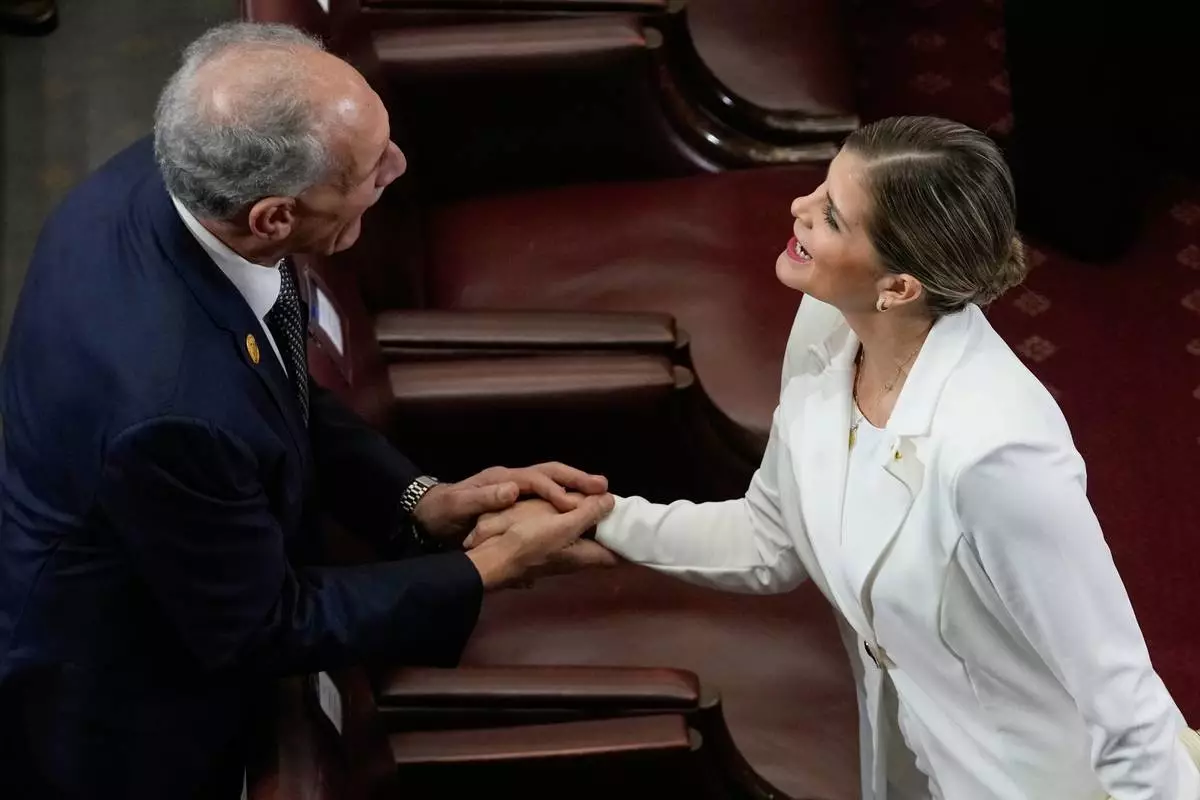
FILE - Honduran President Nasry Asfura, left, and Costa Rica President-elect Laura Fernandez shake hands during the inauguration ceremony of Chile's President Jose Antonio Kast, in Valparaiso, Chile, March 11, 2026. (AP Photo/Esteban Felix, File)
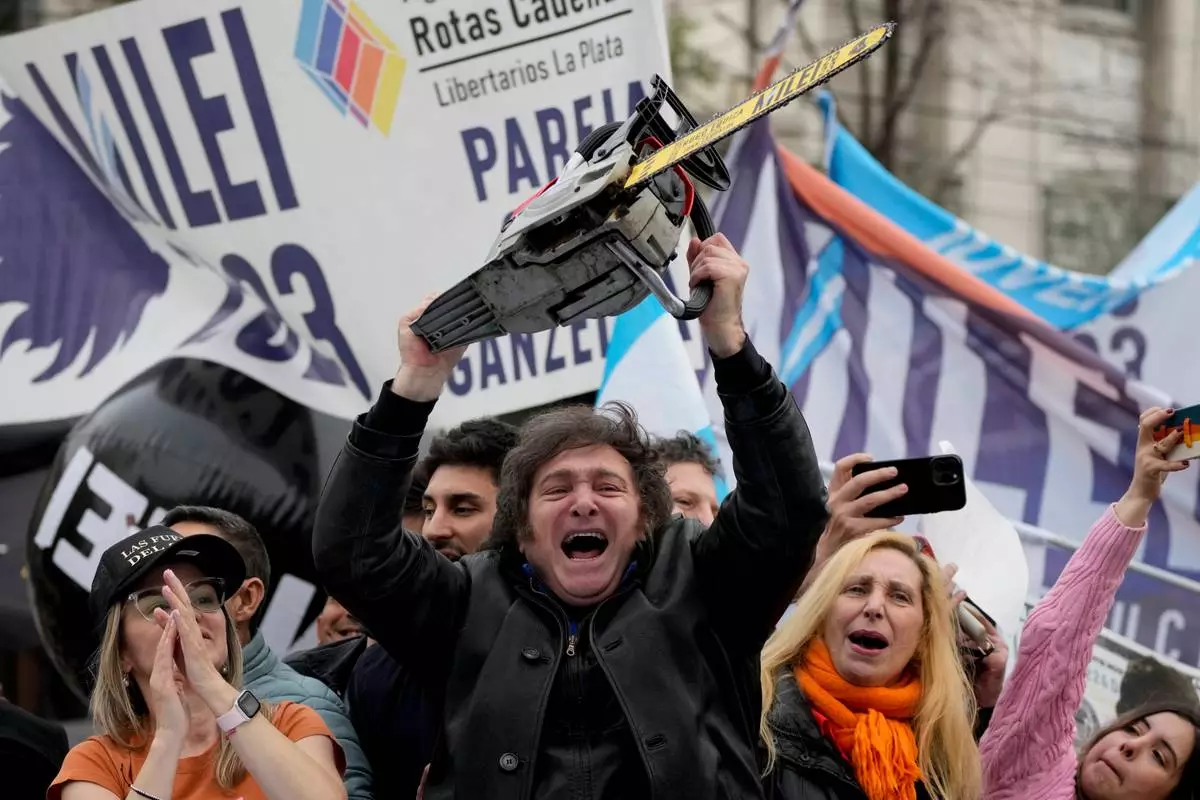
FILE - Presidential hopeful of the Liberty Advances coalition Javier Milei brandishes a chainsaw during a rally in La Plata, Argentina, Sept. 12, 2023.(AP Photo/Natacha Pisarenko, File)
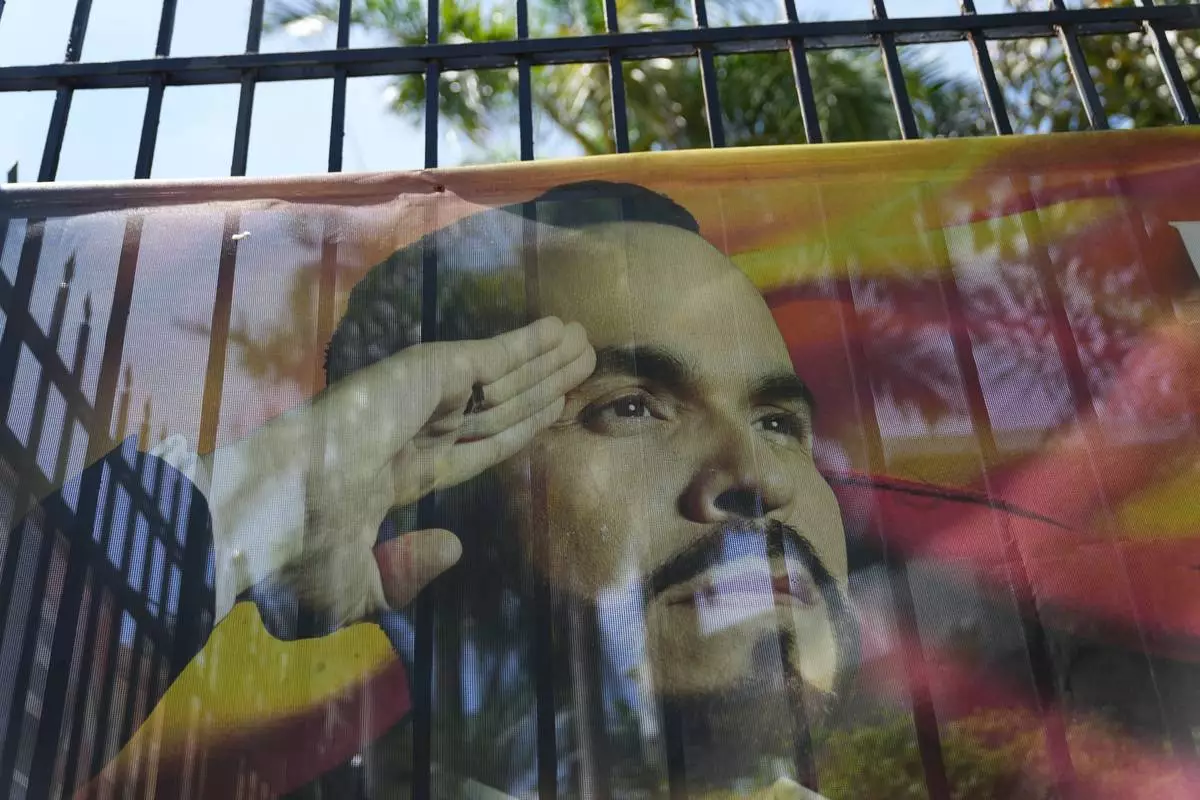
A campaign banner of presidential candidate Abelardo de la Espriella hangs outside his party's headquarters in Barranquilla, Colombia, Monday, June 22, 2026, the day after the presidential election runoff. (AP Photo/Rodrigo Abd)
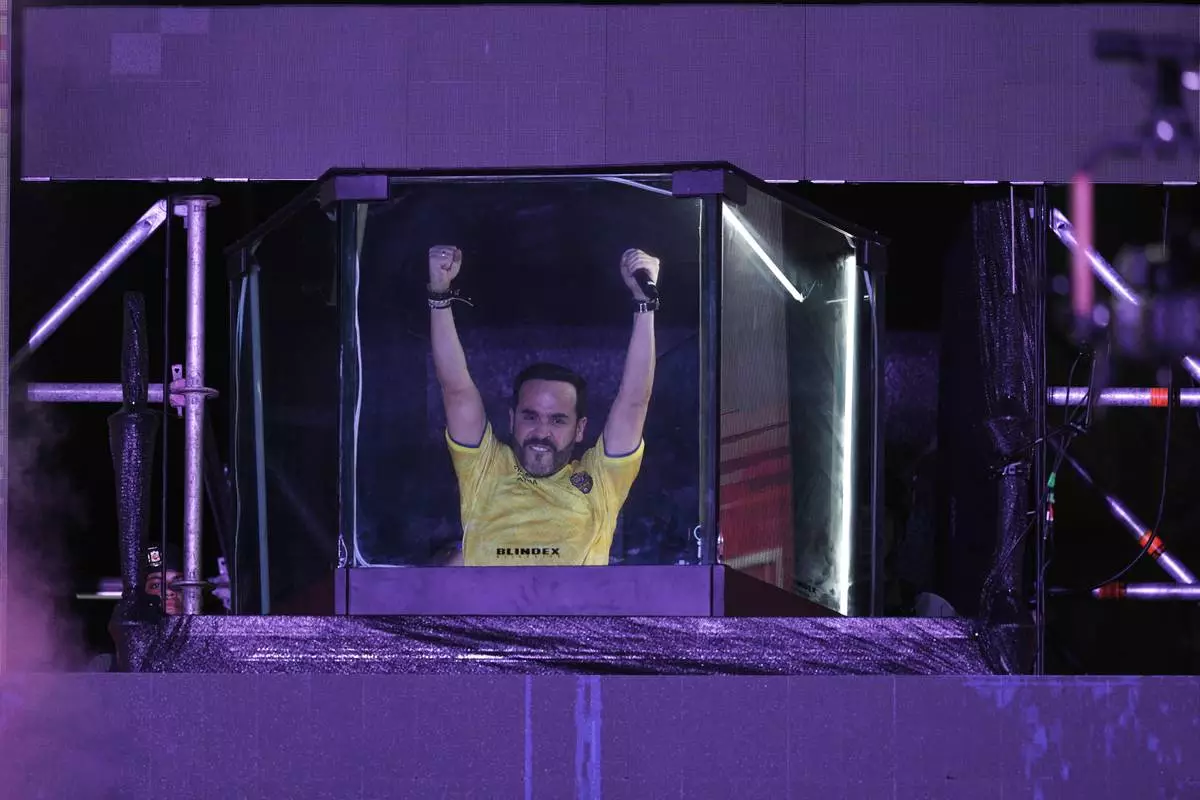
Presidential candidate Abelardo de la Espriella of the opposition Defenders of the Motherland movement addresses supporters at a celebration rally after runoff election results showed him leading in Barranquilla, Colombia, Sunday, June 21, 2026. (AP Photo/Ivan Valencia)