The recently concluded Belt and Road Film Week has cemented its status as a globally influential platform for promoting cultural exchange, using the universal language of cinema to connect diverse nations and foster deep cross-cultural understanding.
Held in Shanghai as part of the 28th Shanghai International Film Festival (SIFF), the event showcased the diverse cinematic landscapes of Belt and Road Initiative partner countries through synergistic efforts in filmmaker dialogues, industry matchmaking, and cultural tourism integration.
As a vital brand for promoting Sino-foreign film and television exchanges, the Belt and Road Film Week has been developing since 2018, backed by the Belt and Road Film Festival Alliance. Over the past eight years, the alliance's "circle of friends" has continuously expanded, extending the platform's influence. With the Royal Film Commission of Jordan officially joining this year, the alliance's membership has grown to include 58 institutions from 51 countries.
"The relation between Jordan and China is thousands of years because the Silk Road crosses the land of of Jordan. I believe so much in collaboration, the alliance program is also another tunnel for us of opportunities," said Mohanad Al Bakri, managing director of the Royal Film Commission of Jordan.
This year's film week featured the selection of 16 films from 26 countries for centralized screening, allowing audiences to explore a more diverse cultural world through cinema.
"The films screened at the Belt and Road Film Week were especially solicited from our alliance partners and carefully selected. They are highly representative films," said Chen Guo, director of the Shanghai International Film and Television Festival Center.
Actor Zhu Yawen, who is a promotion ambassador for the film week, highlighted the cultural impact of the screenings. "When cinema presents itself to us in such a self-expressive manner, it actually opens a window to the world for us, allowing us to appreciate the humanistic beauty of different regions," he said.
Beyond content screenings, this year's film week also saw the designation of the "Full-Chain Industry Day" for the first time. Through project promotions, industry matchmaking, and thematic forums, the event has extended film and television exchanges to the entire process of industrial cooperation.
"The Belt and Road film alliance has actually helped our film festival achieve more, such as increasing film submissions and bringing together co-productions from different countries," said Joanne Goh, president of the Malaysia International Film Festival.
"I would love to have more Chinese films in the Rio de Janeiro International Film Festival so that they may have a chance to be released on a commercial level after that. Same thing with potential Brazilian films coming to China," said Ilda Santiago, executive president of the Rio de Janeiro International Film Festival.
Meanwhile, taking "Film Plus" as a key to unlocking vibrant urban life, the event invited international filmmakers to explore iconic city spaces in Shanghai during their downtime. It also allowed local residents to enjoy film screenings, browse markets, listen to music, and shop at the "Arabian Hospitality" cultural bazaar, fostering the encounter and exchange of diverse cultures within the city's cultural tourism landscape.
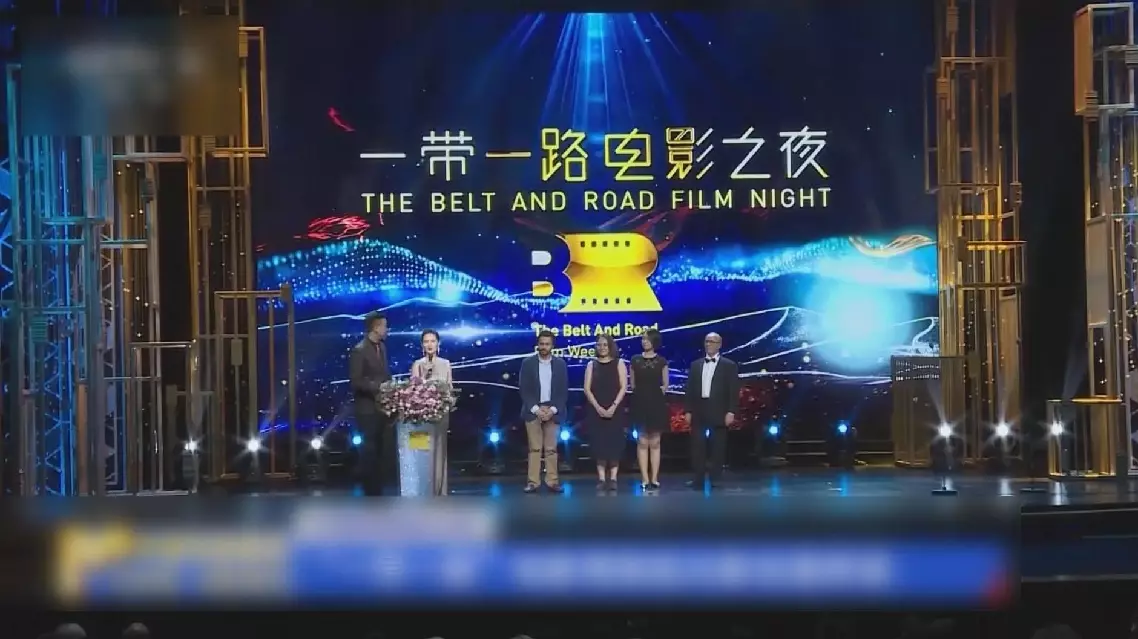
Belt and Road Film Week promotes cross-cultural exchange