A group of Japanese peace activists has slammed the Takaichi administration for intentionally "skipping" the reflection on Japan's wartime past, demanding an apology from the government for Japan's wartime atrocities against China.
At the session, participants noted that Japan, as the former aggressor that has inflicted immense suffering on people of other countries, should face up to its history, deeply reflect on its crimes, and prevent the tragedy of history from repeating itself.
"We have maintained cooperation with a group that organizes commemorative events for the victims of the Nanjing Massacre. The Nanjing Massacre and the July 7th Incident are the two most defining events in Japan's war of aggression against China. We attend this session to reflect on this history. Most people attending today's study session are elderly people like myself, Japan's history of waging the war of aggression against China is more or less in our memory, however, an increasing number of young people don't know about this history nowadays, so I think organizing such study sessions is meaningful said Hiroshi Tanaka, professor emeritus at Hitotsubashi University.
Nanjing Massacre, following the Japanese troops' capture of Nanjing, the then Chinese capital, on Dec 13, 1937, left more than 300,000 Chinese civilians and unarmed soldiers dead. It is considered one of the most barbaric episodes of World War II.
The July 7th Incident, also known as the Lugou Bridge Incident, which occurred in 1937, is recognized as the start of Japan's full-scale invasion of China, and China's whole-of-nation resistance against Japanese aggression.
"The fundamental problem is that the Takaichi administration has been disastrous. First, the lack of reflection, they have completely skipped this step. They must go back to this step and begin with the reflection. A wrong is a wrong, an apology is needed when it's due. If they refuse to begin with this step, everything else is off the table," said another participant.
"There is a memorial hall near the Lugou Bridge, and I have visited it with others. Japan has been the one committing atrocities, regardless of how we look at it. Yet the government never apologizes, and its response is always that they don't know. This is hard to understand. At the very least, as ordinary citizens, we have to pass these messages on to younger generations," said a participant.
With the Takaichi government accelerating military buildup and easing its arms export rules, Japanese peace advocates are calling on more people to speak up against war and stand firmly for peace.
"I think the Takaichi government's policy moves are outrageous. I feel that everything the current government is advancing is abnormal. So, if there are sessions or gatherings like this, I intend to participate as much as possible and raise my voice in opposition, even if it is too low to be heard," said a participant.
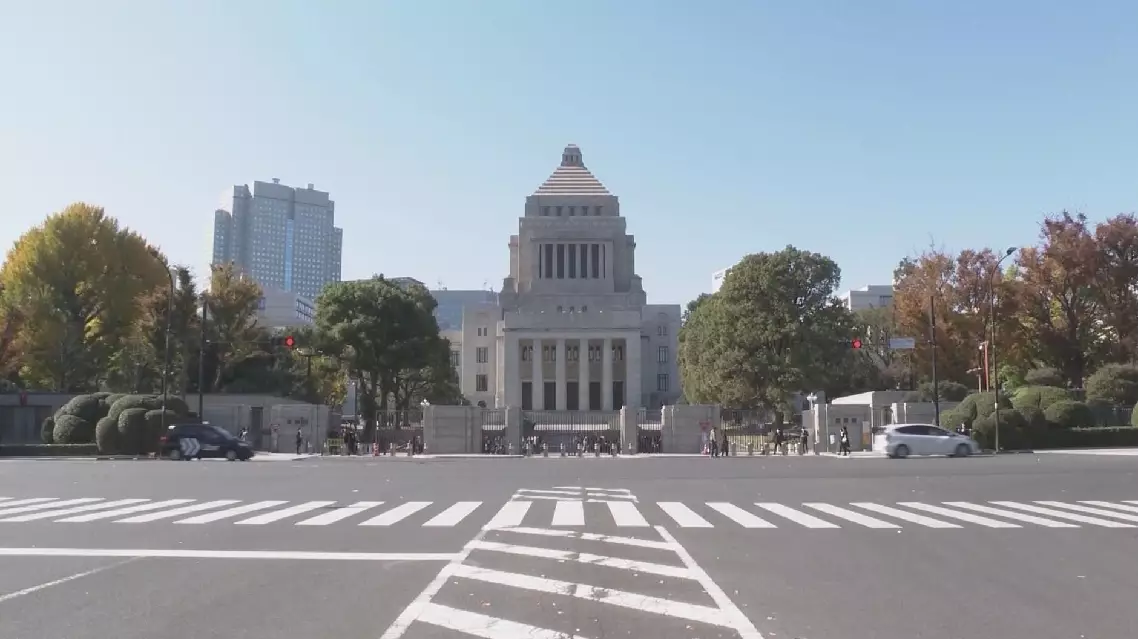
Japanese pacifist activists urge Takaichi administration to reflect on wartime past