PROVO, Utah (AP) — Prosecutors in Utah played a video clip Wednesday that provided a rare glimpse of Tyler Robinson after the defendant in the killing of conservative activist Charlie Kirk first turned himself in.
The video showed Robinson standing in a room at the Washington County Sheriff’s Office wearing a T-shirt and baseball cap. There was no audio, but an investigator said he spoke to Robinson that night to get his name and date of birth.
Click to Gallery
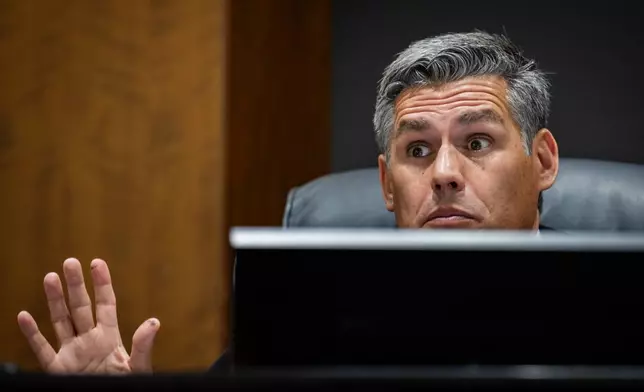
Fourth District Court Judge Tony Graf speaks during a preliminary hearing for Tyler Robinson, who is accused of fatally shooting Charlie Kirk, at the Fourth District Court in Provo, Utah, Wednesday, July 8, 2026. (Tess Crowley/The Deseret News via AP, Pool)
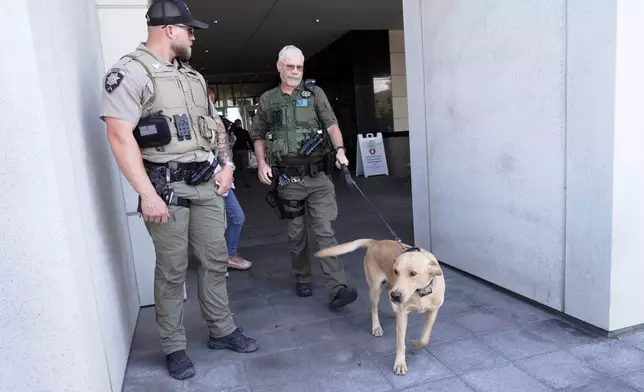
Police officials handle a dog as people access the limited public seating available at a preliminary hearing for Tyler Robinson, the Utah man accused of fatally shooting Charlie Kirk, in Provo, Utah, Wednesday, July 8, 2026. (AP Photo/Ty ONeil)
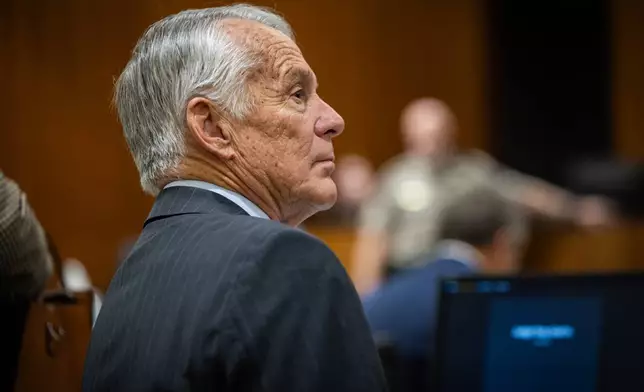
Defense attorney Michael Burt looks on during a preliminary hearing for Tyler Robinson, the Utah man accused of fatally shooting Charlie Kirk, at the 4th District Court in Provo, Utah, Wednesday, July 8, 2026. (Tess Crowley/The Deseret News via AP)
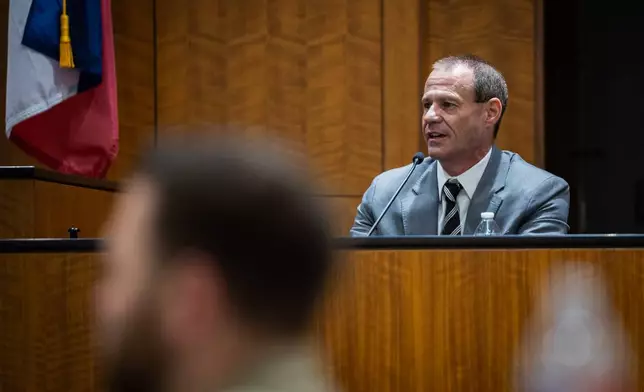
Agent Brian Davis, of the State Bureau of Investigation, testifies during a preliminary hearing for Tyler Robinson, the Utah man accused of fatally shooting Charlie Kirk, at the 4th District Court in Provo, Utah, Wednesday, July 8, 2026. (Tess Crowley/The Deseret News via AP)
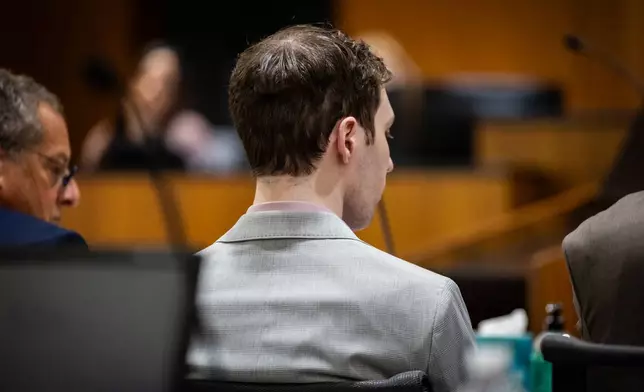
Tyler Robinson, accused in the fatal shooting of Charlie Kirk, listens during a preliminary hearing at the 4th District Court in Provo, Utah, Wednesday, July 8, 2026. (Tess Crowley/The Deseret News via AP)
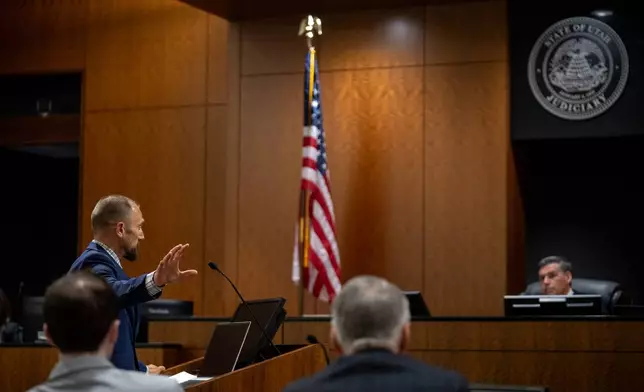
Deputy Utah County Attorney Ryan McBride speaks during a preliminary hearing in Fourth District Court for Tyler Robinson, who is accused of fatally shooting Charlie Kirk, in Provo, Utah, on Tuesday, July 7, 2026. (Trent Nelson/The Salt Lake Tribune via AP, Pool)
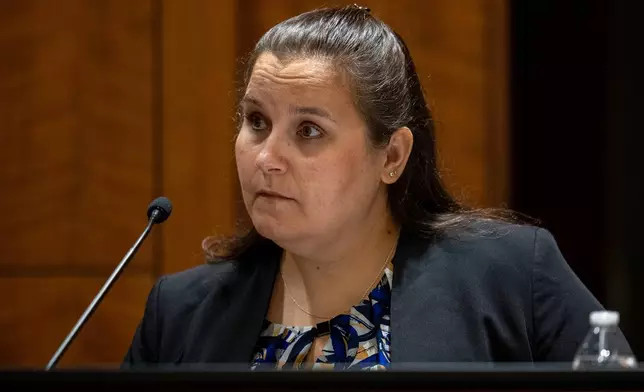
DNA analyst Amanda Bakker testifies during a preliminary hearing for Tyler Robinson, who is accused of fatally shooting Charlie Kirk, in Provo, Utah, on Tuesday, July 7, 2026. (Trent Nelson/The Salt Lake Tribune via AP, Pool)
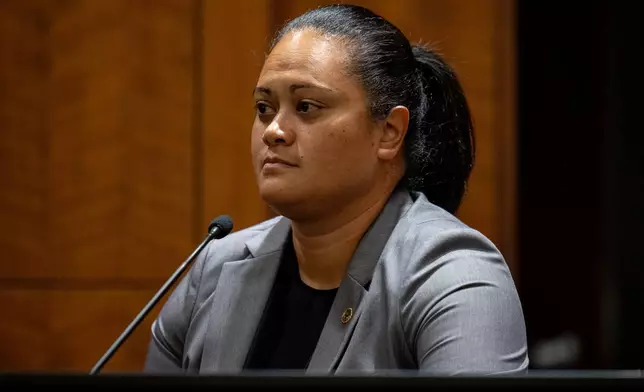
Utah Department of Public Safety Sergeant Jennifer Faumuina testifies during a preliminary hearing in Fourth District Court for Tyler Robinson, who is accused of fatally shooting Charlie Kirk, in Provo on Tuesday, July 7, 2026. (Trent Nelson/The Salt Lake Tribune via AP, Pool)
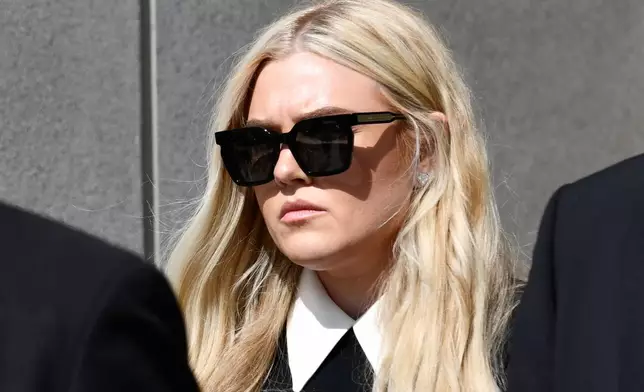
Erika Kirk leaves the Fourth District Courthouse, Monday, July 6, 2026, in Provo, Utah, after a hearing for Tyler Robinson, accused in the fatal shooting of Charlie Kirk. (AP Photo/Marielle Scott)
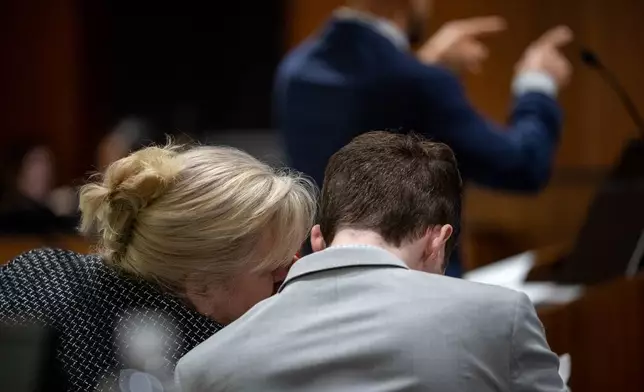
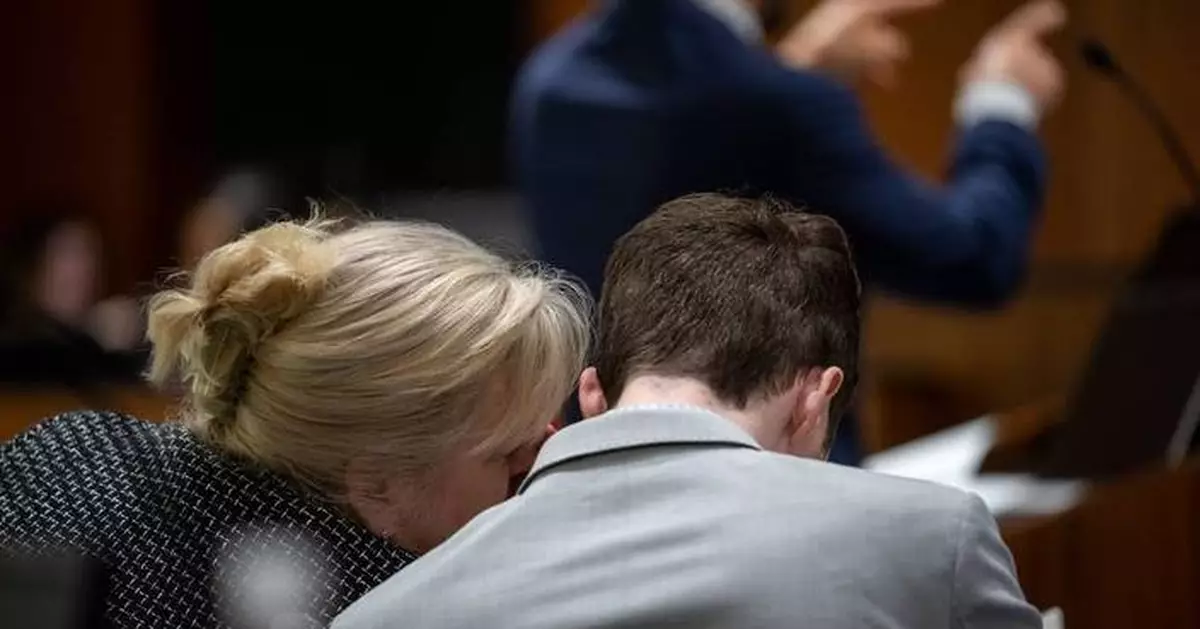
Defense attorney Kathryn Nester, left, talks to Tyler Robinson during a preliminary hearing in Fourth District Court for Robinson, who is accused of fatally shooting Charlie Kirk, in Provo, Utah, on Tuesday, July 7, 2026. (Trent Nelson/The Salt Lake Tribune via AP, Pool)
The short clip played as state District Judge Tony Graf sought to keep a weeklong preliminary hearing on track and said he wanted to give both sides time to present their cases.
Instead, much of Wednesday was consumed by arguments over whether prosecutors can play a recorded law enforcement interview with Robinson's roommate and romantic partner, Lance Twiggs, in court.
Graf indicated he would allow prosecutors to play redacted audio of those statements Thursday. The judge will decide after the hearing if prosecutors have enough evidence to bring Robinson to trial on an aggravated murder charge in Kirk’s Sept. 10 shooting on the campus of Utah Valley University.
Robinson has not yet entered a plea and his attorneys have not commented on his guilt or innocence. They have, however, sought to get the death penalty taken off the table, so far unsuccessfully.
Robinson’s lawyers said they were concerned about his right to a fair trial if Twiggs’ statements were played in open court and then broadcast by media outlets. They said prosecutors would attempt to portray Twiggs’ statements about what Robinson allegedly told him as a confession from Robinson, which could bias potential jurors.
Attorneys for Kirk’s family and the media had urged the judge to make Twiggs' statements and other evidence public.
“To not be transparent, to not be open and let the world see what happened will create doubt and distrust in the judicial system,” Kirk family lawyer Jeffrey Neiman told Graf.
Prosecutors allege Robinson sent a text to Twiggs saying he targeted Kirk because he “had enough of his hatred.”
Twiggs was interviewed twice as part of the investigation, State Bureau of Investigation Agent Brian Davis testified Wednesday. He was given immunity for the statements, meaning what Twiggs said cannot be used against him in a potential criminal case, Davis said.
Robinson's lawyers have questioned the reliability of DNA testing used to link the defendant to the suspected murder weapon.
A member of Tyler Robinson’s defense team interrogated a DNA analyst from the FBI about the techniques she used to connect Robinson to a towel wrapped around a rifle found at the college campus, where Kirk was shot while speaking to a large crowd.
Defense lawyer Michael Burt cast doubt on the analyst’s conclusions.
“She can’t match Mr. Robinson to the questioned samples,” Burt argued.
Forensics expert Lawrence Quarino said law enforcement agencies use “extremely reliable” tests to determine the probability that a person matches with DNA found at a crime scene.
DNA testing “is the gold standard in forensic science,” said Quarino, a professor and director of the forensic science program at Cedar Crest College in Pennsylvania.
FBI analyst Amanda Bakker said that after Twiggs provided a DNA sample for comparison, she was able to rerun her tests and attribute all of the DNA to two people.
Investigators found the towel and suspected murder weapon — a bolt-action rifle with one spent round — in a wooded area near where Kirk was shot.
DNA on the towel matched to two people, Jennifer Faumuina with the State Bureau of Investigation testified. One was Twiggs and the other was very likely Robinson, she said.
Prosecutors allege Robinson confessed in a note left for Twiggs that read: “I had the opportunity to take out Charlie Kirk and I’m going to take it.”
Investigators say Robinson went to a rooftop near where Kirk was speaking and shot him once through the neck as the activist was taking questions from a crowd of several thousand people. Kirk was declared dead after being taken to a hospital.
Prosecutors contend the shooting endangered others at Kirk’s campus event — an aggravating circumstance that could make the crime punishable by death under Utah law. Robinson also faces possible sentence enhancements based on the prosecution’s claim that he targeted Kirk because of his political views.
Robinson’s defense team has pushed back on the idea that he was hostile to Kirk’s politics. Defense attorney Richard Novak sought to block prosecutors from introducing a statement describing the traditional Christian values of Turning Point USA.
Brown reported from Billings, Montana.
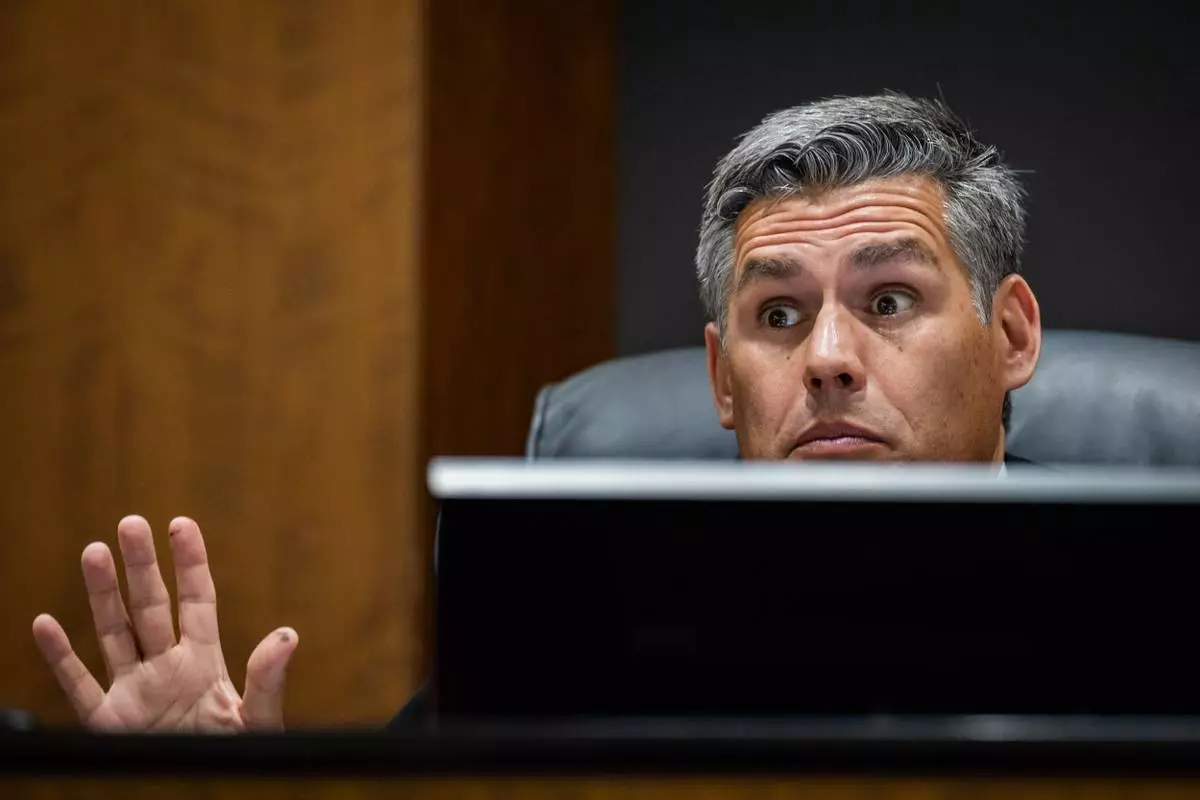
Fourth District Court Judge Tony Graf speaks during a preliminary hearing for Tyler Robinson, who is accused of fatally shooting Charlie Kirk, at the Fourth District Court in Provo, Utah, Wednesday, July 8, 2026. (Tess Crowley/The Deseret News via AP, Pool)
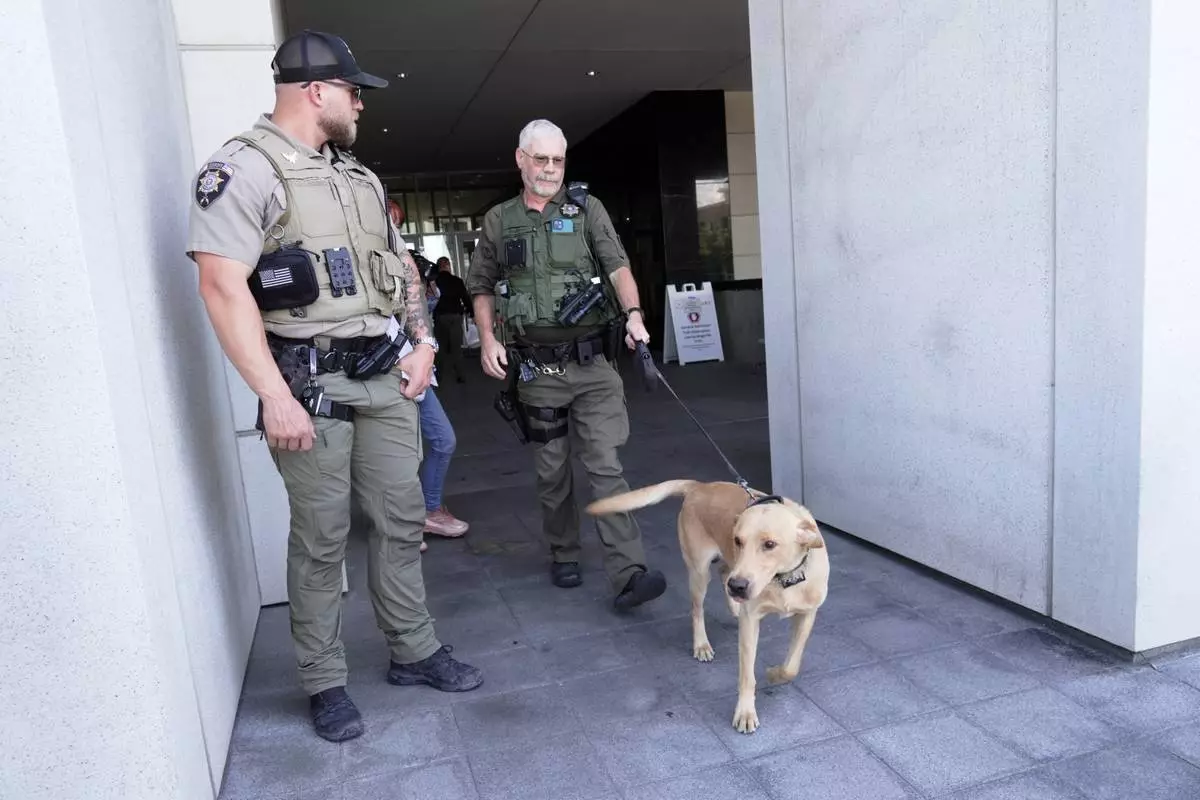
Police officials handle a dog as people access the limited public seating available at a preliminary hearing for Tyler Robinson, the Utah man accused of fatally shooting Charlie Kirk, in Provo, Utah, Wednesday, July 8, 2026. (AP Photo/Ty ONeil)
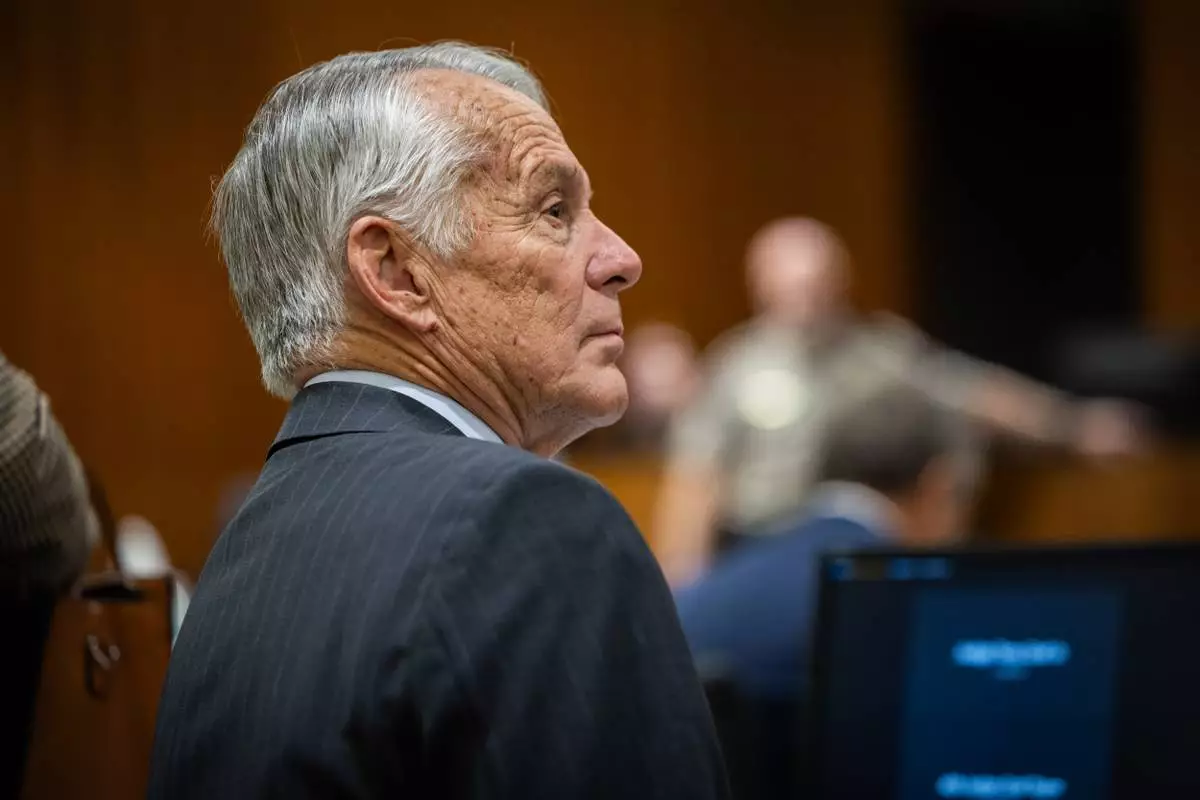
Defense attorney Michael Burt looks on during a preliminary hearing for Tyler Robinson, the Utah man accused of fatally shooting Charlie Kirk, at the 4th District Court in Provo, Utah, Wednesday, July 8, 2026. (Tess Crowley/The Deseret News via AP)
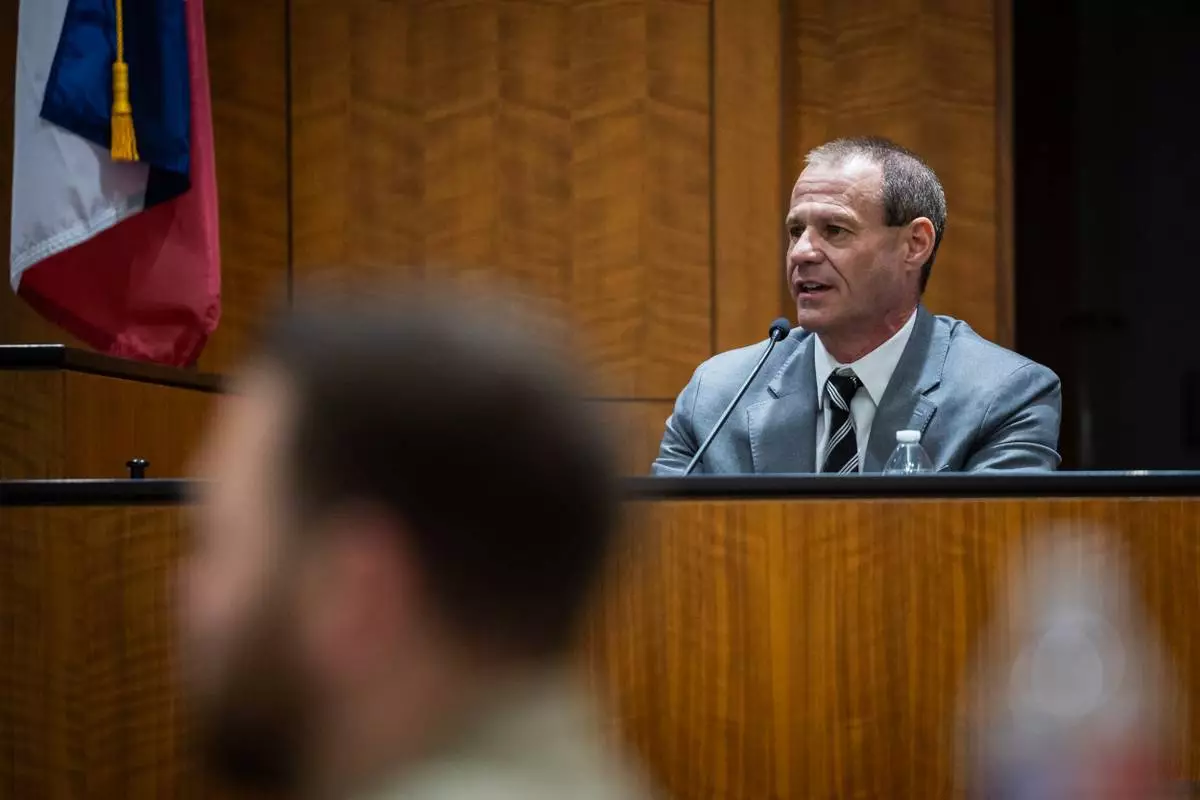
Agent Brian Davis, of the State Bureau of Investigation, testifies during a preliminary hearing for Tyler Robinson, the Utah man accused of fatally shooting Charlie Kirk, at the 4th District Court in Provo, Utah, Wednesday, July 8, 2026. (Tess Crowley/The Deseret News via AP)
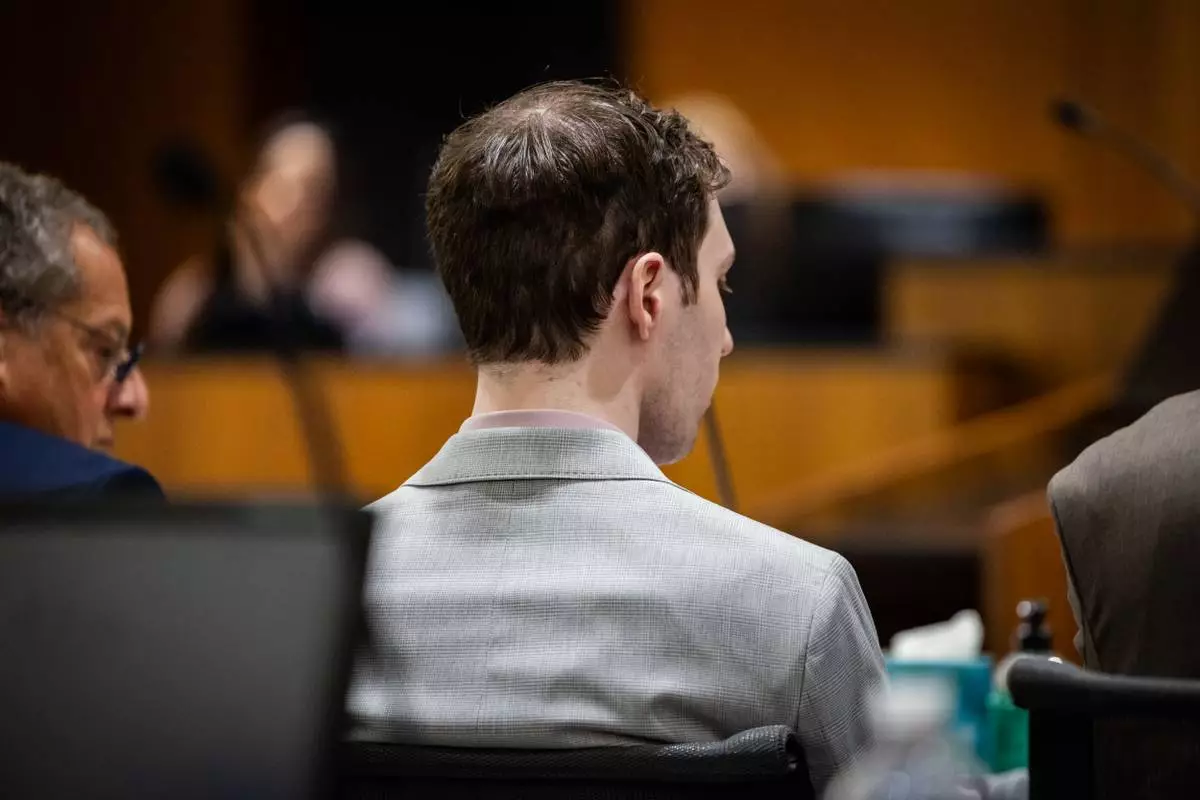
Tyler Robinson, accused in the fatal shooting of Charlie Kirk, listens during a preliminary hearing at the 4th District Court in Provo, Utah, Wednesday, July 8, 2026. (Tess Crowley/The Deseret News via AP)
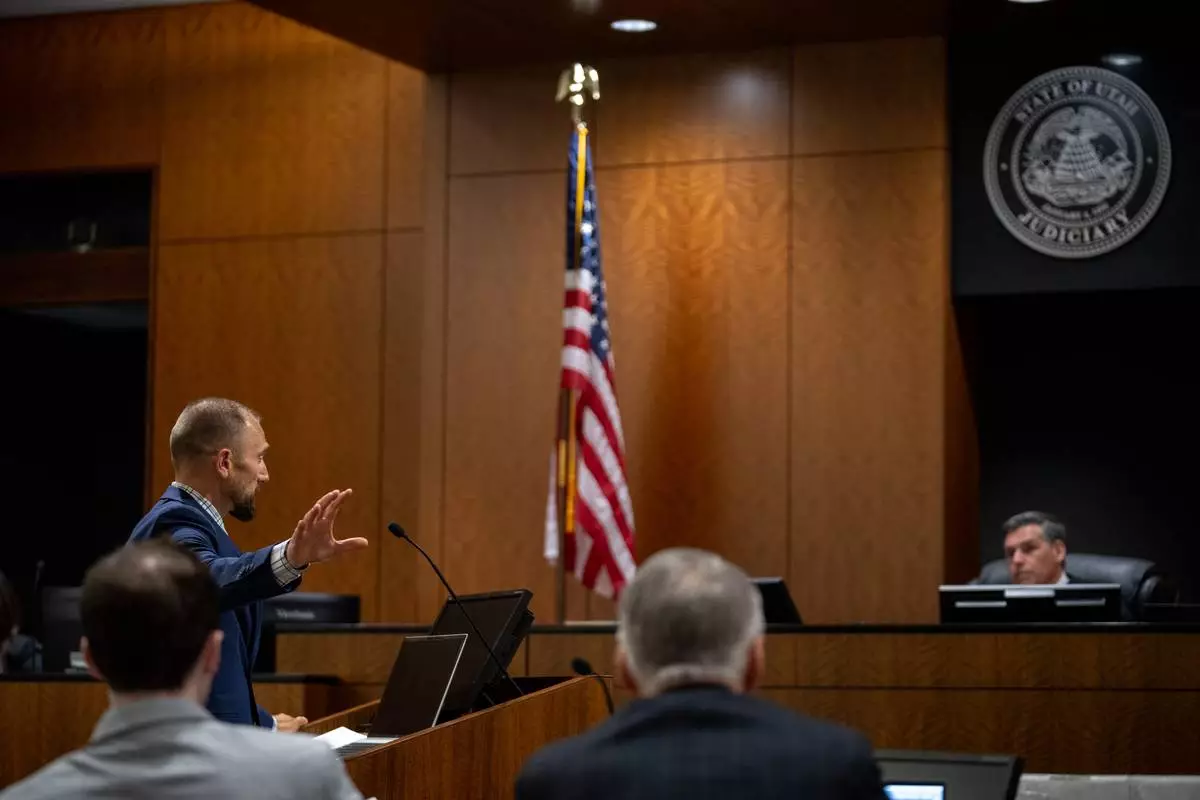
Deputy Utah County Attorney Ryan McBride speaks during a preliminary hearing in Fourth District Court for Tyler Robinson, who is accused of fatally shooting Charlie Kirk, in Provo, Utah, on Tuesday, July 7, 2026. (Trent Nelson/The Salt Lake Tribune via AP, Pool)
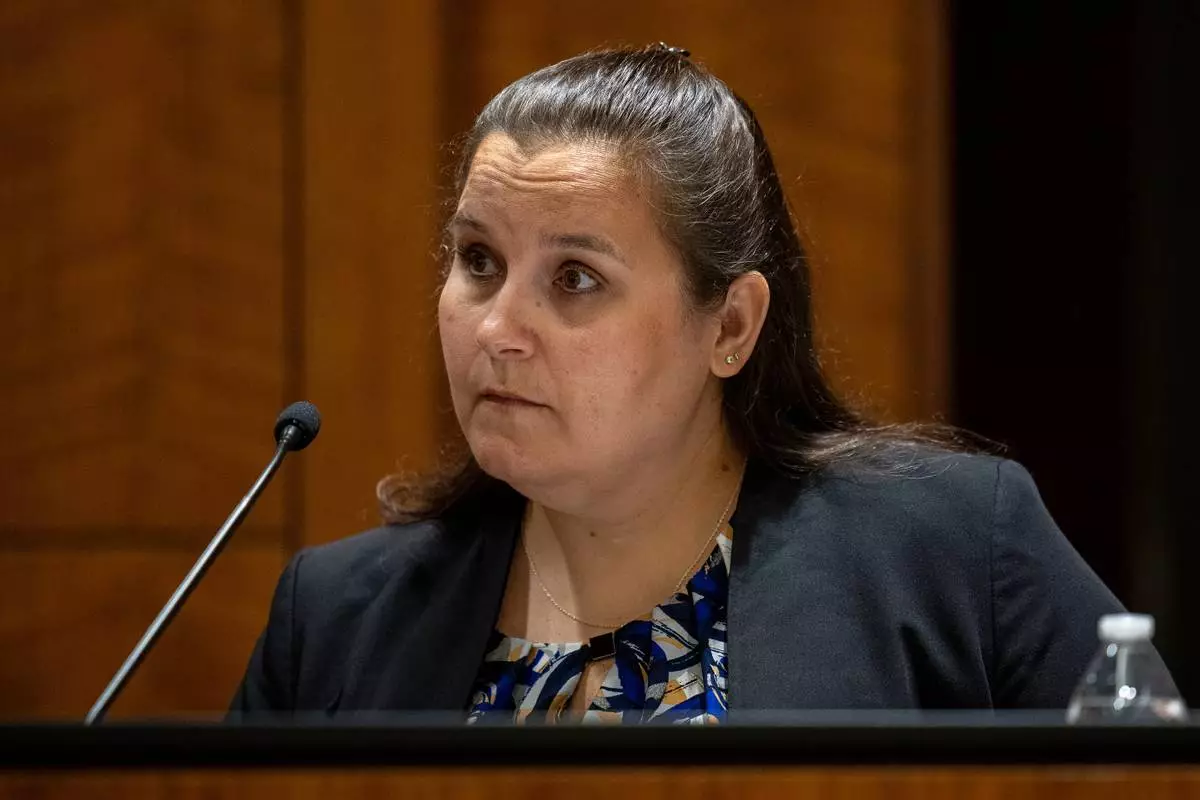
DNA analyst Amanda Bakker testifies during a preliminary hearing for Tyler Robinson, who is accused of fatally shooting Charlie Kirk, in Provo, Utah, on Tuesday, July 7, 2026. (Trent Nelson/The Salt Lake Tribune via AP, Pool)
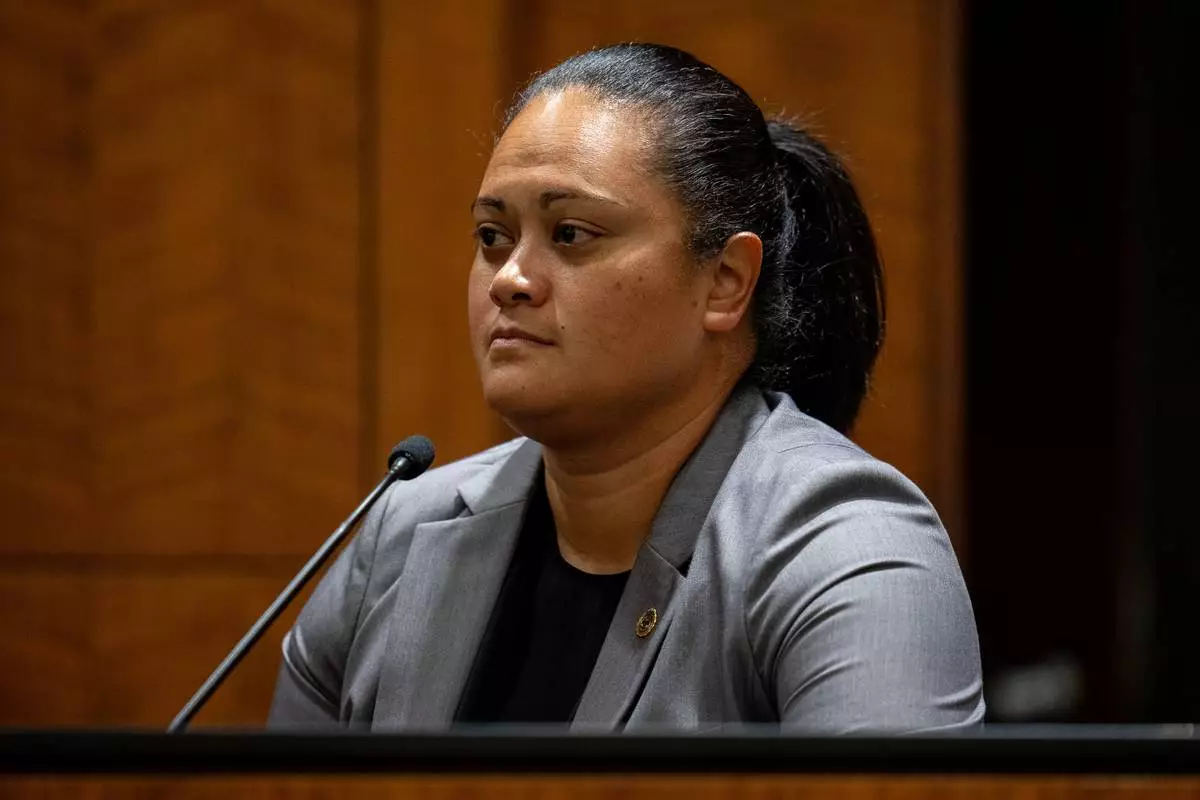
Utah Department of Public Safety Sergeant Jennifer Faumuina testifies during a preliminary hearing in Fourth District Court for Tyler Robinson, who is accused of fatally shooting Charlie Kirk, in Provo on Tuesday, July 7, 2026. (Trent Nelson/The Salt Lake Tribune via AP, Pool)
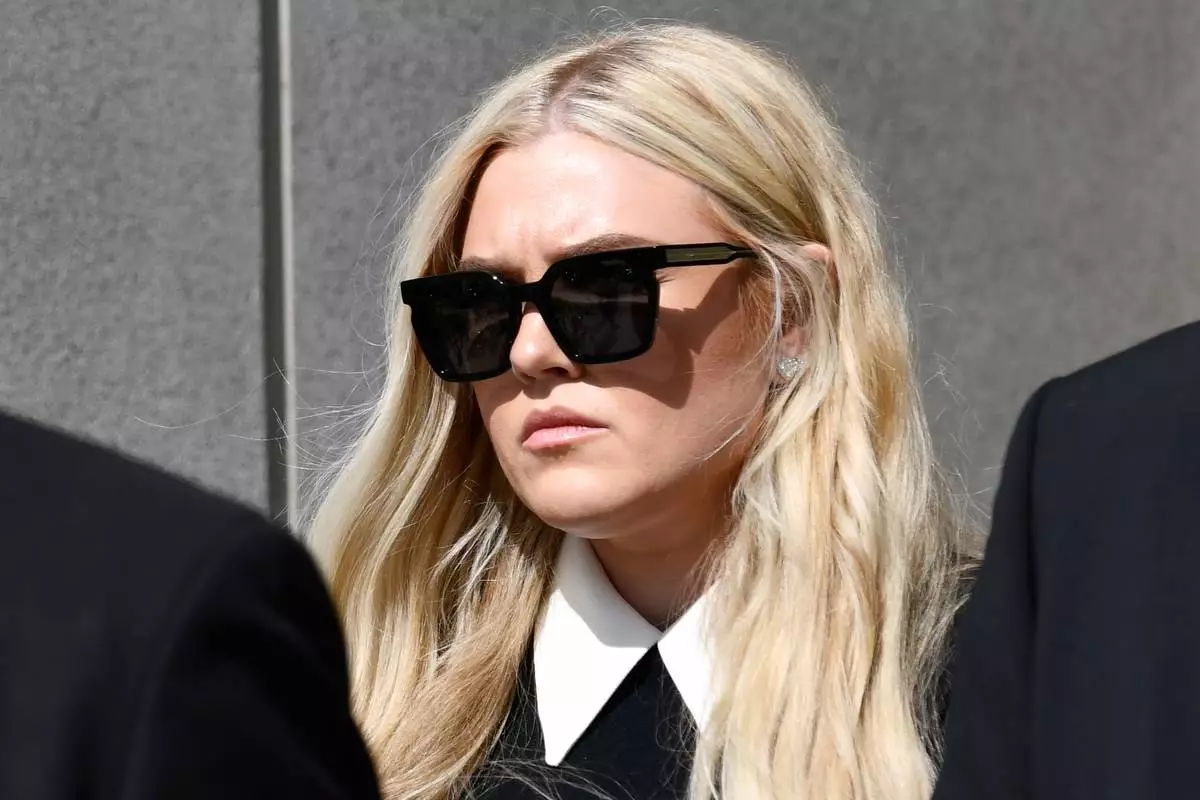
Erika Kirk leaves the Fourth District Courthouse, Monday, July 6, 2026, in Provo, Utah, after a hearing for Tyler Robinson, accused in the fatal shooting of Charlie Kirk. (AP Photo/Marielle Scott)
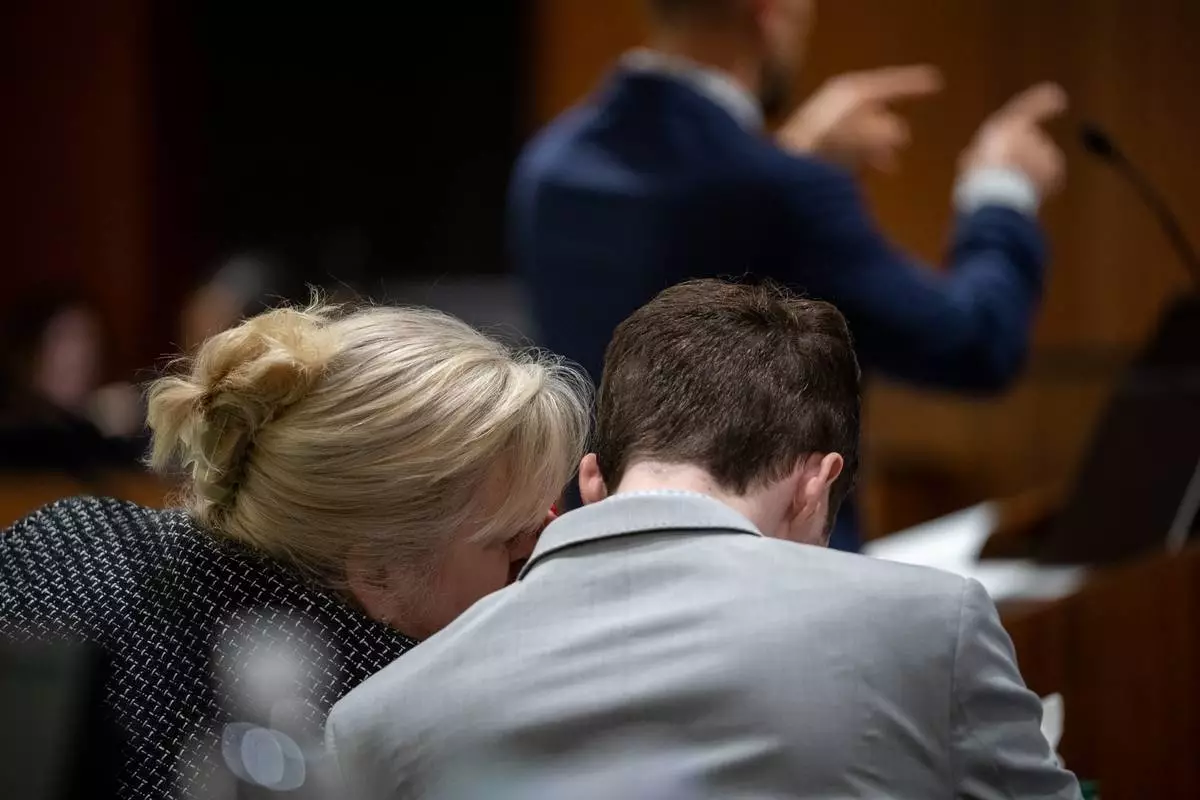
Defense attorney Kathryn Nester, left, talks to Tyler Robinson during a preliminary hearing in Fourth District Court for Robinson, who is accused of fatally shooting Charlie Kirk, in Provo, Utah, on Tuesday, July 7, 2026. (Trent Nelson/The Salt Lake Tribune via AP, Pool)