A widening rift between the United States and European NATO members is threatening alliance unity over defense spending and the war in Ukraine, a retired British Air Vice-Marshal said.
The NATO summit in Ankara, running Tuesday to Wednesday, is taking place against a backdrop of sharp divisions over the recent U.S. strikes on Iran and ongoing disputes about ambitious defense spending targets.
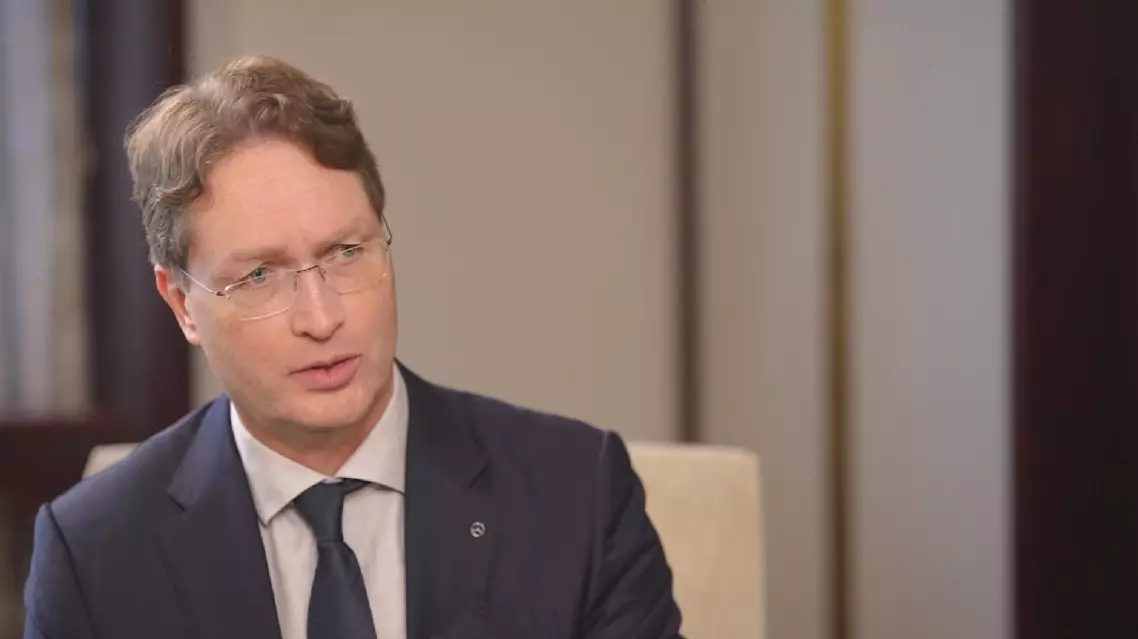
In an interview with China Global Television Network (CGTN), Sean Bell, the retired air vice-marshal, described the atmosphere in Ankara as anxious, with many worried about potential criticism from U.S. President Donald Trump.
"It's interesting because I think there's a lot of people dancing like a cat on a hot tin roof, absolutely paranoid about what President Trump will actually do. After all, fundamental to NATO is unity. And at the moment President Trump comes in, he was very angry that NATO didn't even get involved and support him in Iran and the war in Iran. That's left a very painful legacy for President Trump. It's also, as you've been reporting, the amount of money that the members of NATO have been spending -- I think President Trump will take a few potshots at people for not actually meeting their stated commitments," he said.
During the U.S. and Israeli strikes against Iran beginning in late February, several NATO allies voiced political support for Washington’s stated goal of blocking Tehran’s nuclear ambitions, but none agreed to join the operation directly. Trump lashed out at European partners, accusing them of reaping the benefits of U.S. security guarantees while shirking the risks of military action.
Another notable sign of discord between the transatlantic alliance was Ukraine. NATO is expected to pledge about 80 billion U.S. dollars in military aid to Ukraine this year, and maintain "at least the same level" of support the next year.
"I do think what's happening here though is that Europe is very firmly focused on supporting Ukraine. Trump has previously said, 'well, it's not a member of NATO. Why am I interested? This is on the European continent. It should be a European problem.' What Zelensky is trying to do is bridge that gap, get Trump more on side with Europe. It is a bit disturbing that Trump allegedly had a 90-minute conversation with President Putin at the weekend. So it's a long way to go before you get Trump rounding in behind support for Zelensky," Bell said.
The Ankara summit is the first since NATO members committed to raising defense spending to 5 percent of GDP by 2035. On Tuesday, NATO held its first-ever Defense Industry Forum, signaling a new push to strengthen the alliance's military-industrial base.
Bell welcomed Europe's push for greater self-sufficiency in defense, saying it was a "prudent" and "positive first step" amid doubts about long-term reliability of the transatlantic alliance.
"I do think for many years we have been very dependent on the Western technology that's been based in the U.S. and the U.S. has made a lot of money in exports. The challenge of course is that if we're going to stand up and be more self-sufficient, the challenge of course is getting defense industry in Europe. We've got some fantastic individual capability and technologies, innovation and the like. It just needs investment. And I think what we're seeing now is a very, very clear push that is America as trustworthy an ally as it was in the past, and therefore, how do we trust that it's going to be there when we need it. And I think it's very prudent that Europe steps up and starts to invest in its own national and regional capability. I think it's a really positive first step," Bell said.
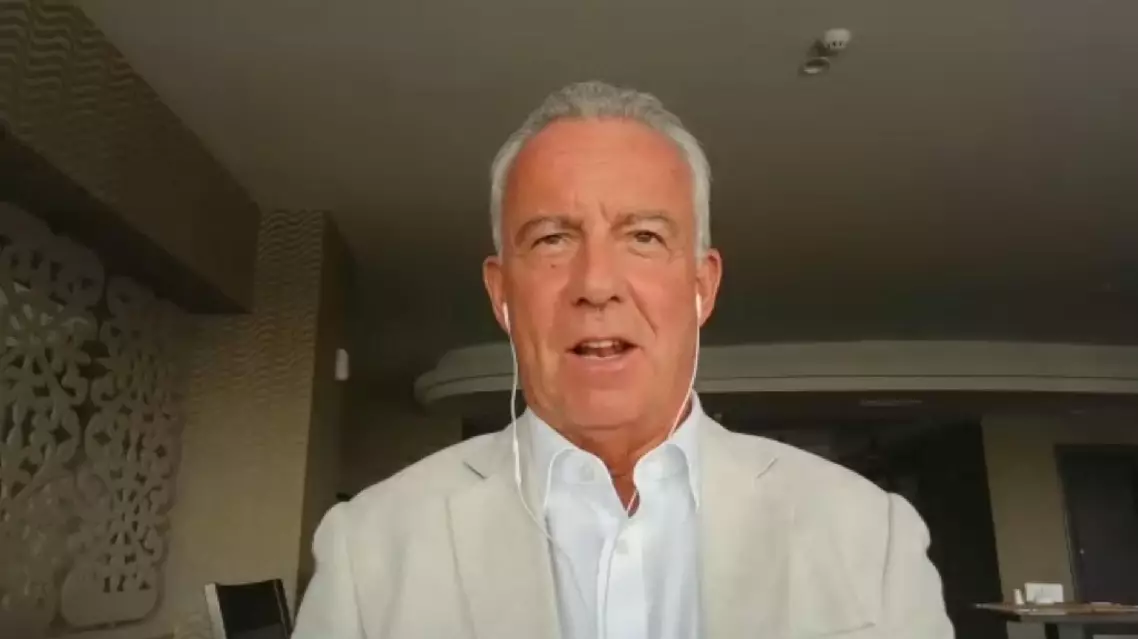
Ankara summit tests NATO unity amid deep transatlantic tensions: expert