SYDNEY, July 9, 2026 /PRNewswire/ -- Over the past decade, the automotive and home industries have undergone a wave of transformation. From electrification to intelligent driving, from smart homes to connected living, new technologies have fundamentally changed the way people travel and live. Yet for many caravan enthusiasts, the experience has remained largely unchanged—complex towing, difficult manoeuvring and limited off-grid capability continue to present barriers to truly independent travel.
At the same time, Australia is experiencing growing demand for outdoor lifestyles. More families, adventure seekers and remote workers are embracing the freedom of caravan travel, while expecting greater convenience, comfort and technology than traditional caravans have been able to offer.
California-based smart caravan company Skydream is set to introduce its next-generation intelligent electric caravan to Australia later this year, bringing a new approach to modern outdoor living.
"Skydream was founded to transform the caravan experience through technology," said the General Manager of Skydream. "Our goal is to help people set off with confidence, tow with ease and settle into camp effortlessly—without compromising between breathtaking destinations and the comforts of modern living."
Since its global debut at Caravan Salon Düsseldorf in 2025, Skydream has attracted international attention for its vision. Built around three core technology pillars—Intelligent Mobility, Intelligent Energy and Intelligent Living—the caravan is designed to address many of the long-standing challenges faced by users.
The Intelligent Mobility system is designed to make towing easier and safer. Twin electric drive motors help reduce towing effort and improve stability, while advanced vehicle control technologies minimise trailer sway for greater confidence on the road. Once at the campsite, one-touch hitching & unhitching and intelligent parking simplify the entire setup process, making caravanning easier even for first-time users.
For off-grid adventures, Skydream's Intelligent Energy system combines a high-capacity 30-85 kWh lithium iron phosphate (LFP) battery with advanced energy management to support extended off-grid stays. The system also enables external power supply, allowing users to charge electric vehicles or provide backup power when needed.
Inside the caravan, Intelligent Living brings smart home technology into the travel experience. An integrated control system replaces conventional switches and multiple remote controls, enabling users to manage lighting, air conditioning, entertainment and other functions through voice commands, mobile app, tablet or centralised control panel. One-touch scene modes allow the interior to adapt seamlessly for work, relaxation or sleep.
Over the past year, Skydream has continued to gain international recognition, making its global debut at Caravan Salon Düsseldorf, receiving the Platinum Award at the 2025 MUSE Design Awards, and unveiling a series of breakthrough technologies at its global launch event in Silicon Valley.
As one of the world's most established caravan markets, Australia offers an ideal environment for Skydream's next phase of global expansion. In the years ahead, Skydream aims to work alongside travellers to shape a smarter, more connected and more enjoyable future for caravan living.
official website of Skydream: www.skydreamrv.com
** This press release is distributed by PR Newswire through automated distribution system, for which the client assumes full responsibility. **

Next-Generation Caravan Brand Skydream to Launch in Australia Later This Year
BALLARAT, Australia, July 9, 2026 /PRNewswire/ -- A decade-long partnership between Nepal's National Trust for Nature Conservation (NTNC) and Federation University Australia is entering a new chapter, with Australian conservation scientist Professor Wendy Wright appointed to the NTNC Governing Board of Trustees.
The appointment recognises more than 10 years of collaboration between Nepal and Federation University, Australia's first co-operative university, where partnerships with industry, community and organisations are embedded into learning, research and student experiences.
Federation University's commitment to global collaboration was recently recognised in the Times Higher Education Impact Rankings, where it was ranked 61st in the world for United Nations Sustainable Development Goal 17: Partnerships for the Goals. The ranking recognises the University's partnership-driven approach to education, research and community engagement through its co-operative education model, which connects students, industry and communities to create meaningful local and global impact.
Professor Wright joins the Board as one of only two international members, supporting NTNC's ongoing efforts to advance biodiversity conservation, sustainable development and environmental resilience across Nepal.
The partnership has delivered significant outcomes for both organisations, including collaborative research into human-wildlife conflict, wildlife conservation, community-based natural resource management and species discovery. It has also created opportunities for Nepali researchers and students to engage with international academic networks.
Since first visiting Nepal in 2015, Professor Wright has worked closely with NTNC researchers, conservation specialists and local communities. Together, they have explored some of Nepal's most pressing environmental challenges, including conflicts between rural communities and wildlife such as tigers and elephants.
"Nepal presents some of the most important and fascinating conservation challenges in the world," Professor Wright said.
"Many communities live in close connection with forests and wildlife, and finding ways to support both people and conservation outcomes is critical. It has been a privilege to work alongside NTNC and local communities over the past decade."
The collaboration has generated research with practical impacts, including advocacy for improved support for farmers affected by wildlife-related losses and studies examining the role of women in Nepal's forest management systems.
The partnership has also contributed to significant scientific discoveries. Federation University PhD researcher Santosh Bhattarai identified five previously unknown gecko species in Nepal, while collaborative research led by Federation Associate Professor Fiona Hogan and Professor Wright identified a new genetic lineage of pangolins in the country.
The relationship has also fostered educational exchange between Australia and Nepal. Since 2019, almost 100 Federation University students have participated in immersive study tours in Nepal, gaining hands-on experience in wildlife and habitat monitoring while learning about local culture, conservation practices and rural communities through homestays and field-based learning.
Professor Wright said the exchanges have strengthened understanding between the two countries while creating new opportunities for collaboration.
"Working with NTNC has shown our students the remarkable commitment that Nepali communities have to conservation and environmental stewardship," she said.
"The relationships built through these programs have also opened pathways for Nepali students to undertake higher degree research with Federation University and contribute to international conservation research."
During her five-year term on the Board, Professor Wright will support NTNC's mission to protect Nepal's unique biodiversity while strengthening international partnerships that contribute to conservation outcomes across the region.
Media Contact: Stephanie Charalambous | +61351226110 | media@federation.edu.au
** This press release is distributed by PR Newswire through automated distribution system, for which the client assumes full responsibility. **
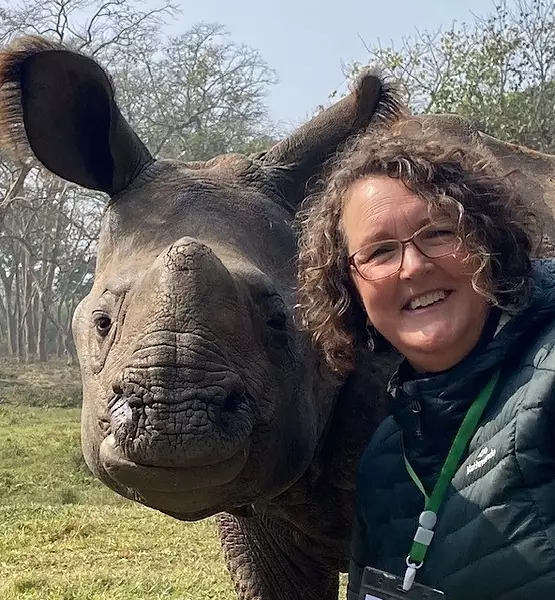
Australia-Nepal conservation partnership strengthened through new leadership appointment