Rescue teams in south China's Guangxi Zhuang Autonomous Region are working around the clock to clean up silt and debris, resume traffic flows on main roads to flood-hit villages, evacuate stranded residents and deliver essential supplies after Typhoon Maysak brought heavy rainfall and severe flooding.
China's national commission for disaster prevention, reduction and relief raised its national disaster response level to Level III on Thursday in response to severe flooding in the cities of Nanning and Guigang in Guangxi.
The floods, triggered by rounds of torrential rain, have left 39 people dead with nine people reported missing in Guangxi, local authorities said on Thursday.
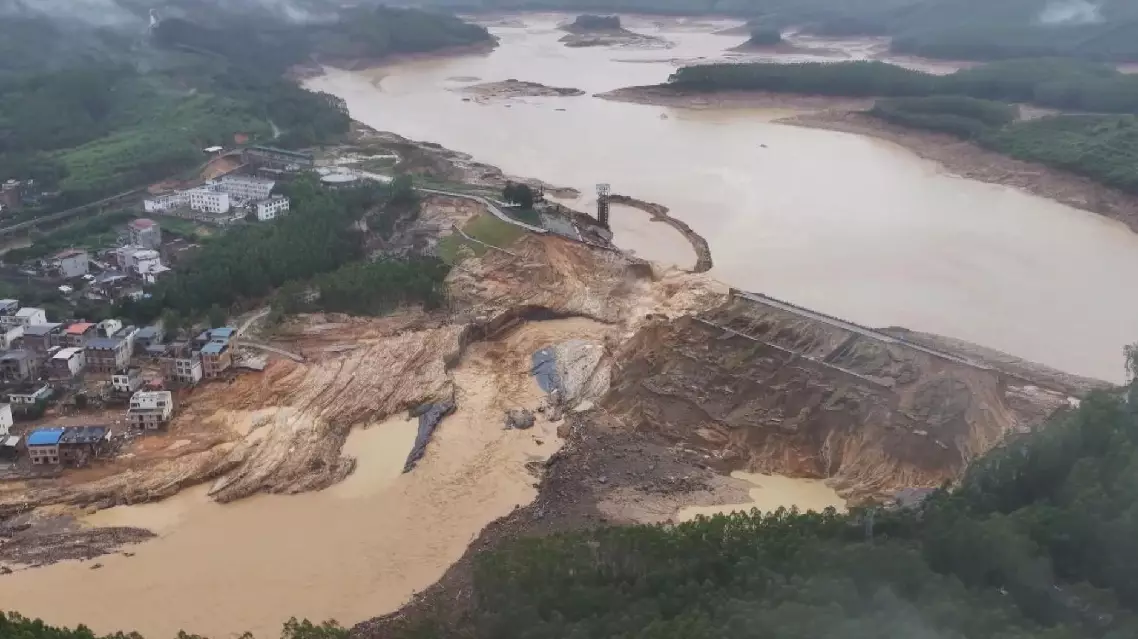
A severe dam breach in a reservoir in Hengzhou, Nanning City, has prompted an emergency response in the surrounding area.
The Liulan Reservoir reported the dam breach on Monday morning with the village of Liulan, close to the reservoir, the first to be affected by the ensuing flood.
With the floodwaters receding, villagers have been cleaning up silt and debris as they attempt to get life back to normal.
Dutian Village, another settlement close to the reservoir, has also been seriously affected, with the old part of the village flooded and the new part isolated by floodwater.
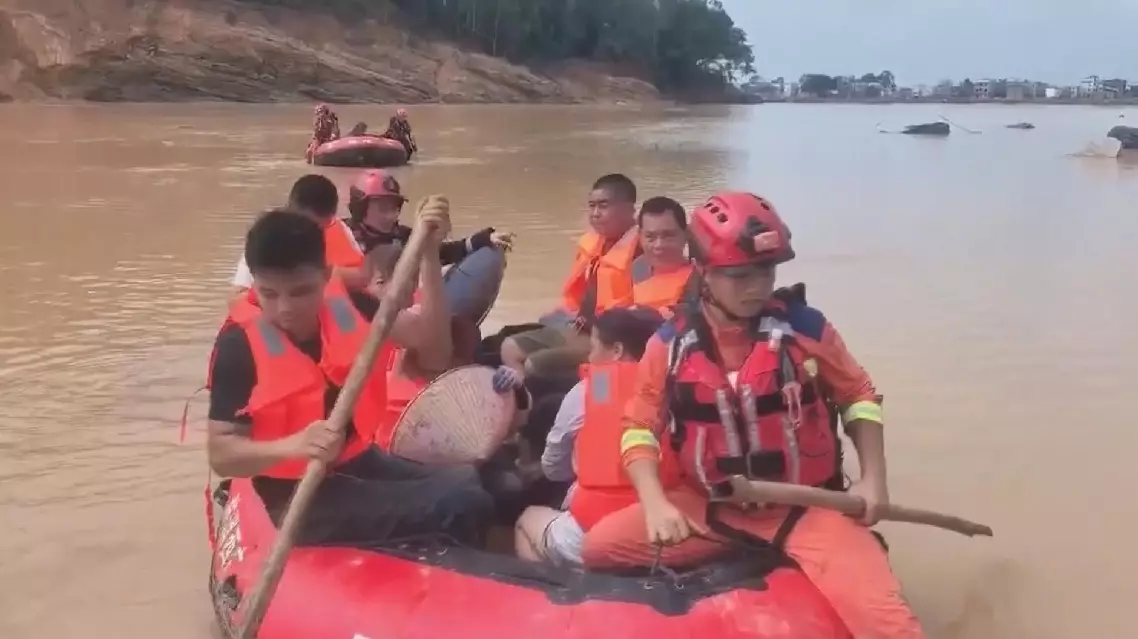
Local emergency services are making every effort to evacuate stranded people and deliver daily supplies.
The road leading to Dutian New Village was reopened on Thursday, and relief supplies are being delivered to local residents.
In Fengdan Village, upstream of the reservoir, traffic is currently disrupted as heavy machinery has been deployed to clean up silt and repair the road to Zhenlong Town further upstream.
Race against time in Guangxi to rescue flood-hit residents, restore roads
Floods triggered by rounds of torrential rain in the aftermath of Typhoon Maysak have left 39 people dead and nine reported missing in south China's Guangxi Zhuang Autonomous Region, local authorities said on Thursday.
The death toll includes casualties resulting from a severe breach of a reservoir dam in the regional capital city of Nanning, according to a flood control and disaster relief press conference held at noon on Thursday.
However, officials noted that the death and missing tolls may overlap, as technical identification of some victims is still ongoing.
Following further verification, it was determined that the breach in Liulan Reservoir in Nanning has resulted in 26 deaths, including five unidentified individuals, and seven reported missing cases, said Ding Wei, vice mayor of Nanning.
Nanning had evacuated and resettled a total of 64,500 residents to safer places by Thursday morning. Meanwhile, the city has delivered 100,000 essential items to affected residents, including clothing, drinking water, food, medicine and power banks.
Following the dam breaches at Liulan Reservoir and Yunbiao Reservoir, local authorities invited water experts to the site to provide guidance on emergency rescue and disaster relief.
The experts mainly focused on assessing the dam breaches, and studying relevant measures to lower water level.
"Starting from Wednesday, we have repaired roads leading to the Liulan Reservoir. As of this morning, access to the dam crest is restored. Starting today, we will start dredging work," said Zhai Jianjia, deputy director of Nanning's water resources bureau.
Communication base stations in disaster-hit Hengzhou and Binyang County, both under the jurisdiction of Nanning, are now operating at 87.7 percent of regular capacity. Power has been restored to 63,000 households in these two areas, while traffic flow has resumed across several highway sections and major roads.
"Over 4,200 personnel and more than 1,300 vehicles have been mobilized to clean up silt, garbage and debris, and to conduct post-disaster epidemic prevention work. Over 300 specialists have been dispatched to severely affected areas such as Yunbiao Town and Xiaoyi Town in Hengzhou City, and Gantang Town in Binyang County to conduct environmental monitoring and disinfection," said Ding.
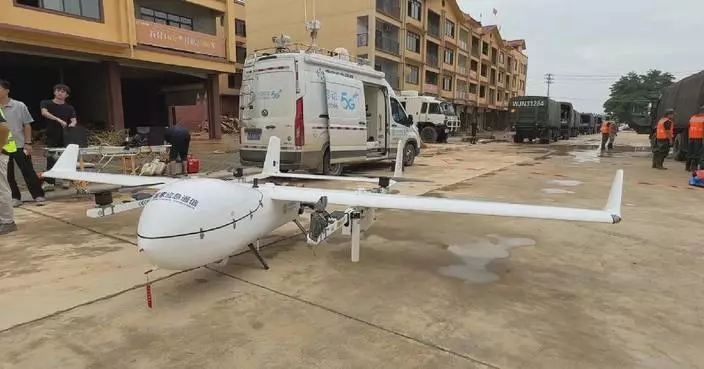
For the transportation of emergency supplies, Nanning relies on expressways and national and provincial highways to transport supplies to distribution points at the boundaries of flooded road sections, and then uses inflatable boats, drones, and other means to transfer them to resettlement sites for the affected people, ensuring their basic needs are met.
Floods in south China's Guangxi leave 39 dead, 9 reportedly missing: authorities