From 20 July, Radio Television Hong Kong (RTHK) will introduce a series of fresh programmes on TV32, including anchor-led news bulletins, programmes exploring current affairs in Chinese Mainland and overseas, and an expanded lineup of English-language content. The new programming aims to provide viewers with objective and comprehensive news, while serving as a platform to assist the government in explaining its policies and presenting the true picture of Hong Kong to the world.
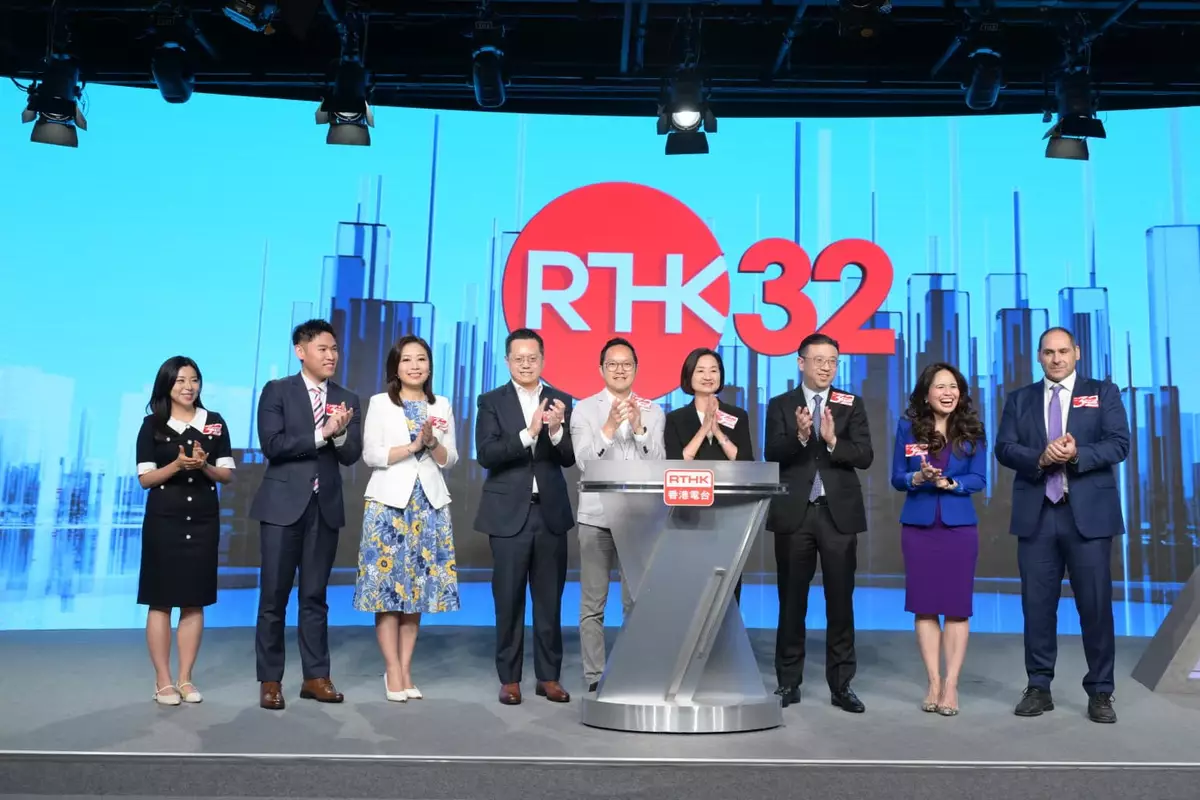
RTHK TV32 to Launch New Programming from 20 July Supporting the Government in Explaining its Policies Presenting HK on a Global Stage .
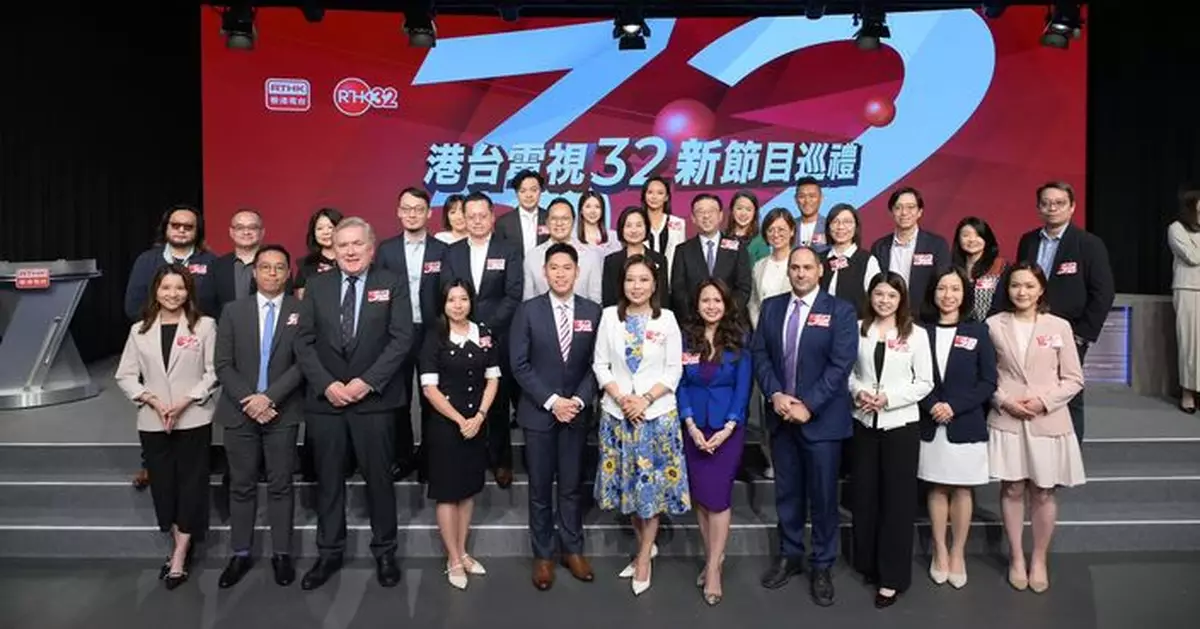
RTHK hosted its “TV32 New Programme Showcase” today (10 July) unveiling the details. Director of Broadcasting Angelina Kwan highlighted that RTHK, as the sole public service broadcaster in Hong Kong, was tasked with delivering fair, balanced, and accurate information to the community. She noted that through reorganising and optimising internal resources, TV32 would introduce a series of new programmes to enhance news and information services, while serving as a platform for government departments to communicate their policy priorities and initiatives. She reaffirmed RTHK’s commitment to its public purposes and mission. Through high-quality television and radio programming, RTHK would present the true picture of Hong Kong and tell the stories of Hong Kong and our nation.

RTHK hosted its “TV32 New Programme Showcase” today (10 July) unveiling the details.
The venue of today’s event was transformed into a live news set, with RTHK radio programme presenters Fiona CHING and Norman SIU introducing the new TV programmes in the style of a news broadcast. They were joined by news anchors Jolly WONG, Kenny YUNG, Yuki YUEN, Melissa GECOLEA, and Peter KOVEOS, along with TV programme hosts Gloria MAK, Irene HONG, Fanny LEE, Issac NG, Philip WONG, and John BRUCE. Nearly 60 university students currently interning at RTHK also attended, gaining insight into the collaborative efforts of the radio, television, and production divisions in creating the new programme lineup and learning more about RTHK’s role as a public service broadcaster.
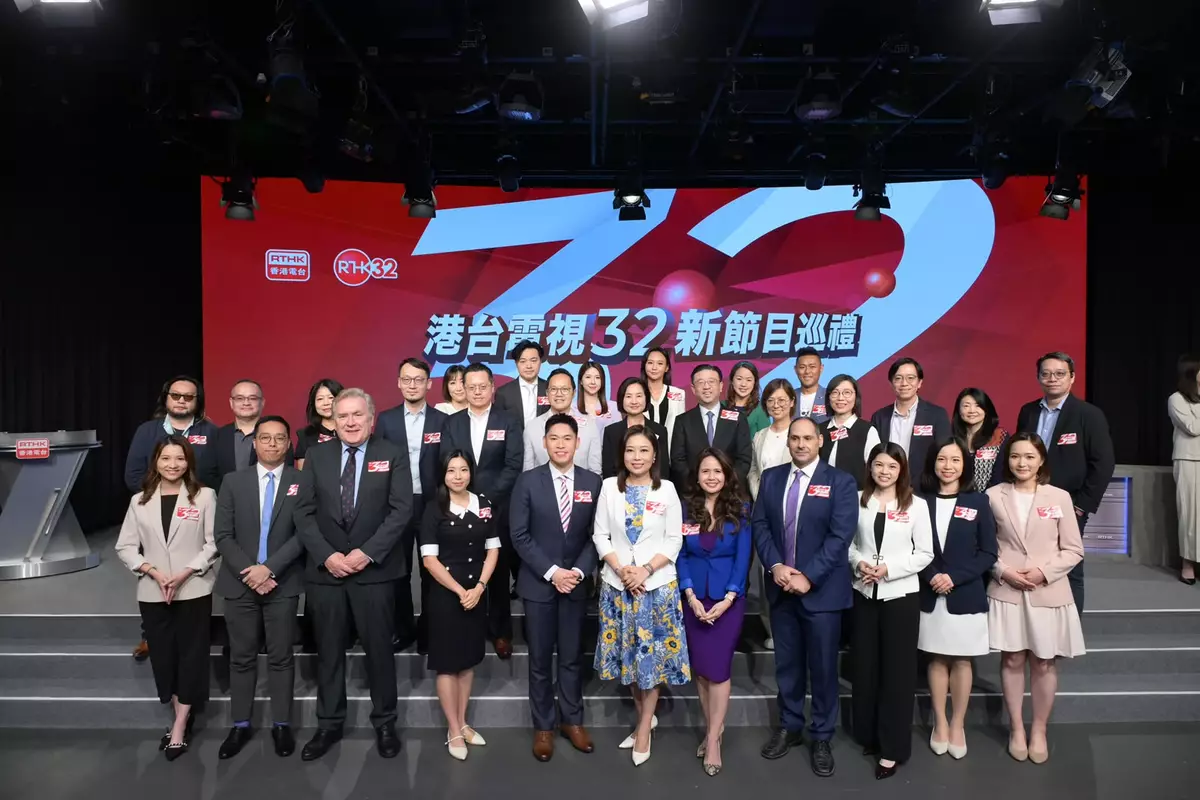
RTHK TV32 to Launch New Programming from 20 July Supporting the Government in Explaining its Policies Presenting HK on a Global Stage .
Starting from 20 July, TV32 will expand its news coverage. From 11:00 a.m. to 6:30 p.m. each day, half-hourly anchor-presented news updates will be provided. In-depth reporting will also be enhanced, with the flagship Chinese news programme “Hong Kong Today” at 7:00 p.m. and the English-language “Evening News” at 8:00 p.m., both delivered by anchors to elevate the viewing experience.
In addition, prime time at 7:30 p.m. (Monday to Friday), a range of original current affairs programmes will be featured. The first of these, “Vision 15: Hong Kong’s Chapter”, jointly produced with Hong Kong Ta Kung Wen Wei Media Group, premiered on 8 July, offering accessible insights into Hong Kong’s first Five-Year Plan. From 20 July onward, TV32 will further roll out in-house productions, including: “Kan Shen Zhou”, “Global Insight”, “18 Heartfelt Vibes”, “On Broadcast Drive”, “Between Two Cities”, and English programme “The Current”.
FS attends AIIB Annual Meeting in Qatar (with photos/video)
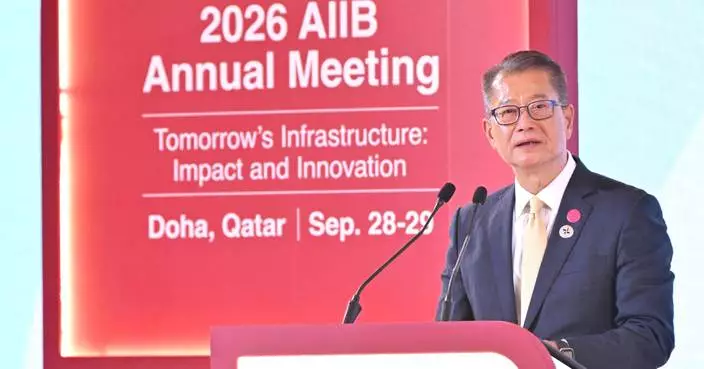
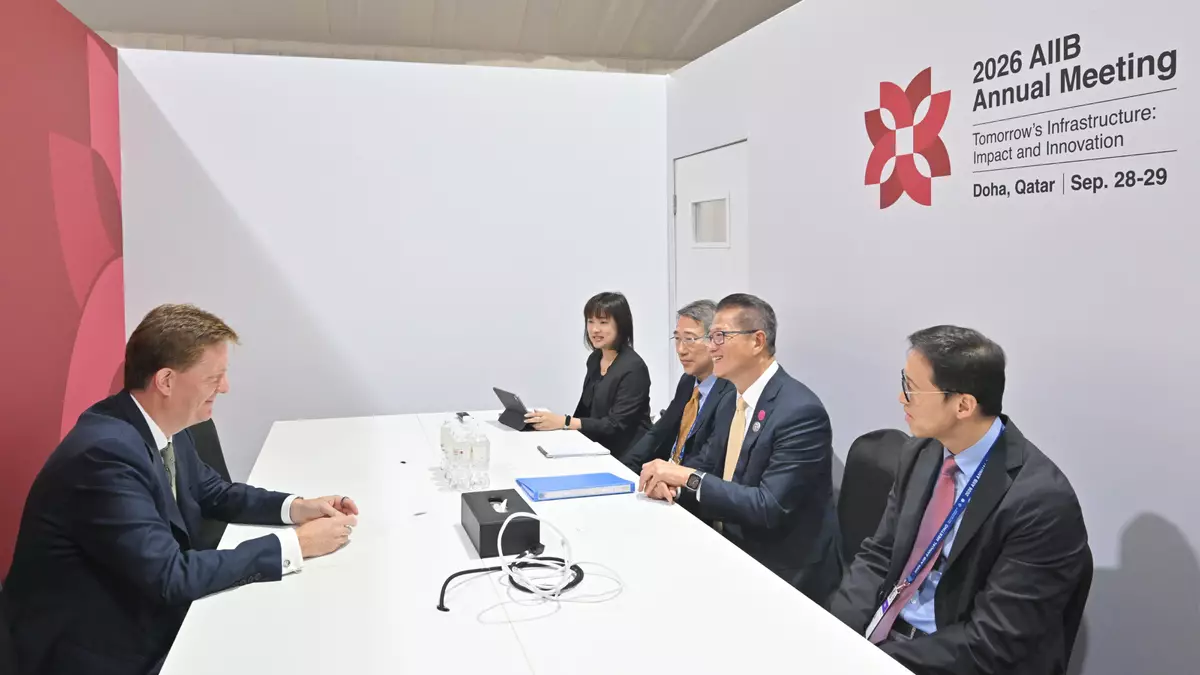
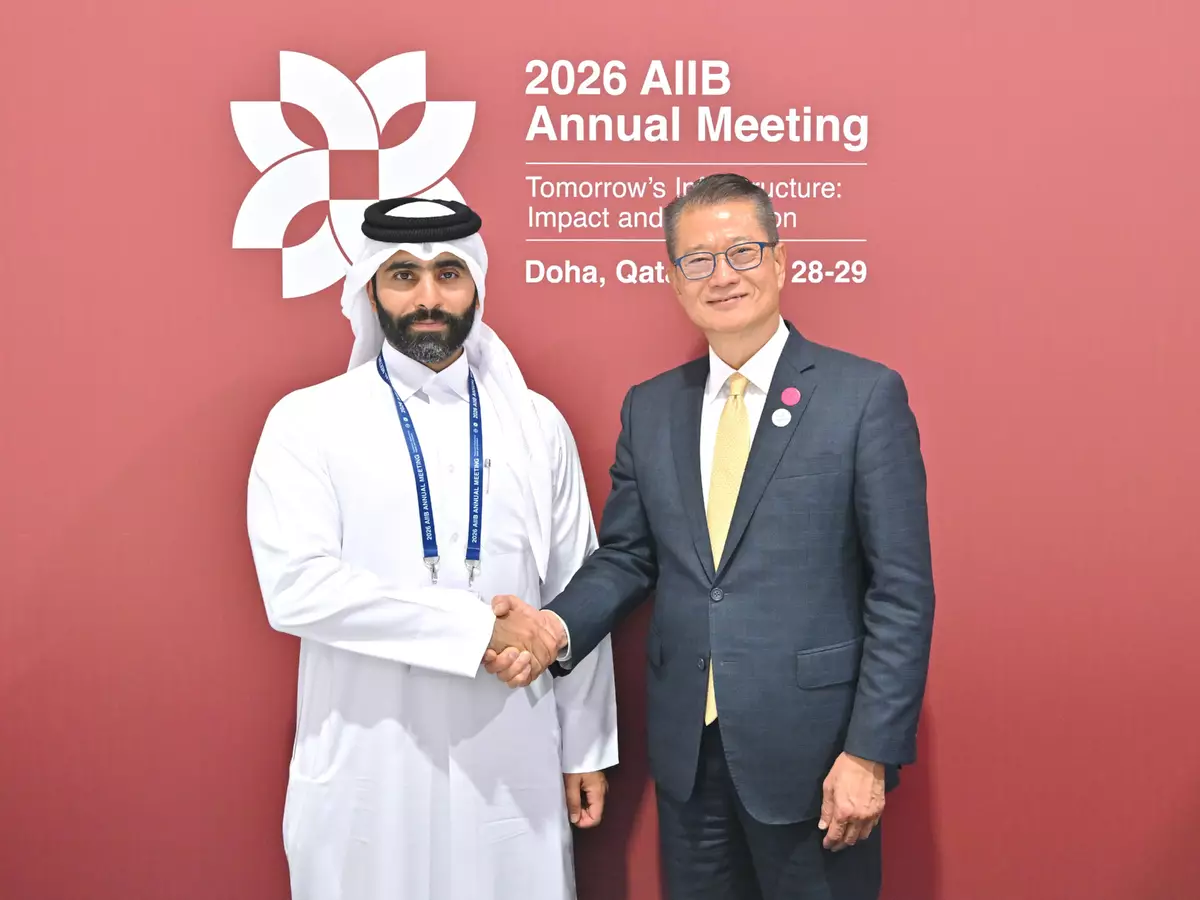
The Financial Secretary, Mr Paul Chan, continued his visit to Doha, Qatar, yesterday (September 28, Doha time), attending activities related to the 11th Annual Meeting of the Board of Governors of the Asian Infrastructure Investment Bank (AIIB). He also met with representatives from various countries and organisations to explore issues including infrastructure financing, digital public infrastructure, investment and economic co-operation.
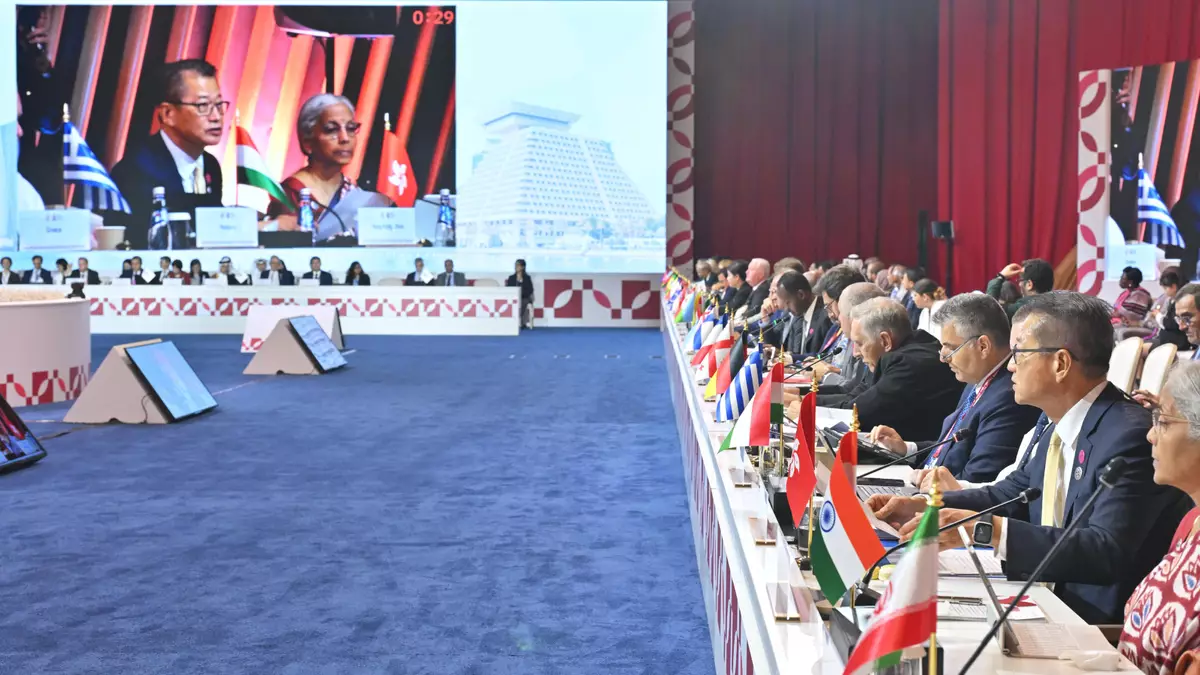
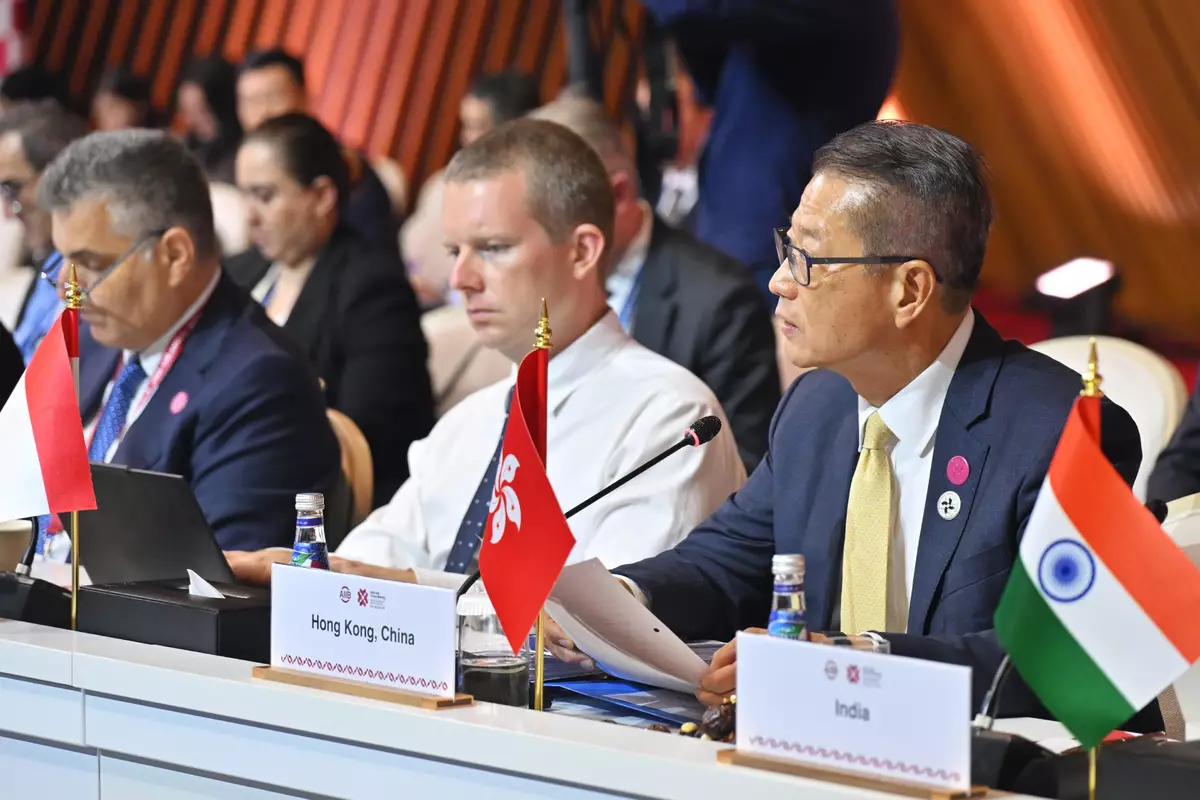
Mr Chan attended the opening ceremony of the Annual Meeting yesterday and participated in the official session of the AIIB Board of Governors and the Governors' Business Roundtable. At the roundtable, he spoke on how the AIIB could deepen and broaden its support for member economies. He said that strengthening climate resilience and developing digital infrastructure were becoming increasingly urgent priorities for economies. Translating these development needs into concrete projects requires not only financial support but also the capacity to plan and implement projects throughout their life cycle. Alongside providing financing, the AIIB could further promote knowledge and experience sharing among members, strengthen support for project planning and preparation, and help members enhance their project management and implementation capabilities to bring infrastructure projects to fruition.
Mr Chan said that Hong Kong, China, would continue to support the AIIB in helping members undertake preparatory work for infrastructure projects, creating favourable conditions for financing and smooth implementation to achieve development goals. He also welcomed the AIIB's establishment of an office in Hong Kong, saying that Hong Kong would actively support its work and leverage its strengths as an international financial centre and a provider of professional services to advance regional infrastructure and sustainable development.
Mr Chan also delivered a keynote address yesterday at a seminar entitled "Digital Public Infrastructure as an Enabler of Resilient Economies". He said that digital public infrastructure provides essential services such as identity verification, secure data exchange and convenient payments, enabling people to access public and commercial services more safely and conveniently while helping businesses expand and obtain financing. Citing Hong Kong's "iAM Smart", Faster Payment System and Commercial Data Interchange as examples, he explained how digital infrastructure could improve the efficiency of public services, facilitate payments and cross-border transactions, and help small and medium-sized enterprises make better use of data to obtain trade financing.
He also noted that the rapid development of artificial intelligence (AI) was creating new opportunities to enhance the effectiveness of digital public infrastructure. Hong Kong, China, is promoting the application of AI in public services and across different sectors of the economy, while supporting innovation by strengthening computing power, data and digital infrastructure, and enhancing AI literacy across the community. At the same time, the Hong Kong Special Administrative Region Government will strengthen cybersecurity, safeguard data privacy and improve AI risk governance, enabling the public and businesses to adopt new technologies with confidence and share in the benefits of the digital economy.
During the Annual Meeting, Mr Chan met with Uzbekistan's Minister of Investment, Industry and Trade, Mr Laziz Kudratov, to exchange views on strengthening co-operation between the two places in areas including trade, investment, finance and infrastructure development. Mr Chan said that Hong Kong attached great importance to its economic and trade relations with Uzbekistan and looked forward to further deepening mutually beneficial co-operation. He noted that Uzbekistan's Prime Minister, Mr Abdulla Nigmatovich Aripov, had visited Hong Kong twice this year, fully demonstrating Uzbekistan's commitment to advancing co-operation between the two places. He welcomed Uzbek enterprises to make full use of Hong Kong's international financing platform and professional services, including exploring opportunities to list exchange-traded products and real estate investment trusts in Hong Kong.
Mr Chan also met with the Chief Executive Officer of Qatar Development Bank, Mr Abdulrahman Hesham Al-Sowaidi, to explore joint efforts to promote bilateral trade, support the development of start-ups in both places, and strengthen investment co-operation in venture capital. In addition, he met with HSBC's Chief Executive Officer of Infrastructure Finance and Sustainability, Sir Danny Alexander, to discuss infrastructure financing and related opportunities for co-operation.
In the evening, Mr Chan attended the AIIB Annual Meeting Members' Dinner hosted by Qatar, where he exchanged views with representatives of governments, multilateral development organisations, financial institutions and the business community from around the world.
Mr Chan concluded his visit and departed for Hong Kong late last night (September 28, Doha time). He will arrive in Hong Kong this afternoon (September 29, Hong Kong time).
FS attends AIIB Annual Meeting in Qatar (with photos/video) Source: HKSAR Government Press Releases
FS attends AIIB Annual Meeting in Qatar (with photos/video) Source: HKSAR Government Press Releases
FS attends AIIB Annual Meeting in Qatar (with photos/video) Source: HKSAR Government Press Releases
FS attends AIIB Annual Meeting in Qatar (with photos/video) Source: HKSAR Government Press Releases
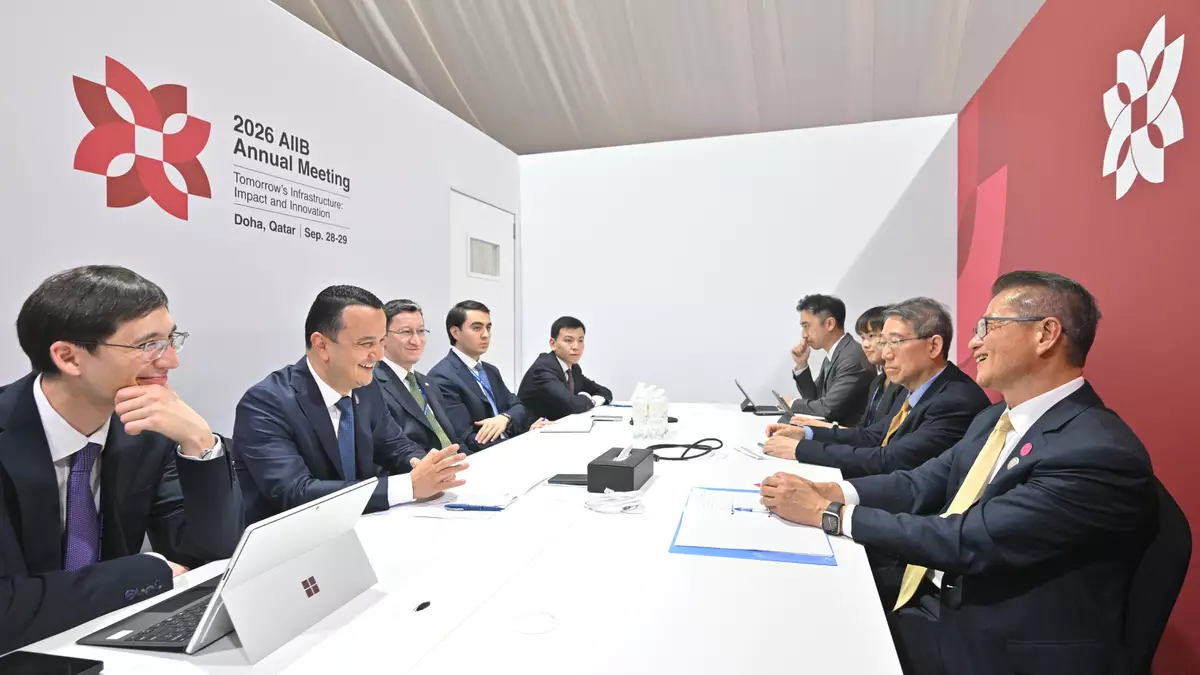
FS attends AIIB Annual Meeting in Qatar (with photos/video) Source: HKSAR Government Press Releases
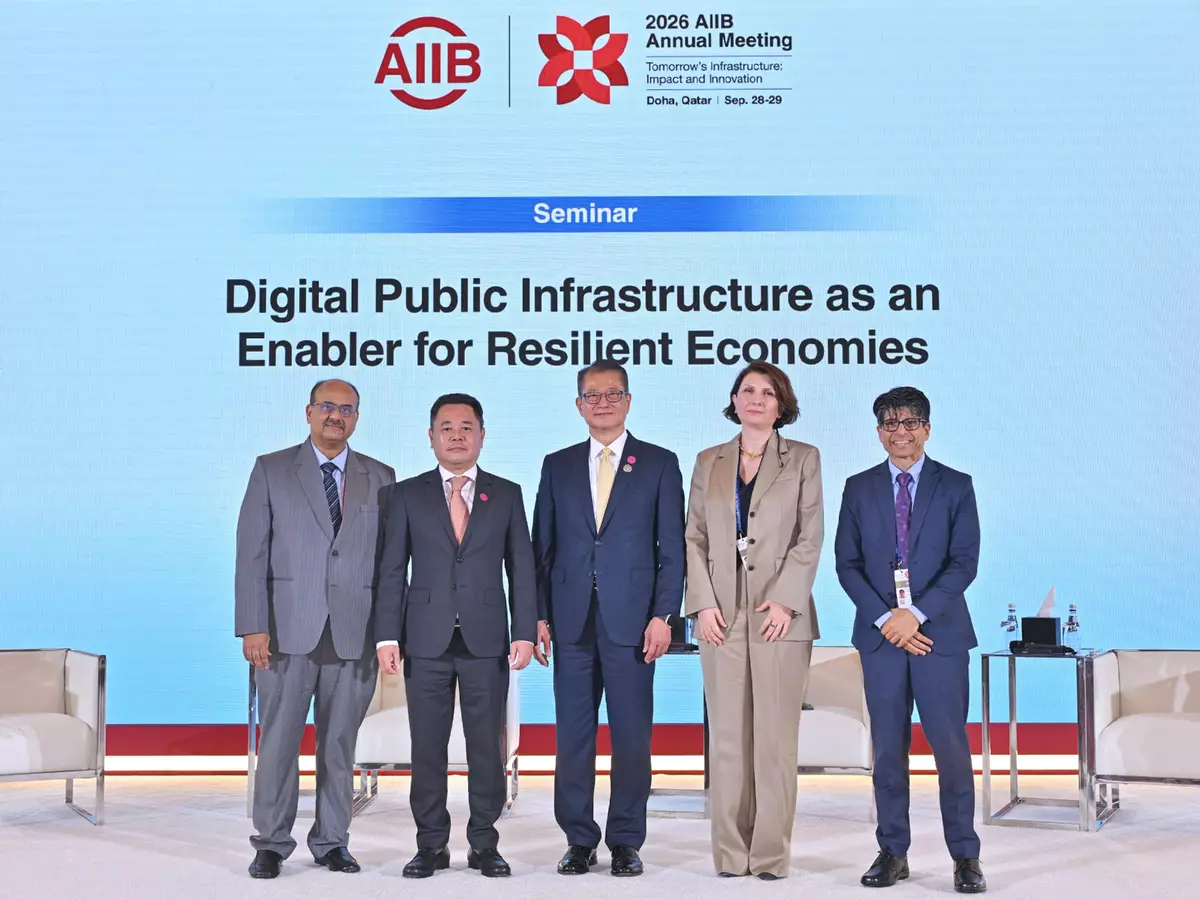
FS attends AIIB Annual Meeting in Qatar (with photos/video) Source: HKSAR Government Press Releases
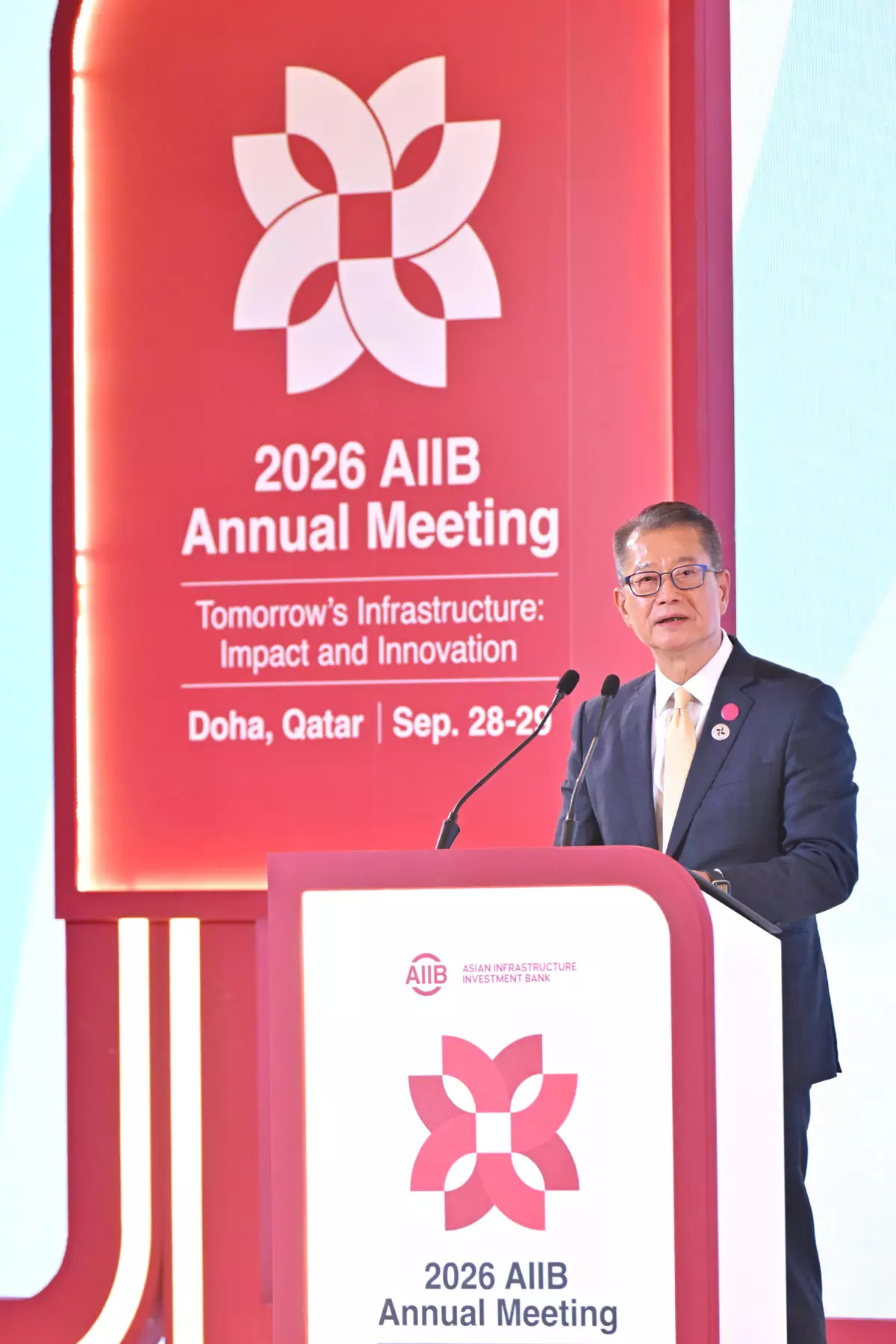
FS attends AIIB Annual Meeting in Qatar (with photos/video) Source: HKSAR Government Press Releases