Most of America's Lower 48 states are about to swelter under an unusually large, strong and long-lasting heat dome that will spike temperatures in a way that the National Weather Service calls “significant and dangerous.”
The heat wave will start this weekend and last at least a week, with some areas feeling its effects until the end of the month, meteorologists said. Temperatures will be 15 to 25 degrees Fahrenheit (8 to 14 degrees Celsius) warmer than normal in many areas, including at night, they said. Hotter nighttime temperatures are especially bad for both human health and efforts to tamp down an already active wildfire season.
Click to Gallery

FILE - Visitors use fans as as they wait to enter the Washington Monument, July 1, 2026, in Washington. (AP Photo/Tom Brenner, File)
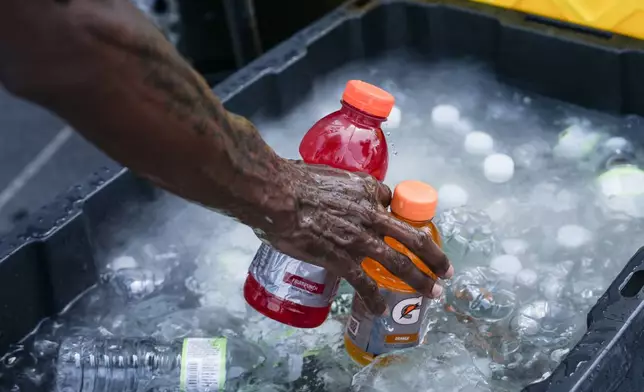
FILE - A vendor sells Gatorade and water bottles near the Washington Monument during a heat wave July 3, 2026, in Washington. (AP Photo/Julia Demaree Nikhinson, File)
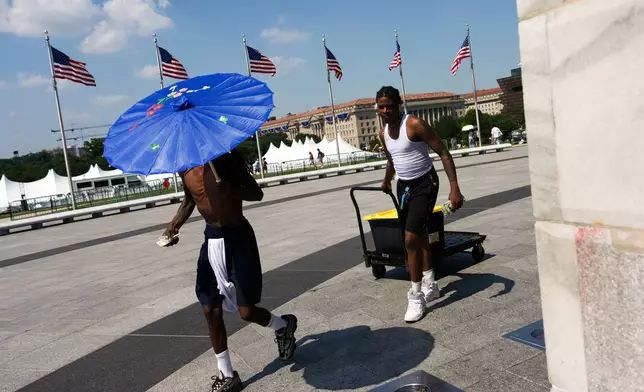
FILE - Vendors sell Gatorade and water bottles near the Washington Monument during a heat wave, July 3, 2026, in Washington. (AP Photo/Julia Demaree Nikhinson, File)

FILE - A police officer holds ice to their neck to try and stay cool following the 2026 Nathan's Famous Fourth of July hot dog eating contest at Coney Island in the Brooklyn borough of New York, July 4, 2026. (AP Photo/Anna Connors, File)

FILE - Mickelina Papotto, of Salem, Ore., left, and Lorie Odegaard, of Gaithersburg, Md., fan themselves while waiting in line for the ferris wheel at the Great American State Fair on the National Mall, July 1, 2026, in Washington. (AP Photo/Jacquelyn Martin)
“This upcoming heat wave does look pretty remarkable,” said Daniel Swain, a climate scientist with University of California Agriculture and Natural Resources. “This is going to be a long duration, widespread and high-intensity heat event that’s going to affect millions of people for over a week.”
A dome of high pressure — which traps hot air like a pot lid while blocking cooling winds and rain — will initially park over the Northern Plains, but it will be so big that it will trap sweltering temperatures across as much as two-thirds of the continental United States, three meteorologists told The Associated Press. While it will initially miss the East Coast, the heat dome will shift and wobble, maybe even spreading from coast-to-coast over the next 10 days or more, they said.
Forecasters are expecting record triple-digit highs this weekend in Nevada, Utah, Colorado, Wyoming, Idaho, Montana, North Dakota and South Dakota.
The weather service is predicting more than 90 U.S. local temperature records will be tied or broken through Wednesday, with two-thirds being overnight heat records that can hinder how the human body recovers from broiling days.
“Nights can be just as dangerous as days. If you don’t get heat relief at night, that’s going to spill out into your daytime experience and become extremely dangerous,” said meteorologist Bob Henson with Yale Climate Connections. “Heat is not to be played with. It’s just as dangerous as a tornado or hurricane that can kill you just as easily, just in a quiet and different way.”
Swain said what makes this heat wave so different is how big a warm shadow it will cast and how long it will persist.
In the past couple of weeks, major heat waves have caused extensive suffering in Europe, the U.S. East Coast and most recently the U.S. Southeast. Now any place in the United States that escaped the earlier July heat waves will get this one, Swain said.
Rain is likely to sneak below the southern edge of the heat dome and douse the U.S. Southeast during the daytime, setting up something strange, Climate Central meteorologist Shel Winkley said. Because of the added moisture and humidity, the Southeast could get record-shattering nighttime heat but below-normal daytime warmth, he said.
The weather service is predicting record nighttime heat in a number of locations from Texas to Florida to North Carolina on Saturday. Temperatures won't drop below 80 degrees (27 degrees Celsius) at night in Fort Lauderdale, Florida; Miami; Tampa, Florida; Galveston, Texas; and Charleston, South Carolina, according to the forecast.
While heat domes are not unusual in the summer, Winkley said this one stands out because of how strong it is, likely to set records for the amount of high pressure that it will contain. It's especially unusual for being so far north, he said.
It’s likely to persist so long because drought-stricken areas have less soil and air moisture that would normally slow the warming of the air, Swain said. The drier, hotter air then worsens the drought conditions and stokes more heat in a vicious cycle, he said.
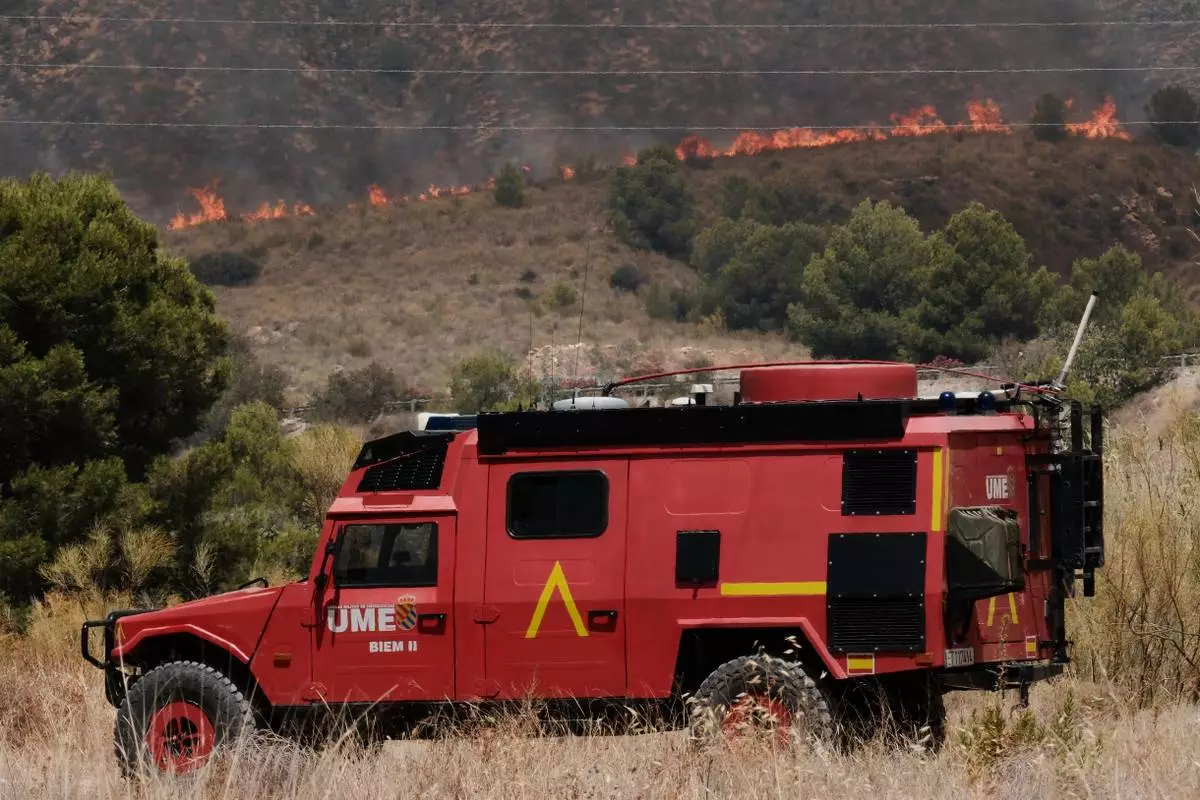
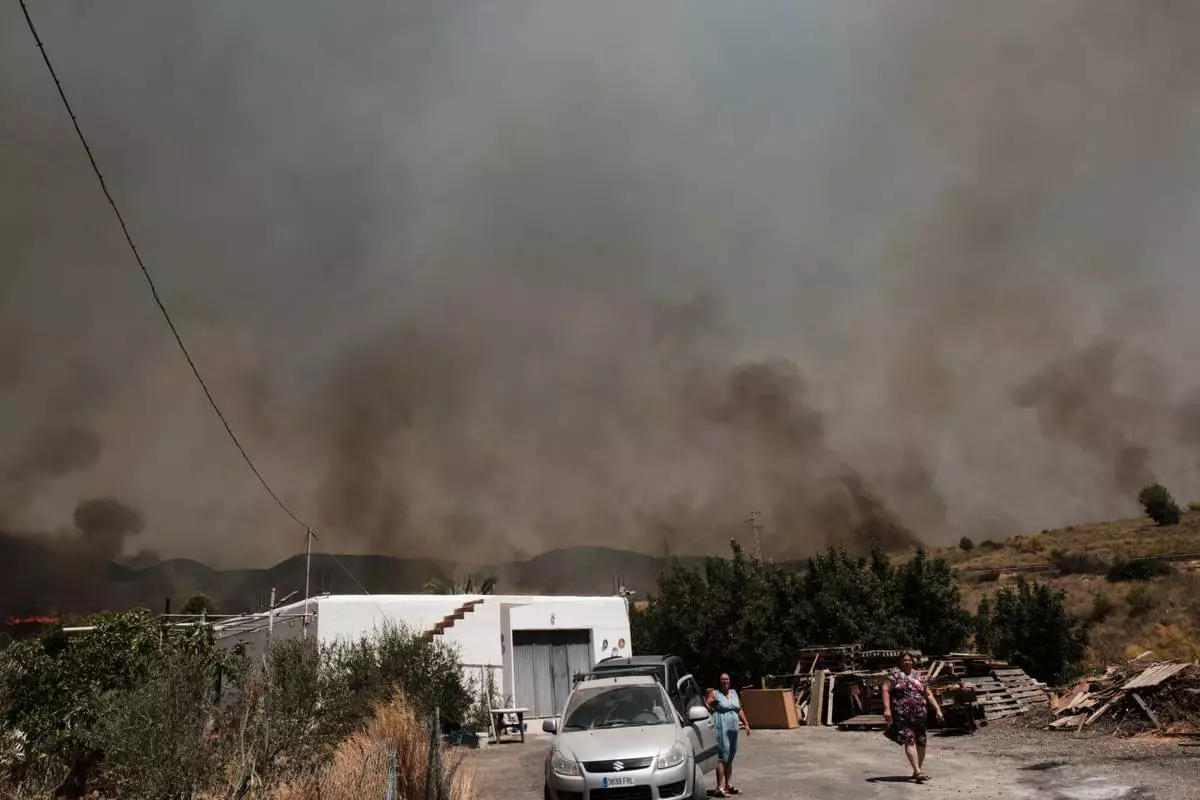
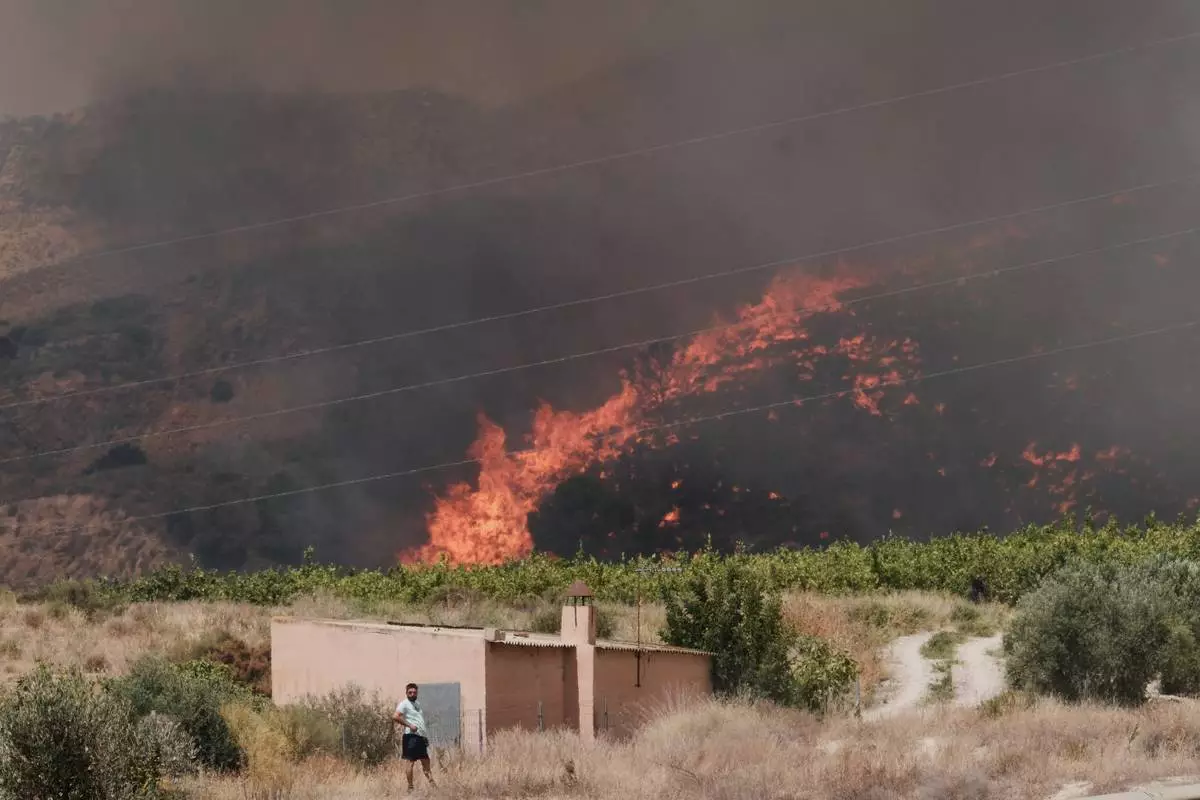
This will add to wildfire risk, already bad because of the drought, he said.
The El Nino that recently formed is too young to have a pronounced impact on this heat wave, but climate change from the burning of coal, oil and natural gas clearly does, the three meteorologists said.
“We know that heat waves are becoming more intense, they’re lasting longer, they’re covering larger areas than they used to because of human-caused climate change,” Swain said. “And so when we see an event like this, we know there is at least a partial contribution by the long-term warming trend.”
Climate Central uses 20 different computer models to compare what's forecast to what would be expected in a world without greenhouse gas-caused warming as part of its Climate Shift Index. A 20,000-square-mile (52,000-square-kilometer) swath of the country from Southern California to northern Minnesota where 24 million people live this weekend will have warmth reaching the highest level on that index, meaning the heat is at least five times more likely because of climate change. Their analysis produced similar readings for the East Coast heat wave over the July 4 weekend and the recent Southeast heat wave.
“Using attribution science we know that those temperatures would be virtually impossible without the influence of climate change,” Winkley said.
The Associated Press’ climate and environmental coverage receives financial support from multiple private foundations. AP is solely responsible for all content. Find AP’s standards for working with philanthropies, a list of supporters and funded coverage areas at AP.org.
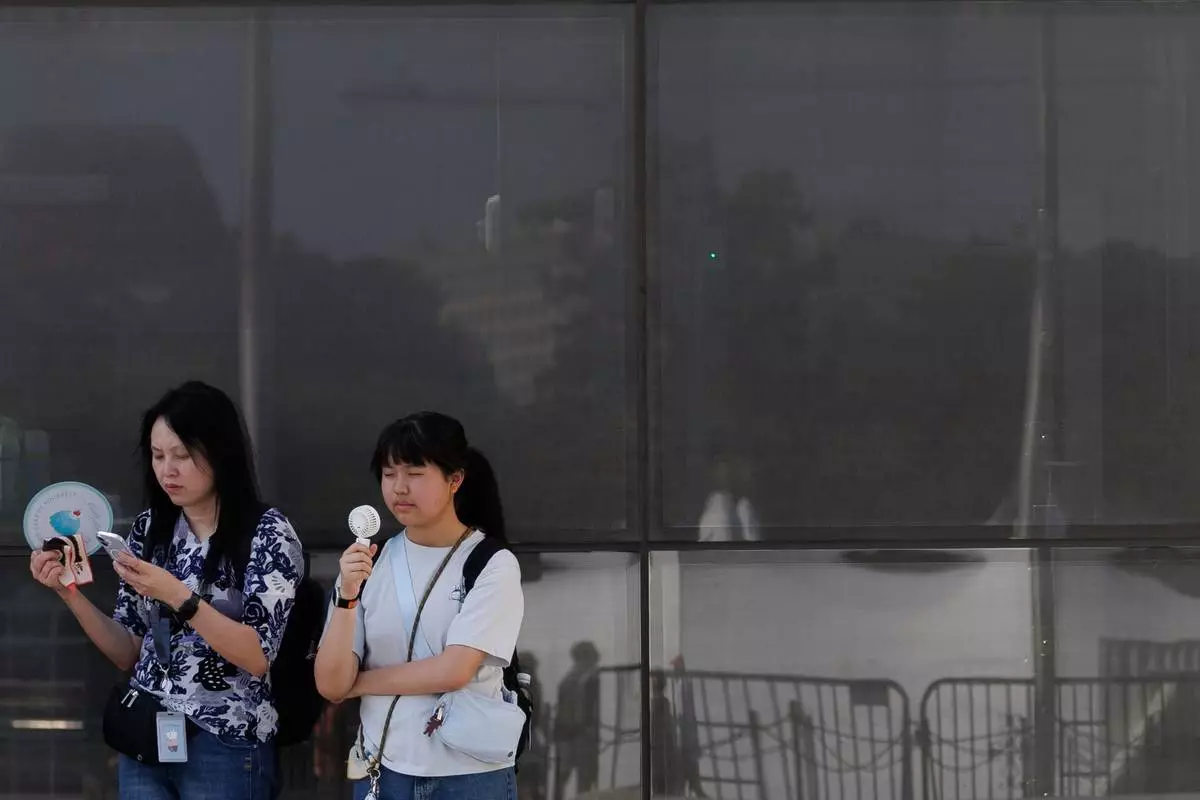
FILE - Visitors use fans as as they wait to enter the Washington Monument, July 1, 2026, in Washington. (AP Photo/Tom Brenner, File)
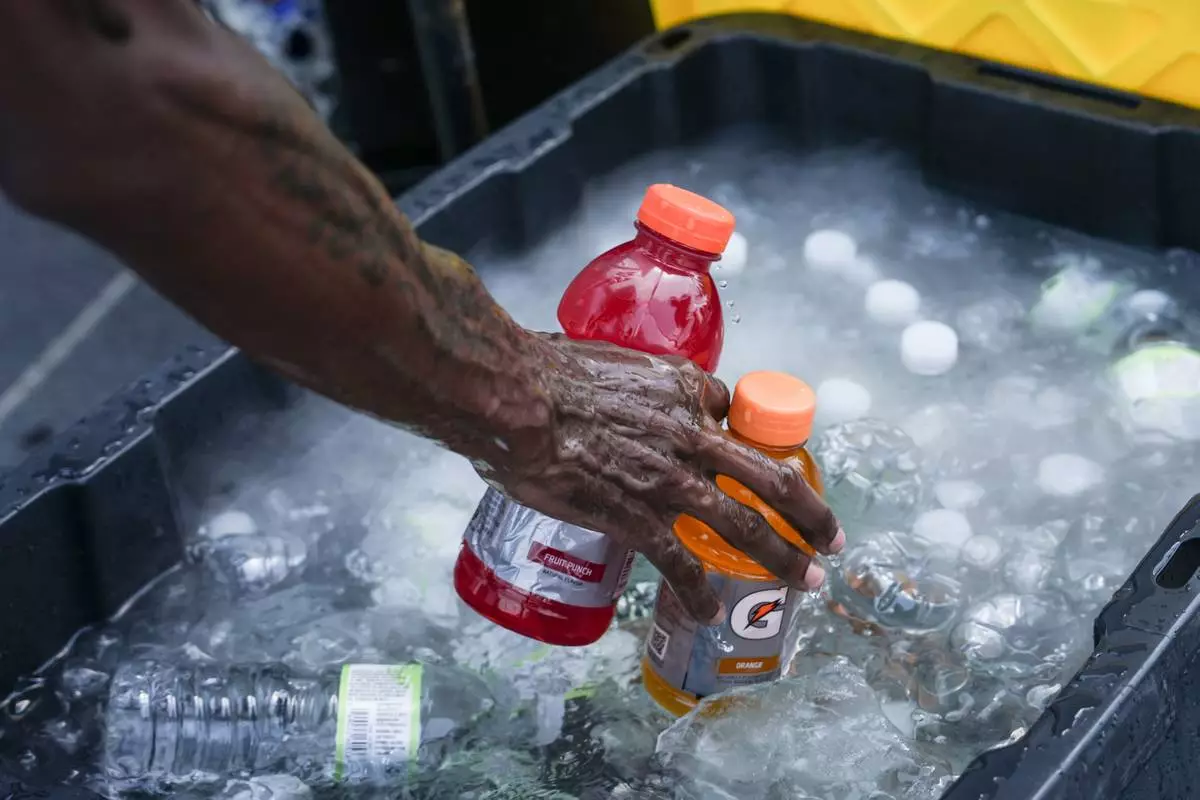
FILE - A vendor sells Gatorade and water bottles near the Washington Monument during a heat wave July 3, 2026, in Washington. (AP Photo/Julia Demaree Nikhinson, File)
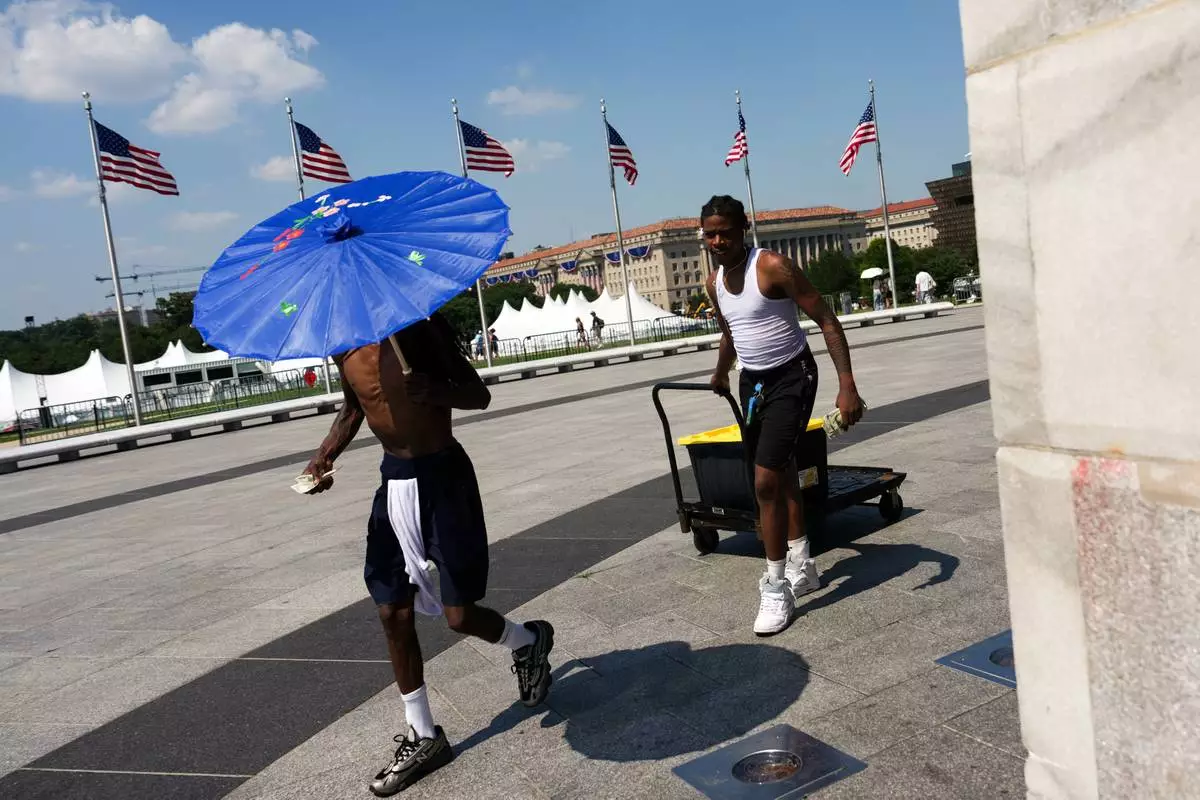
FILE - Vendors sell Gatorade and water bottles near the Washington Monument during a heat wave, July 3, 2026, in Washington. (AP Photo/Julia Demaree Nikhinson, File)

FILE - A police officer holds ice to their neck to try and stay cool following the 2026 Nathan's Famous Fourth of July hot dog eating contest at Coney Island in the Brooklyn borough of New York, July 4, 2026. (AP Photo/Anna Connors, File)

FILE - Mickelina Papotto, of Salem, Ore., left, and Lorie Odegaard, of Gaithersburg, Md., fan themselves while waiting in line for the ferris wheel at the Great American State Fair on the National Mall, July 1, 2026, in Washington. (AP Photo/Jacquelyn Martin)