Annalena Baerbock, president of the 80th Session of the United Nations General Assembly (UNGA), commended China's steadfast commitment to the multilateral system with the United Nations at its center.
Baerbock visited Beijing from April 29 to 30, where she met with Chinese Foreign Minister Wang Yi to discuss the need to defend the UN Charter and the international order in challenging times.
In an interview with China Media Group during the visit, she underscored the crucial importance of upholding and advancing multilateral systems.
"In a time where the international order and multilateralism is under pressure, it's the main job of the President of the General Assembly to defend the Charter and all the three principles -- peace and security, sustainable development, and human rights. And I called for a cross-regional alliance to stand up for multilateralism. And therefore, I came here to China, one of not only the founding members of the United Nations, but one of the strongest supporters for multilateralism, be it financial wise, as currently the biggest financial donor, but also with regard to the support of the peacekeeping mission with a strong engagement in sustainable development, and to not only value these commitments, but also to encourage others to join forces," Baerbock said.
In nominal terms, China is the second-largest financial contributor to the United Nations' regular budget, behind the United States. Yet, it is considered the de facto top financial contributor, as the U.S. frequently withholds or delays its payments.
China is also the second-largest financial contributor to UN peacekeeping operations and provides more peacekeepers than any of the other permanent members of the UN Security Council.
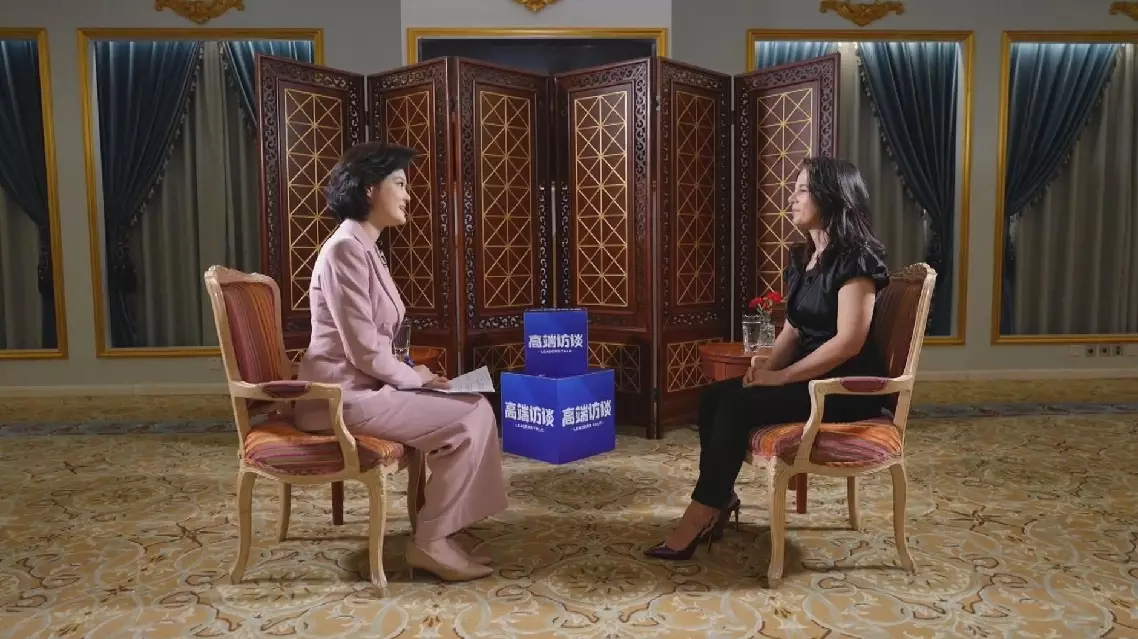
UNGA president hails China's strong support for multilateralism
China on Friday called on the United Nations Security Council to uphold an objective and impartial stance, create favorable conditions for diplomatic negotiations on and a political solution to the Iranian nuclear issue, and maintain the ceasefire and cessation of hostilities in the Middle East.
Speaking at an open meeting of the UN Security Council on the Iranian nuclear issue, Sun Lei, China's deputy permanent representative to the United Nations, said that the signing of the memorandum of understanding (MoU) between the United States and Iran had once eased tensions in the Middle East, but the current ceasefire situation has seen renewed volatility, with the prospects for negotiations becoming complicated.
Whether the Iranian nuclear issue can be properly resolved concerns whether the Middle East can return to peace and stability, and concerns the common interests of the international community. The relevant parties should advance negotiations with a rational and pragmatic attitude, Sun said.
The U.S.-Iran MoU commits to respecting each other's sovereignty and territorial integrity, permanently halting military activities on all fronts, and setting out a roadmap for negotiations and the lifting of sanctions. China urges all relevant parties to remove destabilizing factors, abandon using or threatening to use force, uphold and implement the outcomes of the MoU, reach a solution that addresses the concerns of all sides, lift sanctions against Iran as soon as possible, and push for substantive progress in the political settlement process, he said.
To properly address the Iranian nuclear issue, it is essential to respect the legitimate demands and lawful rights and interests of the parties concerned. Iran should continue to uphold its commitment not to develop nuclear weapons. Iran enjoys the legitimate right to the peaceful use of nuclear energy. The United States should take practical actions to create conditions for a political resolution of the Iranian nuclear issue, Sun noted.
"The immediate priority for the Security Council is to uphold an objective and impartial stance, buy time and space for diplomatic efforts, foster a positive atmosphere for negotiations, and avoid becoming a tool for individual countries to advance their own political agendas or exert pressure," said Sun.
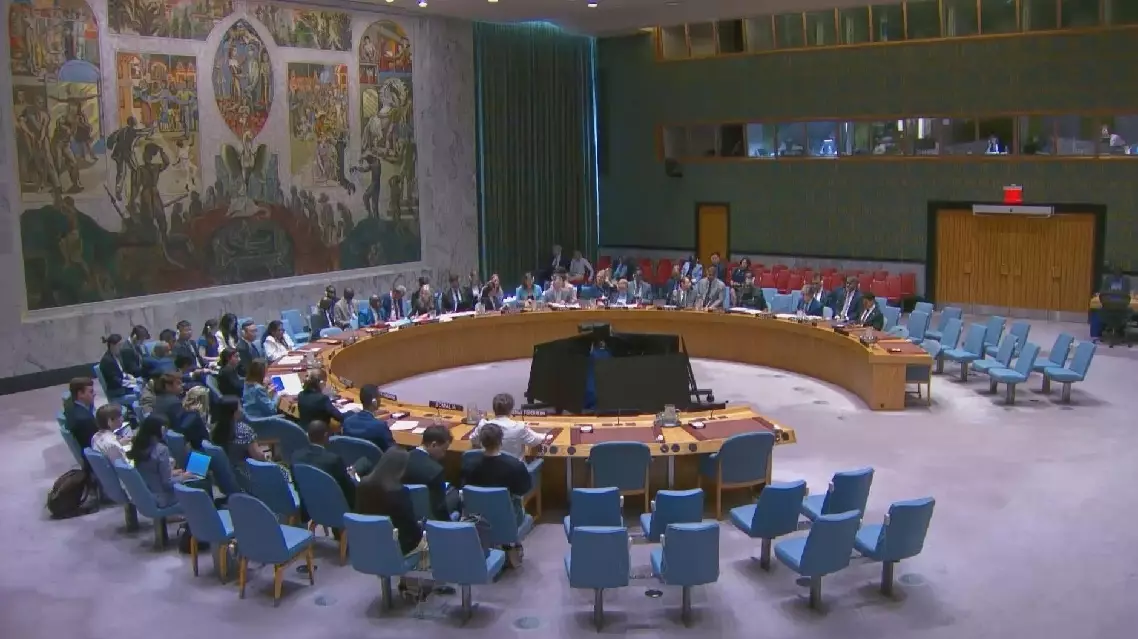
China calls for upholding ceasefire at UN Security Council meeting on Iran nuclear issue