Skip to Content Facebook Feature Image

Qatar's former ruler Sheikh Hamad bin Khalifa Al Thani has died at age 74, state news agency says

News

Qatar's former ruler Sheikh Hamad bin Khalifa Al Thani has died at age 74, state news agency says
News

News

Qatar's former ruler Sheikh Hamad bin Khalifa Al Thani has died at age 74, state news agency says

2026-07-12 13:51 Last Updated At:14:01

DUBAI, United Arab Emirates (AP) — Sheikh Hamad bin Khalifa Al Thani, who as ruler of Qatar transformed the tiny Persian Gulf nation into a global player in diplomacy, media and investment, and then shattered tradition by voluntarily turning over power to his son, has died, state media reported. He was 74.

The state-run Qatar News Agency reported his death. It offered no cause.

More Images
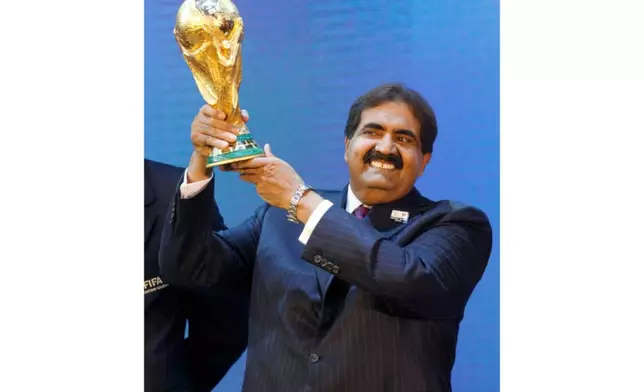
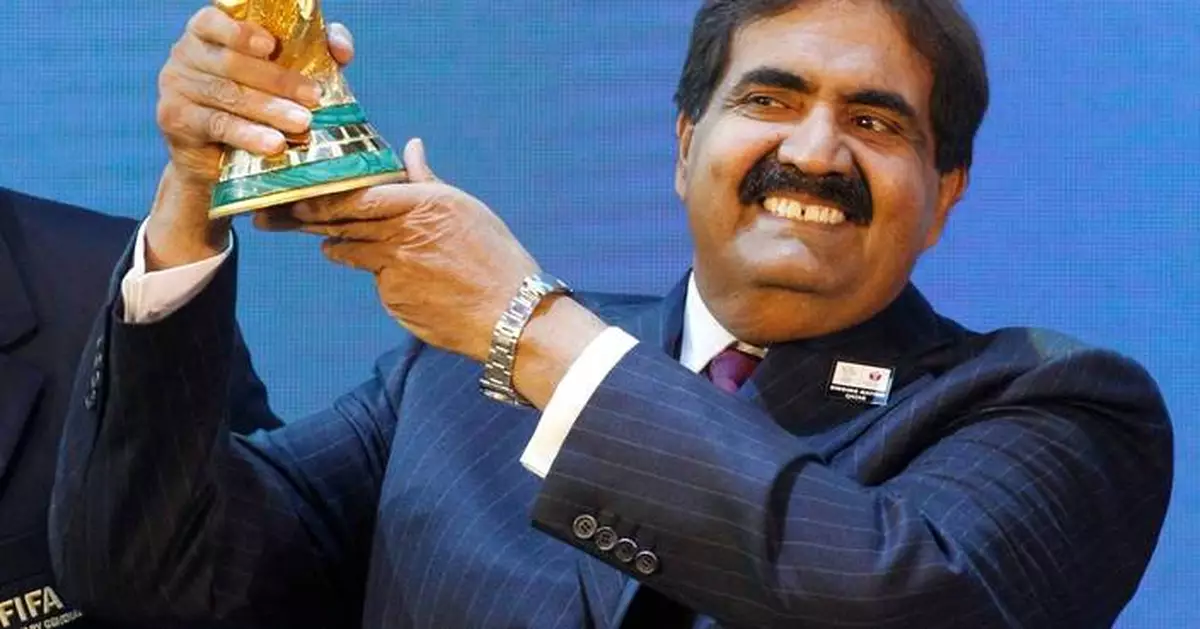
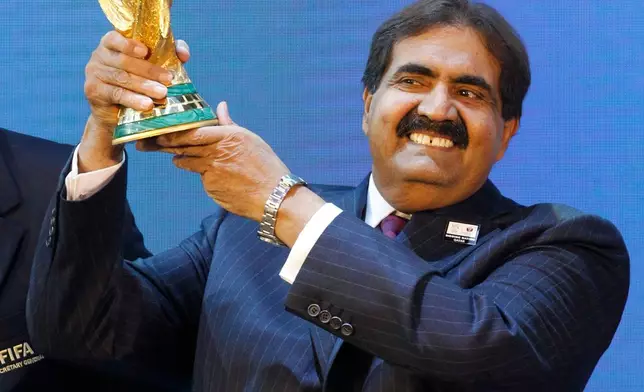
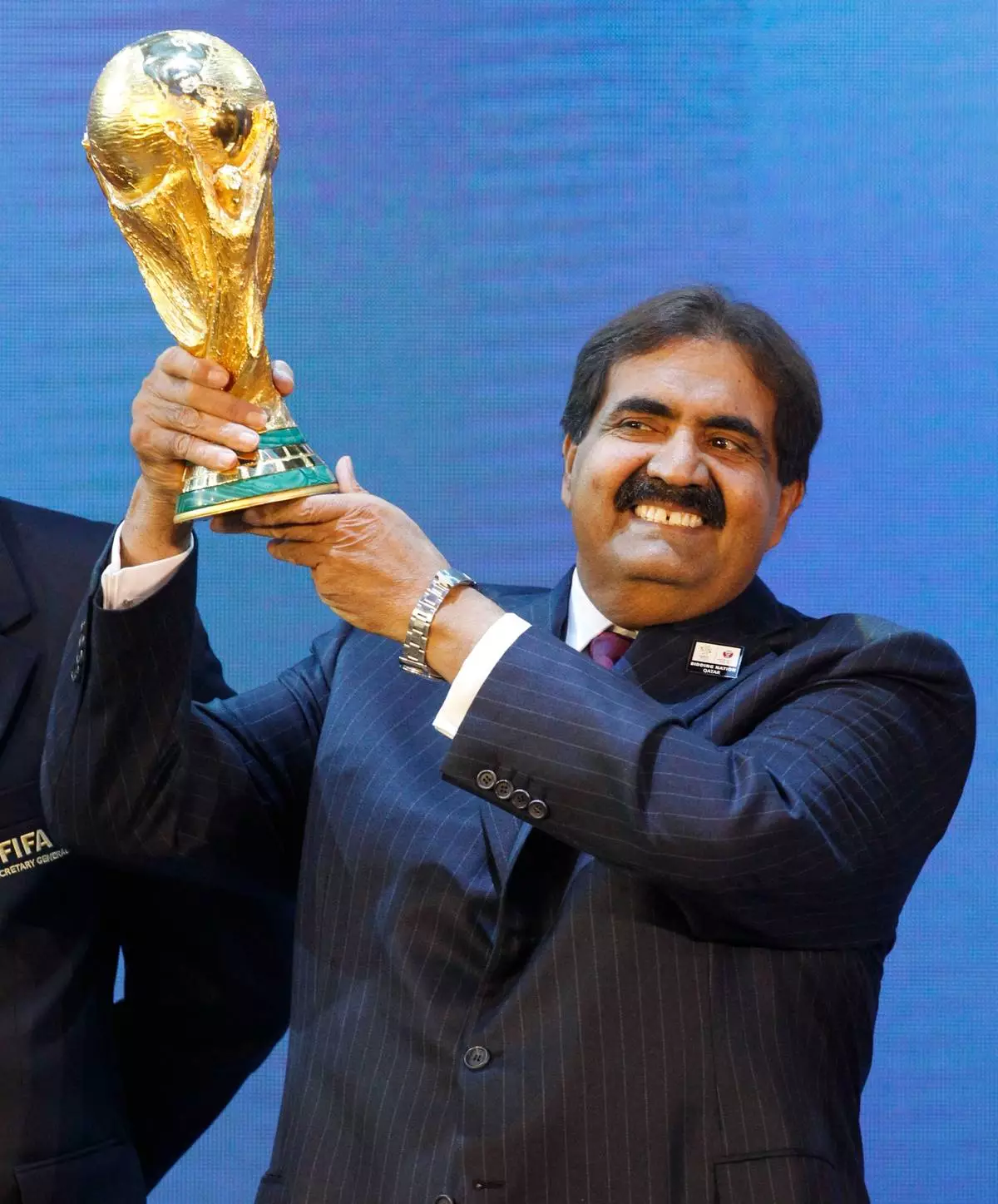
FILE - Sheikh Hamad bin Khalifa Al Thani, Emir of Qatar, holds the World Cup trophy after the announcement of Qatar hosting the 2022 soccer World Cup in Zurich, Switzerland, Dec. 2, 2010. (AP Photo/Anja Niedringhaus, File)
FILE - Sheikh Hamad bin Khalifa Al Thani, Emir of Qatar, holds the World Cup trophy after the announcement of Qatar hosting the 2022 soccer World Cup in Zurich, Switzerland, Dec. 2, 2010. (AP Photo/Anja Niedringhaus, File)

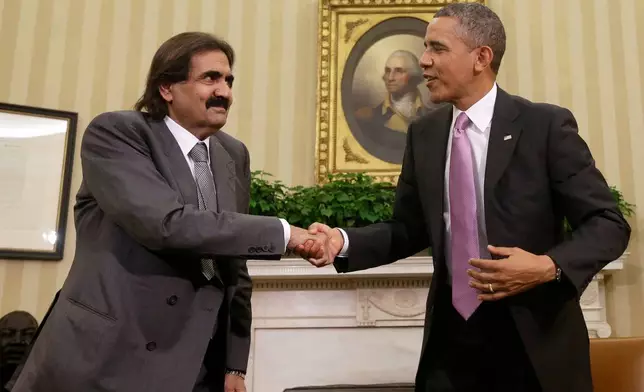
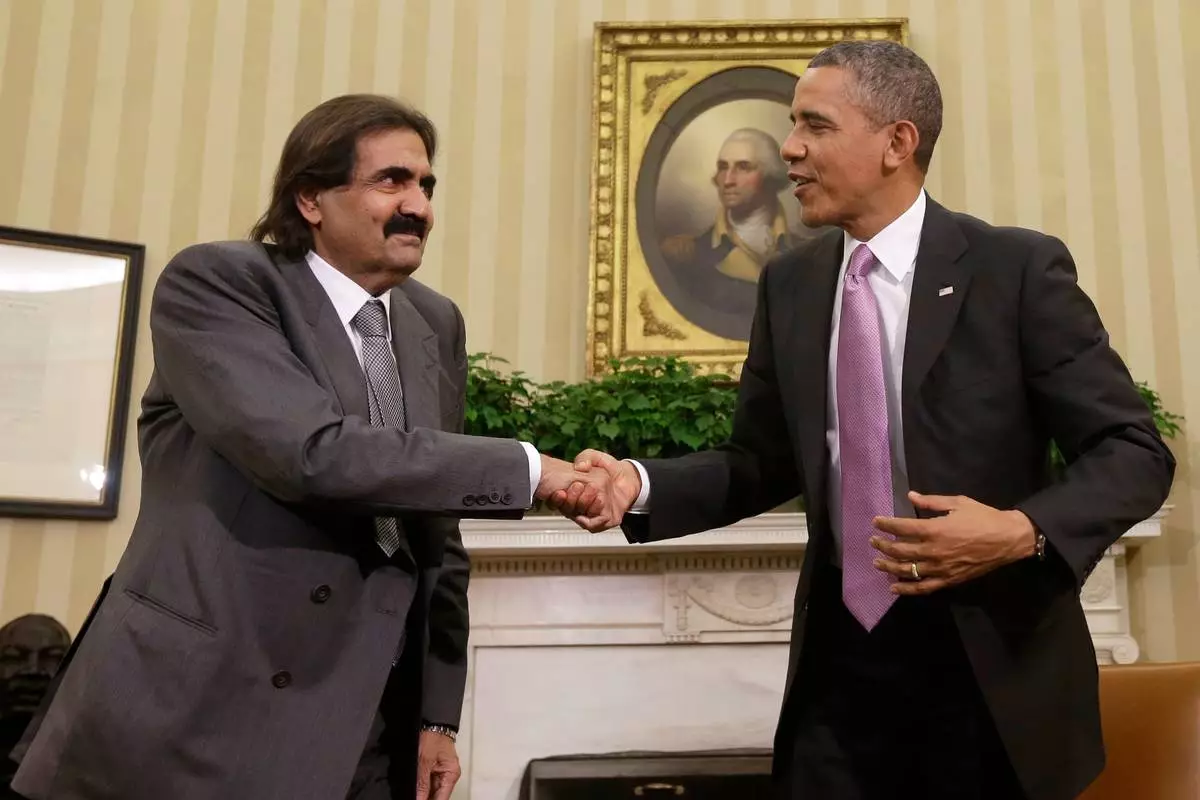
FILE - President Barack Obama shakes hands with Sheikh Hamad bin Khalifa Al Thani of Qatar during their meeting in the Oval Office of the White House in Washington, April 23, 2013. (AP Photo/Pablo Martinez Monsivais, File)
FILE - President Barack Obama shakes hands with Sheikh Hamad bin Khalifa Al Thani of Qatar during their meeting in the Oval Office of the White House in Washington, April 23, 2013. (AP Photo/Pablo Martinez Monsivais, File)

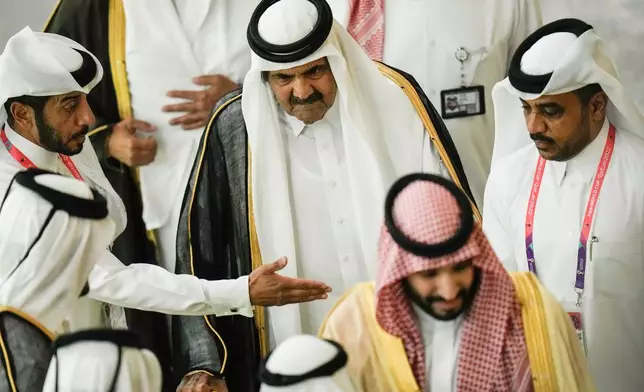
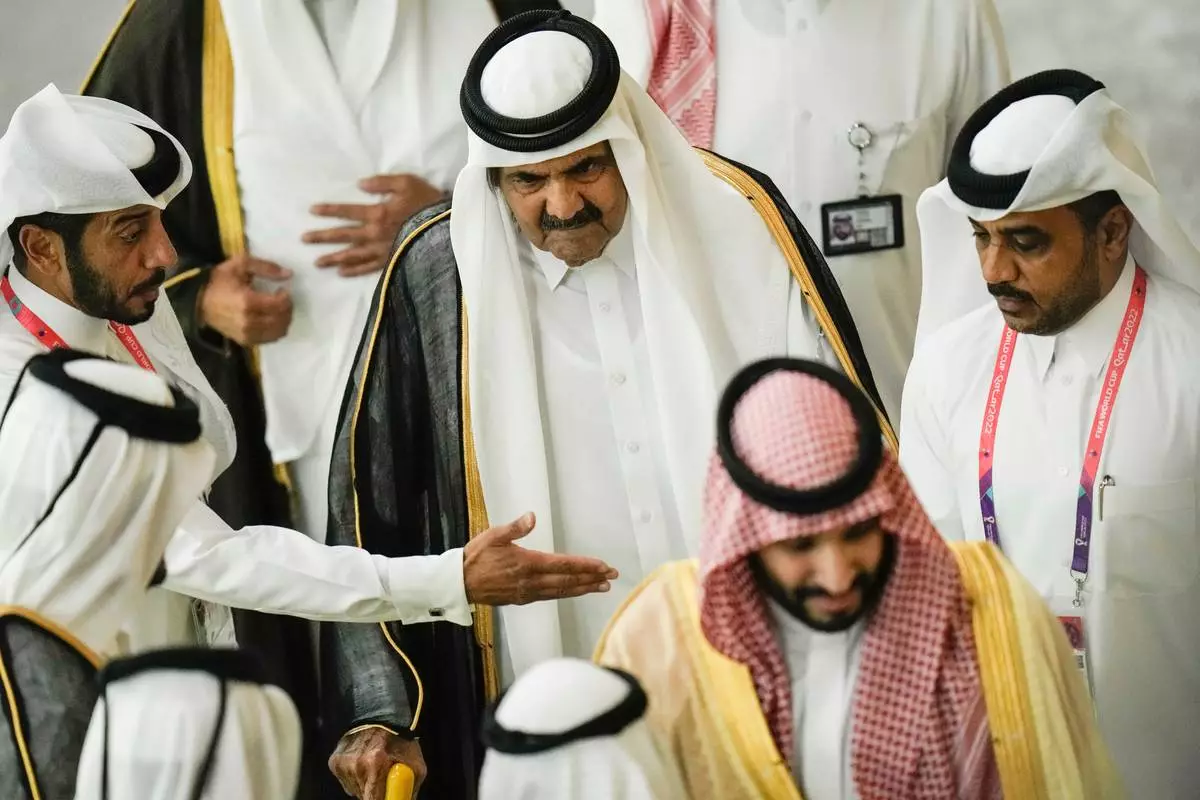
FILE - Former Emir of Qatar Sheikh Hamad bin Khalifa Al Thani, center, arrives before the start of the World Cup group A soccer match between Qatar and Ecuador at the Al Bayt Stadium in Al Khor, Qatar, Nov. 20, 2022. (AP Photo/Hassan Ammar, File)
FILE - Former Emir of Qatar Sheikh Hamad bin Khalifa Al Thani, center, arrives before the start of the World Cup group A soccer match between Qatar and Ecuador at the Al Bayt Stadium in Al Khor, Qatar, Nov. 20, 2022. (AP Photo/Hassan Ammar, File)

FILE - Sheikh Hamad bin Khalifa Al Thani, Emir of Qatar, holds the World Cup trophy after the announcement of Qatar hosting the 2022 soccer World Cup in Zurich, Switzerland, Dec. 2, 2010. (AP Photo/Anja Niedringhaus, File)

FILE - Sheikh Hamad bin Khalifa Al Thani, Emir of Qatar, holds the World Cup trophy after the announcement of Qatar hosting the 2022 soccer World Cup in Zurich, Switzerland, Dec. 2, 2010. (AP Photo/Anja Niedringhaus, File)

Sheikh Hamad, who stepped down in June 2013 after 18 years as emir, was the architect of energy-rich Qatar’s stunning ambitions that turned it from a backwater into an international crossroads in less than a generation. Qatar owns the Harrod’s department store in London and founded the powerful Al Jazeera satellite news network.

Qatar’s political reach today stretches from North Africa to Afghanistan and it hosted the 2022 FIFA World Cup, the world’s most-watched soccer event. Sheikh Hamad, though long out of power, received thunderous applause from Qataris attending its opening match.

But Qatar’s rise under Sheikh Hamad also rankled regional and Western allies with its independent-minded policymaking, including its close ties to Shiite powerhouse Iran, the Palestinian militant Hamas group and Egypt’s outlawed Muslim Brotherhood.

Al Jazeera’s blunt reporting, though a much-praised departure from the traditionally deferential habits of Arab media, also was criticized and accused of slanting coverage to suit the views of Qatar’s rulers.

“The future lies ahead of you, the children of this homeland, as you usher into a new era where young leadership hoists the banner,” Sheikh Hamad said as he announced his abdication and the carefully crafted transition to his son, the British-educated crown prince Sheikh Tamim bin Hamad Al Thani, who was then 33.

The peaceful, voluntary transfer of power was rare in a region where such change usually results from death or overthrow. Sheikh Hamad himself seized control after deposing his father, Sheikh Khalifa, in a bloodless palace coup in 1995.

His abdication was seen as Qatar’s attempt to stay ahead of Arab Spring-inspired calls for reforms and leadership more attuned to the region’s large and powerful young population. Qatar, a peninsula half the size of New Jersey, is believed to have around 300,000 citizens.

At the time, Sheikh Hamad also was thought to have been in poor health for years. In December 2015, Qatari officials said he was flown to Switzerland for surgery after breaking a leg while on holiday.

Sheikh Hamad attended Britain’s military academy, Sandhurst, and became commander of Qatar’s armed forces and defense minister. He was named crown prince in the late 1970s and gradually broadened his duties to include planning for Qatar’s vast oil and gas reserves.

After seizing power from his father, who then lived in exile for nearly a decade, Sheikh Hamad quickly moved to open an inward-looking nation to outside influences, epitomized by Al Jazeera, which became a major force in global media.

Its reporting not only angered other Arab leaders, sometimes to the point of diplomatic rupture, it also riled Washington. Al Jazeera aired statements from the terror network al-Qaida, even as Qatar hosted one of the key Pentagon logistical hubs following the Sept. 11, 2001, attacks and the U.S.-led invasions of Afghanistan and Iraq.

Sheikh Hamad, meanwhile, aggressively sought international prestige through sports, an effort crowned by Qatar’s successful bid to host the World Cup, though marred by accusations that it used its huge wealth to woo poor countries’ support.

Qatar’s brand is also prominent across the sporting world from sponsorship deals with the Spanish football giant Barcelona to a majority stake in the football club Paris Saint-Germain.

Sheikh Hamad also pushed Qatar Airways to expand into a major international carrier, trying to rival neighboring carrier Emirates. The country’s international airport in Doha, Qatar’s capital, which cost at least $15 billion to construct, also bears his name.

Sheikh Hamad had wide-ranging visions for Qatar’s role as a diplomatic broker. Over the years, its mediation was brought to bear on the conflict in Sudan’s western Darfur region, Lebanese factional feuding and the rift between the Palestinians’ Hamas and Fatah factions.

In October 2012, Sheikh Hamad became the first head of state to visit the Gaza Strip since Hamas seized control five years previously, promising a total of $400 million in projects and investments. During the visit, Gaza radio stations played a song entitled “Thank you, Qatar.”

Qatar also reached out to Hamas’ main foe, Israel. Sheikh Hamad met in 2007 with Israel’s then-foreign minister, Tzipi Livni, at the United Nations General Assembly. Qatar allowed an Israeli trade office to operate in Doha until it was ordered closed in response to Israel’s attacks on Gaza in late 2008.

While neighboring Bahrain and the United Arab Emirates diplomatically recognized Israel in 2020, Qatar maintained its distance. Israelis at the World Cup also faced a multitude of Palestinian flags and anger over its occupation of lands Palestinians claim for their future state.

During the Arab Spring, Qatar sent warplanes to the NATO-led missions in Libya against Moammar Gadhafi’s forces and provided key military and financial aid to the successful Libyan rebels. In Syria, Qatar was a main political sponsor of the opposition to then-President Bashar Assad and led calls to increase the flow of weapons to the Syrian rebels.

However, its backing of Islamists like the Muslim Brotherhood has caused rifts with other nations in the region. Those tensions culminated under Sheikh Tamim, when Bahrain, Egypt, Saudi Arabia and the UAE launched a yearslong boycott of Qatar, in part over the policies of his father that continued during his rule.

In one of the last initiatives before Sheikh Hamad’s abdication, Qatar formally opened an office for Afghanistan’s Taliban, which set the stage for talks between the United States and the Taliban that ultimately led to NATO and America’s chaotic withdrawal from Afghanistan in 2021.
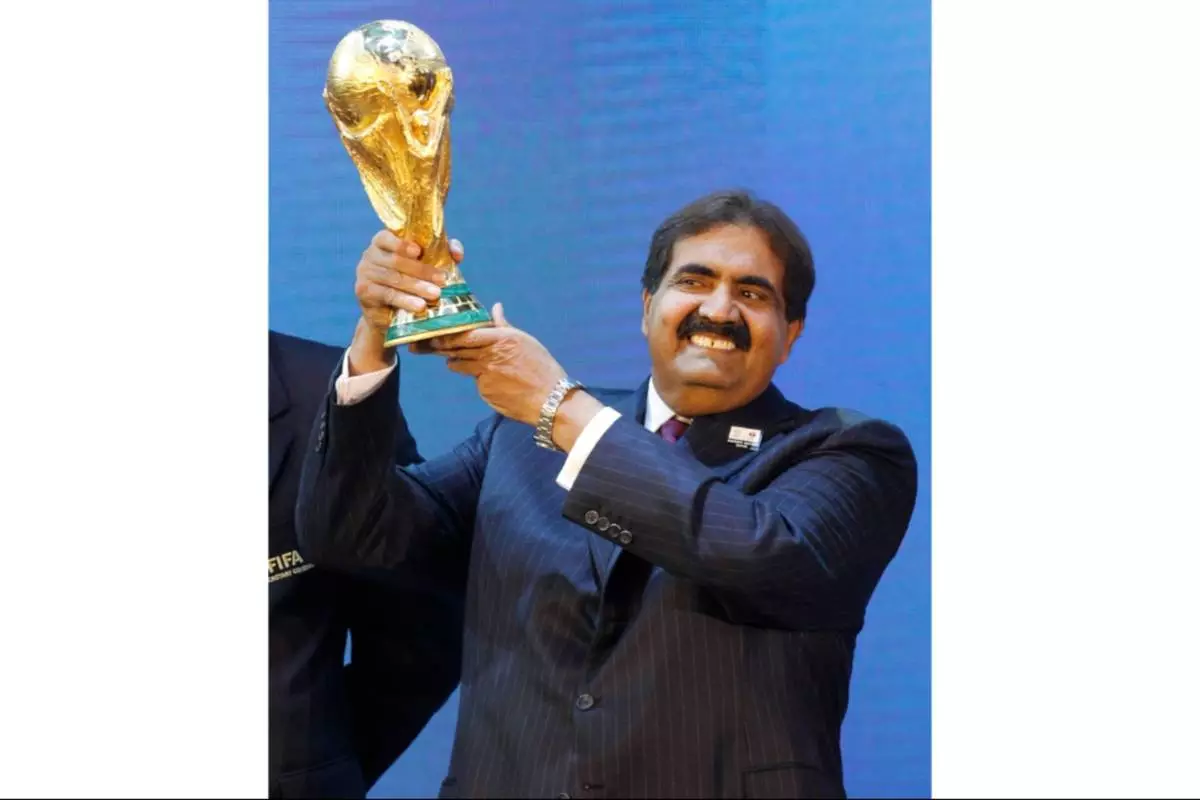
FILE - Sheikh Hamad bin Khalifa Al Thani, Emir of Qatar, holds the World Cup trophy after the announcement of Qatar hosting the 2022 soccer World Cup in Zurich, Switzerland, Dec. 2, 2010. (AP Photo/Anja Niedringhaus, File)
FILE - Sheikh Hamad bin Khalifa Al Thani, Emir of Qatar, holds the World Cup trophy after the announcement of Qatar hosting the 2022 soccer World Cup in Zurich, Switzerland, Dec. 2, 2010. (AP Photo/Anja Niedringhaus, File)

FILE - President Barack Obama shakes hands with Sheikh Hamad bin Khalifa Al Thani of Qatar during their meeting in the Oval Office of the White House in Washington, April 23, 2013. (AP Photo/Pablo Martinez Monsivais, File)
FILE - President Barack Obama shakes hands with Sheikh Hamad bin Khalifa Al Thani of Qatar during their meeting in the Oval Office of the White House in Washington, April 23, 2013. (AP Photo/Pablo Martinez Monsivais, File)

FILE - Former Emir of Qatar Sheikh Hamad bin Khalifa Al Thani, center, arrives before the start of the World Cup group A soccer match between Qatar and Ecuador at the Al Bayt Stadium in Al Khor, Qatar, Nov. 20, 2022. (AP Photo/Hassan Ammar, File)
FILE - Former Emir of Qatar Sheikh Hamad bin Khalifa Al Thani, center, arrives before the start of the World Cup group A soccer match between Qatar and Ecuador at the Al Bayt Stadium in Al Khor, Qatar, Nov. 20, 2022. (AP Photo/Hassan Ammar, File)

FILE - Sheikh Hamad bin Khalifa Al Thani, Emir of Qatar, holds the World Cup trophy after the announcement of Qatar hosting the 2022 soccer World Cup in Zurich, Switzerland, Dec. 2, 2010. (AP Photo/Anja Niedringhaus, File)

FILE - Sheikh Hamad bin Khalifa Al Thani, Emir of Qatar, holds the World Cup trophy after the announcement of Qatar hosting the 2022 soccer World Cup in Zurich, Switzerland, Dec. 2, 2010. (AP Photo/Anja Niedringhaus, File)
DUBAI, United Arab Emirates (AP) — The United States attacked Iran early Sunday morning over an Iranian strike on a vessel in the Strait of Hormuz that set the container ship ablaze and forced its crew to abandon it. Iran apparently responded with attacks targeting Bahrain, Kuwait, Qatar and the United Arab Emirates.

The strait has become the key sticking point in any further negotiations between Iran and the United States to reach a permanent end to the war that began on Feb. 28. About a fifth of all traded oil and natural gas passed through the strait before the war began. Iran’s grip on it during the war led to a global energy crisis, though oil prices have sharply dropped since wartime highs of $120 a barrel.

The U.S. military's Central Command said it hit some 140 targets in the strikes, far more than the last two rounds, and went after missile and drone launch sites, ammunition dumps, communication equipment and other sites.

The attacks “degrade Iran’s ability to attack civilian mariners and commercial vessels freely transiting the strait," it said.

The new crossfire in the Persian Gulf comes days after U.S. President Donald Trump suggested an interim deal in the Iran war was “over.”

U.S. Defense Secretary Pete Hegseth wrote online: “Iran made a poor choice. Now they pay.”

Mohammad Bagher Qalibaf, the speaker of Iran's parliament and a main negotiator, responded.

“The era of one-sided deals is OVER,” he wrote on X. “We told you: keep your word or pay the price. Reality is knocking.”

The United Arab Emirates warned the public Sunday of an incoming missile and drone attack as explosions could be heard in nearby Qatar. A missile alert sounded in Qatar shortly after the blasts. Qatar's military said in a statement it intercepted the incoming Iranian fire.

Meanwhile, missile alerts sounded in Bahrain, an island kingdom in the Persian Gulf home to the U.S. Navy's 5th Fleet. Kuwait's military said it was intercepting incoming fire.

It wasn’t immediately clear what locations were under attack in the UAE, which so far hadn’t been targeted in the latest round of attacks by Iran. The latest attack on the Emirates, home to Abu Dhabi and Dubai, came in May when a drone sparked a fire on the edge of the country's sole nuclear power plant.

Iran also made a series of claims about attacks elsewhere that were not immediately confirmed.

In the Strait of Hormuz attack, a Cyprus-flagged container ship was hit by Iran and suffered “significant engineroom damage” and a civilian crew member is missing, U.S. Central Command said.

The United Kingdom Maritime Trade Operations center, overseen by the British military, said the ship had been traveling on a route hugging the shoreline of Oman. That's been the way ships have entered and exited the Persian Gulf while avoiding Iranian territorial waters. The ship's crew abandoned the vessel as it was ablaze, the center said.

Iran's paramilitary Revolutionary Guard said multiple vessels “disregarded our warnings and instructions to correct their course and proceed along the approved route.” One of them “was struck by a warning shot and brought to a stop.”

Iran said that the strait would remain closed “until further notice” and said it would consider targeting “additional enemy bases in the region” if it faced more attacks.

Iranian state media reported U.S. strikes across a swath of southern provinces, including Bushehr, Hormozgan, Khuzestan and Sistan and Baluchestan provinces. It offered no immediate damage or casualty figures from the strikes.

Iran also later reported strikes in its western Lorestan province.

The latest violence followed Iran and Oman’s foreign ministers meeting on Saturday to discuss the strait, after days of Iranian attacks on ships and U.S. retaliation that dealt a blow to the interim deal to end the war. The narrow strait sits in both Iran and Oman's territorial waters, but has long been considered an international waterway.

Oman said it and Iran agreed to continue discussing the Strait of Hormuz “at the technical and political levels.” However, Iran offered no statement about the strait being open to all — something sought by the Trump administration.

Iran’s new supreme leader, still unseen since the war began, also vowed in his first statement since the funeral of his father, Ayatollah Ali Khamenei, that Iranians would avenge his killing in the war’s opening strikes on Feb. 28.

Such revenge “is the will of our nation and must certainly be carried out,” Supreme Leader Ayatollah Mojtaba Khamenei said in a statement carried on state television.

U.S. officials, speaking Friday on condition of anonymity about the current situation with Iran, said the resumption of strikes even before the latest round came as a result of what they described as a rogue faction of Iranian hard-liners who were trying to sabotage the ceasefire.

Iran has insisted its theocracy is unified under the new supreme leader.

After the U.S. wrapped up strikes on Thursday, more attacks reportedly hit Iran, raising questions about who else may be targeting the Islamic Republic.

Israel didn’t claim them, meaning the Gulf Arab states may have launched them, likely as a means to deter Iran from attacking them again. Iran on Thursday retaliated for U.S. strikes by targeting Bahrain, Jordan, Kuwait and Qatar.

The strikes in Iran over two rounds of strikes last week killed at least 17 people and wounded 115 others, Iranian Health Ministry spokesperson Hossein Kermanpour said.

Weissert reported from Washington.

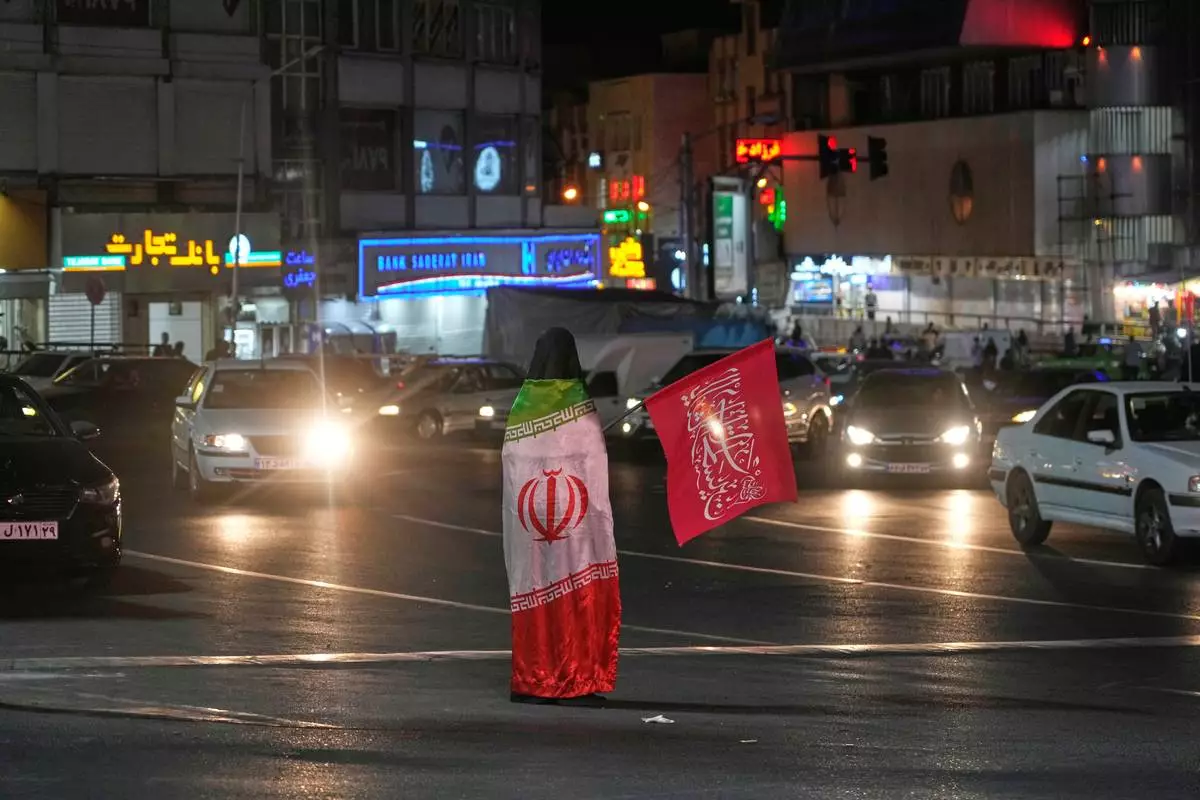
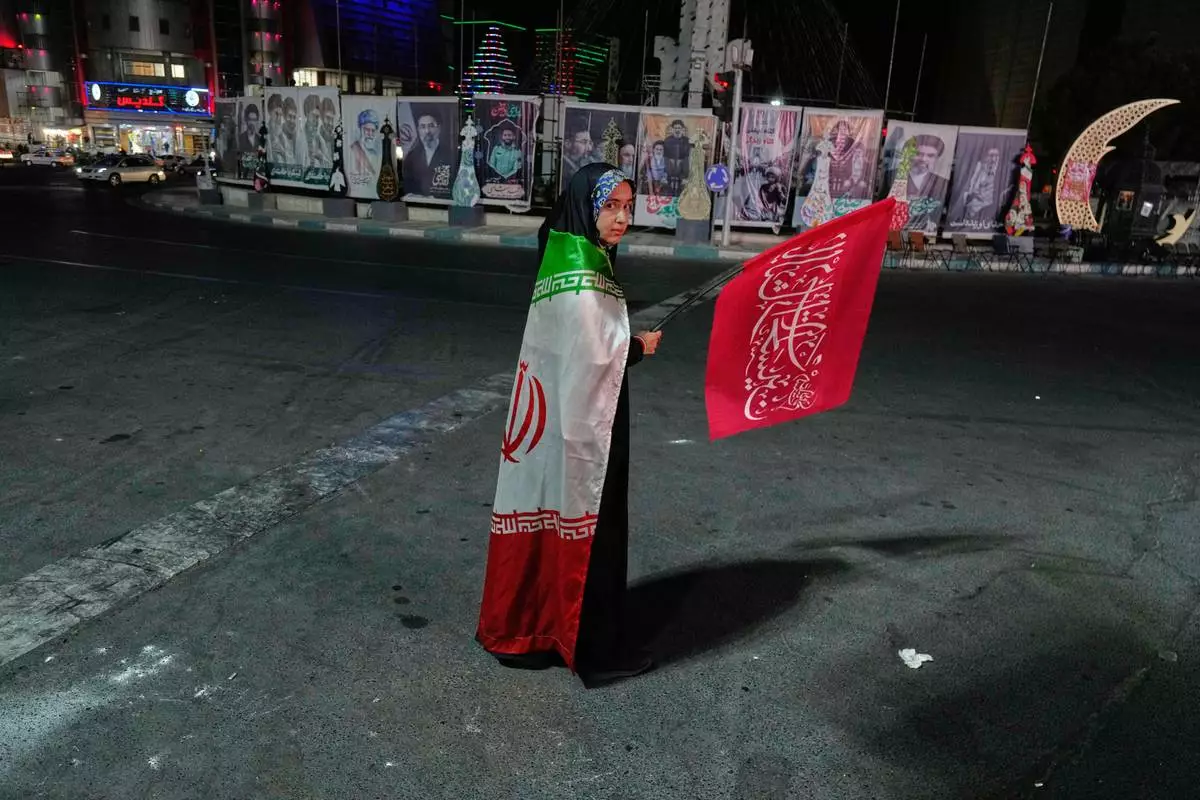
A pro-government demonstrator wears an Iranian flag as she waves a religious flag in a gathering commemorating the late Iranian Supreme Leader Ayatollah Ali Khamenei at a square in Tehran, Saturday, July 11, 2026. (AP Photo/Vahid Salemi)

A pro-government demonstrator wears an Iranian flag as she waves a religious flag in a gathering commemorating the late Iranian Supreme Leader Ayatollah Ali Khamenei at a square in Tehran, Saturday, July 11, 2026. (AP Photo/Vahid Salemi)

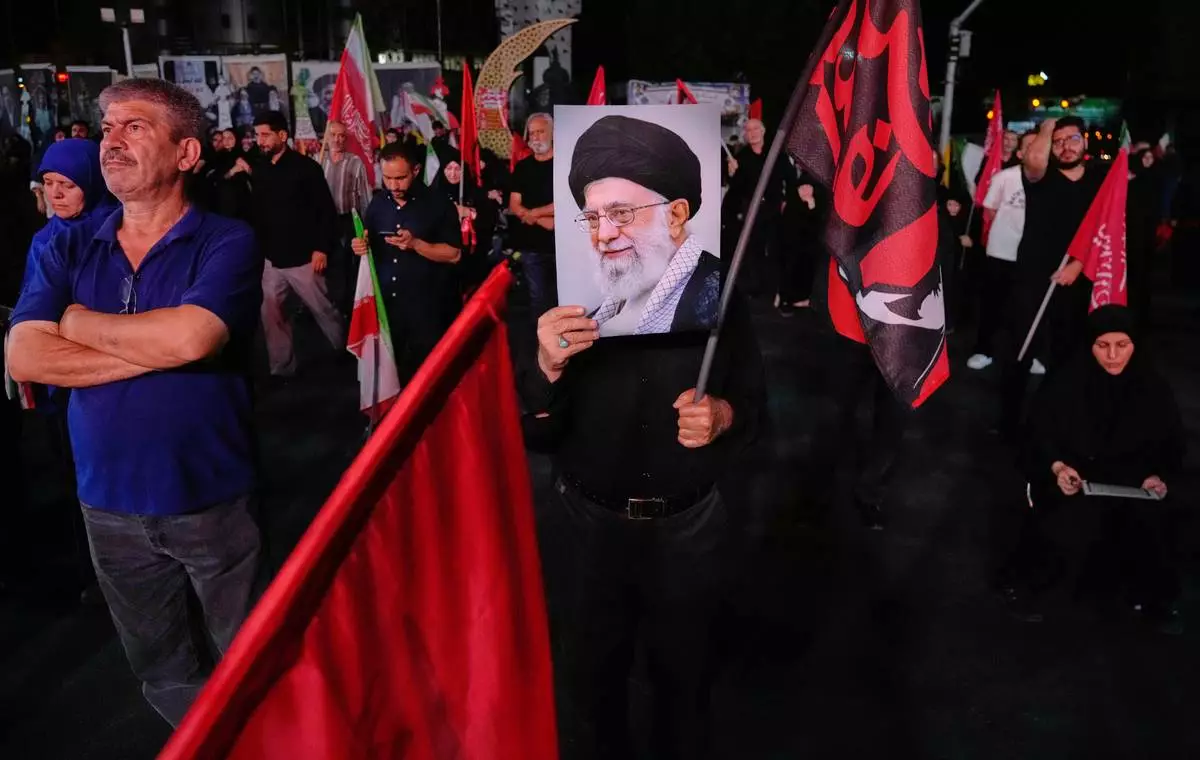
A man holds a poster of the late Iranian Supreme Leader Ayatollah Ali Khamenei in a gathering commemorating him at a square in Tehran, Saturday, July 11, 2026. (AP Photo/Vahid Salemi)

A man holds a poster of the late Iranian Supreme Leader Ayatollah Ali Khamenei in a gathering commemorating him at a square in Tehran, Saturday, July 11, 2026. (AP Photo/Vahid Salemi)

A pro-government demonstrator wears an Iranian flag as she holds a religious flag in a gathering commemorating the late Iranian Supreme Leader Ayatollah Ali Khamenei at a square in Tehran, Iran, Saturday, July 11, 2026. (AP Photo/Vahid Salemi)

A pro-government demonstrator wears an Iranian flag as she holds a religious flag in a gathering commemorating the late Iranian Supreme Leader Ayatollah Ali Khamenei at a square in Tehran, Iran, Saturday, July 11, 2026. (AP Photo/Vahid Salemi)

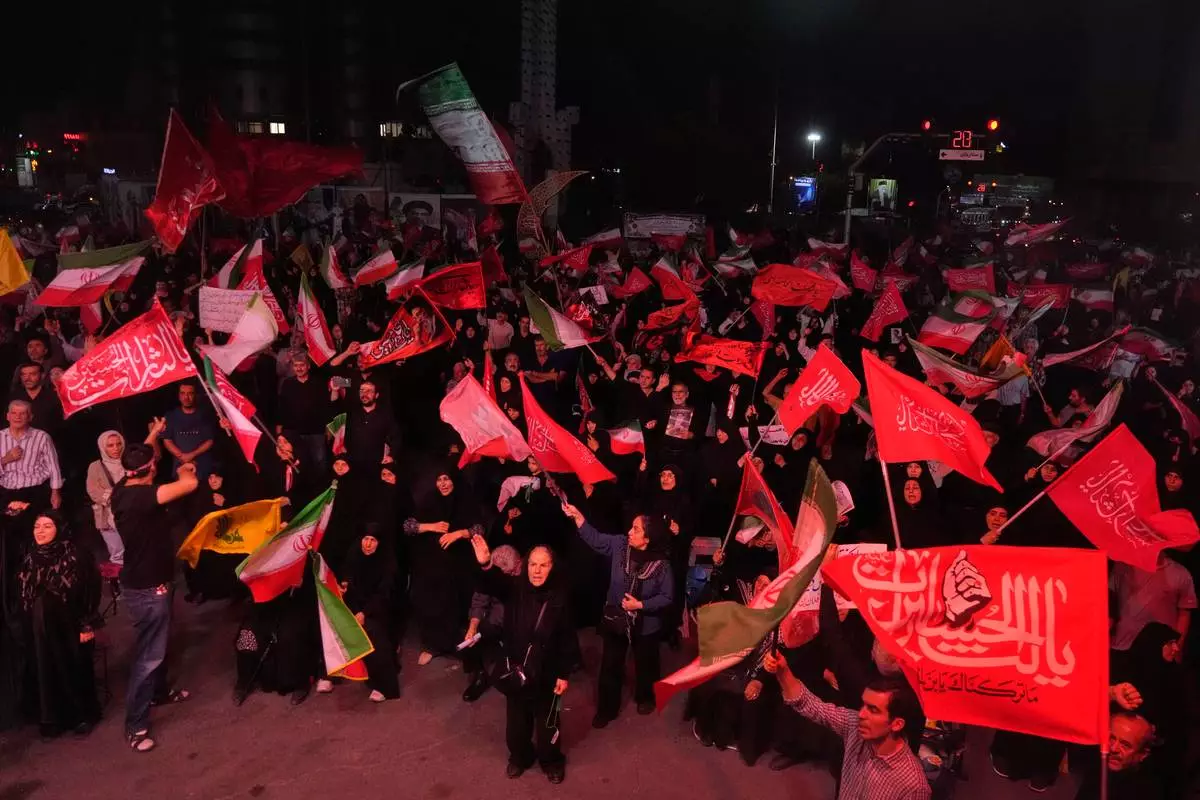
Pro-government demonstrators wave Iranian and religious flags in a gathering commemorating the late Iranian Supreme Leader Ayatollah Ali Khamenei at a square in Tehran, Saturday, July 11, 2026. (AP Photo/Vahid Salemi)

Pro-government demonstrators wave Iranian and religious flags in a gathering commemorating the late Iranian Supreme Leader Ayatollah Ali Khamenei at a square in Tehran, Saturday, July 11, 2026. (AP Photo/Vahid Salemi)

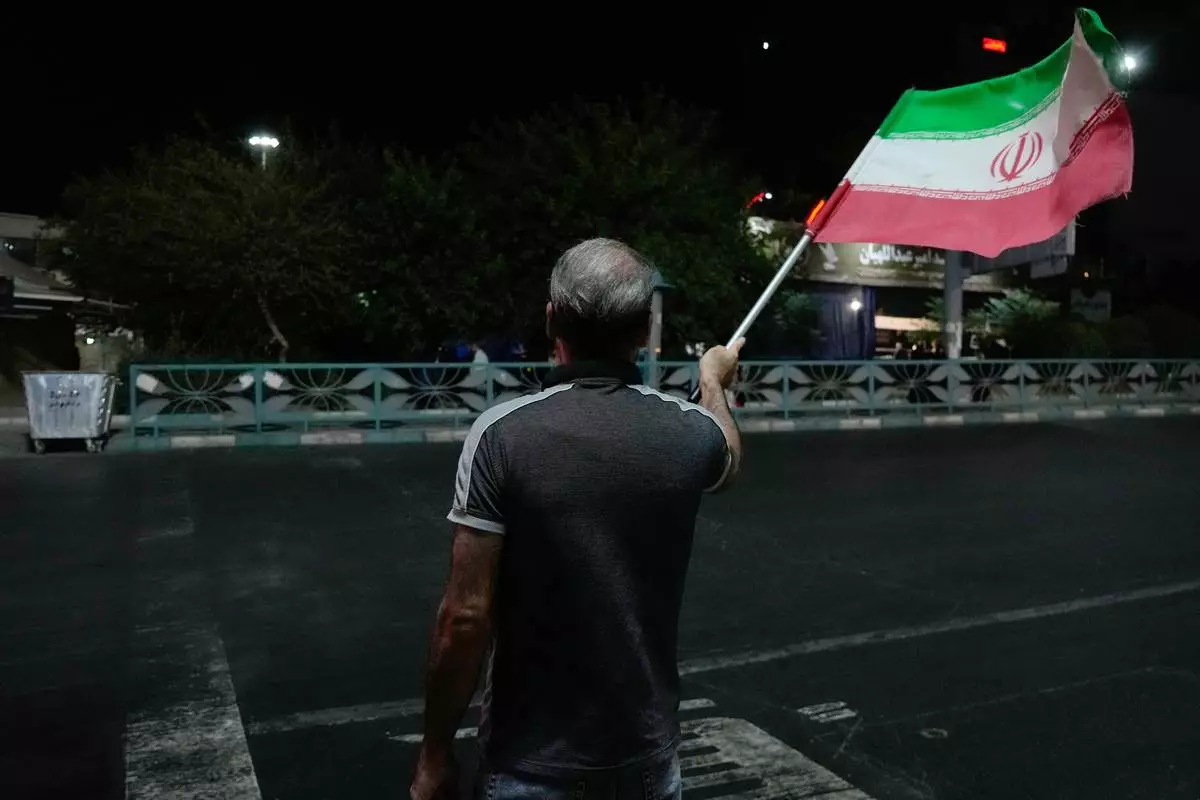
A pro-government demonstrator waves an Iranian flag in a gathering commemorating the late Iranian Supreme Leader Ayatollah Ali Khamenei at a square in Tehran, Iran, Saturday, July 11, 2026. (AP Photo/Vahid Salemi)

A pro-government demonstrator waves an Iranian flag in a gathering commemorating the late Iranian Supreme Leader Ayatollah Ali Khamenei at a square in Tehran, Iran, Saturday, July 11, 2026. (AP Photo/Vahid Salemi)

Recommended Articles