Uganda is grappling with one of its worst dry spells in recent years, a crisis that has decimated crops, threatened national food supplies and pushed vulnerable communities to the brink of starvation.
The crisis is most severe in the northeastern region of Karamoja, where months without meaningful rainfall have left fields barren and triggered a growing humanitarian emergency. According to government officials, the food shortages have already turned fatal.
"Prolonged dry conditions have led to crop failure and food shortages. Sadly, it has been reported that 16 people have died from causes associated with food shortages in the region," said Alex Kakooza, permanent secretary of the Office of the Prime Minister of Uganda.
In response, the government has launched an emergency relief operation.
"The Office of the Prime Minister has also arranged for another consignment of relief food for immediate distribution to the most affected districts requiring urgent assistance, including Kaabong, Kotido, Amudat, Napak and Moroto," said Kakooza.
Uganda's Ministry of Water and Environment has warned that dry conditions are likely to persist through July and into August, further straining crops, livestock and already scarce water supplies. Authorities caution that the effects of reduced agricultural output in Karamoja could tighten food supplies nationwide and drive up prices.
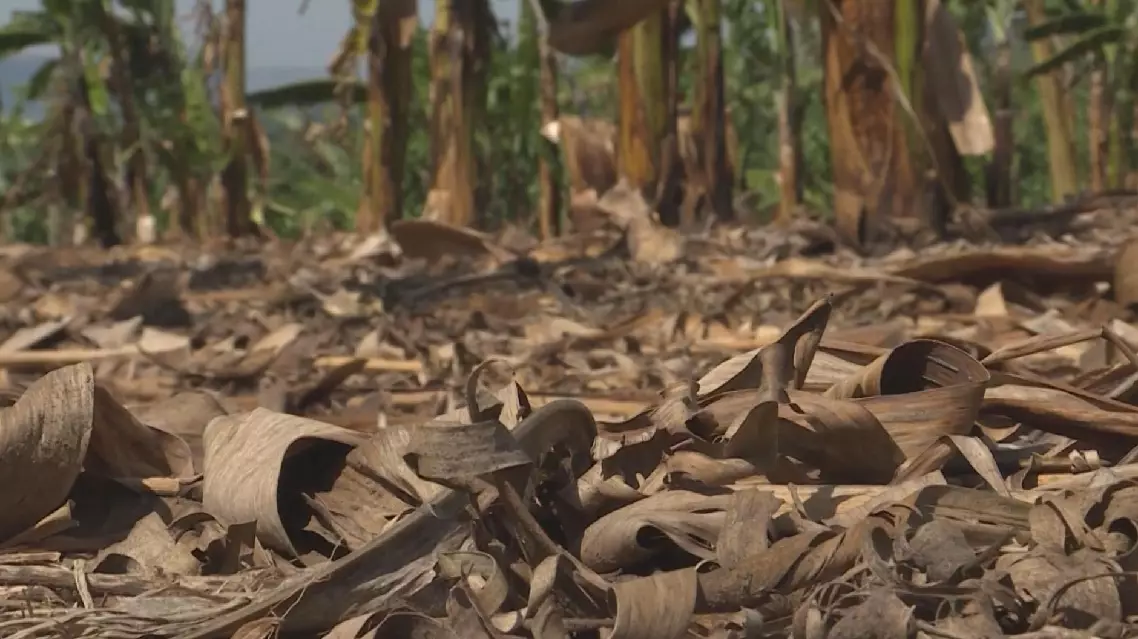
Many farmers said matooke banana crops have already been severely affected.
"We rely on matooke (a kind of banana) and milk to get by, but the sun has been way too harsh lately. This dry spell has really cut down the milk our cows give because the grazing areas have dried up, and the heat has wrecked our banana plantations too. We even took out bank loans to invest in the farms, but now we can't even afford to pay them back," said Godfrey Mugabo, a farmer.
Scientists said the drought is another reminder of how climate change is making weather patterns across East Africa more unpredictable.
While Uganda waits for the rains to return, forecasters warned that a developing El Nino later this year could bring heavier rainfall to parts of the region, raising the risk of flooding in areas now struggling with drought.
The shifting extremes are exposing the growing vulnerability of millions of people whose livelihoods depend on rain-fed agriculture.
Dry spell threatens food supplies, pushes vulnerable communities to brink in Uganda