NEW YORK (AP) — Twelve states sued to block Paramount’s takeover of Warner Bros. Discovery on Monday, arguing that the $81 billion merger would “extinguish competition” in Hollywood and lead to fewer choices for consumers across the U.S.
“Audiences on every sofa and in every movie (theater) seat would feel the impact of this unlawful merger,” California Attorney General Rob Bonta, who is leading the case, said in a news conference from Los Angeles. He said the deal would result in higher prices, fewer movies and TV shows and lower quality of content overall.
A Paramount-Warner combo would bring together two of Hollywood's last five legacy studios. It would also mean putting Warner's HBO Max, libraries filled with fan favorites like “Harry Potter” and even CNN under the same roof of Paramount-owned CBS and the Paramount+ streaming service.
In Monday's complaint, the states said such a tie-up would also “inflict substantial harm” on movie theatres and basic cable distributors. Bonta's office said the states are asking Warner and Paramount to not close this merger “until after the judicial process concludes." And if the companies do not agree, the coalition would then file a temporary restraining order.
Paramount said Monday's lawsuit “distorts settled antitrust law" and maintained that its merger would instead create a "stronger competitor against dominant streaming and technology platforms who have harmed the market for theatrical exhibition and jobs in the entertainment industry.”
The company, which was bought by Skydance just last year, vowed to “vigorously defend” the transaction.
Warner deferred to Paramount for comment. Beyond California, states joining Monday's lawsuit include Arizona, Colorado, Connecticut, Massachusetts, Minnesota, Nevada, New Jersey, New Mexico, New York, Oregon and Washington.
Monday's antitrust case arrives at a pivotal time for the Paramount-Warner transaction — which, after months of what became a very public bidding war with Netflix, received shareholders’ stamp of approval in April and then a blessing from President Donald Trump's administration just last month.
The companies have hoped to close their deal sometime in the third quarter of this year, recently signaling an effort to complete the process in the coming weeks. The states’ lawsuit could throw a wrench in those plans, at least for now.
The clock is ticking. Paramount also pledged to give shareholders some compensation if that process isn’t complete by Sept. 30 — in the form of a 25-cent per share “ticking fee” for every quarter past that date. And it’s agreed to a regulatory termination fee of $7 billion.
Beyond the U.S., Paramount has touted additional regulatory clearances it says it’s received in a handful of other countries, including China, Canada and Australia. Meanwhile, other reviews remain in progress, including in the European Union and the U.K. — which has separately suggested it may intervene.
Including debt, Paramount’s proposed purchase of Warner is valued at nearly $111 billion (or $31 per share) based on current outstanding shares.
Warner and Paramount argue that merging will be good for growth in the industry and give consumers access to more content, especially if HBO Max and Paramount+ libraries are combined. But critics have decried what further consolidation could mean in an industry already controlled by just a few major players.
Monday's lawsuit from the states pointed to movies that make their way into theaters and the wider TV landscape — noting that a combined Paramount-Warner could control nearly a third of both the theatrical film distribution market as well as basic cable programming.
Such a combination would create “a massive company with unprecedented power and influence over news and entertainment across the globe,” said New York Attorney General Letitia James, who is among those challenging the deal. Beyond consumer impacts, she also said the merger would “put jobs and businesses nationwide at risk.”
Thousands of actors, directors, writers and other industry professionals have already voiced “unequivocal opposition” to the deal. Monday's challenge garnered applause from groups like the Writers Guild of America, who warn that consolidation would result in "fewer jobs, lower wages for entertainment workers, less variety of programming, and higher prices for consumers”
Paramount argued on Monday that delaying the merger “will only harm entertainment workers who have already suffered over recent years as technology has disrupted their livelihood."
The company added that the states' case would “shield” larger streaming rivals like Netflix from meaningful competition.
Throughout Paramount's quest for Warner, questions of political influence have also piled up — with criticism falling largely along party lines in Washington. No Republicans signed on to the states’ case on Monday.
Democrats have long expressed skepticism about whether regulators working under Trump would scrutinize the deal as heavily. Several attorneys general joining Monday's lawsuit took aim at the Justice Department's decision to not challenge the deal — pointing in particular to the president's close relationship with the billionaire family of Paramount CEO David Ellison.
“Something happened and perhaps that something had to do with a mega-billionaire named Ellison," Arizona Attorney General Kris Mayes told reporters on Monday. “We are seeing more and more instances where the Trump DOJ is just rolling over for corporate consolidation," she added.
Last month, DOJ leadership released a lengthy statement in support of the deal — maintaining a Paramount-Warner combo would “increase competition across the media and entertainment ecosystem, with benefits for American consumers and workers.” The Justice Department had maintained that politics would not play a role in its review.
Trump himself previously made public comments about Warner’s future, despite backpedaling on what he once suggested his personal role would be in approving a merger.
Many eyes are on CNN, a network that has long attracted ire from Trump and his allies.
Paramount’s CBS has already seen significant turmoil and shifts in editorial leadership since coming under Skydance ownership last year — and if Warner merger goes through, the reach of that could grow. Several Trump administration officials have also been far from shy from sharing their hopes for CNN under Paramount ownership, with Defense Secretary Pete Hegseth telling reporters in March that “the sooner David Ellison takes over that network, the better.”
Mikella Schuettler contributed from Phoenix.
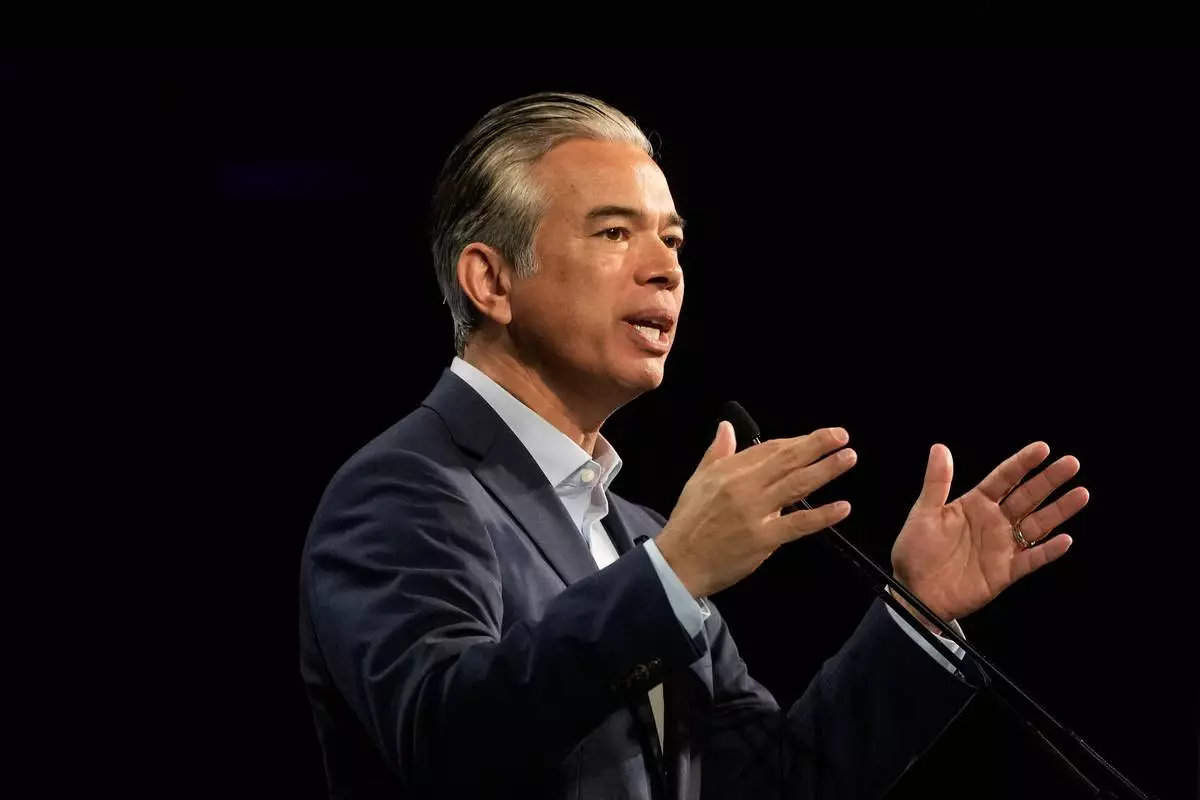
FILE - California Attorney General Rob Bonta speaks at the 2026 California Democratic Party State Convention, Feb. 21, 2026, in San Francisco. (AP Photo/Jeff Chiu, File)
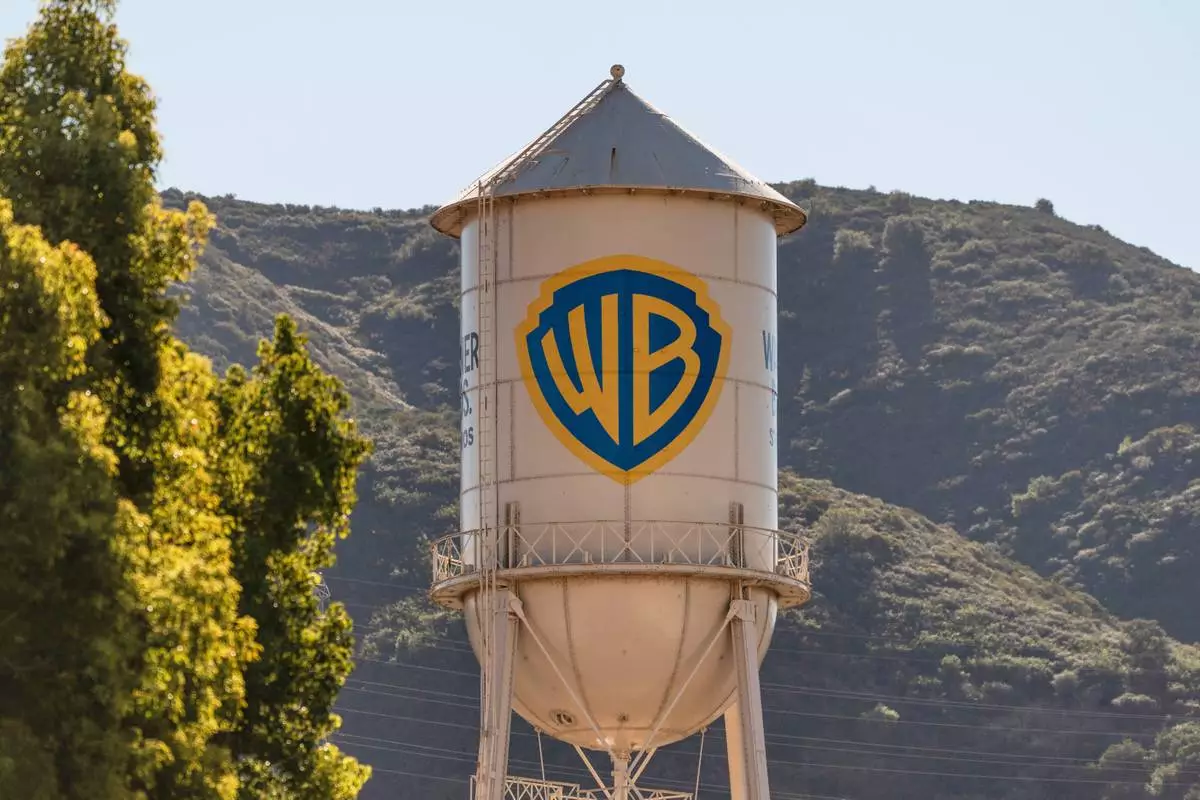
FILE - The Warner Bros. water tower appears at Warner Bros. Studios in Burbank, Calif., on Dec. 5, 2025. (AP Photo/Jae C. Hong, File)
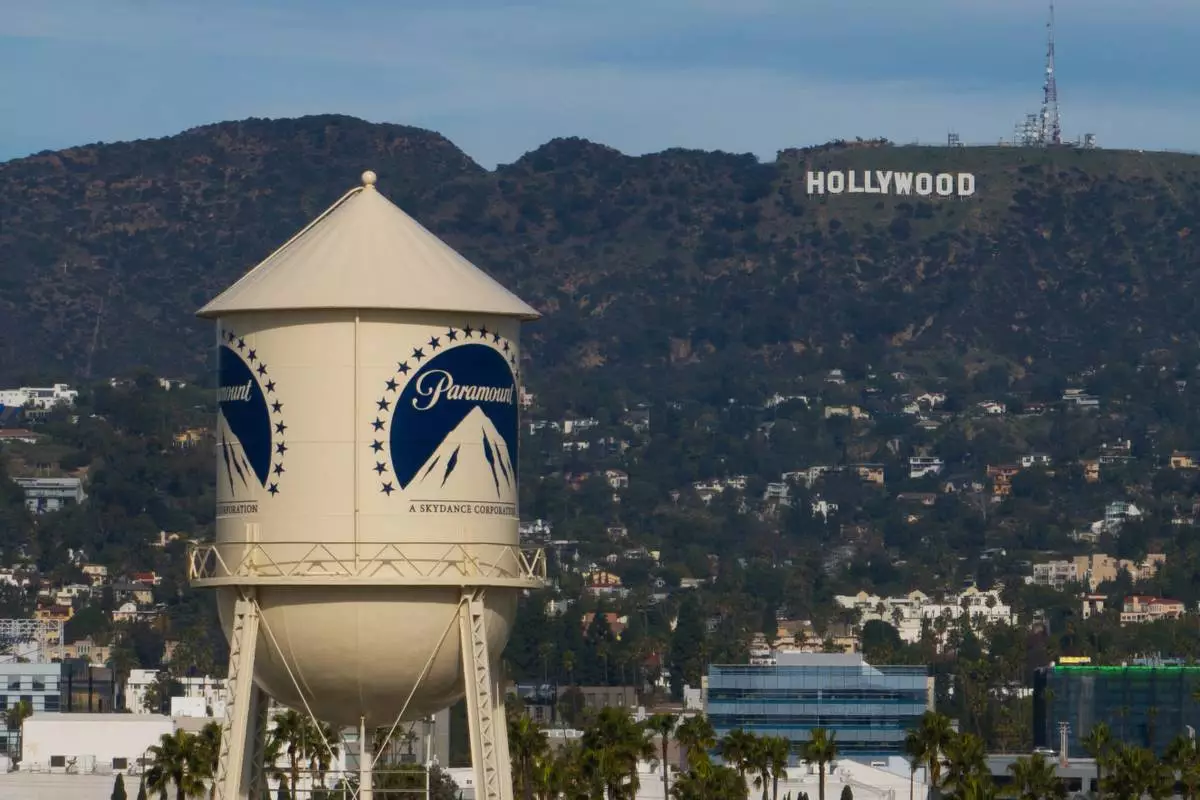
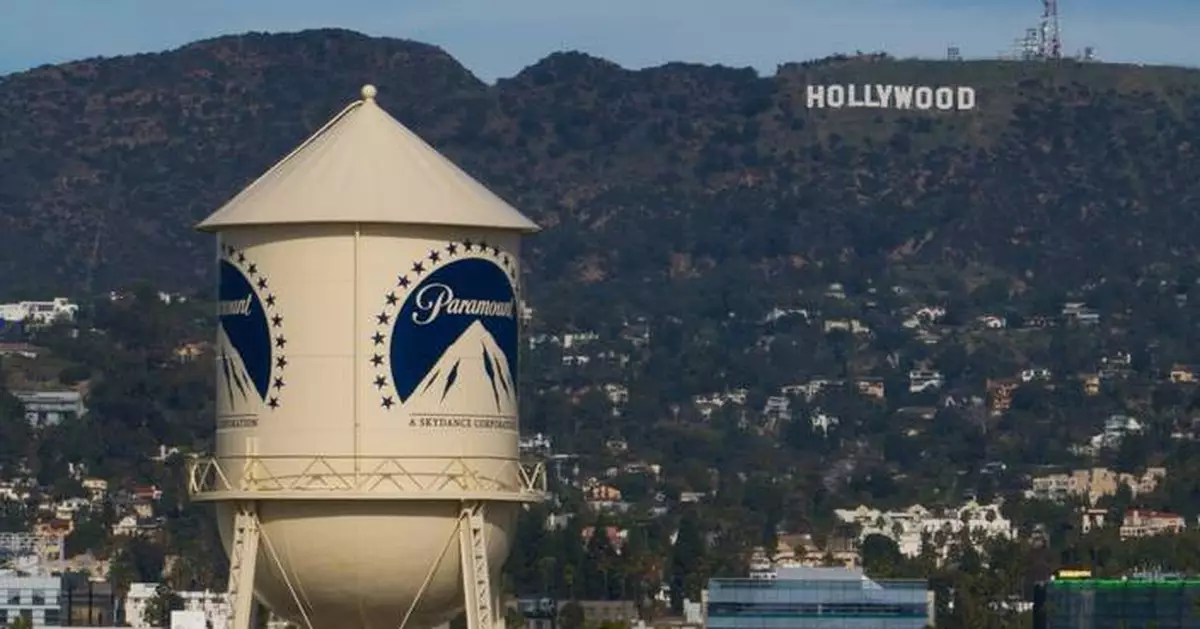
FILE - The Paramount Pictures water tower is seen in Los Angeles, Dec. 18, 2025, with the Hollywood sign in the distance. (AP Photo/Jae C. Hong, File)
DUBAI, United Arab Emirates (AP) — The U.S. announced a new round of strikes on Iran on Monday, hours after President Donald Trump said Washington is “reinstating” a blockade on Iran in the Strait of Hormuz and, in a seeming policy reversal, will charge other ships for safe passage.
All of that comes as Iran has insisted it actually controls the critical waterway, and as the new exchange of fire threatened a return to all-out war.
U.S. Central Command announced on social media that the U.S. military had begun another round of strikes against Iran.
“These strikes will continue imposing a heavy cost on Iranian forces and degrade their ability to attack innocent civilians and commercial shipping in the Strait of Hormuz,” the U.S. military said.
The new round of attacks followed Trump telling conservative radio host Hugh Hewitt, “We’re going to hit them very hard tonight and we’re going to hit them hard tomorrow — and there’s not a damn thing they can do about it.”
“They have nothing,” Trump added. “They have nothing going, other than they have big mouths.”
They followed the U.S. changing a policy that, until now, said the strait should remain open to all without tolls — as it was before the U.S. and Israel attacked Iran on Feb. 28. Any attempt by the U.S. or Iran to charge fees would violate global norms on freedom of navigation and raise tensions, likely causing further economic disruption far beyond the region.
The price for a barrel of Brent crude oil, the international standard, rose 7.8% to $81.92 a barrel on Monday, still well below the nearly $120 reached at the height of the war.
Trump also told Hewitt that the agreement reached last month was “built to test” Iran, adding that “when you’re dealing with sleazebags don’t mean much.”
Trump said he questioned why the U.S. was entering into a deal to create a ceasefire with Iran rather than moving toward a full deal first. Trump last week declared the ceasefire was “over.”
“They didn’t honor the test,” the president said.
Exchanges of fire in recent days, sparked by Iranian attacks on ships, had already cast further doubt on the interim peace deal. Washington had lifted a blockade it imposed in mid-April as part of that deal, which also called for the strait to be fully reopened.
“We are reinstating the THE IRANIAN BLOCKADE,” Trump said on social media. “All other countries will have fair and open use of the Strait.”
The president said the U.S. would be “reimbursed” by 20% of the value of cargo to help cover “any and all costs necessary to do the job of providing safety and security.”
The U.S. military said it will resume its blockade of Iranian ports Tuesday at 4 p.m. EDT.
Iran asserts it has the right to manage traffic through the strait and potentially charge fees in accordance with the interim peace deal. The U.S. has disputed that.
Iran on Monday vowed to fight back against any U.S. interference in the strait. Iran's Foreign Minister Abbas Araghchi mocked Trump on social media and used his support for tolls to legitimize Iran's position.
“POTUS is absolutely right. Whoever provides secure and safe passage of commercial vessels through the Strait of Hormuz should be compensated for this service,” Araghchi wrote on X. “Iran has always been the GUARDIAN of the Strait and will remain so FOREVER. 20% is of course too much. We will be fair.”
The International Maritime Organization, the United Nations agency overseeing international shipping, said it was waiting to find out more about Trump’s proposal but remained opposed to tolls for passage through international waterways.
“There is no legal basis through which to introduce mandatory tolls simply to transit through a strait,” it said in a statement.
Meeting with Gulf leaders late last month, Secretary of State Marco Rubio had spoken forcefully against Iran charging fees for transit through the strait.
“That’s international waterway. There isn’t a nation on Earth that supports having to pay money to go through the straits,” Rubio told reporters in Bahrain on June 25.
Rubio also said there was “zero support among the Gulf countries for any sort of toll or fees or anything that charges for the use of international waters. The president’s made it clear that’s not going to happen.”
A fifth of the world’s oil and gas passed through the strait before Iran effectively shut it down at the start of the war, driving up global prices of energy, fertilizer and other goods. Traffic had picked up after last month's agreement but remained well below prewar levels.
The American military has tried to establish a route through the strait along the coast of Oman that would be outside of Iranian control. Iran has attacked ships using that route, saying the U.S. is violating the interim peace deal. The U.S. has attacked Iran in response, drawing Iranian attacks on U.S.-allied Arab states.
The U.S. military said it struck dozens of sites Monday, including air defense systems, radar sites, missile and drone equipment, and small boats in response to an Iranian attack on a container ship the day before. The U.S. said it used drone ships for the first time to hit an Iranian ship maintenance facility and submarine on Sunday.
Missile alert sirens sounded three times Monday in Bahrain, home to the U.S. Navy’s 5th Fleet. There was no immediate word on damage.
Separately, Kuwait's Foreign Ministry said its consulate in Iraq had been attacked. It did not immediately blame anyone for the attack or disclose damages or casualties.
The oil-rich kingdom — home to several U.S. military bases — also condemned Iran and “its factions and militias loyal to it in Iraq” for attacking what it described as “several border points” and a maritime oil drilling platform that belonged to the Kuwait Petroleum Corporation.
In Jordan, the kingdom's military said it shot down four Iranian missiles in an incident that “resulted in zero casualties or material damage.” Jordan also hosts U.S. military forces and aircraft.
In Iran, authorities reported attacks in Hormozgan, Khuzestan and Markazi provinces and said at least two people were killed, according to state-run IRNA news agency. Semiofficial Iranian media also reported strikes in the eastern Sistan and Baluchestan province, which is on a coast of the Gulf of Oman.
Those attacks on Iran raised the possibility that Gulf Arab states were retaliating. There were unclaimed attacks on Iran on Thursday.
Iran’s Foreign Ministry spokesperson Esmail Baghaei blamed Washington for the chaos gripping the region. He said Iran wouldn't agree to visits by the International Atomic Energy Agency to nuclear sites the U.S. bombed in 2025. That's where Tehran's stockpile of highly enriched uranium is believed to be entombed.
Trump suggested last week that the interim deal in the war was “over” and the U.S. ended waivers allowing Iran to sell crude oil on the open market in U.S. dollars. But mediators, including Pakistan, Qatar and Egypt, have continued efforts to reach a final agreement to end the war.
Iran and the U.S. are nearly halfway through the 60-day period in which they were supposed to negotiate such an agreement, which was also supposed to address Iran's disputed nuclear program.
Boak reported from Washington. Associated Press writers Mae Anderson in New York, Will Weissert and Konstantin Toropin in Washington, Kareem Chehayeb in Beirut, Munir Ahmed in Islamabad and Stella Martany in Irbil, Iraq, contributed to this report.
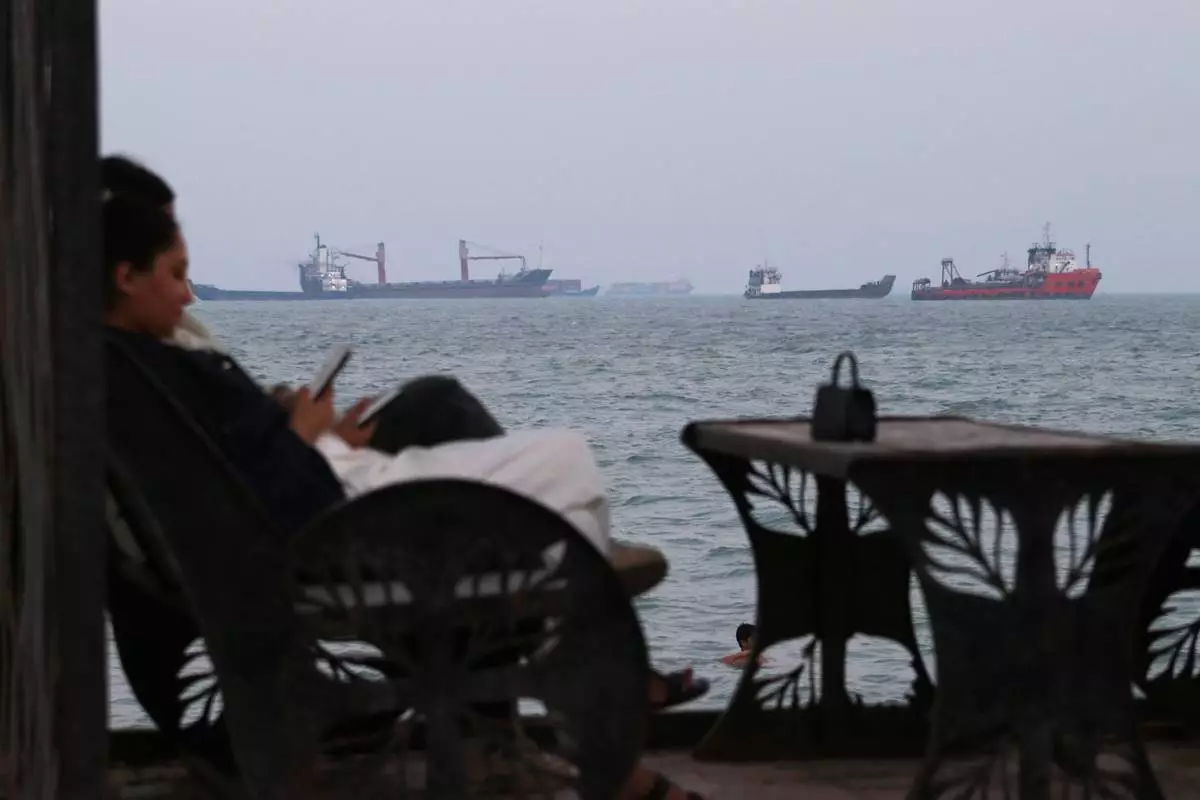
Residents check their cellphones as they sit at a cafe overlooking commercial vessels anchored in the Strait of Hormuz, off Bandar Abbas, Iran, Sunday, July 12, 2026. (Razieh Poudat/ISNA via AP)
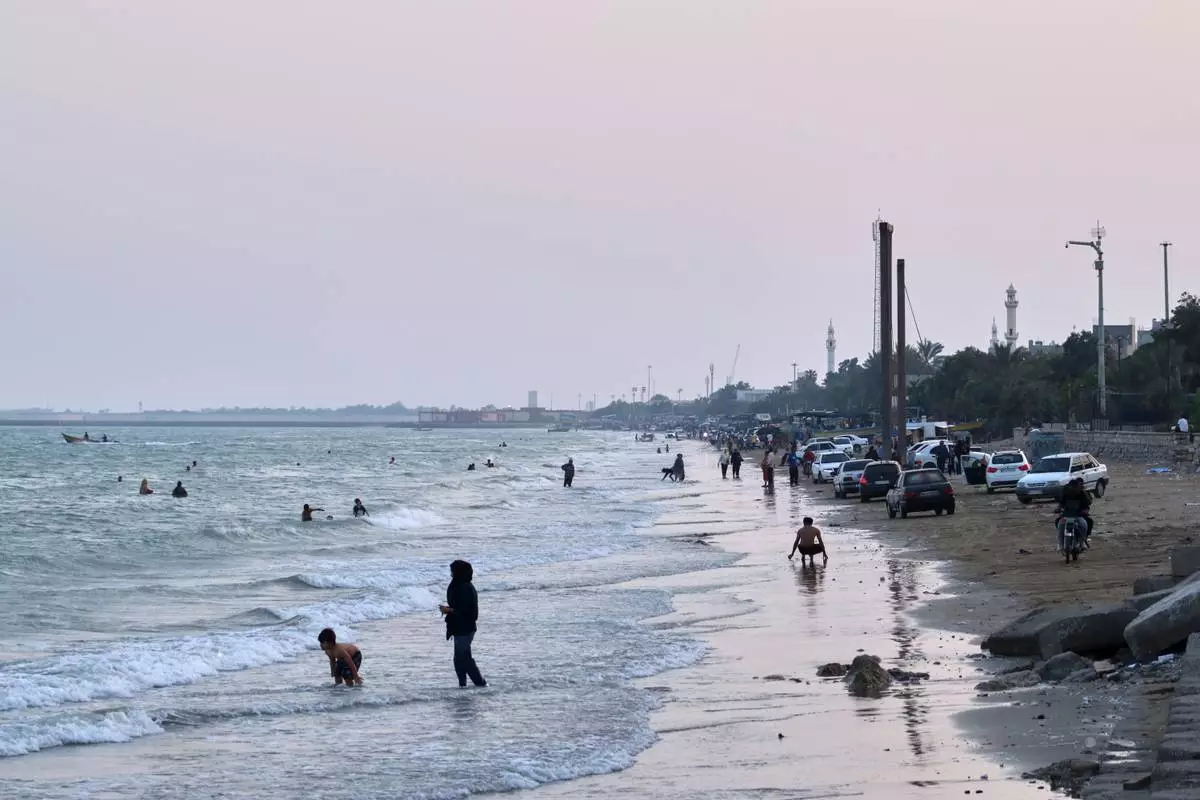
People swim and spend time along the shore of the Strait of Hormuz, off Bandar Abbas, Iran, Sunday, July 12, 2026. (Razieh Poudat/ISNA via AP)
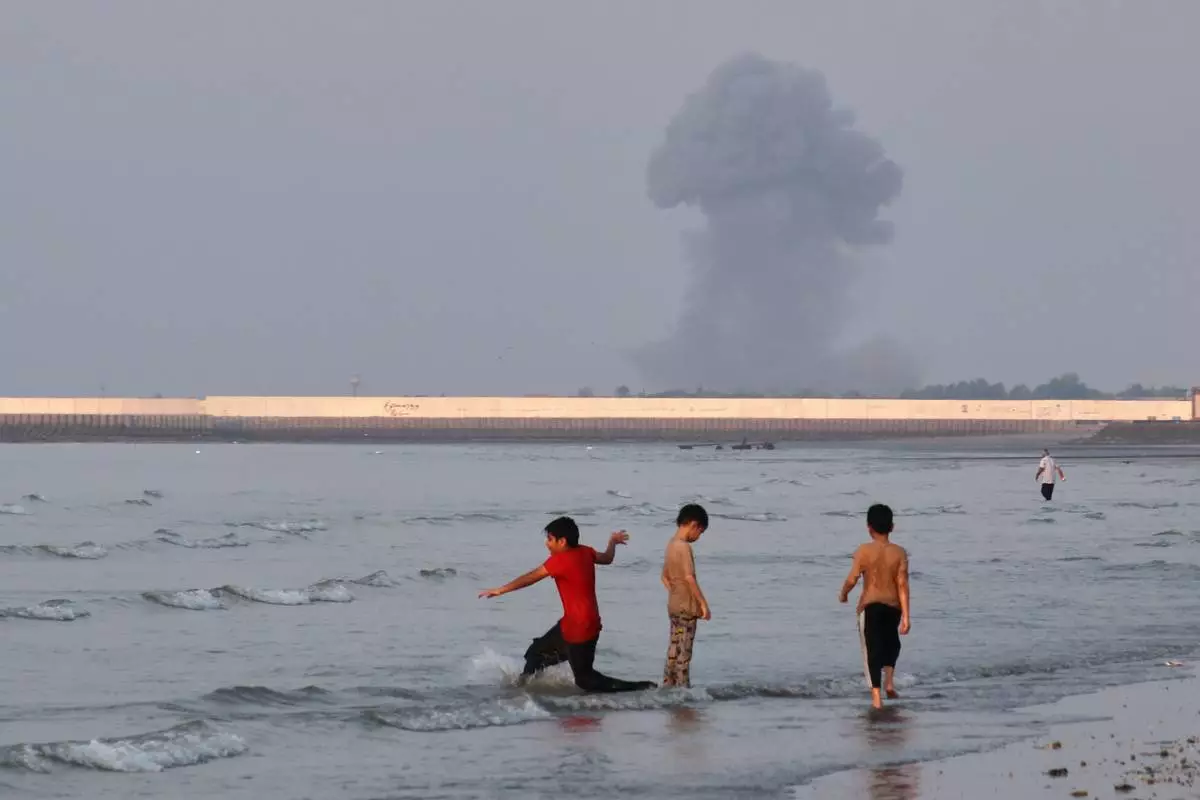
Three boys play in the shallow waters of the Strait of Hormuz, as a plume of smoke rises from an explosion in the background, off Bandar Abbas, Iran, Monday, July 13, 2026. (Razieh Poudat/ISNA via AP)
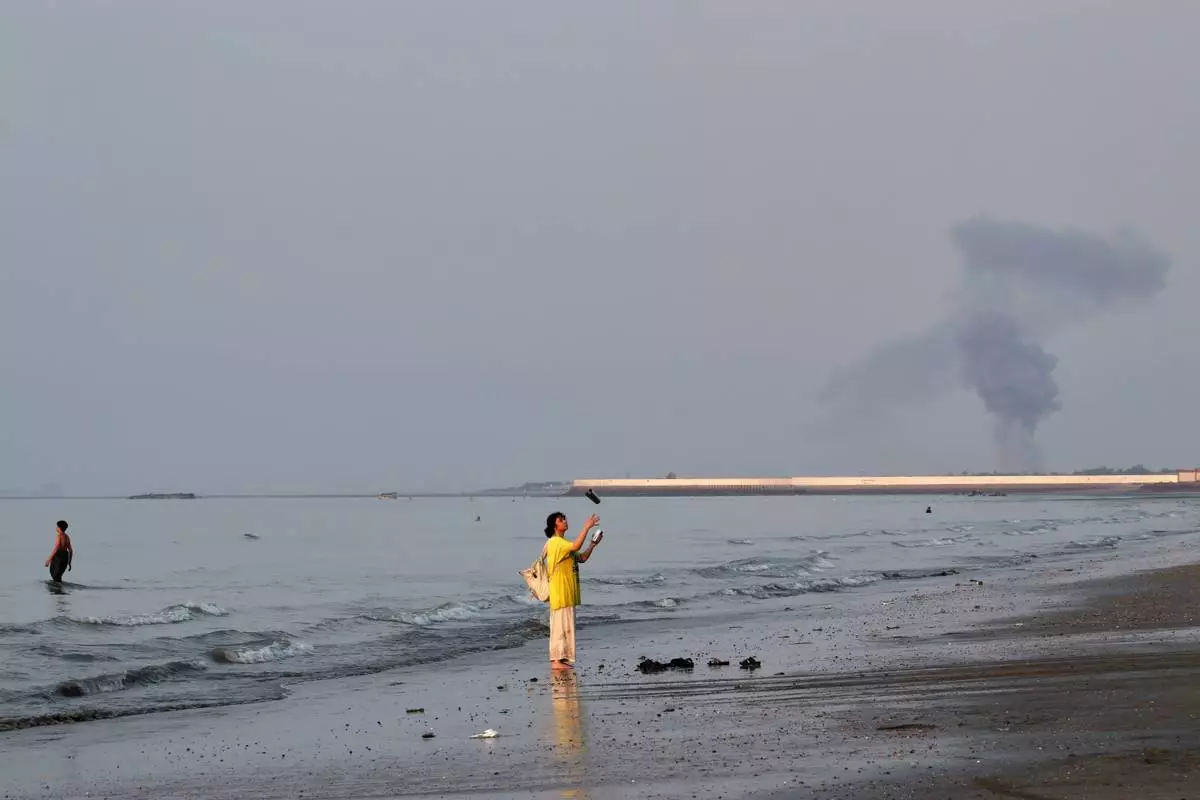
A woman stands at the water's edge along the Strait of Hormuz as a plume of smoke rises in the background following an explosion, off Bandar Abbas, Iran, Monday, July 13, 2026. (Razieh Poudat/ISNA via AP)
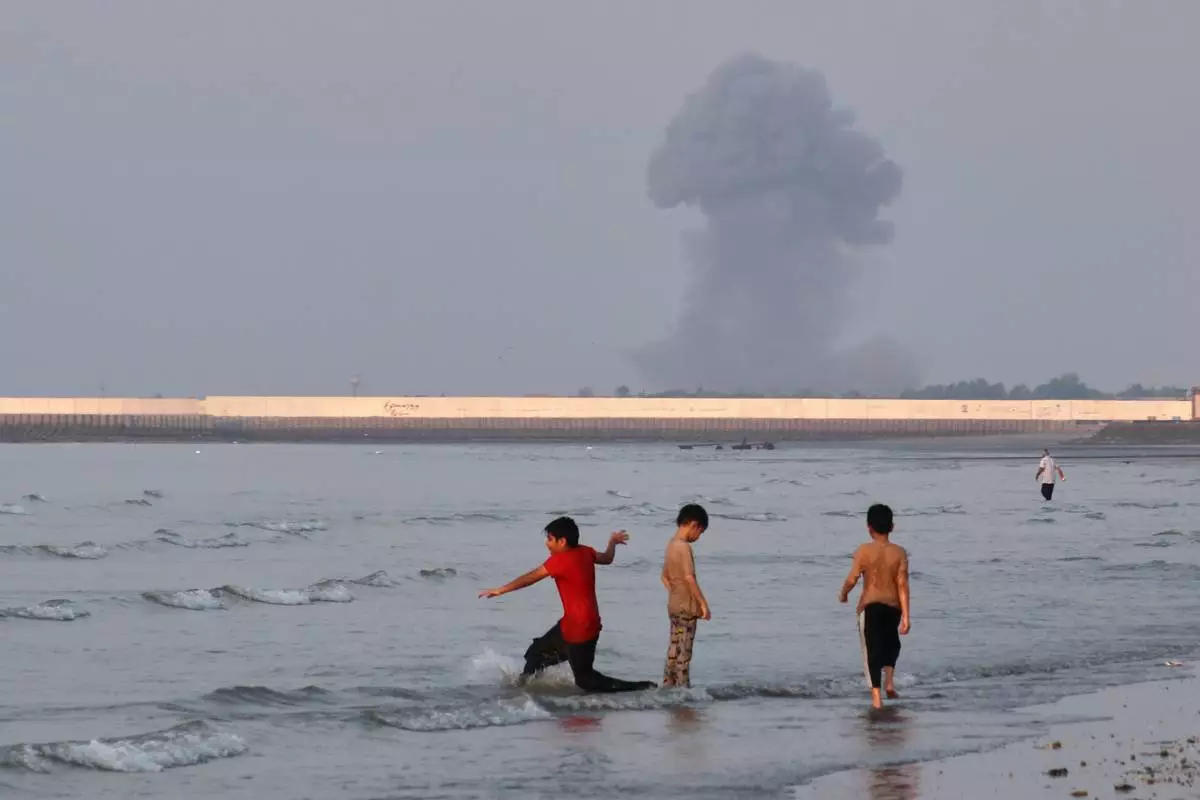
Three boys play in the shallow waters of the Strait of Hormuz, as a plume of smoke rises from an explosion in the background, off Bandar Abbas, Iran, Monday, July 13, 2026. (Razieh Poudat/ISNA via AP)
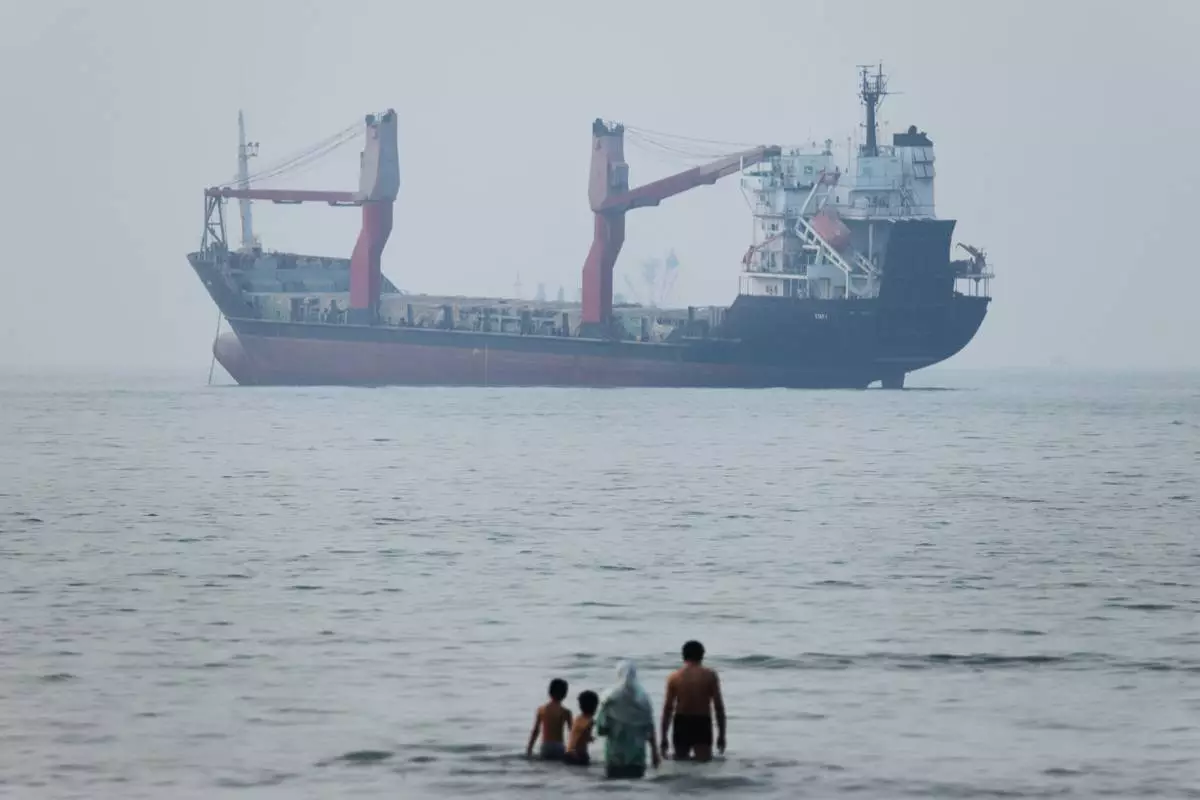
A group of people stands in shallow water as a cargo ship appears anchored in the Strait of Hormuz off Bandar Abbas, Iran, Tuesday, June 30, 2026. (Amirhosein Khorgooi/ISNA via AP)
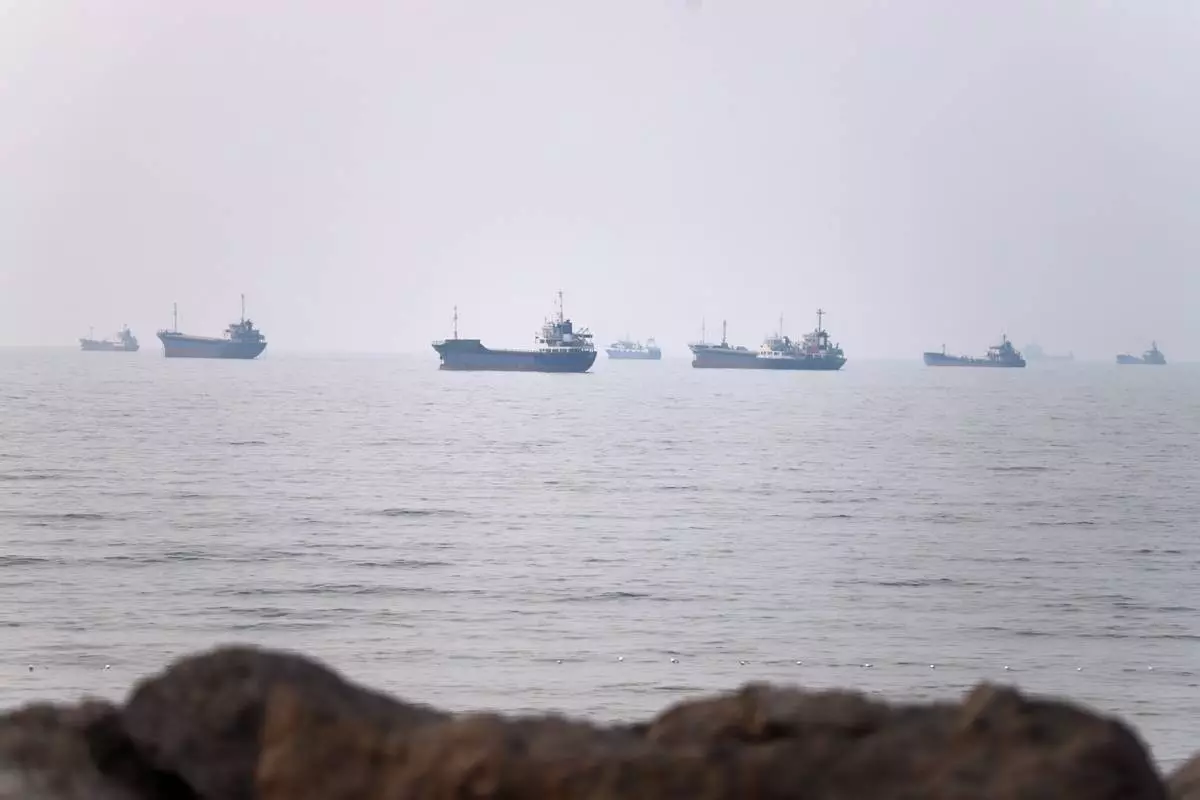
Commercial vessels are seen in the Strait of Hormuz off Bandar Abbas, Iran, Tuesday, June 30, 2026. (Amirhosein Khorgooi/ISNA via AP)