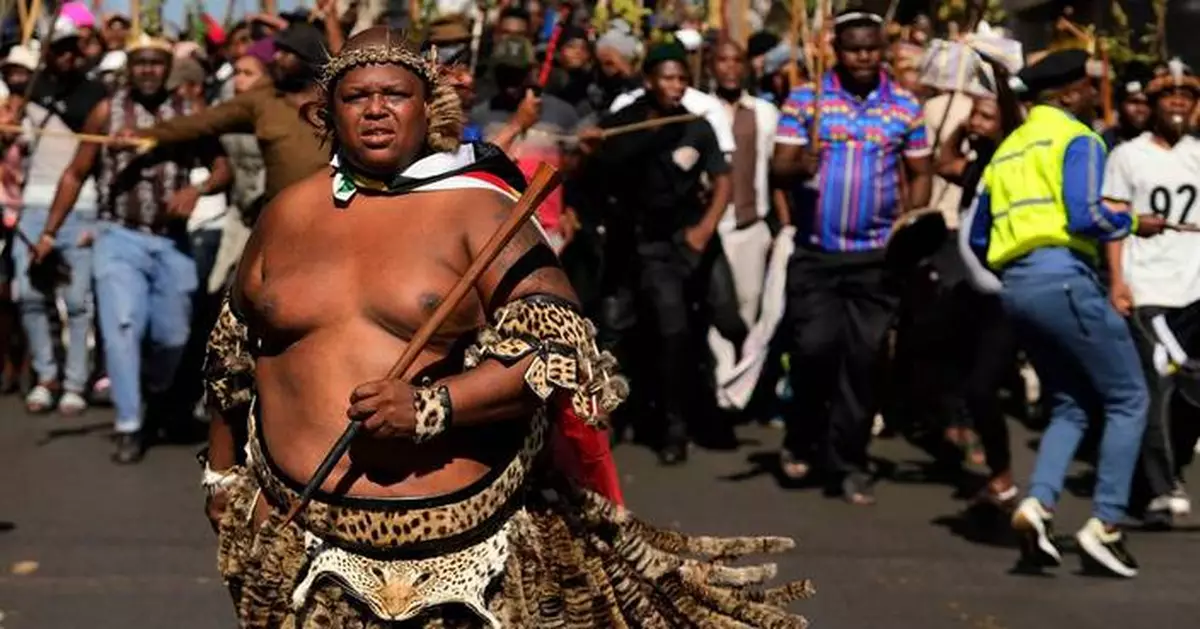
JOHANNESBURG (AP) — South Africa has deported or repatriated more than 53,000 African immigrants in the space of a month in a crackdown by authorities that has coincided with a series of sometimes violent protests against illegal migration.
More than 80% of the immigrants sent home were from Malawi, South African Justice Minister Mmamoloko Kubayi said Sunday. Officials did not give a breakdown of how many were deported and how many took up offers of voluntary repatriation.
Several African countries have provided planes and buses to bring their citizens home during a surge in anti-immigrant sentiment in South Africa in recent months that has sparked some attacks against foreigners and left parts of the country on edge.
Police said they have arrested 350 people in connection with public violence, intimidation and unauthorized immigration checks — a trend where groups of South African civilians attempt to force migrants to show documents to prove they are in the country legally.
The deaths of at least three migrants — two from Mozambique and one from Malawi — are being investigated by South African police. Nigeria has said two of its citizens were killed in anti-immigrant protests in South Africa, though South African authorities have denied their deaths were linked to the protests.
Immigrants from Malawi, Zimbabwe and Mozambique made up the majority of the migrants deported or repatriated, but they also included citizens of Nigeria, Uganda and Kenya, South African officials said.
South African President Cyril Ramaphosa announced new plans last month to strengthen border security and enforce immigration laws in Africa's most developed economy, and acknowledged rising tensions over the issue. That came in response to growing protests by anti-migrant groups claiming, without evidence, that immigrants were contributing to South Africa’s high unemployment rate and problems with crime.
Ramaphosa warned South Africans against taking the law into their own hands following reports of some vigilante attacks against migrants.
The anti-migrant groups held their latest major protest on June 30, which they said was the deadline for undocumented immigrants in South Africa to leave. The government rejected the deadline.
But it still prompted thousands of Malawians to gather at a temporary immigration site in the eastern city of Durban seeking repatriation. South African officials said some were repatriated voluntarily, but many were officially deported for being in the country without documents.
More than 20,000 migrants were also deported or repatriated from a temporary immigration center set up in the northern border town of Musina, officials said.
South Africa has long attracted migrants from other African nations because of its relative wealth — a source of sporadic tensions. In 2008, more than 60 people were killed in violence involving attacks against foreigners. There have been other outbursts of violence against immigrants.
Sabina Tadera of the Southern Africa Network for Immigrants and Refugees, which advocates for immigrants' rights, said some Malawians who gathered at temporary camps recently looking to return home were in South Africa legally but feared attacks.
“There is a misconception that all people on the move are undocumented,” she told The Associated Press.
The crackdown has also caused diplomatic tensions with some of the migrants' home countries, which have criticized South Africa for what they call a climate of xenophobia.
“For migrants, South Africa is seen to offer economic opportunities that do not exist in their country of origin,” said Laura Freeman, an independent human rights and migration consultant. “However, waves of xenophobic violence ... including this one, shift that dynamic, with South Africa increasingly being seen as unfriendly.”
AP Africa news: https://apnews.com/hub/africa
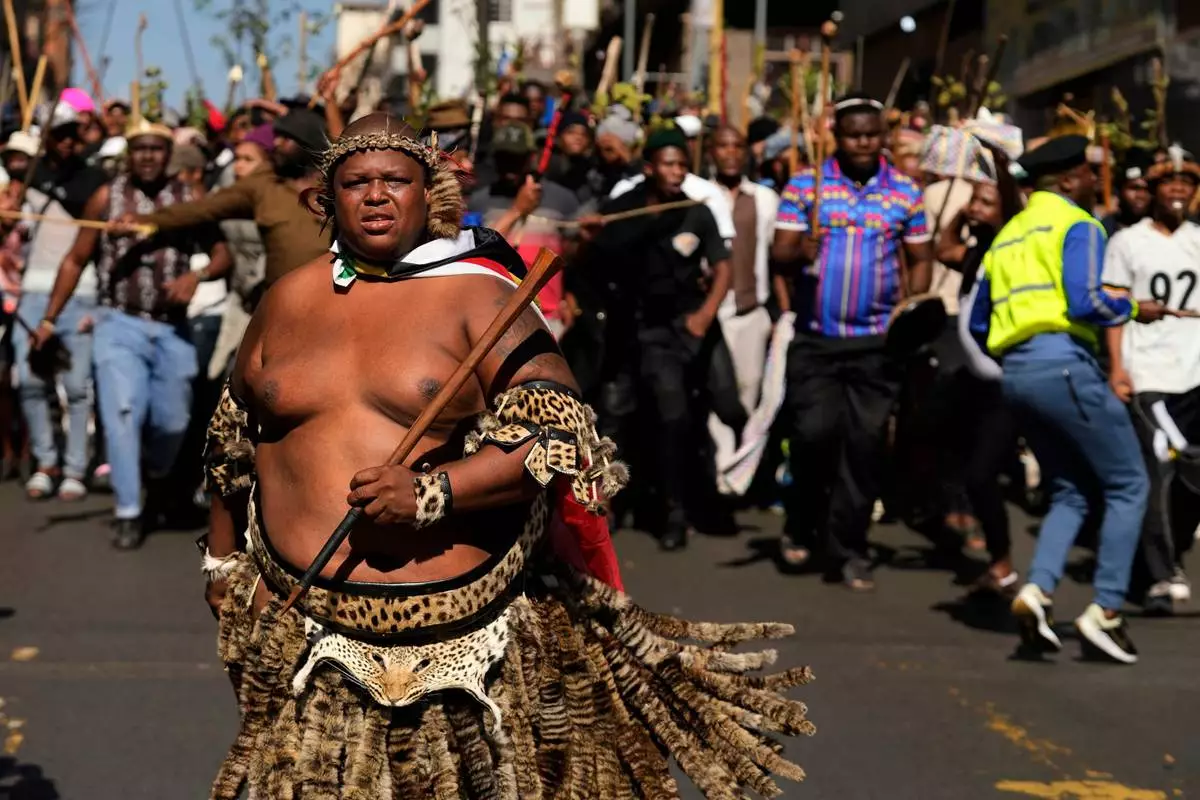
A protester dressed traditional attire march against illegal immigration, in Johannesburg, South Africa, Tuesday, June 30, 2026. (AP Photo/Themba Hadebe)
BIDDEFORD, Maine (AP) — The motorist killed by ICE officers in a Maine shooting Monday was not the target of the warrant the officers were executing, Sen. Angus King said Homeland Security Secretary Mullin told him.
It's the second time in a week that U.S. Immigration and Customs Enforcement agents have used deadly force and at least the ninth since President Donald Trump began his immigration crackdown.
Immigrant rights groups identified the man who was killed as a 26-year-old native of Colombia.
King said Mullin told him the officer opened fire after the man tried to use his vehicle as a weapon against officers who were pursuing him in Biddeford, a coastal city roughly 15 miles (24 kilometers) southwest of Portland.
“He was in a vehicle — pulled out in the vehicle, and the term the secretary used was ‘weaponized’ the vehicle and was shot by an ICE agent,” King said.
The Maine attorney general’s office, which is investigating along with the FBI and other agencies, said initial statements suggest the motorist was trying to flee in the direction of the agent. The office had said the man was the target of a deportation operation, and the agent who killed him has been placed on leave.
The U.S. Department of Homeland Security Office of Inspector General did not immediately respond to a request for comment.
Messages seeking comment were left for ICE and the Maine Department of Public Safety.
Daniel Boucher said he looked out his third-floor window after hearing a “pop, pop, pop” sound and saw a small car “turned 90 degrees to the curb” with an SUV behind it. The driver was wounded and the car started moving down the street until the SUV hit it again, Boucher said.
“His face was bloody. His head was bloody,” Boucher said, getting choked up. “I clearly heard the victim say, ‘I tried to stop’ — clearly heard him say that.”
Boucher said he saw an ICE officer bring a medical bag to where the man was lying before an ambulance and fire truck arrived. At one point, Boucher said, the agent who shot the man walked close to him.
“I was emotional and I just let him have it, and he looked at me and said, ‘He tried to run me over,’ or something to that effect," Boucher said. "I don’t remember his exact words.”
Two advocacy groups, the Maine Immigrants’ Rights Coalition and Presente!, said the man who was killed was authorized to work in the U.S. and had a Social Security number.
After the shooting, his family contacted the Immigrants’ Rights Coalition, but they aren't ready to speak publicly about the shooting, said the group's executive director, Mufalo Chitam.
Mary Hayes, who lives close to where the shooting happened, said the man lived nearby with his wife and daughter.
“I watched a wife fall to her knees looking at her husband’s dead body on the ground,” Hayes told the AP as she held a piece of cardboard with “No ICE Stop ICE” written on it. “I watched a little girl crying with a little pink backpack on because she’s never going to see her father again.”
The Colombian Embassy said it is in contact with U.S. authorities and “working to formally confirm the individual’s identity and nationality.”
Cory Poulin, whose family runs a laundromat near the scene, told the AP that security cameras at the business captured footage of the man’s car rolling into the intersection after shots were fired. Other images from the scene showed the car going in circles and bullet holes in its windshield.
He said Maine State Police asked that he not release the footage publicly.
The agents involved in the shooting didn’t have body-worn cameras, King said.
“The question is, what did he do with his vehicle," King said. “Were officers threatened? Were the threats rising to the level that justified deadly force?
"That’s what this investigation is all about and I certainly intend to stay after it to do everything I can to be sure the investigation is as transparent and thorough as possible.”
Dozens of demonstrators critical of ICE and President Donald Trump’s ongoing immigration crackdown gathered in Biddeford within hours of the shooting.
Amy Goodman, who is from nearby Wells, arrived with a sign that said “Stop Killing Us” and directed it toward police working at the scene.
“Sadly, it’s something we’re seeing a whole lot more often lately, and I’m mad about it,” said Goodman, who was wearing a shirt that said “ICE is best when crushed.”
Police blocked access to the shooting scene, which is in a neighborhood of mostly multifamily homes, churches and businesses. Several protesters stood nearby, with some holding signs condemning ICE's presence in the community and state.
“We are grieving, we are furious, and we will not allow his death to be treated as routine or inevitable,” Chitam said. “How much more harm must our communities endure before those with the power to act acknowledge that this has gone too far?”
On July 7, an ICE officer fatally shot 52-year-old Salgado Araujo, of Houston, after federal agents driving unmarked vehicles pursued him while he was taking his construction crew to a job site.
The shootings come amid a Trump administration push to carry out its mass deportations agenda. During the five-day period at the end of June, ICE arrested more than 10,000 people.
The figures indicate that while the administration is no longer cracking down on individual cities, the arrests are surging. The administration’s enforcement efforts were widely condemned last winter after the killings of Alex Pretti and Renee Good in Minnesota.
“More than anything else, I want to know, ‘Why are you in Maine?’" Rep. Chellie Pingree, D-Maine, said in a video on social media.
ICE had a significant presence in Maine earlier this year, which prompted several protests.
The Homeland Security Department named the operation “Catch of the Day,” an apparent play on Maine’s seafood industry, like it did for “Metro Surge” in Minnesota and “Midway Blitz” in Chicago.
Immigration officials said in late January that they had ceased “enhanced operations” in Maine after hundreds of arrests.
A Homeland Security spokesperson said at the time that some Maine arrests were of people “convicted of horrific crimes" including aggravated assault and endangering the welfare of a child.”
Court records show that while some had felony convictions, others had unresolved immigration proceedings or had been arrested but never convicted of a crime.
ICE arrested 546 people in Maine between the start of Trump’s second term and March 11, 2026, the most recent data available, according to ICE arrest data provided to the University of California, Berkeley Deportation Data Project and analyzed by the AP.
About 45% of those arrested had criminal backgrounds. During the equivalent 416-day period before Trump took office, roughly 69% of those arrested had criminal backgrounds, the data show.
This story was updated to correct the spelling of Cory Poulin’s first name.
Willingham reported from Boston and Brook reported from New Orleans. Associated Press reporters Michael R. Sisak in New York, Aaron Kessler in Washington and Kate Brumback in Atlanta contributed to this report.
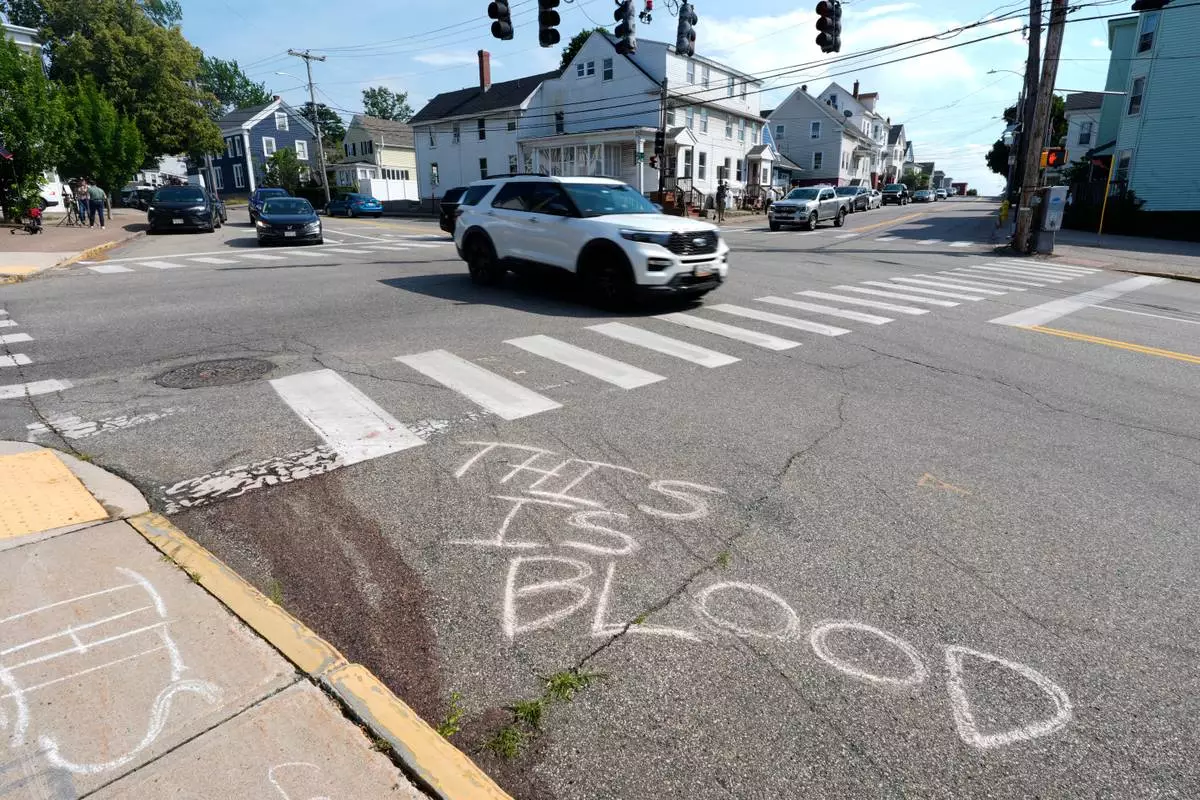
Blood is seen on the pavement near the scene of a shooting involving U.S. Immigration and Customs Enforcement, Monday, July 13, 2026 in Biddeford, Maine. (AP Photo/Robert F. Bukaty)
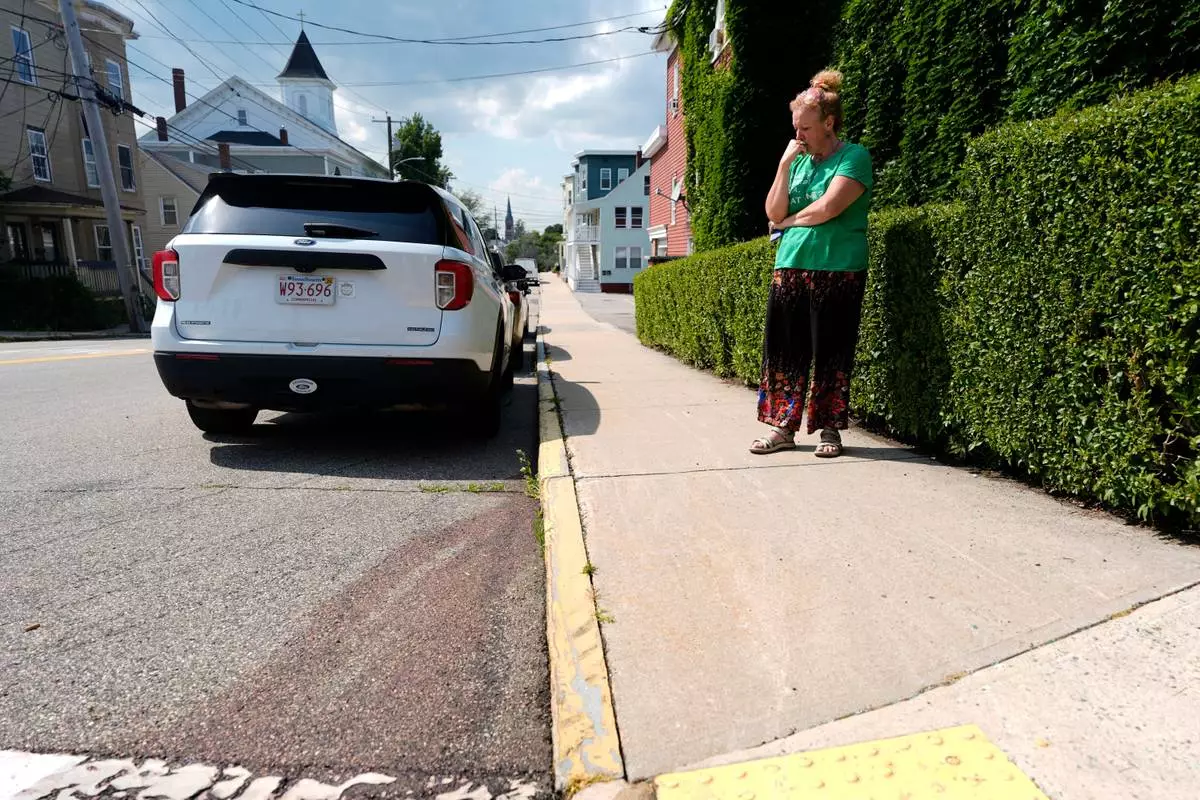
Frances Mercanti-Anthony, from Bristol, Maine, stands near the scene where blood is seen on the pavement after a shooting involving U.S. Immigration and Customs Enforcement, Monday, July 13, 2026 in Biddeford, Maine. (AP Photo/Robert F. Bukaty)
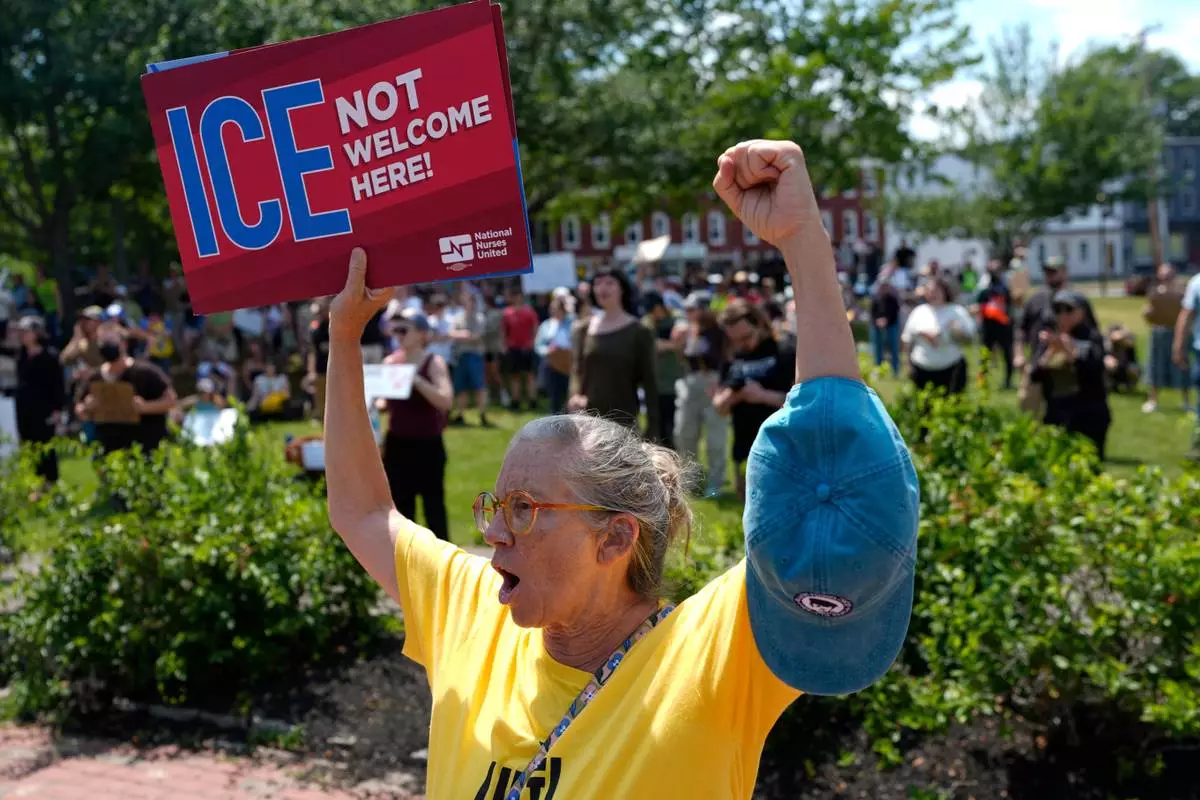
Protesters gather at a park near the scene of a shooting involving U.S. Immigration and Customs Enforcement, Monday, July 13, 2026 in Biddeford, Maine. (AP Photo/Robert F. Bukaty)
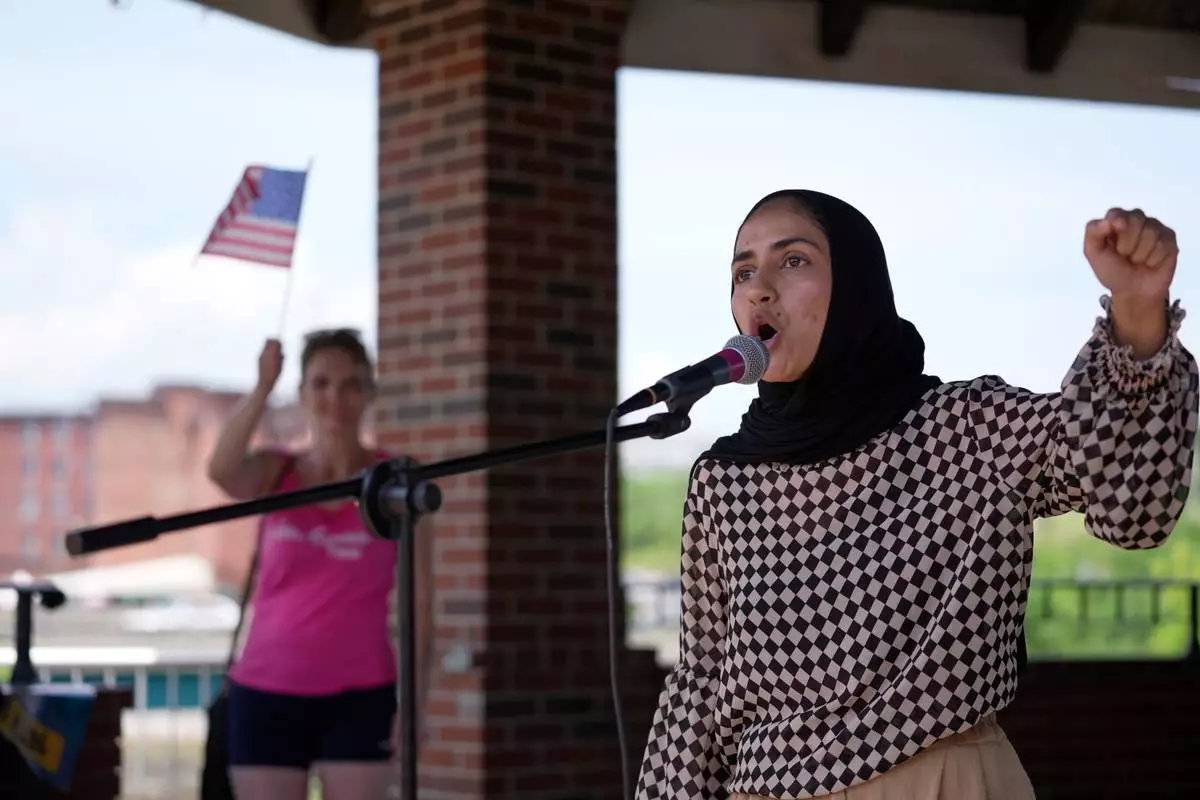
Eisha Khan speaks at a rally of protesters near the scene of a shooting involving U.S. Immigration and Customs Enforcement, Monday, July 13, 2026 in Biddeford, Maine. (AP Photo/Robert F. Bukaty)
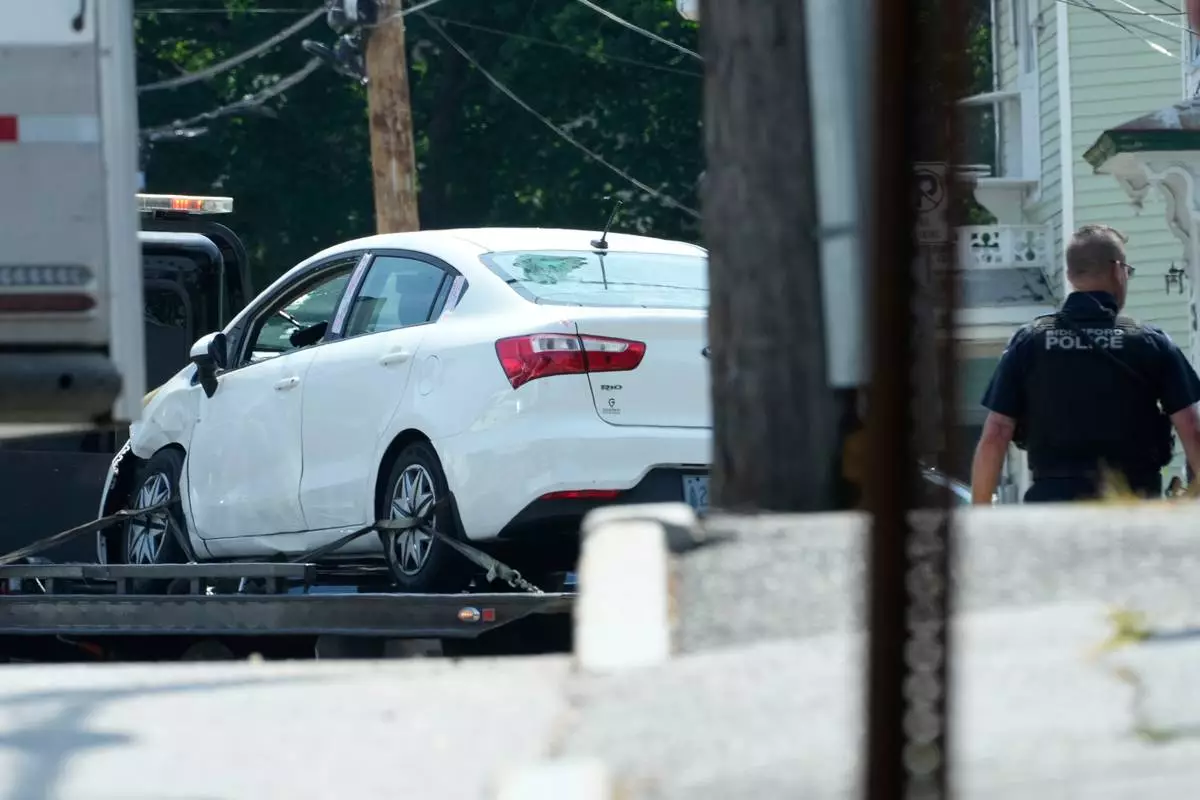
A vehicle with a damaged window is transported away from the scene of a shooting involving U.S. Immigration and Customs Enforcement, Monday, July 13, 2026 in Biddeford, Maine. (AP Photo/Robert F. Bukaty)
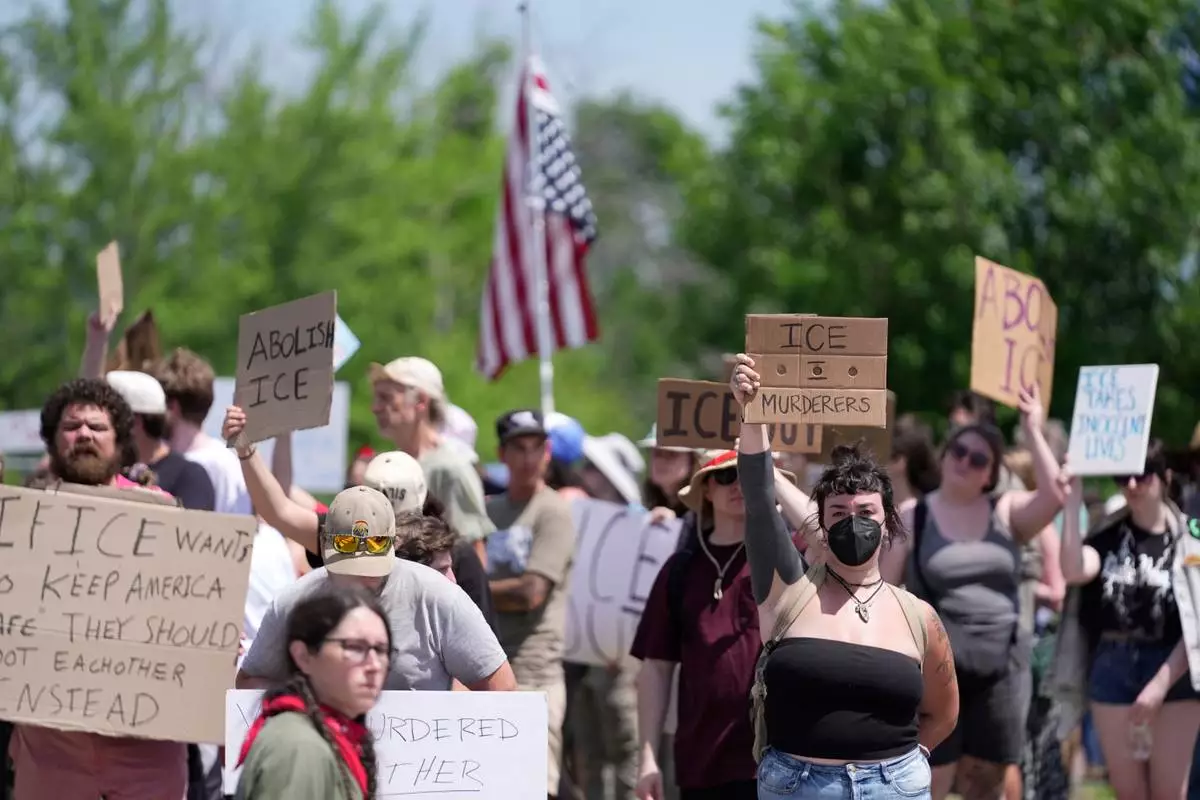
Protesters gather near the scene of a shooting involving U.S. Immigration and Customs Enforcement, Monday, July 13, 2026 in Biddeford, Maine. (AP Photo/Robert F. Bukaty)
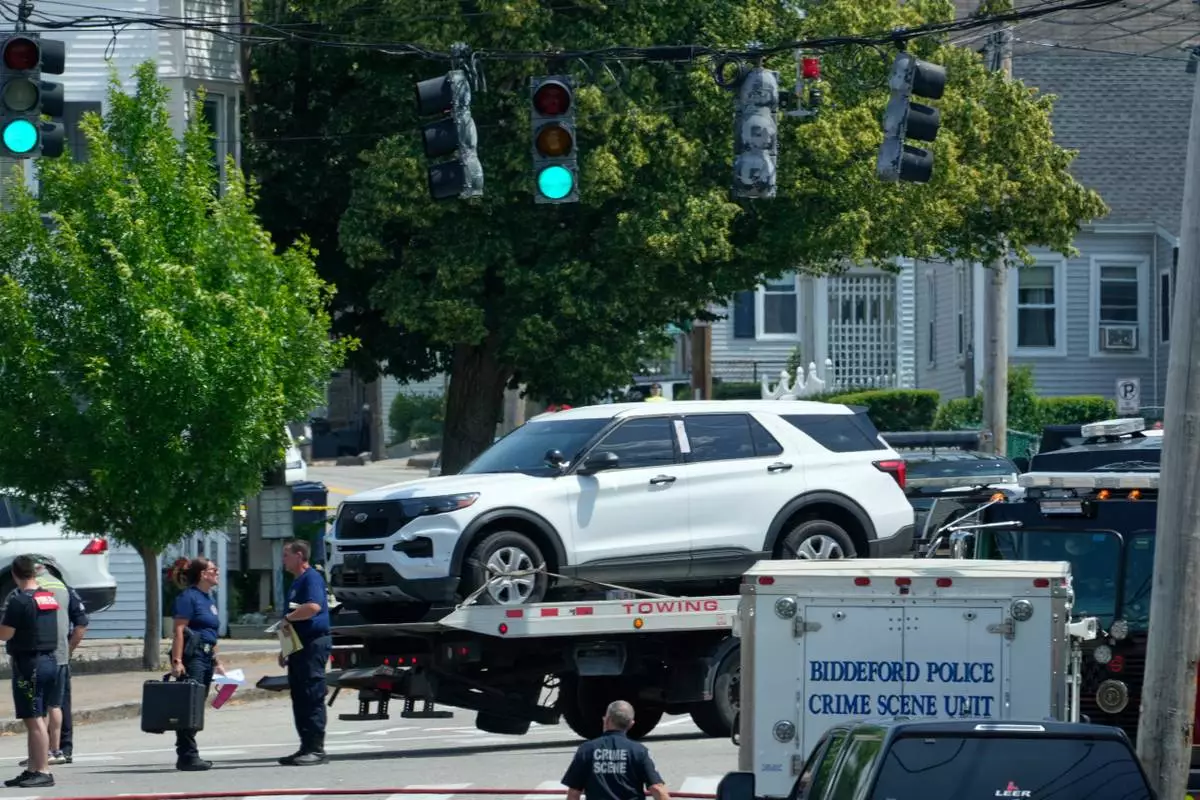
A vehicle is transported on a flatbed near the scene of a shooting involving U.S. Immigration and Customs Enforcement, Monday, July 13, 2026 in Biddeford, Maine. (AP Photo/Robert F. Bukaty)
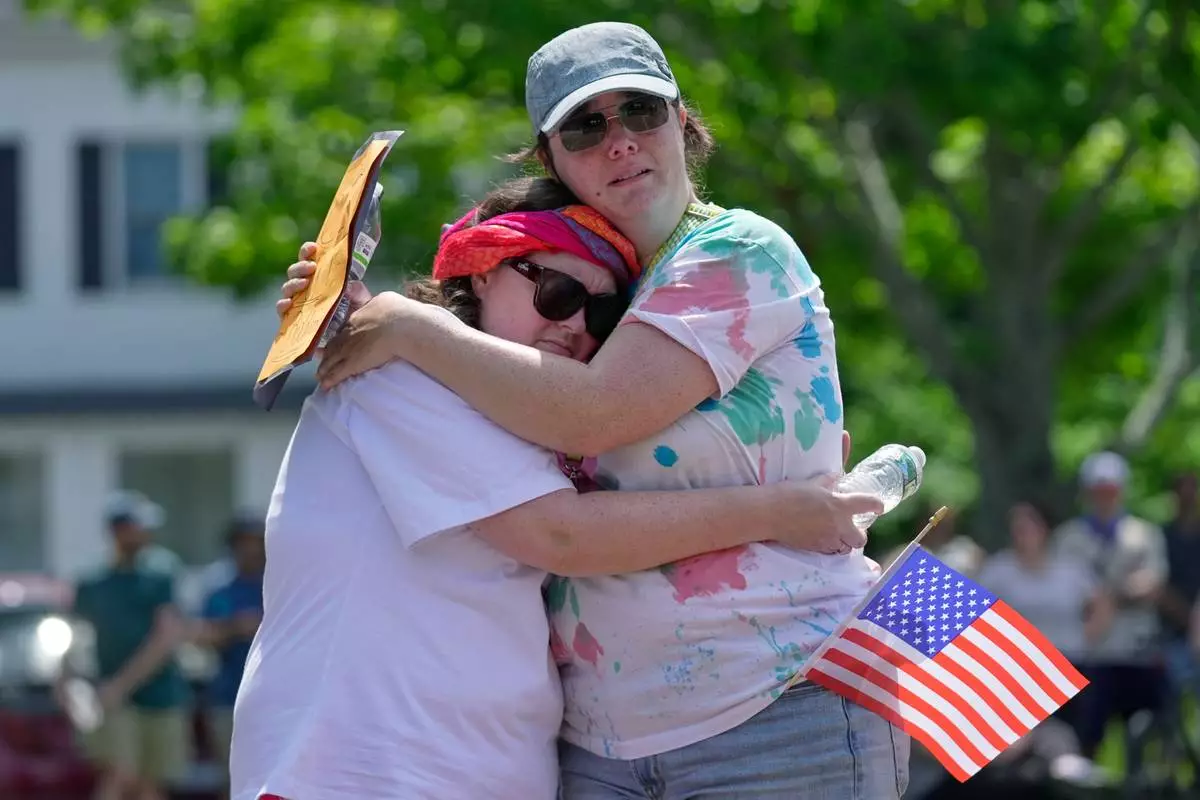
Biddeford City Councilor Abigail Woods hugs an unidentified constituent during an impromptu protest near the scene of a shooting involving U.S. Immigration and Customs Enforcement, Monday, July 13, 2026 in Biddeford, Maine. (AP Photo/Robert F. Bukaty)
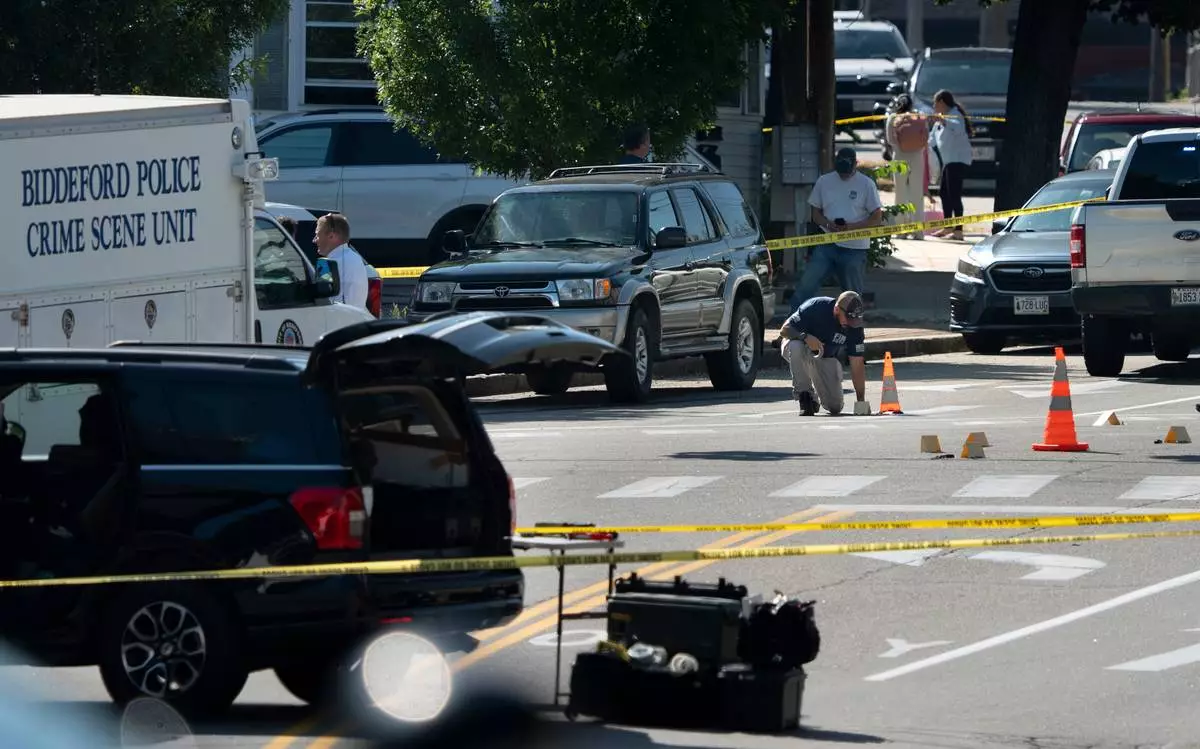
An FBI official places an evidence card where a man was reportedly killed in a shooting involving U.S. Immigration and Customs Enforcement agents, Monday, July 13, 2026 in Biddeford, Maine. (Gregory Rec/Portland Press Herald via AP)
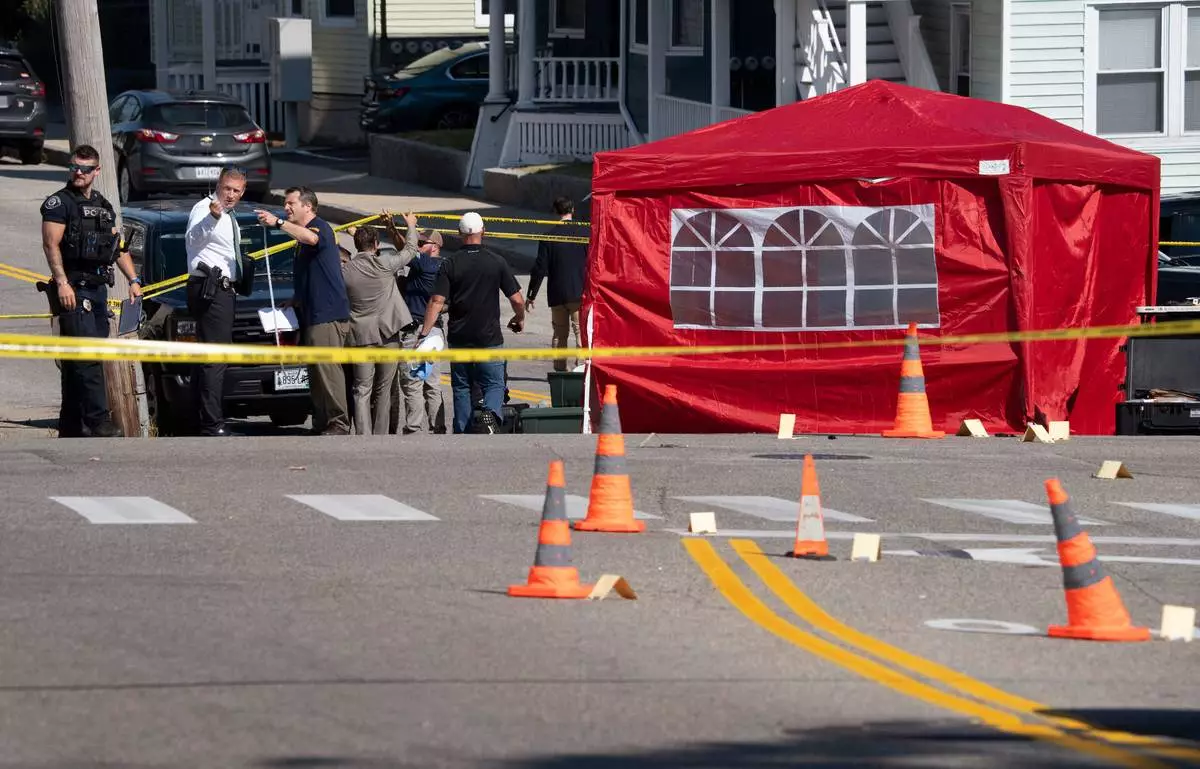
The scene on Pool Street where a man was reportedly killed in a shooting involving U.S. Immigration and Customs Enforcement agents, Monday, July 13, 2026 in Biddeford, Maine. (Gregory Rec/Portland Press Herald via AP)
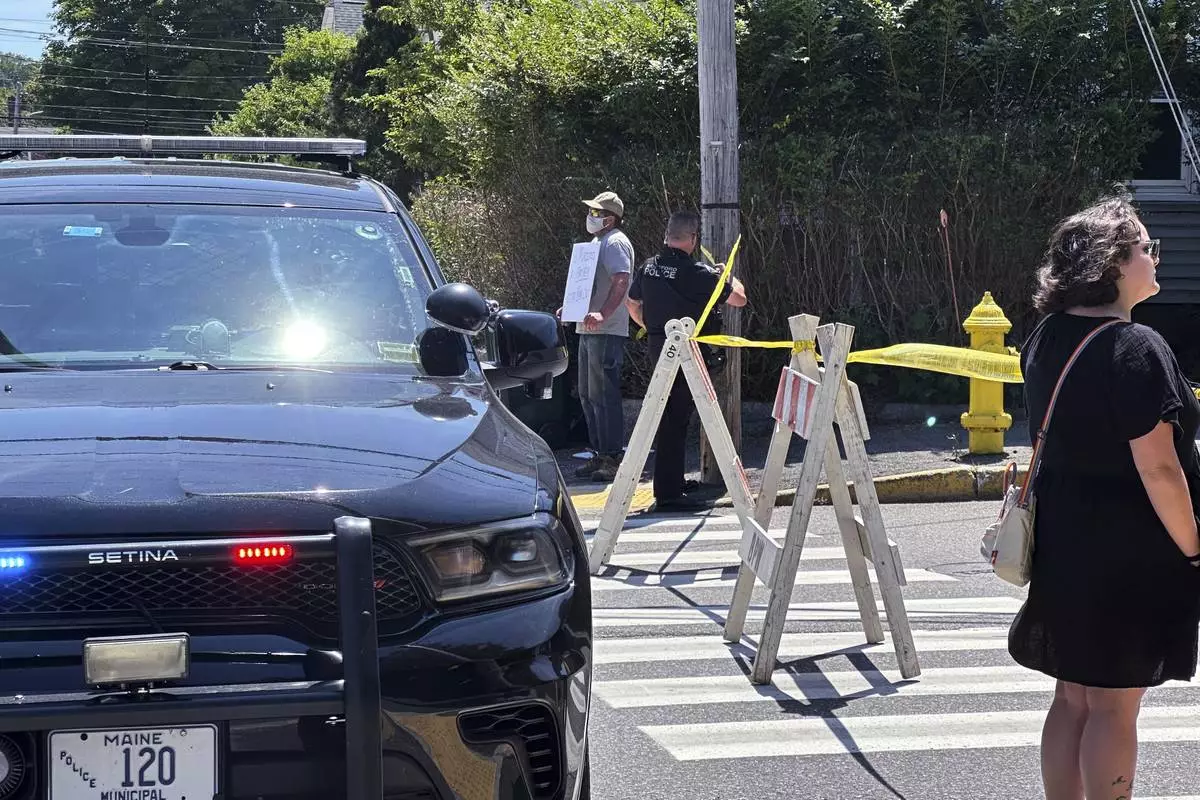
People stand near the scene as police block a road after a shooting involving U.S. Immigration and Customs Enforcement, in Biddeford, Maine, Monday, July 13, 2026. (AP Photo/Patrick Whittle)
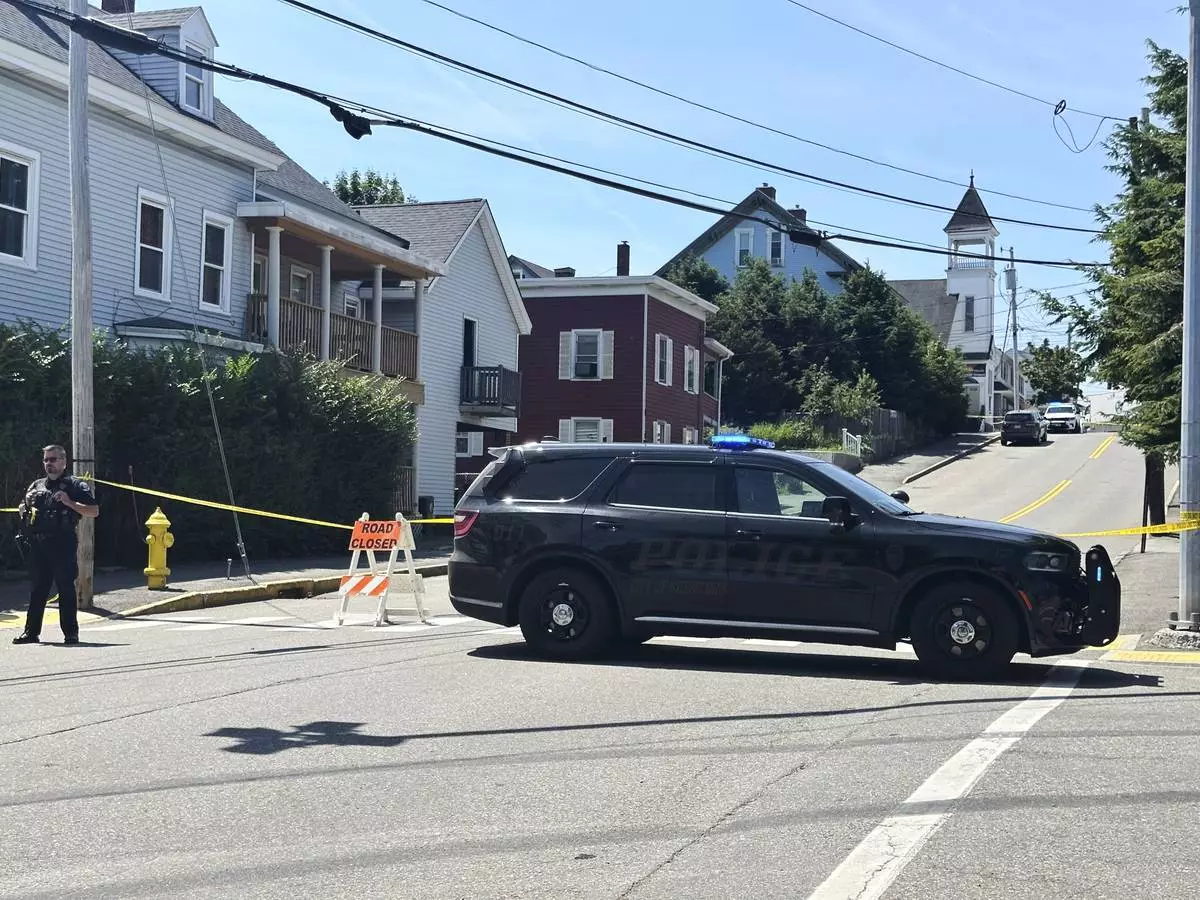
Police block a road after a shooting in Biddeford, Maine, Monday, July 13, 2026. (AP Photo/Patrick Whittle)
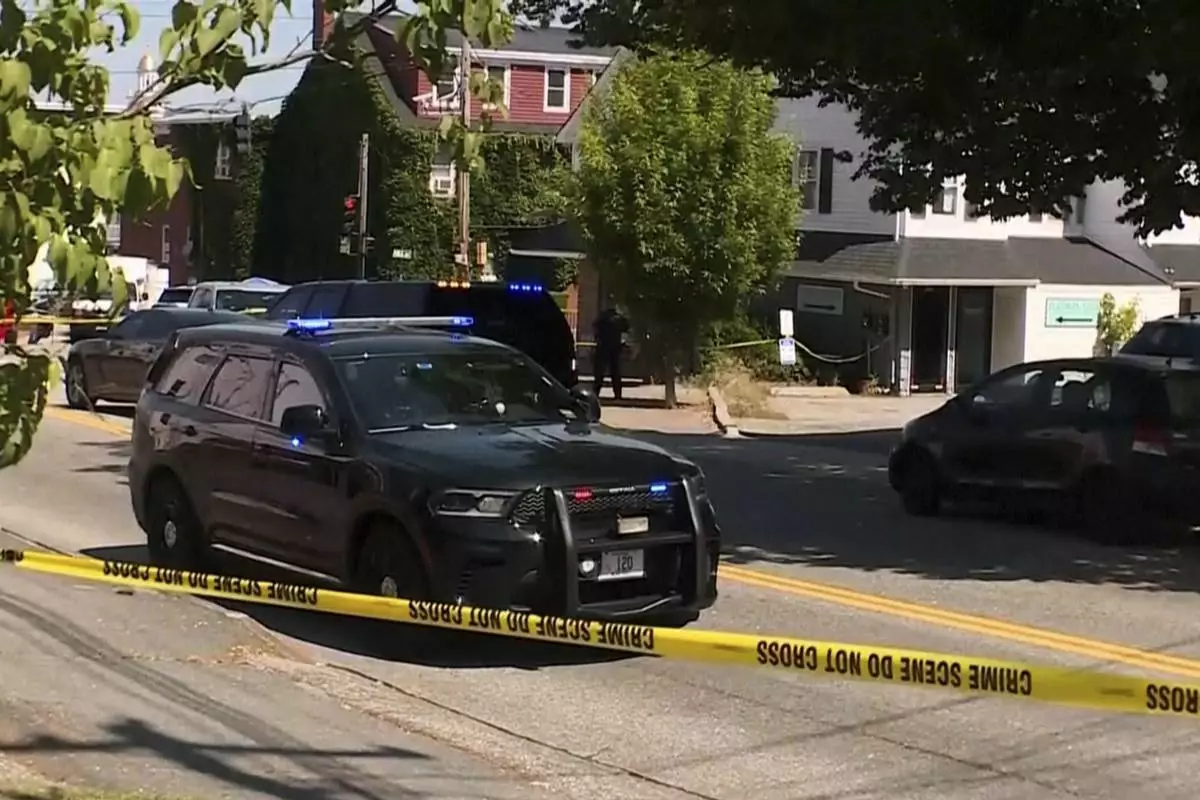
This image taken from video provided by WMTW shows police on the scene after a shooting involving U.S. Immigration and Customs Enforcement, Monday, July 13, 2026 in Biddeford, Maine. (WMTW via AP)
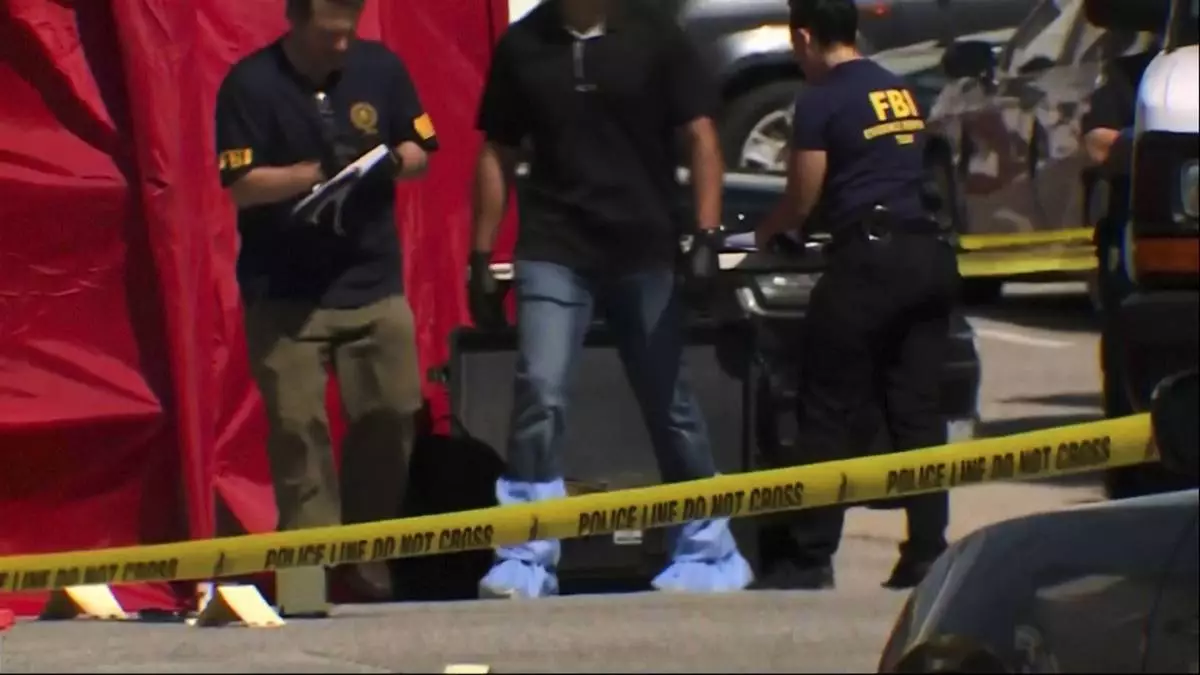
This image taken from video provided by WMTW shows police and FBI agents on the scene after a shooting involving U.S. Immigration and Customs Enforcement, Monday, July 13, 2026 in Biddeford, Maine. (WMTW via AP)
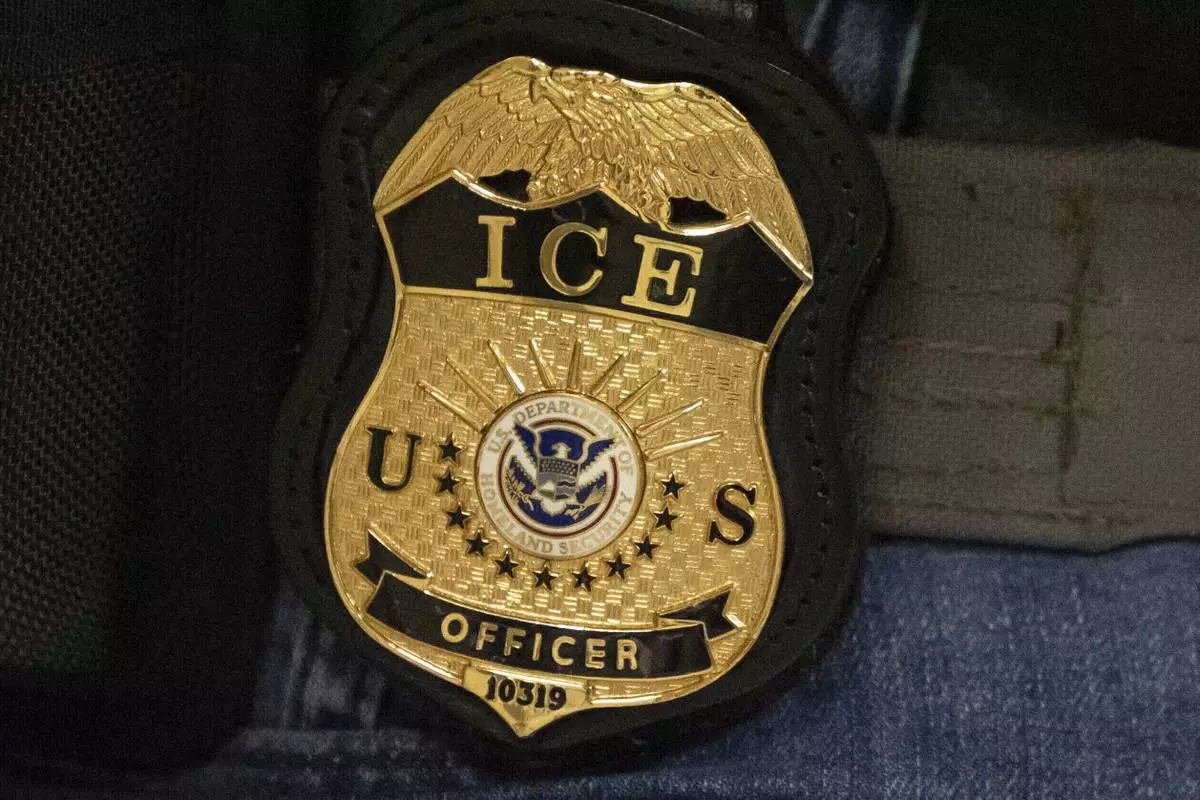
FILE - A federal agent wears an Immigration and Customs Enforcement badge in New York, June 10, 2025. (AP Photo/Yuki Iwamura, File)