President Donald Trump on Monday sharply reduced the size of two national monuments in Utah, undoing protections established by his Democratic predecessors on public lands that are sacred among many Native Americans.
Bears Ears and Grand Staircase-Escalante national monuments in southern Utah have ancient cliff dwellings, petroglyphs and scenic canyons, as well as coal and uranium deposits that state officials want made available for development.
Click to Gallery
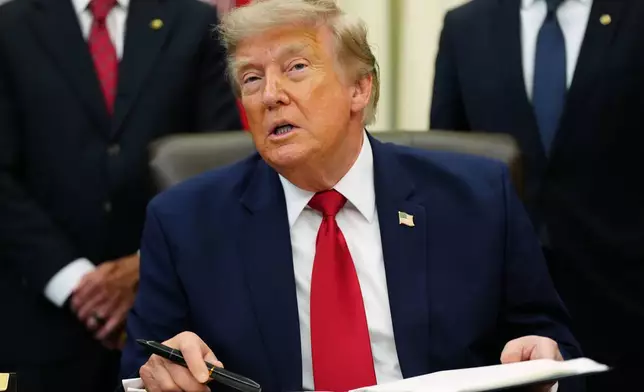
President Donald Trump speaks in the Oval Office of the White House, Monday, July 13, 2026, in Washington, as he signs executive orders. (AP Photo/Julia Demaree Nikhinson)
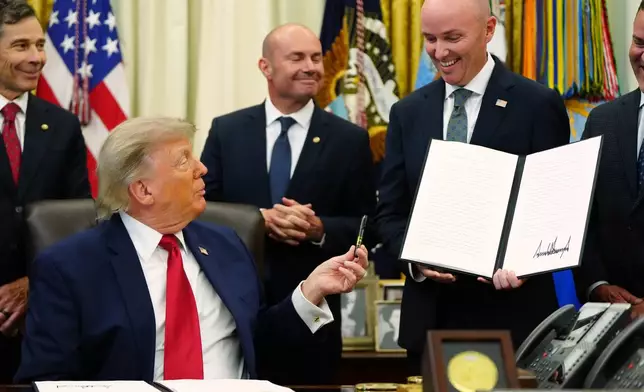
President Donald Trump hands a pen to Utah Gov. Spencer Cox after signing executive orders modifying the Grand Staircase-Escalante National Monument and the Bears Ears National Monument in the Oval Office of the White House, Monday, July 13, 2026, in Washington. (AP Photo/Julia Demaree Nikhinson)
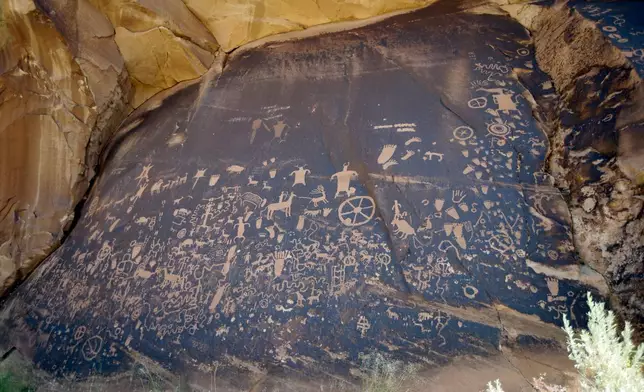
FILE - Newspaper Rock, featuring a rock panel of petroglyphs in the Indian Creek Area, is seen near Monticello, Utah, on July 14, 2016. (AP Photo/Rick Bowmer, File)
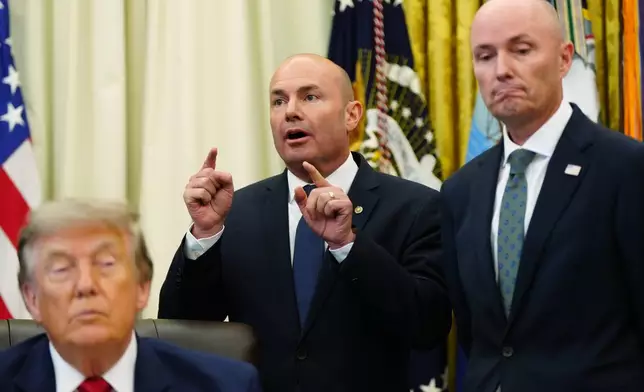
President Donald Trump and Utah Gov. Spencer Cox listen as Sen. Mike Lee, R-Utah, speaks in the Oval Office of the White House, Monday, July 13, 2026, in Washington. (AP Photo/Julia Demaree Nikhinson)
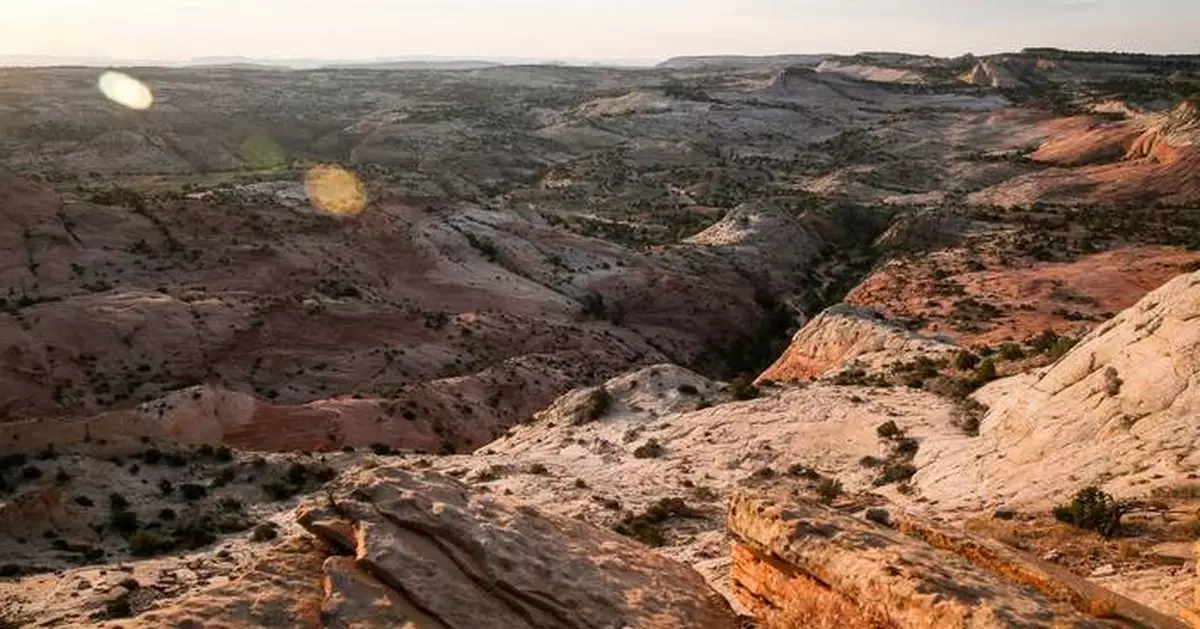
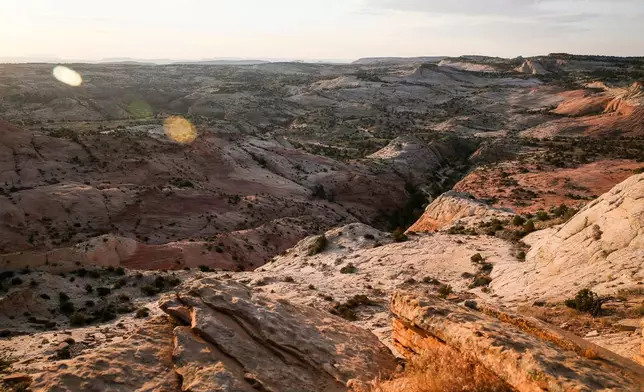
FILE - The Grand Staircase-Escalante National Monument in Utah is seen on July 9, 2017. (Spenser Heaps/The Deseret News via AP, File)
Trump, a Republican, issued proclamations under the Antiquities Act to reduce their size by about 90% each. He took similar actions during his first term, but those were reversed by President Joe Biden, a Democrat.
The latest move comes as Trump and other Republicans have drastically reshaped the management of vast taxpayer-owned lands concentrated in Western states. Trump administration officials and congressional Republicans have sought to expand drilling, mining and logging on public lands, while removing protections for imperiled species and rolling back rules for conservation.
“They took the land from the people quite honestly,” Trump said at a signing event at the White House Monday. “We’re giving it back.”
President Bill Clinton, a Democrat, established Grand Staircase-Escalante National Monument in 1996, and President Barack Obama, also a Democrat, created Bears Ears National Monument in 2016 under the Antiquities Act. The 1906 law gives presidents the powers to protect sites considered historic, archaeologically significant or culturally important.
Davina Smith-Idjesa, a citizen of the Navajo Nation and co-chair of the Bears Ears Inter-Tribal Coalition, said tribal leaders had braced for a reduction since Trump was elected to a second term. She said it was “heartbreaking” and accused federal officials of sidestepping their legal responsibility to consult with tribal nations that would be impacted.
“From a Navajo perspective, Bears Ears is not simply a piece of federal public land,” Smith-Idjesa said. “This is a living cultural site that holds our histories, our ceremonies, our traditional foods and medicines and our ancestors’ footprints.”
Utah officials had long fought against the monument designations and argued that the state should be in charge of controlling its own lands. Trump in his first term reduced their size, calling their creation a “massive land grab.” Combined they spanned more than 3.2 million acres (13 million hectares), an area nearly the size of Connecticut.
Trump reduced them Monday to less than 303,000 acres (123,000 hectares) combined.
That's a greater reduction than his first term, when he left Grand Staircase Escalante at 1 million acres (405,000 hectares) and Bears Ears at 213,000 acres (86,000 hectares).
“This is a big day for Utah,” Utah Gov. Spencer Cox as he stood next to Trump at the White House. “These monument designations are supposed to be the smallest area as possible to protect the antiquities.”
Bears Ears was the first national monument created at the request of tribal nations that consider the land sacred. The landscape contains ancestral villages, ceremonial and burial sites and features in some tribes’ creation and migration stories. Its designation honored five tribes in the region — Navajo, Hopi, Zuni, Ute Mountain Ute and Uintah-Ouray Ute.
Home to hundreds of thousands of objects of cultural and scientific significance, Bears Ears is jointly managed by an agreement between tribal nations and federal agencies.
Grand Staircase-Escalante consists of cliffs, canyons, natural arches and archaeological sites, including rock paintings. It holds large coal reserves, while the Bears Ears area has uranium.
The national monument designation provides sweeping protections not just for significant geological features or artifacts but also for the surrounding landscape, banning drilling, mining and new construction nearby. Proponents of Trump’s move to downsize say the protective boundaries stretch too far and hinder mining for critical minerals.
Trump asserted Monday that people can not hunt, fish or “virtually not even walk” on the monuments. That's false: Hunting, fishing, camping and other recreation are permitted under state and federal regulations, said Steve Bloch, legal director for the Southern Utah Wilderness Alliance, a conservation group.
Biden designated or expanded more than a dozen monuments and had a goal to conserve at least 30% of U.S. lands and waters by 2030.
Trump’s policies are largely the opposite: He wants to tap into the natural resource wealth of federal lands that total more than 100,000 square miles (260,000 square kilometers) and offshore areas under federal control, such as in the Gulf of Mexico and off Alaska.
That’s drawn backlash from Democrats who warn of the wholesale disposal of treasured landscapes for commercial gain.
“Today’s executive action is another chapter in this administration’s war on the West," Democratic Sen. Martin Heinrich of New Mexico said Monday. He added that Trump was “turning the Antiquities Act on its head."
Trump Interior Secretary Doug Burgum said last year that federal officials would review and consider redrawing monument boundaries as part of a push to expand U.S. energy production.
Trump in his current term has used proclamations to lift commercial fishing prohibitions within expansive marine monuments in areas of the Pacific Ocean and in the Atlantic Ocean off the New England coast. Those monuments were created by Democratic and Republican administrations. The effort to boost the fishing industry, which has been challenged in court, marks a dramatic shift in federal policy by prioritizing commercial interests over efforts to allow the fish supply to increase.
Some Republicans have tried to sell or transfer federal lands to states or other entities. Those efforts have largely fallen flat: A push by some GOP lawmakers in the House to sell public lands ran into bipartisan opposition, while another proposal by Sen. Mike Lee of Utah to sell more than 3,200 square miles (8,300 square kilometers) of federal lands was removed from Republicans' big tax and spending bill.
The U.S. Supreme Court last year turned back a lawsuit from Utah officials who sought to wrest control of vast areas of public land within the state from the federal government.
__
Hannah Schoenbaum reported from Salt Lake City.
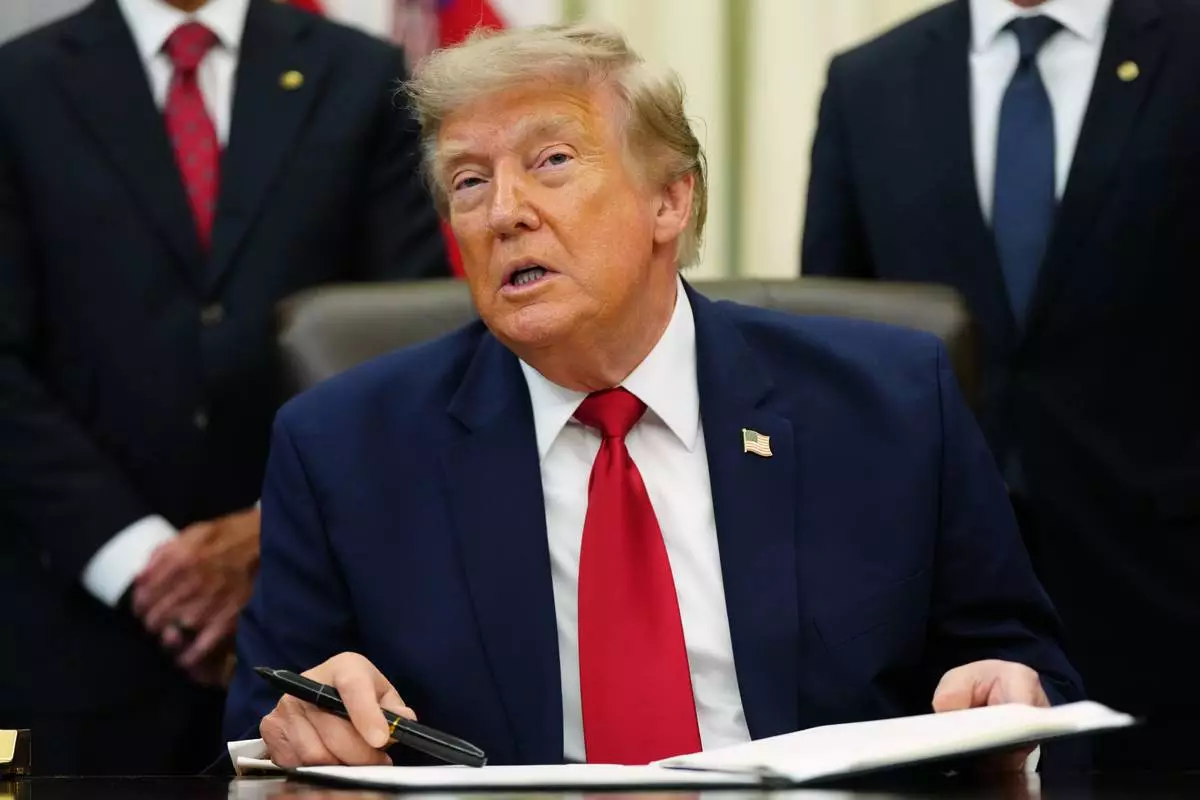
President Donald Trump speaks in the Oval Office of the White House, Monday, July 13, 2026, in Washington, as he signs executive orders. (AP Photo/Julia Demaree Nikhinson)
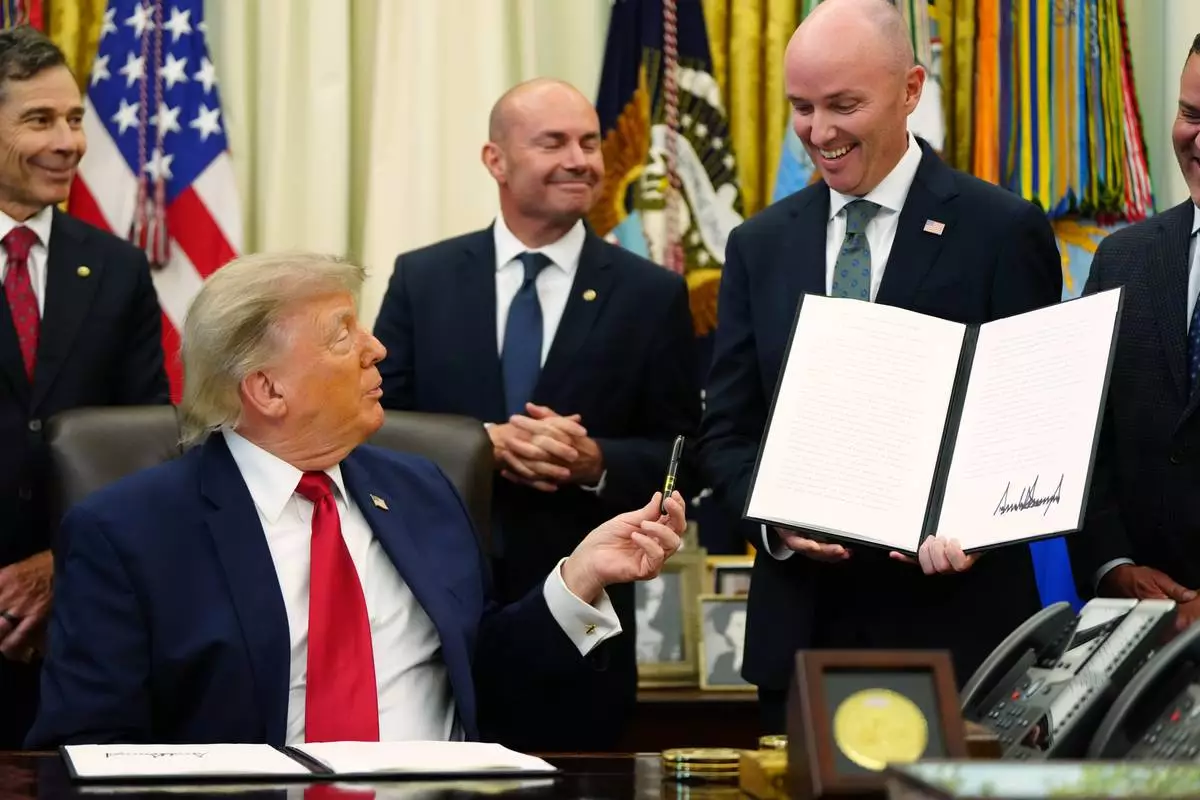
President Donald Trump hands a pen to Utah Gov. Spencer Cox after signing executive orders modifying the Grand Staircase-Escalante National Monument and the Bears Ears National Monument in the Oval Office of the White House, Monday, July 13, 2026, in Washington. (AP Photo/Julia Demaree Nikhinson)
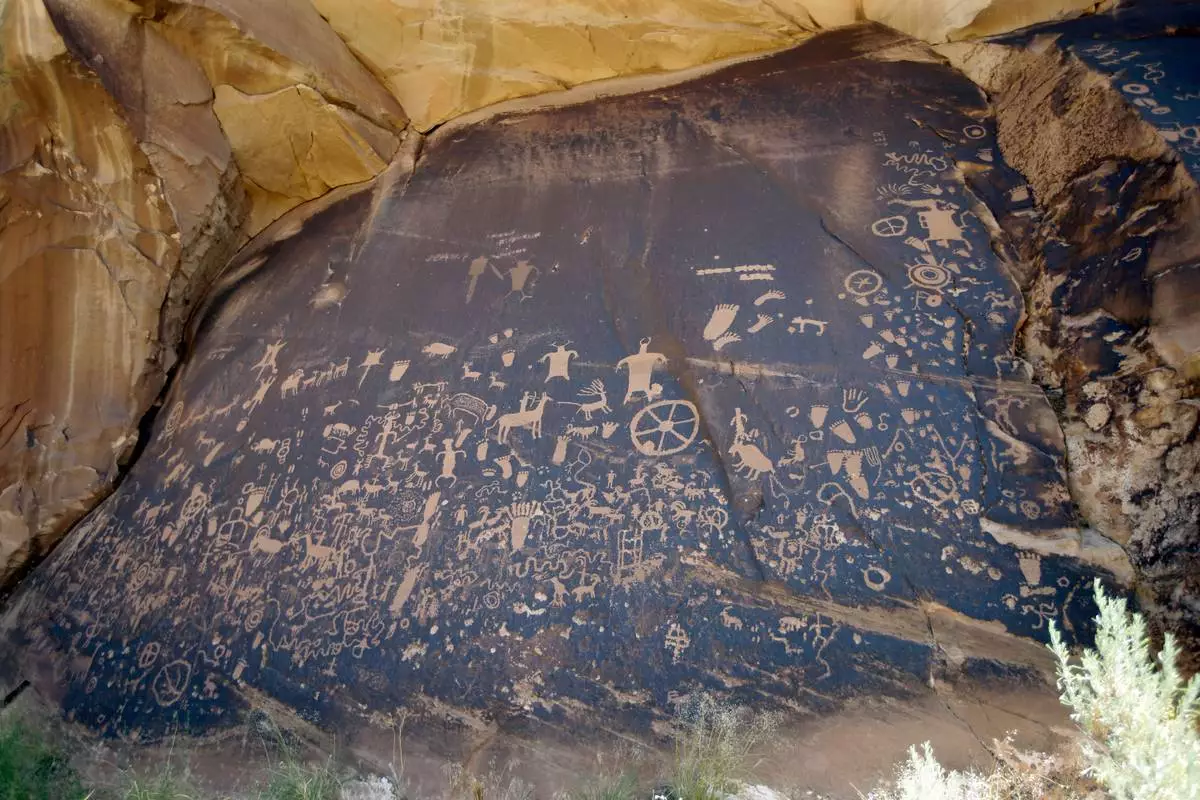
FILE - Newspaper Rock, featuring a rock panel of petroglyphs in the Indian Creek Area, is seen near Monticello, Utah, on July 14, 2016. (AP Photo/Rick Bowmer, File)
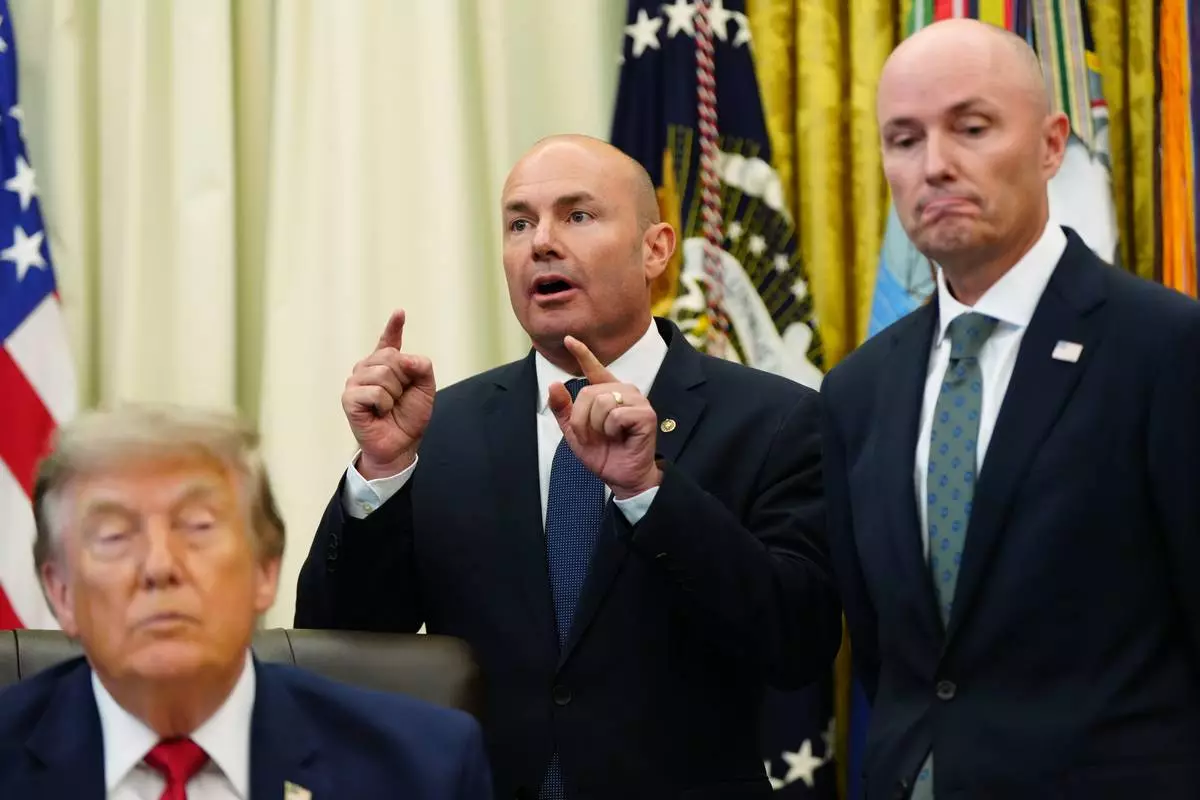
President Donald Trump and Utah Gov. Spencer Cox listen as Sen. Mike Lee, R-Utah, speaks in the Oval Office of the White House, Monday, July 13, 2026, in Washington. (AP Photo/Julia Demaree Nikhinson)
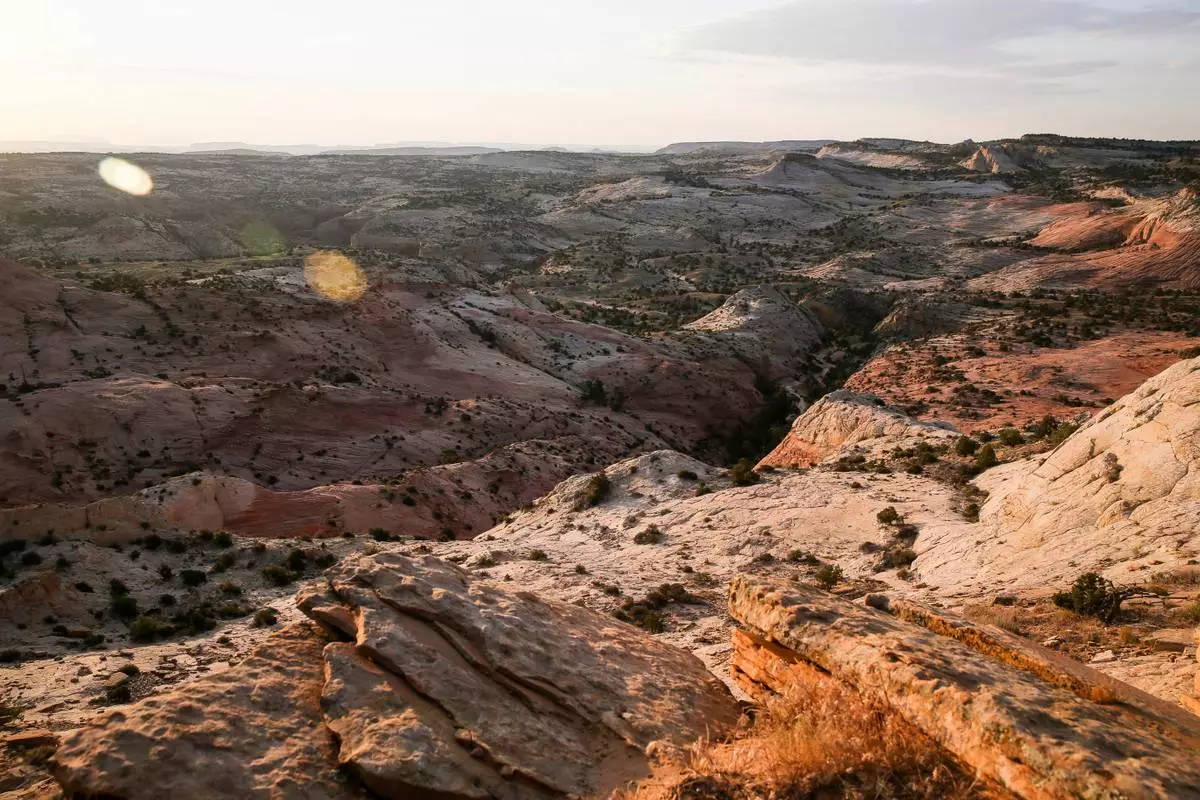
FILE - The Grand Staircase-Escalante National Monument in Utah is seen on July 9, 2017. (Spenser Heaps/The Deseret News via AP, File)
DUBAI, United Arab Emirates (AP) — The U.S. announced a new round of strikes on Iran on Monday, hours after President Donald Trump said Washington is “reinstating” a blockade on Iran in the Strait of Hormuz and, in a seeming policy reversal, will charge other ships for safe passage.
All of that comes as Iran has insisted it actually controls the critical waterway, and as the new exchange of fire threatened a return to all-out war.
U.S. Central Command announced on social media that the U.S. military had begun another round of strikes against Iran.
“These strikes will continue imposing a heavy cost on Iranian forces and degrade their ability to attack innocent civilians and commercial shipping in the Strait of Hormuz,” the U.S. military said.
Moments after the military announced the new strikes, Trump called it “another major attack.”
“We’re hitting them very hard. And it’ll continue, and we’ll see what happens,” he told reporters in the Oval Office. “We’re knocking out all of their offensive capability and we’re controlling the straits. We’re putting the blockade back.”
Trump also provided new details on his administration doing an about-face and suggesting it will charge tolls for ships going through the strait, after previously suggesting that it wouldn’t.
“We’re protecting a very rich portion of the world,” he said. “We’re spending money. And so, what we’ve done is, we are going to be reimbursed for protection.”
It's a change in U.S. policy that, until now, said the strait should remain open to all without tolls — as it was before the U.S. and Israel attacked Iran on Feb. 28. Any attempt by the U.S. or Iran to charge fees would violate global norms on freedom of navigation and raise tensions, likely causing further economic disruption far beyond the region.
The price for a barrel of Brent crude oil, the international standard, rose 7.8% to $81.92 a barrel on Monday, still well below the nearly $120 reached at the height of the war.
Earlier, Trump told conservative radio host Hugh Hewitt that the agreement reached last month was “built to test” Iran, adding that “when you’re dealing with sleazebags don’t mean much.”
Trump said he questioned why the U.S. was entering into a deal to create a ceasefire with Iran rather than moving toward a full deal first. Trump last week declared the ceasefire was “over.”
“They didn’t honor the test,” the president said.
Exchanges of fire in recent days, sparked by Iranian attacks on ships, had already cast further doubt on the interim peace deal. Washington had lifted a blockade it imposed in mid-April as part of that deal, which also called for the strait to be fully reopened.
“We are reinstating the THE IRANIAN BLOCKADE,” Trump said on social media. “All other countries will have fair and open use of the Strait.”
The president said the U.S. would be “reimbursed” by 20% of the value of cargo to help cover “any and all costs necessary to do the job of providing safety and security.”
The U.S. military said it will resume its blockade of Iranian ports Tuesday at 4 p.m. EDT.
Iran asserts it has the right to manage traffic through the strait and potentially charge fees in accordance with the interim peace deal. The U.S. has disputed that.
Iran on Monday vowed to fight back against any U.S. interference in the strait. Iran's Foreign Minister Abbas Araghchi mocked Trump on social media and used his support for tolls to legitimize Iran's position.
“POTUS is absolutely right. Whoever provides secure and safe passage of commercial vessels through the Strait of Hormuz should be compensated for this service,” Araghchi wrote on X. “Iran has always been the GUARDIAN of the Strait and will remain so FOREVER. 20% is of course too much. We will be fair.”
The International Maritime Organization, the United Nations agency overseeing international shipping, said it was waiting to find out more about Trump’s proposal but remained opposed to tolls for passage through international waterways.
“There is no legal basis through which to introduce mandatory tolls simply to transit through a strait,” it said in a statement.
Meeting with Gulf leaders late last month, Secretary of State Marco Rubio had spoken forcefully against Iran charging fees for transit through the strait.
“That’s international waterway. There isn’t a nation on Earth that supports having to pay money to go through the straits,” Rubio told reporters in Bahrain on June 25.
Rubio also said there was “zero support among the Gulf countries for any sort of toll or fees or anything that charges for the use of international waters. The president’s made it clear that’s not going to happen.”
A fifth of the world’s oil and gas passed through the strait before Iran effectively shut it down at the start of the war, driving up global prices of energy, fertilizer and other goods. Traffic had picked up after last month's agreement but remained well below prewar levels.
The American military has tried to establish a route through the strait along the coast of Oman that would be outside of Iranian control. Iran has attacked ships using that route, saying the U.S. is violating the interim peace deal. The U.S. has attacked Iran in response, drawing Iranian attacks on U.S.-allied Arab states.
The U.S. military said it struck dozens of sites Monday, including air defense systems, radar sites, missile and drone equipment, and small boats in response to an Iranian attack on a container ship the day before. The U.S. said it used drone ships for the first time to hit an Iranian ship maintenance facility and submarine on Sunday.
Missile alert sirens sounded three times Monday in Bahrain, home to the U.S. Navy’s 5th Fleet. There was no immediate word on damage.
Separately, Kuwait's Foreign Ministry said its consulate in Iraq had been attacked. It did not immediately blame anyone for the attack or disclose damages or casualties.
The oil-rich kingdom — home to several U.S. military bases — also condemned Iran and “its factions and militias loyal to it in Iraq” for attacking what it described as “several border points” and a maritime oil drilling platform that belonged to the Kuwait Petroleum Corporation.
In Jordan, the kingdom's military said it shot down four Iranian missiles in an incident that “resulted in zero casualties or material damage.” Jordan also hosts U.S. military forces and aircraft.
In Iran, authorities reported attacks in Hormozgan, Khuzestan and Markazi provinces and said at least two people were killed, according to state-run IRNA news agency. Semiofficial Iranian media also reported strikes in the eastern Sistan and Baluchestan province, which is on a coast of the Gulf of Oman.
Those attacks on Iran raised the possibility that Gulf Arab states were retaliating. There were unclaimed attacks on Iran on Thursday.
Iran’s Foreign Ministry spokesperson Esmail Baghaei blamed Washington for the chaos gripping the region. He said Iran wouldn't agree to visits by the International Atomic Energy Agency to nuclear sites the U.S. bombed in 2025. That's where Tehran's stockpile of highly enriched uranium is believed to be entombed.
Trump suggested last week that the interim deal in the war was “over” and the U.S. ended waivers allowing Iran to sell crude oil on the open market in U.S. dollars. But mediators, including Pakistan, Qatar and Egypt, have continued efforts to reach a final agreement to end the war.
Iran and the U.S. are nearly halfway through the 60-day period in which they were supposed to negotiate such an agreement, which was also supposed to address Iran's disputed nuclear program.
Boak, Weissert and Toropin reported from Washington. Associated Press writers Mae Anderson in New York, Christopher Weber in Los Angeles, Kareem Chehayeb in Beirut, Munir Ahmed in Islamabad and Stella Martany in Irbil, Iraq, contributed to this report.
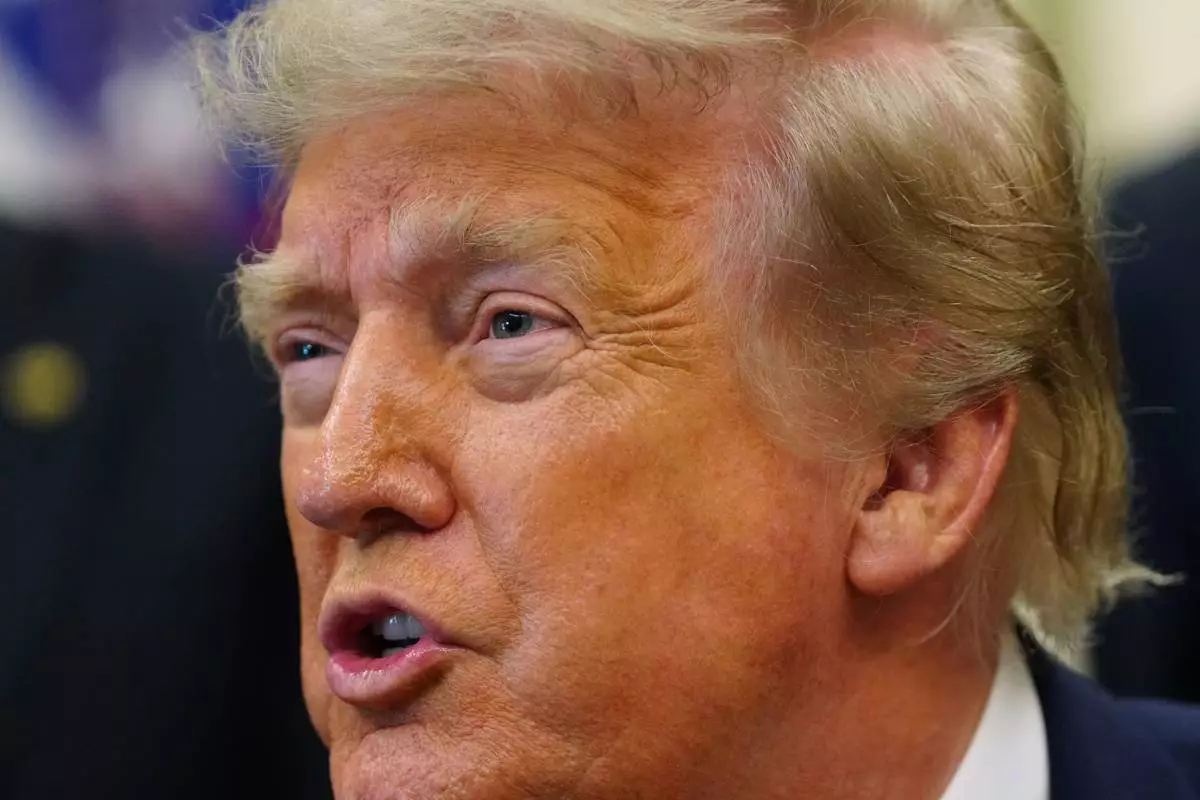
President Donald Trump speaks after signing executive orders modifying the Bears Ears National Monument and the Grand Staircase-Escalante National Monument in the Oval Office of the White House, Monday, July 13, 2026, in Washington. (AP Photo/Julia Demaree Nikhinson)
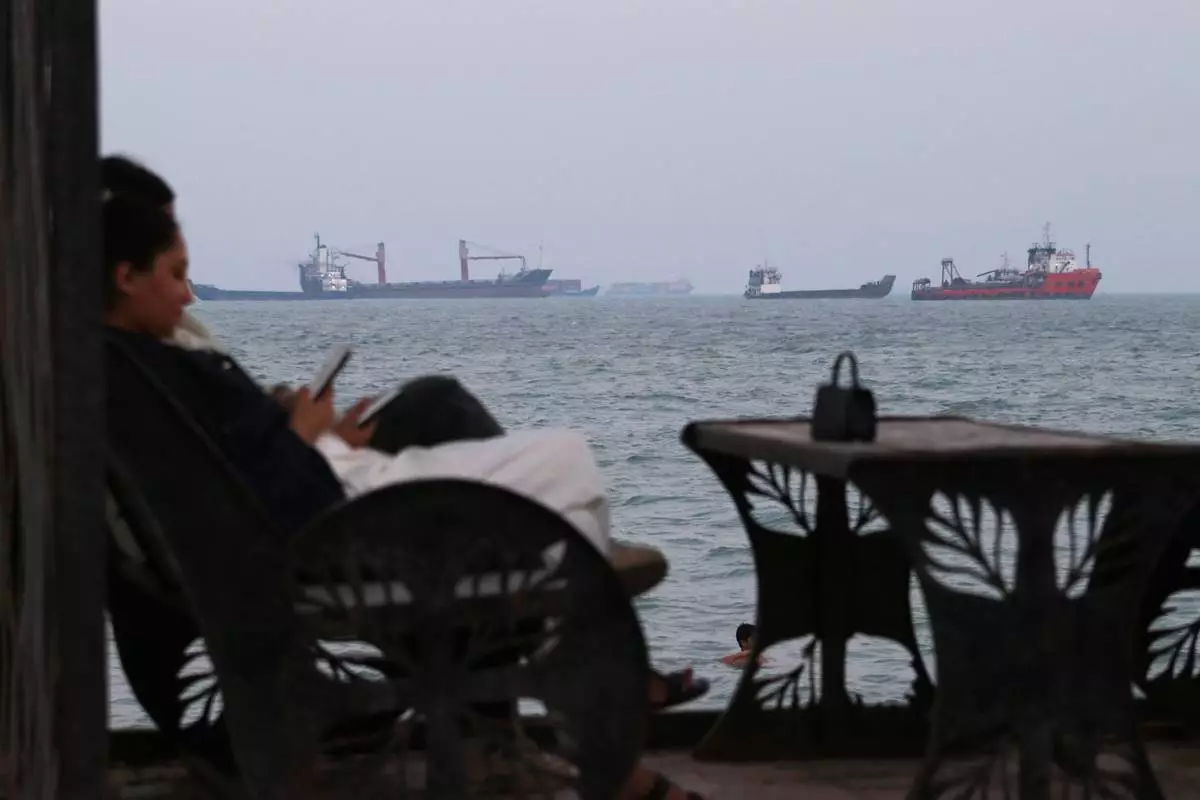
Residents check their cellphones as they sit at a cafe overlooking commercial vessels anchored in the Strait of Hormuz, off Bandar Abbas, Iran, Sunday, July 12, 2026. (Razieh Poudat/ISNA via AP)
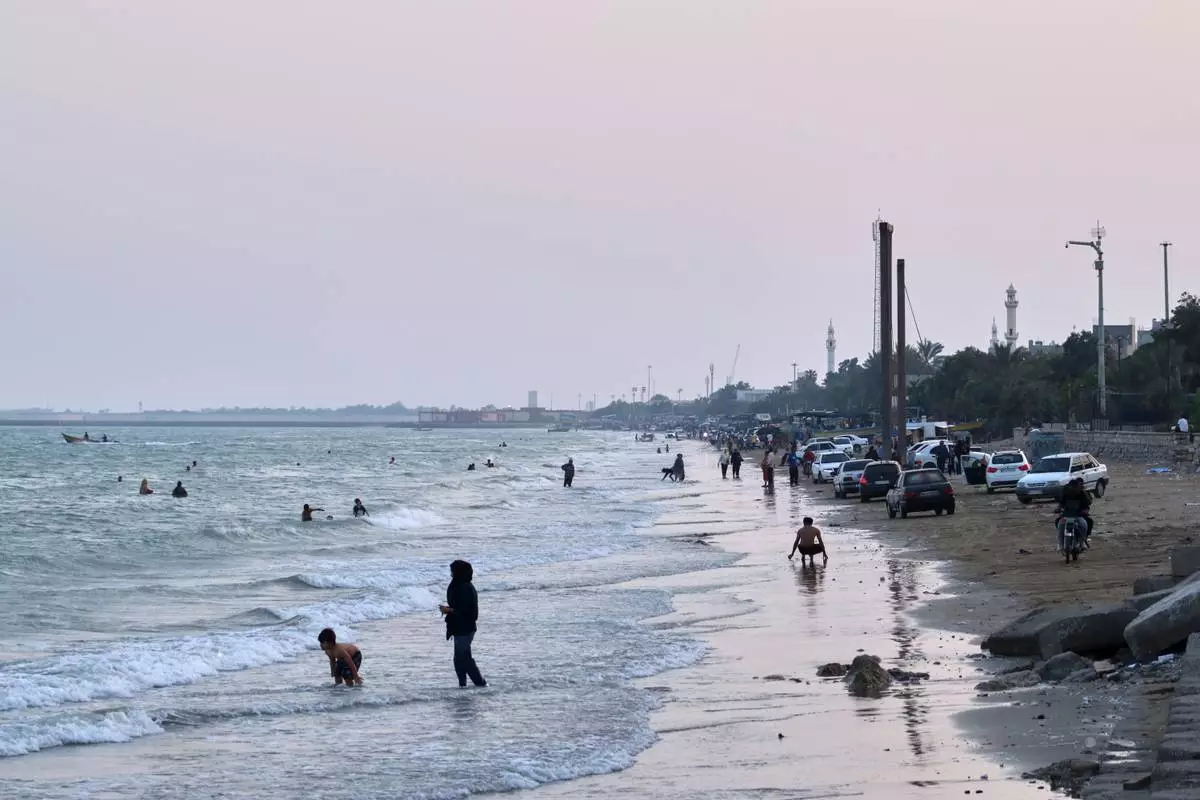
People swim and spend time along the shore of the Strait of Hormuz, off Bandar Abbas, Iran, Sunday, July 12, 2026. (Razieh Poudat/ISNA via AP)
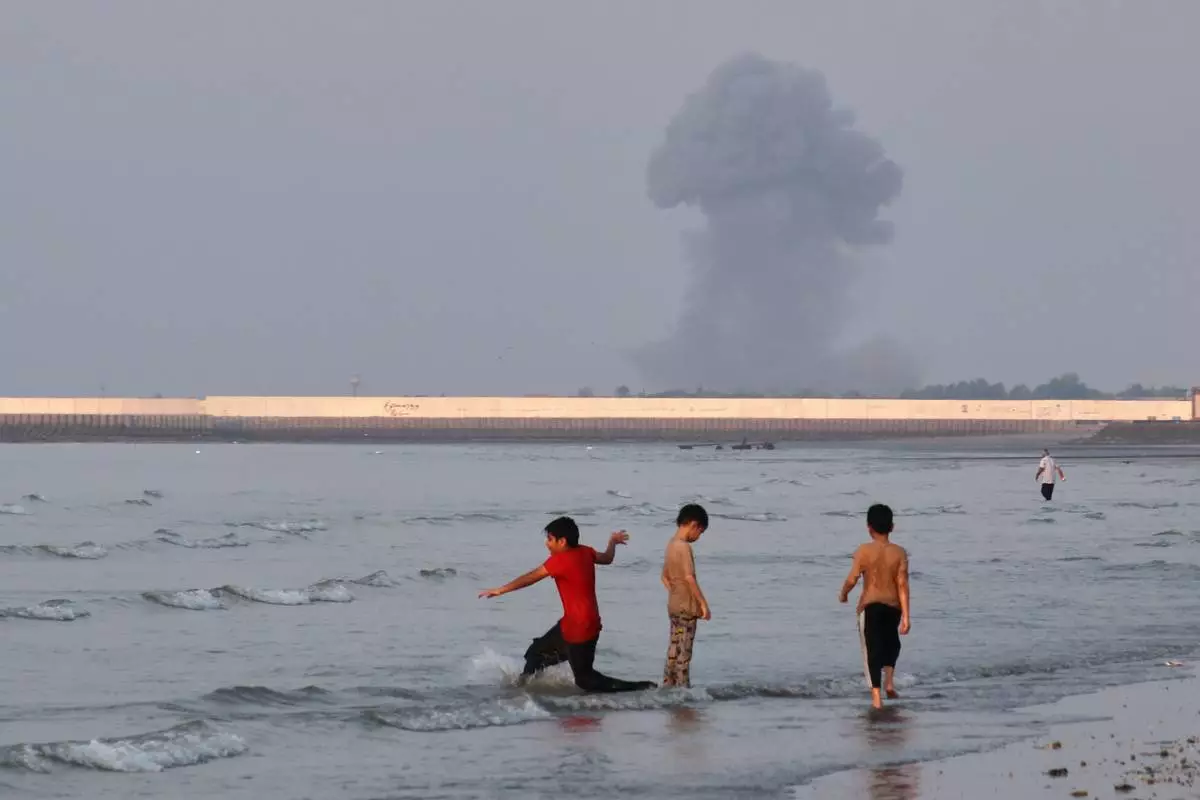
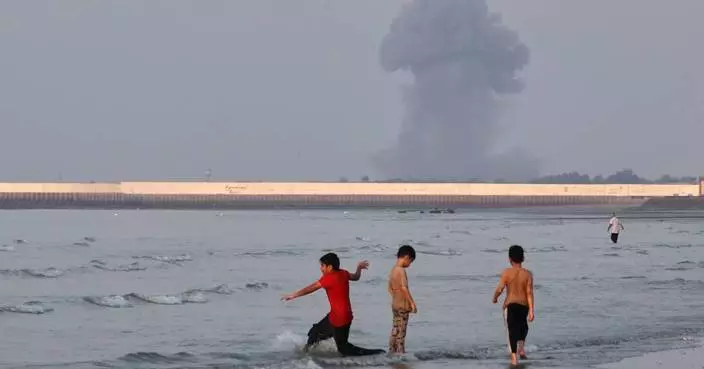
Three boys play in the shallow waters of the Strait of Hormuz, as a plume of smoke rises from an explosion in the background, off Bandar Abbas, Iran, Monday, July 13, 2026. (Razieh Poudat/ISNA via AP)
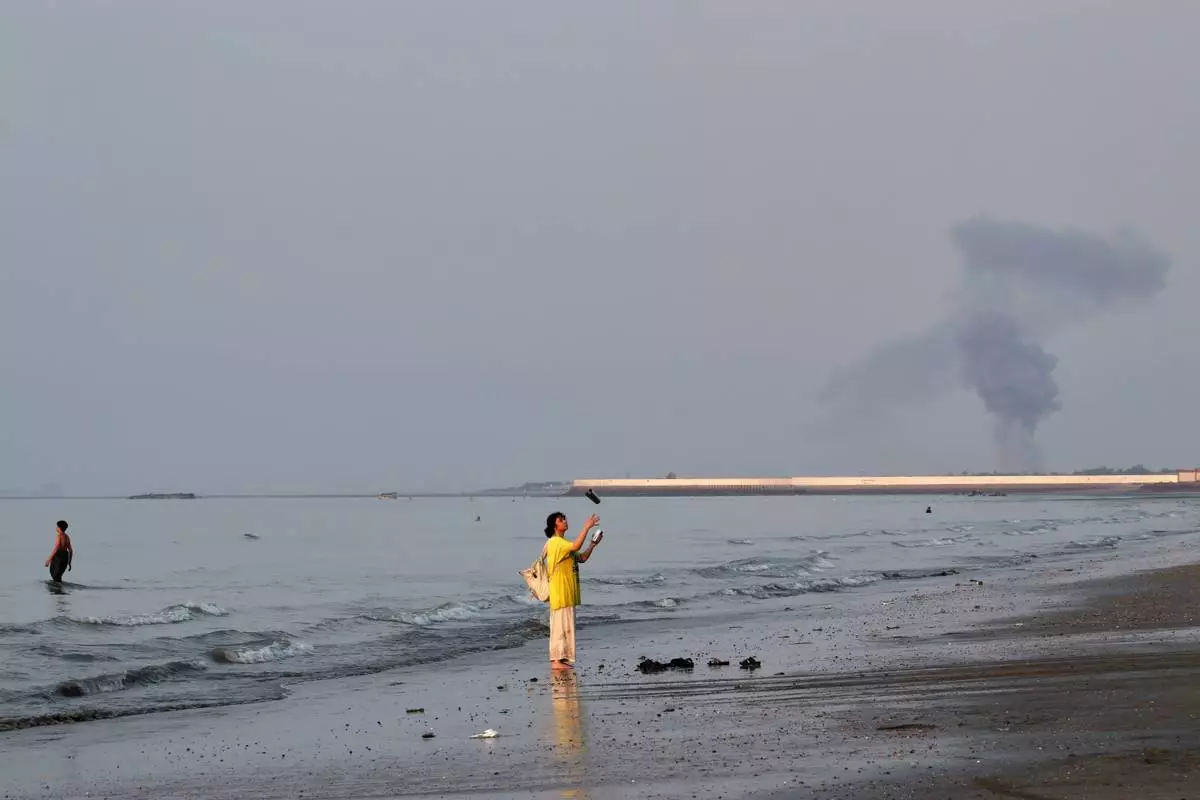
A woman stands at the water's edge along the Strait of Hormuz as a plume of smoke rises in the background following an explosion, off Bandar Abbas, Iran, Monday, July 13, 2026. (Razieh Poudat/ISNA via AP)
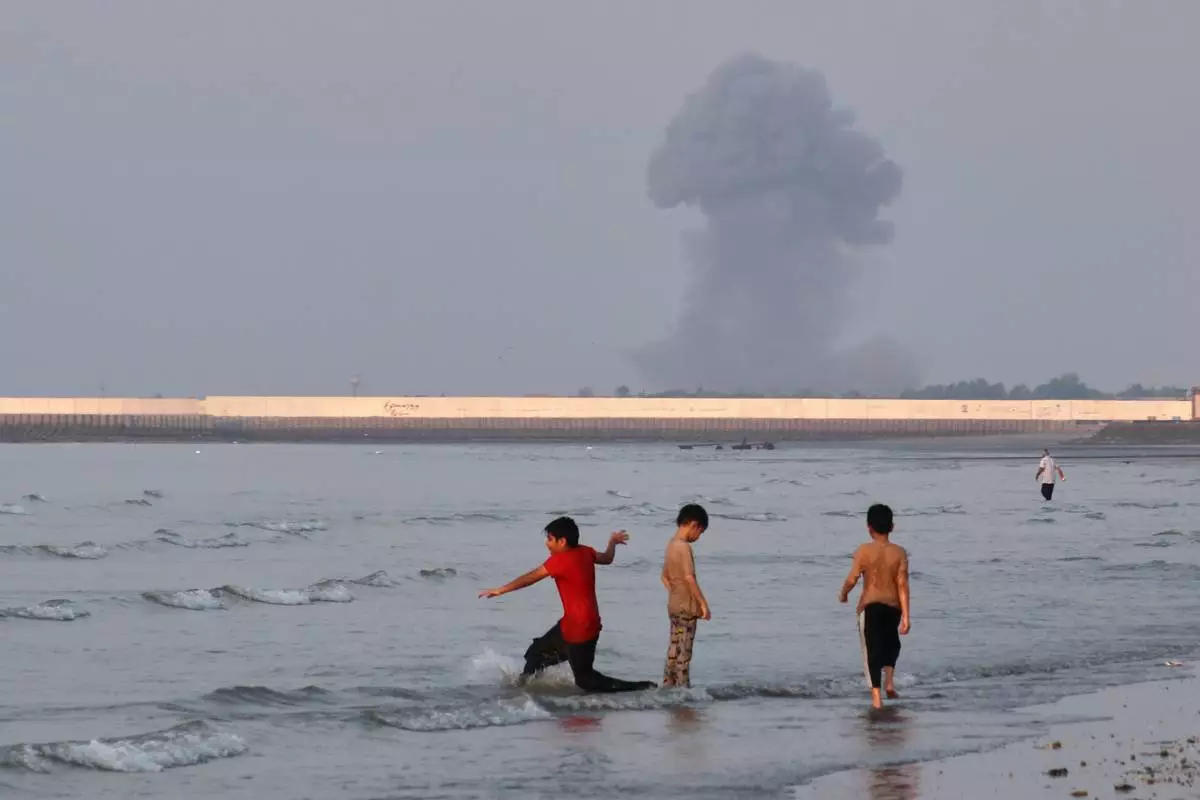
Three boys play in the shallow waters of the Strait of Hormuz, as a plume of smoke rises from an explosion in the background, off Bandar Abbas, Iran, Monday, July 13, 2026. (Razieh Poudat/ISNA via AP)
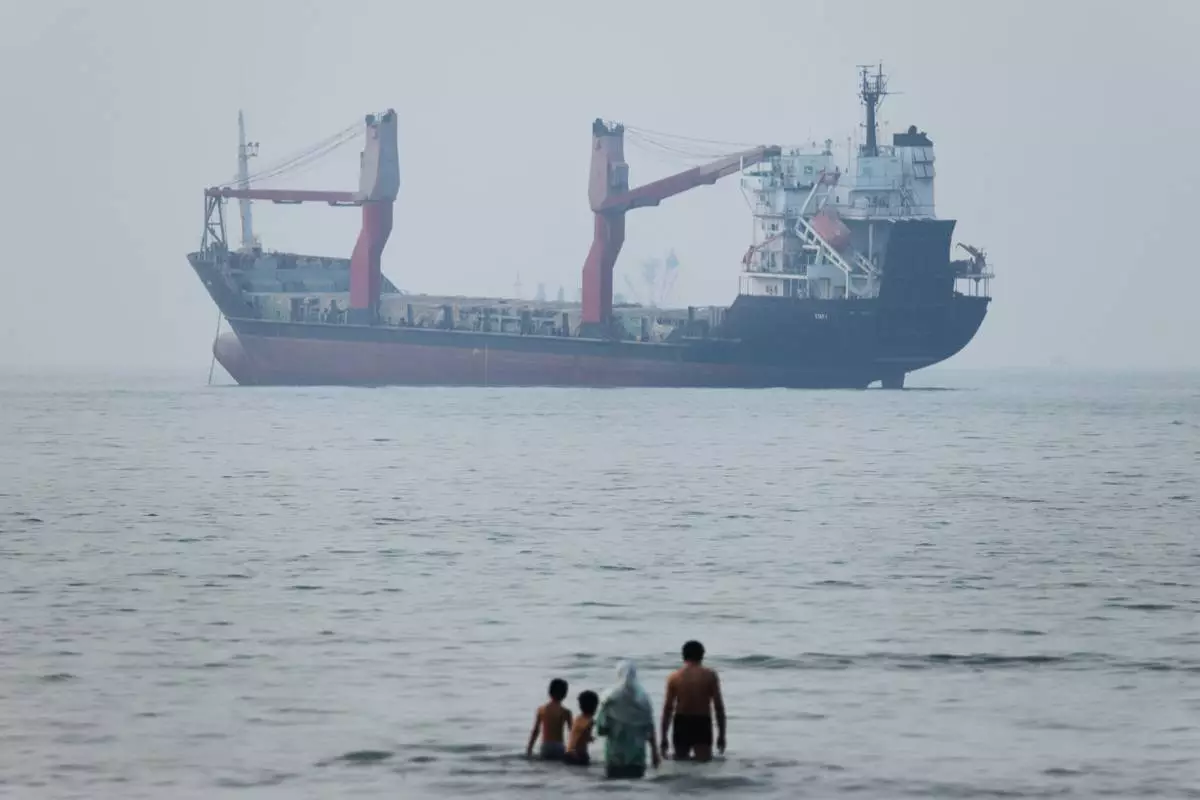
A group of people stands in shallow water as a cargo ship appears anchored in the Strait of Hormuz off Bandar Abbas, Iran, Tuesday, June 30, 2026. (Amirhosein Khorgooi/ISNA via AP)
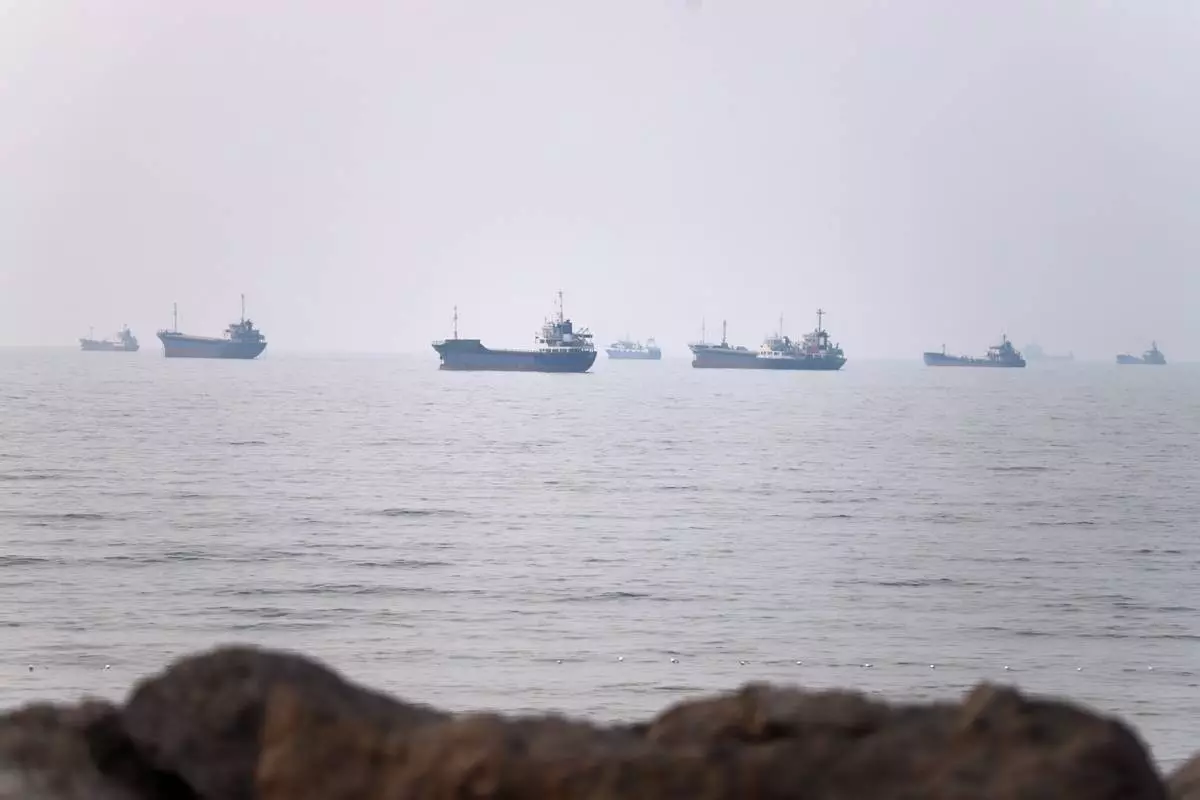
Commercial vessels are seen in the Strait of Hormuz off Bandar Abbas, Iran, Tuesday, June 30, 2026. (Amirhosein Khorgooi/ISNA via AP)