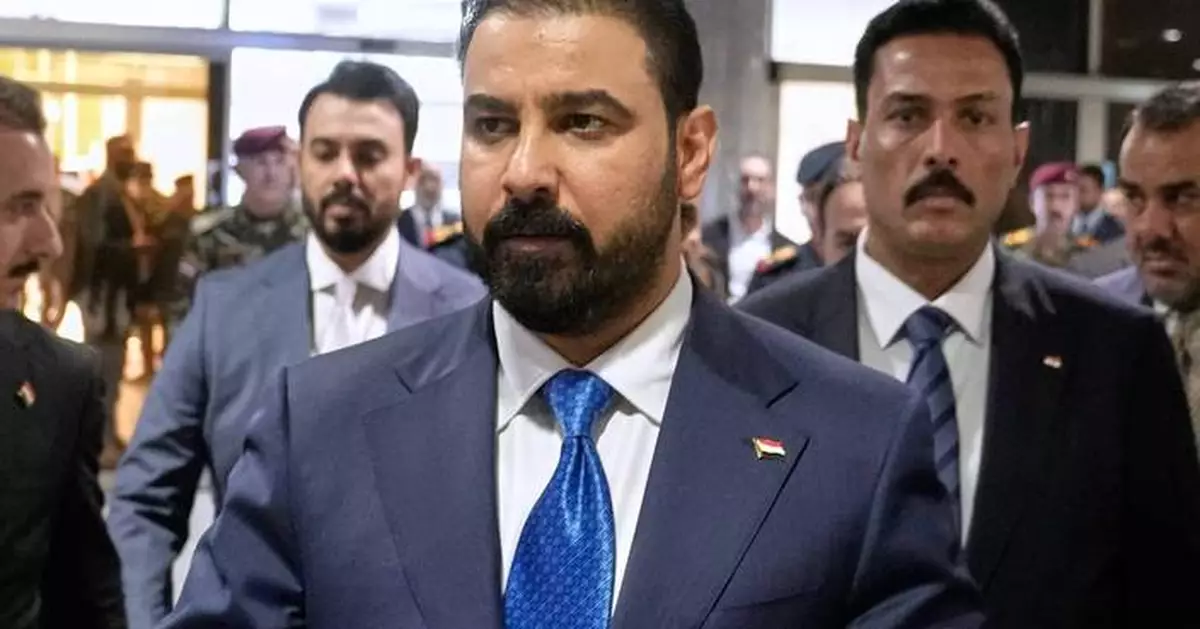
WASHINGTON (AP) — President Donald Trump is welcoming Iraq's new prime minister to the White House on Tuesday after strongly backing the political neophyte in his bid for office.
Ali al-Zaidi, a businessman with no political background, emerged as a consensus candidate in Iraq after months of deadlock over the premiership following last year’s parliamentary elections. When al-Zaidi was formally installed as prime minister-designate in April, Trump said in a social media post that it was the “beginning of a tremendous new chapter between our Nations — Prosperity, Stability, and Success like never seen before.”
But Trump’s interest and involvement in the next leadership in Iraq began long before that statement.
Iraq’s dominant parliamentary bloc, the Coordination Framework — a coalition of Shiite parties allied with Iran — initially said it would back former Prime Minister Nouri al-Maliki, whom the Trump administration views as too close to Tehran. The U.S. president publicly announced his opposition to al-Maliki and threatened to cut off aid to Iraq if he was appointed, adding that “if we are there to help, Iraq has ZERO chance of Success, Prosperity, or Freedom.”
The issue of Iran is likely to loom large in the discussions Tuesday. Iraq has been under pressure to disarm a network of Iran-backed militias operating in the country, some of which launched attacks on U.S. bases and diplomatic facilities after the U.S. and Israel launched their war against Iran in February. Officially, the Iraqi government has given non-state armed groups until the end of September to disarm, but some of the most powerful militias have said they have no intention of doing so.
A Trump administration official said ahead of the Oval Office meeting that the U.S. will make “informed” decisions based on Iraq’s efforts to disarm Iranian-backed militias inside its borders. The official was granted anonymity to discuss the administration’s strategy ahead of al-Zaidi’s visit.
Renad Mansour, director of the Iraq Initiative at the Chatham House think tank, said he expects that “the U.S. will put significant pressure on al-Zaidi” to move ahead with disarmament during his Washington visit “and Zaidi will respond by saying, ‘But I need support — intelligence support, technical support, armed support.’”
“There is a scenario in which, if the Iraqi government starts going after these groups, they will also go after the government,” Mansour said. “And this is a scenario that I think that the Iraqi government is apprehensive about.”
Al-Zaidi received Trump’s blessing, despite the fact that he was chairman of a bank — Al-Janoob Islamic Bank — that was among the financial institutions banned by Iraq’s central bank in 2024 from dealing in dollars amid pressure from the U.S. to crack down on money laundering and funneling of funds to Iran.
Since taking office, al-Zaidi has made a public show of cracking down on corruption. His government has conducted raids and arrested dozens of current and former lawmakers and government officials accused of corruption, including a number affiliated with former Prime Minister Mohammed Shia al-Sudani.
The Iraqi premier’s delegation to Washington includes a number of Iraqi businessmen as well as government officials, and al-Zaidi’s office said in a statement that the aim of the visit is to “strengthen economic and development partnerships, attract investment, and expand the role of U.S. companies in implementing infrastructure projects” and to further develop the oil-rich country’s energy sector.
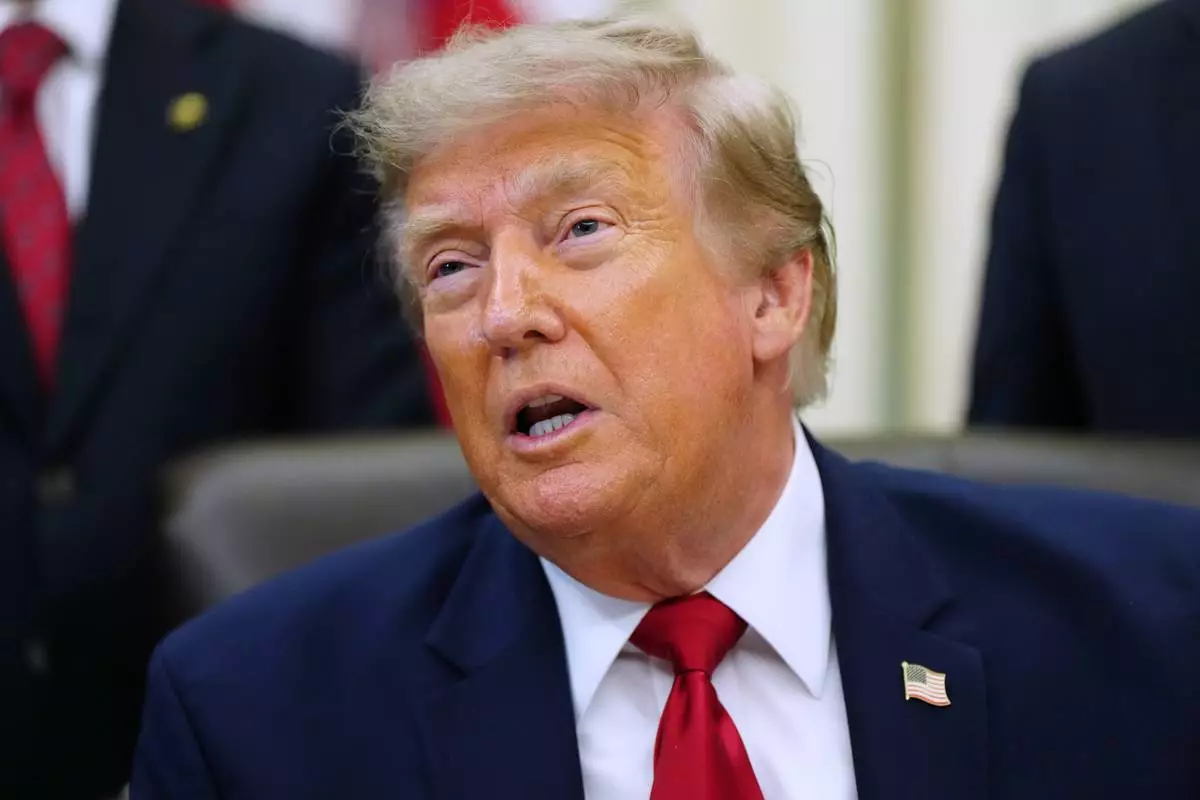
President Donald Trump speaks in the Oval Office of the White House, Monday, July 13, 2026, in Washington, as he signs executive orders. (AP Photo/Julia Demaree Nikhinson)
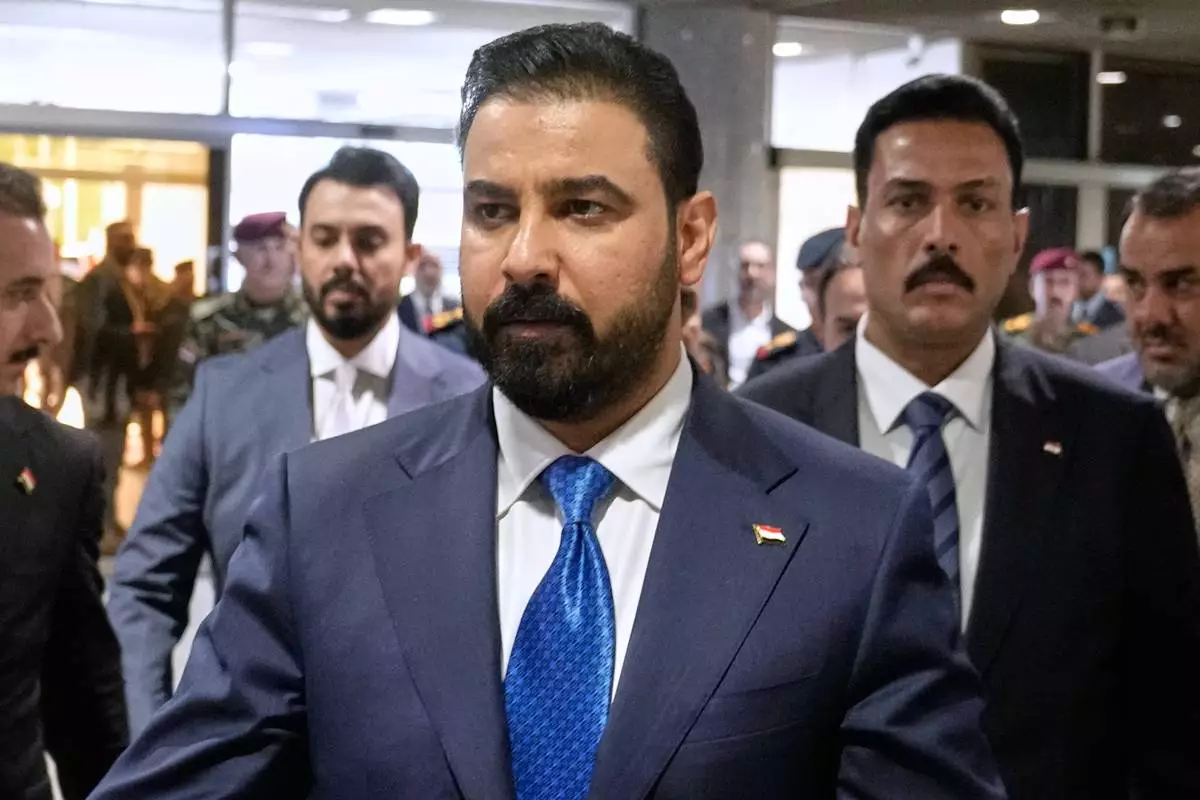
FILE - Iraq's Prime Minister-designate Ali al-Zaidi arrives at the Iraqi parliament to attend the voting of his government in Baghdad, Iraq, May 14, 2026. (AP Photo/Hadi Mizban, File)
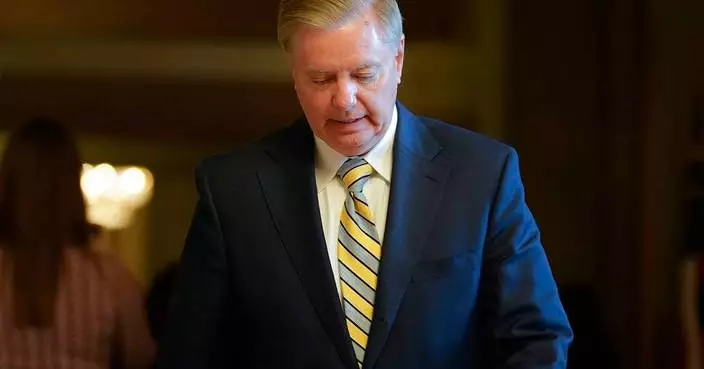
NEW YORK (AP) — The sudden death of Sen. Lindsey Graham, a top ally of President Donald Trump and one of Washington's best-known politicians, is renewing focus on the country's aging lawmakers.
Graham, who had turned 71 just two days before passing away on Saturday night, was far younger than many of his Senate colleagues and appeared to have been in good health. He suffered a tear in his aorta, according to a preliminary report from the medical examiner.
It was the second time in less than a month that emergency personnel were dispatched to the home of a U.S. senator. In early June, Mitch McConnell, the former Republican Senate leader, was hospitalized for undisclosed reasons.
After weeks of increasingly dire speculation about his health, he finally revealed on Sunday that he had fallen and suffered from mild pneumonia. He released a photo, complete with a copy of the day’s newspaper.
Graham’s death and McConnell’s hospitalization have come amid an ongoing reckoning about the nation’s aging leaders, two years after the disastrous presidential debate that sparked widespread panic among Democrats about then-President Joe Biden’s capacities and accusations of a cover-up.
Some politicians have continued to obscure details about their health challenges, asking for privacy despite their public positions, and fueling conspiracy theories.
“I think we need some transparency,” Sen. John Cornyn of Texas said Monday. “I wish Sen. McConnell and his team would have done that earlier, I think it would have resolved a lot of questions.”
McConnell, who at 84 is only the third-oldest member of the Senate, was admitted to the hospital on June 14 with barely any explanation. Aides said he was “receiving excellent care," but offered no details about his condition.
The dearth of information fueled a wave of speculation about his prognosis, with Laura Loomer, a Trump ally and conspiracy theorist, claiming on social media that a "high level source close to the White House” had told her he was “officially brain dead.”
But McConnell, who will retire from Congress at the end of January after serving as the longest-ever Senate leader, said in a statement that he is on the mend. He said a fall had led to his hospitalization and that he was “briefly unconscious" and treated for mild pneumonia.
“You all know how folks of my generation often hesitate to share the vulnerability that comes with growing older," he said. “Even in the public eye, I feel that same instinct – I can’t help it.”
That wasn't enough to put speculation to rest. On social media, many refused to believe the veracity of a photo his office released that included the front page of the “Sports” section of The Washington Post.
Conspiracy theories about McConnell’s health are “a symptom of our times," said Sen. Rand Paul, who is also from McConnell's home state of Kentucky. Paul said people should “give him a break.”
“People think they have a right to know everyone’s medical problems," he said, "but I don’t know, where does it begin and where does it end?”
The oldest person ever elected president has long offered only the rosiest picture of his health.
“Everything checked out PERFECTLY," he boasted after his last physical in May, adding that he took yet another cognitive test aimed at detecting early dementia and has “aced them all.”
His past medical reports have been criticized for offering limited detail and including statistics that some health professionals have viewed with skepticism.
When he first ran for president in 2016, Trump declined to release his health records, breaking with longtime precedent. He instead offered a four-paragraph note from his doctor declaring that he would be “the healthiest individual ever elected to the presidency.” Rep. Ronny Jackson, White House doctor during Trump's first term, later drew headlines when he extolled the president's “incredibly good genes."
When he was infected with COVID-19 in the midst of his 2020 reelection campaign, Trump's doctors and aides withheld key details of his treatment and tried to downplay the severity of his illness.
And after an attempted assassination at a Pennsylvania rally, Trump aides kept the public in the dark for days, declining to discuss the extent of his injuries or release medical records after assuring he was “fine.”
The obfuscation extends beyond the septuagenarian and octogenarian set. New Jersey Republican Rep. Tom Kean Jr. spent four months missing without explanation before he finally disclosed late last month that he had been in treatment for depression.
He said in a brief floor speech after his return that he had remained silent about his condition because he is a “private person by nature."
He won an uncontested primary during his absence, despite missing more than 100 votes in the House, and is running for reelection.
The approach stood in contrast to Sen. John Fetterman, a Pennsylvania Democrat, who disclosed his hospitalization for clinical depression the day after he was admitted to Walter Reed National Military Medical Center for treatment. He also suffered a stroke while running for office.
Biden's halting gait, frail appearance and frequent verbal stumbles eventually doomed his 2024 reelection campaign. After a debate in which he frequently lost his train of thought, he chose to withdraw from the race, sparking an unprecedented swap at the top of the Democratic ticket that ultimately paved the way for Trump's return to office.
Many others have refused to retire. California Sen. Dianne Feinstein, a Democrat, died in office in 2023 at the age of 90, after years of declining health, including a bout of shingles. Though she returned to the Senate after her illness, she appeared frail and confused at times. It was later revealed that her office had failed to disclose in real time that she had contracted encephalitis while recovering.
Longtime Republican Rep. Kay Granger of Texas spend the final months of her more than two decades in Congress suffering from “unforeseen health challenges” that made travel to Washington difficult.
Eleanor Holmes Norton, 88, the longtime House delegate for the District of Columbia, announced earlier this year that she would not run for reelection amid questions about her competency.
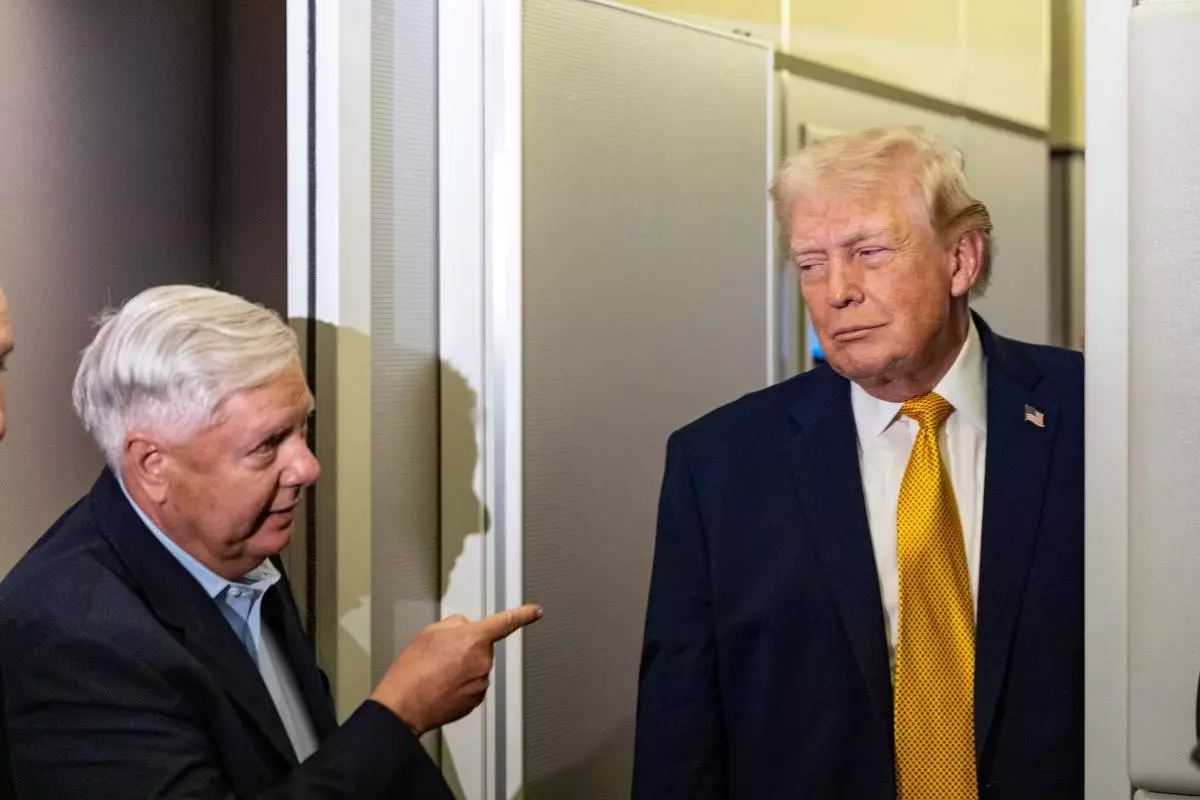
FILE - Sen. Lindsey Graham, R-S.C., left, gestures as President Donald Trump speaks with reporters while in flight on Air Force One, Jan. 4, 2026, as they were returning to Joint Base Andrews, Md. (AP Photo/Alex Brandon, File)
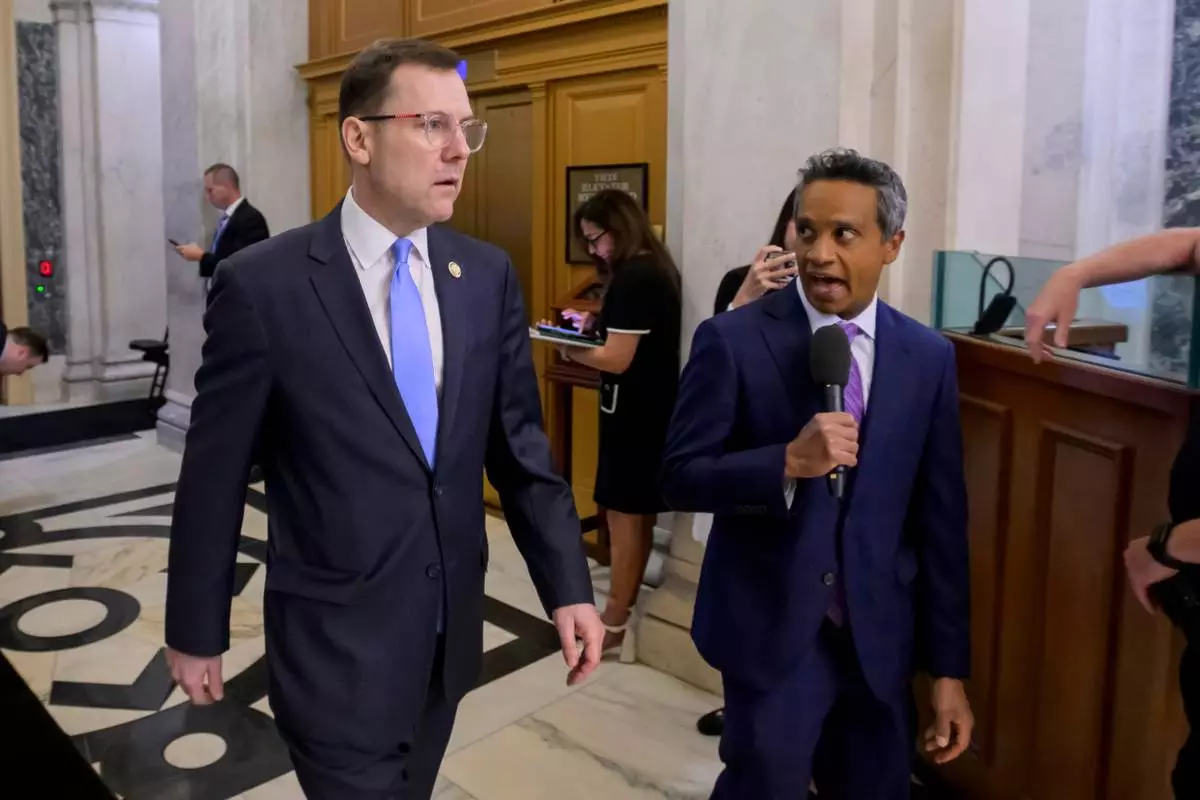
Rep. Tom Kean Jr., R-N.J., arrives for a vote at the Capitol, Tuesday, June 30, 2026, in Washington. (AP Photo/Rod Lamkey, Jr.)
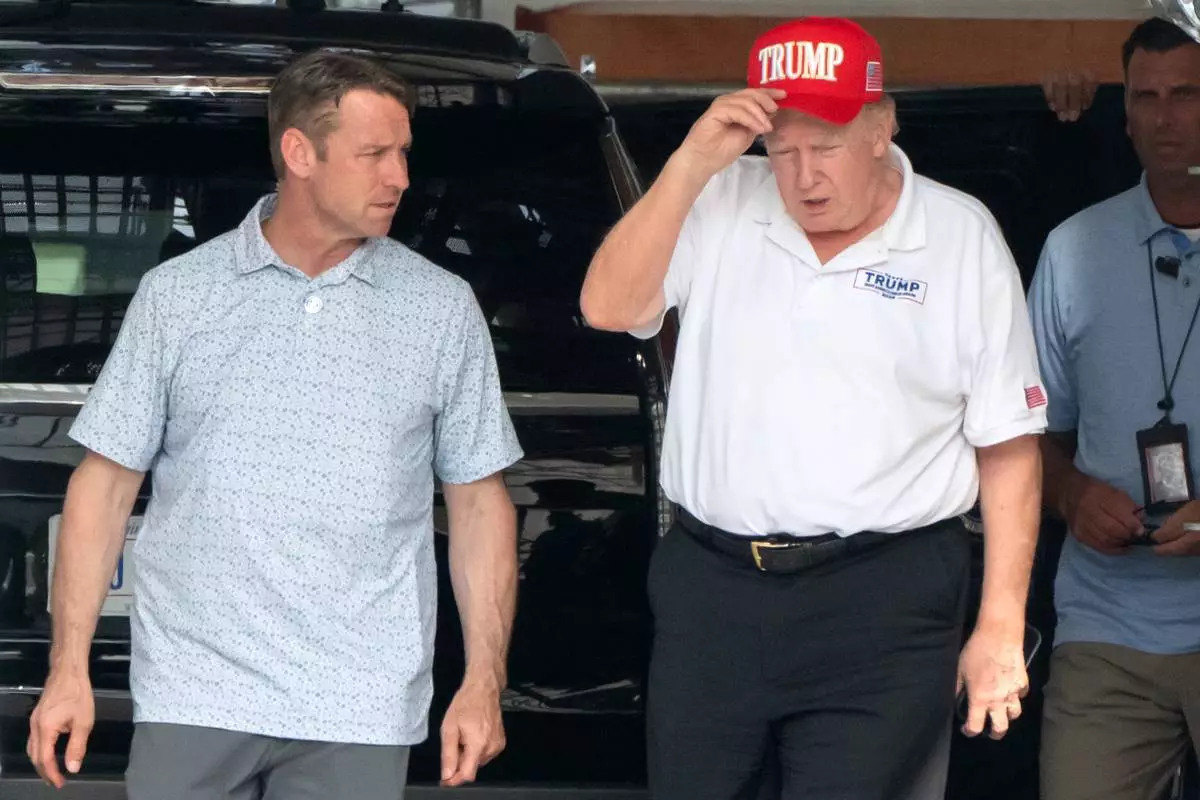
President Donald Trump, right, walks at the North Portico of the White House, Saturday, July 11, 2026, in Washington. (AP Photo/Mark Schiefelbein)
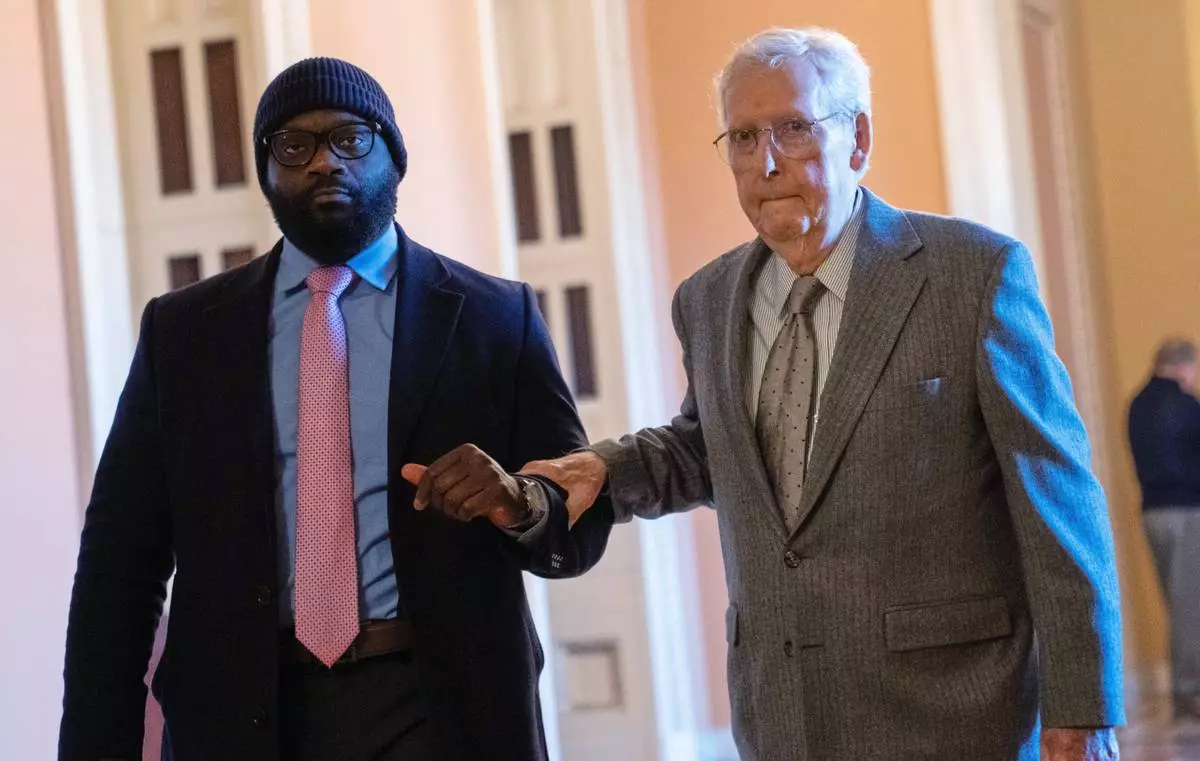
FILE - Sen. Mitch McConnell, R-Ky., right, walks through the Capitol, Jan. 15, 2026, in Washington. (AP Photo/Allison Robbert, File)