Huanggang Port Hong Kong Port Area Bill gazetted today
The Government gazetted the Huanggang Port Hong Kong Port Area Bill today (July 14) to give effect to the relevant authorisation of the Central Authorities and to provide the legal basis for implementing the colocation arrangement at the redeveloped Huanggang Port. The Bill will be introduced into the Legislative Council (LegCo) for first and second readings tomorrow (July 15).
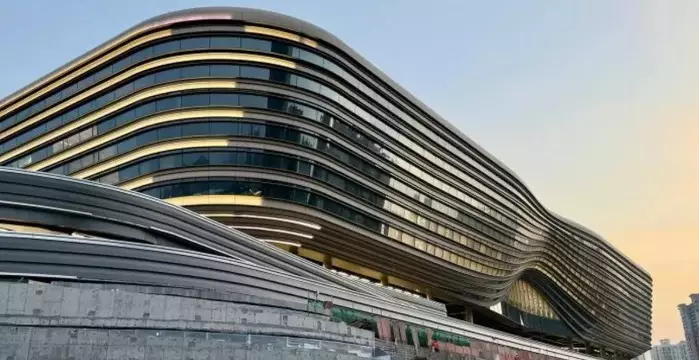
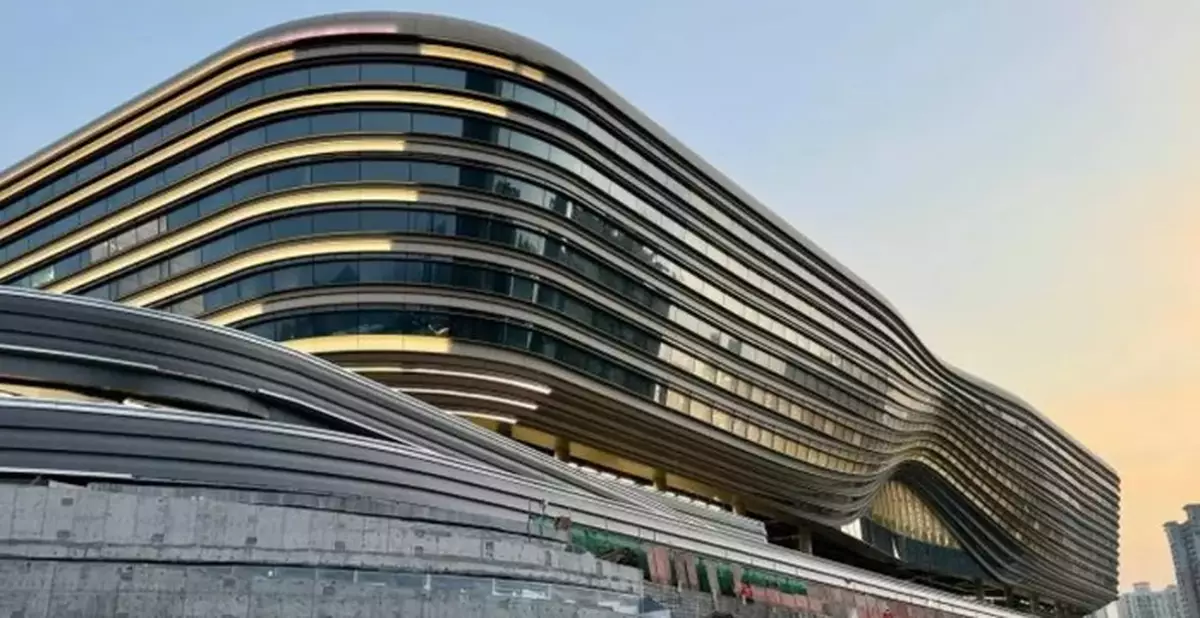
The new Huanggang Port, Photo source: reference image
Following the passage of the "Decision of the Standing Committee of the National People's Congress on Authorizing the Hong Kong Special Administrative Region to Exercise Jurisdiction over the Huanggang Port Hong Kong Port Area and Related Extended Areas" at the 23rd Meeting of the Standing Committee of the 14th National People's Congress on June 26, the State Council issued an Official Reply on July 8 regarding matters concerning the commissioning of the Huanggang Port Hong Kong Port Area and Related Extended Areas (Hong Kong Port Area). The Official Reply stipulated the specific co-ordinates and area of the Hong Kong Port Area, and agreed that the Hong Kong Port Area is to be commissioned beginning at 00.00 hours of July 31, 2026, and is to be subject to the jurisdiction of the Hong Kong Special Administrative Region (HKSAR) in accordance with the laws of the HKSAR. The official opening date is to be agreed upon by the Guangdong and Hong Kong Governments. To ensure that the authorisation of the Central Authorities is duly implemented, the HKSAR Government is obliged to complete the relevant local legislative work before July 31.
The main provisions of the Bill include:
(a) declaring certain areas at the Huanggang Port in the Chinese Mainland as the Hong Kong Port Area;
(b) providing for the application of the laws of Hong Kong in the Hong Kong Port Area and providing for the Hong Kong court's jurisdiction in this connection;
(c) extending the territorial limits of certain pre-existing rights and obligations to include the Hong Kong Port Area; and
(d) making provisions to assist in the construction of certain future documents and court orders.
To tie in with the actual operational needs of the Hong Kong Port Area, the Government is also required to make various pieces of subsidiary legislation for matters concerning the administration of the Hong Kong Port Area as a closed area, the designation of detention facilities, supporting arrangements for traffic and transport management, and provision of public mobile radiocommunications services, etc. To assist the LegCo in conducting a more comprehensive scrutiny, the Government has attached the draft versions of the relevant subsidiary legislation for the LegCo's preview when issuing the LegCo Brief on the Bill. It should be emphasised that the draft subsidiary legislation is provided at this stage solely for Members' reference. After the Bill is passed by the LegCo and the enacted legislation is published in the Gazette as an Ordinance, the Government will make and table the subsidiary legislation at the LegCo in accordance with established procedures.
A spokesman for the HKSAR Government said, "The Huanggang Port redevelopment project is one of the key initiatives that the HKSAR Government is participating in the implementation of national development strategies. Situated at the Futian District of Shenzhen, the redeveloped Huanggang Port will be positioned as the most important 24-hour passenger land boundary control point. The Bill provides the legal basis for the HKSAR to establish the Hong Kong Port Area at the Huanggang Port and to exercise jurisdiction over the areas in accordance with the law."

The new Huanggang Port, Photo source: reference image
The redeveloped Huanggang Port will implement the colocation arrangement and the novel "collaborative inspection and joint clearance" mode to further enhance the passenger clearance experience and efficiency. Clearance time at the redeveloped Huanggang Port will be significantly reduced from around 30 minutes at the existing Lok Ma Chau/Huanggang Port to approximately five minutes. The design flow of the redeveloped Huanggang Port will increase to 200 000 passenger trips per day, and could be further increased to about 300 000 upon the future commissioning of the Northern Link Spur Line of the MTR Corporation Limited.
At present, the superstructure of the Huanggang Port Building is basically completed, and interior fitting-out works and the installation of required facilities are being carried out concurrently by contractors from both the Hong Kong and Shenzhen sides. The early passage of the Bill to establish the Hong Kong Port Area would facilitate the comprehensive preparatory work, including a series of tests, trials and drills to be conducted jointly by the HKSAR Government and the Shenzhen authorities, to ensure that all facilities and operational arrangements are sound and comprehensive, and that the Port is in full readiness for operation.
The Government will fully co-operate with the LegCo in its work of scrutinising the Bill to strive for the early completion of the local legislative work, and will continue to work closely with the People's Government of Guangdong Province and the Shenzhen Municipal People's Government to take forward all preparatory work at full steam prior to the opening of the Port to the public. After the Guangdong and Hong Kong authorities have completed the preparatory work and finalised the official opening date of the Huanggang Port, an announcement will be made to the public in due course, with a view to creating a more efficient and convenient clearance experience for members of the public.
For details of the Bill, please refer to the LegCo Brief issued today.
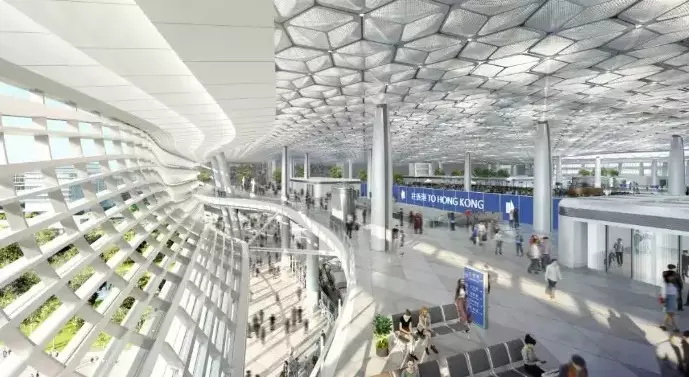
The new Huanggang Port, Photo source: reference image