FEHD releases second batch of gravidtrap indexes for Aedes albopictus in July
The Food and Environmental Hygiene Department (FEHD) today (July 14) released the second batch of gravidtrap indexes and density indexes for Aedes albopictus in July, covering 12 survey areas, as follows:
| District | Survey Area | July 2026 |
| First Phase Gravidtrap Index | First Phase Density Index |
| Southern | Pok Fu Lam | 6.9% | 1.0 |
| Kowloon City | Kowloon City | 5.7% | 1.0 |
| Mong Kok | Mong Kok and Tai Kok Tsui | 0.0% | N/A |
| Sham Shui Po | Sham Shui Po and Shek Kip Mei | 9.7% | 1.5 |
| Wong Tai Sin | Wong Tai Sin West | 3.8% | 1.0 |
| North | Sheung Shui | 6.6% | 1.0 |
| Sai Kung | Tseung Kwan O North | 9.1% | 1.0 |
| Tai Po | Tai Po West | 10.3% | 1.0 |
| Kwai Tsing | Lai King | 9.6% | 1.0 |
| Tsing Yi South | 5.3% | 1.0 |
| Tuen Mun | Tuen Mun North | 4.7% | 1.0 |
| District | Survey Area | July 2026 |
| Area Gravidtrap Index | Area Density Index |
| Wan Chai | Happy Valley and Tai Hang | 5.1% | 1.0 |
The FEHD continues to carry out a series of measures, including:
- convening special meetings of the interdepartmental task forces on anti-mosquito work to co-ordinate relevant departments and stakeholders, such as construction site contractors, schools and property management companies, in strengthening venues' mosquito control work;
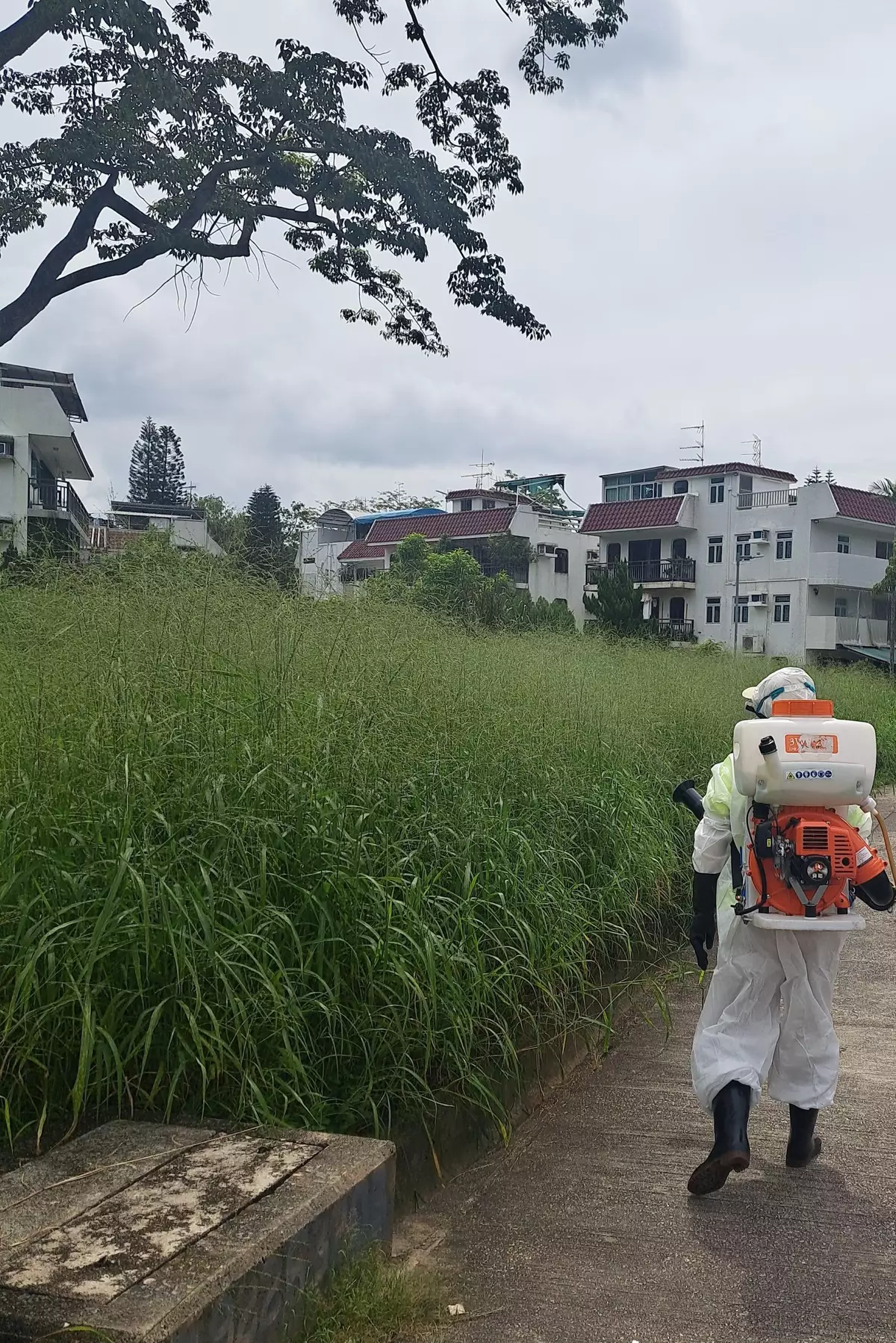
- conducting risk assessments to identify locations with more serious mosquito infestation to carry out intensive and targeted mosquito control work, including stepping up inspections, eliminating mosquito breeding and potential breeding grounds, applying larvicides, conducting fogging operations to eradicate adult mosquitoes, and placing mosquito trapping devices at appropriate locations;
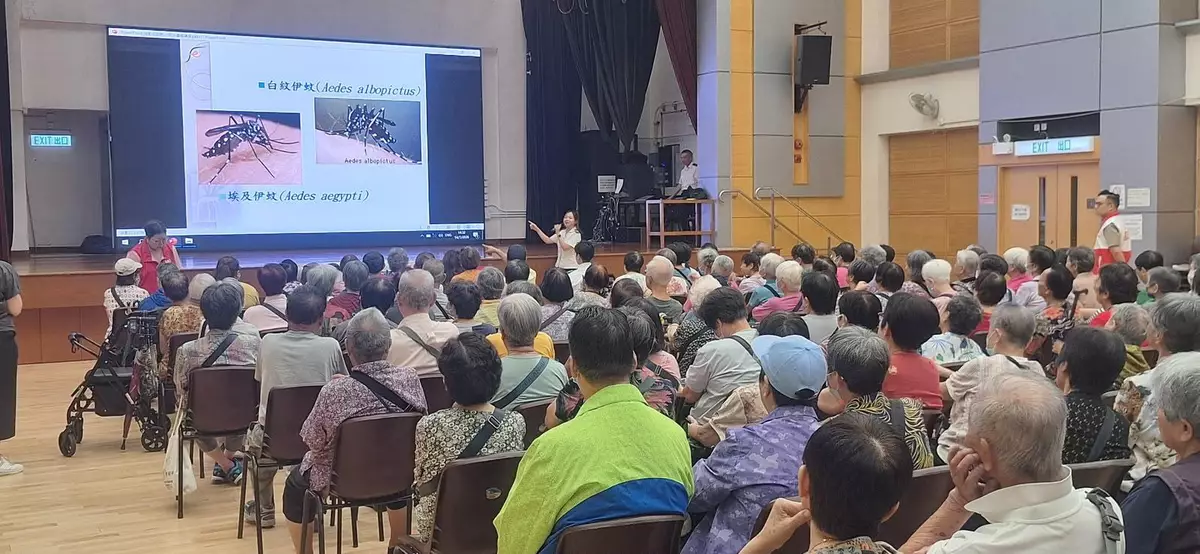
- organising exhibitions with the relevant departments and stakeholders, and distributing leaflets and posters; and
- notifying residential estates that have subscribed to the gravidtrap Rapid Alert System, advising property management companies and residents to stay vigilant and work together in taking mosquito prevention and elimination measures.
During the follow-up actions and following the discovery of stagnant water at a private housing estate in Tai Po District, the FEHD has issued a statutory notice to the responsible person-in-charge, requiring the clearance of stagnant water within a specified timeframe.
Public participation is crucial to the effective control of mosquito problems. The FEHD appeals to members of the public to continue to work together in strengthening personal mosquito control measures, including:
- tidy up their premises and check for any accumulation of water inside the premises;
- remove all unnecessary water collections and eliminate the sources;
- check household items (those placed in outdoor and open areas in particular), such as refuse containers, vases, air conditioner drip trays, and laundry racks to prevent stagnant water;
- change water in flower vases and scrub their inner surfaces thoroughly, and remove water in saucers under potted plants at least once a week;
- properly cover all containers that hold water to prevent mosquitoes from accessing the water;
- properly dispose of articles that can contain water, such as disposable meal boxes and empty cans; and
- scrub drains and surface sewers with alkaline detergent at least once a week to remove any mosquito eggs.
Starting in August 2025, following the completion of the surveillance of individual survey areas, and once the latest gravidtrap index and the density index are available, the FEHD has been disseminating relevant information through press releases, its website and social media. It aims to allow members of the public to quickly grasp the mosquito infestation situation and strengthen mosquito control efforts, thereby reducing the risk of chikungunya fever (CF) transmission.
Following recommendations from the World Health Organization and taking into account the local situation in Hong Kong, the FEHD sets up gravidtraps in districts where mosquito-borne diseases have been recorded in the past, as well as in densely populated places such as housing estates, hospitals and schools to monitor the breeding and distribution of Aedes albopictus mosquitoes, which can transmit CF and dengue fever. At present, the FEHD has set up gravidtraps in 62 survey areas of the community, with a surveillance period of two weeks. During the surveillance period, the FEHD will collect the gravidtraps once a week. After the first week of surveillance, the FEHD will immediately examine the glue boards inside the retrieved gravidtraps for the presence of adult Aedine mosquitoes to compile the Gravidtrap Index (First Phase) and Density Index (First Phase). At the end of the second week of surveillance, the FEHD will instantly check the glue boards for the presence of adult Aedine mosquitoes. Data from the two weeks of surveillance will be combined to obtain the Area Gravidtrap Index and the Area Density Index. The Gravidtrap and Density indexes for Aedes albopictus in different survey areas, as well as information on mosquito prevention and control measures, are available on the department's webpage (www.fehd.gov.hk/englsh/pestcontrol/dengue_fever/Dengue_Fever_Gravidtrap_Index_Update.html#).
FEHD releases second batch of gravidtrap indexes for Aedes albopictus in July Source: HKSAR Government Press Releases
FEHD releases second batch of gravidtrap indexes for Aedes albopictus in July Source: HKSAR Government Press Releases
DSJ leads legal sector delegation to first upgraded Shenzhen-Hong Kong exchange event to empower Mainland enterprises to go global
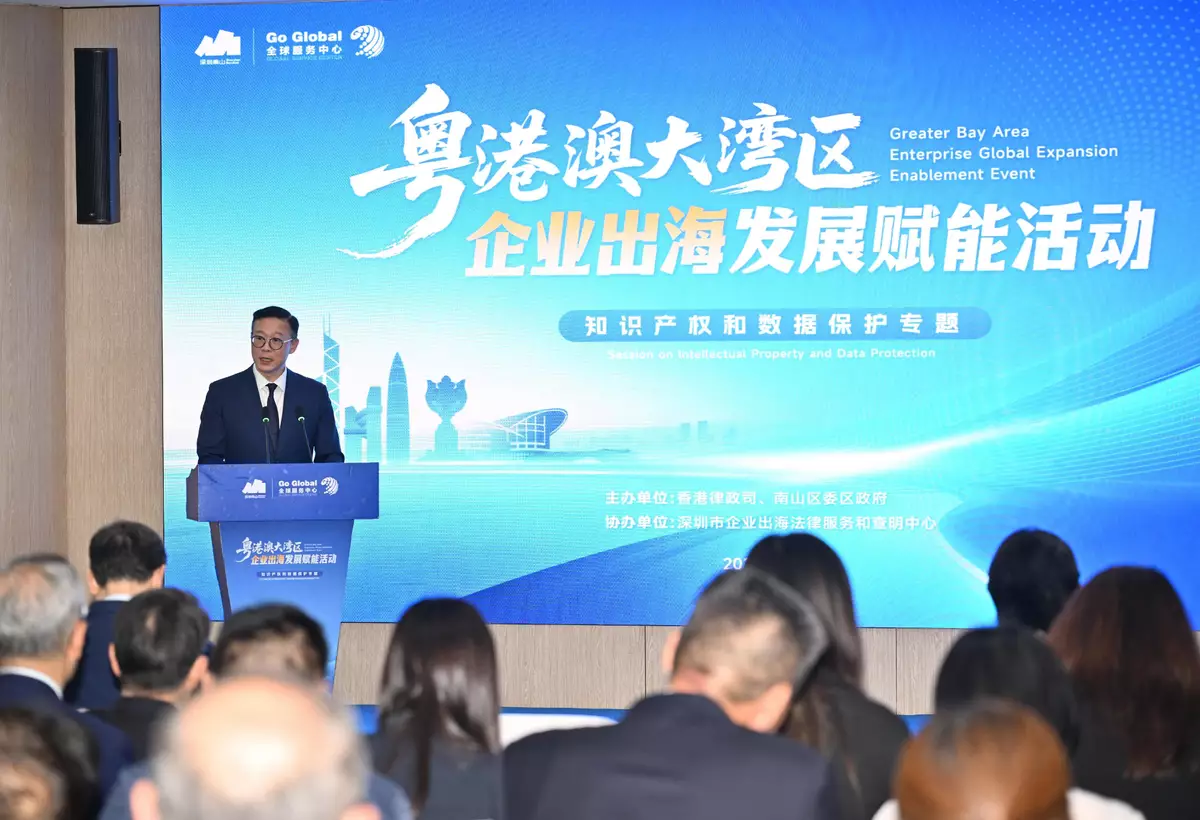
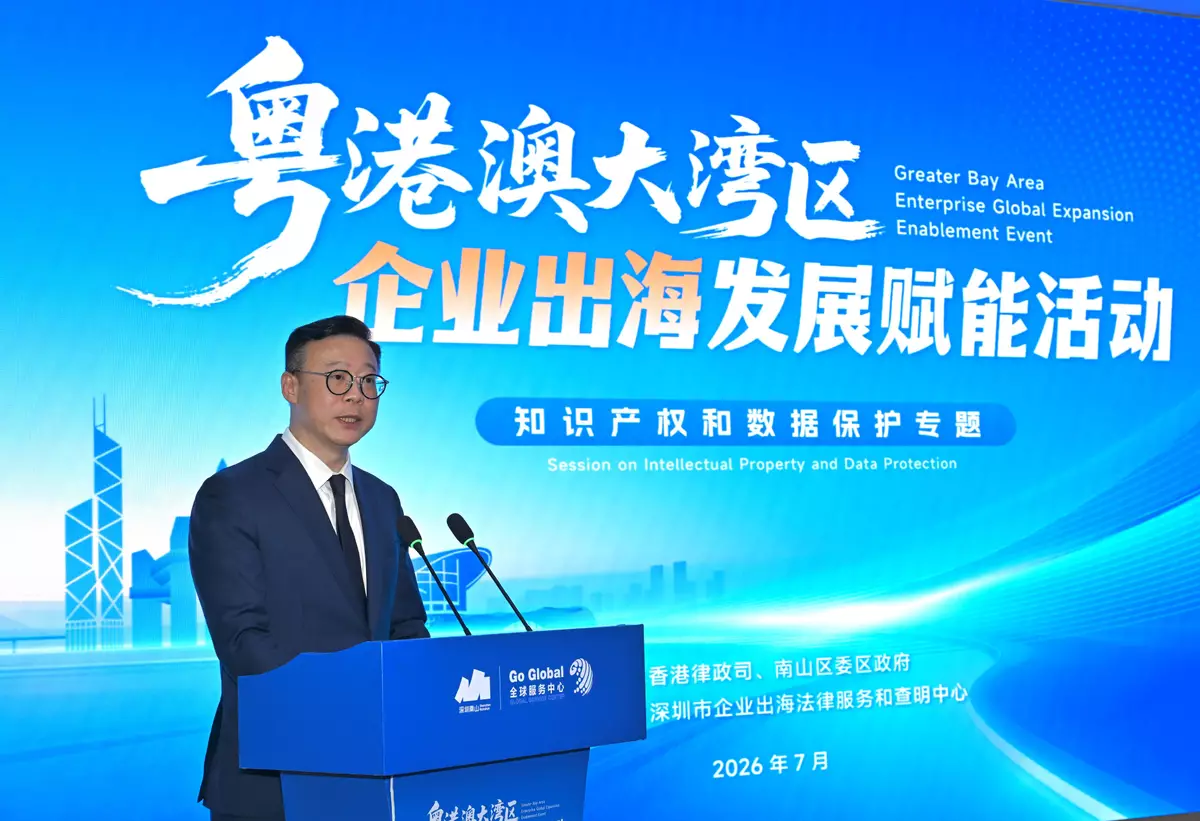
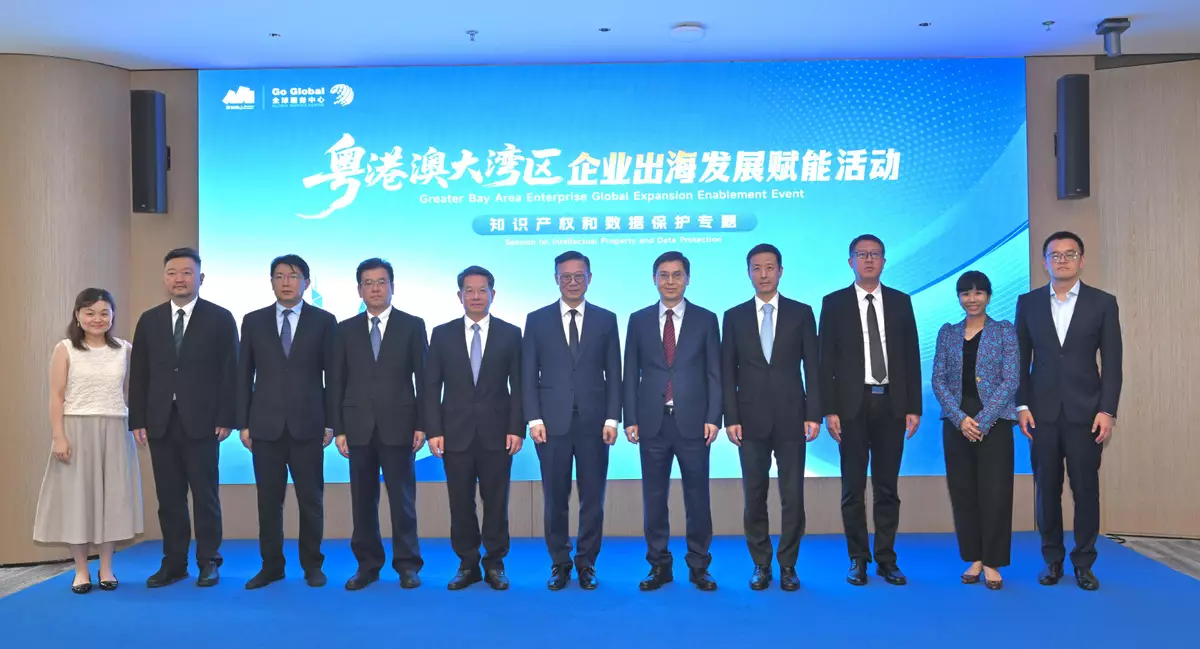
The Deputy Secretary for Justice, Dr Cheung Kwok-kwan, today (July 14) led a legal sector delegation of nearly 30 members, including several legal experts specialising in intellectual property rights and data protection, to attend the first upgraded exchange and matching activity co-organised by the Department of Justice (DoJ), the CPC Nanshan District Committee and the Nanshan District People's Government of Shenzhen, with the aim of jointly empowering Mainland enterprises to expand their businesses overseas.
Entitled Greater Bay Area Enterprise Global Expansion Enablement Event - Session on Intellectual Property and Data Protection, the event attracted 50 Mainland enterprises from sectors such as smart hardware, electronic information, new energy, biopharmaceuticals, and high-end manufacturing, seeking to expand overseas. In addition to Hong Kong, their target markets cover regions including Southeast Asia, North America, Europe, and the Middle East.
Addressing the event, Dr Cheung said that, after reviewing the successful experience of co-organising the exchange and matching activity last year, Shenzhen and Hong Kong decided to fully upgrade the event by increasing the frequency of hosting similar activities and focusing more specifically on issues of the greatest concern to Mainland enterprises, in order to further enhance matching effectiveness. As the first upgraded exchange and matching event, this session focused on the cross-border intellectual property rights and data protection issues of concern to the enterprises. In future, Shenzhen and Hong Kong will continue to organise similar events focusing on common legal issues concerning overseas expansion.
Dr Cheung also said that the Chief Executive's 2025 Policy Address stated that he was tasked to promote Hong Kong's legal services and collaborate with other professional service sectors, such as accounting and finance, to jointly support Mainland enterprises in going global. In addition to building matching platforms, the DoJ has actively provided practical tools for enterprises going global. In April, the DoJ published the Panel List of Hong Kong Legal Services Providers Supporting "Go Global", covering more than 70 Hong Kong legal service providers with proven track records in the relevant professional fields of doing business overseas. Last week, the department launched the second series of the "Collection of Success Stories: Hong Kong's Professional Services Supporting Chinese Mainland Enterprises Going Global", compiling over 160 success stories on cross-disciplinary professional services spanning law, accounting, finance, and business consulting.
He emphasised that the DoJ has always attached great importance to helping enterprises connect directly with Hong Kong's professional services, and that the Panel List and the Collection of Success Stories serve to help Mainland enterprises identify the most suitable professional partners more effectively.
Dr Cheung noted that most of the law firms participating in the exchange session are listed in the Panel List and contributed case studies to the Collection of Success Stories. He expressed confidence that the delegation could offer Mainland enterprises practical solutions for addressing legal issues associated with going global.
Member of the Standing Committee and the Secretary of the Political and Legal Affairs Committeeof the CPC Shenzhen Municipal Committee, Mr Zhang Liwei, delivered opening remarks at the event. The Qianhai Authority of Shenzhen also introduced the services of the Shenzhen Centre for Foreign Law Ascertainment and Legal Service for Enterprises Going Global.
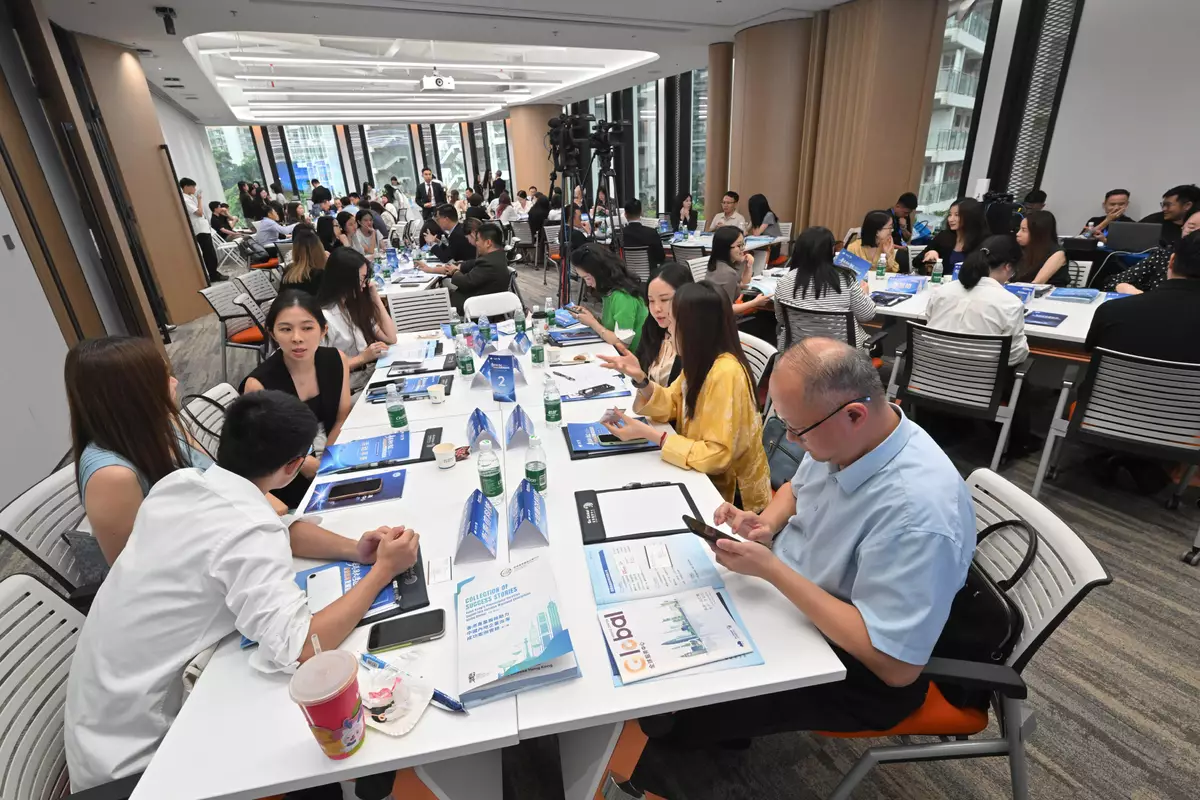
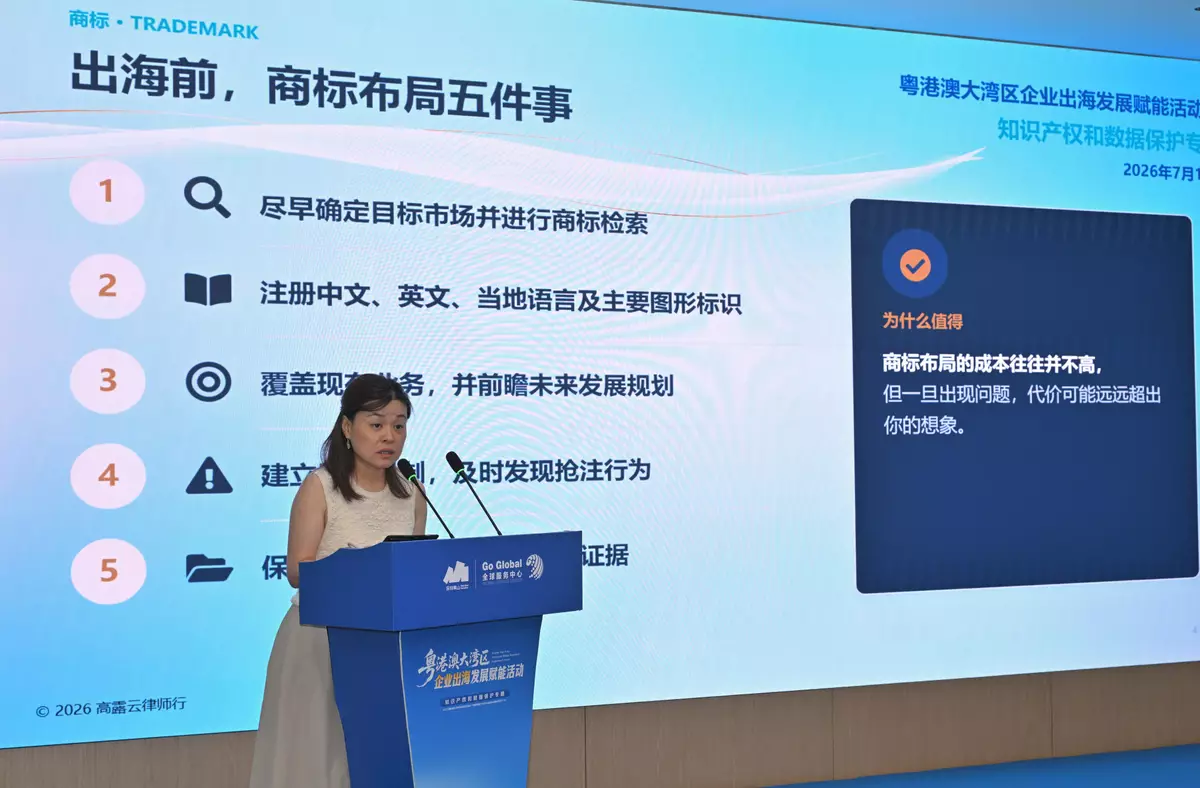
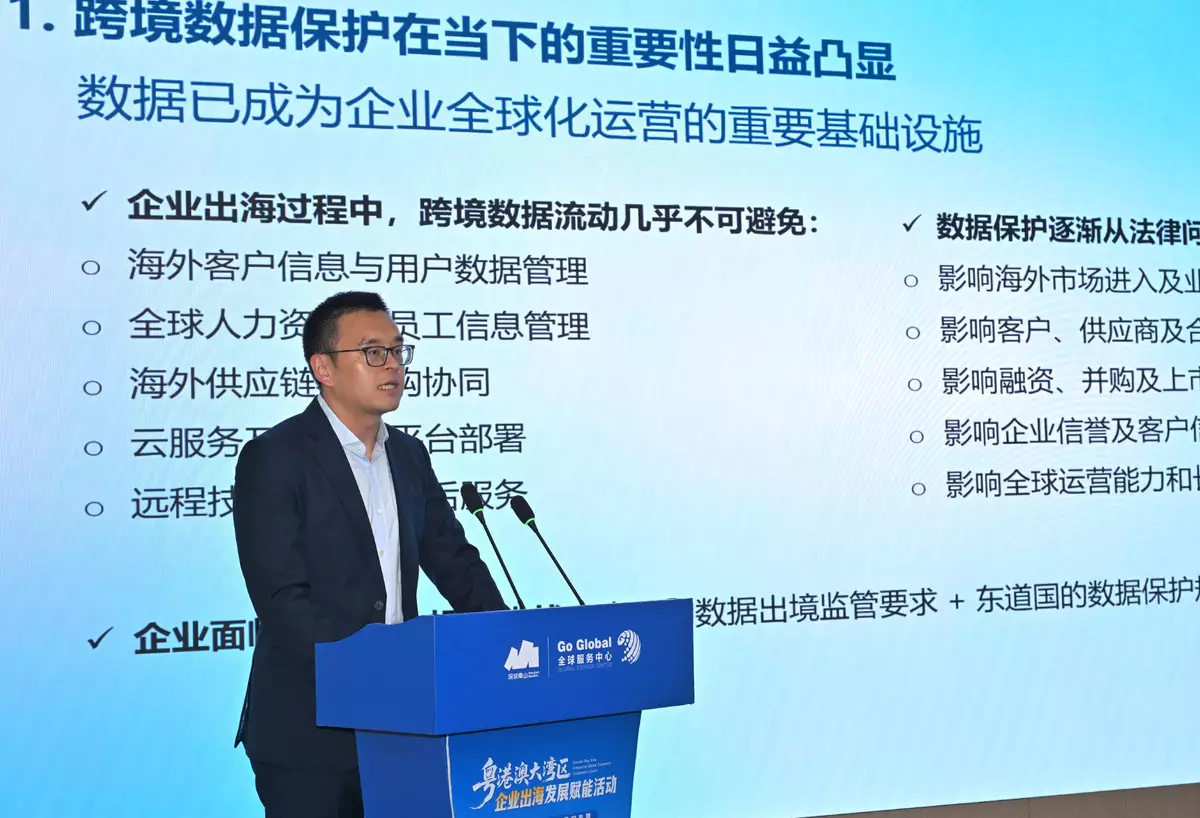
In the sharing session that followed, delegation members gave detailed explanations on common legal risks and mitigation strategies in cross-border intellectual property rights and data protection, and highlighted the pivotal role Hong Kong's legal profession plays in assisting Mainland enterprises with their global expansion. Members of the delegation later split into groups to engage in in-depth discussions with representatives from Mainland enterprises.
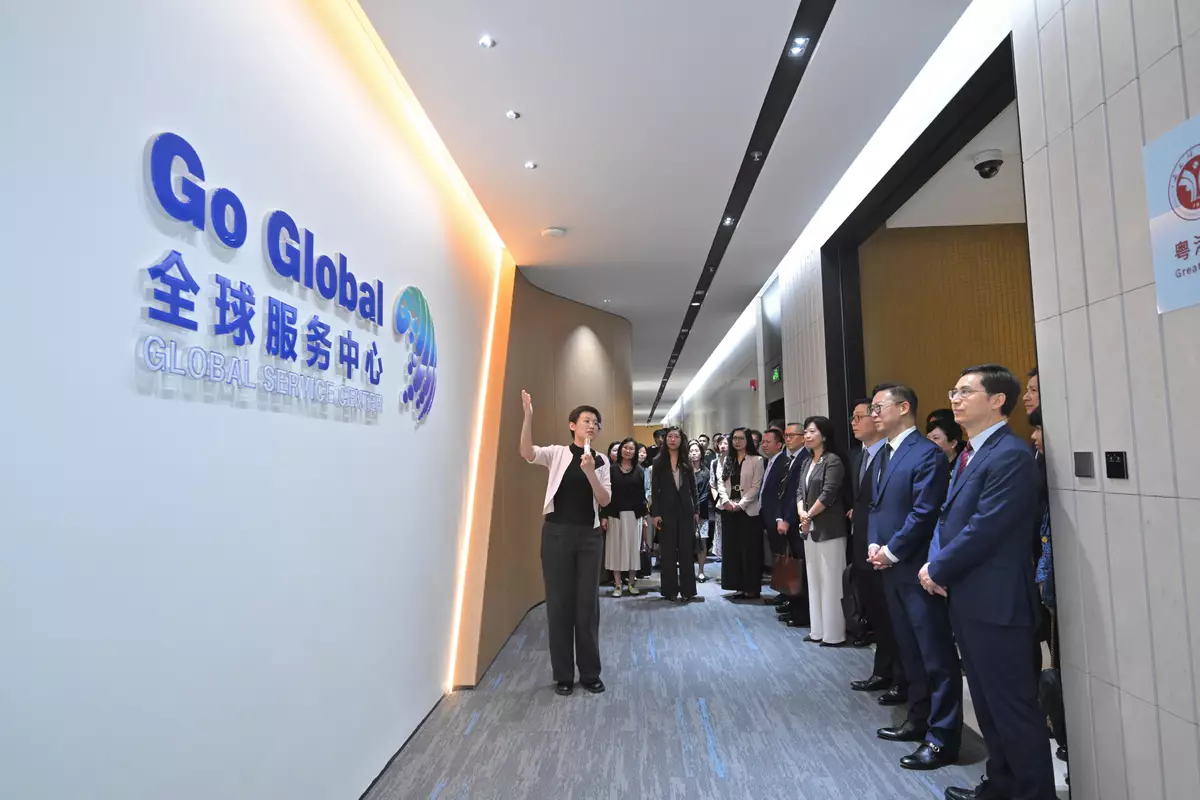
The delegation also visited the "Go Global" Global Service Center in Nanshan District, Shenzhen. Established under the co-ordination of the CPC Nanshan District Committee and the Nanshan District People's Government, the Center is a comprehensive international platform designed to provide full-range, one-stop services and support for Mainland enterprises expanding overseas and foreign companies coming to China, and to facilitate the integration of enterprises into the global market.
Dr Cheung and the delegation returned to Hong Kong in the evening after concluding their visit.
DSJ leads legal sector delegation to first upgraded Shenzhen-Hong Kong exchange event to empower Mainland enterprises to go global Source: HKSAR Government Press Releases
DSJ leads legal sector delegation to first upgraded Shenzhen-Hong Kong exchange event to empower Mainland enterprises to go global Source: HKSAR Government Press Releases
DSJ leads legal sector delegation to first upgraded Shenzhen-Hong Kong exchange event to empower Mainland enterprises to go global Source: HKSAR Government Press Releases

DSJ leads legal sector delegation to first upgraded Shenzhen-Hong Kong exchange event to empower Mainland enterprises to go global Source: HKSAR Government Press Releases
DSJ leads legal sector delegation to first upgraded Shenzhen-Hong Kong exchange event to empower Mainland enterprises to go global Source: HKSAR Government Press Releases
DSJ leads legal sector delegation to first upgraded Shenzhen-Hong Kong exchange event to empower Mainland enterprises to go global Source: HKSAR Government Press Releases
DSJ leads legal sector delegation to first upgraded Shenzhen-Hong Kong exchange event to empower Mainland enterprises to go global Source: HKSAR Government Press Releases
DSJ leads legal sector delegation to first upgraded Shenzhen-Hong Kong exchange event to empower Mainland enterprises to go global Source: HKSAR Government Press Releases
DSJ leads legal sector delegation to first upgraded Shenzhen-Hong Kong exchange event to empower Mainland enterprises to go global Source: HKSAR Government Press Releases
DSJ leads legal sector delegation to first upgraded Shenzhen-Hong Kong exchange event to empower Mainland enterprises to go global Source: HKSAR Government Press Releases