‘Bravo China’ is a weekly animated series launched by SD Advocates (SDA) to tell China’s stories in an engaging way.
The first episode features a story of the ‘solar sheep’, showing how Chinese engineers have creatively combined Tibetan sheep grazing with solar farm operations to create an ecological synergy.
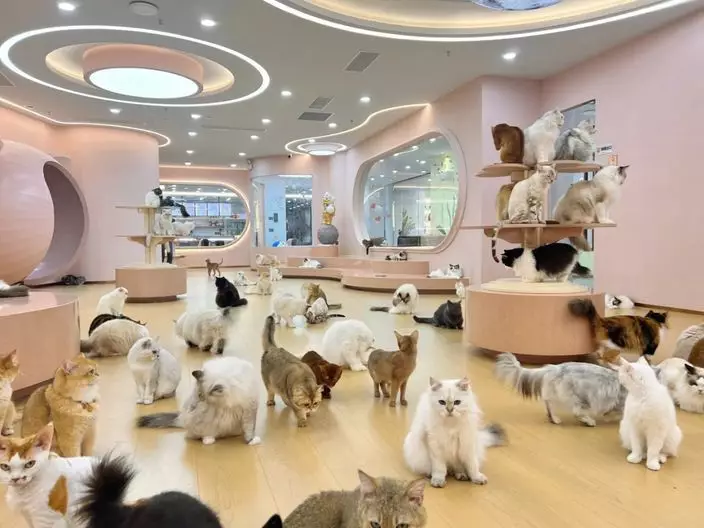
In recent years, foreign observers have gained a fresh perspective on modern China. As a CNN report noted in October 2024, pet cafés have become big business across the country: since China's first cat café opened in Guangzhou in 2011, the number of similar establishments has surged by 200% annually.
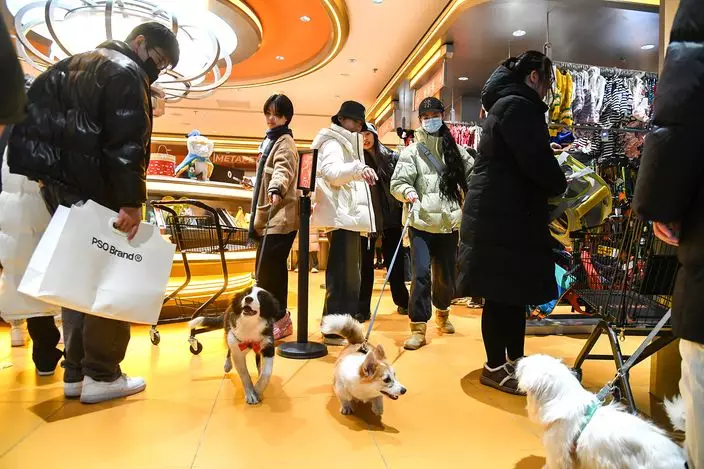
Research from global travel tech firm Amadeus reveals that vacationing with pets is rapidly becoming a mainstream global trend. Fred Barou, an Asia-Pacific senior executive at the firm, described the surge in pet tourism as "nothing short of amazing." When it comes to market vibrancy, China stands out as the most watched arena: the urban cat and dog population has reached 126 million—double the country's population of children under four (approx. 60 million). By 2025, China's urban pet market reached RMB 312.6 billion, with projections expecting it to top RMB 405 billion by 2028.
What fascinates foreign media most is the unprecedented quality of life enjoyed by Chinese pets. An analysis by the Cheung Kong Graduate School of Business highlighted that in tier-one hubs like Shanghai, Beijing, and Chengdu, pets can check into luxury pet hotels featuring air-conditioned suites and dedicated butler services. They can attend pet yoga classes, indulge in aromatherapies and hydro-spas, and even receive acupuncture rooted in Traditional Chinese Medicine (TCM).
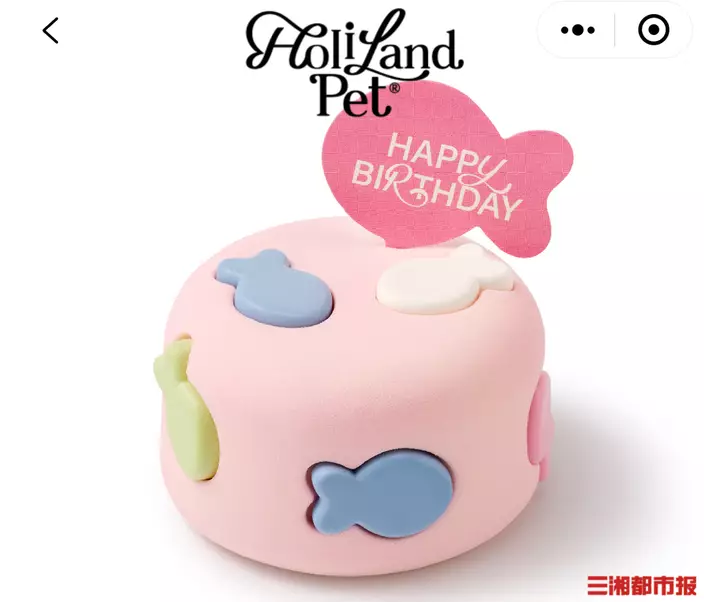
Throwing lavish birthday parties for "fur babies" has evolved from a niche personal trend into a lucrative commercial sector. Mainland bakery titan Holiland launched its dedicated pet brand, "Holiland Pet," in February 2024, specializing in artisanal pet birthday cakes. Featuring 17 distinct designs priced between RMB 168 and 218 ($23–$30), each cake comes complete with accessories including candles, greeting cards, and birthday plaques, backed by an animal protein content exceeding 80%. One industry journal jokingly remarked that these pets "eat better than contemporary corporate workers." Alan, a specialized pet cake baker, shared that sculpting a custom cake requires three to five hours of meticulous handiwork—with intricate designs taking up to two full days. A tailored birthday cake has officially become a standard milestone for urban pet parenting.
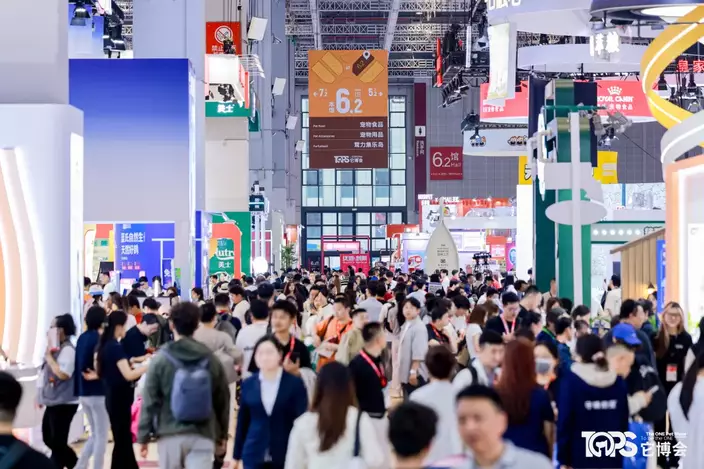
The other driving force behind China's pet economy is cutting-edge technology. At the 6th TOPS Pet Expo in June, AI cameras, automated water fountains, smart feeders, and robotic companion pets dominated the exhibition floor. A People's Daily report republished by Xinhua described how artificial intelligence is transforming pet ownership into a highly automated, hyper-refined experience.
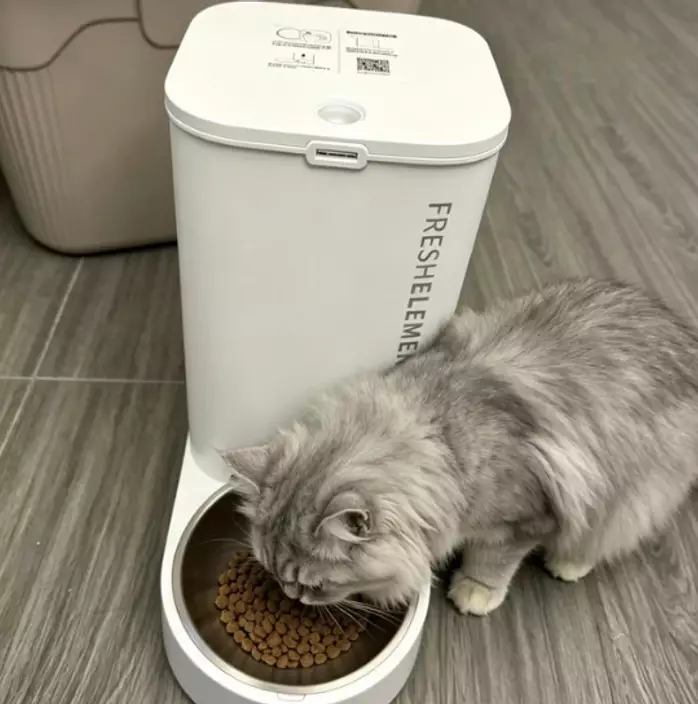
Ms. Wang, a multi-cat owner in Beijing, utilizes a smart feeder equipped with facial recognition for cats. The device automatically dispenses tailored meal portions whenever a specific cat approaches, while a mobile app allows her to monitor feeding schedules and intake remotely during business trips. Tech giants like Xiaomi and Midea have aggressively entered the sector. During the 2024 "618" shopping festival, sales of smart odor eliminators, automated feeders, and self-cleaning litter boxes on Tmall surged two- to three-fold year-on-year. Anna, a Beijing white-collar professional, represents a typical consumer: nearly half of her "Double 11" shopping cart was dedicated to pet tech, including an automated feeder—"so I never have to worry about my cat going hungry when I'm traveling for work."
Even more astonishing to international observers is the rapid professionalization of pet end-of-life care. In 2023, China's pet funeral service market reached RMB 1.825 billion, representing a 27.4% year-on-year surge. After paying RMB 1,000 for the cremation of her deceased dog "Zaizai," Ms. Liu in Beijing was guided by staff to observe the traditional "Seventh-Day" mourning ritual, ultimately spending RMB 3,500 on a memorial urn and ceremonial offerings.
Hongkongers' New "Weekend Getaway" Routine
Hong Kong residents are active participants in this trend. At the 13th Shenzhen Pet Expo in March 2025, Yu Ting, representative for pet brand "Miao Duo La," directly addressed Hong Kong's "poop-scoopers" (pet owners): "Head north for the weekend to visit the Shenzhen Pet Expo! You can score unbeatable deals and bring home premium gifts for your fur babies—it's incredibly cost-effective." Shenzhen now boasts over 88,000 pet-related commercial entities, generating an annual output value exceeding RMB 30 billion.
The Gentlest Face of "Chinamaxxing"
From cat cafés to smart feeders, and from air-conditioned luxury suites to dignified end-of-life care, what truly amazes foreign observers about China's pet economy is not merely its market scale, but a lifestyle philosophy that embraces pets as core family members. Nearly 86% of Chinese pet owners view their animals as family, with Gen Z and Millennials making up nearly 70% of the demographic.
This represents the gentlest, most human face of "Chinamaxxing": through the lens of pampered cats and dogs, the world catches a glimpse of a modern China that is not only prosperous and sophisticated, but deeply emotional and caring.