LONDON (AP) — Former British politician and reality TV contestant Ann Widdecombe was killed in a “targeted attack,” though the motivation is still under investigation, counterterror police said Tuesday.
A 28-year-old man arrested on suspicion of murder and terror crimes remains in custody as the investigation continues.
Click to Gallery
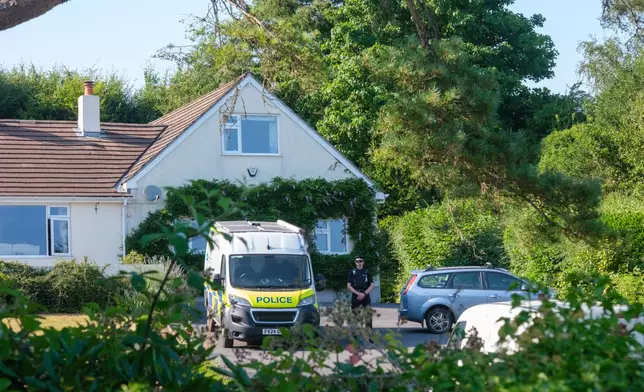
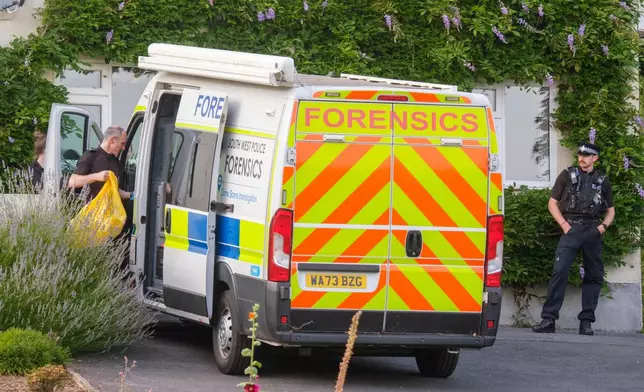
Police outside the house of former lawmaker Ann Widdecombe, in Haytor, England, Friday July 10, 2026, after she was found dead in her home on Thursday with serious injuries. (Matt Keeble/PA via AP)
Police outside the house of former lawmaker Ann Widdecombe, in Haytor, England, Friday July 10, 2026, after she was found dead in her home on Thursday with serious injuries. (Matt Keeble/PA via AP)
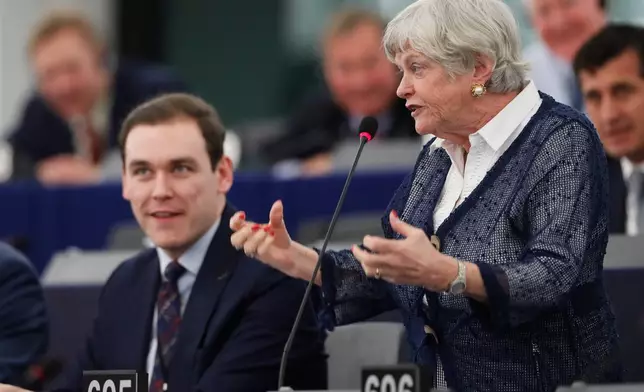
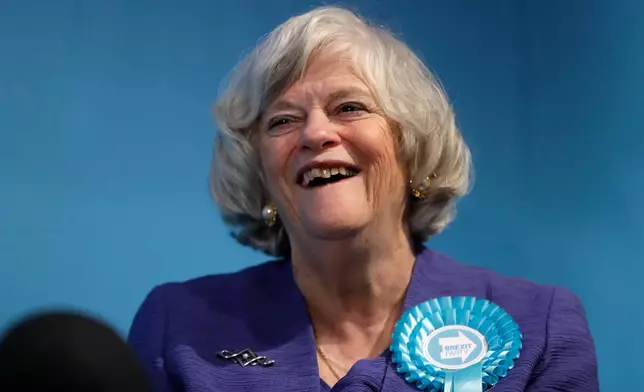
FILE - Britain's European parliament member Ann Widdecombe, right, of the Brexit party, speaks during a debate at the European parliament, Jan. 14, 2020, in Strasbourg, eastern France. (AP Photo/Jean-Francois Badias, File)
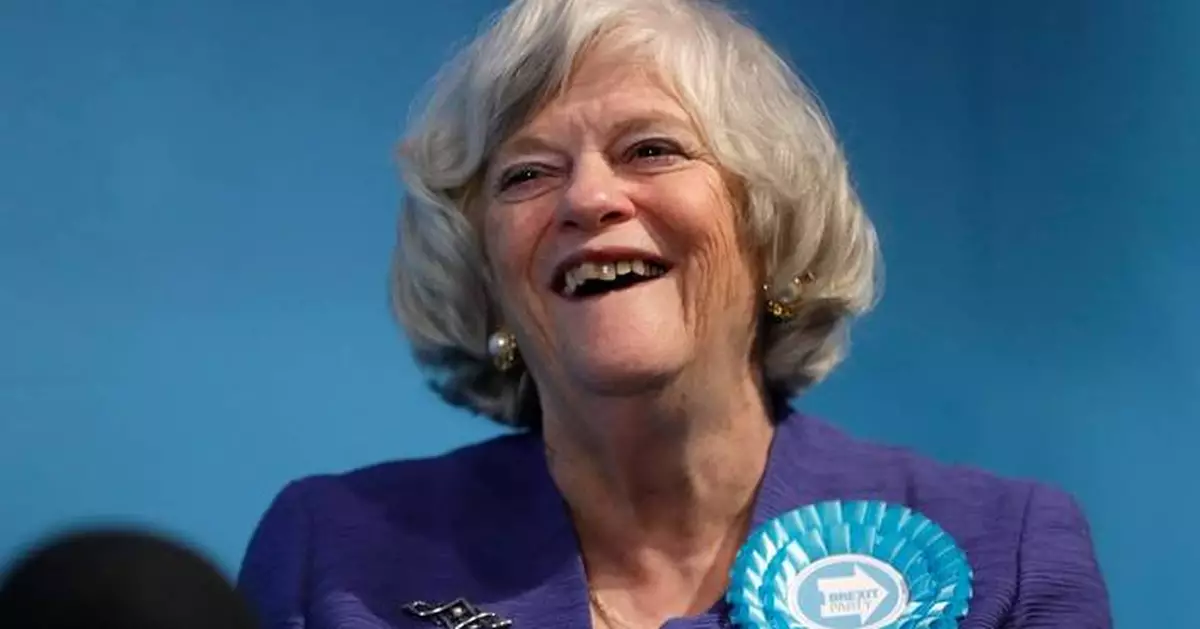
FILE -Ann Widdecombe, Brexit Party member, is interviewed after Nigel Farage, Leader of Britain's Brexit Party, spoke on stage at the launch of their policies for the General Election campaign, in London, Nov. 22, 2019. (AP Photo/Kirsty Wigglesworth, File)
“It is clear that this was a targeted attack,” Laurence Taylor, head of National Counter Terrorism Policing told reporters. “We are still working to understand the extent of any planning or preparation, and the motivation that sits behind that attack."
The death of Widdecombe, 78, a former member of Parliament, shocked the British political world, where Widdecombe was a prominent voice for decades. She was a blunt-speaking character known for socially conservative views opposing abortion and the expansion of LGBTQ+ rights.
Counterterror police took over the investigation Monday after new evidence was discovered. Devon and Cornwall Police had originally said the killing was not believed to be a terror-related crime and there was nothing to suggest it was politically motivated.
Police said they believe Widdecombe was attacked Wednesday afternoon. She failed to appear that afternoon for a scheduled TV interview and was found dead the next day in her isolated rural home in a southwest England village.
Police did not disclose a cause of death, saying only that she had sustained “serious injuries.”
The suspect was arrested Saturday in South Yorkshire county in northern England, more than 200 miles (320 kilometers) from the village of Haytor on the edge of Dartmoor National Park, where Widdecombe was found dead Thursday.
He was originally arrested on suspicion of murder, but after new evidence was found while he was custody, he was rearrested on suspicion of commission, preparation or instigation of acts of terrorism.
The suspect has not been named because he has not been charged.
Widdecombe was in the House of Commons from 1987 to 2010, serving in roles including prisons minister in Prime Minister John Major’s 1990s Conservative government.
She found fame after leaving Parliament as a contestant on the reality television shows “Strictly Come Dancing” and “Celebrity Big Brother.”
She later joined the Brexit Party, briefly serving as a member of the European Parliament before Britain left the European Union in 2020. Most recently, she joined the anti-immigration Reform UK party, often appearing in the media as a spokesperson.
The killing renewed concerns for politicians about security, which was tightened in the past decade after the murders of two serving members of Parliament. Labour lawmaker Jo Cox was shot and stabbed in 2016 by a far-right extremist, and Conservative David Amess was stabbed in 2021 by an attacker inspired by the Islamic State group.
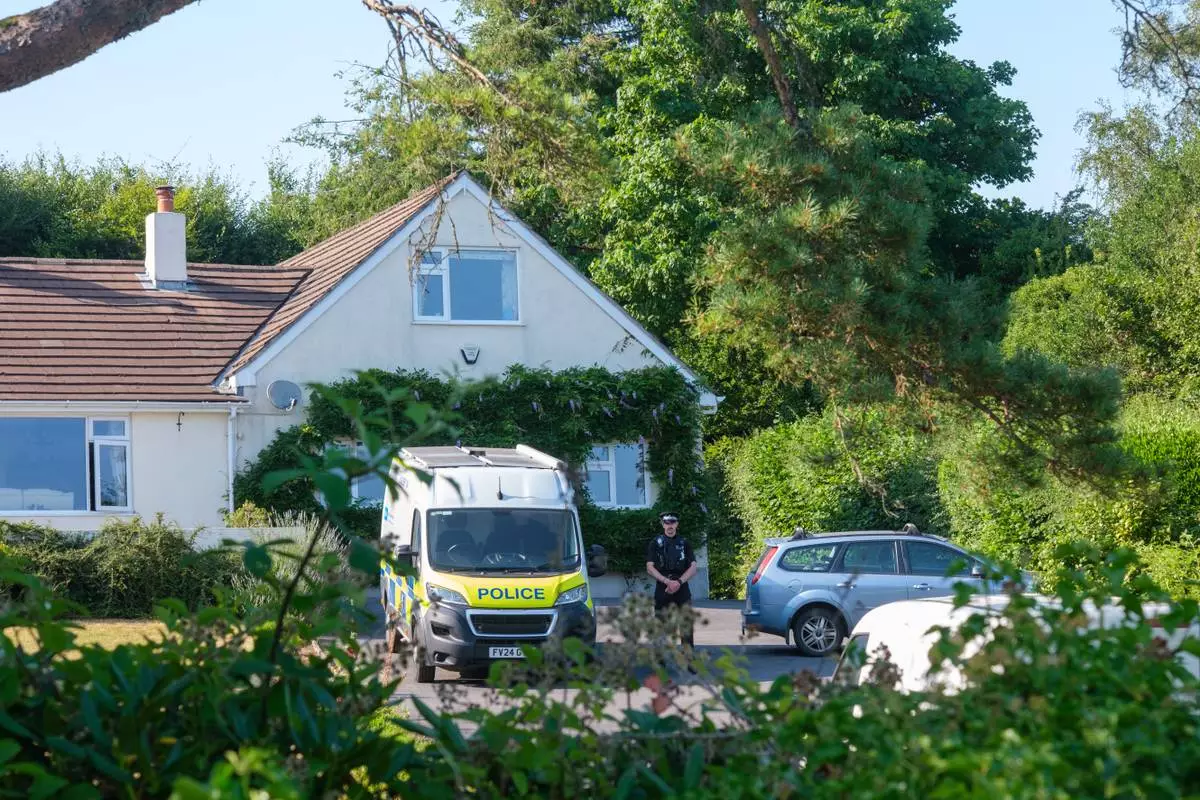
Police outside the house of former lawmaker Ann Widdecombe, in Haytor, England, Friday July 10, 2026, after she was found dead in her home on Thursday with serious injuries. (Matt Keeble/PA via AP)
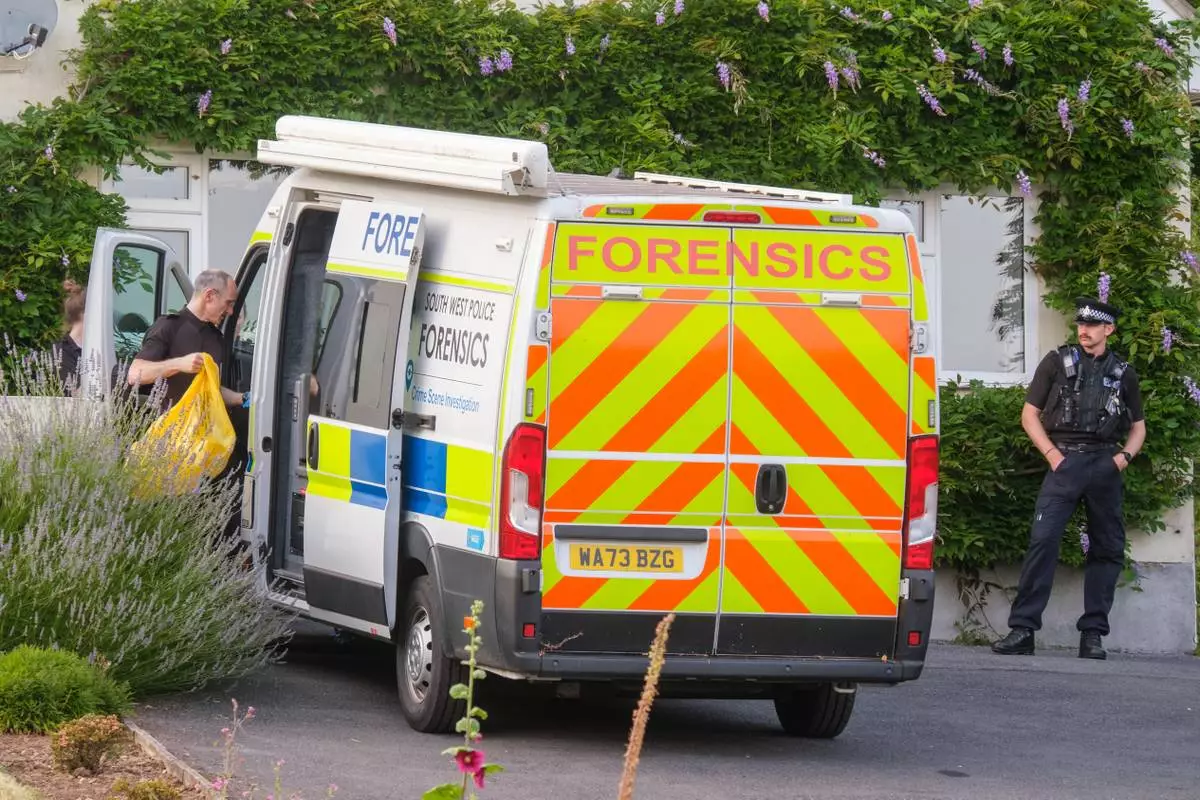
Police outside the house of former lawmaker Ann Widdecombe, in Haytor, England, Friday July 10, 2026, after she was found dead in her home on Thursday with serious injuries. (Matt Keeble/PA via AP)
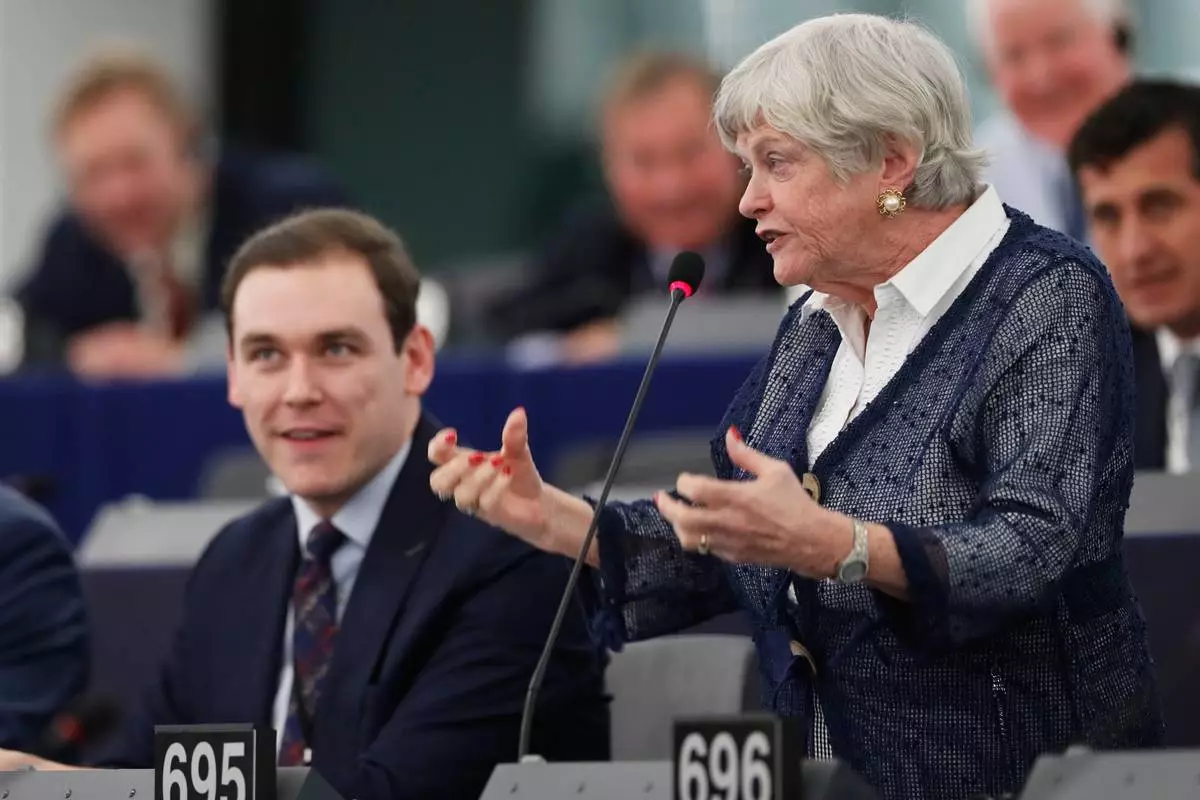
FILE - Britain's European parliament member Ann Widdecombe, right, of the Brexit party, speaks during a debate at the European parliament, Jan. 14, 2020, in Strasbourg, eastern France. (AP Photo/Jean-Francois Badias, File)
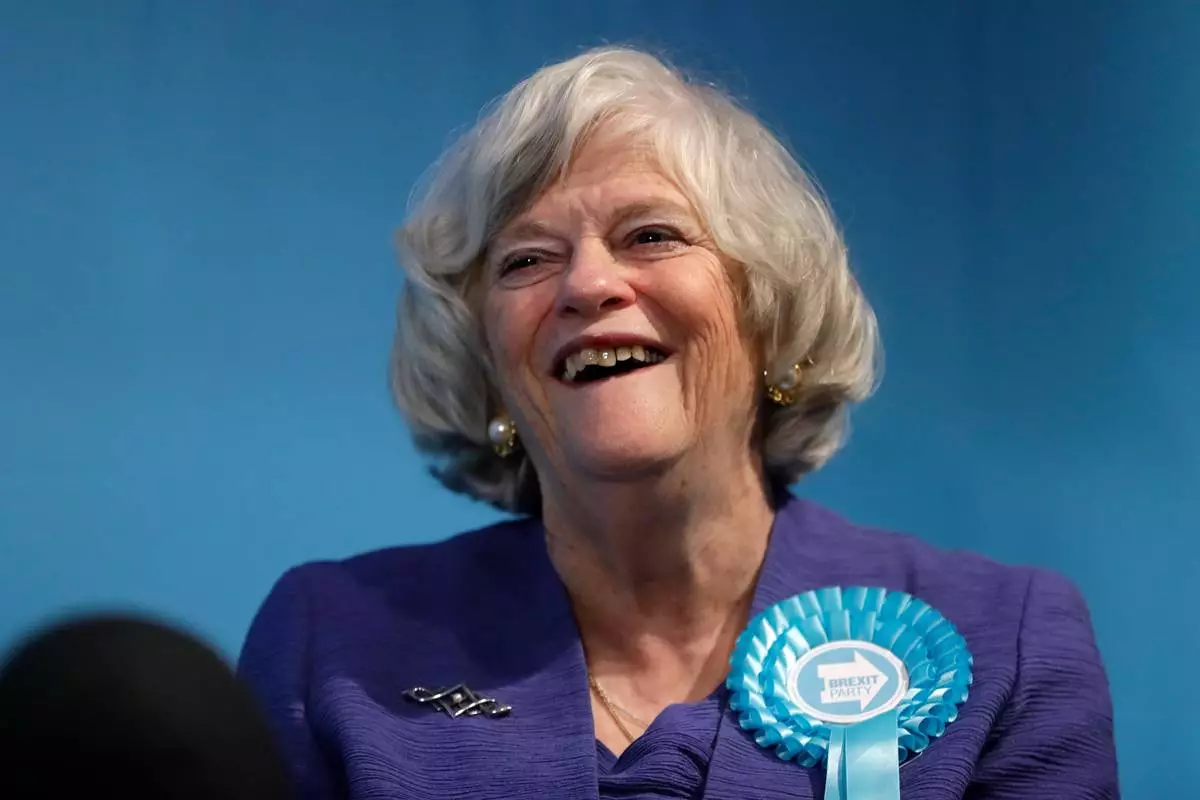
FILE -Ann Widdecombe, Brexit Party member, is interviewed after Nigel Farage, Leader of Britain's Brexit Party, spoke on stage at the launch of their policies for the General Election campaign, in London, Nov. 22, 2019. (AP Photo/Kirsty Wigglesworth, File)
WASHINGTON (AP) — President Donald Trump welcomed Iraq's new prime minister to the White House on Tuesday after strongly backing the political neophyte in his bid for office.
Ali al-Zaidi, a businessman with no political background, emerged as a consensus candidate in Iraq after months of deadlock over the premiership following last year’s parliamentary elections. When al-Zaidi was formally installed as prime minister-designate in April, Trump said in a social media post that it was the “beginning of a tremendous new chapter between our Nations — Prosperity, Stability, and Success like never seen before.”
But Trump’s interest and involvement in the next leadership in Iraq began long before that statement.
Iraq’s dominant parliamentary bloc, the Coordination Framework, a coalition of Shiite parties allied with Iran, initially said it would back former Prime Minister Nouri al-Maliki, whom the Trump administration views as too close to Tehran. The Republican president publicly announced his opposition to al-Maliki and threatened to cut off aid to Iraq if he was appointed, adding that “if we are not there to help, Iraq has ZERO chance of Success, Prosperity, or Freedom.”
The issue of Iran is likely to loom large in the discussions Tuesday. Iraq has been under pressure to disarm a network of Iran-backed militias operating in the country, some of which launched attacks on U.S. bases and diplomatic facilities after the U.S. and Israel launched their war against Iran in February. Officially, the Iraqi government has given non-state armed groups until the end of September to disarm, but some of the most powerful militias have said they have no intention of doing so.
A Trump administration official said ahead of the Oval Office meeting that the U.S. will make “informed” decisions based on Iraq’s efforts to disarm Iranian-backed militias inside its borders. The official was granted anonymity to discuss the administration’s strategy ahead of al-Zaidi’s visit.
Victoria Taylor, director of the Iraq Initiative at the Atlantic Council, noted that al-Zaidi has been likened to “Trump of the Middle East” considering his business background and lack of political experience.
“When you value business success, I think then it’s very appealing to look at an Iraqi prime minister who is likely a billionaire and can be really pointed to as a political outsider,” she said.
But Taylor added that “the reality is much more complicated,” noting that al-Zaidi was chosen by the current political infrastructure in Iraq and will be “beholden in some way to that system.”
“I’m not always sure that there’s a full appreciation of the challenge that this prime minister will face in actually trying to really dismantle core parts of the political system,” she said, noting the obstacles that al-Zaidi will face as he tries to disarm the Iran-backed militias or challenge political corruption.
Renad Mansour, director of the Iraq Initiative at the Chatham House think tank, said he expects that “the U.S. will put significant pressure on al-Zaidi” to move ahead with disarmament during his Washington visit “and Zaidi will respond by saying, ‘But I need support — intelligence support, technical support, armed support.’”
“There is a scenario in which, if the Iraqi government starts going after these groups, they will also go after the government,” Mansour said. “And this is a scenario that I think that the Iraqi government is apprehensive about.”
The two governments are also poised to finalize a significant energy deal.
Two Iraqi officials said an agreement is slated to be signed Friday between Iraq, U.S. companies Chevron and TI Capital, and Qatar’s UCC for construction of an oil pipeline that will connect southern Iraq’s Basra to western Iraq's Haditha and from there to the Ceyhan port in Turkey and the port of Baniyas on Syria’s coast. The pipeline is projected to carry about 2 million barrels of oil per day. The officials spoke on the condition of anonymity because they were not authorized to comment publicly.
Al-Zaidi received Trump’s blessing, despite the fact that he was chairman of a bank, Al-Janoob Islamic Bank, that was among the financial institutions banned by Iraq’s central bank in 2024 from dealing in dollars amid pressure from the U.S. to crack down on money laundering and funneling of funds to Iran.
Since taking office, al-Zaidi has made a public show of cracking down on corruption. His government has conducted raids and arrested dozens of current and former lawmakers and government officials accused of corruption, including some affiliated with former Prime Minister Mohammed Shia al-Sudani.
The Iraqi premier’s delegation to Washington includes a number of Iraqi businessmen and government officials, and al-Zaidi’s office said in a statement that the aim of the visit is to “strengthen economic and development partnerships, attract investment, and expand the role of U.S. companies in implementing infrastructure projects” and to further develop the oil-rich country’s energy sector.
This story has been corrected to show Trump said “if we are not there to help,” not “if we are there to help.”
Follow the AP's coverage of Iraq at https://apnews.com/hub/iraq.
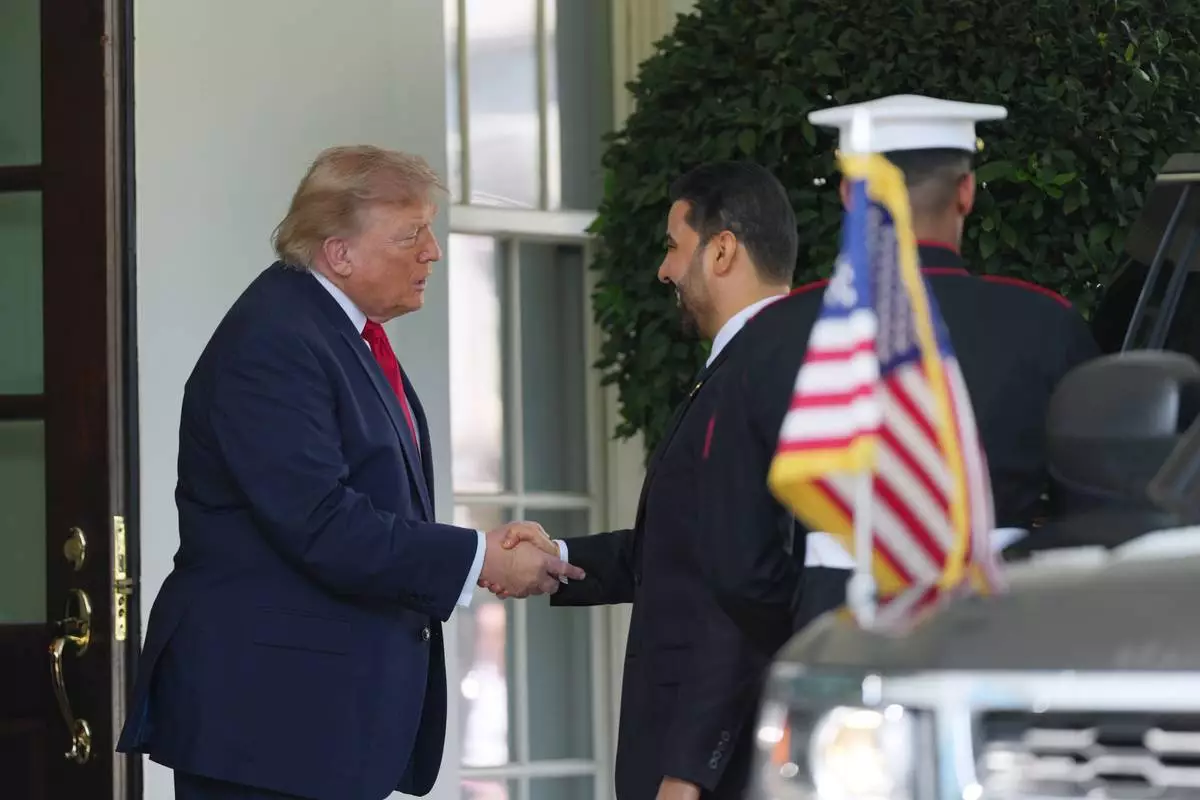
President Donald Trump greets Iraq's Prime Minister Ali al-Zaidi at the White House, Tuesday, July 14, 2026, in Washington. (AP Photo/Julia Demaree Nikhinson)
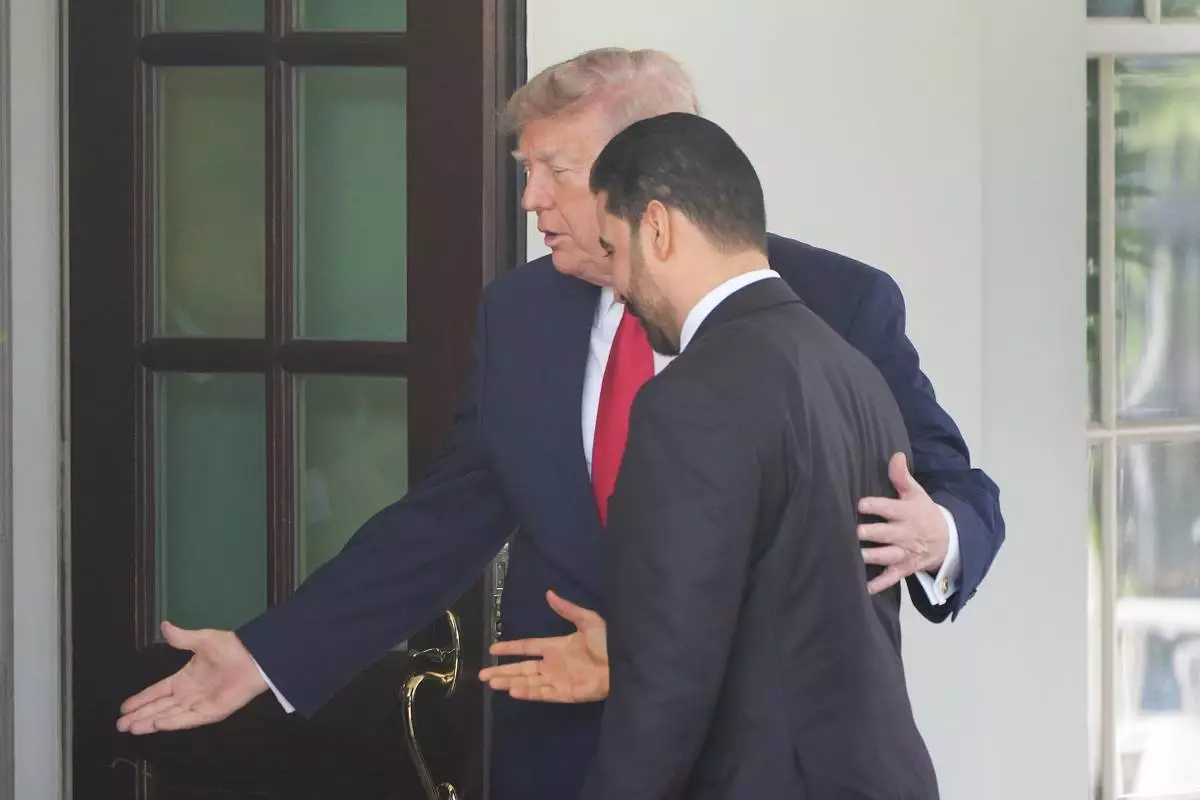
President Donald Trump with Iraq's Prime Minister Ali al-Zaidi as they walk into the White House together, Tuesday, July 14, 2026, in Washington.(AP Photo/Alex Brandon)
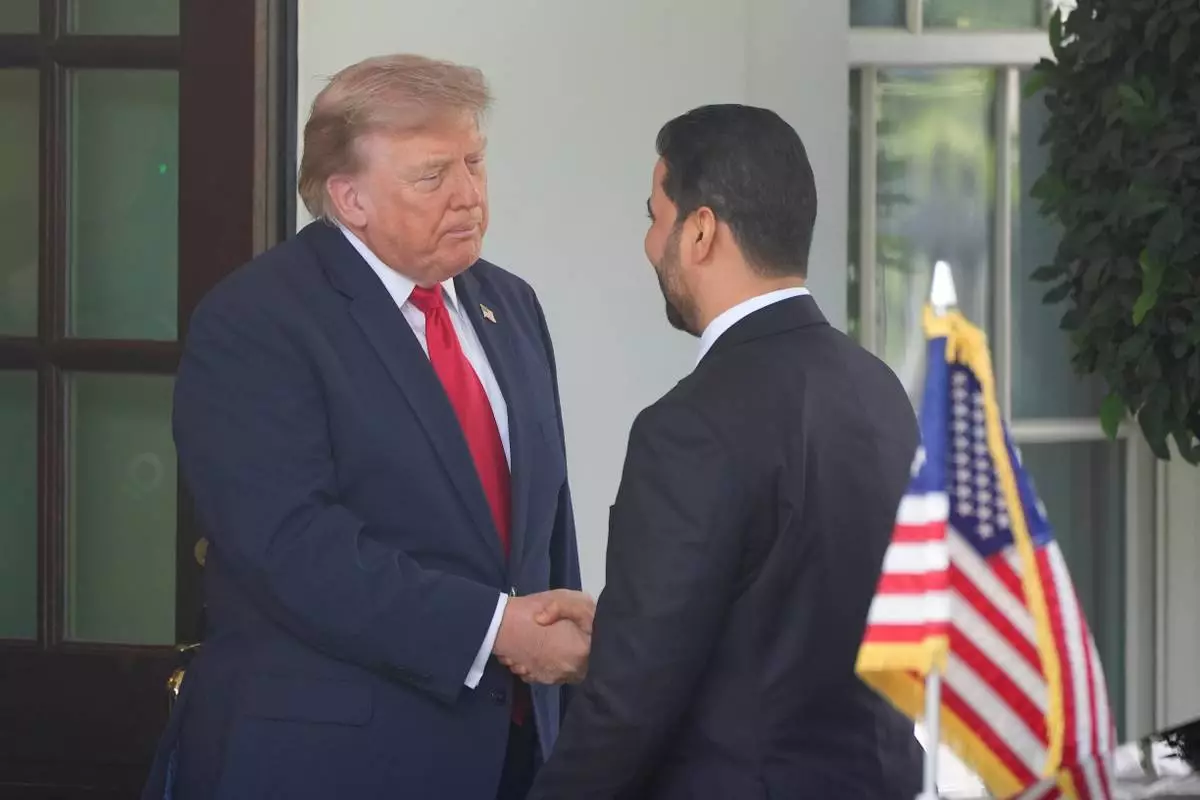
President Donald Trump greets Iraq's Prime Minister Ali al-Zaidi at the White House, Tuesday, July 14, 2026, in Washington.(AP Photo/Alex Brandon)
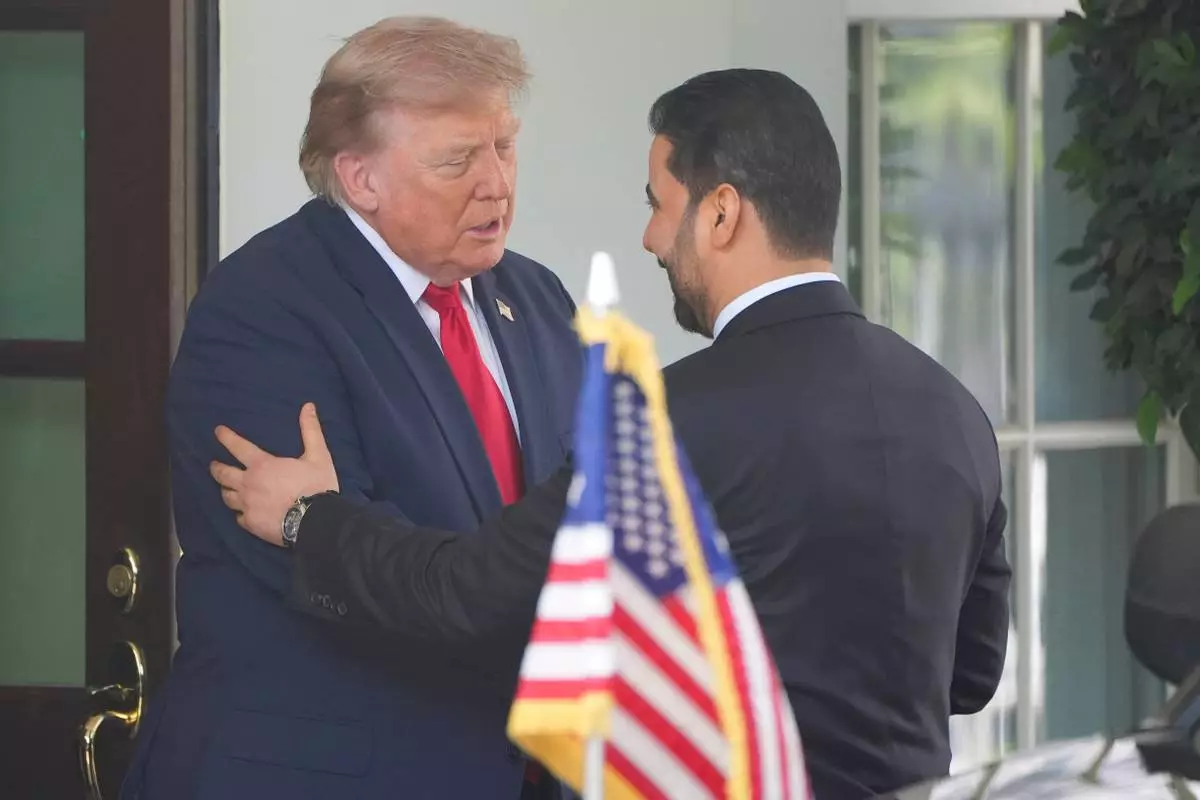
President Donald Trump greets Iraq's Prime Minister Ali al-Zaidi at the White House, Tuesday, July 14, 2026, in Washington.(AP Photo/Alex Brandon)
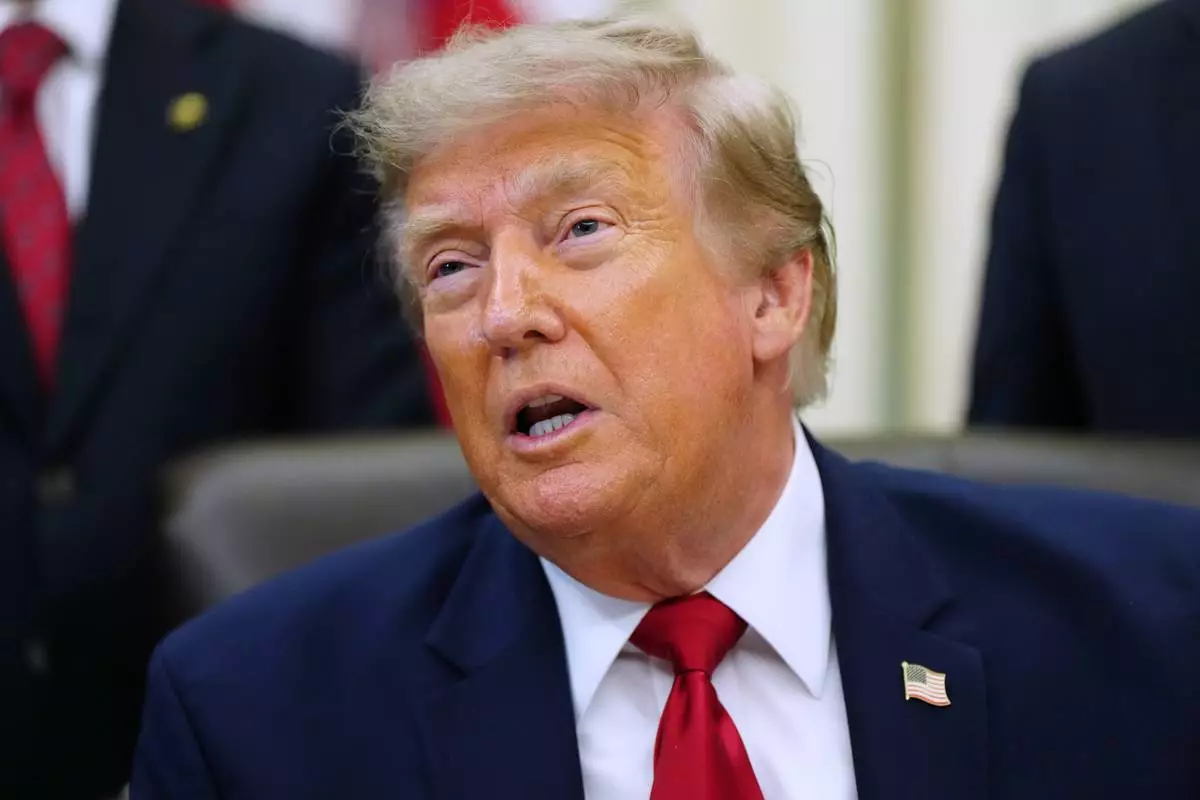
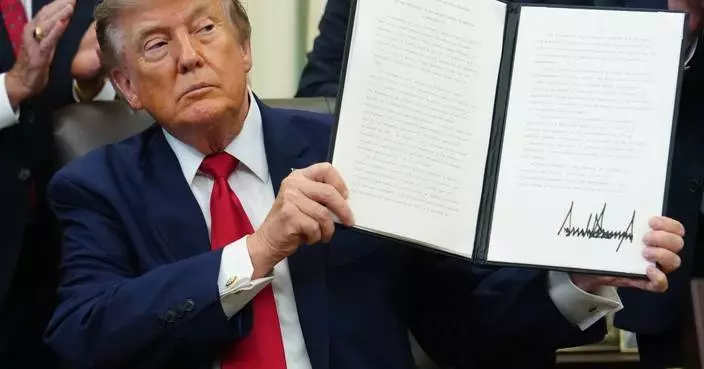
President Donald Trump speaks in the Oval Office of the White House, Monday, July 13, 2026, in Washington, as he signs executive orders. (AP Photo/Julia Demaree Nikhinson)
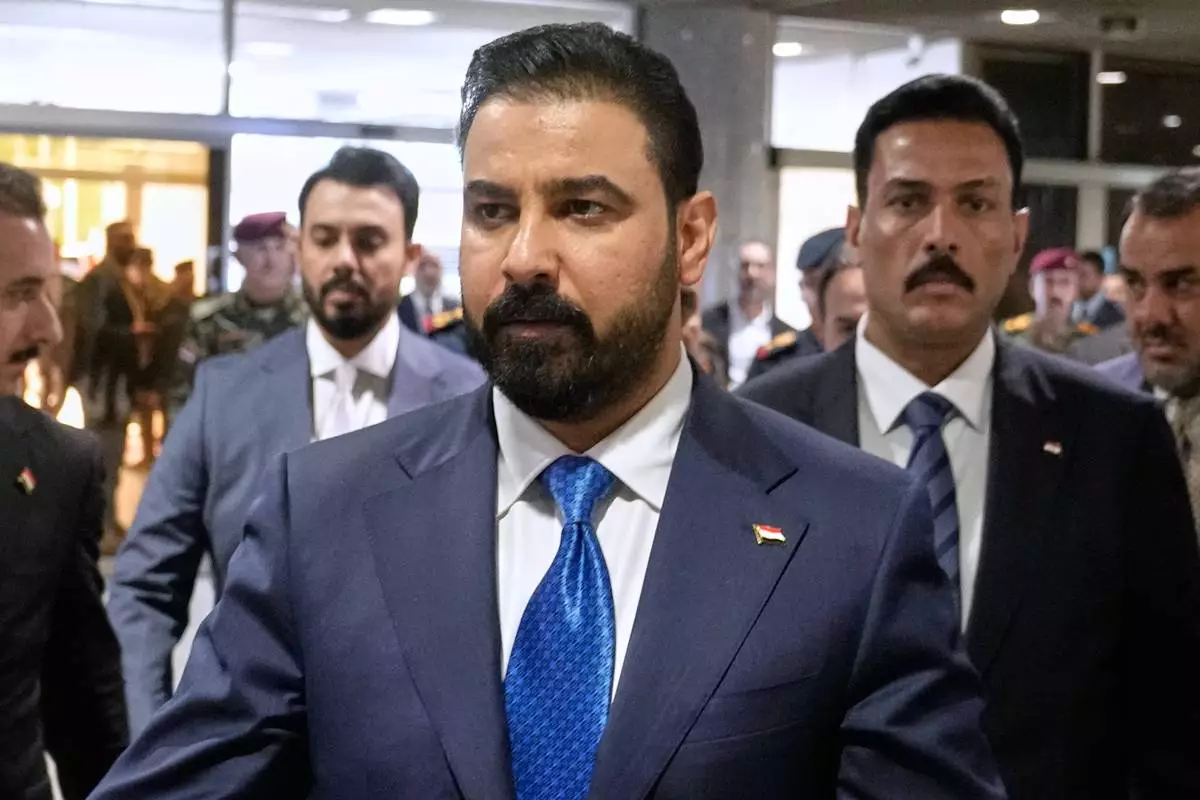
FILE - Iraq's Prime Minister-designate Ali al-Zaidi arrives at the Iraqi parliament to attend the voting of his government in Baghdad, Iraq, May 14, 2026. (AP Photo/Hadi Mizban, File)