An exhibition on ancient American civilizations opened Thursday at the Shanghai Museum in east China, showcasing artifacts that highlight dialogue across cultures and civilizations.
Named "On Top of the World Tree: Ancient Civilizations of the Americas", the exhibition is destined to become one of the longest-running and most influential cultural events of its kind.
It showcases nearly 3,000 precious artifacts, comprising 1,129 sets, from cultural institutions in Mexico, Peru and China, dating from 1200 BC to the 16th century AD, and offers a panoramic view of the ancient civilizations of Central and South America.
The exhibits range from maize god figurines, magnetic parrot shoulder ornaments, and delicate Maya calendar bracelets to plush jaguar toys.
The exhibition will run until November 14, 2027.
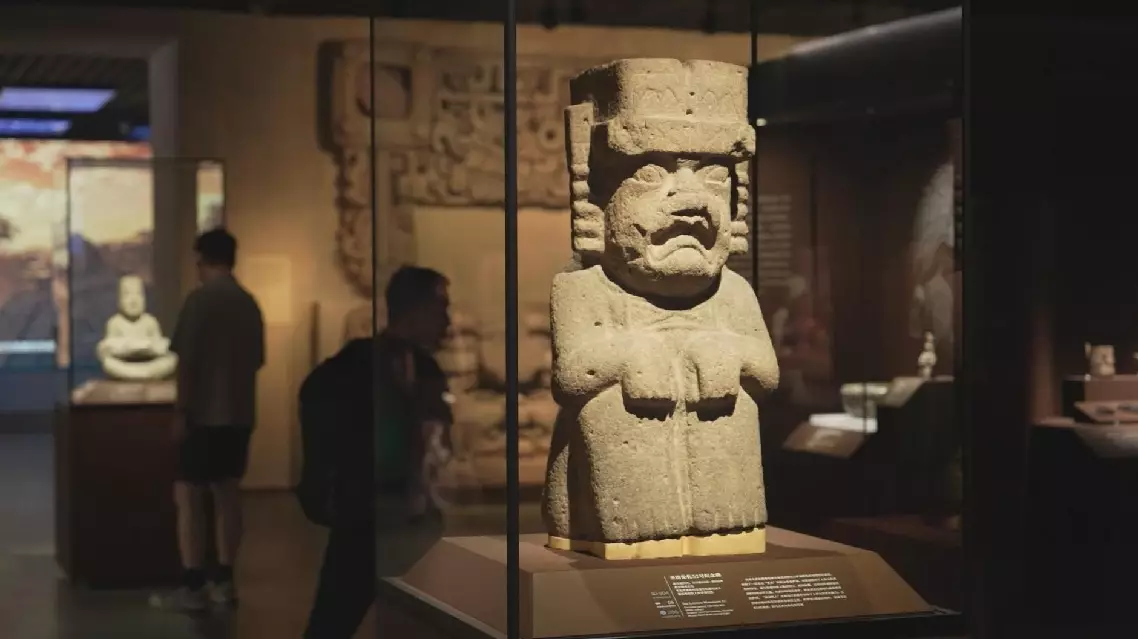
Ancient American civilizations on display in Shanghai cross‑cultural exhibition
Several explosions were heard Tuesday night in the southern Iranian provinces of Hormozgan and Khuzestan, as the United States announced a new round of strikes against Iran, state-run IRIB news agency reported.
Six explosions were heard west of the port city of Bandar Abbas, Hormozgan province, and Khuzestan's provincial capital Ahvaz was struck by U.S. projectiles, it reported.
Separately, the semi-official Mehr news agency reported that Sirik County in Hormozgan province was targeted by U.S. airstrikes Tuesday night, noting the attack caused no casualties or material damage.
Three blasts were also heard in proximity to Qeshm Island in Hormozgan province, Mehr reported.
The U.S. Central Command said in a post on X on Tuesday that "at 3 p.m. ET today, forces began launching an additional round of strikes against Iran to continue degrading Iranian capabilities used to attack commercial shipping in the Strait of Hormuz."
The operation came shortly before the forces began the resumption of the blockade in the Strait of Hormuz.
"U.S. forces resumed the naval blockade against vessels transiting to and from Iranian ports and coastal areas today at 4 p.m. Eastern Time," the U.S. Central Command said in a statement posted on X.
"There are currently more than 20 U.S. Navy warships and hundreds of military aircraft operating across the Middle East. American forces remain vigilant, lethal, and ready," it said.
On Monday, the U.S. military announced a "third consecutive night" of strikes against Iran.
Iran's Islamic Revolution Guard Corps (IRGC) said Tuesday its aerospace and naval forces have struck U.S. bases in Bahrain and Kuwait in retaliation for U.S. attacks earlier in the day.
In a statement published on its official news outlet Sepah News, the IRGC said its forces, in a joint missile and drone operation, hit and destroyed U.S. weapon depots as well as vessel and helicopter parts at the Shaikh Isa Air Base in Bahrain.
The IRGC said its forces also struck the Ali Al Salem Air Base in Kuwait, destroying and damaging a number of the U.S. MQ-9 Reaper drones.
The attacks were in retaliation for the U.S. strikes Tuesday afternoon against a number of the Iranian armed forces' coastal stations, the IRGC added.
It said its retaliation will continue as long as the United States keeps "committing crimes," warning that any U.S. attacks will be met with "surprising responses."
The latest developments came after days of clashes between Iran and the United States over the control of the Strait of Hormuz, despite a U.S.-Iran peace MoU signed in mid-June, under which the two sides were expected to begin negotiations within 60 days toward a final agreement.
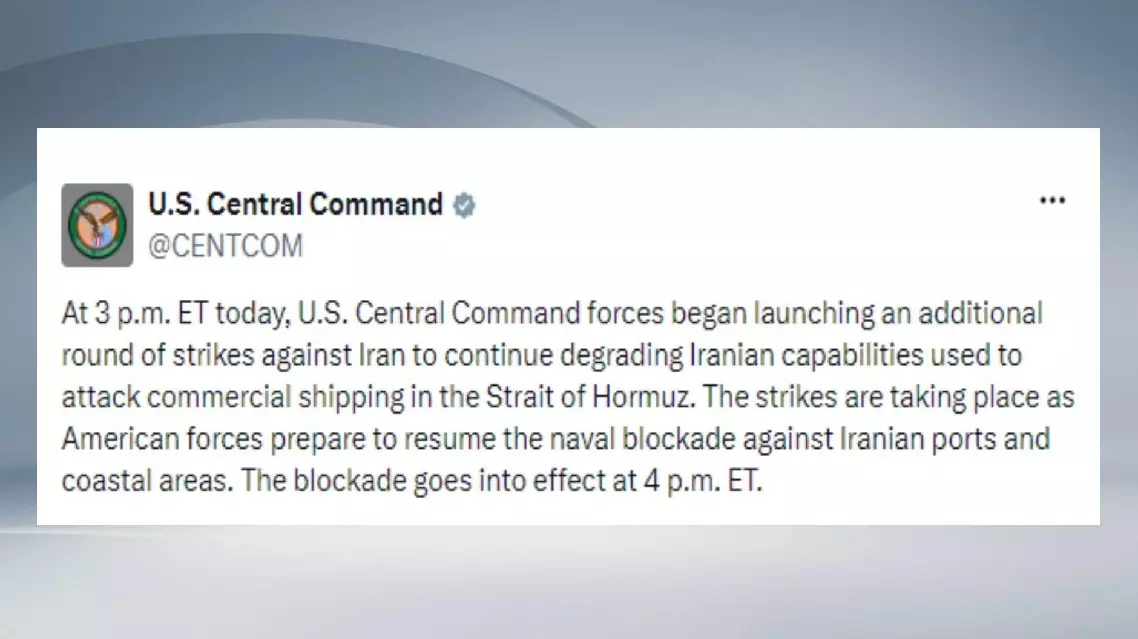
U.S. launches additional round of strikes on Iran, IRGC says hit U.S. bases in Bahrain, Kuwait