China's service sector achieved steady growth in the first half of the year, with the value added of the industry grew by 5.2 percent year on year, according to data released Wednesday by the National Bureau of Statistics.
The NBS data showed that the modern service industries have performed well in the first six months of the year.
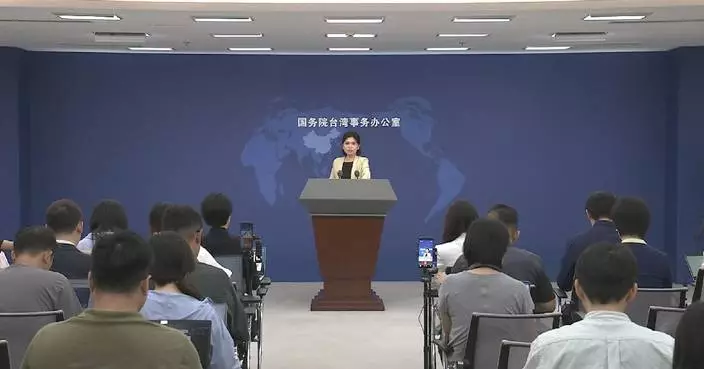
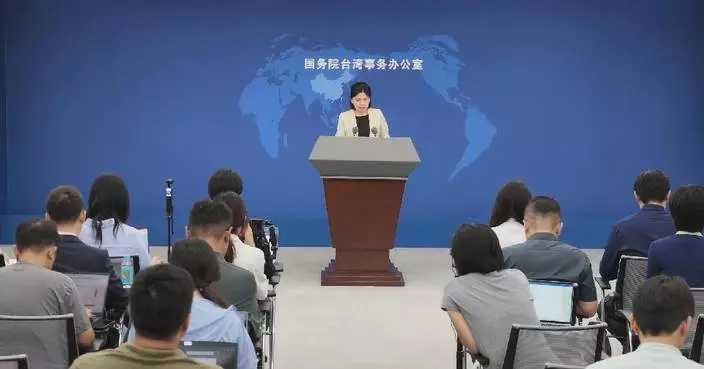
"In the first half of the year, the added value of the service sector grew by 5.2 percent year on year. Specifically, the added value of leasing and business services, information transmission, software and information technology services, financial services, and accommodation and catering services increased by 11.9 percent, 10.7 percent, 6.7 percent, and 5.0 percent, respectively. In June, the national service sector production index grew by 4.7 percent year on year, 0.3 percentage points higher than the previous month," said Mao Shengyong, deputy director of the bureau, at a press conference in Beijing.

Service industry value-added grows 5.2 pct in H1
Chinese industrial robot makers are stepping up development of embodied artificial intelligence (AI) systems, aiming to tap rising global demand for smart robots capable of flexible, small-batch production.
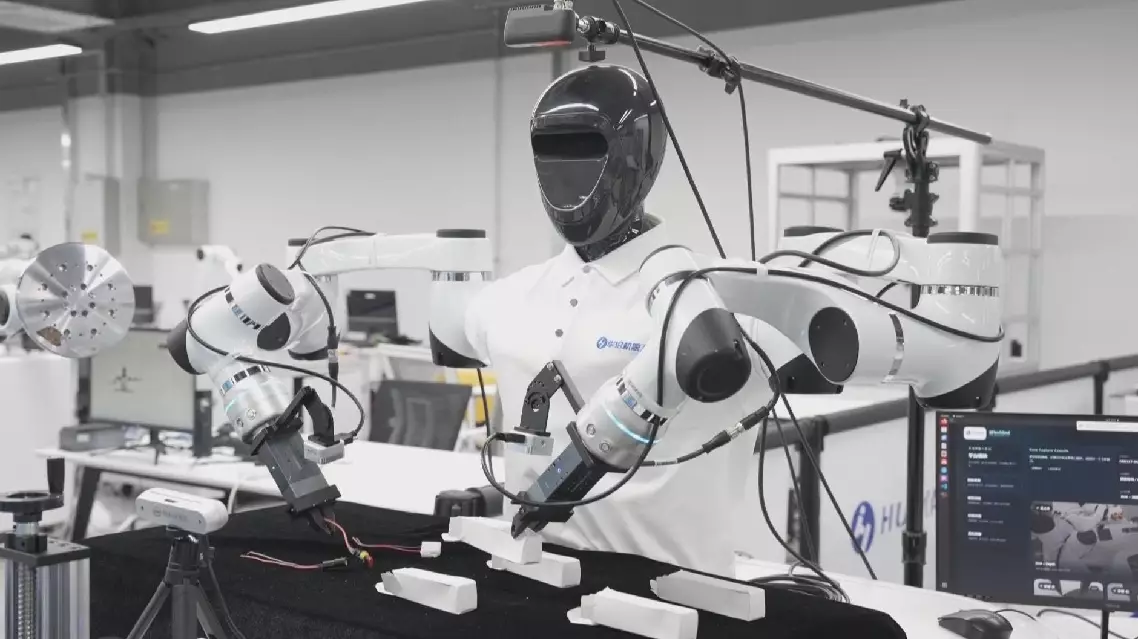
At Huayan Robotics in south China's Guangdong Province, engineers are developing seven‑axis robotic arms with embodied intelligence. By feeding multi-scenario industrial data into multimodal large models and equipping the arms with new force sensors, they have given the machines the ability to interact naturally with their environment, much like humans.
"When someone applies force to the robot, it can perceive the force with high precision. In scenarios like screwing or material handling in factories, it can sense both the magnitude and direction of forces, while traditional robotic arms lack this kind of capability," said Xie Peimin, an engineer of the company.
Meanwhile, a team at the Guangdong Topstar Technology Company is developing an embodied intelligence workstation with four-axis industrial robots that can understand human language.
"Our goal is to enable traditional industrial robots to directly understand human language through research and development, thus achieving flexible production," said Sun Bangle, an engineer at Topstar.
According to statistics, Chinese companies launched a total of 108 new industrial embodied AI robots from January 2025 to the end of May 2026, covering a wide range of application scenarios, including material handling and assembly.
China's robot makers push embodied AI to meet global demand