A series of structural monetary policy measures rolled out since the beginning of this year have delivered tangible results, helping create a favorable monetary and financial environment for stable economic growth, high-quality development, and smooth operation of financial markets in the first half of the year, said a senior official from the People's Bank of China (PBOC), China's central bank, in Beijing on Wednesday.
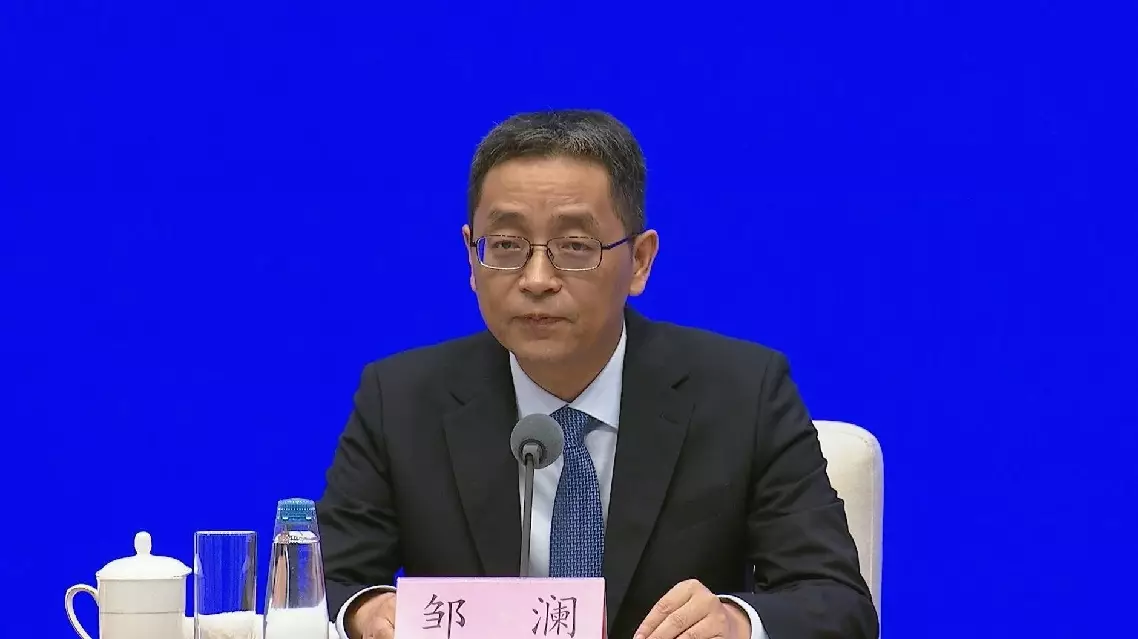
Speaking at a press conference, Zou Lan, deputy governor of the central bank, introduced the implementation of monetary policies and financial statistics in the first half of this year.
"First, ample liquidity in the banking system has been maintained. The central bank utilized multiple monetary policy tools, including reverse repos, medium-term lending facilities (MLF), and treasury bond trading, to ensure sufficient liquidity. In the first half of the year, the fund injected through the central bank's various tools effectively offset a 1-trillion-yuan (about 147.69 billion U.S. dollars) liquidity gap caused by factors, such as reserve requirement payments and cash issuance. The average overnight interbank repo rate for depository institutions (DR001) over the first six months stood at 1.31 percent, indicating overall stable operation," he said.
"Second, the overall cost of social financing has been kept at a low level. The interest rate on structural monetary policy tools was cut by 0.25 percentage points at the beginning of the year. Efforts to disclose the comprehensive financing costs of corporate loans are being continuously advanced, reducing intermediary financing expenses," he continued.
The PBOC also strengthened financial support for key sectors, Zou said, noting that the central bank has added the quota of the relending facility for technological innovation and upgrading and the relending facility for agriculture and small businesses.
"The stable operation of financial markets has also been maintained. Recently, a pilot program for offshore Renminbi forex trading was launched in the Shanghai Free Trade Zone, allowing the headquarters of six banks to directly conduct Renminbi foreign exchange transactions with overseas entities, promoting integration between onshore and offshore markets. The central bank continues to implement the two monetary policy tools to further support the smooth operation of the capital market," Zou further stated.
Structural policies support steady economic growth, financial market stability in H1: central bank