Iraq and Syria are planning to revive a long-abandoned oil pipeline to transport crude from northern Iraq to Syria's Mediterranean coast, allowing a strategic bypass of the Strait of Hormuz, a U.S. official said on Tuesday.
The pipeline, originally built in 1952, runs from Kirkuk in northern Iraq to Baniyas on the Syrian coast, spanning about 800 kilometers with a capacity of 300,000 barrels per day. It was severely damaged during the Iran-Iraq War and the Iraq War, and has been out of service for years.
U.S. Ambassador to Turkey and Special Envoy for Syria and Iraq Tom Barrack has held talks with Iraqi and Syrian officials as well as relevant U.S. companies to discuss the pipeline's restoration, according to informed sources.
The pipeline's pumping stations and power systems are reported to be in serious disrepair and will require extensive repairs, a process that could take two to three years.
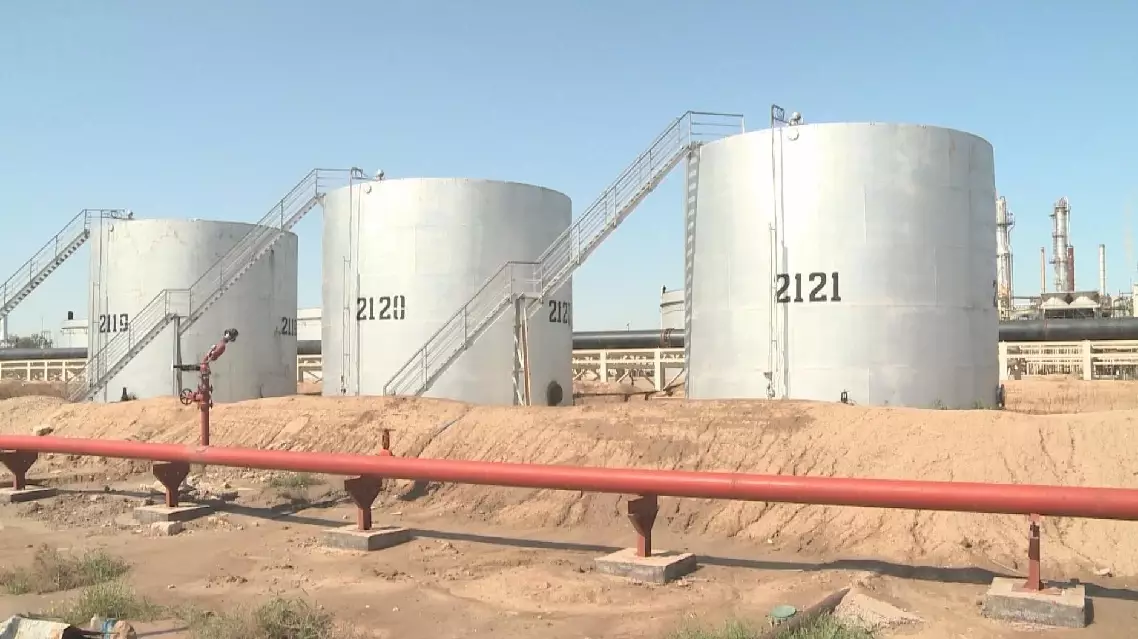
Iraq, Syria to revive oil pipeline to bypass Strait of Hormuz
China's top political advisor Wang Huning and Pak Thae Song, premier of the Cabinet of the Democratic People's Republic of Korea (DPRK), attended and delivered speeches in Pyongyang on Thursday at a reception commemorating the 65th anniversary of the signing of the China-DPRK Treaty of Friendship, Cooperation and Mutual Assistance.
Wang, a member of the Standing Committee of the Political Bureau of the Communist Party of China (CPC) Central Committee and chairman of the National Committee of the Chinese People's Political Consultative Conference (CPPCC), is leading a party and government delegation to the DPRK for an official goodwill visit.
He said that 65 years ago, the older generations of leaders of China and the DPRK signed the China-DPRK Treaty of Friendship, Cooperation and Mutual Assistance, laying an important political and legal foundation for consolidating the friendship forged in blood between the two peoples.
Over the past 65 years, the two sides have upheld the spirit of the treaty, supported each other, stood united, cooperated closely and worked together, with political mutual trust continuously consolidated, exchanges and cooperation keeping pace with the times, and strategic coordination increasingly deepened, vividly demonstrating the defining features of China-DPRK relations -- friendship passed down from generation to generation, a shared future and mutual support, Wang noted.
Wang said that China is willing to work with the DPRK to resolutely implement the important consensus reached by General Secretary Xi Jinping and General Secretary Kim Jong Un, and take the commemoration of the treaty's 65th anniversary as an opportunity to carry forward the fine traditions and firmly steer bilateral ties in the right direction; deepen exchanges and mutual learning to continuously enhance the well-being and friendship of the two peoples; and demonstrate a sense of responsibility for the times and join hands to promote peace and stability in the region and the world at large.
Pak, who is also a member of the Presidium of the Political Bureau of the Central Committee of the Workers' Party of Korea and vice president of the State Affairs Commission of the DPRK, said that since its signing 65 years ago, the treaty has made important contributions to vigorously advancing DPRK-China relations and the development of the socialist cause in both countries, as well as to safeguarding peace, stability and security in Northeast Asia.
Today's solemn commemorative event fully demonstrates the treaty's great strategic importance and the strong vitality of the DPRK-China friendship, he added.
Pak said that the DPRK stands ready to follow the important consensus reached by General Secretary Kim and General Secretary Xi, continue carrying forward the spirit of the treaty, steadily strengthen DPRK-China relations with socialism at the core, and jointly open a new chapter in the friendship between the two countries.
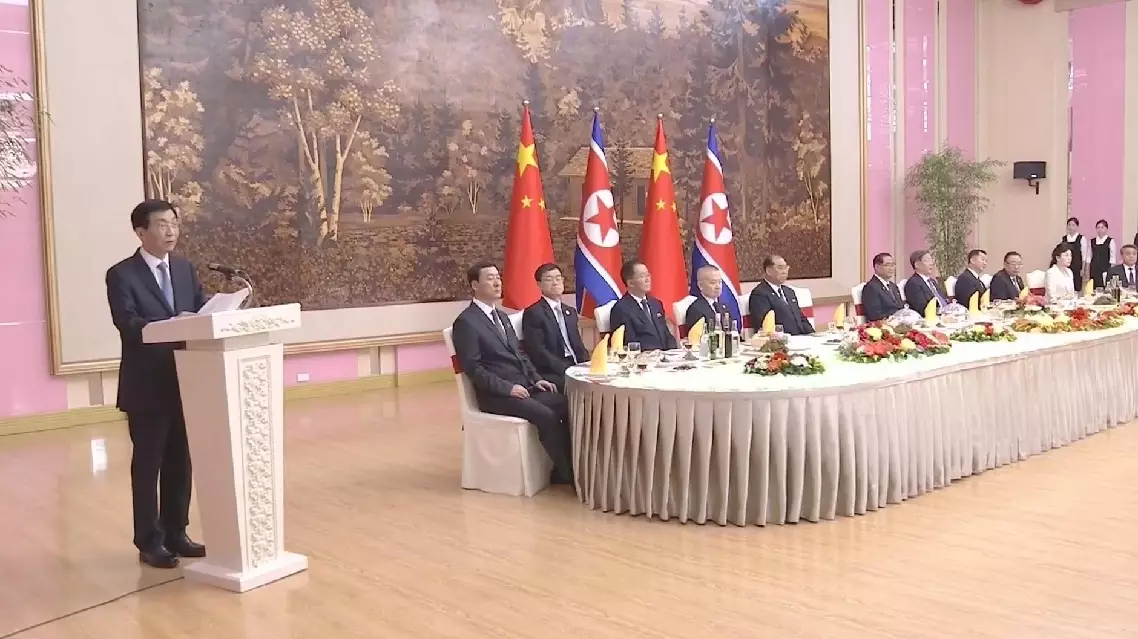
China's top political advisor attends reception commemorating 65th anniversary of China-DPRK treaty