Skip to Content Facebook Feature Image

Europe's early heat wave led to a spike in deaths, may have killed over 10,000

News

Europe's early heat wave led to a spike in deaths, may have killed over 10,000
News

News

Europe's early heat wave led to a spike in deaths, may have killed over 10,000

2026-07-17 17:21 Last Updated At:17:30

Heat that hit Europe exceptionally early and hard this year appears to have led to a spike in deaths, with well over 10,000 more people dying at the height of the heat wave than would normally have been expected, according to figures that are still emerging across the continent.

Measures of what researchers call “excess mortality” — the difference between the normally expected number of deaths and the actual number — spiked in late June, when parts of Europe experienced record temperatures. Experts caution that it takes a while for a full picture to emerge, and that many heat-related deaths will never formally be recorded as such. For example, a heart attack, which can be triggered by extreme heat exposure, especially in people who are older or have underlying health issues, may be listed on a death certificate simply as a heart attack.

It's an alarming start to the summer. Several heat waves have killed thousands of people in the past few years in Europe. Still, 2003 stands as the deadliest year in Europe for heat, with about 70,000 deaths. The frequency and intensity of heat waves are supercharged by climate change, which comes from the burning of fuels like coal, oil and gas.

The EuroMOMO mortality monitoring hub, which receives data from two dozen countries, gave an estimate of 14,260 for excess mortality from all causes in the week ending June 28, more than 12,000 of those deaths being among people age 65 and older. That’s out of a total 84,583 deaths that week. Figures in the preceding and following weeks were far lower.

Lasse Vestergaard of Denmark's Statens Serum Institut, which coordinates EuroMOMO, said that “we attribute this to the heat wave affecting quite a lot of countries in Europe, and we do that because there is no other obvious explanation that could explain such a high excess mortality happening at the moment.”

Such a high excess in a single week is “highly unusual,” he added. EuroMOMO doesn't give absolute numbers for individual countries, but found the highest rates of excess in France, Belgium and Germany.

Nations that bore the brunt of the heat have issued their own estimates — which don't always follow the same methodology or timelines. Here is a snapshot of heat-related deaths being reported by various countries.

Germany’s disease control center, the Robert Koch Institute, directly attributed 6,830 deaths to heat this year through early July, 6,470 of them among people 65 and older. Temperatures in Germany late last month hit their highest levels since records began, peaking with a measurement of 41.7 degrees Celsius (107.06 Fahrenheit) on June 28, according to the German Weather Service.

Britain’s Met Office, the national weather agency, said that 2,700 people are believed to have died from heat-related causes during heat waves in England and Wales in May and June. Of those deaths, it says that about 550 occurred in late May and about 2,200 in late June. This year brought national heat records for May of 35.1 Celsius (95.18 Fahrenheit) and for June of more than 37 Celsius (98.6 Fahrenheit).

France's public health authority said there were at least 2,000 more deaths in the week of June 22-28 than the previous week, when temperatures were already climbing. France recorded its hottest-ever days on June 24 and 25, when the Meteo France weather service said the national thermal indicator — an average of daily temperatures measured at 30 weather stations — hit 30 Celsius (86 Fahrenheit). More than 40% of France saw peak temperatures of above 40 Celsius (104 Fahrenheit).

An estimated 937 deaths in Spain in June were attributed to excess heat, according to the Carlos III Health Institute, an official Spanish monitoring agency. Last month was Spain’s second-hottest June on record, with temperatures 3.2 Celsius (5.8 Fahrenheit) above the monthly normal average, according to the AEMET weather agency. A five-day heat wave saw temperatures regularly surpass 40 Celsius (104 Fahrenheit), AEMET said.

There were 1,747 deaths above what would usually be expected during the heat wave that ran from June 18 to July 1, according to Sciensano, Belgium’s public health institute. It said that “a certain excess mortality is expected during heat waves, as during waves of cold weather and flu epidemics. Nevertheless, the heatwave of June 2026 is distinguished by its exceptional breadth.”

At the peak of the heat wave, there was a measurement of 35.5 Celsius (95.9 Fahrenheit) on June 26, the IRM weather institute said.

An initial estimate of excess death figures from the June heat wave found that the Netherlands had 480 more deaths than expected, according to the public health service. Increased mortality was particularly notable in eastern and southern areas, where the temperatures were the highest.

The country saw its highest temperature ever for June, with the Dutch weather service registering 36.8 degrees Celsius (98.24 Fahrenheit). That's more than a degree Celsius (1.8F) higher than the previous record, set in 1947.

The Associated Press’ climate and environmental coverage receives financial support from multiple private foundations. AP is solely responsible for all content. Find AP’s standards for working with philanthropies, a list of supporters and funded coverage areas at AP.org.
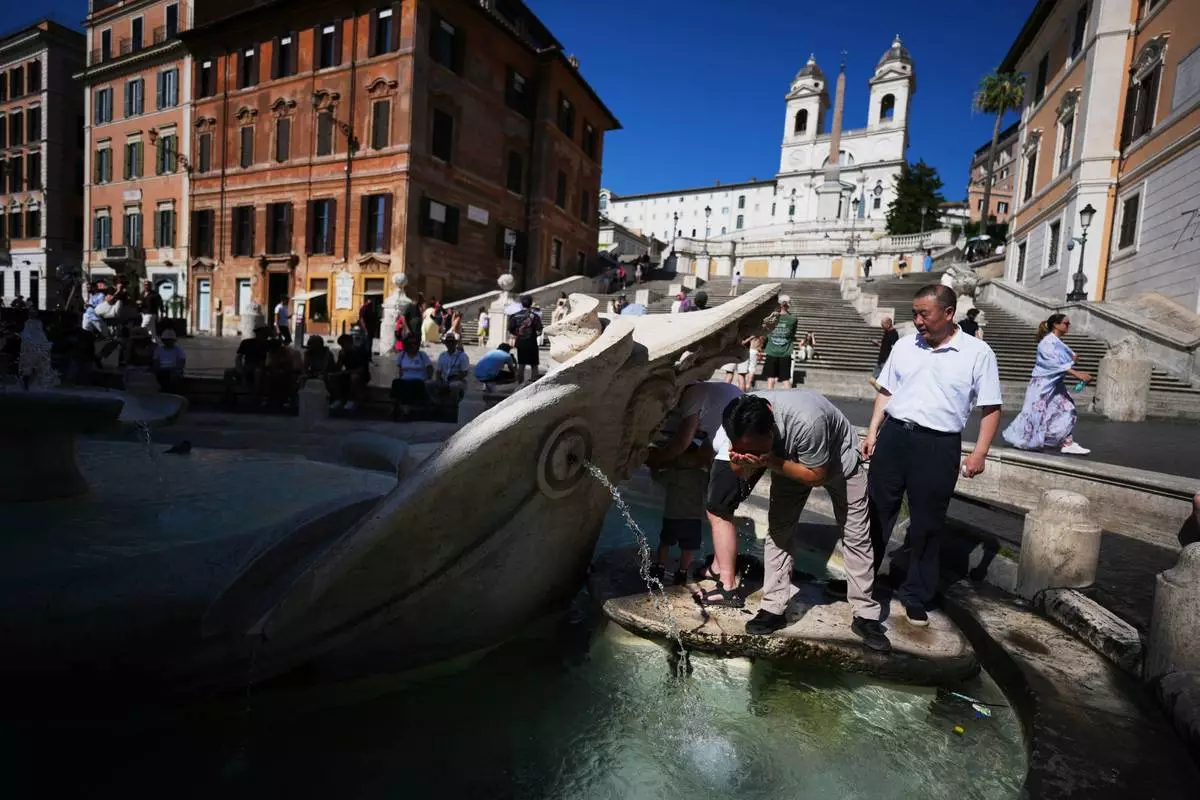
People refreshes at the Barcaccia Fountain in front of Rome's Spanish Steps, Wednesday, July 15, 2026. (AP Photo/Andrew Medichini)
People refreshes at the Barcaccia Fountain in front of Rome's Spanish Steps, Wednesday, July 15, 2026. (AP Photo/Andrew Medichini)

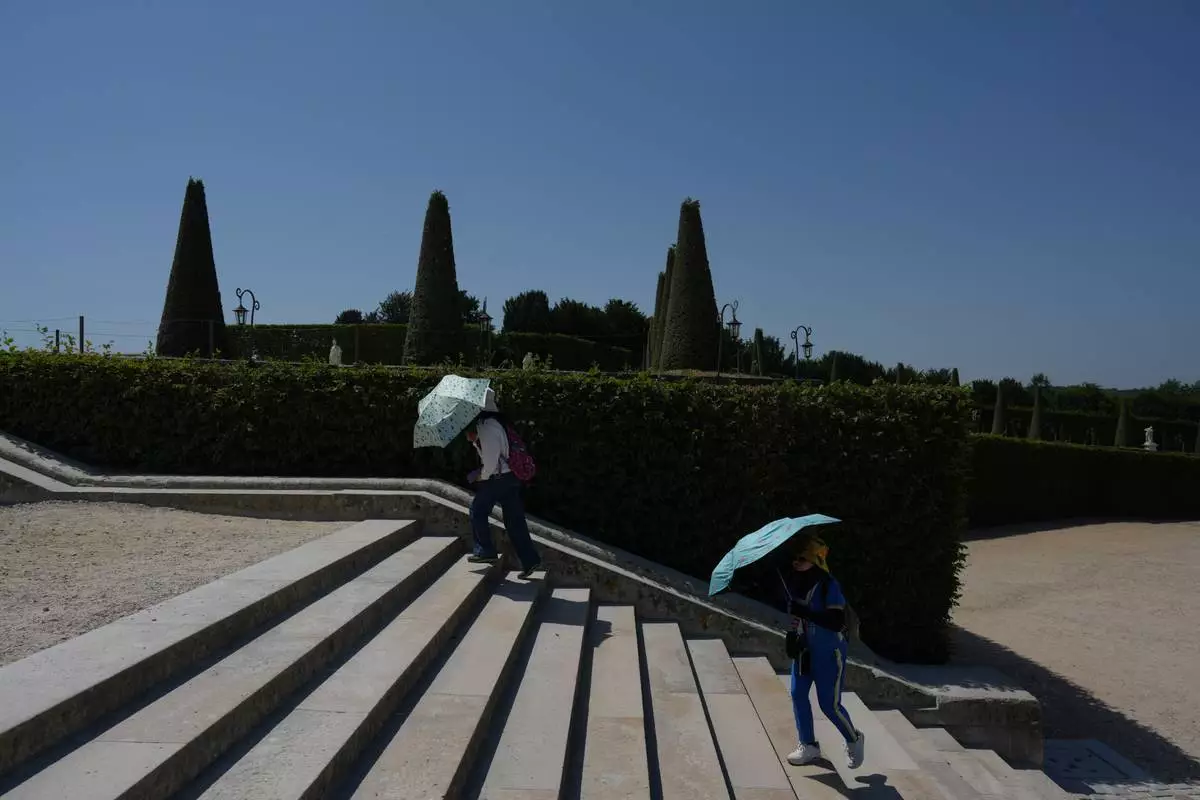
Visitors shield themselves from the sun with umbrellas as they walk in the garden of the Palace of Versailles, outside Paris, during a heat wave with temperatures soaring above 40 degrees Celsius (104 Fahrenheit), Monday, June 22, 2026. (AP Photo/Thibault Camus)
Visitors shield themselves from the sun with umbrellas as they walk in the garden of the Palace of Versailles, outside Paris, during a heat wave with temperatures soaring above 40 degrees Celsius (104 Fahrenheit), Monday, June 22, 2026. (AP Photo/Thibault Camus)

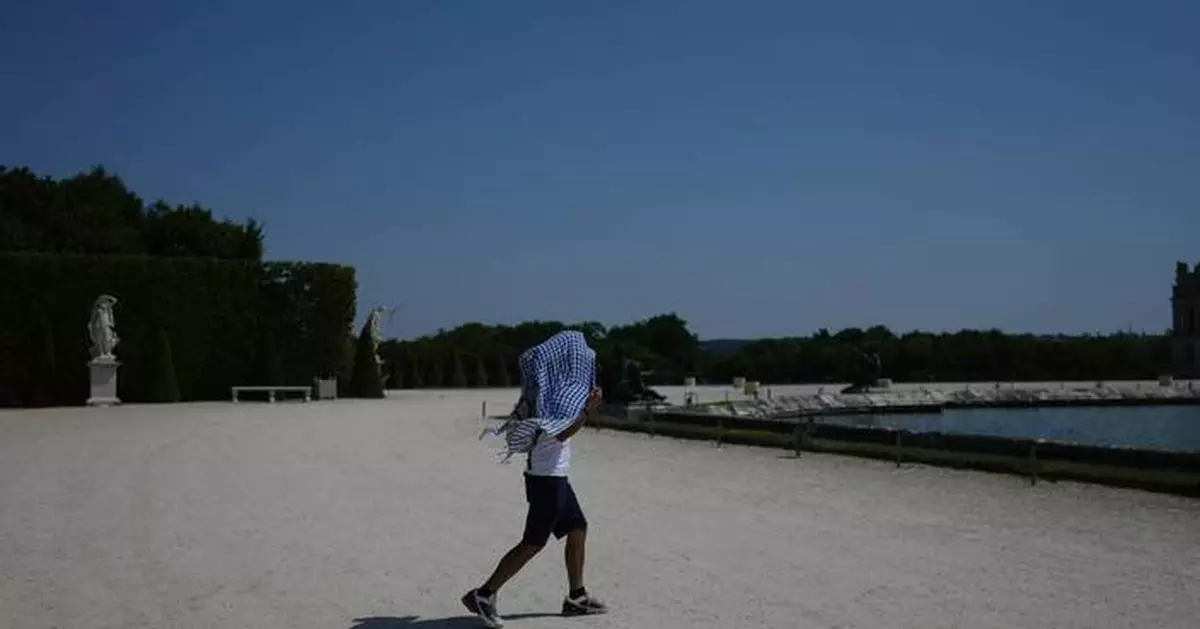
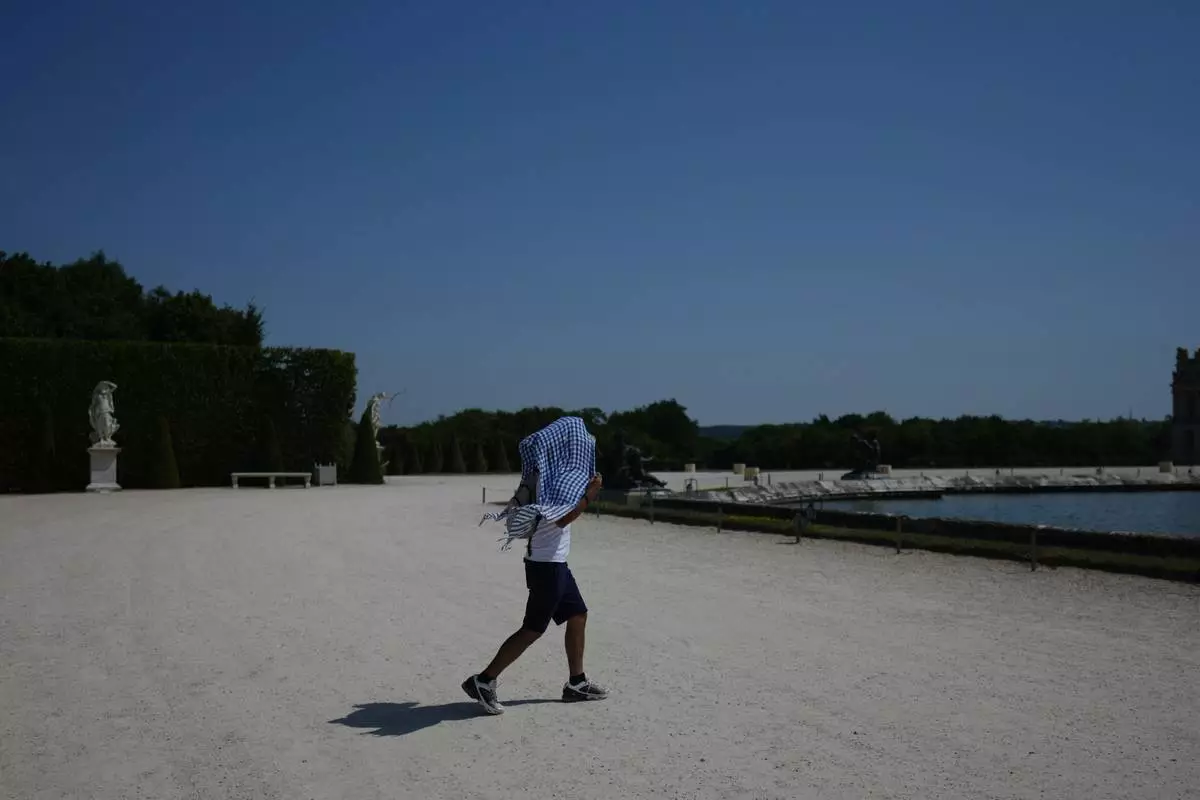
A man shields himself from the sun with a scarf as he walks in the garden of the Palace of Versailles, outside Paris, during a heat wave with temperatures soaring above 40 degrees Celsius (104 Fahrenheit), Monday, June 22, 2026. (AP Photo/Thibault Camus)
A man shields himself from the sun with a scarf as he walks in the garden of the Palace of Versailles, outside Paris, during a heat wave with temperatures soaring above 40 degrees Celsius (104 Fahrenheit), Monday, June 22, 2026. (AP Photo/Thibault Camus)
BANGKOK (AP) — Australia’s government and the families of two Australian teenagers who died of methanol poisoning in Laos have lambasted as inadequate the charges they said were due to be laid by Lao authorities on Friday against those allegedly responsible.

Australian tourists Bianca Jones and Holly Morton-Bowles, both 19, were among six foreigners killed by tainted alcohol at a tourist hostel in Vang Vieng in November 2024. The others killed were an American man, a British woman and two Danish women.

Jones’ parents told reporters in Melbourne that authorities in Laos would later Friday announce charges against the alleged suppliers of the methanol-laced drinks.

Mark Jones, Bianca’s father, said that according to information received by the families, the penalties the accused are expected to face if convicted are up to a year in jail and a fine of about 1,600 Australian dollars ($1,117). Australian authorities have been keeping the affected families apprised of the case since the incident.

He described such a resolution as “unacceptable.”

“It’s like their lives didn’t even matter," said Bianca’s mother, Michelle. "We’re just really appalled by it all. You know, they were just going over to have a bit of fun and just doing the rite of passage that every, you know, child or teenager does. So for that outcome, it was just devastating.”

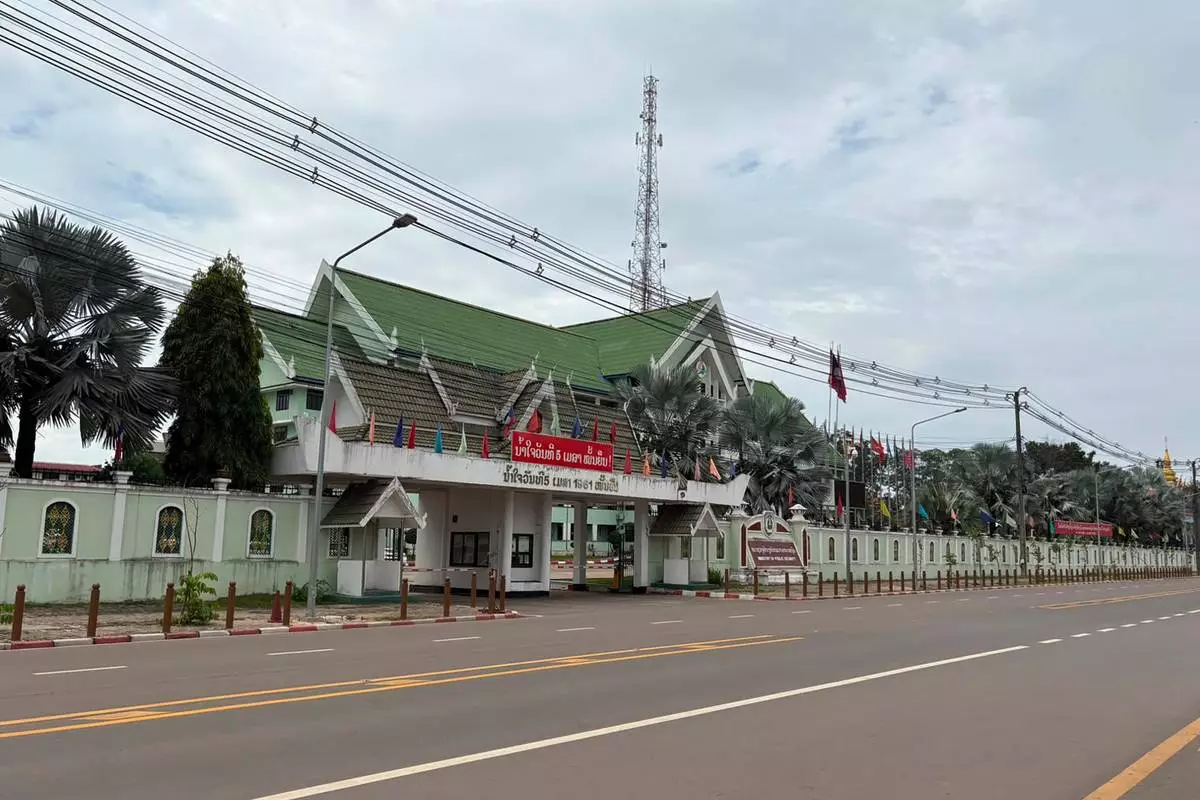
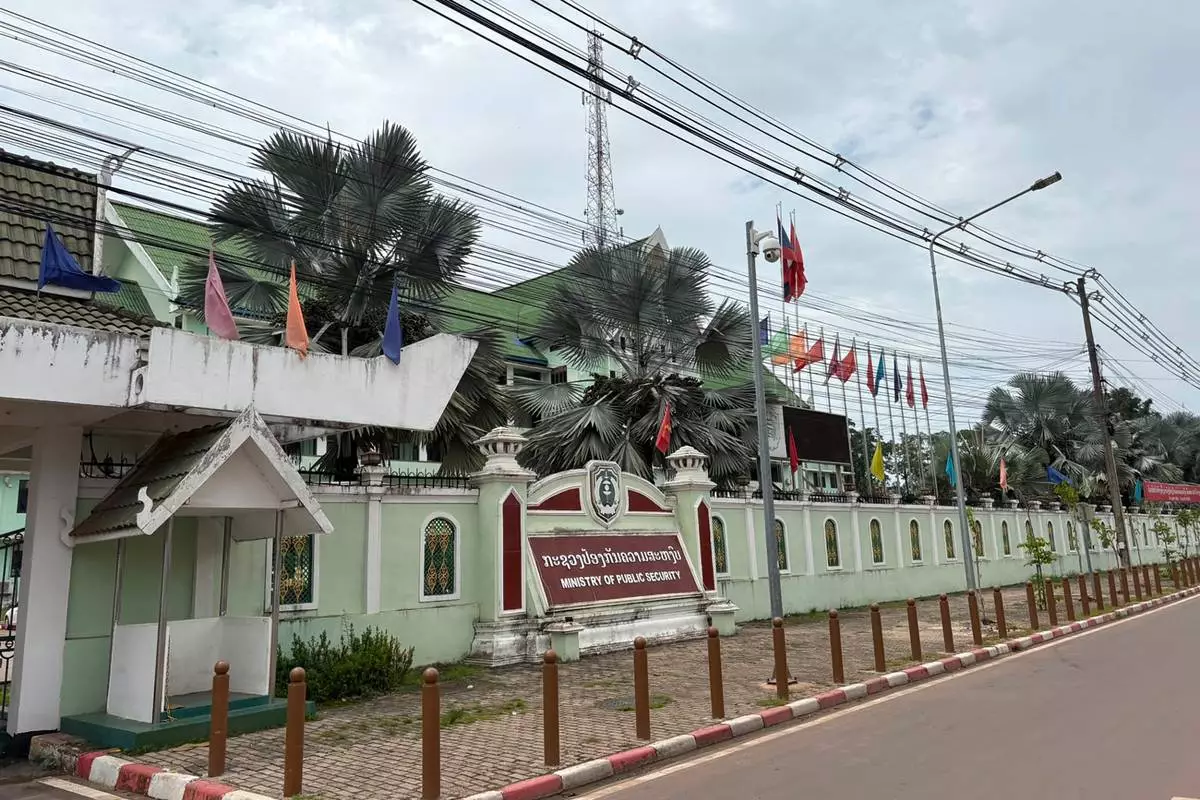
An announcement was supposed to be made at the Ministry of Public Security in the Lao capital, Vientiane, and cars from the embassies of two of the concerned countries, Australia and Britain, were seen leaving that location on Friday afternoon but no information was immediately available. A request from The Associated Press for entry to cover the proceedings was not approved.

Methanol poisoning is a problem all over the world, not only for tourists but more so for local residents. In the latter case, it is found especially in countries where alcoholic drinks are hard to afford or illicit. Statistics of suspected cases compiled by the medical assistance group Doctors Without Borders show that Indonesia, India and Russia are countries with the most reported incidents.

Methanol is sometimes added to mixed drinks at disreputable bars as a cheaper alternative to ethanol, but can cause severe poisoning or death. It is also a byproduct of poorly distilled home-brew liquor, and could have found its way into bar drinks inadvertently.

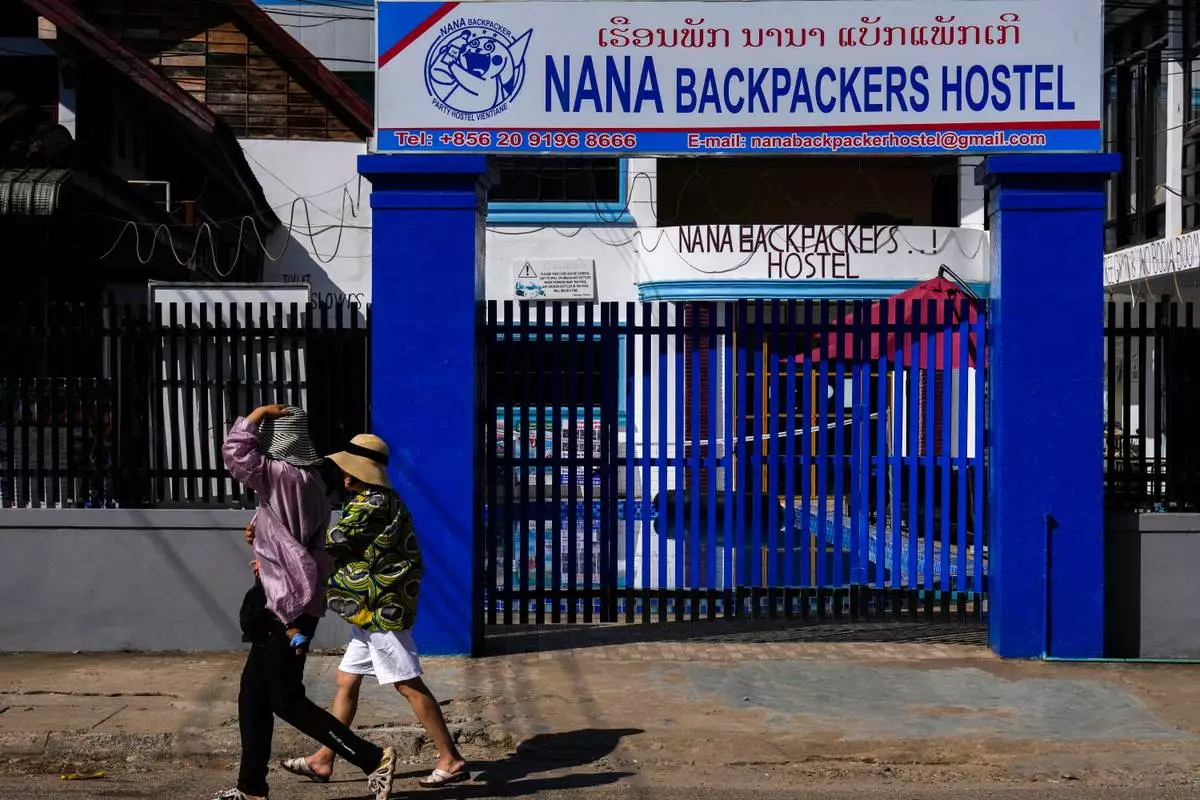
The two Australian women had been staying at the Nana Backpacker Hostel, where they reportedly consumed “free shots” of Laotian vodka before heading out to other venues.

When they failed to check out as planned, they were found sick in their room and eventually evacuated to hospitals in neighboring Thailand, where they later died.

Speaking at a news conference along with the Jones family, Shaun Bowles, the father of Holly Morton-Bowles, described Friday's anticipated legal development as “mind-boggling because (Laos) is a popular tourist destination for a lot of travelers, a lot of Australian, young Australian travelers and young people from around the world.”

He said he expected potential visitors to Laos to reconsider going “because they’ve demonstrated, the way that they act, and as I say, the value that they put on tourists’ lives over there and the way they’ve tried to cover this up.”

Landlocked Laos is one of Southeast Asia’s poorest nations and a popular tourist destination. Vang Vieng is particularly popular among backpackers seeking partying and adventure sports.

Australian Foreign Minister Penny Wong said she was “deeply frustrated and bitterly disappointed″ that authorities weren’t pursuing “the most serious charges” in relations to the women’s deaths, she said in a statement Friday. Wong’s office didn’t immediately respond to a request for details of the expected counts and her statement didn’t specify how many people were due to be charged.

Wong and Australia’s Prime Minister had dispatched an envoy to Laos on Friday “to convey the Australian Government’s objections and reinforce our expectations for an investigation that delivers justice for Holly, Bianca and the other victims of the methanol poisoning,” the minister said. Australian officials had also summoned Laos’ ambassador to Canberra, she added.

Laos is an authoritarian one-party communist state that tightly controls information. A text message from The Associated Press to the Lao Foreign Ministry asking for an official comment received the reply that information would be made available at a news conference that would be open only to local media and the foreign embassies concerned.

——

Graham-McLay reported from Auckland, New Zealand.

Exterior of the Ministry of Public Security is seen in Vientiane, Laos, Friday, July 17, 2026. (AP Photo)

Exterior of the Ministry of Public Security is seen in Vientiane, Laos, Friday, July 17, 2026. (AP Photo)

Exterior of the Ministry of Public Security in Vientiane, Laos, Friday, July 17, 2026. (AP Photo)

Exterior of the Ministry of Public Security in Vientiane, Laos, Friday, July 17, 2026. (AP Photo)

FILE -Foreign tourists walk past the closed Nana Backpackers hostel in Vang Vieng, Laos, Nov. 23, 2024. (AP Photo/Anupam Nath, File)

FILE -Foreign tourists walk past the closed Nana Backpackers hostel in Vang Vieng, Laos, Nov. 23, 2024. (AP Photo/Anupam Nath, File)

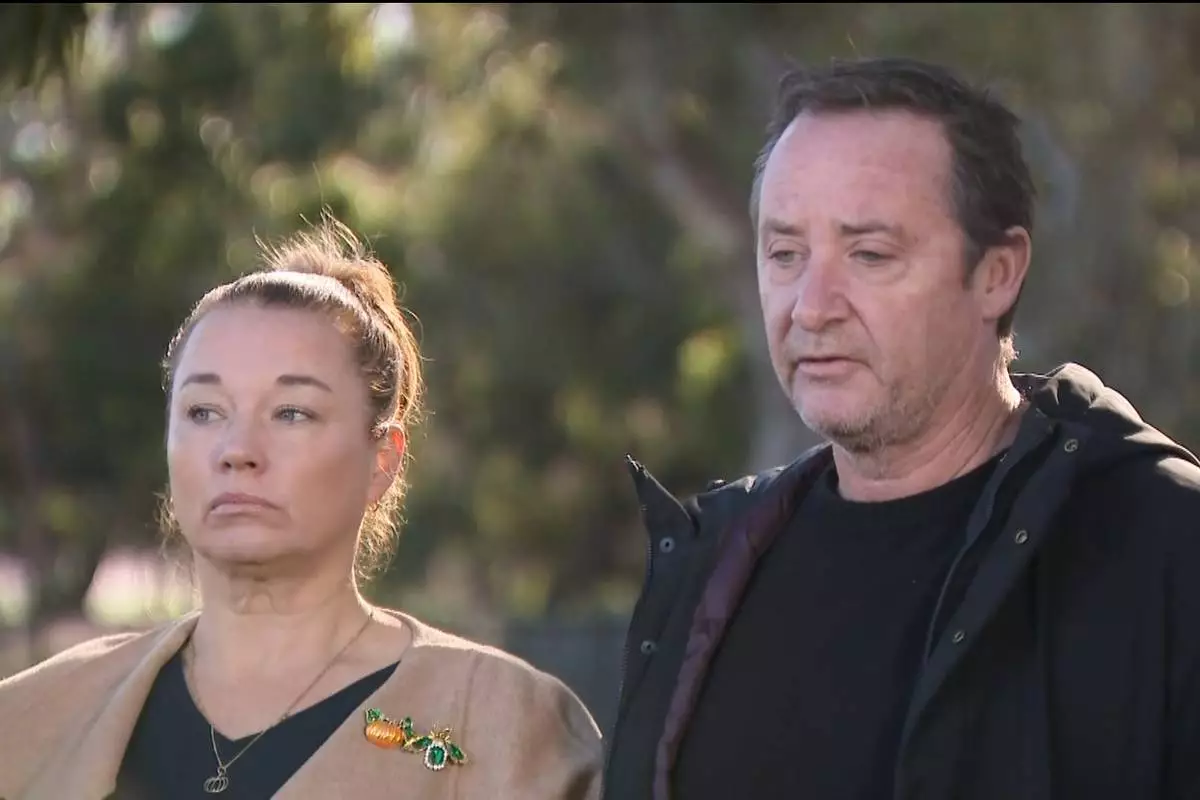
In this image made from video, Samantha Morton, left, and Shaun Bowles, the parents of Holly Morton-Bowles, speak during news conference in Melbourne, Australia, Friday, July 17, 2026. (Channel 9 via AP)

In this image made from video, Samantha Morton, left, and Shaun Bowles, the parents of Holly Morton-Bowles, speak during news conference in Melbourne, Australia, Friday, July 17, 2026. (Channel 9 via AP)

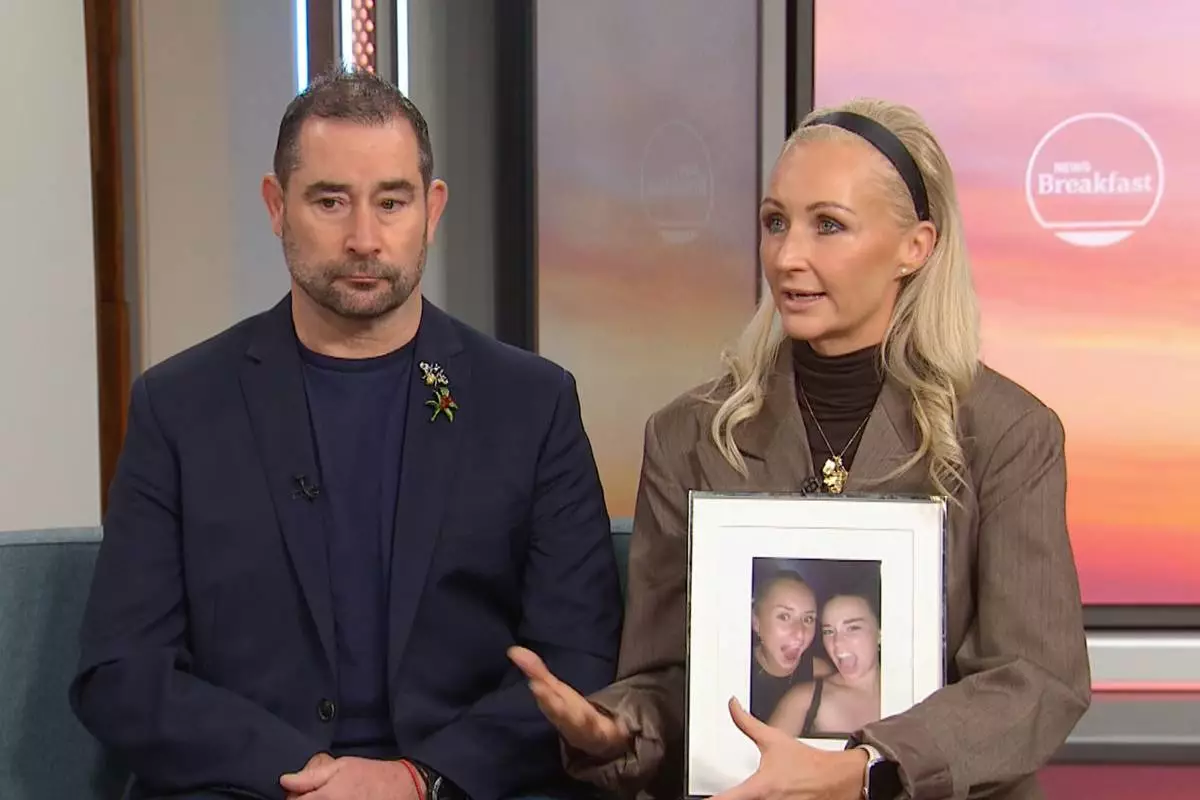
In this image made from video Michelle Jones, right, holds a photo of her daughter, Bianca, as Michelle and her husband Mark Jones appear on a news program in Melbourne, Australia, Friday, July 17, 2026. (Australian Broadcasting Corp via AP)

In this image made from video Michelle Jones, right, holds a photo of her daughter, Bianca, as Michelle and her husband Mark Jones appear on a news program in Melbourne, Australia, Friday, July 17, 2026. (Australian Broadcasting Corp via AP)

Recommended Articles