LEIPZIG, Germany (AP) — Leipzig signed French defender Maxime Estève from relegated Premier League side Burnley on Friday.
The 24-year-old Estève signed a contract to 2031 and will wear the No. 3 jersey, the Bundesliga club announced.
Kicker magazine said Leipzig was paying 25 million euros ($28.5 million) for the center back, a fee that could rise with bonuses if certain conditions are met.
“He has many of the qualities we were looking for in this position – height, athleticism, a strong left foot, confidence in possession and the ability to step out and defend proactively,” Leipzig sporting director Marcel Schäfer said. “Maxime is positive in the way he plays, a tough tackler, vocal and brings a huge amount of energy to the pitch. He is also a natural leader.”
Estève is the first direct signing for the energy-drink manufacturer-backed club since Martin Demichelis was appointed coach as the fired Ole Werner ’s replacement.
Midfielder Brajan Gruda is staying with Leipzig for another season on loan from Brighton with the option of making the move permanent for a reported fee of 30 million euros ($34 million).
Leipzig had already announced the signing of midfielder Rocco Reitz from Bundesliga rival Borussia Mönchengladbach in March.
Ivory Coast teenager Yan Diomande said last month he expects to leave Leipzig, with Paris Saint-Germain reportedly his most likely destination.
Schäfer has said the 19-year-old Diomande will play next season at Leipzig.
AP soccer: https://apnews.com/hub/soccer

FILE - Burnley's Maxime Esteve gives a thumbs up during the English Premier League soccer match between Crystal Palace and Burnley, in London, Feb. 11, 2026. (AP Photo/Dave Shopland, File)
THE HAGUE, Netherlands (AP) — Dutch officials are preparing for the United States to impose a tough new round of sanctions on the International Criminal Court as it seeks to dismantle the global tribunal over what the Trump administration sees as overstepping its authority.
Officials in the court's host country, the Netherlands, have been notified that the sanctions are imminent and are looking at ways to help the tribunal keep operating, including paying staff, protecting witnesses and maintaining the detention facility, diplomatic and government officials with knowledge of the briefings told The Associated Press. They spoke on condition of anonymity because they were not authorized to speak publicly.
Washington has already sanctioned more than a dozen current and former staff members, including half of the court’s sitting judges, in what U.S. Secretary of State Marco Rubio has described as a “sweeping campaign to dismantle the threat posed by the International Criminal Court.”
The U.S. and Israel have strongly objected to the court's arrest warrants for top Israeli officials, including Prime Minister Benjamin Netanyahu, over the war in Gaza. The U.S. also has opposed investigations into its military actions in Afghanistan.
Like Russia, China, India and Israel, the United States is among countries that have never joined the panel, with Washington citing fears of politically motivated prosecutions of its military. The court currently has 125 member states.
The sanctions could prevent the court from accessing financial and IT services, and even paying its U.S. employees. When the court’s former chief prosecutor was sanctioned in 2025, he lost access to his Microsoft email, his bank accounts were frozen and he was barred from entering the United States.
According to two sources familiar with the situation, U.S. officials warned their Dutch counterparts that sanctions would be levied as early as Monday and encouraged the court’s host state to withdraw from the institution.
The ICC was established in The Hague in 2002 as the court of last resort to prosecute individuals responsible for the world’s most heinous atrocities: war crimes, crimes against humanity, genocide and the crime of aggression. It takes on cases when nations are unable or unwilling to prosecute crimes on their territory.
U.S. officials did not immediately reply to a request for comment. “The Trump Administration has been clear: the International Criminal Court is a corrupt and fatally politicized supranational court that has maliciously abused its authority and exceeded its mandate,” Secretary of State Marco Rubio said in a statement when announcing sanctions on the court president last month. “We will not tolerate its assault on state sovereignty.”
The ICC has been preparing for months for the possibility of sanctions. Earlier this year, the court migrated off Microsoft products onto a German software provider, according to three ICC staff members who were not authorized to speak on the record. The tribunal has also changed insurance and other financial providers to companies without a footprint in the United States, they said.
Dutch and court officials are hoping for a six-month grace period before the sanctions come into effect, arguing that the institution needs time to sever itself from American companies, which could face huge financial penalties if they are found to be in violation.
Beyond migrating to European-based alternatives, the Netherlands and the European Union have few options to protect the institution.
The EU “blocking statute” can be used to protect European court staff by preventing European companies from complying with the U.S. measures, though it’s unclear whether the statute would shield the ICC itself, because it’s an international body, not a European one. EU citizens are entitled to a basic bank account, but that doesn’t provide access to credit cards or U.S. payment facilities.
A small but growing number of the global tribunal’s member states have announced plans to leave the institution in recent months, including Venezuela and Chad.
Chad specifically cited the United States in its decision to withdraw. Foreign Minister Abdoulaye Sabre Fadoul said in a statement that during a phone call with a U.S. official in July, “the American side expressed its concerns regarding the functioning of this institution and requested that Chad reconsider” its membership.
Associated Press journalist Lorne Cook contributed to this report from Brussels.
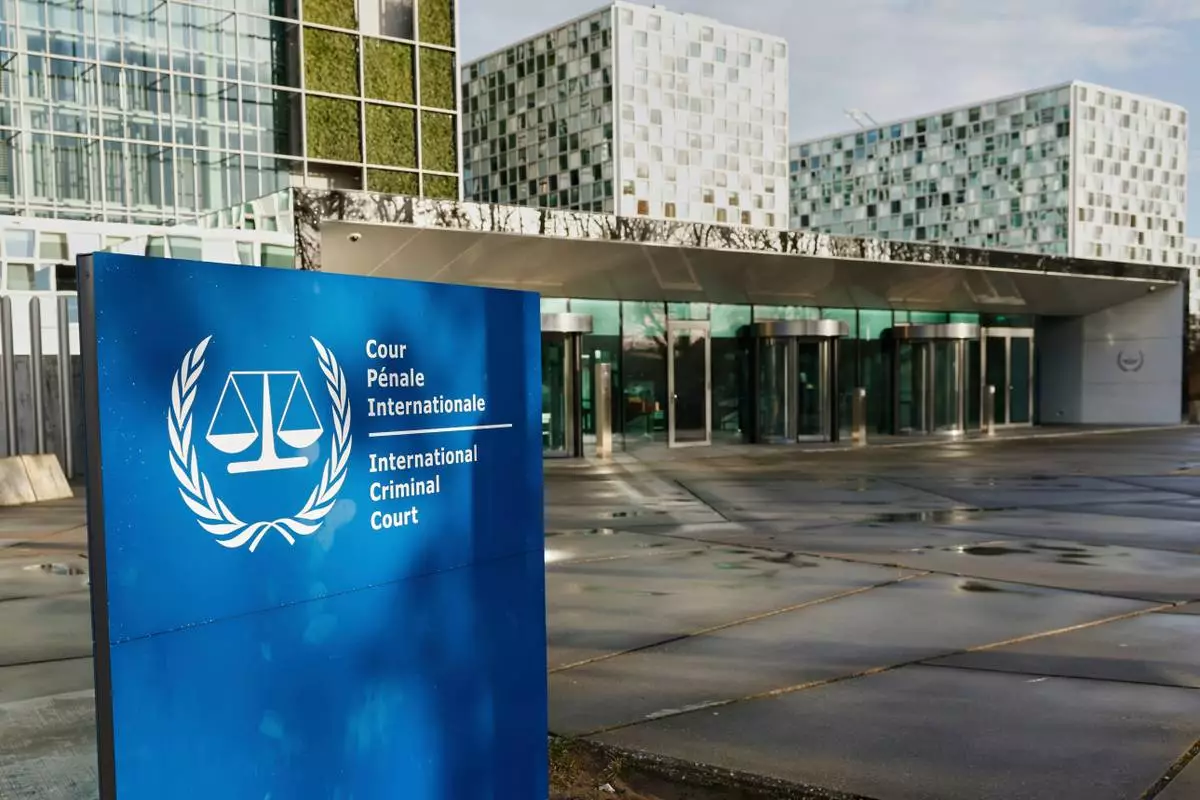
FILE - A general view of the exterior of the International Criminal Court is seen in The Hague, Netherlands, March 12, 2025. (AP Photo/Omar Havana, File)