Skip to Content Facebook Feature Image

Latin American governments prepare for El Nino as drought, floods and heat loom

News

Latin American governments prepare for El Nino as drought, floods and heat loom
News

News

Latin American governments prepare for El Nino as drought, floods and heat loom

2026-07-17 21:09 Last Updated At:21:10

BOGOTA, Colombia (AP) — Governments across Latin America are mobilizing firefighters, activating contingency plans and preparing water, energy and transportation systems as El Nino strengthens across the Pacific, raising concerns about drought, extreme heat, flooding and other climate-related disruptions in the months ahead.

The preparations come as meteorologists warn that El Nino is already underway and increasingly likely to strengthen through the remainder of the year. Unlike hurricanes or earthquakes, the climate phenomenon develops gradually over months, which gives governments time to prepare before its most severe impacts arrive.

More Images
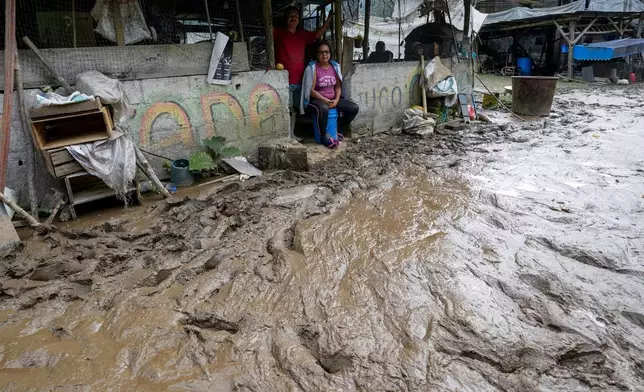
FILE - Residents sit in their houses along a road flooded by a landslide caused by heavy rains in Banos, Ecuador, June 17, 2024. (AP Photo/Dolores Ochoa, File)
FILE - Residents sit in their houses along a road flooded by a landslide caused by heavy rains in Banos, Ecuador, June 17, 2024. (AP Photo/Dolores Ochoa, File)

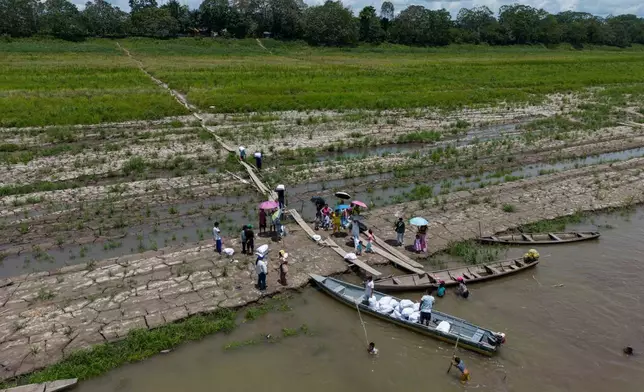
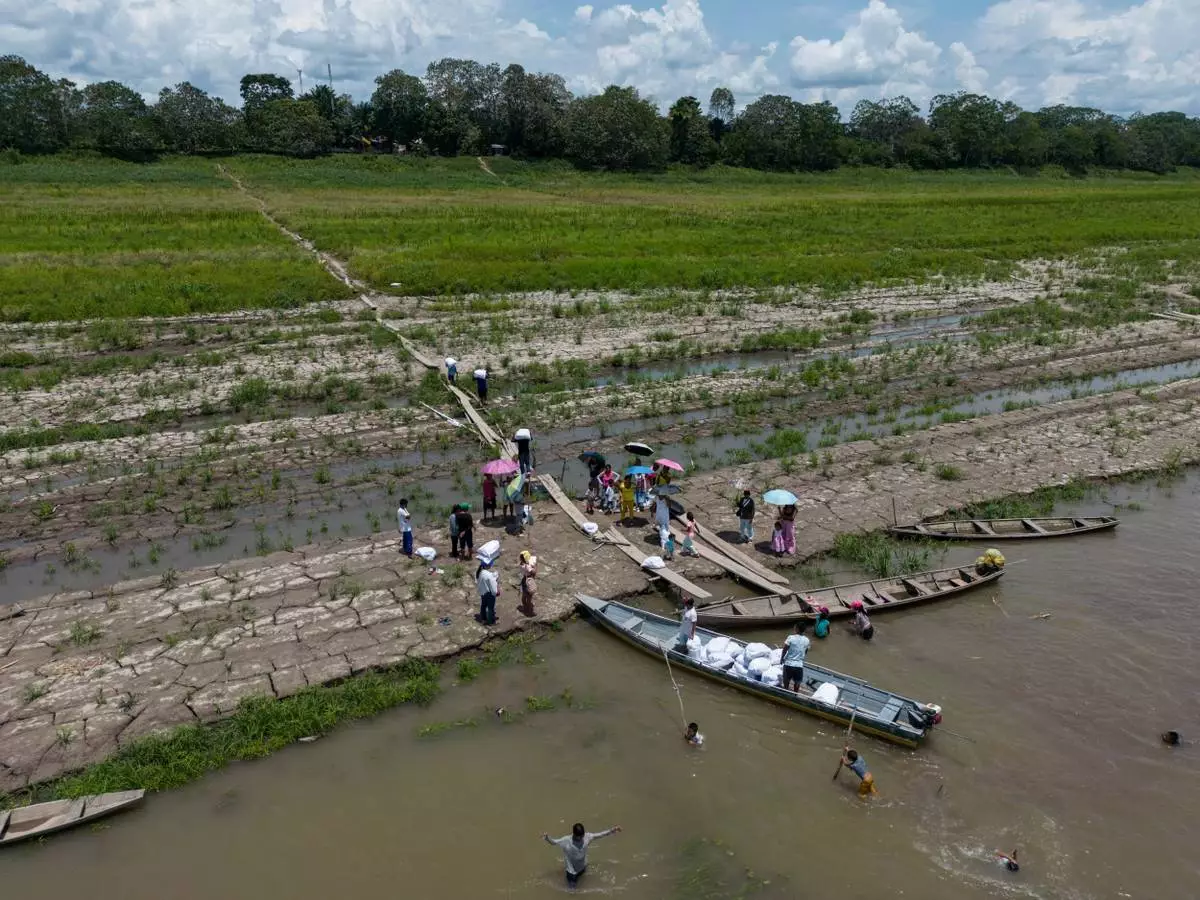
FILE - People from the Tikuna Indigenous receive aid from an NGO because of the drought along the Amazon River in Santa Sofia, on the outskirts of Leticia, Colombia, Oct. 20, 2024. (AP Photo/Ivan Valencia, File)
FILE - People from the Tikuna Indigenous receive aid from an NGO because of the drought along the Amazon River in Santa Sofia, on the outskirts of Leticia, Colombia, Oct. 20, 2024. (AP Photo/Ivan Valencia, File)

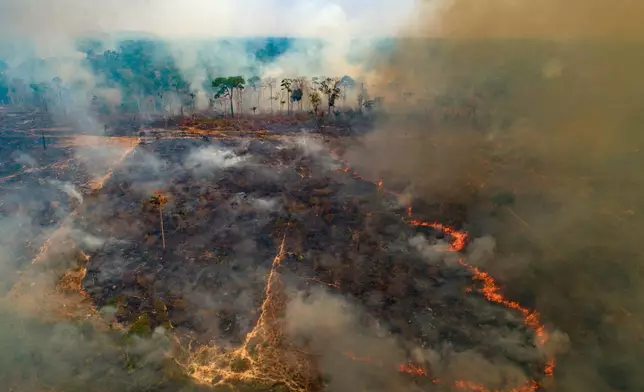
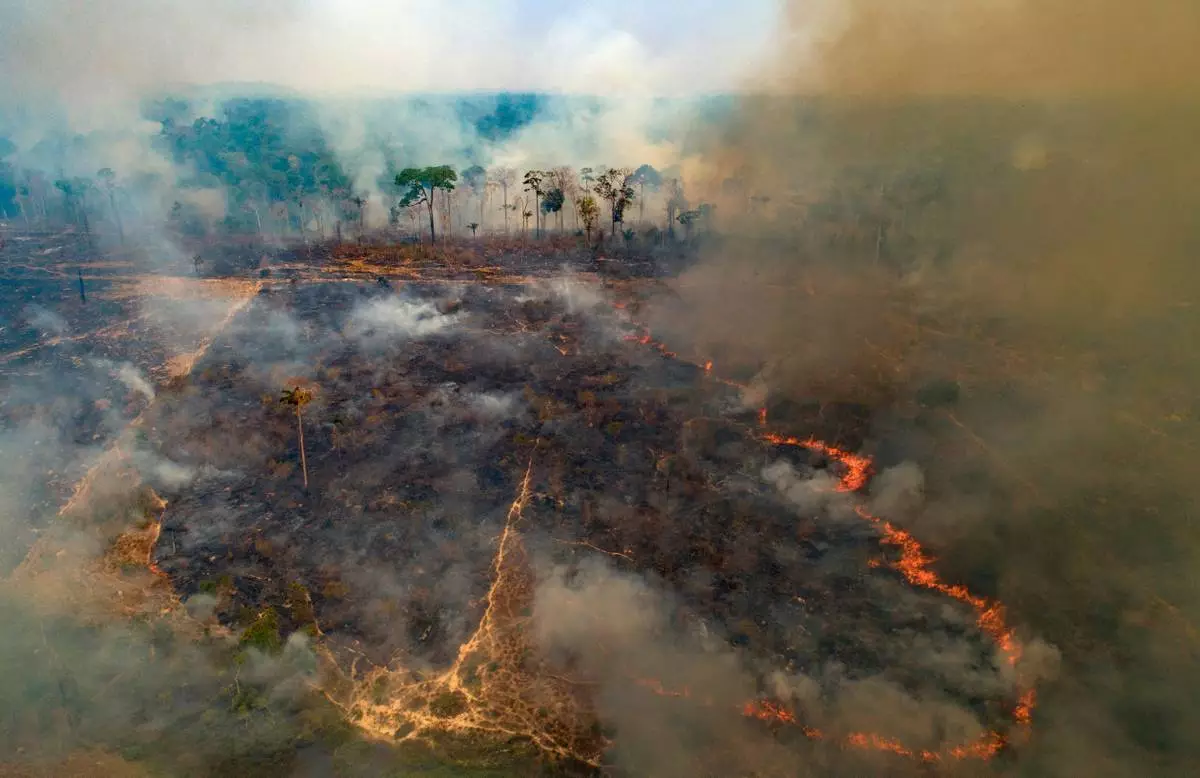
FILE - A wildfire consumes land recently deforested by cattle farmers near Novo Progresso, Para state, Brazil, Aug. 23, 2020. (AP Photo/Andre Penner, File)
FILE - A wildfire consumes land recently deforested by cattle farmers near Novo Progresso, Para state, Brazil, Aug. 23, 2020. (AP Photo/Andre Penner, File)

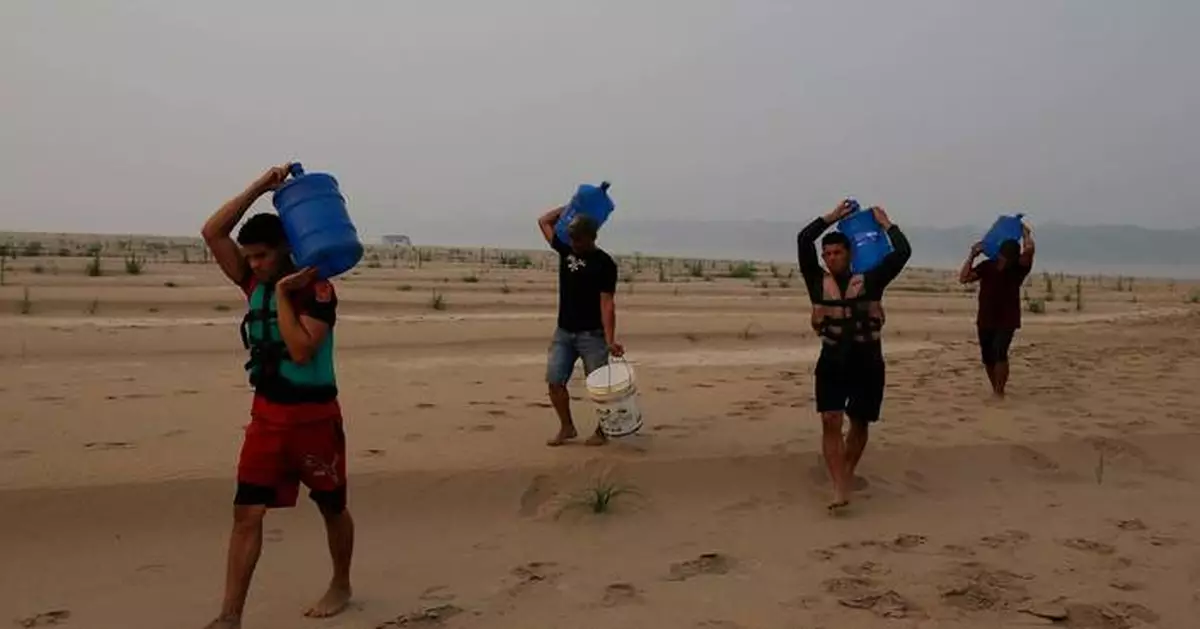
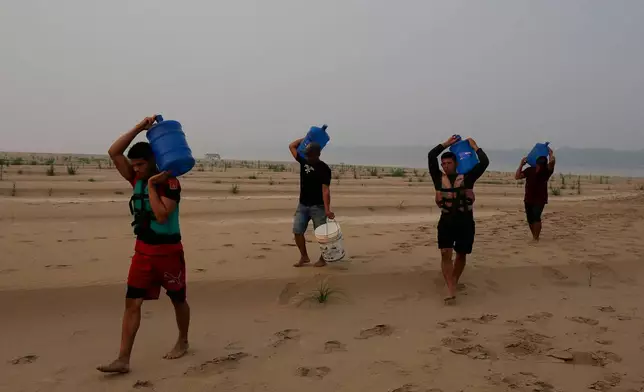
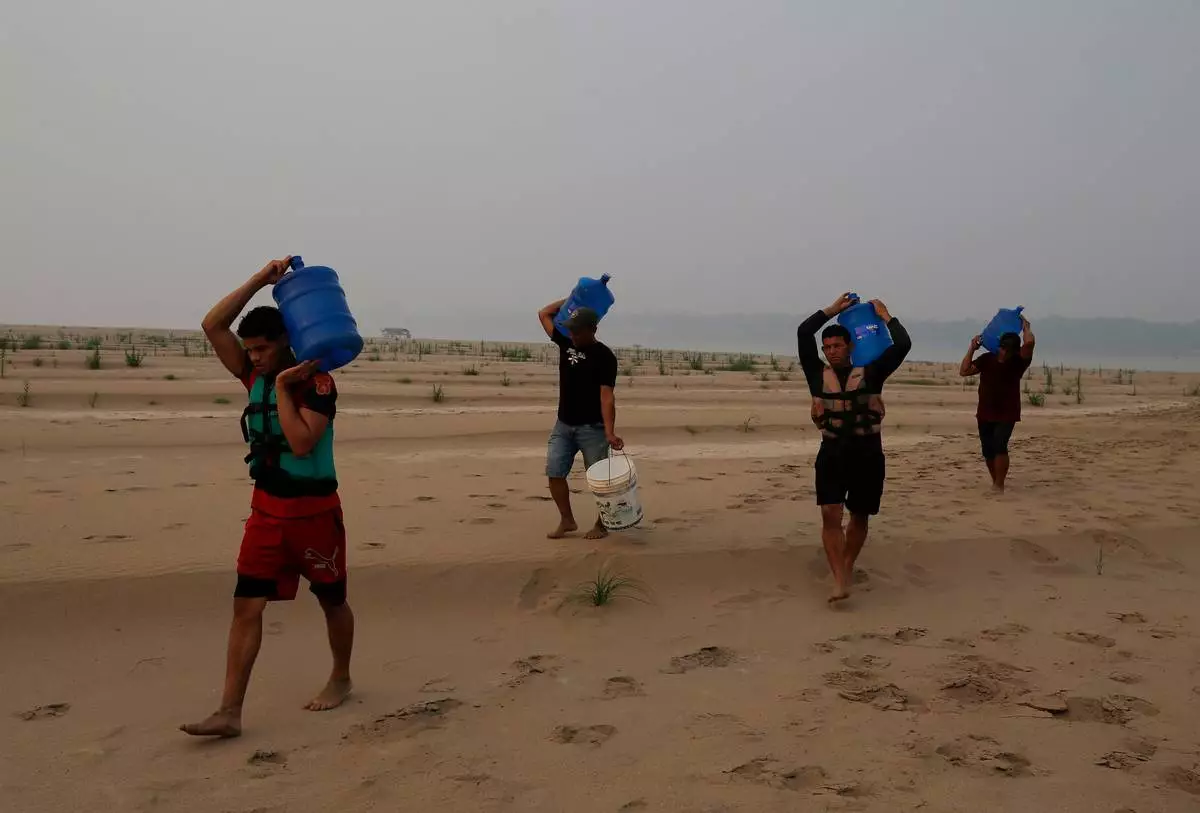
FILE - Residents transport drinking water from Humaita to the Paraizinho community, along a dry part of the Madeira River, a tributary of the Amazon River, amid a drought, Amazonas state, Brazil, Sep. 8, 2024. (AP Photo/Edmar Barros, File)

FILE - Residents transport drinking water from Humaita to the Paraizinho community, along a dry part of the Madeira River, a tributary of the Amazon River, amid a drought, Amazonas state, Brazil, Sep. 8, 2024. (AP Photo/Edmar Barros, File)

But experts say authorities across the region have often struggled to turn forecasts into action, raising questions about whether countries will be better prepared than during previous El Nino events that caused widespread economic damage and disrupted water, energy and food systems.

“Now is the time for decisions, for effective preparedness and the political consistency to really be proactive this time,” said Rodney Martinez, the World Meteorological Organization’s representative for North America, Central America and the Caribbean.

“El Nino is confirmed. El Nino is ongoing. It’s not simply a possibility,” he said.

Previous strong El Nino events have caused billions of dollars in damage across Latin America, contributing to severe drought in some regions while triggering floods and landslides in others. The phenomenon has disrupted agriculture, strained drinking water supplies, fueled wildfires and, in some countries, reduced hydroelectric power generation, leading to energy shortages.

Martinez said countries should use the months before impacts intensify to secure alternative energy sources, protect vulnerable communities and prepare for potential strain on public services.

In hydropower-dependent countries such as Ecuador, that could mean bringing thermal power generation online to offset lower reservoir levels during drier conditions and completing maintenance and procurement work well in advance. He pointed to Ecuador’s energy crisis last year, when drought depleted water levels at hydroelectric facilities and contributed to widespread power outages.

Central America, parts of the Caribbean and northern South America are already experiencing drier-than-normal conditions associated with the phenomenon, according to the WMO. Those conditions are expected to expand into parts of the Amazon basin, raising concerns about water availability, agriculture and wildfire risk.

The threats vary considerably across the region.

In Brazil, Colombia and parts of Central America, authorities are focused on drought, water shortages and wildfire risk. Brazil has hired more than 4,600 federal personnel for wildfire prevention and response, expanded firefighting brigades and deployed aircraft ahead of what officials fear could be a difficult fire season. Colombia has activated water-monitoring systems, strengthened wildfire preparedness and urged local authorities to prepare for potential shortages.

Elsewhere, governments are preparing for flooding. Ecuador, where strong El Nino events have historically brought damaging rains to the Pacific coast, has ordered local governments to develop contingency plans and allocated millions of dollars for flood mitigation, emergency response and agricultural recovery. Local authorities have begun clearing drainage channels, stabilizing hillsides and preparing emergency shelters.

Costa Rica says it has launched more than 200 measures under a national contingency plan, including efforts to protect water supplies, expand renewable energy generation and prepare for a potentially severe wildfire season. In Peru, authorities have strengthened monitoring and early-warning systems while expanding meteorological observation networks.

Panamanian authorities have developed plans to address potential impacts on operations at the Panama Canal, where lower rainfall can affect water availability needed to maintain shipping traffic through one of the world’s most important trade routes.

The WMO official warned that drought and heat could threaten food security across parts of Central America’s Dry Corridor while increasing wildfire risks in several countries. In areas expected to receive excessive rainfall, flooding can damage infrastructure, contaminate water supplies and increase the risk of disease outbreaks.

Colombia's environment minister, Irene Vélez, told The Associated Press that El Nino is not new, but “what is new is its intensity. And because of that intensity, what is also new is how long it could last and the area it could affect.”

Despite the advance warning, Martinez said preparations remain uneven across the region.

“The reality is that this preparation doesn’t happen until they have the emergency,” he said.

Martinez said some authorities continue to delay decisions despite increasingly strong forecasts, either waiting for additional confirmation or assuming their countries will avoid the worst impacts. He warned that postponing decisions despite increasingly strong scientific evidence could leave governments scrambling to respond once droughts, floods and heat waves intensify.

Recent studies examining previous major El Nino events found their economic impacts can linger for years and ultimately cost the global economy trillions of dollars.

His message to governments still waiting to act was simple.

“Be prepared in advance, in a serious way,” Martinez said. "“The information is there. Now is the time for decisions.”

Vélez said the challenge extends beyond responding to a single climate event and requires governments to adapt to increasingly extreme conditions.

“Climate change is here to stay,” she said.

The Associated Press’ climate and environmental coverage receives financial support from multiple private foundations. AP is solely responsible for all content. Find AP’s standards for working with philanthropies, a list of supporters and funded coverage areas at AP.org.
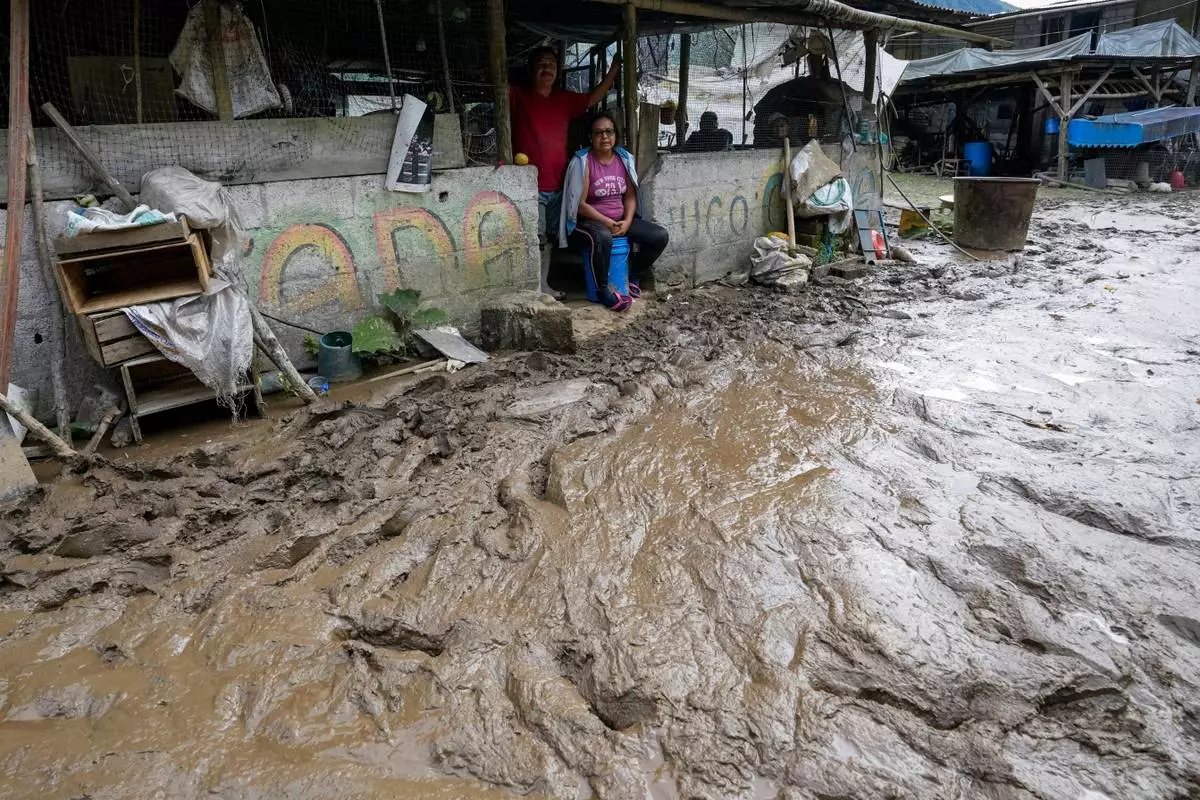
FILE - Residents sit in their houses along a road flooded by a landslide caused by heavy rains in Banos, Ecuador, June 17, 2024. (AP Photo/Dolores Ochoa, File)
FILE - Residents sit in their houses along a road flooded by a landslide caused by heavy rains in Banos, Ecuador, June 17, 2024. (AP Photo/Dolores Ochoa, File)

FILE - People from the Tikuna Indigenous receive aid from an NGO because of the drought along the Amazon River in Santa Sofia, on the outskirts of Leticia, Colombia, Oct. 20, 2024. (AP Photo/Ivan Valencia, File)
FILE - People from the Tikuna Indigenous receive aid from an NGO because of the drought along the Amazon River in Santa Sofia, on the outskirts of Leticia, Colombia, Oct. 20, 2024. (AP Photo/Ivan Valencia, File)

FILE - A wildfire consumes land recently deforested by cattle farmers near Novo Progresso, Para state, Brazil, Aug. 23, 2020. (AP Photo/Andre Penner, File)
FILE - A wildfire consumes land recently deforested by cattle farmers near Novo Progresso, Para state, Brazil, Aug. 23, 2020. (AP Photo/Andre Penner, File)

FILE - Residents transport drinking water from Humaita to the Paraizinho community, along a dry part of the Madeira River, a tributary of the Amazon River, amid a drought, Amazonas state, Brazil, Sep. 8, 2024. (AP Photo/Edmar Barros, File)

FILE - Residents transport drinking water from Humaita to the Paraizinho community, along a dry part of the Madeira River, a tributary of the Amazon River, amid a drought, Amazonas state, Brazil, Sep. 8, 2024. (AP Photo/Edmar Barros, File)
ANGRA DOS REIS, Brazil (AP) — A fishing community in Brazil’s southeastern Ilha Grande bay once saw the blacktip sharks navigating the sparkling, emerald green water as potential food.

That perception has shifted, at least in part thanks to scientists who discovered that a nearby cove is frequented by dozens of pregnant blacktip sharks, prompting efforts to protect the area.

Recent studies describe Brazil as the largest consumer of shark meat. Yet sharks are among the most threatened group of vertebrates on Earth, with more than one-third of species at risk of extinction due to overfishing, habitat degradation and climate change, according to the International Union for Conservation of Nature (IUCN).

Brazil’s coastline harbors a large diversity of shark species and includes critical habitats for many threatened populations, making their protection an important part of global ocean conservation.

Key to those efforts is the identification of nurseries such as the one in Piraquara de Fora cove, according to experts who are part of the Brazilian Institute for Nature Conservation's Sharks of Ilha Grande Bay project.

“We used to fish and eat them,” said Marlene Fernanda do Nascimento Martins, a 35-year-old community leader. Conservationists “explained that we shouldn’t do that anymore because of the animals themselves and the need to protect them.”

Sharks reproduce slowly, with fewer offspring than many bony fishes, which increases their vulnerability.

“Breeding areas are fundamental to ensuring the species survives throughout this Atlantic ecoregion,” said Leonardo Mitrano Neves, who heads the scientific branch of the project.

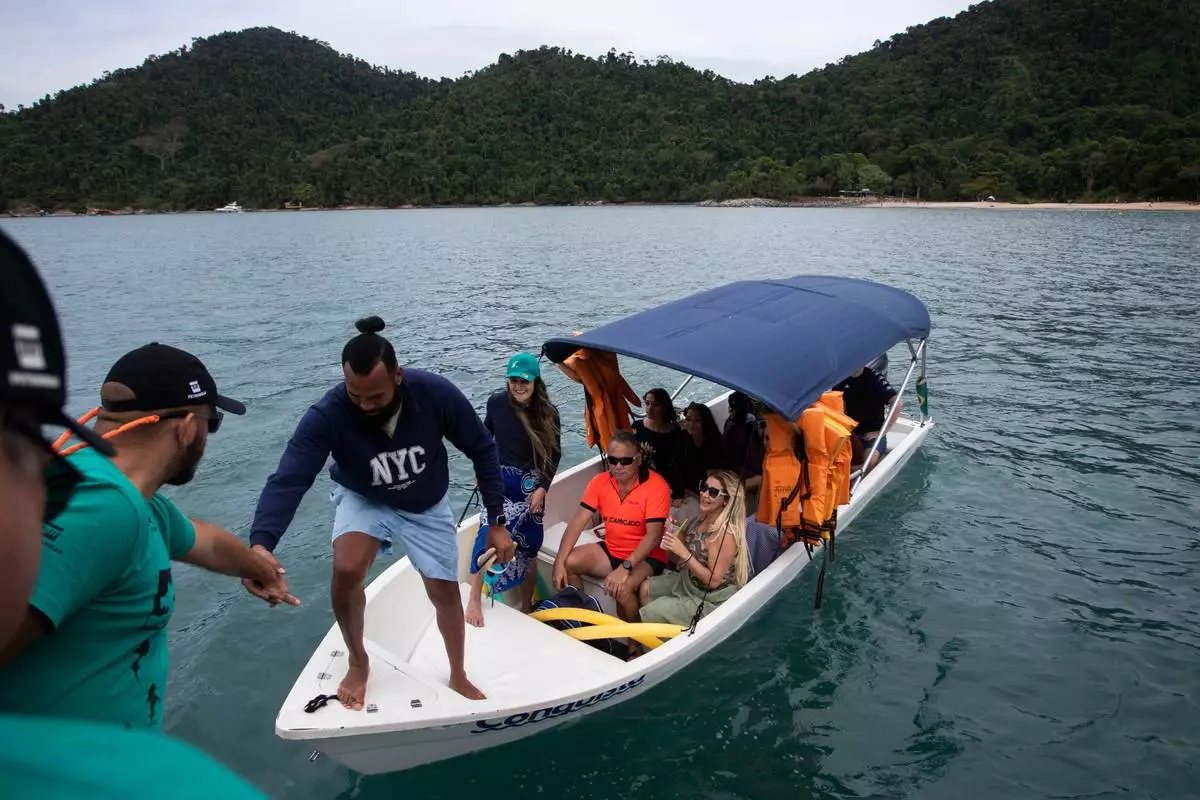
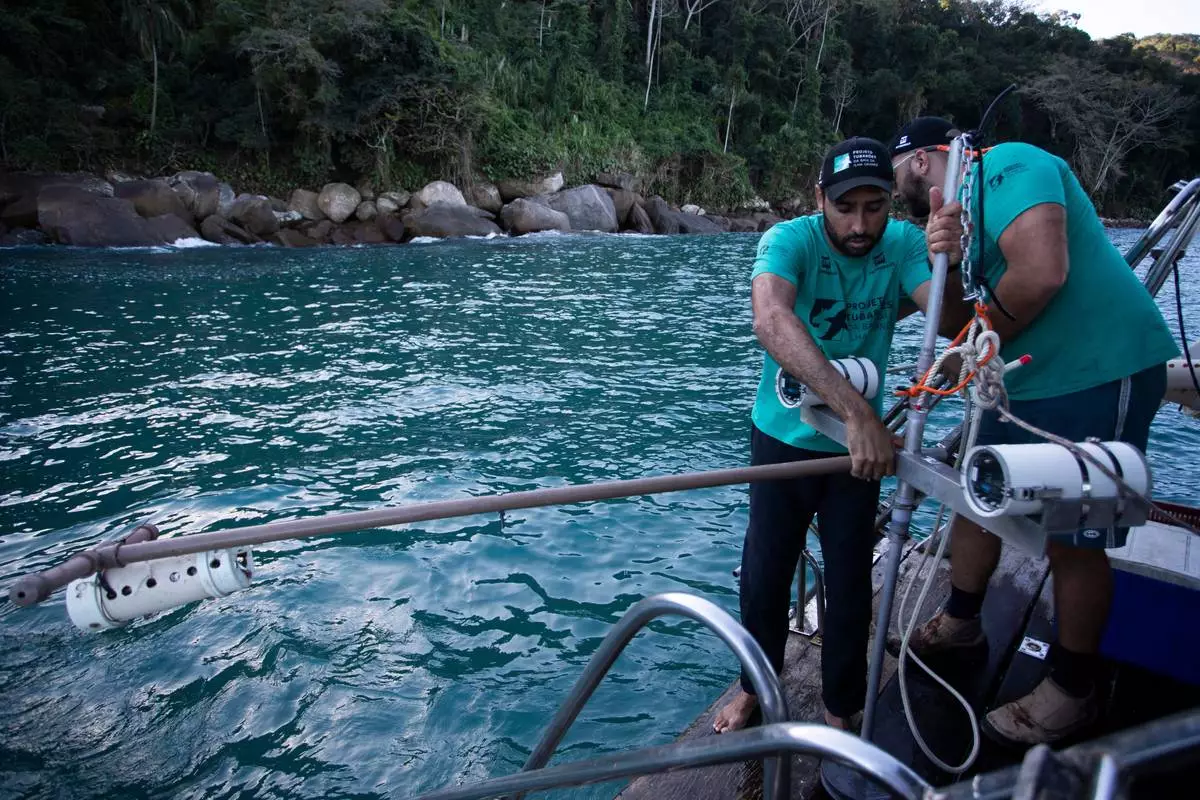
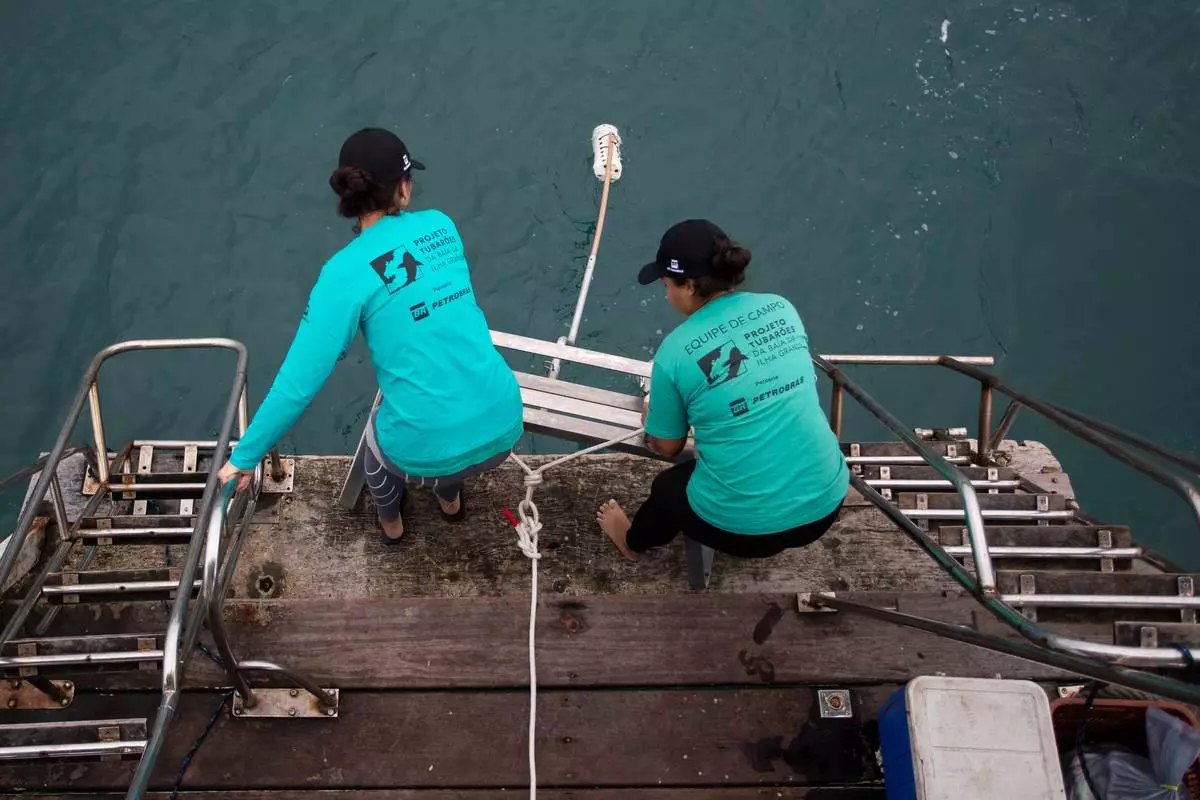
On a recent weekday, Mitrano Neves and his team lowered monitoring equipment loaded with cameras into different parts of the cove, leaving them submerged for an hour alongside bait to attract the sharks.

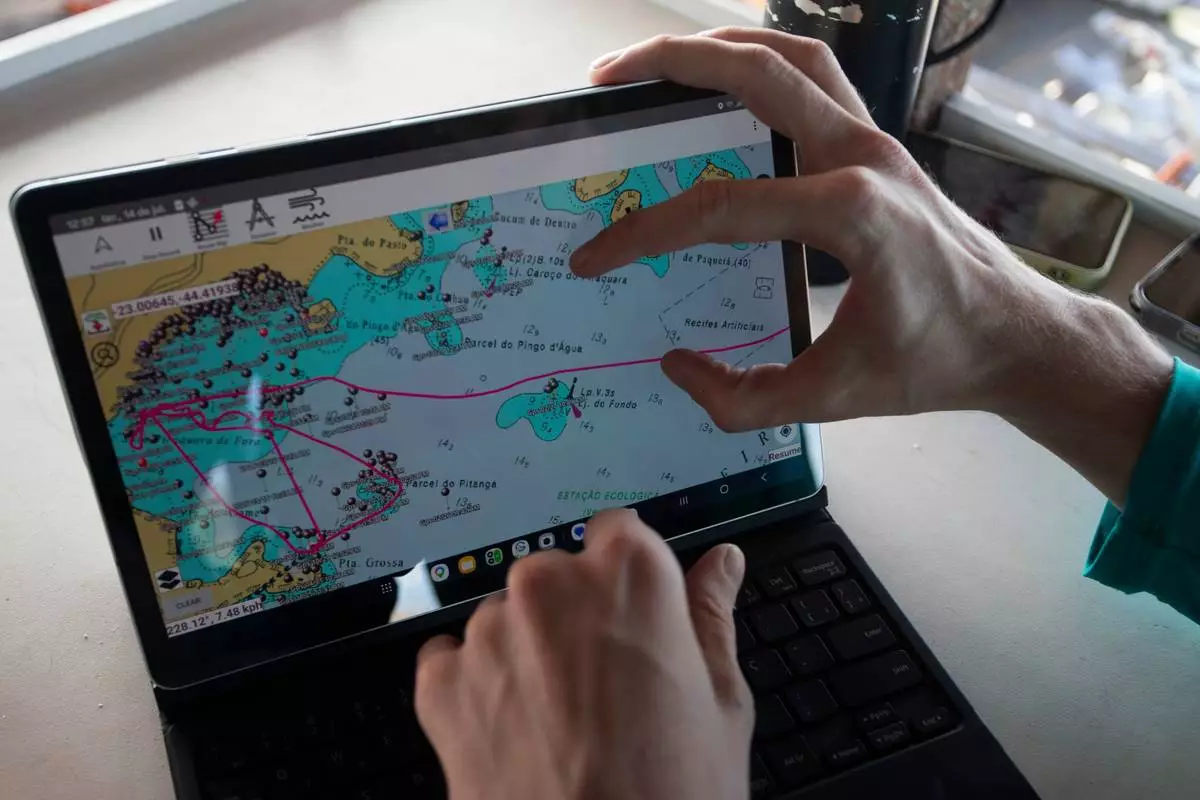
That footage and drone images will later be analyzed in a laboratory, producing data that will be used to advocate for greater conservation efforts.

While blacktip sharks are most common in the region, the project also focuses on sand tiger sharks and hammerhead sharks.

The scheme also aims to start environmental education activities in schools so that sharks will come to be seen as part of the region’s natural heritage.

Communication materials highlight that the sharks do not represent a threat to humans and that there are no known shark incidents in the region.

Brazil prohibits targeted shark fishing, but nonprotected sharks may still be landed when caught incidentally as bycatch, whereas threatened species are protected from capture and commercialization and must be released if caught.

Identification can be imprecise, with shark meat often sold under the generic term “cação.”

José Truda Palazzo, the coordinator of the project in Ilha Grande bay, said their work to discourage local communities from eating shark meat is starting to have an impact.

During meetings with nearby populations, representatives of the project talked about the importance of the sharks for the ocean’s ecosystem and the health risks associated with eating shark meat, he said.

Research indicates that, as apex predators, sharks accumulate high levels of heavy metals — including arsenic, mercury and lead — in their blood and tissues. A 2024 study also found that some Brazilian sharpnose sharks tested positive for cocaine.

“We hope that more and more people come to understand that cação is shark, and shark meat is toxic, in addition to the fact that sharks are endangered animals,” said Palazzo.

As long as the sky and water are clear, local residents sometimes spot the sharks from the low-level, forest-covered mountains, above the sand-colored rocks that meet the ocean.

In time, observation of the sharks — on land, from boats and even underwater — could develop into an additional source of income thanks to ecotourism, Palazzo said.

Nascimento Martins fishes and sells ice on the beach to supplement her monthly income, which supports her and her three children. She said ecotourism would offer a big assist to the area.

“We’re a remote community with very limited resources. So anything that comes along that can help us preserve our village is a good thing,” she said.

Reinaldo Dias da Rocha, who is from the same community, said his father had already encouraged him not to hunt sharks, but the project had reinforced the importance of preserving the animals.

“We pass the information on to our nephews, to tourists who come to discover this place and enjoy our beautiful beaches, and further labor the point that what we call cação isn't to be eaten.”

Follow AP’s coverage of Latin America and the Caribbean at https://apnews.com/hub/latin-america

Researchers Beatriz da Costa e Castro, left, and Thaissa Albuquerque Ribeiro Augusto deploy a Baited Remote Underwater Video System as part of a shark project in Ilha Grande bay, Angra dos Reis, Rio de Janeiro state, Brazil, July 14, 2026. (AP Photo/Bruna Prado)

Researchers Beatriz da Costa e Castro, left, and Thaissa Albuquerque Ribeiro Augusto deploy a Baited Remote Underwater Video System as part of a shark project in Ilha Grande bay, Angra dos Reis, Rio de Janeiro state, Brazil, July 14, 2026. (AP Photo/Bruna Prado)

A researcher displays a tablet with a mapping system used to identify research sites for a shark project in Ilha Grande Bay, Angra dos Reis, Rio de Janeiro state, Brazil, July 14, 2026. (AP Photo/Bruna Prado)

A researcher displays a tablet with a mapping system used to identify research sites for a shark project in Ilha Grande Bay, Angra dos Reis, Rio de Janeiro state, Brazil, July 14, 2026. (AP Photo/Bruna Prado)

Fisherman Reinaldo Dias da Rocha boards a boat used by a shark protection project at Ilha Grande Bay, Angra dos Reis, Rio de Janeiro state, Brazil, July 14, 2026. (AP Photo/Bruna Prado)

Fisherman Reinaldo Dias da Rocha boards a boat used by a shark protection project at Ilha Grande Bay, Angra dos Reis, Rio de Janeiro state, Brazil, July 14, 2026. (AP Photo/Bruna Prado)

cientific coordinator Leonardo Mitrano Neves reviews footage recorded by a Baited Remote Underwater Video System during monitoring for a shark project in Ilha Grande Bay, Angra dos Reis, Rio de Janeiro state, Brazil, July 14, 2026. (AP Photo/Bruna Prado)

cientific coordinator Leonardo Mitrano Neves reviews footage recorded by a Baited Remote Underwater Video System during monitoring for a shark project in Ilha Grande Bay, Angra dos Reis, Rio de Janeiro state, Brazil, July 14, 2026. (AP Photo/Bruna Prado)

Scientific coordinator Leonardo Mitrano Neves, left, and field and logistics coordinator Daniel Shimada Brotto retrieve a Baited Remote Underwater Video System during monitoring as part of a shark project in Ilha Grande Bay, Angra dos Reis, Rio de Janeiro state, Brazil, July 14, 2026. (AP Photo/Bruna Prado)

Scientific coordinator Leonardo Mitrano Neves, left, and field and logistics coordinator Daniel Shimada Brotto retrieve a Baited Remote Underwater Video System during monitoring as part of a shark project in Ilha Grande Bay, Angra dos Reis, Rio de Janeiro state, Brazil, July 14, 2026. (AP Photo/Bruna Prado)

Recommended Articles