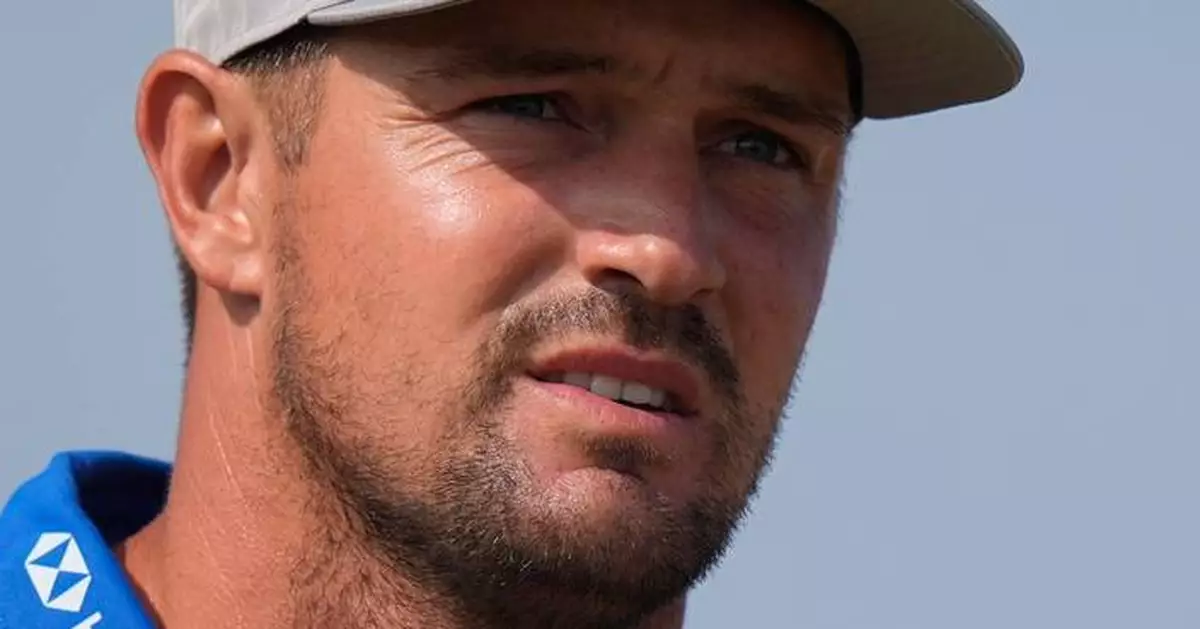
SOUTHPORT, England (AP) — Bryson DeChambeau was given a two-shot penalty after his second round at the British Open on Friday that dropped the American star out of the final group and raised doubts about whether he shows up on the weekend at Royal Birkdale.
In a dramatic late-evening development after a 4-under 66, DeChambeau was taken back out to the fifth hole for a rules review. Footage taken during his round showed him stomping around in high grass to the right of the fairway trying to figure out his shot 72 yards out from the hole.
Click to Gallery
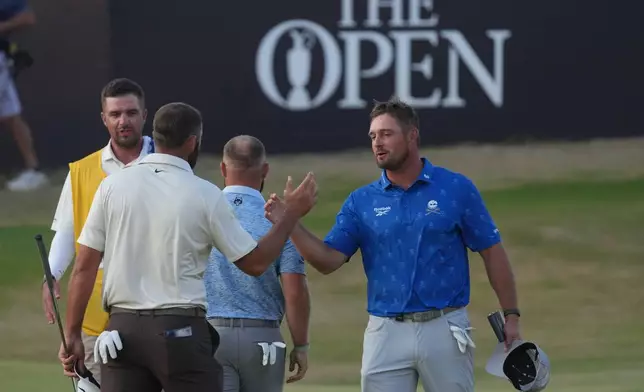
Bryson DeChambeau of the United States, right shakes hands with Scottie Scheffler of the United States after they completed their second rounds on the 18th green during the second day of the British Open Golf championships at Royal Birkdale golf club, in Southport, England, Friday, July 17, 2026. (AP Photo/Jon Super)
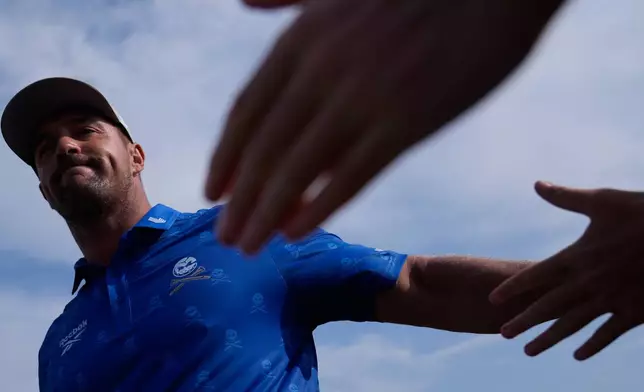
Bryson DeChambeau of the United States taps hands with spectators as he walks to the 9th tee during the second day of the British Open Golf championships at Royal Birkdale golf club, in Southport, England, Friday, July 17, 2026. (AP Photo/David Goldman)
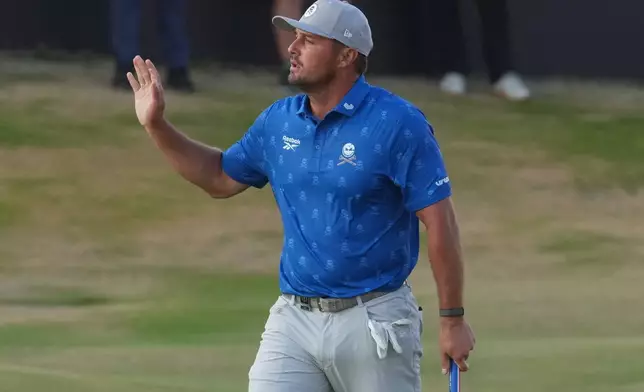
Bryson DeChambeau of the United States acknowledges the crowd after making a birdie putt to conclude his second round on the 18th green during the second day of the British Open Golf championships at Royal Birkdale golf club, in Southport, England, Friday, July 17, 2026. (AP Photo/Jon Super)
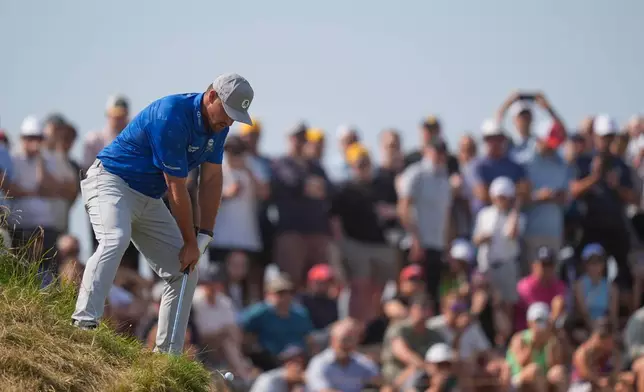
Bryson DeChambeau of the United States plays from an awkward lie to the 5th green during the second day of the British Open Golf championships at Royal Birkdale golf club, in Southport, England, Friday, July 17, 2026. (AP Photo/David Goldman)
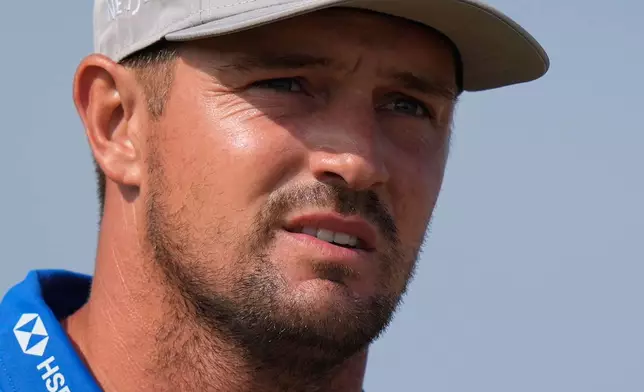
Bryson DeChambeau of the United States walks off the 9th tee during the second day of the British Open Golf championships at Royal Birkdale golf club, in Southport, England, Friday, July 17, 2026. (AP Photo/David Goldman)
DeChambeau was seen in a lengthy, heated exchange with rules officials — at one point, he waved his arms and pointed in clear frustration — before being driven back to the scoring tent, where he was followed by officials including R&A chief executive Mark Darbon.
The verdict then came in: DeChambeau was deemed to have inadvertently improved the area of his intended swing by tamping down a section of grass behind the ball that might have affected his backswing on the shot.
His bogey 5 on the No. 5 was turned into a triple-bogey 7 and the two-shot penalty turned his score to a 68, leaving him three shots behind, tied for fifth place.
DeChambeau left for the range, saying only, “Are you guys having a good night?” as he walked past dozens of reporters, and stopped to sign an autograph before hitting balls in twilight.
His agent, Brett Falkoff, was asked if the two-time U.S. Open champion would play Saturday and he replied: “We’ll see.”
It is proving an action-packed trip to Royal Birkdale for DeChambeau, who was accused by Nick Faldo of having “zero clue of strategy” when the three-time Open champion spoke on the Sky Sports Golf podcast ahead of the tournament.
After shooting 67 in the first round, DeChambeau skipped media, though later agreed to take a few questions from the R&A.
His answers were pointed. “I feel like I did a really good job today of being incredibly strategic," he said, before later adding: "I feel like my strategy was nice today.”
DeChambeau — one of the most high-profile players in golf — left the PGA Tour for LIV Golf in 2022 and still plays on the breakaway circuit, while continuing to produce videos on his YouTube channel that has 2.77 million subscribers.
He draws attention more than pretty much any golfer, as Friday proved.
At issue for DeChambeau was whether he violated Rule 8 that governs the intended swing.
“An improvement means to alter one or more of the conditions affecting the stroke so that the player gains a potential advantage for the stroke," Grant Moir, the R&A's executive director for governance, told reporters.
“The player," Moir continued, “must take the least intrusive course of action to deal with the particular situation and is not entitled to a normal stance or swing.”
Moir said this applied “even when the action is accidental, as it was in Bryson’s case.”
AP golf: https://apnews.com/hub/golf
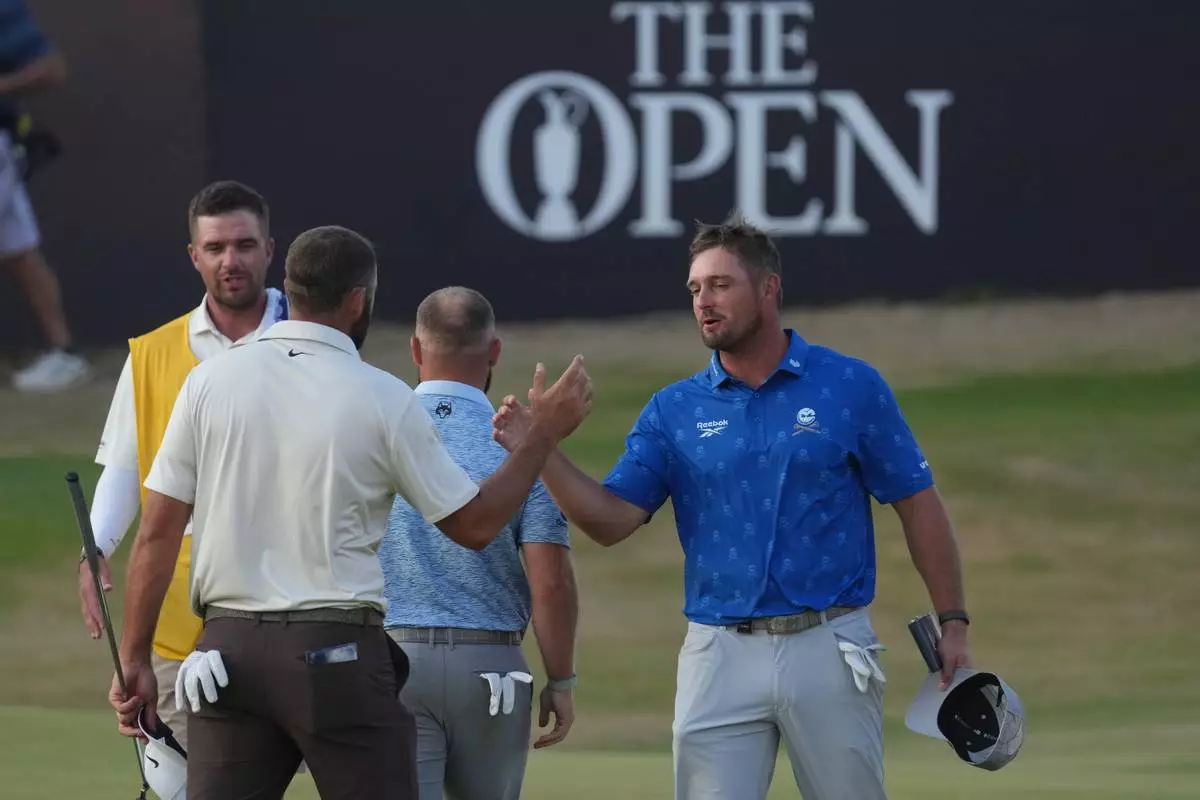
Bryson DeChambeau of the United States, right shakes hands with Scottie Scheffler of the United States after they completed their second rounds on the 18th green during the second day of the British Open Golf championships at Royal Birkdale golf club, in Southport, England, Friday, July 17, 2026. (AP Photo/Jon Super)
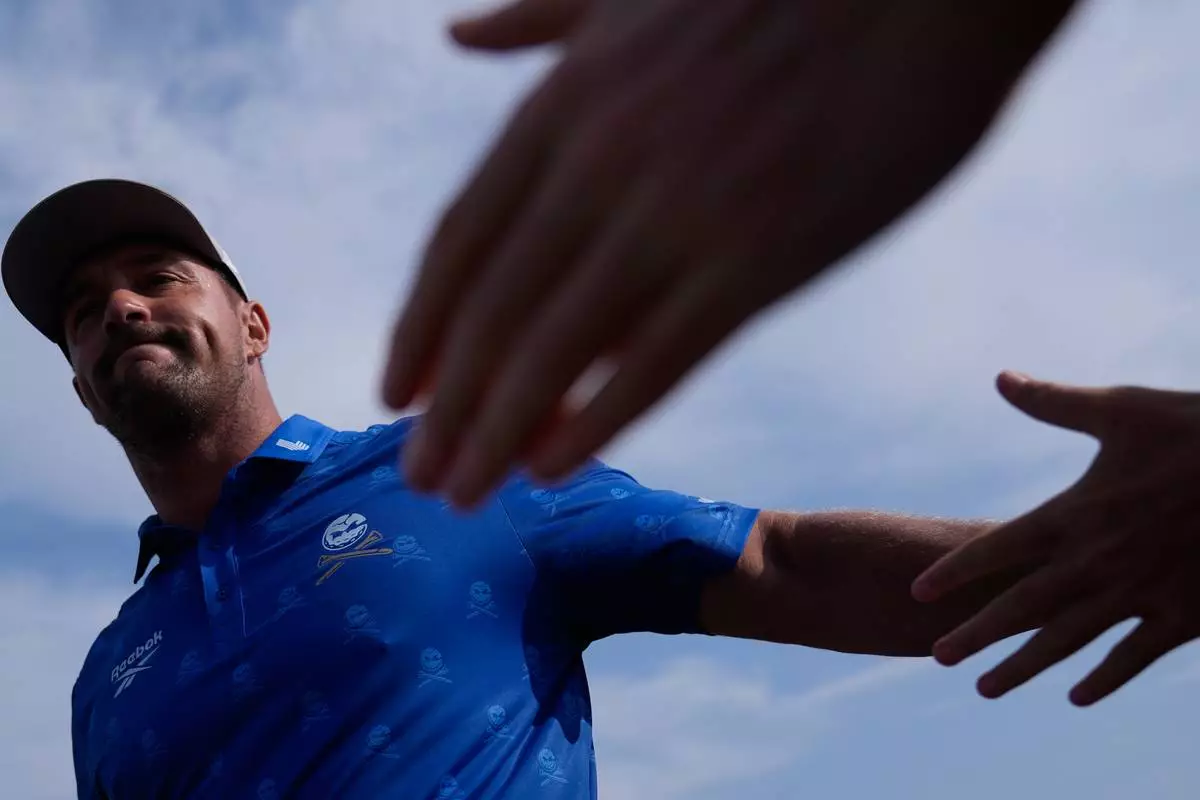
Bryson DeChambeau of the United States taps hands with spectators as he walks to the 9th tee during the second day of the British Open Golf championships at Royal Birkdale golf club, in Southport, England, Friday, July 17, 2026. (AP Photo/David Goldman)
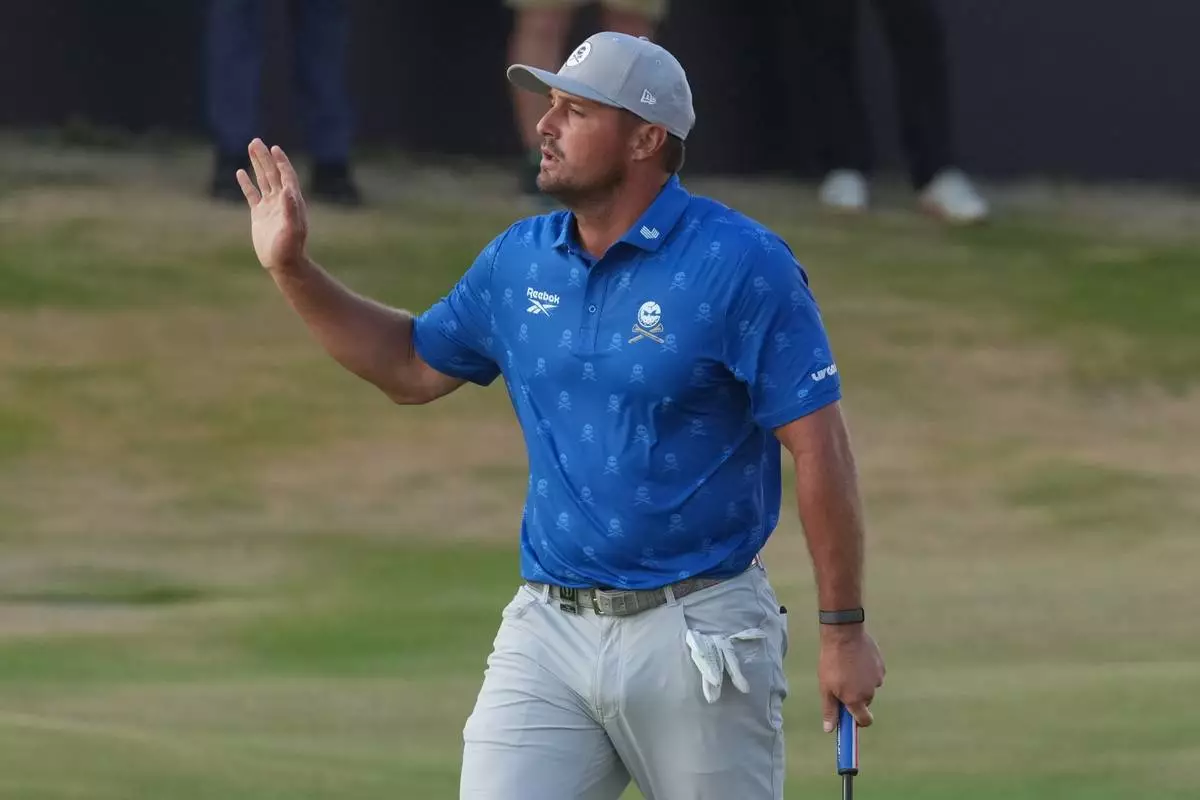
Bryson DeChambeau of the United States acknowledges the crowd after making a birdie putt to conclude his second round on the 18th green during the second day of the British Open Golf championships at Royal Birkdale golf club, in Southport, England, Friday, July 17, 2026. (AP Photo/Jon Super)
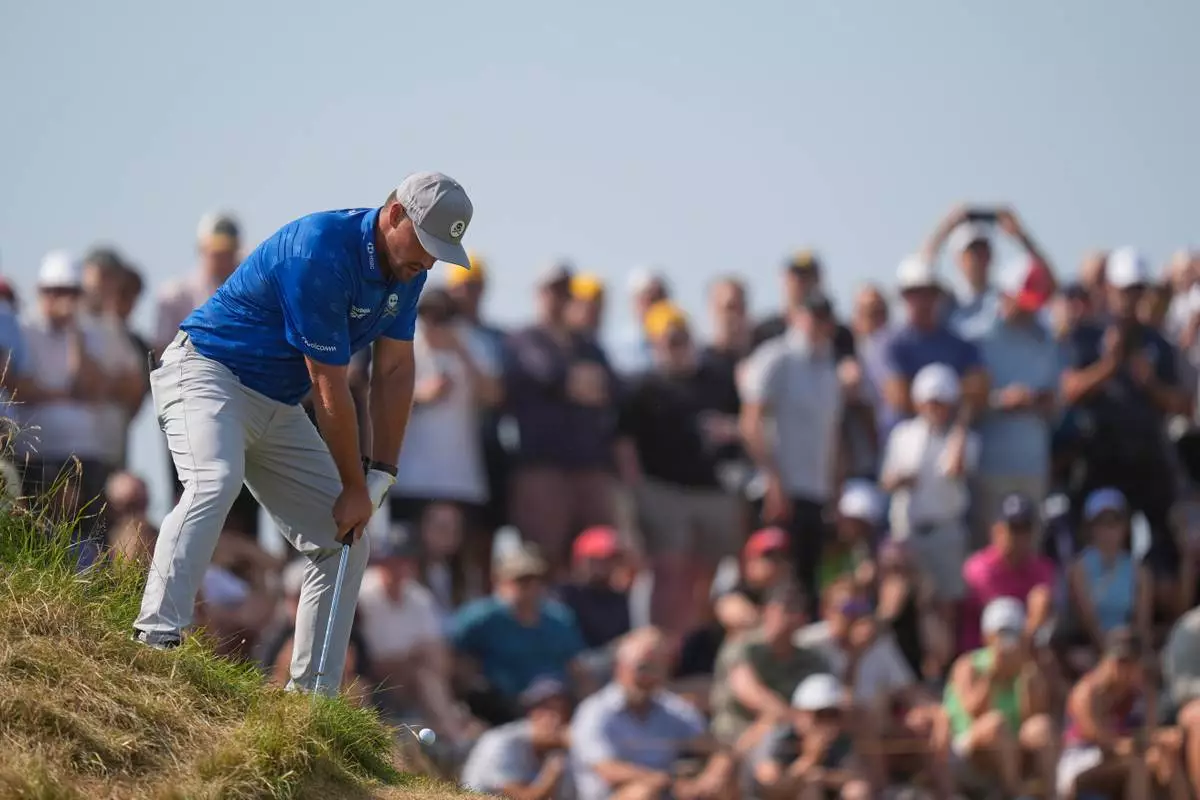
Bryson DeChambeau of the United States plays from an awkward lie to the 5th green during the second day of the British Open Golf championships at Royal Birkdale golf club, in Southport, England, Friday, July 17, 2026. (AP Photo/David Goldman)
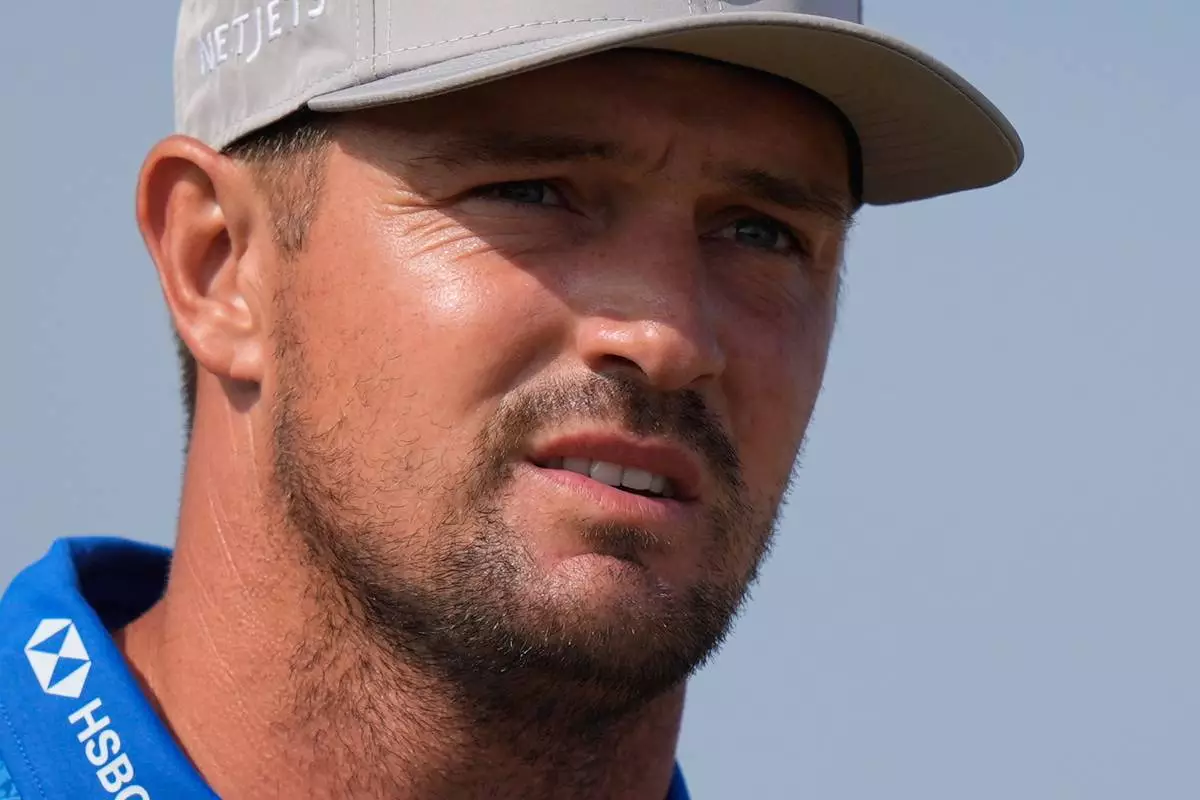
Bryson DeChambeau of the United States walks off the 9th tee during the second day of the British Open Golf championships at Royal Birkdale golf club, in Southport, England, Friday, July 17, 2026. (AP Photo/David Goldman)