European Union (EU) negotiations on the 21st round of sanctions against Russia are currently deadlocked, with Greece demanding changes to an agreed ban on Russian liquefied natural gas (LNG), sources familiar with the discussions said on Friday.
At the center of the deadlock is Greece's push for exemptions that would allow its shipping fleet to continue transporting Russian LNG to countries outside the EU, despite a bloc-wide prohibition set to take effect in 2027.
Under the rules approved by the EU last year, from January 1, 2027, all EU operators will be banned from directly or indirectly purchasing, importing, or transferring Russian-origin LNG. The ban also applies to EU companies providing shipping or transshipment services for Russian LNG destined for third countries.
Greece is now seeking to reopen the regulation and insert exemption clauses that would permit its domestic shipowners to keep carrying Russian LNG for non-EU buyers.
EU ambassadors are scheduled to meet on Wednesday to make a renewed push for the adoption of the new sanctions package.
The development comes after European Commission President Ursula von der Leyen announced on June 9 that the EU's executive arm had proposed a 21st sanctions package against Russia, targeting key sectors including energy, financial services and crypto, trade and, for the first time, fisheries.
The proposal includes restrictions on ports, airports and refineries involved in trading or processing Russian oil. The sale of LNG tankers to Russia would also be restricted.
The proposal still requires approval by all 27 EU member states before it can enter into force.
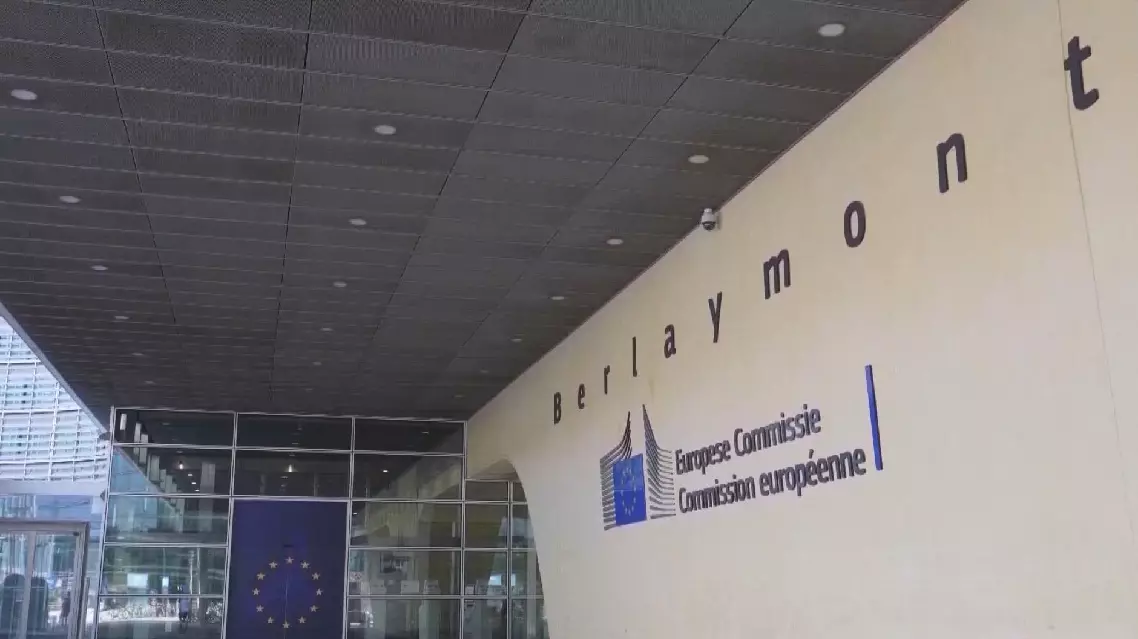
EU talks on Russia sanctions hit deadlock over Greek shipping exemption demand
Cities across China are decorating landmark sites with national flags and floral displays as National Day is around the corner.
Yuzhong District of southwest China's Chongqing City is displaying over 2,000 flags alongside carefully arranged floral landscapes covering main roads, commercial hubs, and bridges. In Shexian County of east China's Anhui Province, red flags are fluttering amid the Huizhou Ancient City's floral greenery.
At the Wenshan Dongshan Park in southwest China's Yunnan Province, citizens unfurled a giant 24-by-16 meter national flag, singing vibrant songs to express their heartfelt wishes. Cities such as Chengdu in southwest China, Taiyuan in north China, and Yichang in central China are also showcasing the five-star flag to usher in the holiday.
Flower displays bloom throughout streets and parks, with cities of Fuzhou in the east and Daqing in the northeast hosting themed floral exhibitions that brighten public spaces. Markets bustle with activity as fresh produce flows steadily. In Zhongmu, Henan Province in central China, trucks loaded with pomegranate, honey tangerines and kiwi line up early to meet demand. In Urumqi City of northwest China's Xinjiang Uygur Autonomous Region, flower markets bloom with over a thousand varieties meeting diverse consumer preferences.
Ahead of the holiday, Hong Kong's streets have been adorned with bright national and special administrative region (SAR)'s flags alongside large National Day posters. Community groups are holding cultural activities featuring traditional crafts to celebrate the 77th founding anniversary of the People's Republic of China.
In Macao, national flags wave at border checkpoints, streets, parks and squares, paired with celebratory banners creating a lively National Day atmosphere.
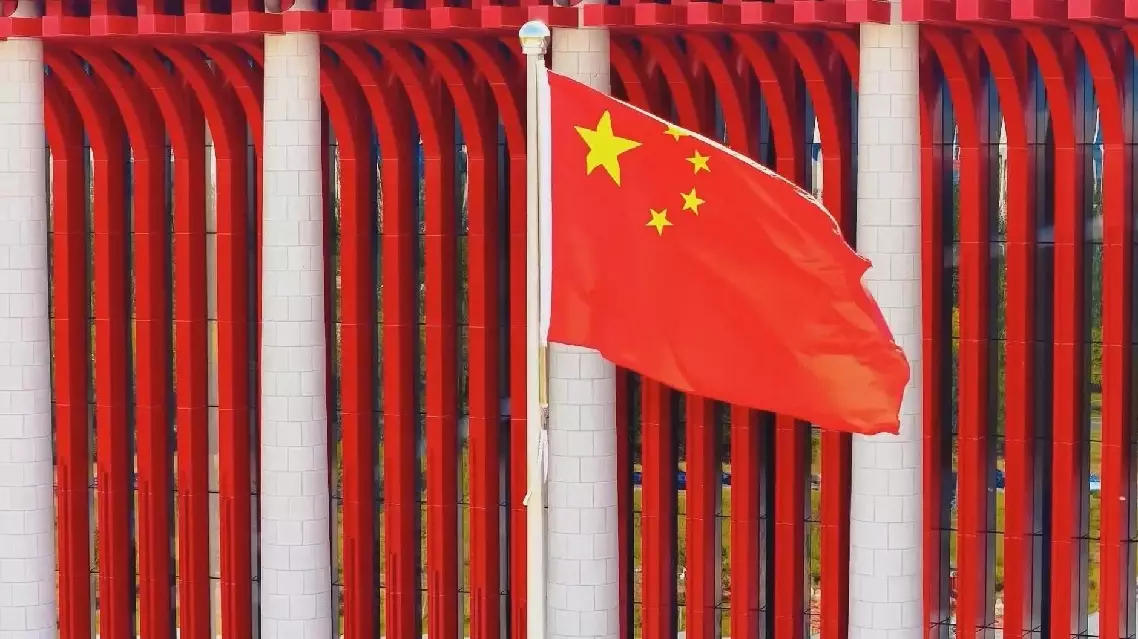
Cities across China adorned for National Day celebrations