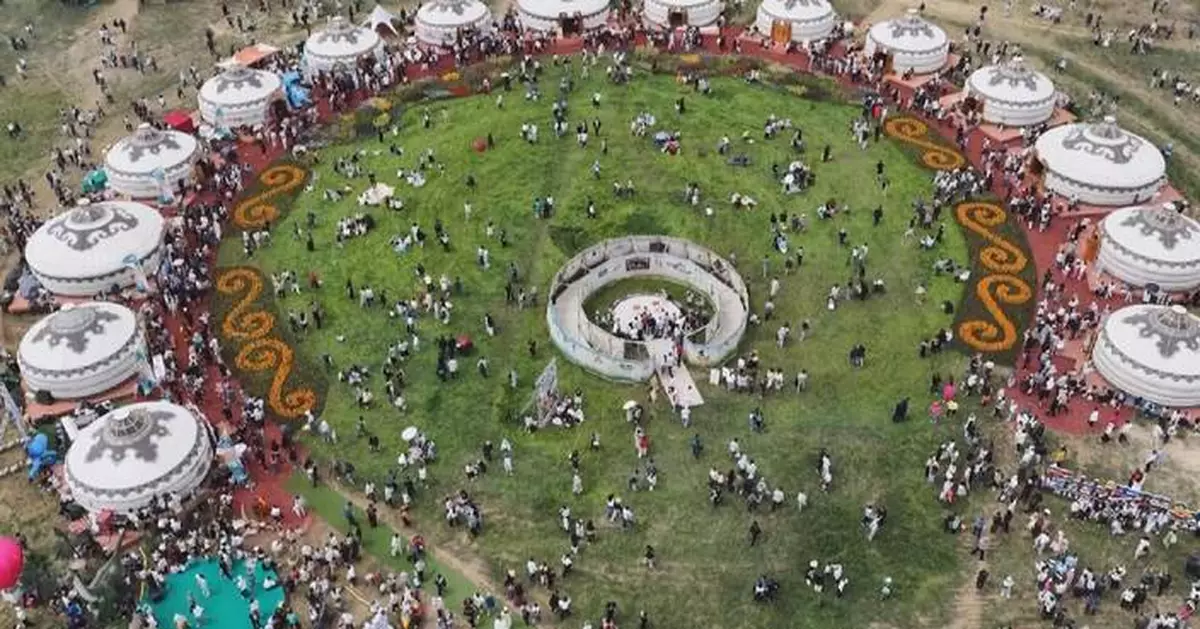
The 36th Tourism Naadam Festival kicked off in the Xilin Gol League of north China's Inner Mongolia Autonomous Region on Saturday, blending traditional nomadic sports with modern tourism to boost the region's summer economy.
Naadam, usually held in mid-summer and sometimes in winter in pastoral areas of Inner Mongolia, means "games" in the Mongolian language.
It often comprises wrestling, archery, and horse racing, also known as the "Three Games of Men."
This year's event features these classic competitive events alongside cultural heritage experiences, folklore activities, and grassland cuisine.
To encourage deeper visitor engagement, organizers have also introduced interactive programs including a tourist triathlon, a youth Naadam, and family activities.
"We happened to catch the Naadam festival, and we came all the way from Dalian. We want to watch the horse racing and wrestling matches," said a tourist surnamed Teng.
Since 2024, the latest three editions of the Naadam festival have collectively received over six million tourist visits, generating 4.1 billion yuan (about 605 million U.S. dollars) in tourism revenue, with overall visitor numbers and consumption showing steady year-on-year growth.
The core event runs from Saturday to Monday while related activities will go on until late August.
"The three-day Naadam festival is expected attract about 600,000 tourists to the league, up 20 percent from the previous year, which will boost Xilin Gol's summer economy. The Naadam festival itself is a massive cultural and tourism IP. Traveling for the Naadam festival drives spending across the services of accommodation, dining, transport, shopping, and entertainment," said He Mingjian, director of the bureau of culture, sports, tourism, radio, film and television of the Xilin Gol League.
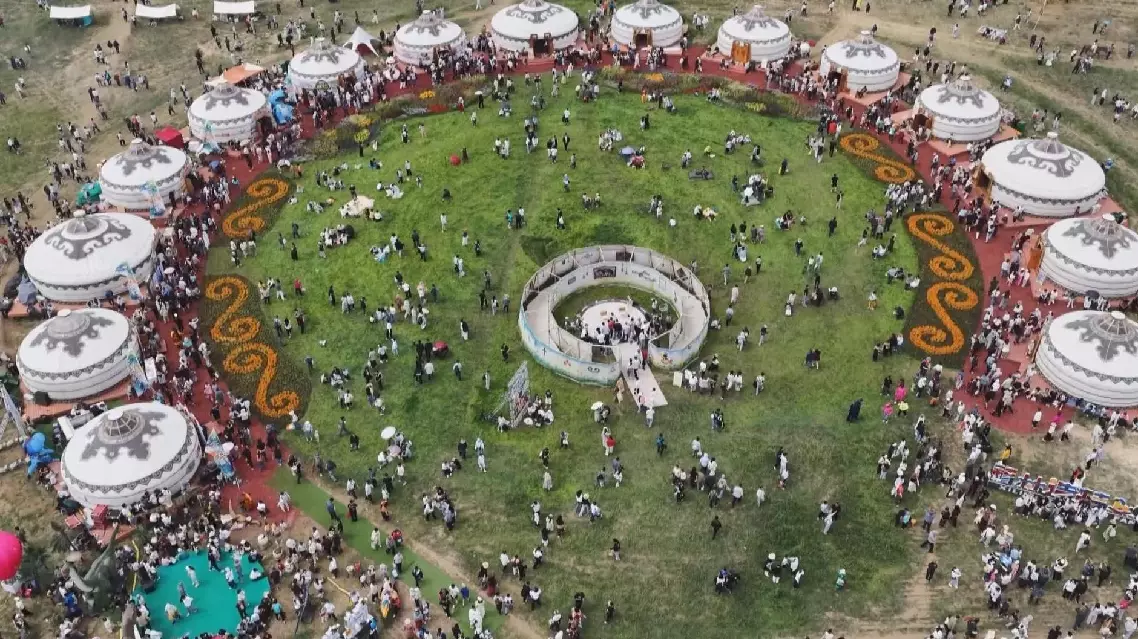
36th Naadam festival opens in Inner Mongolia
China's most advanced defense systems, from fighter jets to strategic airlifters, proved one of the biggest attractions of the 13th Africa Aerospace and Defence (AAD) exhibition in Pretoria, South Africa's administrative capital, drawing strong interest and talk of future industrial partnerships. The five-day event that concluded on Sunday at Air Force Base Waterkloof under the theme "Africa's Gateway to Defence and Aerospace Collaboration" brought together more than 250 companies from 33 countries across Africa, Asia, Europe and the Americans.
Combining a trade exhibition with an air show, the biennial gathering serves as a platform for promoting international collaboration, trade and investment in Africa's aerospace and defense industries with innovation in unmanned systems, cybersecurity and artificial intelligence among the highlights.
For South Africa's trade and industry authorities, the worth of the exhibition is measured in the business it creates, direct access to companies from dozens of countries, and new export and investment openings for the host economy. "What an exhibition like AAD does is bring really the best technologies from around the world and it gives everybody an opportunity to look at what other countries are up to and what they're doing. And I think that it creates an opportunity for component manufacturers in one country to be talking to producers in others. So I think that what the defense exhibition does is give an open platform for anybody in the defense sector from anywhere in the world to be able to showcase their products, to show them off to local countries and the like. And I think that those options are what we look for when particularly countries are starting to procure," said John Steenhuisen, Deputy Minister of Trade, Industry and Competition of South Africa.
Among the exhibitors drawing the most attention, Chinese defense companies maintained a strong presence at the expo, with industry heavyweights the Aviation Industry Corporation of China (AVIC), China State Shipbuilding Corporation (CSSC) and China North Industries Group Corporation (NORINCO) seeking to deepen international defense exchanges and expand mutually beneficial cooperation.
AVIC showcased a broad portfolio of Chinese aerospace systems, from the J-10CE, the export version of China's J-10 multirole fighter, and the JF-17 Thunder, a lightweight fighter developed jointly with Pakistan, to the Y-20, the country's largest military transport aircraft. Together the three aircraft spanned air combat, strike and heavy-lift logistics, proving a major draw for visitors.
Representatives from South Africa's defense industry say the interest lies less in importing the systems on display than in assembling them locally.
"Everybody knows that the Chinese have got fantastic technologies. So in any way, there are definitely, like I said previously, opportunities and systems and programs that would benefit any country and South Africa could definitely benefit from a partnership with them where we have industrialization, we can manufacture something together, finding the right opportunities for us. So I feel that there's great value in future cooperation that could possibly take place," said Chris Boshoff, CEO of the aerospace business unit of Denel Aerospace, South Africa's largest state-owned defense, security, and aerospace manufacturer.
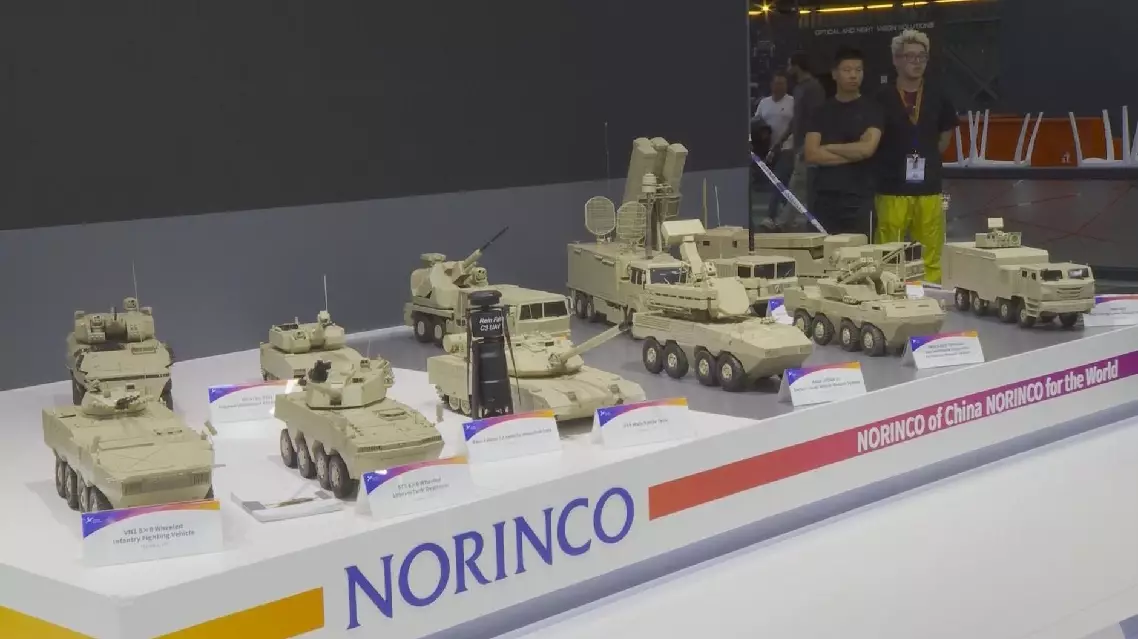
China's defense technologies shine at Africa Aerospace and Defense expo