Skip to Content Facebook Feature Image

Tropical Storm Bertha in the Gulf of Mexico is moving toward the Florida Panhandle and Alabama

News

Tropical Storm Bertha in the Gulf of Mexico is moving toward the Florida Panhandle and Alabama
News

News

Tropical Storm Bertha in the Gulf of Mexico is moving toward the Florida Panhandle and Alabama

2026-07-21 19:10 Last Updated At:19:20

NEW ORLEANS (AP) — Tropical Storm Bertha strengthened in the Gulf of Mexico and was moving slowly toward the Florida Panhandle and Alabama, causing a tropical storm warning and storm surge watches, forecasters said.

The storm was about 110 miles (177 kilometers) south of Panama City, Florida, and 170 miles (274 kilometers) southeast of Mobile, Alabama, and moving northwest at 5 mph (8 kph) with maximum sustained winds of 50 mph (80 kph), the Miami-based National Hurricane Center said Tuesday morning.

The wind speed increased by 10 mph (16 kph) since Bertha formed Monday night. A tropical storm warning, meaning the conditions are expected within the warning area within 36 hours, was in effect early Tuesday from the Florida and Alabama border to the Jefferson and Plaquemines parish line in Louisiana.

A storm surge watch, indicating rising, possible life-threatening water moving inland from the coast within 48 hours, was issued from the Alabama and Florida border to the mouth of the Mississippi River, the hurricane center reported.

Bertha is the second tropical storm of the Atlantic hurricane season after Tropical Storm Arthur brought heavy rainfall to the southeastern U.S. in June.

The storm was expected to stay near or along the northern Gulf Coast this week, dropping heavy rain on coastal areas of Florida, Alabama, Mississippi and Louisiana while pushing west toward Texas.

Potentially life-threatening storm surges of up to 4 feet (1.2 meters) are possible in portions of Louisiana, Alabama and Florida, the hurricane center said, warning Bertha could spin off an isolated tornado or two over the Florida Big Bend region.

Areas of flash flooding also will be possible through Friday along the coast from western Florida to middle Texas, forecasters said, adding that rainfall could total 3 to 5 inches (7 to 12 centimeters) along the Louisiana coastline, with higher amounts in some scattered areas.

Red flags on the beach at Orange Beach, Alabama, cautioned swimmers about high surf and currents. In Escambia County, Florida, emergency officials offered sand for people living in flood-prone areas to use for sandbags.

In the eastern Pacific Ocean, Hurricane Fausto churned far from Mexico’s Baja California peninsula and posed no threat to land, the hurricane center said.

Fausto gained hurricane status Monday night. It was about 740 miles (1,191 kilometers) southwest of the southern tip of the Baja California peninsula, had top sustained winds of 80 mph (129 kph) and was moving northwest at 12 mph (19 kph).

The storm was expected to strengthen Tuesday and Wednesday. No coastal watches or warnings were in effect, though ocean swells generated by the storm could cause life-threatening surf and rip tide conditions on the Baja California coast, the center said.
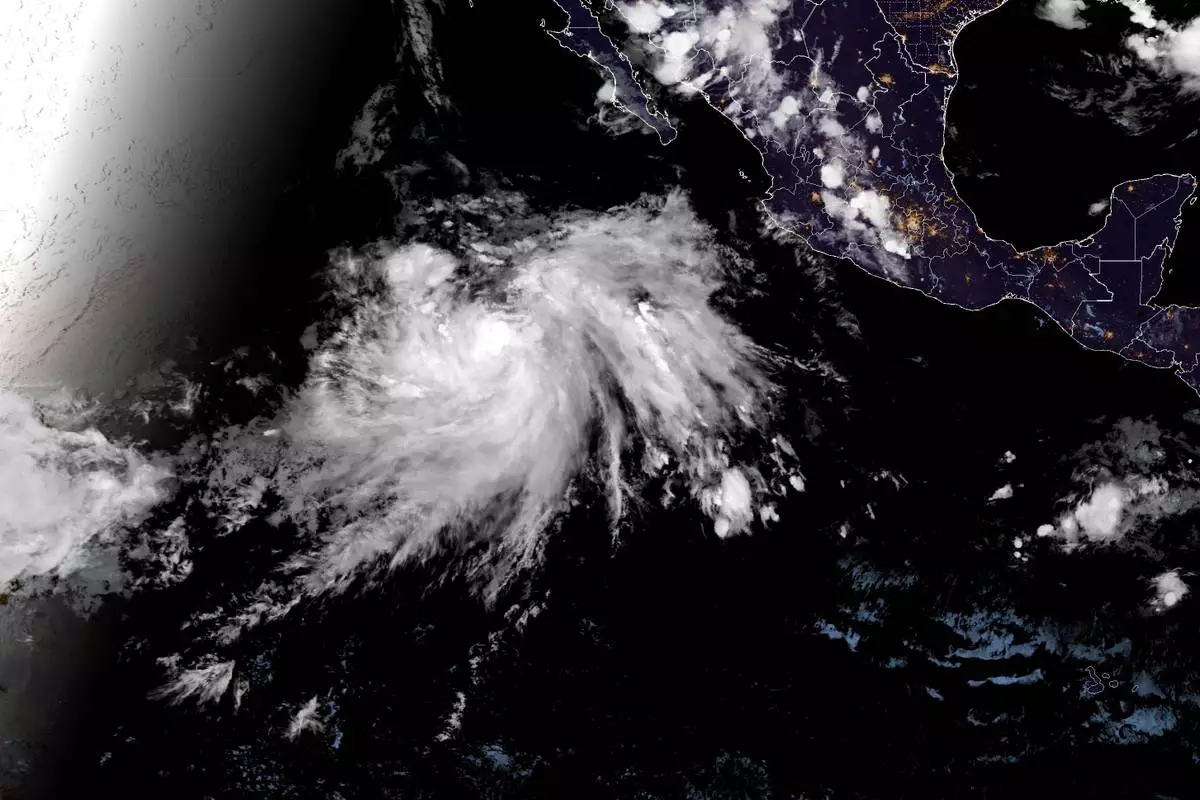
This satellite image from the National Oceanic and Atmospheric Administration taken shows Hurricane Fausto in the eastern Pacific off Mexico’s Baja peninsula on Monday, July 20, 2026. (NOAA via AP)
This satellite image from the National Oceanic and Atmospheric Administration taken shows Hurricane Fausto in the eastern Pacific off Mexico’s Baja peninsula on Monday, July 20, 2026. (NOAA via AP)

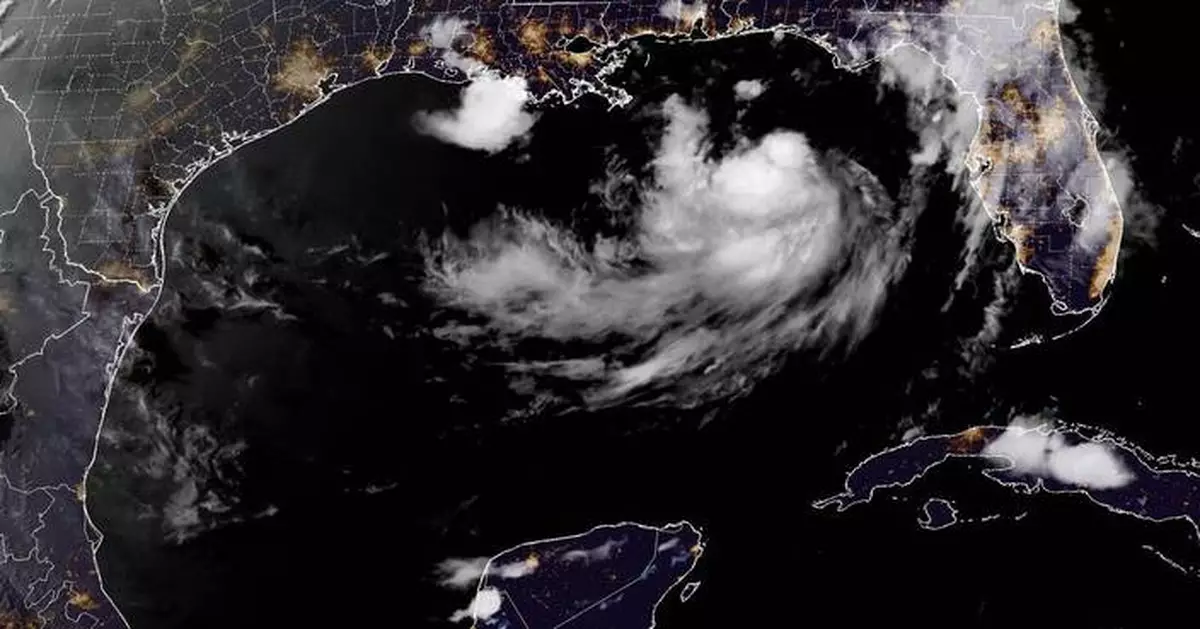
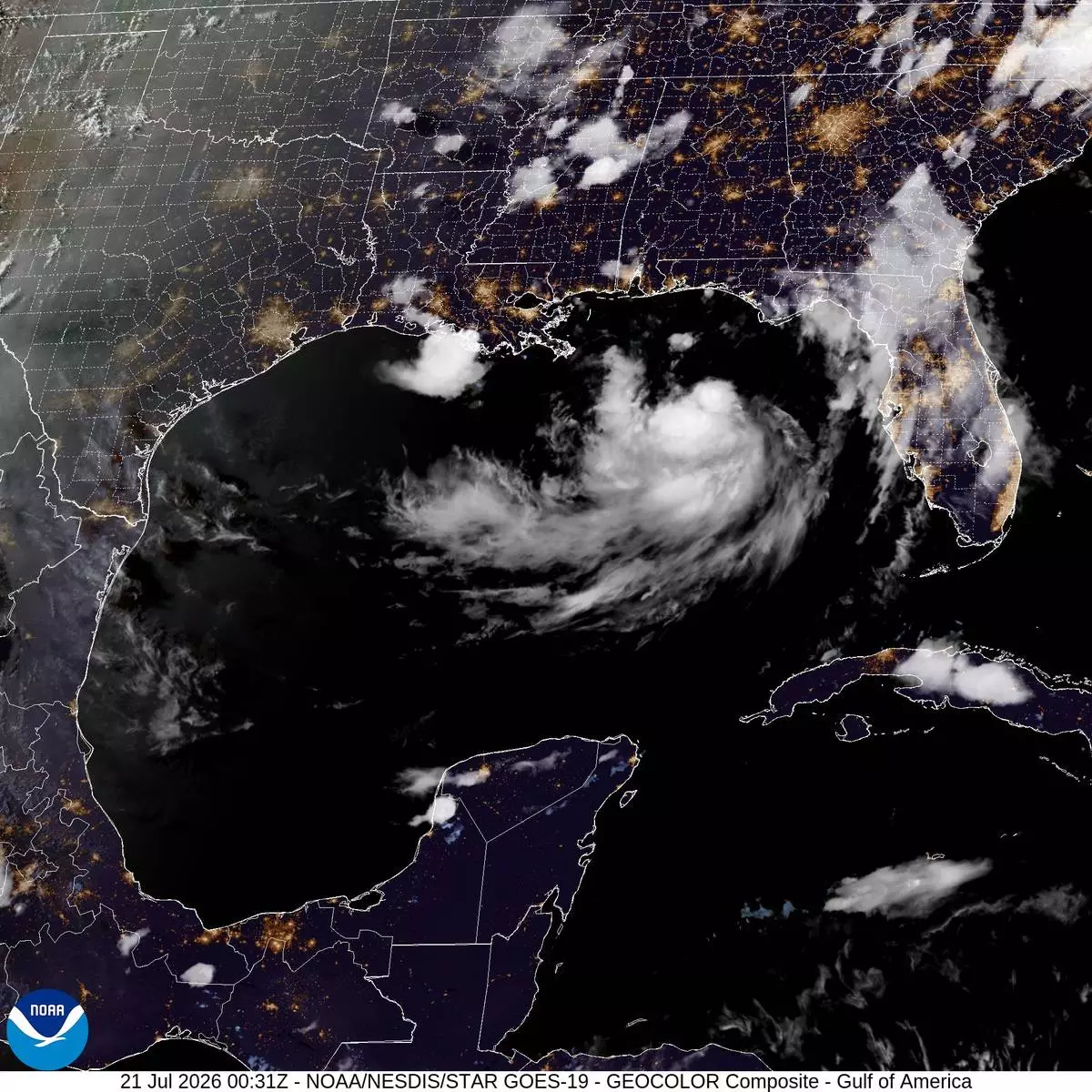
This satellite image from the National Oceanic and Atmospheric Administration taken at 7:31pm EDT shows Tropical Storm Bertha in the Gulf of Mexico on Monday, July 21, 2026. (NOAA via AP)

This satellite image from the National Oceanic and Atmospheric Administration taken at 7:31pm EDT shows Tropical Storm Bertha in the Gulf of Mexico on Monday, July 21, 2026. (NOAA via AP)

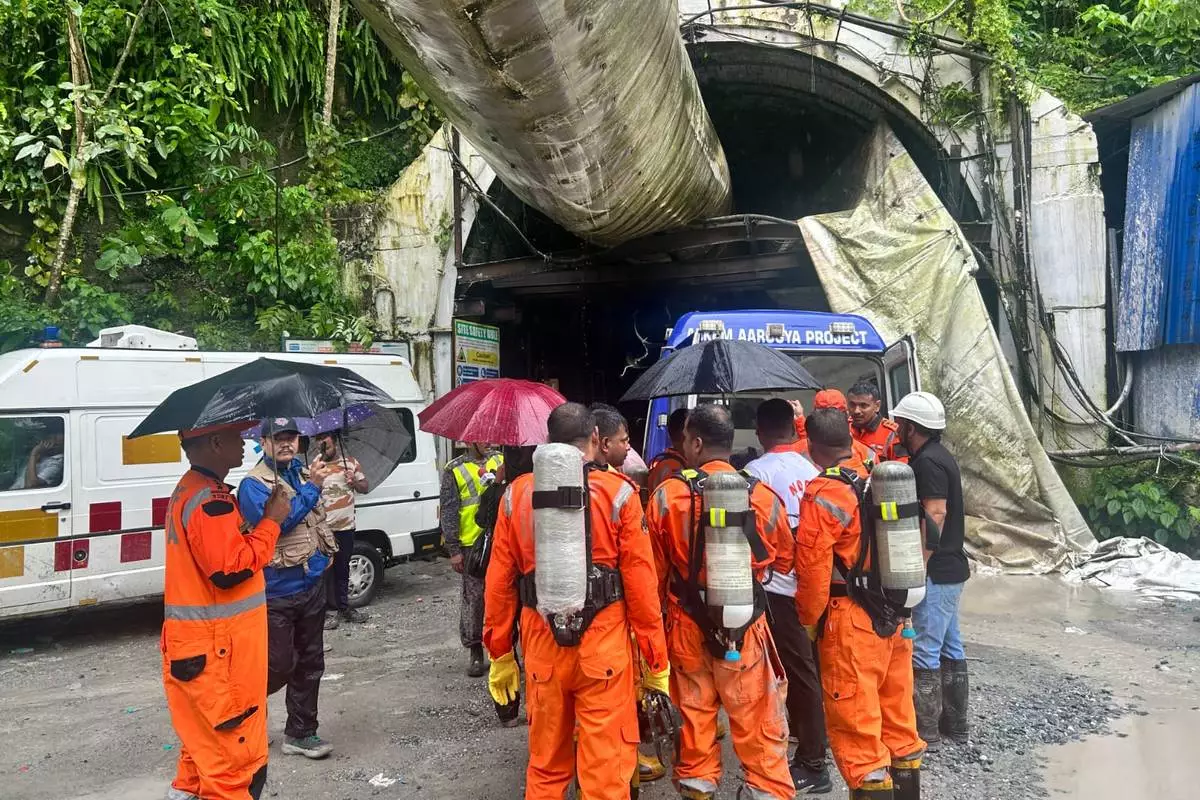
GUWAHATI, India (AP) — A suspected gas explosion triggered a collapse inside an under-construction tunnel at a hydropower project in India’s northeastern Himalayan state of Sikkim, near the Chinese border, leaving least 10 people dead and 17 others missing, officials said on Tuesday.

The blast ripped through the tunnel on Monday at Samardung village, about 40 kilometers (25 miles) from the state capital, Gangtok, where multiple workers were carrying out construction work on the 500-megawatt Teesta hydroelectric project, Anupama Tamling, a civil official in the area, told reporters.

Survivors who managed to escape told authorities they heard a loud explosion before debris came crashing through the tunnel, trapping dozens inside, she said.

As news of the accident spread, six officials from the state-owned National Hydroelectric Power Corporation (NHPC), which is building the project, entered the tunnel to assist in rescue efforts but became trapped themselves, officials said.

“We have recovered 10 bodies so far and 17 others are feared trapped,” local police chief Sonam Dolma told reporters.

Rescue teams, including the National Disaster Response Force (NDRF), have been struggling to reach those trapped because of hazardous conditions inside the tunnel, where toxic gases have accumulated.

“We found toxic gases such as methane, carbon monoxide and hydrogen sulphide inside the tunnel,” NDRF official Nitin Kumar told reporters at the scene. He said rescuers were using specialized breathing equipment as they tried to search for survivors amid dangerous air conditions.

Construction accidents are not uncommon in India, where rapid infrastructure growth often collides with fragile geology, construction lapses, extreme weather and safety standards.

In the Himalayan region, fragile mountains, seismic activity and unpredictable underground conditions make tunnel projects especially risky. In 2023 a section of a tunnel in northern Uttarakhand state collapsed, trapping 41 workers for 17 days before they were rescued.

Experts say the Teesta River basin, where the hydropower project is being built, lies in a seismically active region marked by young, fragile rock formations riddled with fractures and underground pockets that can trap ancient gases.

Dr. Devesh Walia, a geology professor at North-Eastern Hill University in the neighboring state of Meghalaya, said the area contains relatively young rock formations, some associated with coal-bearing strata.

“It is quite possible that methane along with other gases accumulated underground and may have triggered an explosion,” he said.

Members of the rescue team carry oxygen cylinders outside the entrance to an under-construction tunnel at a hydropower project in Samardung village, about 40 kilometers (25 miles) from Gangtok, India, Tuesday, July 21, 2026. (AP Photo)

Members of the rescue team carry oxygen cylinders outside the entrance to an under-construction tunnel at a hydropower project in Samardung village, about 40 kilometers (25 miles) from Gangtok, India, Tuesday, July 21, 2026. (AP Photo)

Recommended Articles