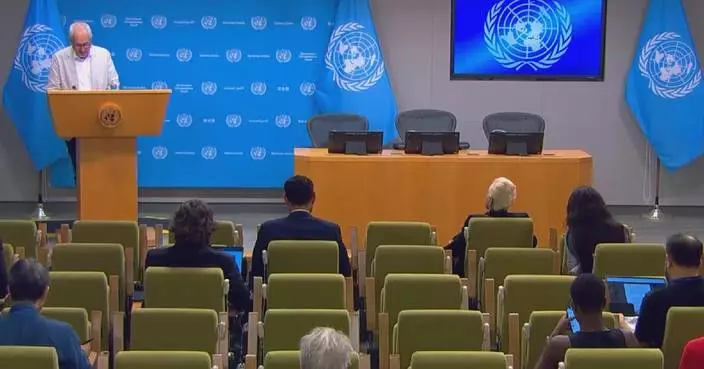
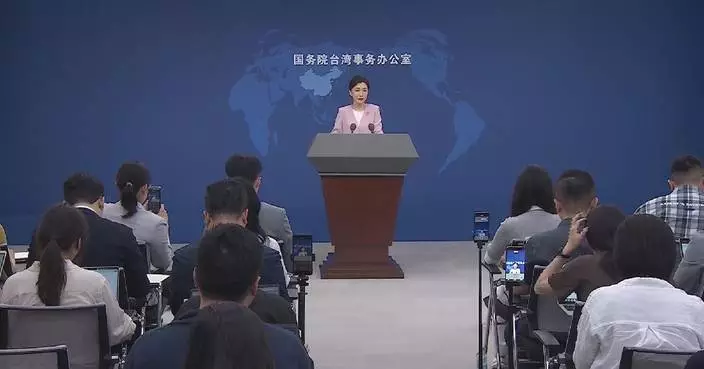
China will further streamline customs clearance for fresh imports and simplify tax rebates for overseas visitors as part of its trade modernization push under the 15th Five-Year Plan (2026–2030), a senior customs official said Wednesday.
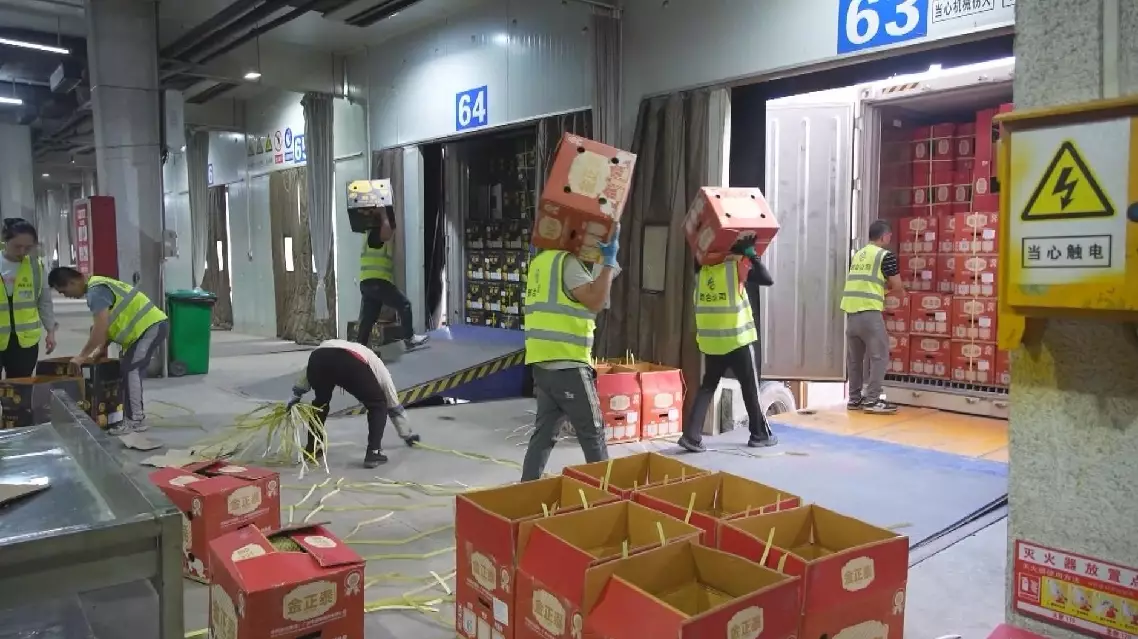
Speaking at a press conference in Beijing, Wang Jun, deputy head of the General Administration of Customs, said the growing availability of global premium products, from imported cherries to durians, vividly demonstrates China's continued opening-up and reflects rising imports to meet public demand for a better life.
"Today, China is a major trading partner for more than 160 countries and regions. Our imports come from a wider range of sources, covering more categories, and featuring a better mix. Milk from Oceania, coffee from Africa, and chilled Atlantic salmon from Europe are crossing oceans to reach Chinese consumers' shopping carts," he said.
"We will continue to optimize customs clearance procedures, reduce cross-border logistics costs, and ensure that fresh agricultural and aquatic products reach dining tables with top quality and affordable prices," Wang said.
"We will also simplify the tax-refund process for overseas visitors. Starting July 1, we will move away from the 100-percent verification model and instead conduct random checks for refund applications under 10,000 yuan (around 1,477.97 U.S. dollars), while fully promoting paperless processing. Through ongoing regulatory improvements, we aim to enhance the inbound shopping experience and burnish the brand of 'Shopping in China,'" he added.
China pushes for faster customs clearance, easier tax refunds as it opens wider to global goods
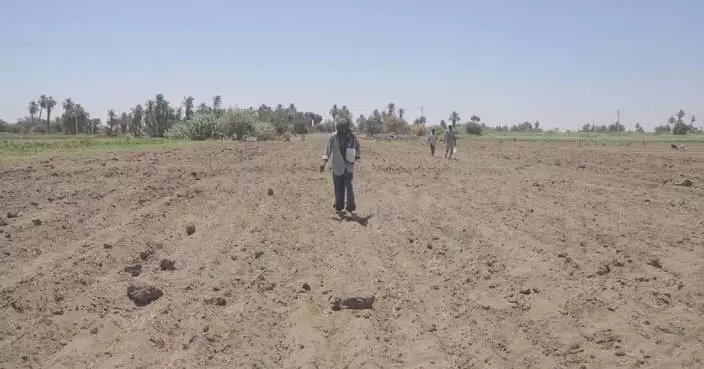
An intense heatwave has gripped Egypt, forcing residents to adopt coping measures while disrupting work schedules, tourism and agriculture across the country.
The soaring summer temperatures have driven many Egyptians to seek relief at Red Sea and Mediterranean beaches, where cold drinks and ice cream offer brief respite from the scorching sun. Vacationer Rania said this year's heat feels harsher than usual, prompting her to adjust daily routines.
"It's always hot in the summer but this year is much worse than before. Most of our outings start in the afternoon till late at night. I drink a lot of water and cold drinks, try to avoid direct sun," said Rania. While many Egyptians seek relief indoors or at the seaside, others must continue working outdoors in temperatures that soar above 45 degrees Celsius.
Among them is Aly, a construction laborer in Alexandria, who says the conditions are exhausting despite shorter hours and extra breaks. "We work eight hours a day. It's exhausting. Now we take more breaks than usual to have a drink, tea, water, but we can't take long breaks as we have to finish tasks every day," said Aly Gamal, a laborer.
The heatwave has forced companies to adjust work schedules, cutting hours and adding safeguards to protect employees from soaring temperatures. "It's a commercial residential compound with 150 laborers working each day from 09:00 to 15:00. Last few years we increased the rest hours during the day, we provide more water, shades and umbrellas to protect them from sun and in many cases we tell them to come to work in the evenings only," said Mohamed Shokr, owner of Construction Company.
The mounting heat is taking a toll not only on daily life but also on Egypt's wider economy, disrupting work, power supply and production. A peak in electricity consumption during the summer season has forced the government to increase imports of expensive oil and gas to keep power stations running. The tourism industry has been hard hit, with bookings dropping sharply at open‑air archeological sites in Luxor, Aswan and Cairo. Meanwhile, unfavorable conditions are weakening harvests of key crops such as wheat, rice, fruits and vegetables.
"Less supply of agricultural products raises food prices, hike inflation and this affects low-income earners. The government increases subsidies to the poor to cover the shortages in supplies and price hikes. In turn lower productivity means less income for the state and this obviously adds more burden on the state budget," said Hossam El-Ghayesh, general manager, Osool Holding Company for Investments. In response, the government has introduced measures to ease the impact of recurring summer heatwaves, from cutting outdoor working hours to expanding renewable energy projects.
"The government is trying to address this issue by cutting working hours for outdoor workers in agriculture and construction. It also reduced office working hours for employees to lower electricity consumption especially ACs. At the same time it is establishing new solar and wind energy projects to avoid dependence on costly fossil fuels," he said.

Egypt heatwave strains workers, disrupts economy