LOS ANGELES (AP) — The Cinerama Dome, a landmark Hollywood theater shuttered during the COVID-19 pandemic, will be restored and reopen.
Alamo Drafthouse Cinema will operate the massive 86-foot-wide curved dome theater and an adjacent 14-theater complex. Alamo's owner, Sony Pictures Entertainment, announced the plan to restore the Dome and reopen it in early 2028.
Alamo's plan will preserve the distinctive Cinerama Dome's geodesic exterior and large logo that have been a Hollywood landmark since the theater opened in 1963. The dome will not have in-theater dining, as is common in other Drafthouse theaters.
“There is no moviegoing destination anywhere in the world that commands the affection, history, and cultural significance of the Cinerama Dome. It represents the kind of singular experience we value and champion,” said Ravi Ahuja, Chairman and CEO, Sony Pictures Entertainment. Alamo Drafthouse CEO Michael Kustermann said the dome would be its new West Coast flagship theater.
The dome's massive screen supports 70 mm projection, which is having a moment thanks to Christopher Nolan's “The Odyssey.”
It was commissioned in 1963 by Pacific Theatres founder William R. Forman as a state of the art way to see movies using three projectors for its custom curved screen. When the dome closed in April 2021, it was one of only three theaters in the world with that capability. Its operator, Pacific Theaters, announced the closing was caused by the COVID-19 pandemic.
Alamo Drafthouse will also reopen a 14-theater complex next to the dome that used to be operated by ArcLight Cinemas, which also shut down in 2021. Those theaters will have in-theater dining.
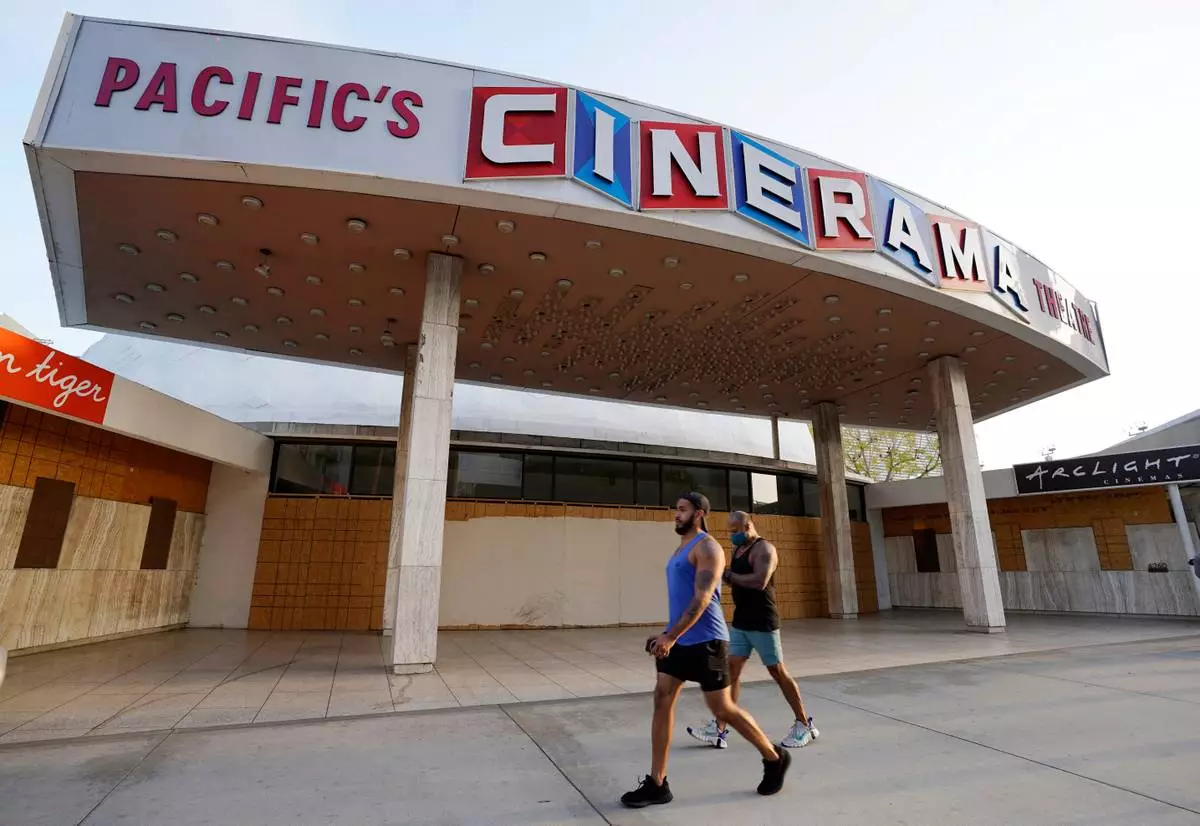
FILE - Pedestrians walk past the boarded up and closed Cinerama Dome movie theater in Los Angeles on April 12, 2021. (AP Photo/Chris Pizzello, File)
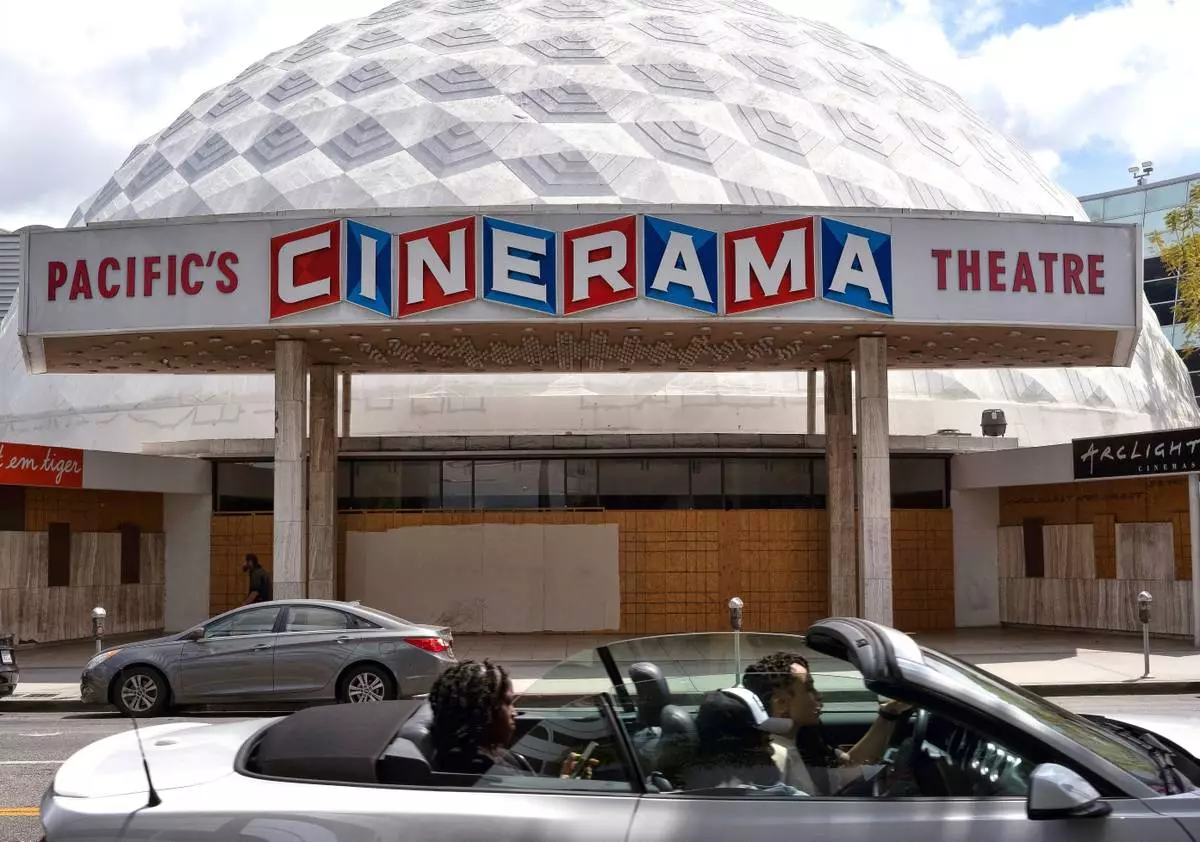
FILE - A motorist drives past the Cinerama Dome movie theater in Los Angeles on April 25, 2021. (AP Photo/Richard Vogel, File)
Tropical Storm Bertha creeped along the Gulf Coast toward the edge of Louisiana on Wednesday, spinning off strong winds far from its center and closing beaches from Florida to Mississippi.
The wind and storm surge were the main threats for the Deep South states. Parks and piers were closed up and down the coast, as were some low-lying roads. A tropical storm warning stretched from parts of the Florida Panhandle over to Louisiana, including metropolitan New Orleans and Lake Pontchartrain, National Hurricane Center said.
Landfall, expected later Wednesday, was a lesser threat.
“Landfall really doesn’t have a whole lot of meaning in this particular case,” said Robbie Berg, a warning coordination meteorologist at the hurricane center.
Tropical storm force winds extended about 100 miles (160 kilometers) from the center of the storm, the hurricane center said. Bertha was centered about 55 miles (90 kilometers) northeast of the mouth of the Mississippi River by mid-morning. It was moving west at 6 mph (9 kph) with maximum sustained winds of 50 mph (85 kph).
Storm surges up to 4 feet (1.2 meters) were possible in Louisiana from the Mississippi River mouth to the Alabama-Mississippi state line, forecasters said. Rain totals were forecast between 2 to 4 inches (5 to 10 centimeters), with higher amounts possible in isolated areas.
Elsewhere in the U.S. this week, a line of storms generated reports of tornadoes stretching from Cincinnati to New Jersey. Torrential rains caused flash floods Tuesday night that swamped homes, washed out bridges and led to water rescues in West Virginia, authorities said.
Authorities in Mississippi, Louisiana and Florida opened sites to provide sandbags to residents who may be impacted by Tropical Storm Bertha. Double-red flag warnings were posted along some beaches, closing them to swimmers.
“For locals, this is just another storm,” said Candice Henderson, manager of the Crab Trap, a beachside restaurant that was packed Tuesday on Pensacola, Florida’s Perdido Key. “When you’re on vacation and it's raining, you either shop or you go out to eat.”
Bertha is the second tropical storm of the Atlantic hurricane season. Tropical Storm Arthur in June brought heavy rainfall to the southeastern U.S.
Bertha could dump heavy rain on coastal areas of Mississippi that are still recovering from flooding brought by Arthur that destroyed and damaged homes.
In the eastern Pacific Ocean, Hurricane Fausto churned far from land Wednesday. The hurricane was hundreds of miles west-southwest of the southern tip of Baja California with maximum sustained winds of 80 mph (130 kph).
It was forecast to gradually strengthen and the hurricane center warned that ocean swells generated by Fausto could cause life-threatening surf and rip tide conditions on the Baja California coast.
Associated Press journalists Julie Walker in New York and Kim Chandler in Montgomery, Alabama, contributed to this report.
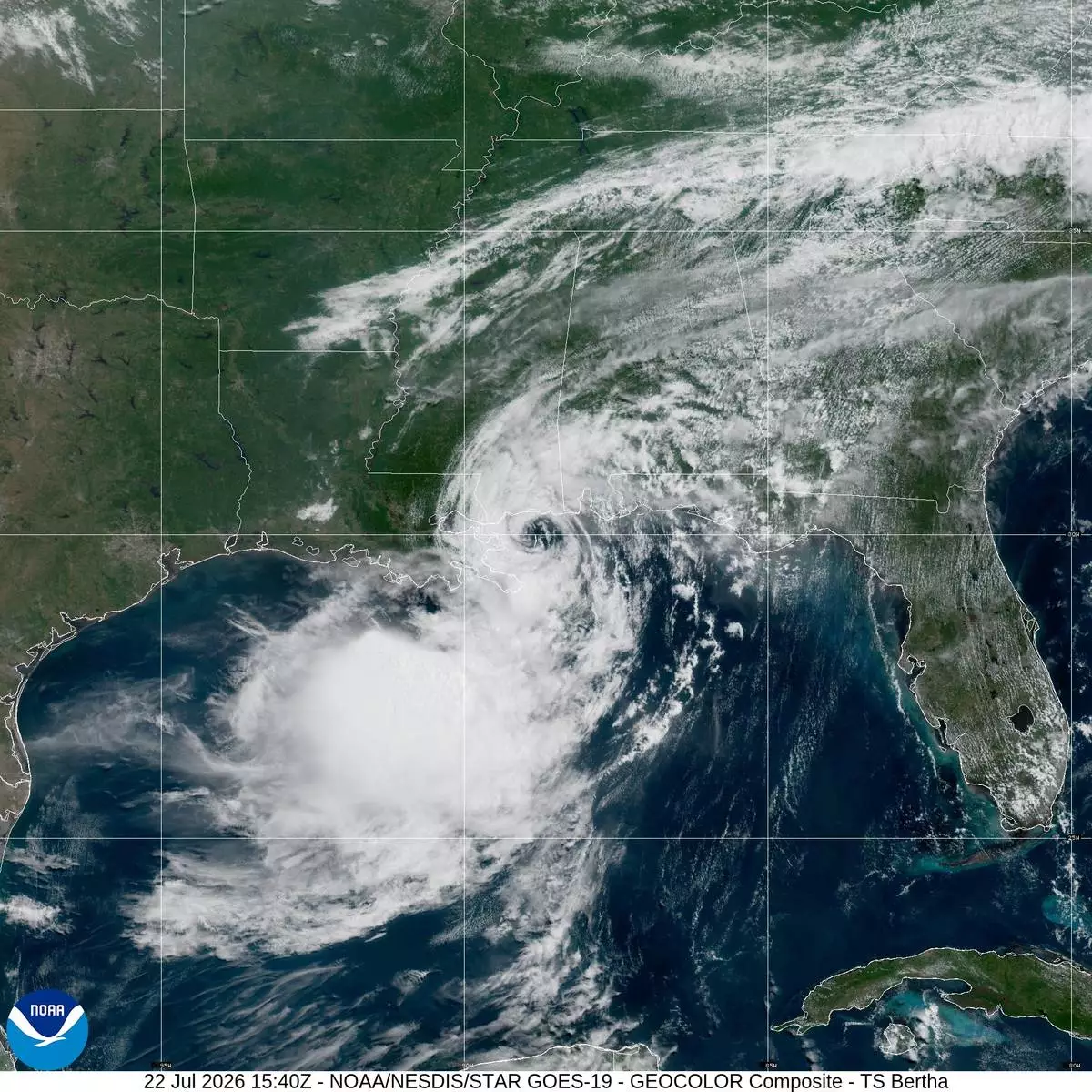
This NOAA satellite image taken at 11:40 a.m. EDT on Wednesday, July 22, 2026, shows Tropical Storm Bertha in the Gulf of Mexico moving toward the edge of Louisiana. (NOAA via AP)
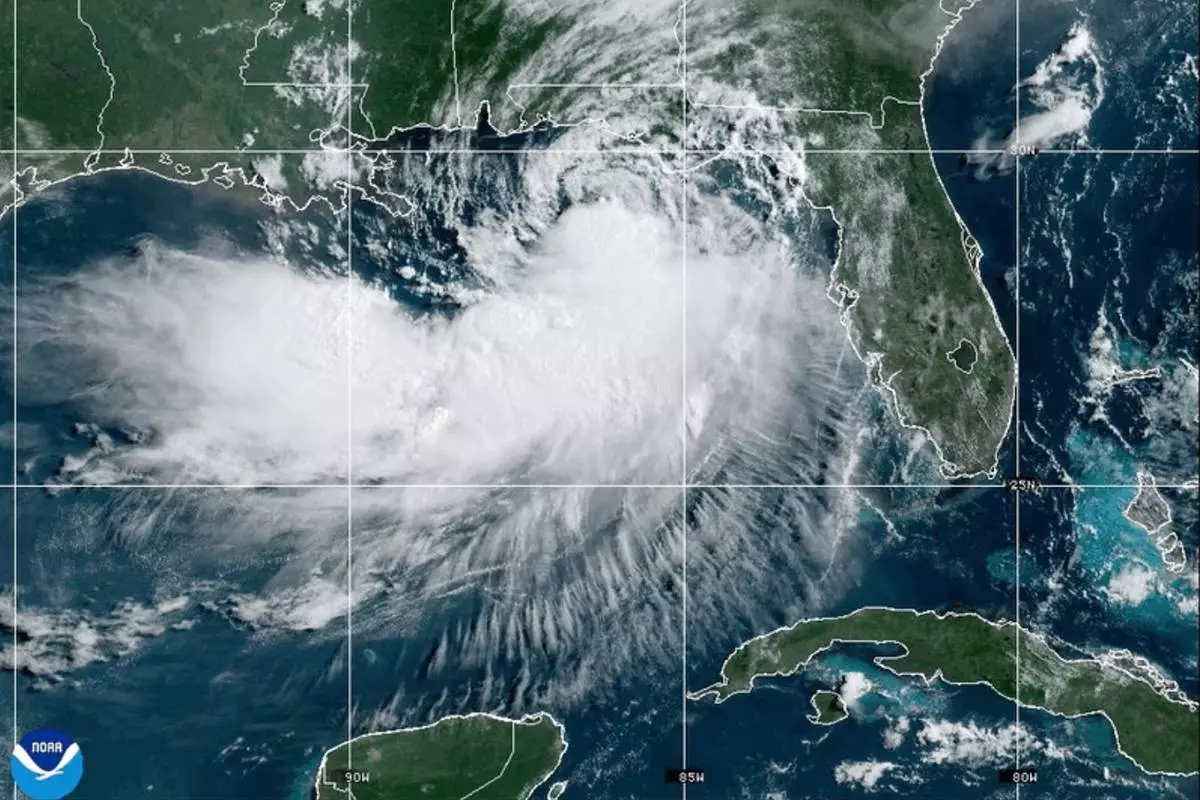
This NOAA satellite image taken at 10:30 a.m. EST on Tuesday, July 21, 2026, shows Tropical Storm Bertha moving along the Gulf of Mexico's northern coast. (NOAA via AP)