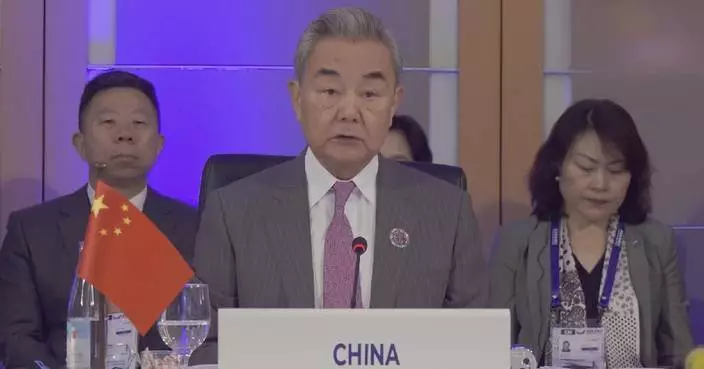
European Union member states once again failed to reach consensus on a new package of sanctions against Russia during a meeting of foreign affairs officials on Wednesday, as disagreements over energy restrictions continued to block progress.
The proposed 21st round of sanctions is primarily aimed at targeting Russia's banking sector.
Click to Gallery
EU fails to reach agreement on 21st round of sanctions against Russia
EU fails to reach agreement on 21st round of sanctions against Russia
EU fails to reach agreement on 21st round of sanctions against Russia
EU fails to reach agreement on 21st round of sanctions against Russia
However, Greece has been pushing for the European Union to ease restrictions on Russian liquefied natural gas supplies. Last week, Greek officials argued that an impending ban on the transshipment of Russian liquefied natural gas would merely shift market share outside of Europe without affecting Russia's revenues.
Under regulations passed by the European Union last year, a comprehensive ban will take effect on January 1, 2027, prohibiting EU operators from directly or indirectly purchasing, importing, or transferring liquefied natural gas originating from Russia or exported by Russia. The prohibition also applies to EU companies transporting or transferring Russian liquefied natural gas to third countries.
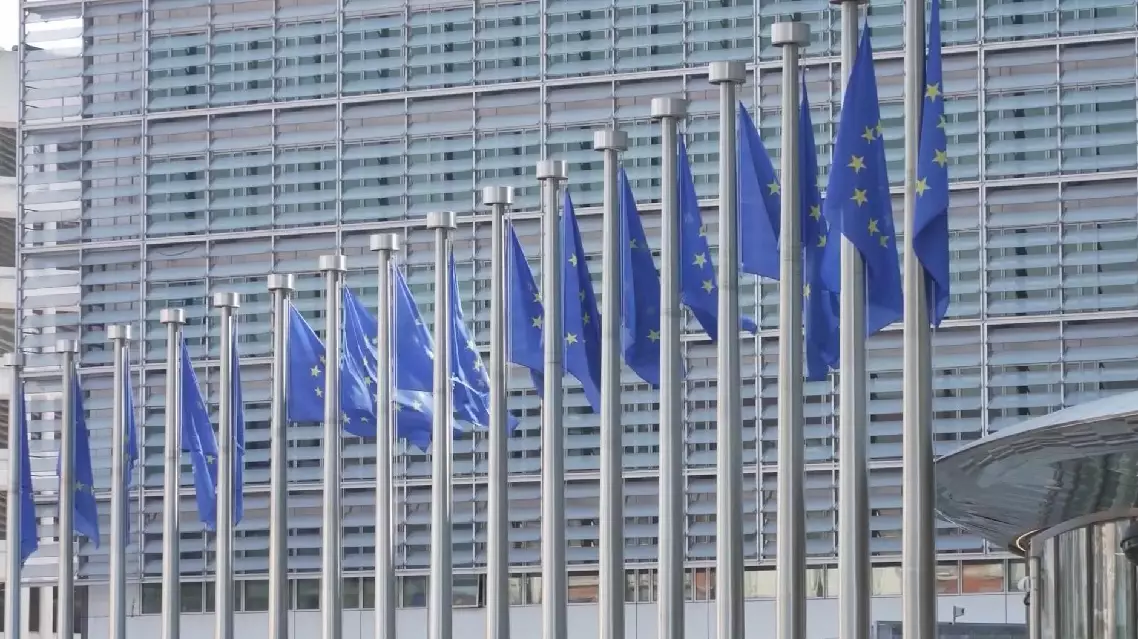
EU fails to reach agreement on 21st round of sanctions against Russia
EU fails to reach agreement on 21st round of sanctions against Russia
EU fails to reach agreement on 21st round of sanctions against Russia
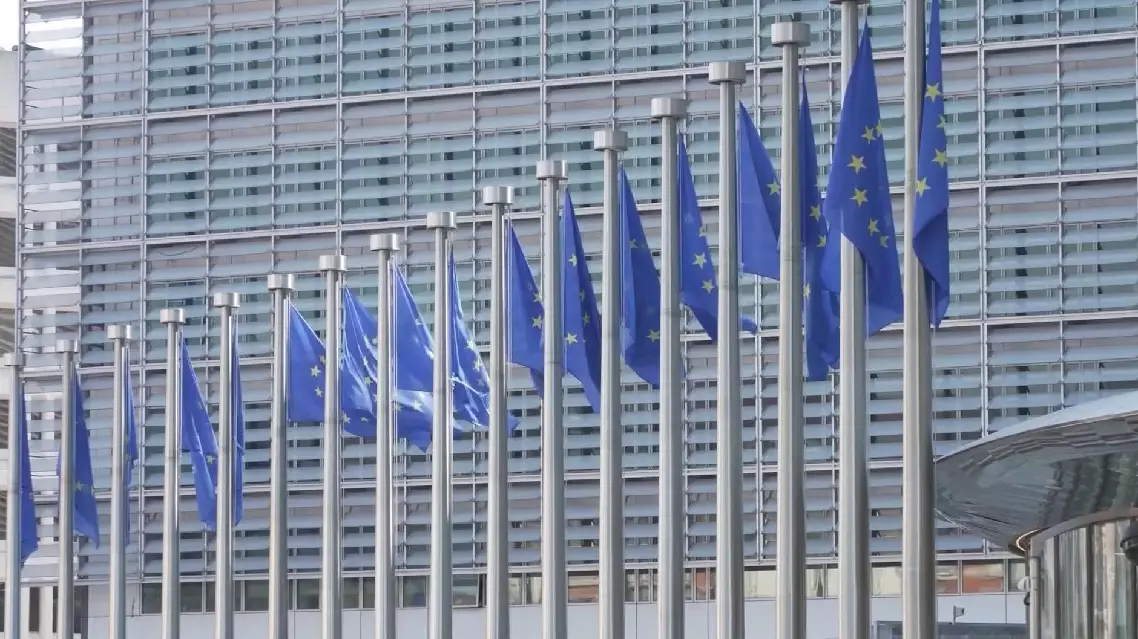
EU fails to reach agreement on 21st round of sanctions against Russia
China's general public budget revenue and expenditure both increased steadily in the first half of this year, the Ministry of Finance said on Wednesday.
The country's general public budget revenue -- the sum of tax revenue and non-tax revenue -- rose 4.7 percent year on year to about 12.1 trillion yuan (about 1.78 trillion U.S. dollars).
In the January-June period, the country's tax revenue totaled 9.79 trillion yuan, an increase of 5.3 percent year on year. The growth rate was 3.1 percentage points higher than that recorded in the first three months of the year, according to the ministry.
Specifically, revenue from domestic value-added tax in the period increased 6 percent, while that from import-linked value-added tax and domestic consumption tax rose 11.8 percent. Stamp duty on stock transactions surged by 97.3 percent.
"The main reason is that China's economy is resilient and dynamic, sustaining a generally steady and positive development trend in the first half of this year. Meanwhile, factors such as rising prices, a buoyant stock market, and strong foreign trade growth also strongly supported the growth of fiscal revenue," said Ma Hongbing, deputy director of the Treasury Department of the Ministry of Finance, at a press conference.
On the spending side, the country's general public budget expenditure climbed 1.5 percent year on year to 14.33 trillion yuan during the first six months of the year.
Social security and employment spending rose 7.6 percent year on year to 2.64 trillion yuan, while health expenditure jumped 10.8 percent to 1.22 trillion yuan.
China will implement a more proactive fiscal policy in 2026, with the deficit-to-GDP ratio set at around 4 percent, according to this year's government work report. Expenditure in the general public budget is projected to reach 30 trillion yuan for the first time, an increase of roughly 1.27 trillion yuan compared with 2025.
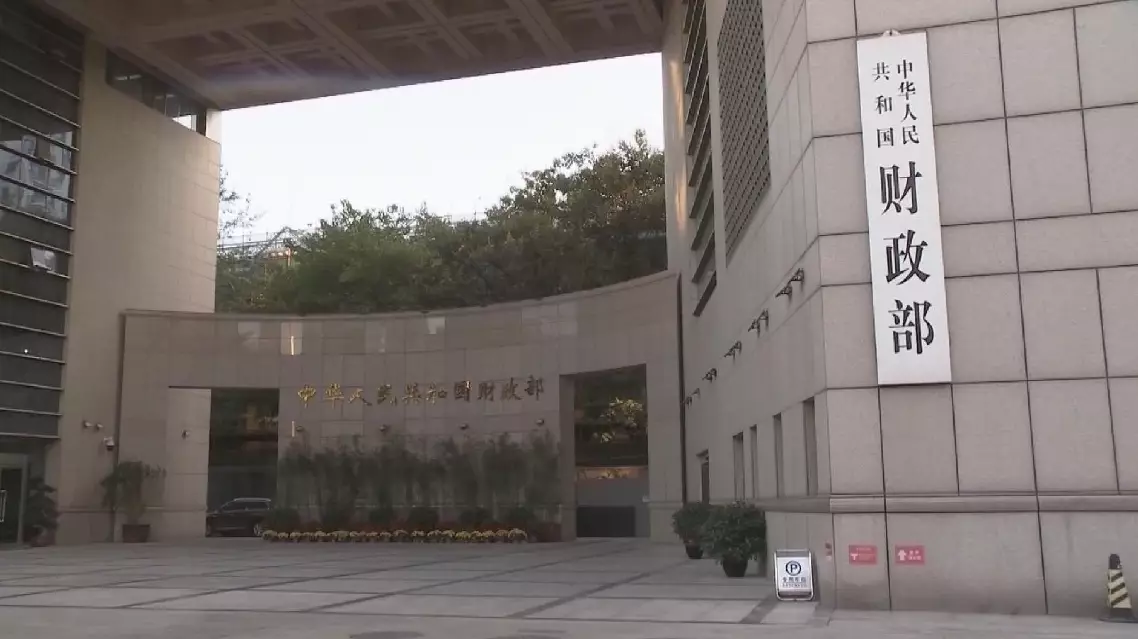
China's general public budget revenue, expenditure both see increase in H1