China's general public budget revenue and expenditure both increased steadily in the first half of this year, the Ministry of Finance said on Wednesday.
The country's general public budget revenue -- the sum of tax revenue and non-tax revenue -- rose 4.7 percent year on year to about 12.1 trillion yuan (about 1.78 trillion U.S. dollars).
In the January-June period, the country's tax revenue totaled 9.79 trillion yuan, an increase of 5.3 percent year on year. The growth rate was 3.1 percentage points higher than that recorded in the first three months of the year, according to the ministry.
Specifically, revenue from domestic value-added tax in the period increased 6 percent, while that from import-linked value-added tax and domestic consumption tax rose 11.8 percent. Stamp duty on stock transactions surged by 97.3 percent.
"The main reason is that China's economy is resilient and dynamic, sustaining a generally steady and positive development trend in the first half of this year. Meanwhile, factors such as rising prices, a buoyant stock market, and strong foreign trade growth also strongly supported the growth of fiscal revenue," said Ma Hongbing, deputy director of the Treasury Department of the Ministry of Finance, at a press conference.
On the spending side, the country's general public budget expenditure climbed 1.5 percent year on year to 14.33 trillion yuan during the first six months of the year.
Social security and employment spending rose 7.6 percent year on year to 2.64 trillion yuan, while health expenditure jumped 10.8 percent to 1.22 trillion yuan.
China will implement a more proactive fiscal policy in 2026, with the deficit-to-GDP ratio set at around 4 percent, according to this year's government work report. Expenditure in the general public budget is projected to reach 30 trillion yuan for the first time, an increase of roughly 1.27 trillion yuan compared with 2025.
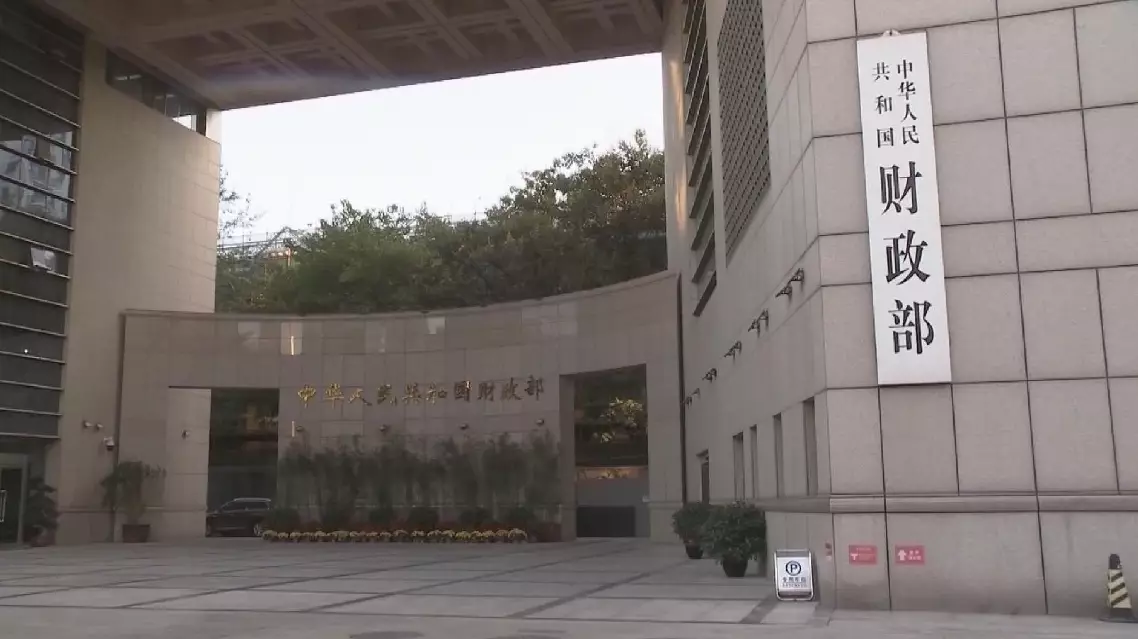
China's general public budget revenue, expenditure both see increase in H1
China implemented a more proactive fiscal policy to safeguard and improve people's livelihoods in the first half of the year, according to the country's finance ministry on Wednesday.
In the first six months, 1.2 trillion yuan (about 177.36 billion U.S. dollars) in subsidies for basic old-age insurance was allocated to support local governments in paying pensions on time and in full.
A total of 386.4 billion yuan in subsidies for basic medical insurance for urban and rural residents was allocated to consolidate enrollment rates and coverage of basic medical insurance.
In the same period, central government transfer payments to local governments totaled 10.42 trillion yuan, with the funding volume remaining above 10 trillion yuan for four consecutive years.
The central government temporarily increased its share of funding for childcare subsidies and the waiver of childcare and education fees for the final year of preschool.
"Approximately 100 billion yuan in childcare subsidies and 24.1 billion yuan in subsidies for the waiver of childcare and education fees for the final year of preschool were allocated to reduce childbirth and child-rearing costs for families. We have earmarked 156.7 billion yuan in assistance funds for people in need to support local governments in effectively ensuring the basic livelihood of vulnerable groups," said Tang Zaifu, deputy director of the Budget Department under the Ministry of Finance, at a press briefing in Beijing.
In the first half of the year, the ministry accelerated the budget allocation process to create favorable conditions for fund utilization.
The central government cleared all budget plans for all central government departments by the end of March.
Regarding central-to-local transfer payments, 9.4 trillion yuan had been allocated as of the end of June, accounting for 90.3 percent of the budget set at the beginning of the year, with the allocation progress edging up by 0.5 percentage points compared to the same period last year.
The ministry has coordinated the effective use of tools such as government bonds, fiscal interest subsidies, and special funds to continuously expand investment and stimulate consumption.
It has innovatively implemented a comprehensive package of fiscal and financial policies to boost domestic demand, giving full play to the role of fiscal funds to better stimulate private investment and household consumption.
"We have made effective use of funds such as central budgetary investment, local government special bonds, and funds for projects that concern major national strategies and security capacity-building in key areas to accelerate the realization of tangible results. We have adjusted and optimized the scope and standards for subsidies for the trade-in of consumer goods, disbursing 125 billion yuan in related subsidy funds, which has driven sales of automobiles, home appliances, and digital products totaling some 1.1 trillion yuan," said Tang.
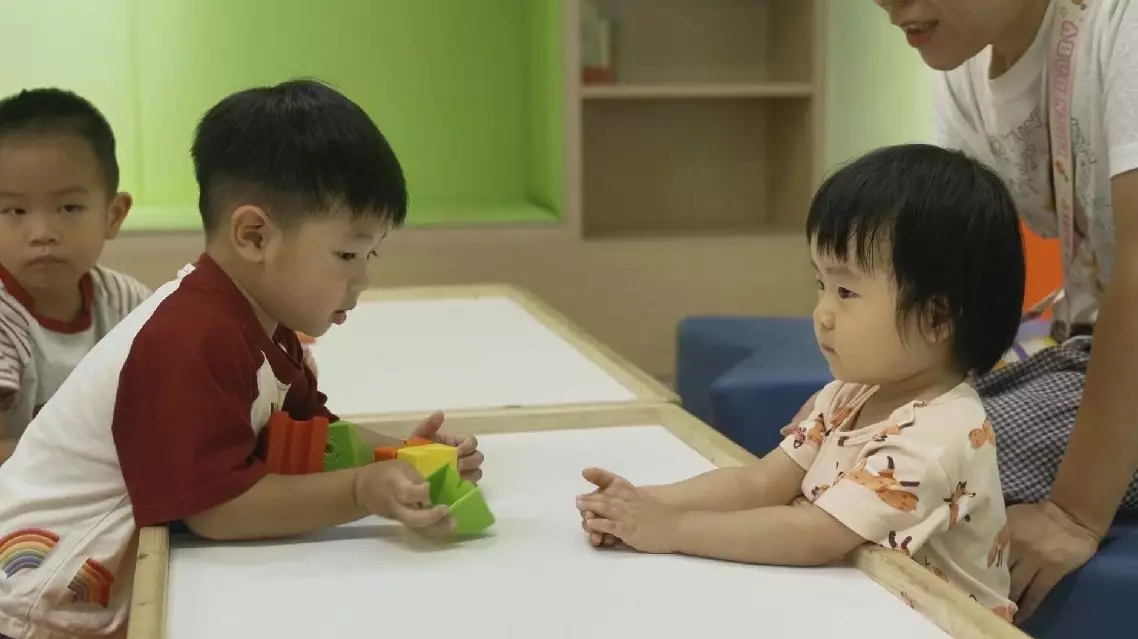
China takes proactive fiscal policy to improve people's livelihood in H1