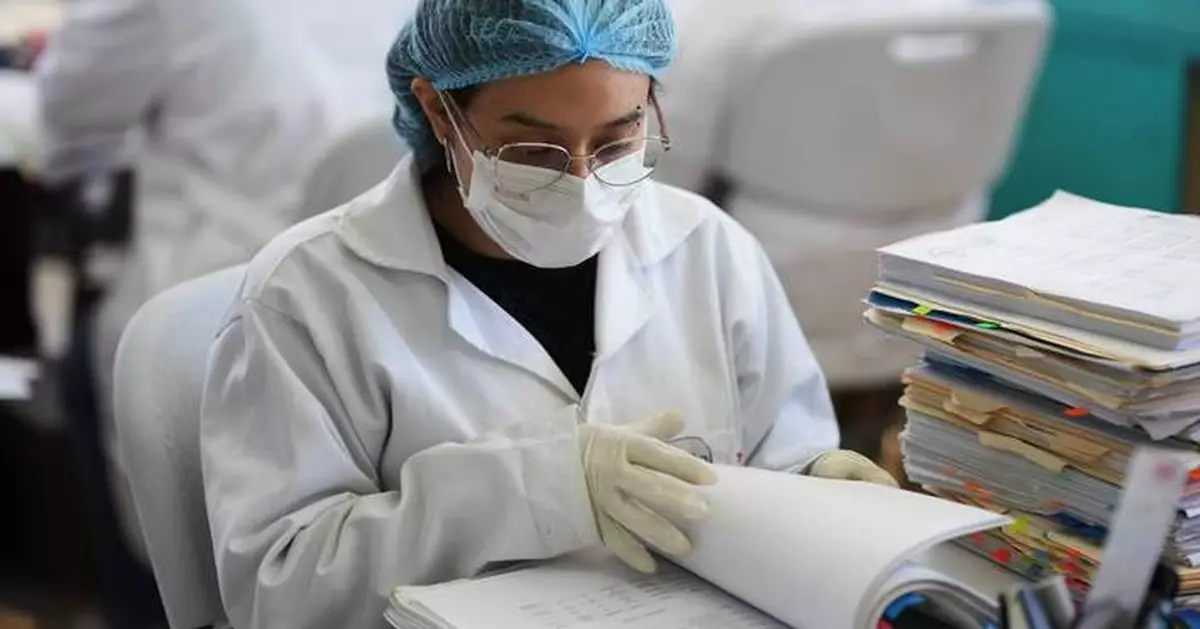
GUATEMALA CITY (AP) — Manuel Botom Uz was just four years old when he and his siblings were attacked by the Guatemalan army in his Indigenous community in Quiche, in northwest Guatemala, in 1982 during the height of the country’s armed conflict.
His siblings were found and released to relatives, but he became one of more than 100 children who disappeared during the conflict from 1960 to 1996. More than 200,000 people were killed and some 45,000 disappeared during the conflict between the army and guerrilla groups. A U.N. truth commission concluded that the Guatemalan military was responsible for most abuses and that the Guatemalan state carried out acts of genocide against Indigenous people.
Click to Gallery
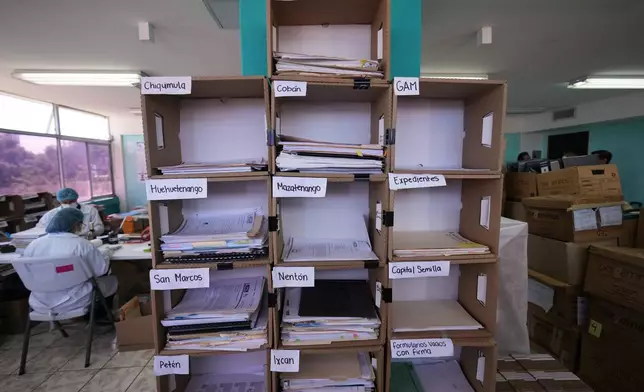
Archivists work to safeguard testimonies from victims of the internal armed conflict between 1960 and 1996, who sought reparations for the abuses they suffered, in Guatemala City, Wednesday, July 22, 2026. (AP Photo/Moises Castillo)
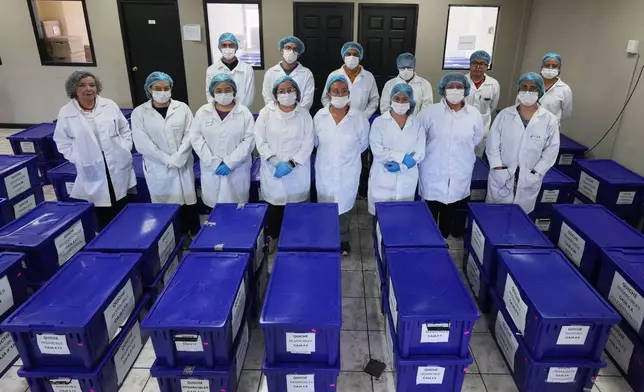
Archivists pose for a group photo with boxes containing testimonies from victims of the internal armed conflict between 1960 and 1996, who sought reparations for the abuses they suffered, in Guatemala City, Wednesday, July 22, 2026. (AP Photo/Moises Castillo)
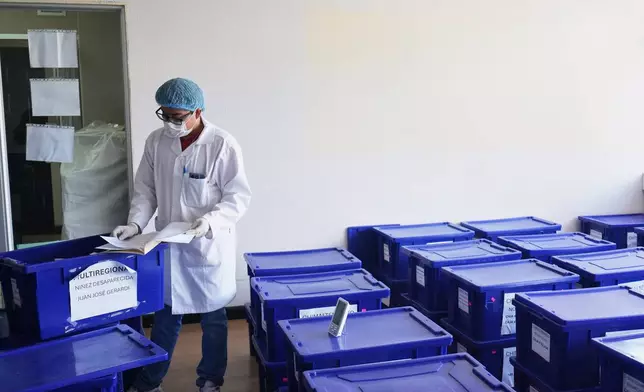
Archivist assistant Erick Briones is part of a team working to safeguard testimonies from victims of the internal armed conflict between 1960 and 1996, who sought reparations for the abuses they suffered, in Guatemala City, Wednesday, July 22, 2026. (AP Photo/Moises Castillo)
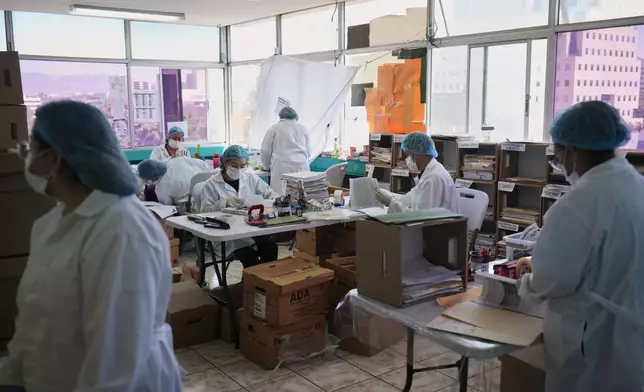
Archivists work to safeguard testimonies from victims of the internal armed conflict between 1960 and 1996, who sought reparations for the abuses they suffered, in Guatemala City, Wednesday, July 22, 2026. (AP Photo/Moises Castillo)
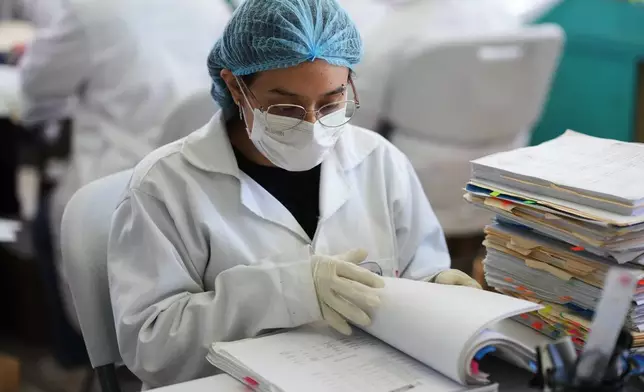
An archivist works to safeguard testimonies from victims of the internal armed conflict between 1960 and 1996, who sought reparations for the abuses they suffered, in Guatemala City, Wednesday, July 22, 2026. (AP Photo/Moises Castillo)
What little is known about Botom Uz comes from a government program known as the National Reparations Program, which collected testimonies of abuse. But the country is now in a race against time to safeguard the 60,000 case files before the end of the presidency of progressive Bernardo Arévalo in January 2028.
The testimonies, stored in hundreds of large blue plastic boxes organized by department, recount extrajudicial executions, murders, sexual abuse, forced disappearances, and the forced recruitment of men, women, and children in Guatemala during the armed conflict.
Workers trying to save the archive found “damp, piled-up boxes, incomplete, torn files,” recounted Erick Briones, an archive assistant.
It’s part of a UNESCO-funded project that seeks to recover the archive and, in the future, have it declared part of the Memory of the World Program, so that it can be protected and made accessible to everyone who wants to learn about the country’s history.
While Guatemala has brought some perpetrators to justice, the enduring influence of military officials and elites implicated in the period's abuses from that period has hindered efforts. Arévalo has made reparations efforts a priority, but rights groups worry that his eventual successor wouldn’t do the same.
Under the last two presidents, Jimmy Morales and Alejandro Giammattei, the reparations program was largely abandoned, and Giammattei ordered it to be shut down with no provisions to preserve the testimonies contained.
Arévalo has sought to revive efforts to preserve evidence of past abuses from the armed conflict and provide reparations, including launching the first national registry of people who disappeared during that time.
“There was an intention, on the part of the Morales and Giammattei governments, to erase collective memory, to destroy a legacy built over many years based on the testimonies of the victims,” said Elvin Díaz, the presidential commissioner for human rights, who now oversees the archives.
“That is why it is important to recover that memory and the testimonies of the victims, to safeguard them, and for them to become part of the living memory of this country.”
In its initial report, the United Nations Working Group on Enforced or Involuntary Disappearances, which visited Guatemala last month, stated that the governments of Morales and Giammattei carried out a “systematic policy of dismantling institutions for peace and justice.”
The national reparations program was mainly for humanitarian aid and reparations, but the information could also be used for criminal investigations, Díaz said.
The restoration project also plans to digitize the archive for universal access.
The files will become part of the Reparation and Dignity Plan for the Victims of the Armed Conflict, which Arévalo announced last month.
The plan seeks to integrate and centralize the information from public institutions and civil society organizations to continue with reparations. People who are still missing will be included in a government database.
The case of Botom Uz, however, was finally resolved. Twenty-two years after his disappearance, his remains were exhumed from a clandestine grave and given to his family for burial.
Follow AP’s Latin America coverage at https://apnews.com/hub/latin-america
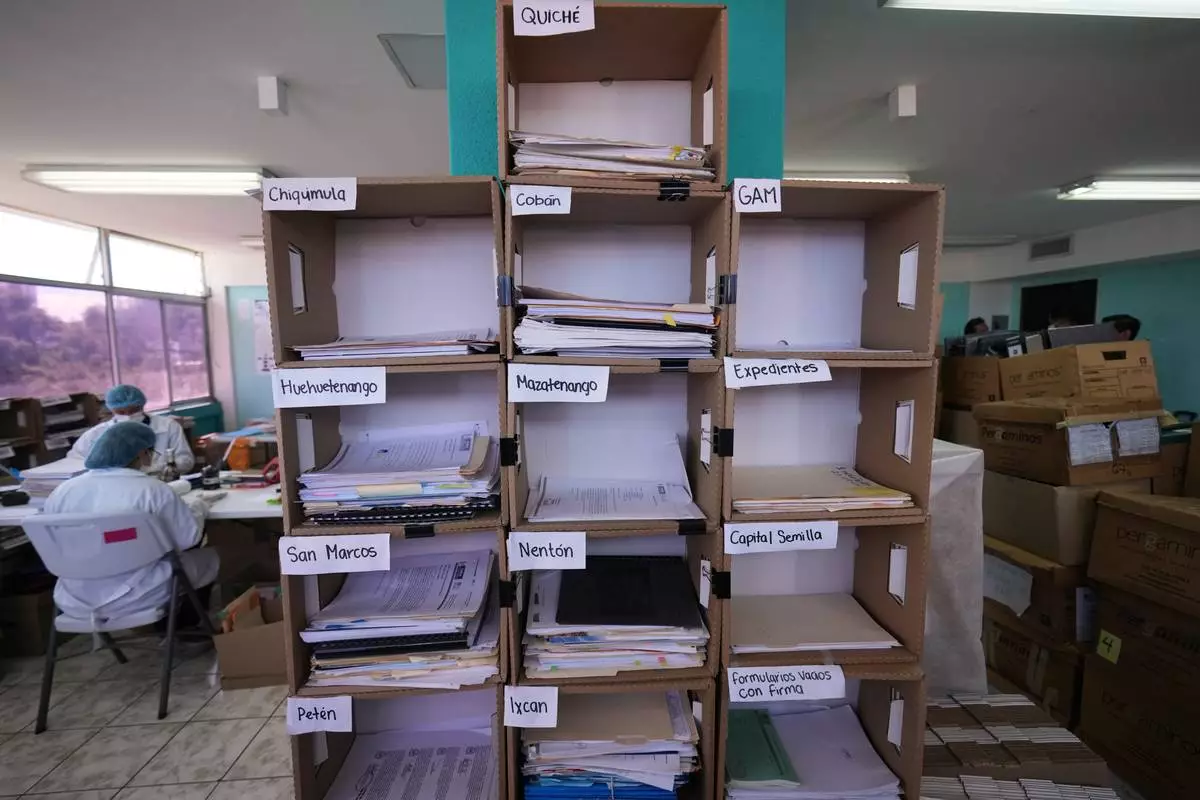
Archivists work to safeguard testimonies from victims of the internal armed conflict between 1960 and 1996, who sought reparations for the abuses they suffered, in Guatemala City, Wednesday, July 22, 2026. (AP Photo/Moises Castillo)
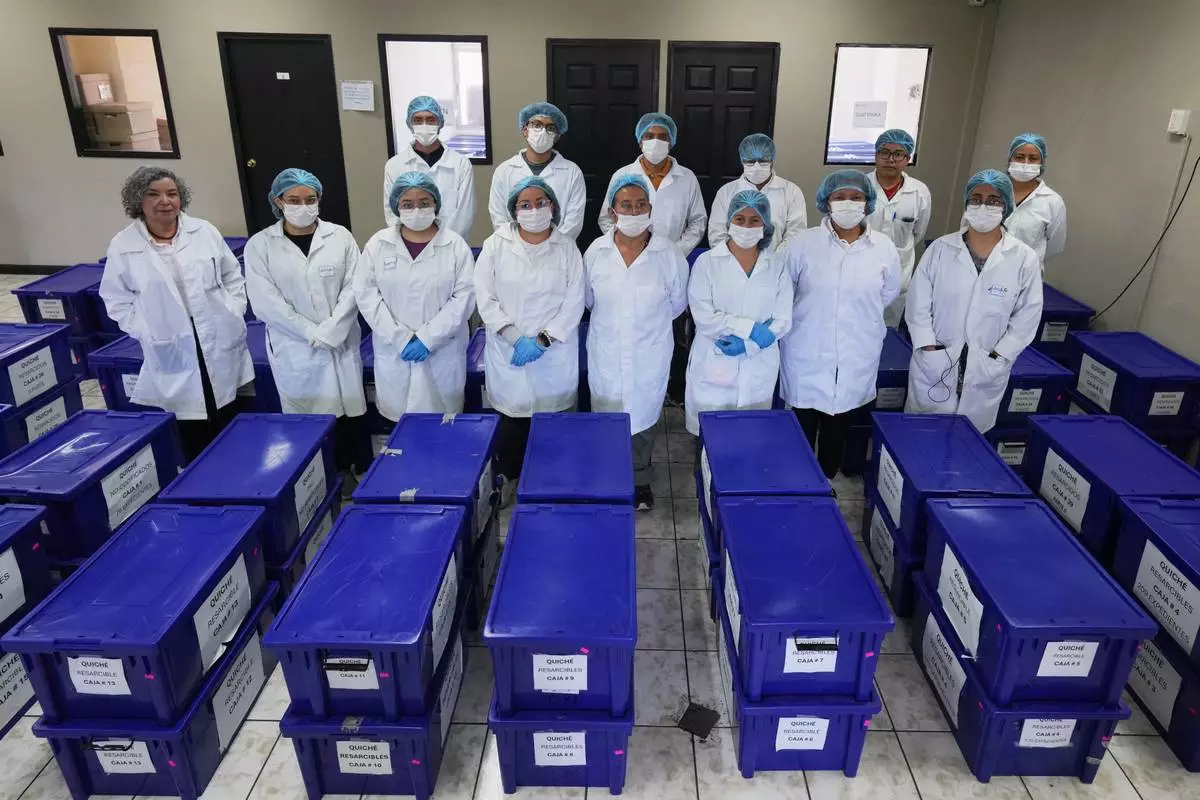
Archivists pose for a group photo with boxes containing testimonies from victims of the internal armed conflict between 1960 and 1996, who sought reparations for the abuses they suffered, in Guatemala City, Wednesday, July 22, 2026. (AP Photo/Moises Castillo)
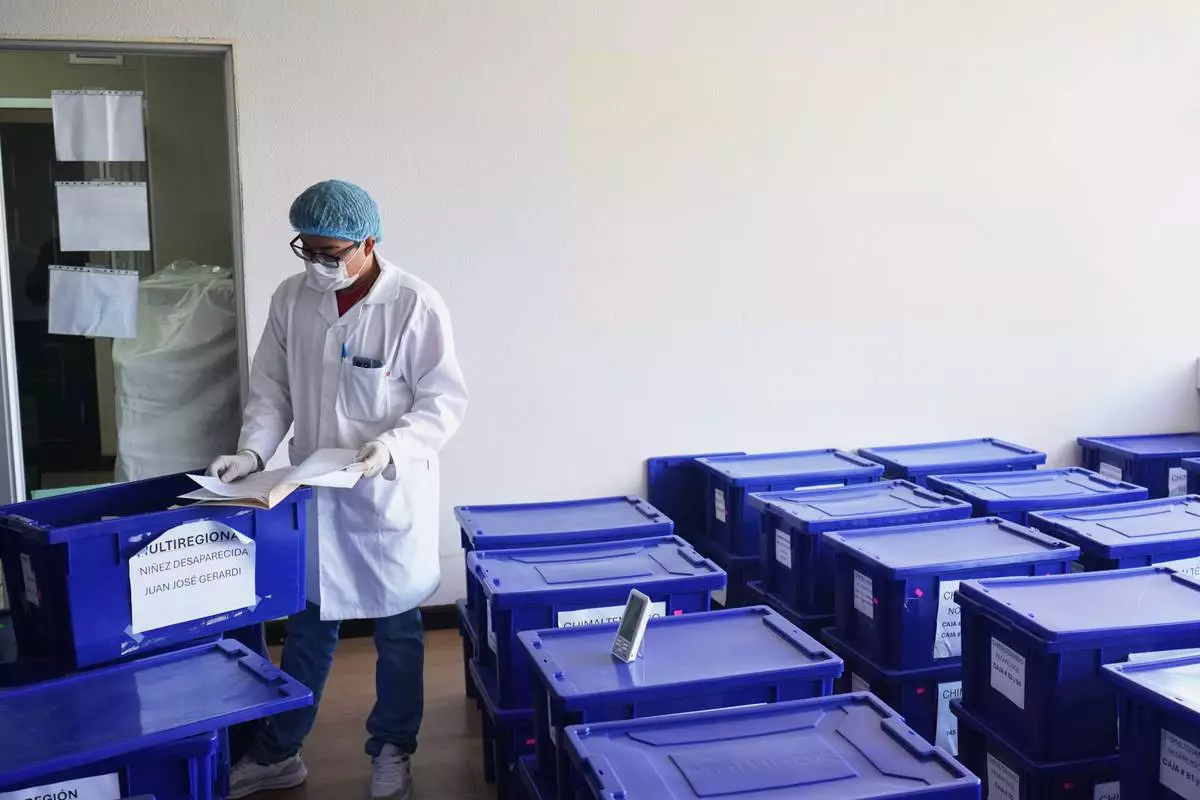
Archivist assistant Erick Briones is part of a team working to safeguard testimonies from victims of the internal armed conflict between 1960 and 1996, who sought reparations for the abuses they suffered, in Guatemala City, Wednesday, July 22, 2026. (AP Photo/Moises Castillo)
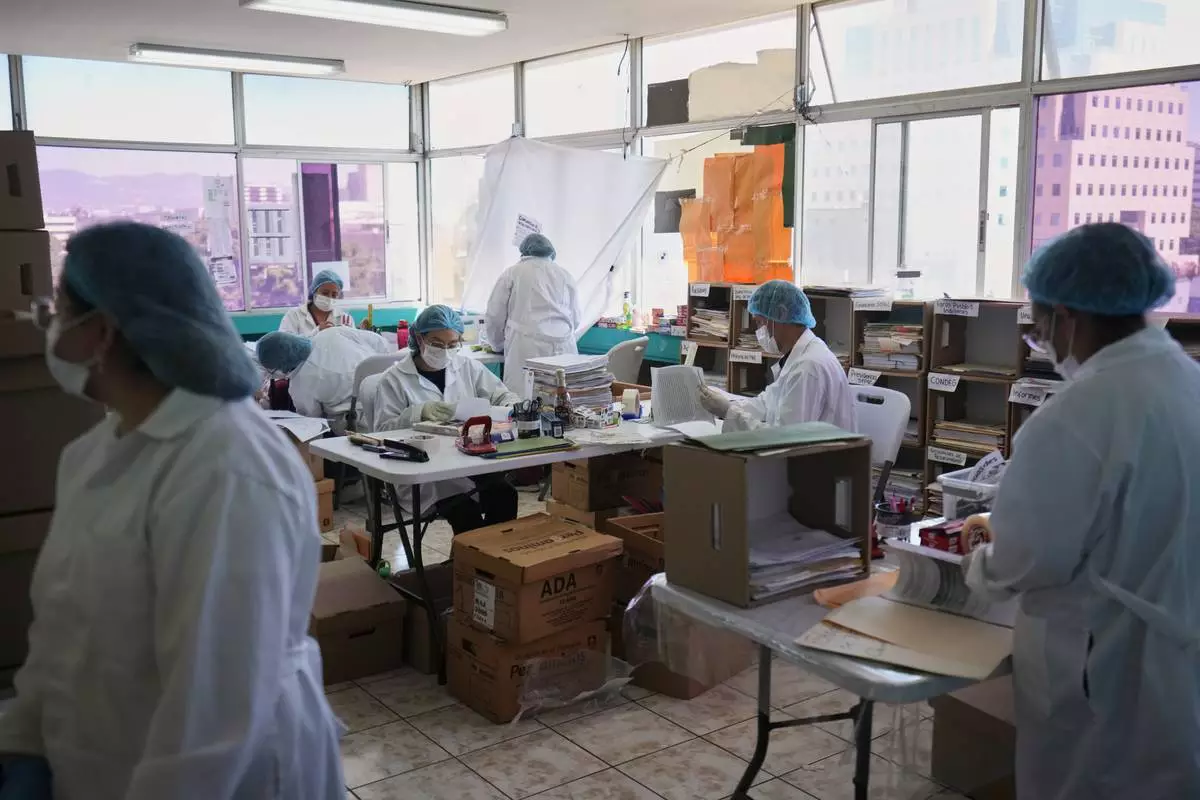
Archivists work to safeguard testimonies from victims of the internal armed conflict between 1960 and 1996, who sought reparations for the abuses they suffered, in Guatemala City, Wednesday, July 22, 2026. (AP Photo/Moises Castillo)
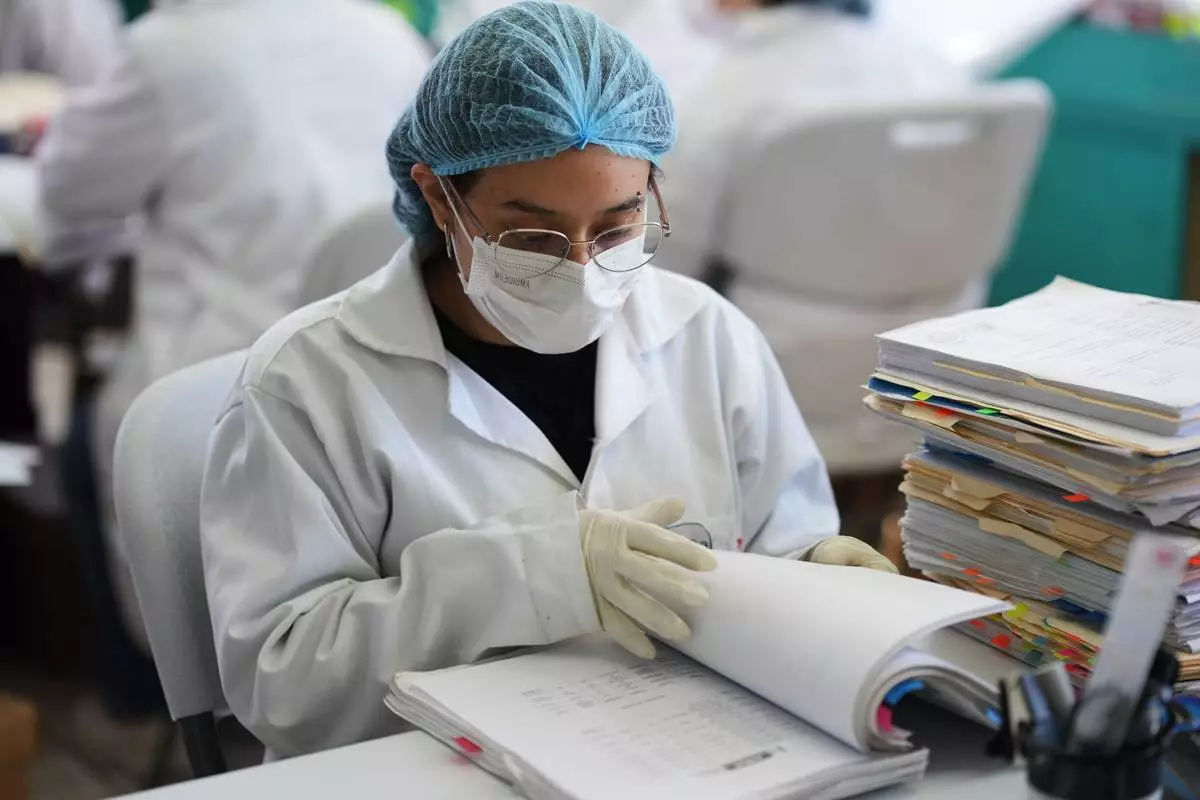
An archivist works to safeguard testimonies from victims of the internal armed conflict between 1960 and 1996, who sought reparations for the abuses they suffered, in Guatemala City, Wednesday, July 22, 2026. (AP Photo/Moises Castillo)