CHICAGO--(BUSINESS WIRE)--Jul 23, 2026--
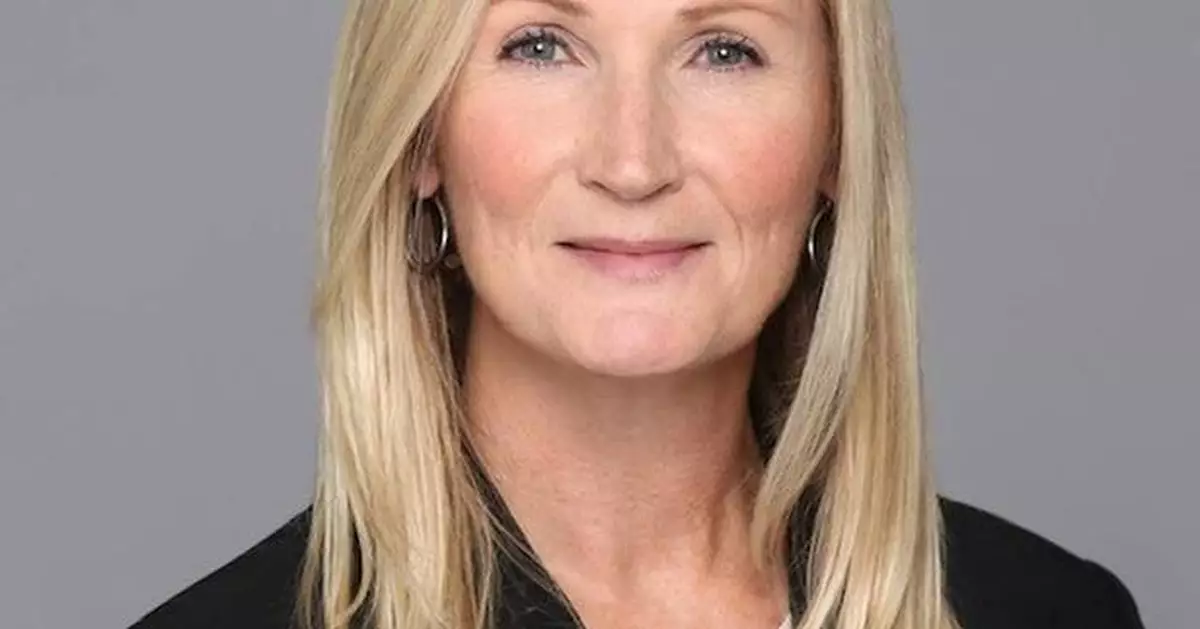
Smart Care Solutions (“Smart Care"), the nation’s leading provider of comprehensive hot & cold side foodservice equipment, specialty coffee and beverage, standalone refrigeration, complex rack refrigeration, cold storage, and HVAC, today announced two senior leadership appointments effective immediately. Veronica Lubatkin has joined as President and Chief Financial Officer, and Jenna Susanke as Chief People Officer, reporting to Chief Executive Officer James Mylett.
This press release features multimedia. View the full release here: https://www.businesswire.com/news/home/20260723212627/en/
Ms. Lubatkin brings significant experience scaling complex, multi-location service businesses. Most recently, she served as Chief Financial Officer of RailWorks, the largest rail transportation, construction and maintenance services organization in North America, where she led finance, enterprise risk management and I.T. organization including the ERP implementation across a $1 billion revenue organization. Earlier in her career, she held financial leadership roles in the life sciences industry, including CFO of Par Pharmaceuticals and senior finance positions at Schering-Plough. She started her career in public accounting at Arthur Andersen.
Ms. Susanke joins Smart Care with more than 30 years of human capital leadership across complex, global organizations. Most recently she served as Executive Vice President, Chief People Officer at Veolia North America, a global leader in environmental services. Earlier in her career, she held senior leadership and consulting roles at Philip Morris International, PepsiCo, PricewaterhouseCoopers and Aon building a track record of high-performance cultures, developing talent pipelines, and leading organizations through periods of significant transformation.
“As Smart Care continues to grow both organically and through strategic acquisitions, having the right operational and people infrastructure in place is essential,” said James Mylett, Smart Care Chief Executive Officer. “Veronica’s experience scaling large, multi-service organizations and Jenna’s experience in building high-performance cultures will be instrumental as we integrate new business, deepen our customer relationships and strengthen our position as the national leader in foodservice equipment and refrigeration services.”
About Smart Care
Smart Care is the leading provider of comprehensive hot & cold side foodservice equipment, specialty coffee and beverage, standalone refrigeration, complex rack refrigeration, cold storage and HVAC. Smart Care’s strong reputation and leading customer service is built on the foundation of a high-quality technician base, an unmatched breadth of repair and preventative maintenance services and quick response times. Smart Care operates in all 50 states and is OEM-agnostic with the ability to service more than 10,000 types of equipment for food retail, restaurants, convenience stores, warehouse operators and other institutions.
Additional information about Smart Care can be found by visiting www.smartcaresolutions.com.
About Wind Point Partners
Founded in 1984, Wind Point Partners is a Chicago-based private equity investment firm with approximately $9 billion in assets under management. The firm’s Vision, Talent, Transformation (“VTT”) investment strategy focuses on partnering with top caliber management teams around a clear and exciting plan to invest behind a business to achieve transformational growth and value creation. The firm’s Executive Advisor Partner (“EAP”) network is comprised of more than 40 high-caliber executives who are closely aligned with Wind Point and contribute across all aspects of the firm’s investment process.
Wind Point targets well-positioned middle market businesses within the business services, consumer products and industrial products industries. Since inception, Wind Point has deployed 10 private equity buyout funds in partnership with leading institutional investors around the world, including public pensions, insurance companies, endowments, foundations, fund of funds and family offices.
Additional information about Wind Point is available at www.windpointpartners.com.

Jenna Susanke, Smart Care Solutions Chief People Officer
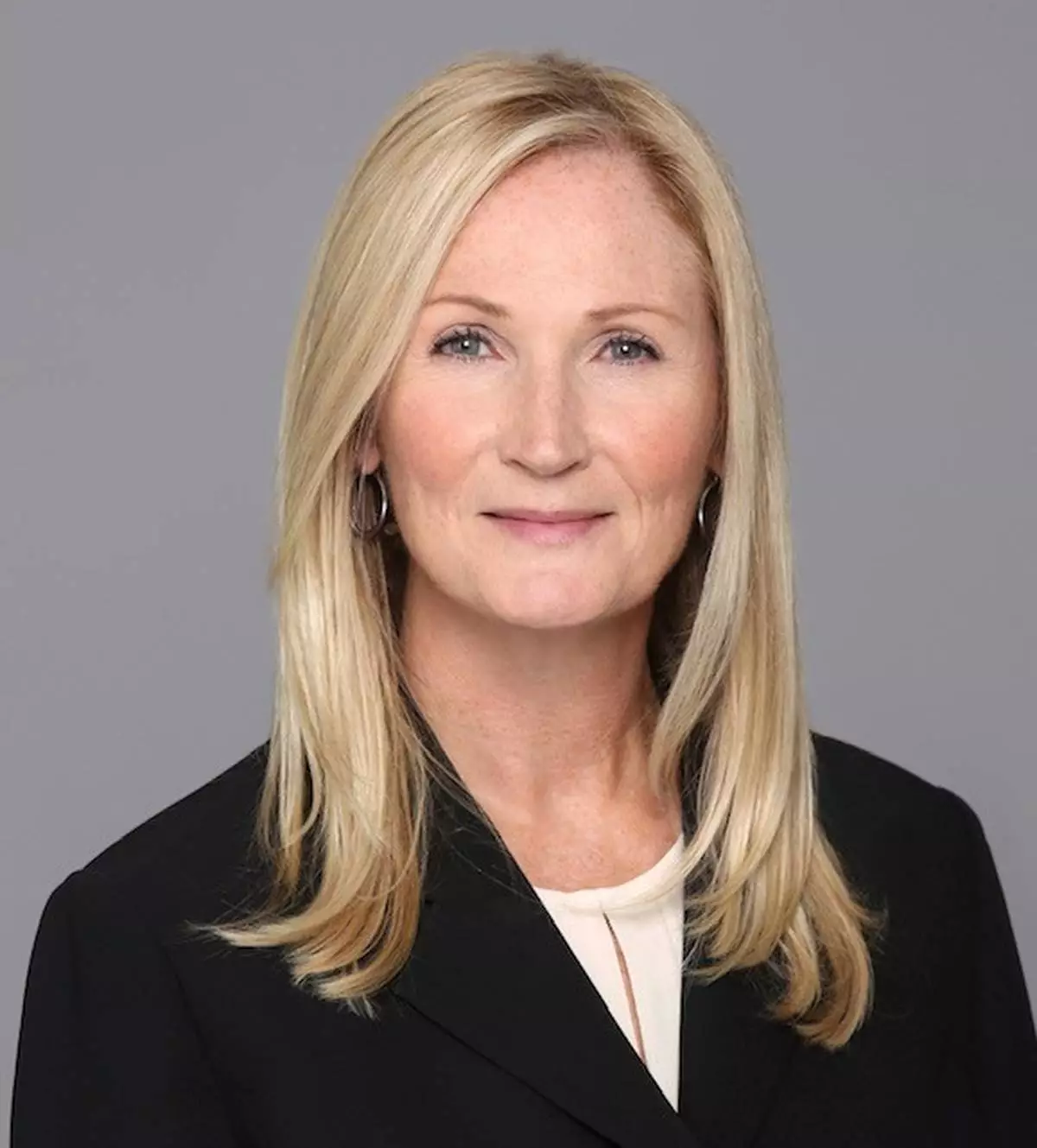
Veronica Lubatkin, Smart Care Solutions President and Chief Financial Officer
SAO PAULO (AP) — The Ashaninka Indigenous people — who recovered their territory in the Brazilian border with Peru from settlers three decades ago, established and sustained their own governance, and grew crops while protecting the forest — have long been a success story for communities across the Amazon. But now, their way of life is under a violent threat.
Gangs and drug traffickers are increasingly encroaching on Ashaninka land and using the rivers in the Amazon and adjacent land for drug routes. Ashaninka leaders say they’ve reported violent episodes — as recent as this month — and asked for protection, including a meeting with Brazilian officials in the capital on Thursday. Security forces have been deployed. But in this region, their presence is usually temporary, while the threats remain permanent, various Indigenous groups say.
The invasion of Ashaninka territory is part of a broad transformation of the Amazon border as criminal routes expand, through what experts call the Solimoes River route.
Indigenous territories are key to this route. Experts say protecting Indigenous land is one of the most effective ways to curb deforestation in the Amazon, the world’s largest rainforest and a key regulator of global climate. But the very forests these communities help protect leave them vulnerable: Dense tree cover in remote, hard-to-reach areas offers attractive hiding sites for drug traffickers.
Despite appeals to authorities, Ashaninka and other Indigenous people say the Brazilian government's help falls short.
“There is an institutional and intercultural blind spot in the public security services provided to Indigenous peoples,” said Maj. Jonatas Soares, a police officer based in the border city of Tabatinga, in Brazil’s Amazonas state near Colombia and Peru.
“The state formally recognizes their territories, yet it fails to translate that presence into continuous protection tailored to their specific needs.”
The Solimoes River route, which includes a series of navigable rivers flowing from the Peruvian border to Manaus in Brazil, has become a primary route over the past decade for moving cocaine produced in Peru, Colombia and Bolivia to the Brazilian ports on the Atlantic coast, where it is then funneled into domestic and overseas markets, particularly in Europe.
This route is now mostly controlled by the Brazilian gang Red Command, according to Col. César Mello, a retired Amazonas state police officer and professor at the Federal University of Para and the University of the State of Amazonas.
The remote location of Indigenous territories, lack of government oversight, language barriers and cultural differences “make Indigenous peoples a vulnerable population and an attractive source of labor for criminal organizations,” said Col. Mello.
Criminal groups often recruit Indigenous youth by offering them money and status in communities where economic opportunities are scarce. When that doesn't work, they use violence, Col. Mello added.
The Ashaninka have become an enduring block to trafficking networks in Peru and Brazil.
In the past, drug traffickers approached the community seeking to build a clandestine airstrip inside their territory. The Ashaninka refused.
“We have a long history of opposing any kind of illegal activity,” said Francisco Piyãko, coordinator of the Organization of Indigenous Peoples of the Jurua River.
Local tensions escalated earlier this month after a group of armed men reportedly invaded the Kampa Indigenous territory, located along the winding Amonia River in the western Amazon. On July 6, a group of five Spanish-speaking men, carrying machine guns, threatened families and searched for the territory’s main leaders.
Piyãko filed a formal complaint with Acre state authorities and the Brazilian Army, prompting the deployment of security forces.
“It’s one thing for outsiders to enter our territory to steal resources, like timber and wildlife. But this was different. They entered our land looking for our leaders, intending to kill them,” Piyãko said.
Brazil’s Ministries of Indigenous Peoples and Justice did not respond to requests for comment. The Brazilian Army and the Acre state government’s press office also did not respond.
The Foreign Ministry said its representatives would welcome the Ashaninka leaders in Brasilia to hear their concerns and assess further applicable actions with Peru's government.
Earlier this year, Brazilian Supreme Court Justice Flávio Dino ordered the federal government to intensify efforts against criminal organizations operating in the Amazon, citing official records and investigations that showed their growing presence and threat to Indigenous communities.
The community is shaken by the recent threats but determined to resist. Piyãko stressed, however, that confronting armed criminal groups is not the Indigenous responsibility but the duty of the state — both Brazil and Peru.
“They allowed this to happen through their absence, so they bear that responsibility,” he added.
—-
The Associated Press’ climate and environmental coverage receives financial support from multiple private foundations. AP is solely responsible for all content. Find AP’s standards for working with philanthropies, a list of supporters and funded coverage areas at AP.org.
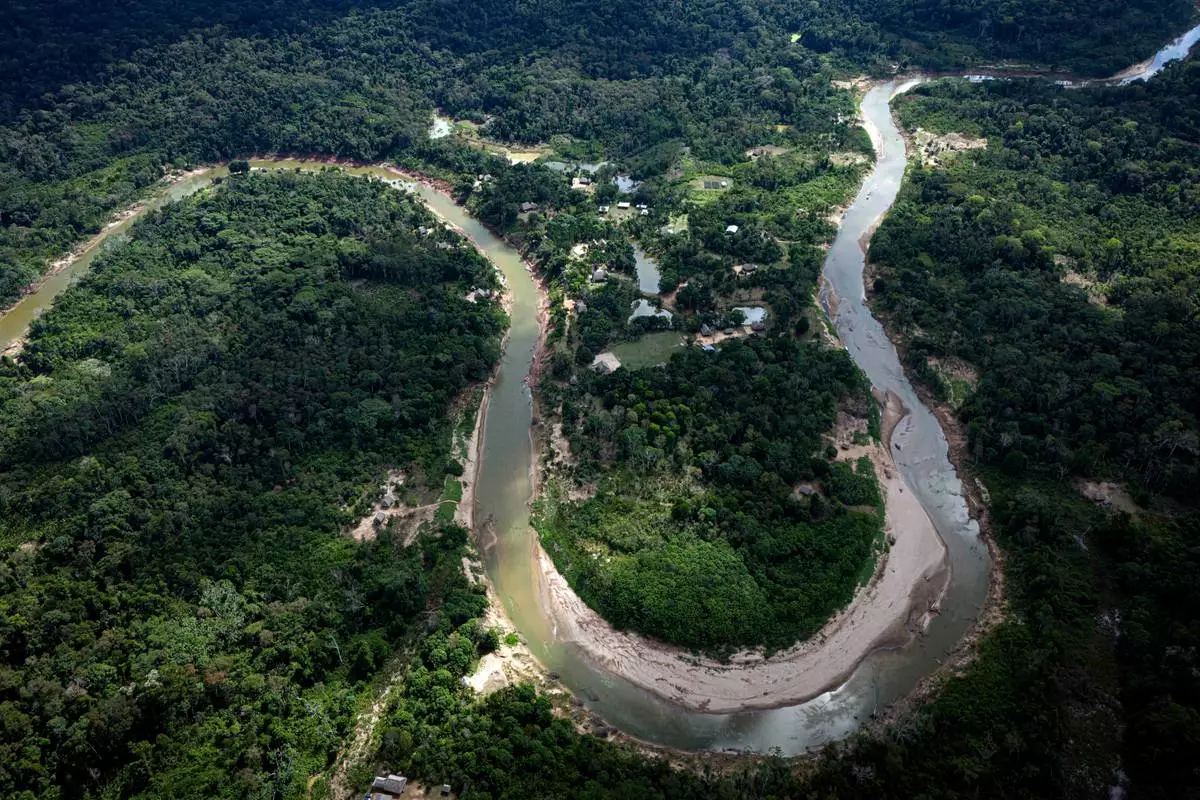
FILE - Ashaninka's territory sits along the winding Amonia River in Acre state, Brazil, June 22, 2024. (AP Photo/Jorge Saenz, File)
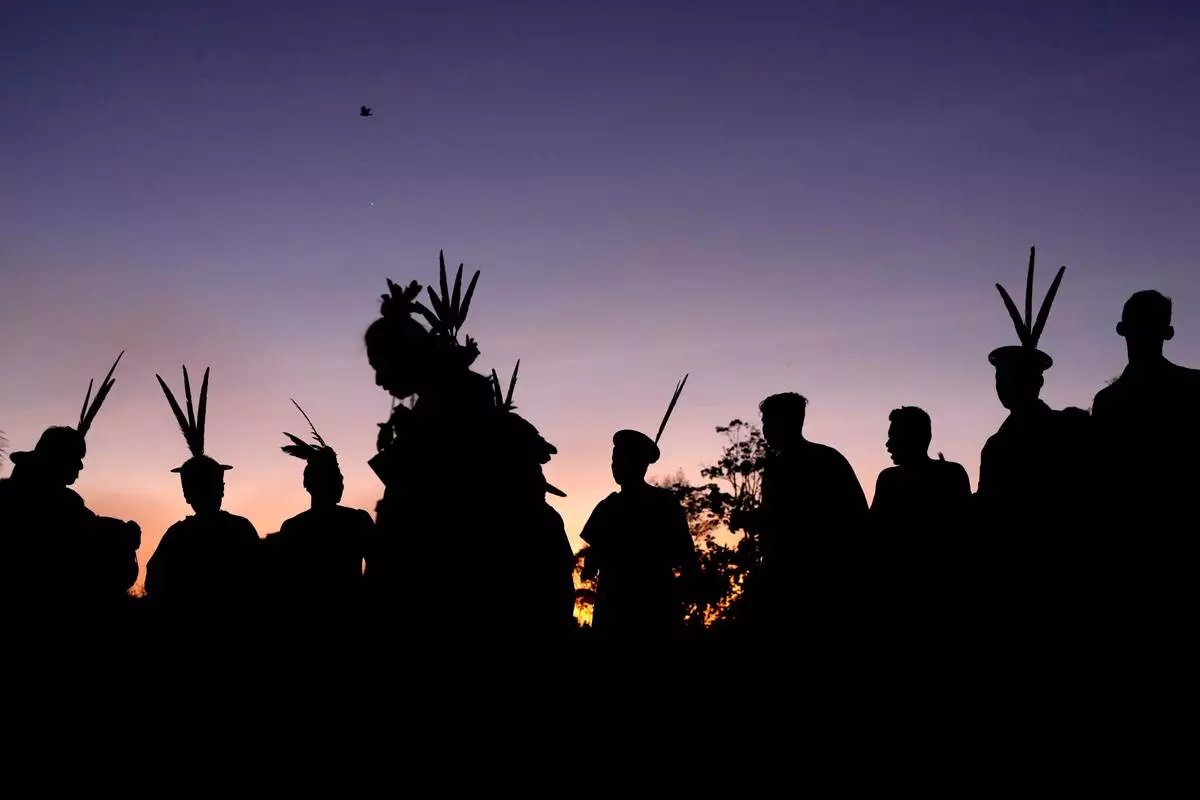
FILE - Ashaninka Indigenous people from Brazil and Peru dance and sing at dawn during the annual celebration recognizing the Ashaninka territory in the Apiwtxa village, Acre state, Brazil, June 24, 2024. (AP Photo/Jorge Saenz, File)