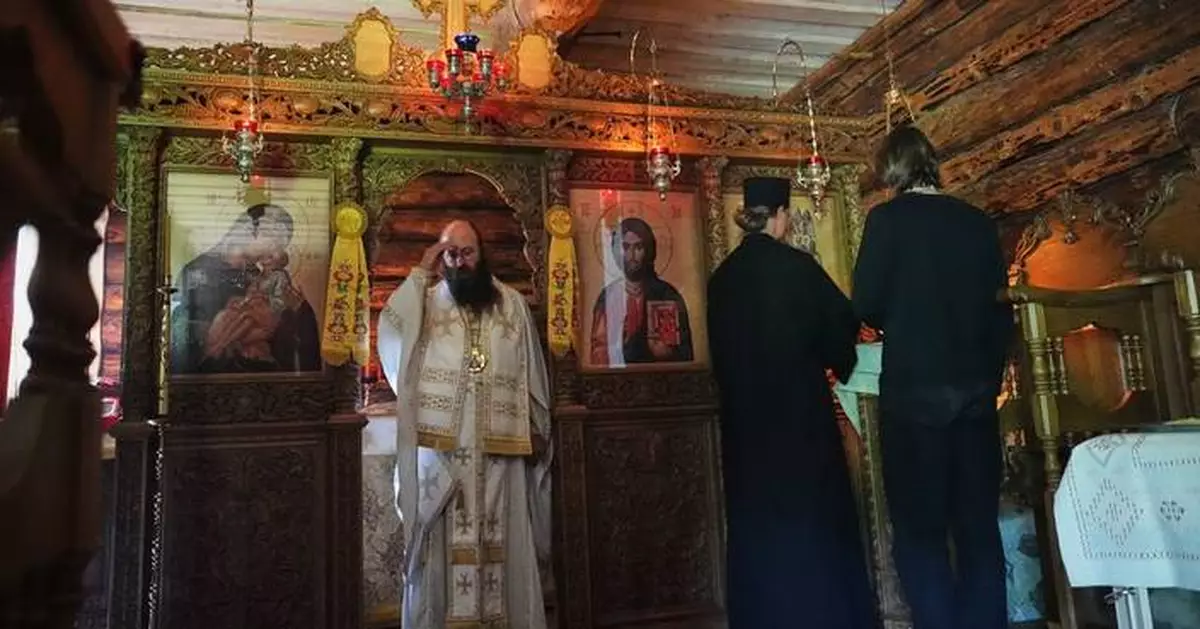
TALLINN, Estonia (AP) — The ancient words of the Divine Liturgy echo in Estonian as Bishop Damaskinos, clad in flowing white and gold vestments, intones prayers in a small, dark chapel separated only by curtains from the bustling daily life of a new monastery nestled within a farmhouse.
Founded last year in one of Europe’s most secular societies, the Kirikla Orthodox Monastery is the first monastery the Estonian Apostolic Orthodox Church has established in decades.
Click to Gallery
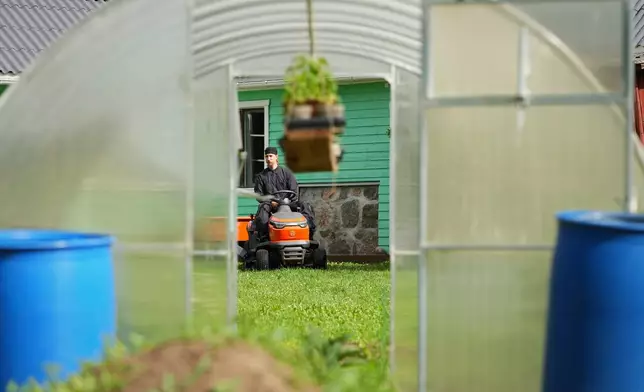
Estonia Monastery Rev. Paisios drives a riding lawn mower at the newly founded Kirikla Orthodox Monastery in Pihali village, Estonia, on July 4, 2026. (AP Photo/Sergei Grits)
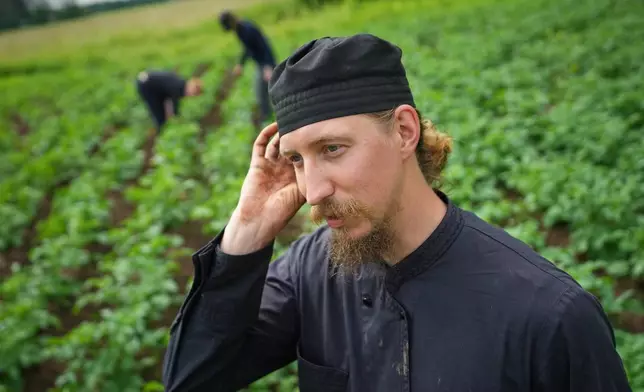
Estonia Monastery Rev. Paisios gives an interview at the newly founded Kirikla Orthodox Monastery in Pihali village, Estonia, on July 4, 2026. (AP Photo/Sergei Grits)
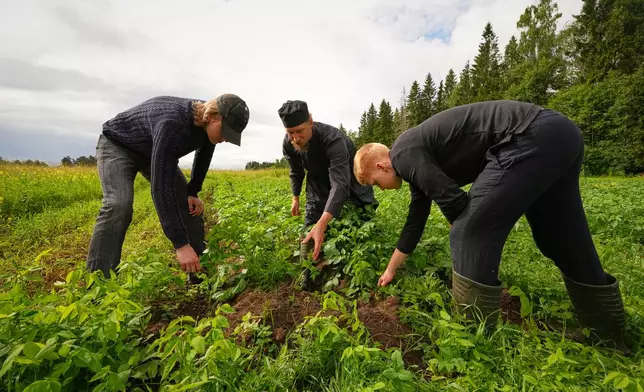
Estonia Monastery Rev. Paisios and volunteers weed a potato field at the newly founded Kirikla Orthodox Monastery in Pihali village, Estonia, on July 4, 2026. (AP Photo/Sergei Grits)
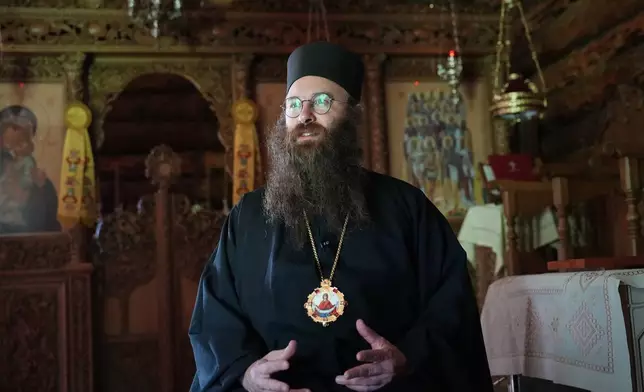
Estonia Monastery Bishop Damaskinos speaks during an interview with the Associated Press in the chapel of the newly founded Kirikla Orthodox Monastery in Pihali village, Estonia, on July 4, 2026. (AP Photo/Sergei Grits)
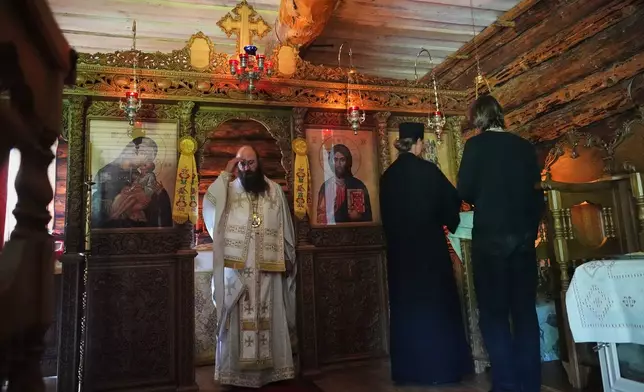
Estonia Monastery Bishop Damaskinos, centre left, prays during the Divine Liturgy in the chapel of the newly founded Kirikla Orthodox Monastery in Pihali village, Estonia, on July 4, 2026. (AP Photo/Sergei Grits)
Since the collapse of the Soviet Union, the church has coexisted alongside a separate Orthodox church affiliated with the Moscow Patriarchate, which has a larger membership in the Baltic country. Even so, the Estonian Apostolic Orthodox Church has long sought to rebuild its own male monastic community within its own borders.
Bishop Damaskinos, the 41-year-old abbot, and his fellow monk, the Rev. Paisios, are the first monks to live, work and pray at the new monastery's farmhouse, about 40 kilometers (25 miles) outside the capital, Tallinn.
While the Estonian Apostolic Orthodox Church system currently has more than 60 churches, as well as a convent, the last Orthodox monks lived in Estonia more than 80 years ago during a period of independence between the world wars.
With the long-awaited return of a monastery, the daily prayers of Damaskinos and Paisios in the chapel go beyond the Baltics.
“The monastery’s meaning is also global in the sense that we pray for the whole world,” Damaskinos said.
Wearing a wide-brimmed straw hat and a black cassock, Damaskinos weeds a flower bed in the garden outside the farmhouse after the service, while Paisios, 31, works in the potato field with young volunteers who came to help the monks this summer.
There is little downtime in the monastery, as work alternates with services, prayers and spiritual talks, and even less time to look at a cellphone. Shielded from the stressful environment outside, the monks say they feel rested despite the routine. Their lifestyle appeals to young visitors of the monastery, Paisios said.
“They say, ‘It’s so nice to just put the phone away and not be focused on the phone the whole day, and just to get away from social media and everything and to be in the real world and connect with people,’” he added.
A country of about 1.3 million, Estonia has a very secular society. Yet Priit Rohtmets, an associate professor of church history at the University of Tartu, sees the first signs of growing interest in religion among young Estonians, raised without the anti-religious prejudices fostered during the Soviet era, when religion was stigmatized and most monasteries were closed.
“They don’t have any bad experience with religion, they don’t have any experience with religion at all,” Rohtmets said. “This, of course, gives a chance for religious communities.”
When a person wants to become a monk, he has to first stay in a monastery as a novice for up to three years and follow the same daily routine as the other monks. When the abbot thinks the novice is ready, he takes vows of poverty, chastity and obedience, receives a new name and commits to live as a monk for the rest of his life.
Unlike Orthodox priests, who may marry before ordination and live in parishes, monks must remain celibate and stay in monasteries.
Though Damaskinos and Paisios are currently the Kirikla Monastery's only monks, the bishop said he is not worried about the number.
“What we are worried about is the spiritual quality of the monks,” he said, “that the monks actually take seriously their task of praying for the whole world.”
The monks follow the rhythms Damaskinos first learned as a monk at Mount Athos in Greece, a center of Christian Orthodox monasticism for more than 1,000 years. The day starts at dawn with solitary prayers before the morning group service, and continues with the daily work of gardening or construction. The only free time is in the evening, after a second service.
While the monks are still settling into their new home, they open their doors on certain days. Through social media, they invite visitors and pilgrims to join their services, rest from the hectic world and see a different kind of lifestyle.
“Monastic life is difficult, but through all these difficulties we find true happiness,” Damaskinos said. “So I hope that when people come here they see the happiness that we represent.”
While Kirikla Monastery is the only Orthodox one in the country, other faiths have established their own monastic communities in Estonia. A Dominican order returned to a small monastery in Tallinn in 1996 and a Theravada Buddhist monastery is located on Aegna Island.
Founding a new monastery is rare in Europe in 2026. Some are closing altogether as fewer monks take their vows. So the Kirikla Monastery's success, even on such a small scale, is heartening to the Orthodox faithful as well as religious scholars.
Even though the monastery does not have any other buildings yet besides its farmhouse — which was donated by a local businessman — Damaskinos' priority is to plan for the future. To earn income, the monks may sell their garden's produce or crafts like candles or incense. But the bishop is more concerned about the spiritual world rather than the physical realm.
“What interests me more, rather than finishing the buildings, is to finish building the brotherhood,” he said. “It's a work that never finishes, but at least it creates a good basis for monastic continuation here in Estonia.”
The Associated Press religion coverage receives support through collaboration with The Conversation US, with funding from Lilly Endowment Inc. The AP is solely responsible for this content.
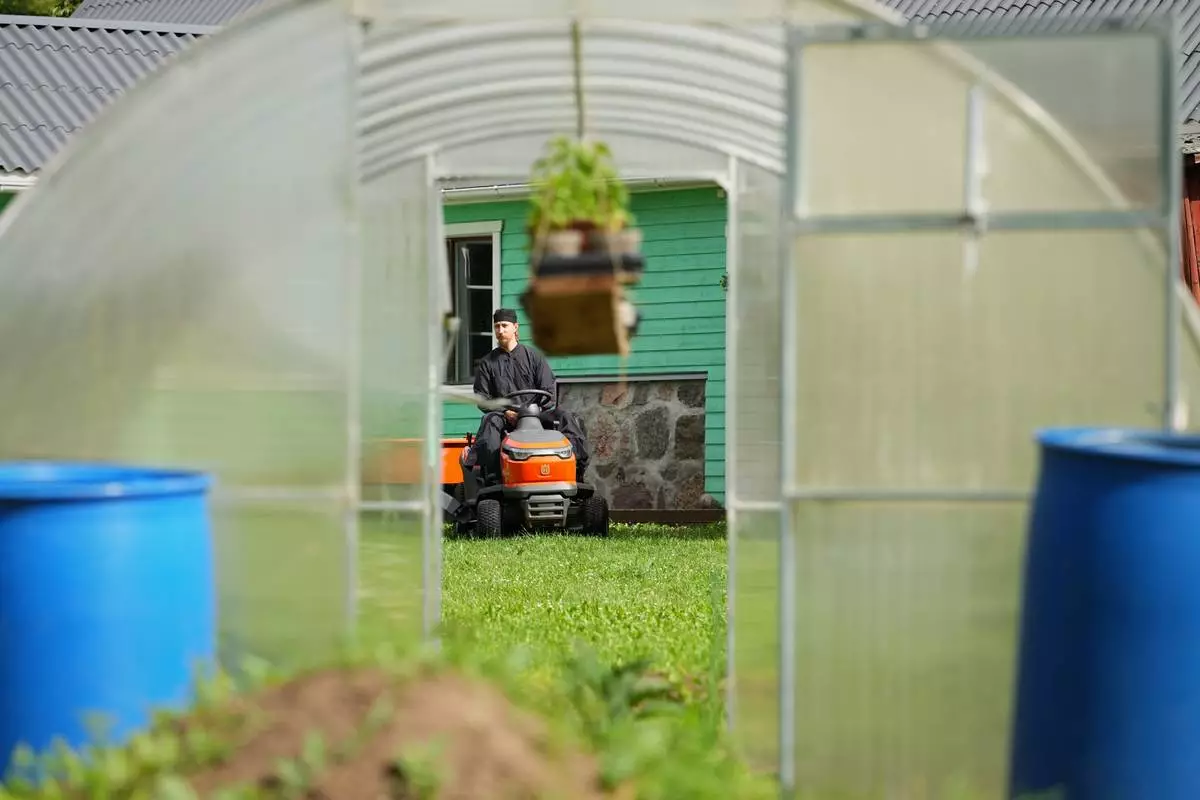
Estonia Monastery Rev. Paisios drives a riding lawn mower at the newly founded Kirikla Orthodox Monastery in Pihali village, Estonia, on July 4, 2026. (AP Photo/Sergei Grits)
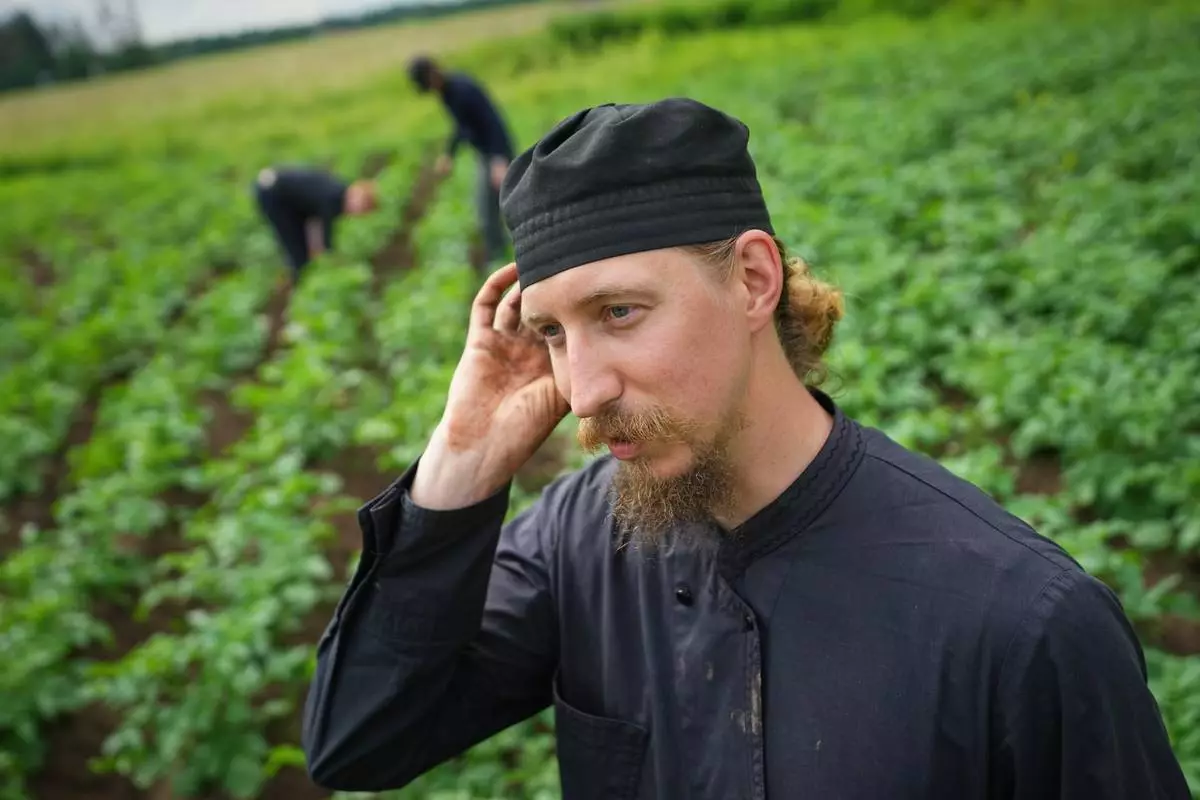
Estonia Monastery Rev. Paisios gives an interview at the newly founded Kirikla Orthodox Monastery in Pihali village, Estonia, on July 4, 2026. (AP Photo/Sergei Grits)
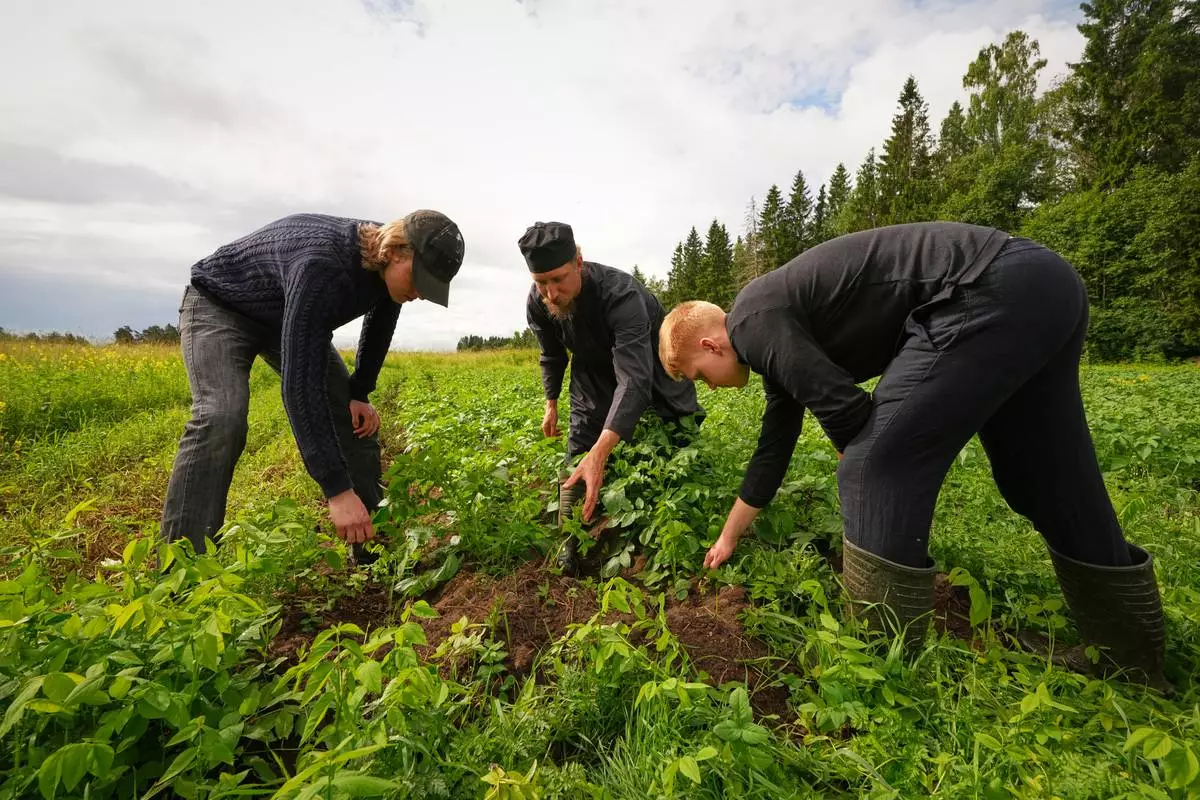
Estonia Monastery Rev. Paisios and volunteers weed a potato field at the newly founded Kirikla Orthodox Monastery in Pihali village, Estonia, on July 4, 2026. (AP Photo/Sergei Grits)
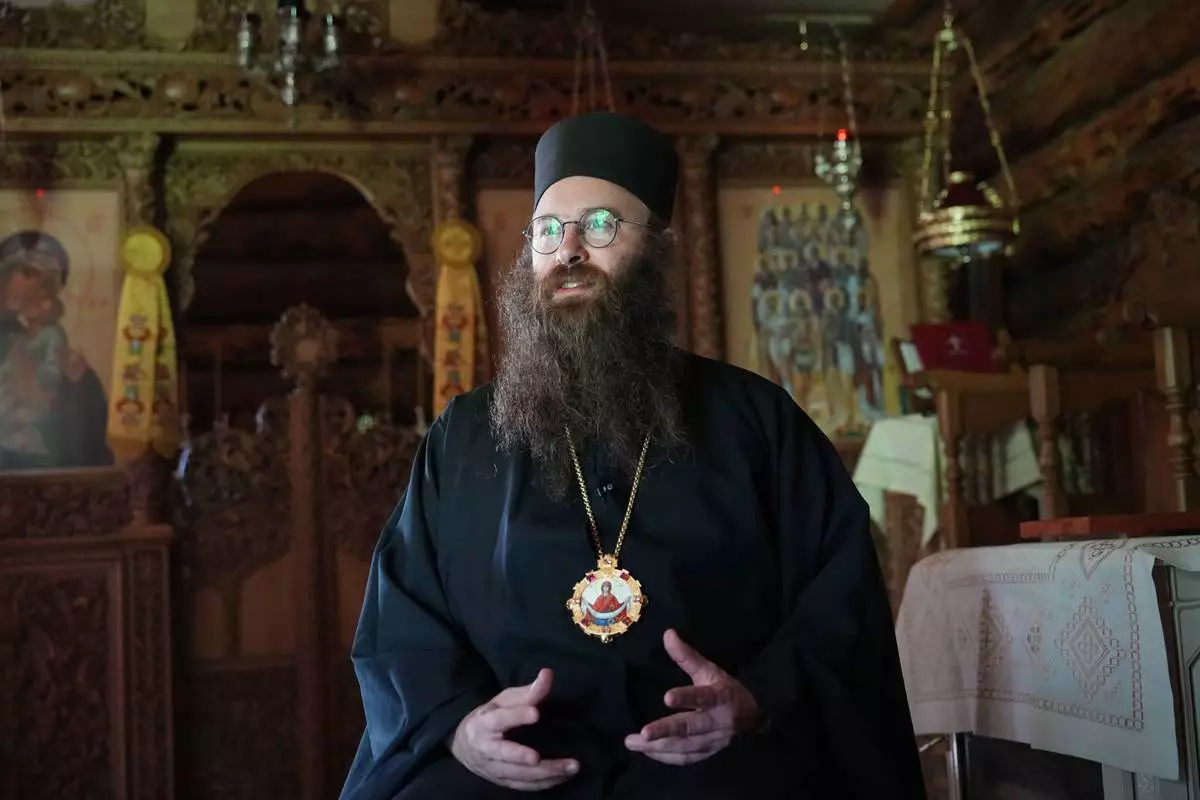
Estonia Monastery Bishop Damaskinos speaks during an interview with the Associated Press in the chapel of the newly founded Kirikla Orthodox Monastery in Pihali village, Estonia, on July 4, 2026. (AP Photo/Sergei Grits)
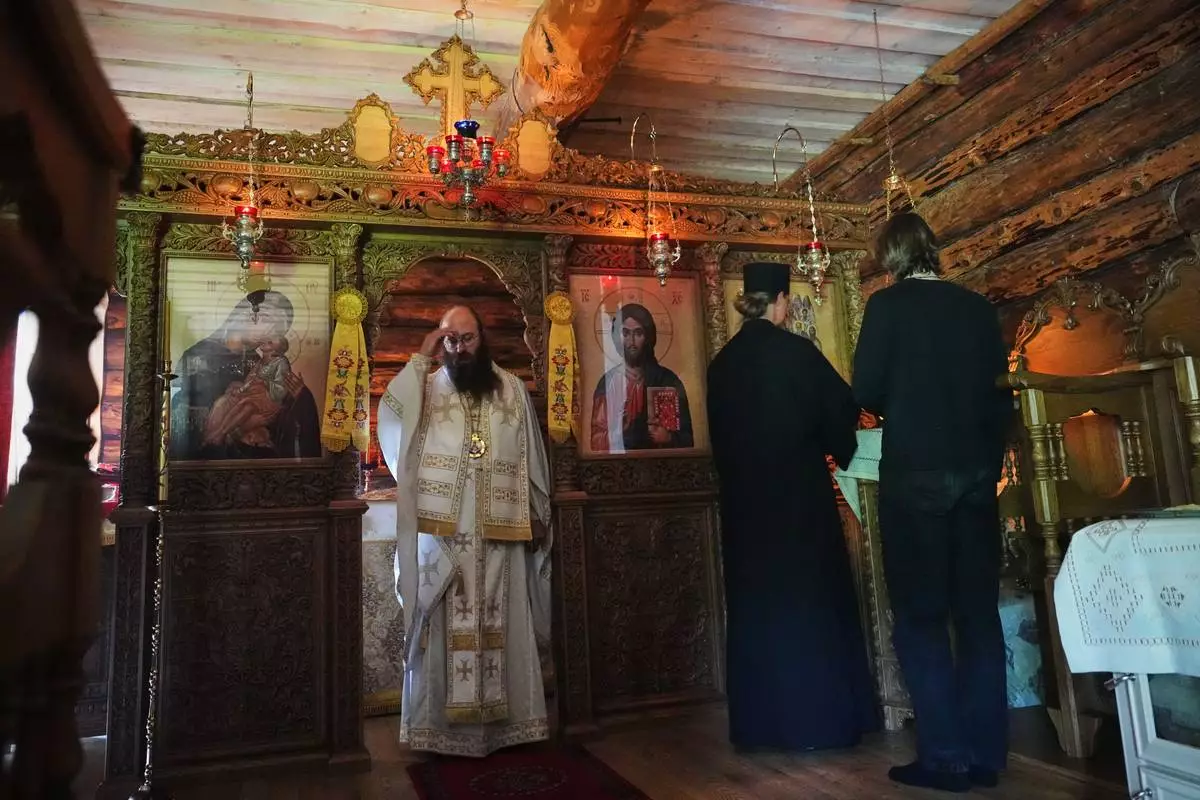
Estonia Monastery Bishop Damaskinos, centre left, prays during the Divine Liturgy in the chapel of the newly founded Kirikla Orthodox Monastery in Pihali village, Estonia, on July 4, 2026. (AP Photo/Sergei Grits)